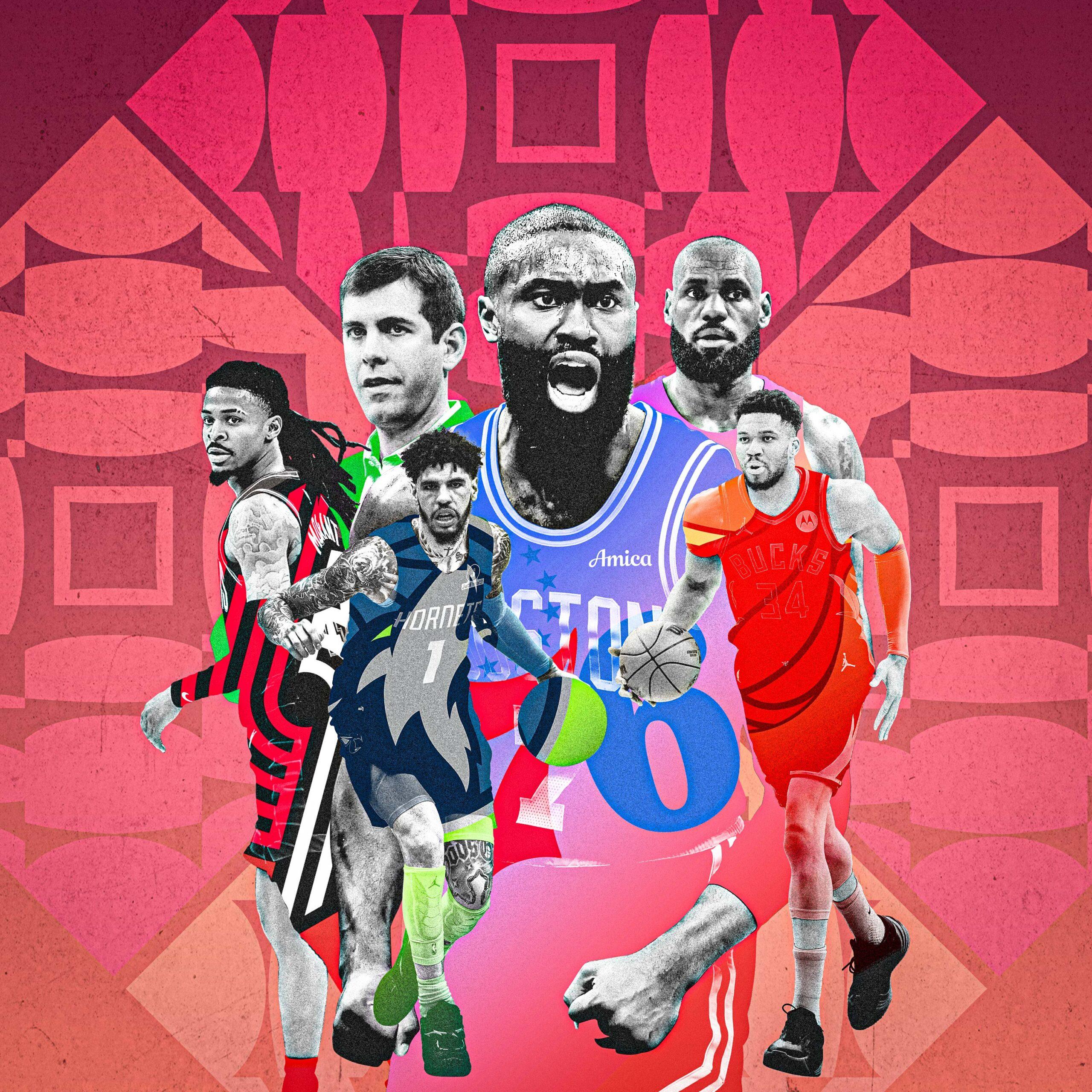
The Winners and Losers of the 2026 NBA Offseason
The ground is still shaking from the NBA’s wildest offseason in years. Here’s who won, who lost, and what it all means.The Winners and Losers of the 2026 NBA Offseason
The ground is still shaking from the NBA’s wildest offseason in years. Here’s who won, who lost, and what it all means.
We’re not even one week into a tectonic-shifting NBA offseason, and largely thanks to the most debilitating barrier in professional sports, unthinkable revelations are now a typical occurrence. With every dollar spent by NBA teams needing to be accounted for, the bar to qualify as a true franchise player (or even just someone worth a max contract) has never been higher. It’s a fluid, perplexing, and truly electric time to be alive.
Plenty of business still needs to get done, but we’ve already experienced one of the most shocking offseasons in recent memory. Here are some of the biggest winners and losers so far, based on all the activity that’s reportedly taken place.
Loser: The Belief That Extensions Would Limit Player Movement
In an attempt to prevent stars from abandoning their franchises in free agency, the new CBA incentivized players to stay by allowing teams to offer extensions that yield a 140 percent raise off their current deal. The rationale is straightforward and has mostly worked as intended. Good players are bypassing free agency and taking the money in front of them. But what we’re also seeing, more and more of late, is extension eligibility dates turning into de facto deadlines.
Front offices that don’t want to extend their own players are instead trading them, passing an ostensible headache onto someone else. One team’s trash is another team’s treasure. It’s not the only reason Anthony Davis, Giannis Antetokounmpo, Kawhi Leonard, Jaylen Brown, and LaMelo Ball have been traded (or, for that matter, Miles Bridges and Isaiah Stewart), but it definitely factored in.
These windows of eligibility are instructional. If you’re a player who understandably wants more years and more money tacked onto your contract, but your team isn’t willing to give them, the relationship can sour. Likewise, if a team offers an extension to a player who’d rather not put pen to paper, a pressure point might get aggravated. Nikola Jokic, Donovan Mitchell, Domantas Sabonis, Karl-Anthony Towns, Anthony Edwards, Tyrese Haliburton, and Pascal Siakam are all eligible for extensions this summer. Each situation is different, and some contain financial incentives that encourage patience. But, nonetheless, they’re all worth keeping an eye on until an official resolution is agreed to.
Winner: Whoever Signs LeBron James
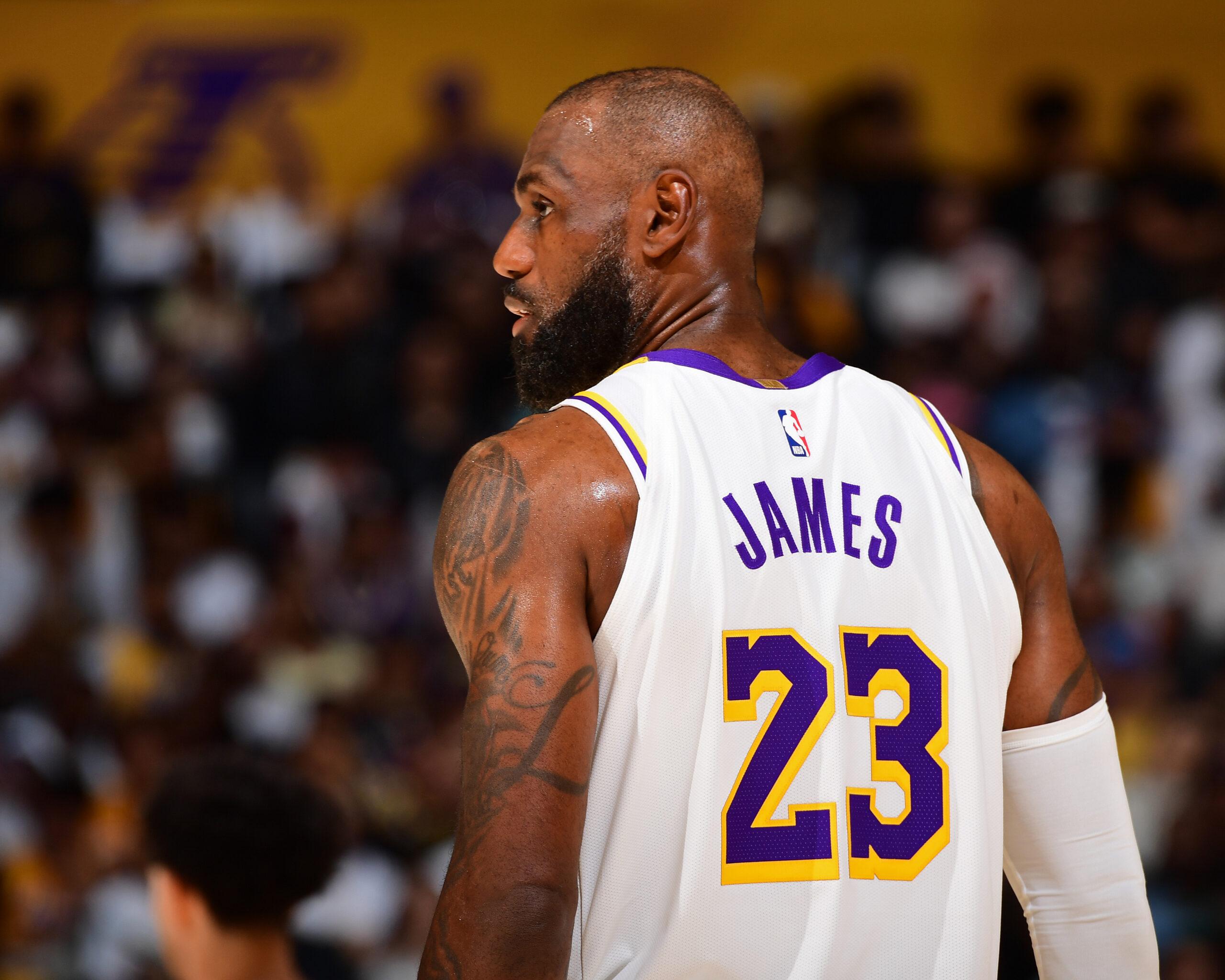
We may not know where LeBron will play next season for a few more weeks, but let’s not overthink this one. James is a living icon and somehow still one of the 20 best players alive. I don’t care that he’s turning 42 years old this season—if he’s signed for the mid-level exception, it’ll be an all-time bargain worth celebrating. If he goes to Denver, Minnesota, or Cleveland, LeBron could very well tilt the title race.
Loser: New Orleans Pelicans
So, what’s the plan here? The Pelicans won 26 games last season and should be operating with significantly more urgency. It doesn’t even matter which direction they want to go in. Just do something! Instead of cashing out on players like Trey Murphy III, Herb Jones, Yves Missi, or even Zion Williamson, whose value is presumably higher than it’s been in years, New Orleans has decided to play dead and spend the least amount of money in the entire league. (To date, its only move has been to re-sign DeAndre Jordan, who turns 38 in a couple of weeks.) Insouciance is self-sabotage in the NBA. Someone should tell the Pelicans.
It’s neither here nor there at this point, but last year’s trade that sent CJ McCollum’s expiring contract to the Washington Wizards for Jordan Poole’s albatross really stings. Poole is making $34 million this year! Lop that figure off New Orleans’s books, and the Pelicans could’ve positioned themselves to open up max cap space. Oh well.
Winner: Charlotte Hornets
By trading away LaMelo Ball and Miles Bridges—the latter of whom missed all of the 2022-23 season and the first 10 games of the following year after pleading no contest to felony domestic abuse—Charlotte reset its culture and finances (hopefully) without short-circuiting the momentum that was sparked in the back half of last season.
Will this team be worse next season? Maybe. But who cares? The 44-win Hornets clearly didn’t believe they were close to making a deep playoff run and instead decided to cash out at the exact right moment, poaching a combined two unprotected first-round picks and three pick swaps from the Timberwolves and Suns. They also shed Ball’s max contract and foisted Bridges’s looming extension onto another franchise.
The Hornets won’t have the best starting lineup in NBA history next season, but re-signing Coby White, landing Naz Reid, and then adding Royce O’Neale and Grayson Allen from Phoenix allows Charlotte to retain a modern, 3-point-heavy identity without locking into the type of expensive fixed state that could get it in trouble. It’ll be very young and very fun, with enough assets to take a big swing when the young core is ready to win. (It’s not the first reason it made these trades, but after Kon Knueppel enjoyed one of the most impressive rookie seasons in NBA history, why wait to put the ball in his hands?)
Sidebar: Jeff Peterson isn’t a household name, but I’m not sure how many general managers are doing it better right now. He’s patient, opportunistic, and bold: three traits found in almost every successful NBA decision-maker. Entering his fourth season on the job, Peterson is just now getting to build the team he thinks can go all the way.


Loser: Los Angeles Lakers
A clean break from LeBron James should’ve always been the primary objective for L.A. this summer. This is Luka Doncic’s team, and the upshot of removing James from the payroll was an earnest (and fleeting) opportunity to build a roster that maximizes their new franchise player’s greatness with max-level cap space.
Step 1 worked like a charm. The Lakers managed to break up with James in amicable fashion. Awesome. Alas, everything that happened after that has been kinda sad and makes me wonder why Rob Pelinka was kept around to oversee such a critical transaction cycle. Freed from the financial burden of re-signing LeBron, Pelinka proceeded to spend over $460 million, including a highly questionable sign-and-trade for Walker Kessler that was negotiated with the scrupulous precision of a hand grenade.
I understand the context—this was L.A.’s only window to spend big in free agency—and wrote about it here, but surrendering valuable trade chips that would’ve been handy down the line for an unproven center just to show Luka you’re serious about doing what he wants is a recipe for disaster. I don’t want to write off Los Angeles’s new ownership group in its first offseason, but … this isn’t Major League Baseball. The cap, tax, and aprons are real inhibitors. Future draft picks are incredibly valuable. Expensive payrolls do not by themselves lead to success.
(Tepid) Winner: Philadelphia 76ers
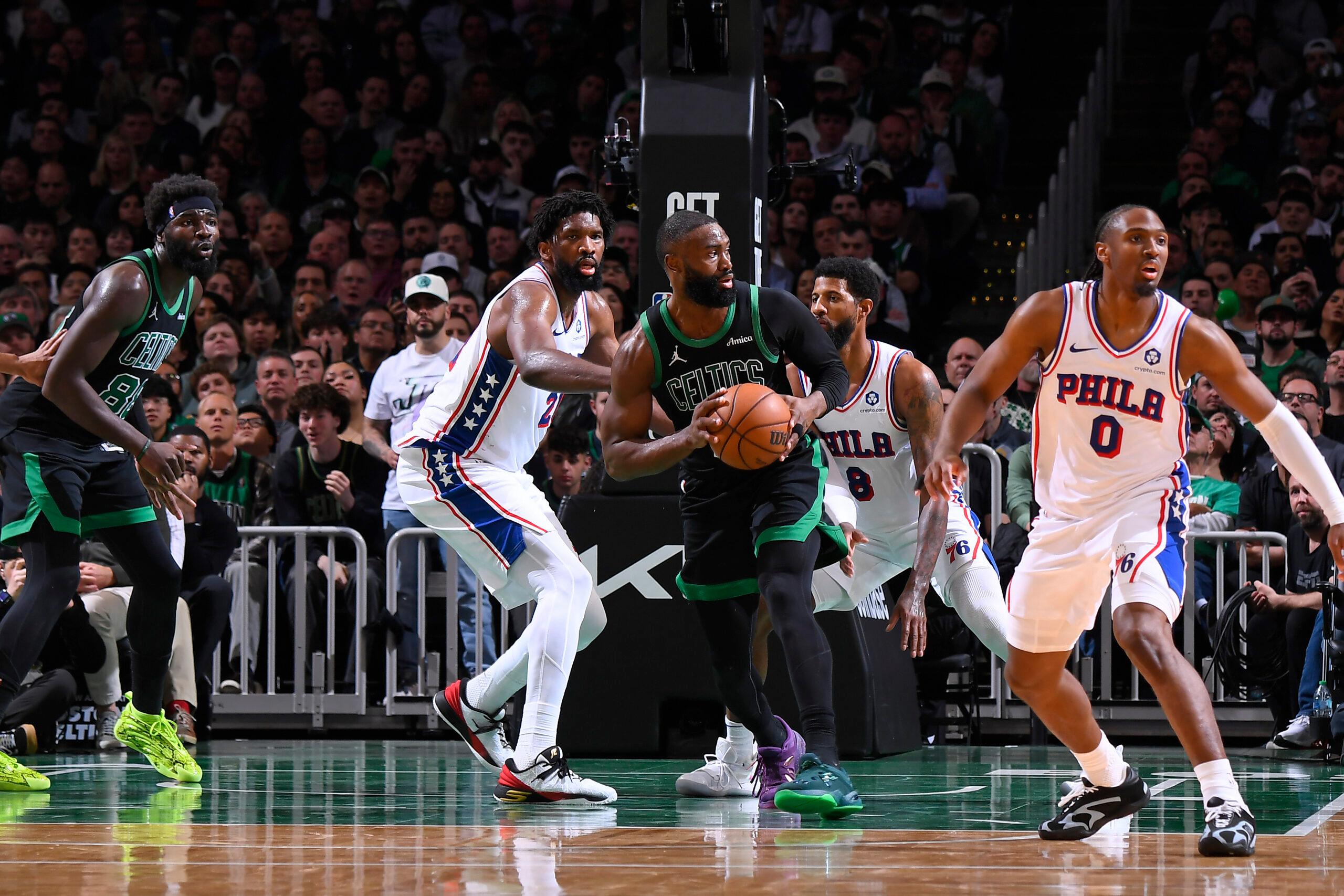
If solely viewed through the prism of “we had to surrender only two first-round picks to get off Paul George’s contract and got back an All-NBA talent who’s still 29 years old,” then Philly is obviously the biggest winner of the offseason. Jaylen Brown is better and younger than George, and Philly’s outgoing pick count (two first-round picks and two second-round picks) could’ve been significantly more damaging to its long-term future.
But now that the dust has nearly settled, I have a hard time picturing the type of complementary roster that’s good enough to justify Philly’s payroll. Brown is a high-usage, modestly efficient sledgehammer whose defensive enthusiasm toggles between gift and curse. Sometimes his confidence shines for the betterment of his team, and sometimes his exceptionally challenging shot selection undermines the collective.
Plopping Brown’s game and [clears throat] impervious self-belief into an environment that’s already established its own pecking order won’t be simple; in addition to earning the eighth-most expensive contract in the league, Brown enjoyed the second-highest usage rate last year, which helps explain why zero teams were willing to take him on at a cost that would deplete their resources. Not to be reductive or unfair, but other stars simply do what Brown does at a higher level. For example: His role and aesthetic last season were stylistically similar to Shai Gilgeous-Alexander, but with less efficiency and more volatility. Brown’s field goal percentage exceeded the expectation from an average player by just 1.5 percentage points, while SGA’s was a whopping 7.6 percentage points higher.
What harm, if any, is there in bringing in someone who will immediately see himself as the primary option in an offense that should run through him in crunch time? How much sacrifice is Tyrese Maxey willing to tolerate? How will Brown do on a team that can’t space the floor as well as Boston did? And as someone who really likes to hold and shoot the ball, to what degree will Brown stunt VJ Edgecombe’s development? How much sense did it make to mortgage the future—not only did the Sixers give up two draft picks, but they’re also now in the awkward position of possibly having to keep Brown happy with an extension—for a team that remains at the mercy of Joel Embiid’s broken body until at least 2029?
And when Embiid is healthy, how much patience will Brown have enduring the growing pains that come from acquiescing to a plodding 7-footer who occupies similar real estate? Will their egos mesh or clash? None of this is to suggest the Sixers shouldn’t have made this trade, but it’s worth wondering if they were more motivated to get off PG’s contract or take Brown’s on.

(Tepid) Loser: Boston Celtics
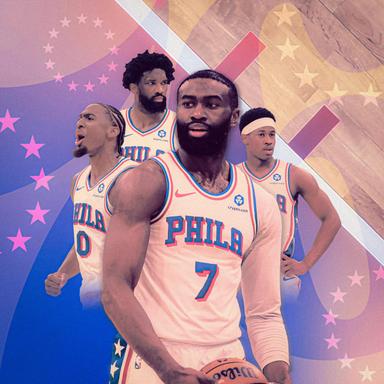
Sending Brown to the 76ers for George, two first-round picks, and two second-round picks was a baffling move that appropriately drew an incredulous response. I expressed my confusion in this piece shortly after the trade went down, but I do think Boston will be a very good team with some flexibility to build upon a pseudo-contending roster that's already in place. The Mitchell Robinson signing hard-caps them at the first apron, but pairing him with Neemias Queta—who just agreed to a team-friendly four-year, $56 million contract—gives Boston the humongous frontcourt rotation it needed.
If Boston is interested in making another splash before the season begins, it has the tools to do so. And, looking ahead to next summer with the assumption that PG had a respectable bounce-back season, it can attach a ton of draft picks (including the pairs just received) to his expiring contract to try to snatch a younger, cheaper costar from a team that just endured more playoff disappointment and is looking to pivot. In this best-case scenario, a dream list of possibilities includes Paolo Banchero, Franz Wagner, Evan Mobley, Bam Adebayo, and Jalen Williams. All of this sounds highly unlikely right now, but the unexpected is kind of what the NBA is known for these days.
Winner: Every Free Agent Center in Victor Wembanyama’s NBA
Want to win it all? You'd better not find yourself in a playoff series against the San Antonio Spurs without plenty of size to throw at Victor Wembanyama! Not including Jalen Duren’s frustrating time as a restricted free agent—which will likely still end with Detroit giving him a ton of money—big men got paid this summer. From Kessler and Isaiah Hartenstein, to Robinson and Robert Williams III, to Kristaps Porzingis, Jusuf freaking Nurkic getting $22 million to stick around with the Utah Jazz, and the Los Angeles Clippers picking up Brook Lopez’s team option—the big men available in this transaction cycle weren’t super attractive, but that didn’t stop them from getting big bucks. Wemby isn’t 100 percent the reason, but part of him should wonder whether there’s any legal recourse to obtaining a 5 percent cut of all these new contracts.
Loser: Portland Trail Blazers
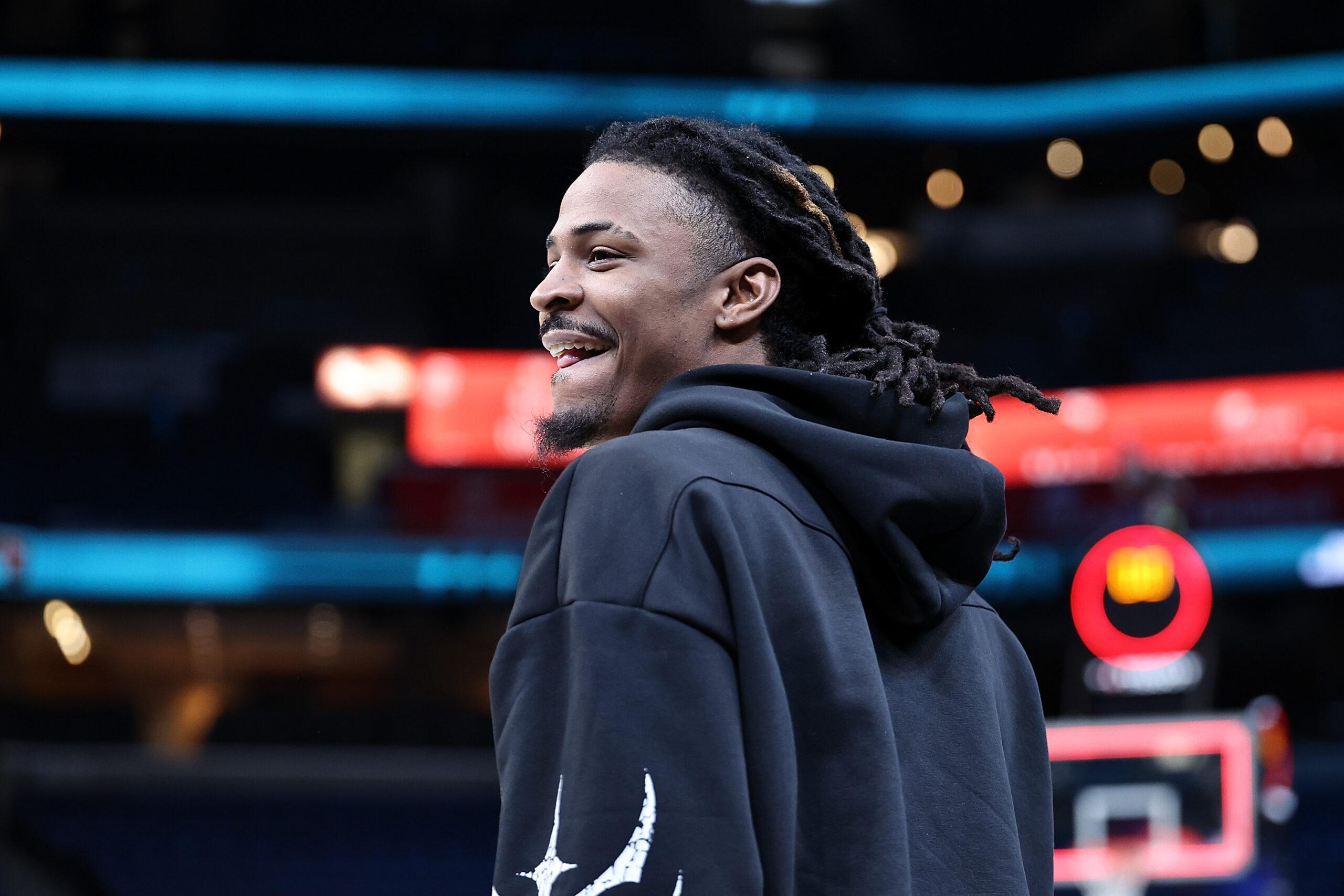
Shortly before the Blazers somewhat unbelievably traded for Ja Morant, incoming head coach Micah Nori announced that Damian Lillard would be his starting point guard. Whoops! Shortly after the Morant deal was finalized, Chris Haynes reported that the Blazers “envision a starting backcourt of Damian Lillard and Ja Morant alongside Deni Avdija on the wing. A very unconventional move that the franchise believes has upside.”
This is silly, a claim that would turn one of Portland’s biggest strengths from last season—point-of-attack defense—into a debilitating weakness. Anytime you can pay a possible has-been who barely plays basketball $87 million over the next two seasons, and then shove him into a role that makes no sense for the rest of your team, after watching him openly pout in Memphis when the ball wasn’t in his hands as much as he wanted, you absolutely have to do it!
Logistically, getting off Jerami Grant and Kris Murray is fine. But it’s still a little surprising that Portland didn’t receive any draft compensation, considering Memphis was the desperate negotiator here. For a few reasons, I don’t believe Morant, Lillard, and Avdija will start more than 10 games together next season, so I won’t get too worked up about it. But I do still feel bad for Scoot Henderson, who’s currently extension eligible, is only 22 years old, and was a fireball in the first three playoff games of his career. What a vote of no confidence.
Couched in all of this is the irony that Jrue Holiday is still on this team and quite possibly the perfect backcourt partner for either Ja or Dame. Portland’s supposed response? Bring him off the bench! Good for El Cheapo, though. The man always gets his pound of flesh.
Winner: Anthony Edwards
I think Minnesota is too small to genuinely contend for a championship and that by effectively exchanging Julius Randle and Naz Reid for LaMelo Ball and Josh Green, it might have cut off its nose to spite its face. Jaden McDaniels can hold up well enough at the 4, but Minnesota needs to add larger depth pieces to the frontcourt if it wants to match up against the West’s best in a playoff series. Trey Lyles and Joan Beringer aren’t enough.
The good news, though, is that none of that has anything to do with the fact that Ant now has a dynamic point guard who will relieve him of a ton of on-ball playmaking responsibilities, speed up the game, and make the experience of playing basketball more enjoyable. Edwards was extremely efficient last year even though a majority of his field goal attempts were unassisted. There’s no reason his true shooting percentage can’t rise even higher, particularly when Chris Finch rolls out a three-guard lineup with Ayo Dosunmu that slides McDaniels up to the 4.
Ball’s impact on Charlotte’s offense was undeniably massive last season. The Hornets generated 123.3 points per 100 possessions in non-garbage time when he played, which sat below only Nikola Jokic and Jamal Murray. Edwards is about to have a blast.
Loser: Phoenix Suns
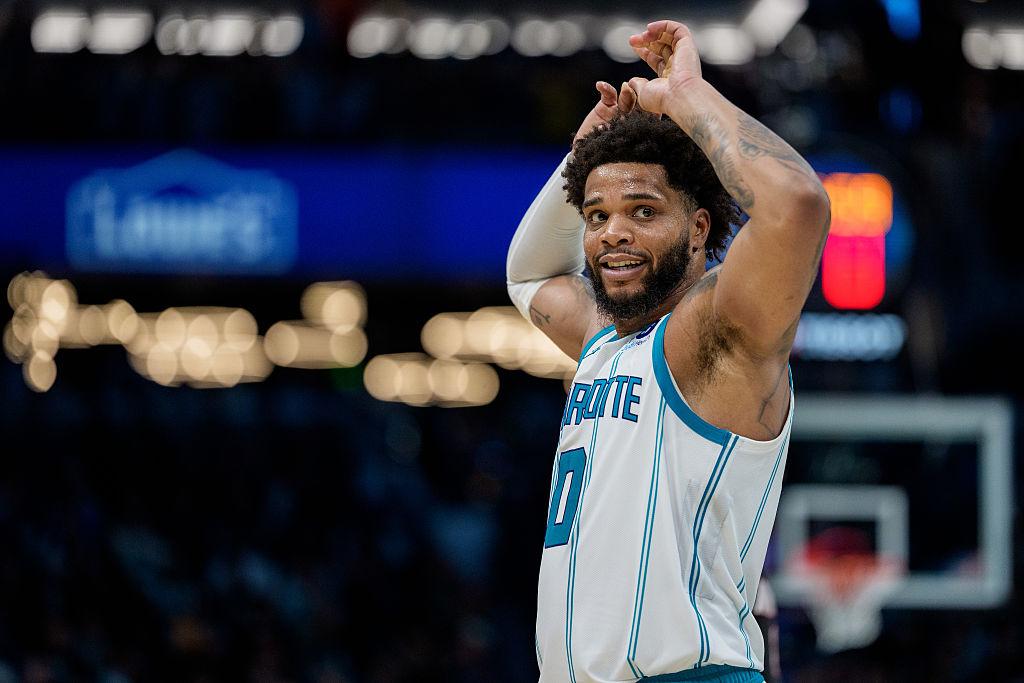
For reasons that should be evident, I personally would not want Miles Bridges on my basketball team. The Suns obviously don’t agree, which is fine. But surrendering an unprotected first-round pick and then reportedly preparing to extend Bridges’s contract multiple years is negligent. We’re talking about an average power forward (at best) who’s undeniably overpaid.
If his next contract comes back at a reasonable number, my criticism of the trade will shrink a little bit. But nothing justifies sending an unprotected first-round pick to Charlotte for the right to pay Bridges a dime. It’s objectively stupid enough to overshadow a slew of harmless, team-friendly signings. Mark Williams, Jordan Goodwin, and Collin Gillespie are all bargains.
The ripple effect of putting Grayson Allen in the Bridges trade forced Phoenix to replace him with Luke Kennard, which is OK. But a little more patience could’ve gone a long way for a team that didn’t need to act like Bridges was some missing piece. The taxpayer midlevel exception could’ve been spent elsewhere. And not for nothing, last year’s decision to give Devin Booker a $132 million extension that doesn’t expire until 2030 looks even more foolish and unnecessary than it was in real time.
Winner: John Collins
Two years ago, John Collins was too good for the tanking Utah Jazz. Last year, he was a reliable contributor who sacrificed minutes and shots to help the Los Angeles Clippers pull off a remarkable in-season turnaround. Now, after signing a three-year, $51 million deal with the Pistons, Collins will (presumably) become the starting power forward on a genuine championship contender. Lobs and corner skips thrown from Cade Cunningham will unlock everything Collins has to offer as an offensive weapon. It’s a perfect situation for him and a shrewd signing by Detroit.

Loser: Washington Wizards
How do you land the no. 1 pick in a transformational draft and still grade out as a loser this offseason? Well, let’s just say it didn’t feel like a coincidence to see Trae Young’s ridiculous contract get leaked one day before AJ Dybantsa was selected first overall. Call me a cynic, but the best way to get the stink off an embarrassing announcement is to bury it behind some very good news.
I already wrote about this in the Offer Sheet, and pretty much nothing has changed since. Sure, the Wizards are still well below the tax and don’t have to worry about the aprons right now. But plopping a minus contract that eats 30 percent of the cap onto your books is a disaster waiting to happen. Paying Young $57 million in three years when he’ll be on the wrong side of 30 is not shrewd. Opportunity cost is a thing, and building around an incoming franchise player means every decision should suit his needs.
To put this deal in perspective, Collin Gillespie just signed a fully guaranteed four-year, $48 million contract with the Suns. He will earn about $10.7 million next season. Is Young nearly five times better than Gillespie? If the Wizards picked Dybantsa, signed Phoenix’s point guard, and still had flexibility to be active in a marketplace that’s light on buyers, their future would look so much brighter than it does. Options are good.
If I were choosing from a list of multiple-time All-Stars who were most ideal to build around my new 19-year-old franchise player, Young might be Mr. Irrelevant. Washington has six tradable first-round picks and 11 second-rounders at its disposal. I wonder how many it’ll take to eventually dump his contract? (I already thought the Wizards were losers before they traded for Deandre Ayton, but the decision to give up two second-round picks for such a disappointing journeyman officially cemented them on this list.)
Winner: Toronto Raptors
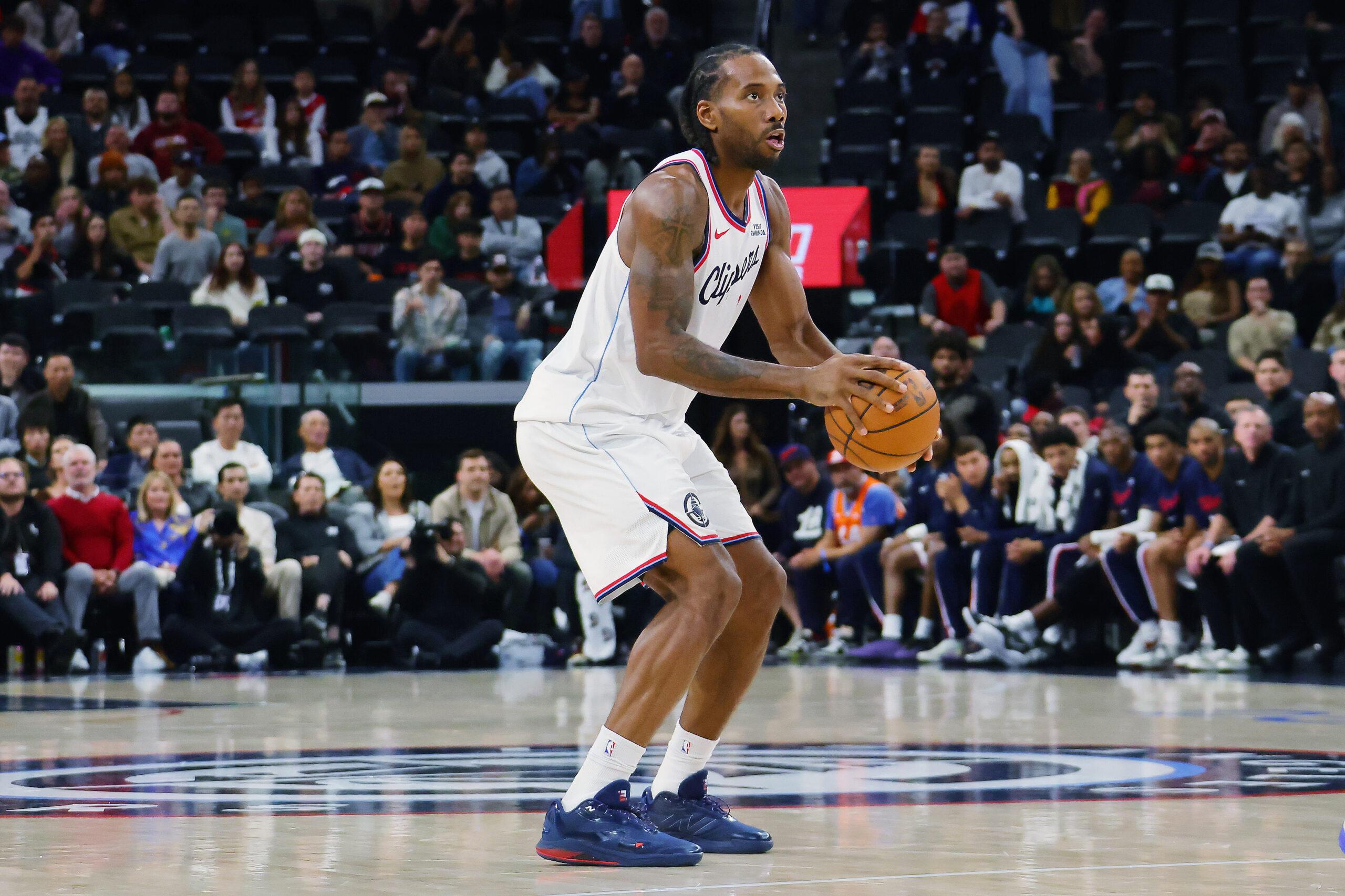
Last week I went on The Zach Lowe Show and said that if Toronto acquired Kawhi Leonard, he, Scottie Barnes, and Collin Murray-Boyles would shape the foundation of my no. 1 League Pass team. When they completed the trade a day later—surrendering Brandon Ingram, Gradey Dick, two first-round picks, one pick swap, and two second-round picks to the Los Angeles Clippers—the sentiment held true!
The offensive upgrade here, with all due respect to Ingram, is potentially the difference between getting eliminated in the first round and winning an NBA championship. Ingram made an All-Star team, steadied Toronto’s half-court attack, and regularly made tough shots. But the Raptors were also better on both ends when he wasn’t on the court and barely outscored opponents when he was in the game.
Leonard exists in a different universe. We're talking about an effortlessly efficient high-volume, three-level scorer who finished fourth on my MVP ballot, nearly cracked my All-Defensive team, and obliterated every coverage thrown his way. I wrote about his season in more detail here, but stopping Leonard one-on-one is still next to impossible. Hell, doubling him is far easier said than done:
Health is a lingering obstacle that has to be mentioned, but as a glass-half-full observer who doesn’t have a medical license, I’m more excited about Kawhi’s seamless fit than I am down about the possibility of a long-term injury. This is someone who can dominate slow, methodical basketball but is happy to run, too. The Raptors ranked first in transition frequency last year, while Leonard finished second (behind only LeBron) in fast-break points per 100 possessions.
The broader trickle-down effect of his presence should benefit everyone else, particularly Barnes, who won’t face the same type of defensive attention or utilize as much energy with the ball in his hands. From there, it feels like I’m burying the lede, but the most appealing element of this trade is how it can enhance a defense that already knows how to make opponents deeply uncomfortable. Good luck scoring on an ultra-switchy, incredibly long, and über-intense trio that will often be wreaking havoc alongside a point-of-attack pest like Immanuel Quickley or Jamal Shead. Last year, Toronto’s defense was exceptional. Next year, it could bring the league to its knees.


Loser: The Miami Heat’s Title Chances
This is a binary exercise. I don’t think the Miami Heat are “losers” for landing Giannis Antetokounmpo. But! The NBA simply isn’t about this type of acquisition anymore. By that I mean: Blockbuster trades that decimate a roster and then limit the number of options a front office has to accentuate their incoming star are likely to blow up in their face. To make matters worse in this instance, the Heat are about to sign Antetokounmpo to a massive contract extension that will make building around him a regular challenge in every transaction cycle between now and the day he’s no longer on the team.
Instead of a genuine attempt to contend for a championship, it’s almost more like Miami just, very loudly, kicked the can down the road. I fully understand the alternative paths this team was staring at and think that having Giannis is better than not having Giannis. But the margins here are just so small. Time and money are not on the Heat’s side, and the situation got even worse when they bungled Andrew Wiggins’s contract extension. (What sense did it make having him opt into his $30 million player option when taking a pay cut next year would’ve given the Heat a critical amount of financial wiggle room to keep Norm Powell?) The Tim Hardaway Jr. signing will help, but this team has so much more work to do if it wants to win at the highest level. Unfortunately, most of the tools it could use to get there are out the door.
Loser: Cason Wallace
Wallace was easily one of Oklahoma City’s five best players in the playoffs. He basically made every 3 and forced opposing ball handlers to endure his special brand of demon time. Only Shai Gilgeous-Alexander and Chet Holmgren logged more minutes in the conference finals; Wallace and Alex Caruso were the only two Thunder players who played the entire fourth quarter in Game 7.
But it doesn’t feel like Wallace is in a situation that’s interested in prioritizing his development. Sacrifice is cool when you’re winning. But coming off a crushing loss that preceded the Thunder’s costly decision to pick up Lu Dort’s team option, Wallace’s patience must be wearing thin. The 22-year-old is up for an extension on an incredibly expensive and stacked team that can’t offer (financially or functionally) what he deserves.
There’s a path for Wallace to receive a larger role in 2027-28, when Dort is (presumably) gone and Caruso is (presumably) entering a different stage of his career. But the Thunder’s backcourt is still loaded. SGA isn’t going anywhere. A healthy Jalen Williams will get his minutes, touches, and shots. Ajay Mitchell, Jared McCain, Nikola Topic, and Bennett Stirtz are all guards who exist.