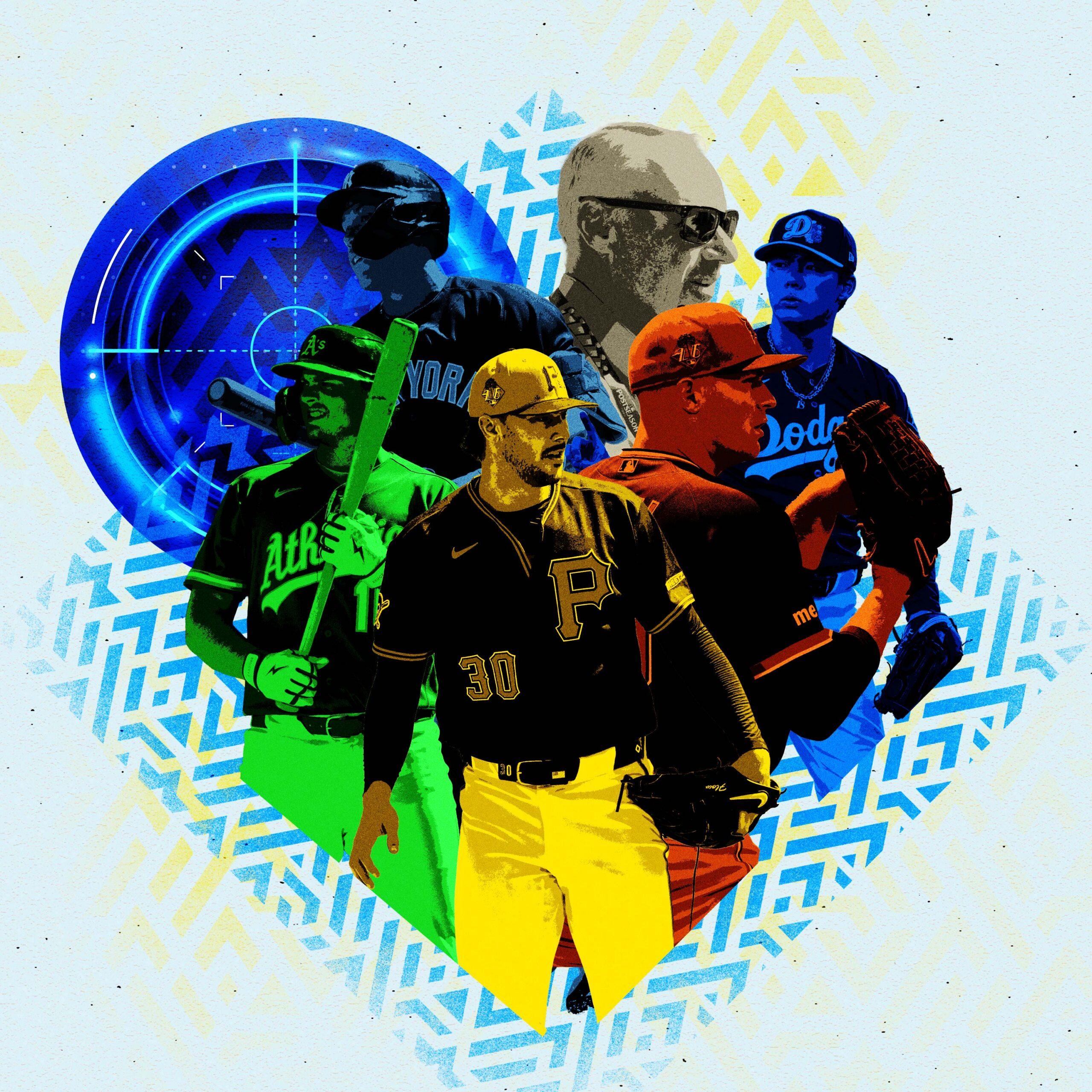

As baseball begins its six-month marathon, we can see the biggest story lines of the season starting to take shape. But the arc of a season doesn’t really live in the standings over the course of a 162-game slate. Instead, the story of the season is told through the people who create the moments we actually remember.
At the top of the sport, Shohei Ohtani, Tarik Skubal, and Aaron Judge are chasing rare historical individual accolades. The league also has a new crop of established superstars hoping to lead their teams to a championship. And as the season begins, two of the top five prospects in MLB will debut on Opening Day, with a third soon behind them.
These are the figures most likely to be the main characters of the 2026 season. The majority of these names are players, because they are closest to the action, but you’ll also find multiple front office executives, a manager, a computer program, a lawyer, and anyone close enough to wield the power to change the course of baseball history in 2026. Managers will decide outcomes on the margins. A computer will reshape our relationship with balls and strikes. A lawyer and team of negotiators will help decide if we have baseball in 2027 and how much different the sport will actually be.
Now, on to the list.
The Historymakers
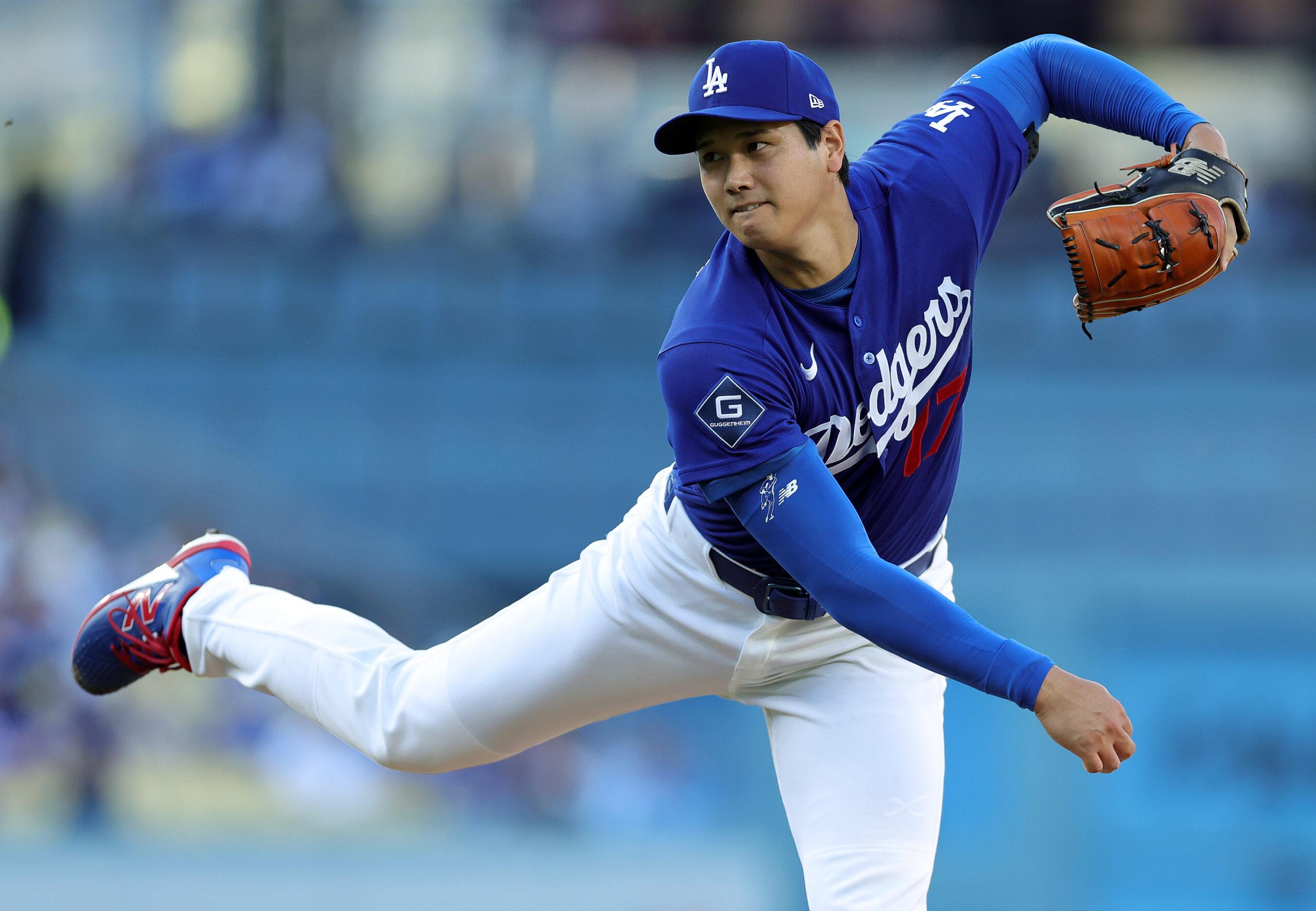
Shohei Ohtani, Los Angeles Dodgers Pitcher and DH
Japan failed to reach the semifinals for the first time in World Baseball Classic history earlier this month, but the tournament reinforced just how much Ohtani drives the sport’s global relevance. He’s simply the best player on the planet, whether he’s launching homers in the Tokyo Dome, playing the best individual game ever seen in the NLCS, or getting on base nine times in the World Series.
Because he didn’t pitch at all in 2024 and began ramping back up as a pitcher only midway through 2025, this will be Ohtani’s first full season as a true two-way player since joining the Dodgers. That alone resets his ceiling.
He enters 2026 as the overwhelming favorite to win MVP for the fourth straight year. The real question is whether anyone else can even make the race interesting.
Aaron Judge, New York Yankees Right Fielder
Judge has had perhaps the most dominant four-year offensive stretch by a right-handed hitter in baseball history. From 2022 to 2025, he hit 210 home runs in just 573 games, posted a 1.117 OPS, and won three MVP awards.
But the most important step in Judge’s career arc might have come last October. He finally delivered at an elite level in the 2025 postseason, quieting the narrative that he’s tended to underperform in the biggest moments.
Judge remains the face of the Yankees’ October frustrations, and a legendary October run might be the only thing that can fully change that. Still, Judge enters 2026 as the favorite to win a third consecutive American League MVP. If he does, he would become the first player in AL history to three-peat, and he’d join Ohtani and Barry Bonds as the only players to ever win MVP three times in a row.
Tarik Skubal, Detroit Tigers Pitcher
Skubal isn’t just a two-time reigning American League Cy Young winner—he’s now the highest-paid arbitration pitcher in MLB history, resetting the pitching market with his $32 million salary for 2026.
Only Greg Maddux and Randy Johnson have three-peated as Cy Young winners in the modern era. Skubal enters 2026 with a real chance to join them, and he’s anchoring a Tigers team that has postseason expectations following consecutive playoff appearances in the past two seasons.
A pitcher of his caliber almost never reaches free agency in his prime. If Skubal stays healthy and performs up to his standard, he won’t just be chasing a third straight Cy Young—he’ll be setting the stage for one of the most consequential pitching contracts in baseball history.
The Offseason’s Biggest Movers
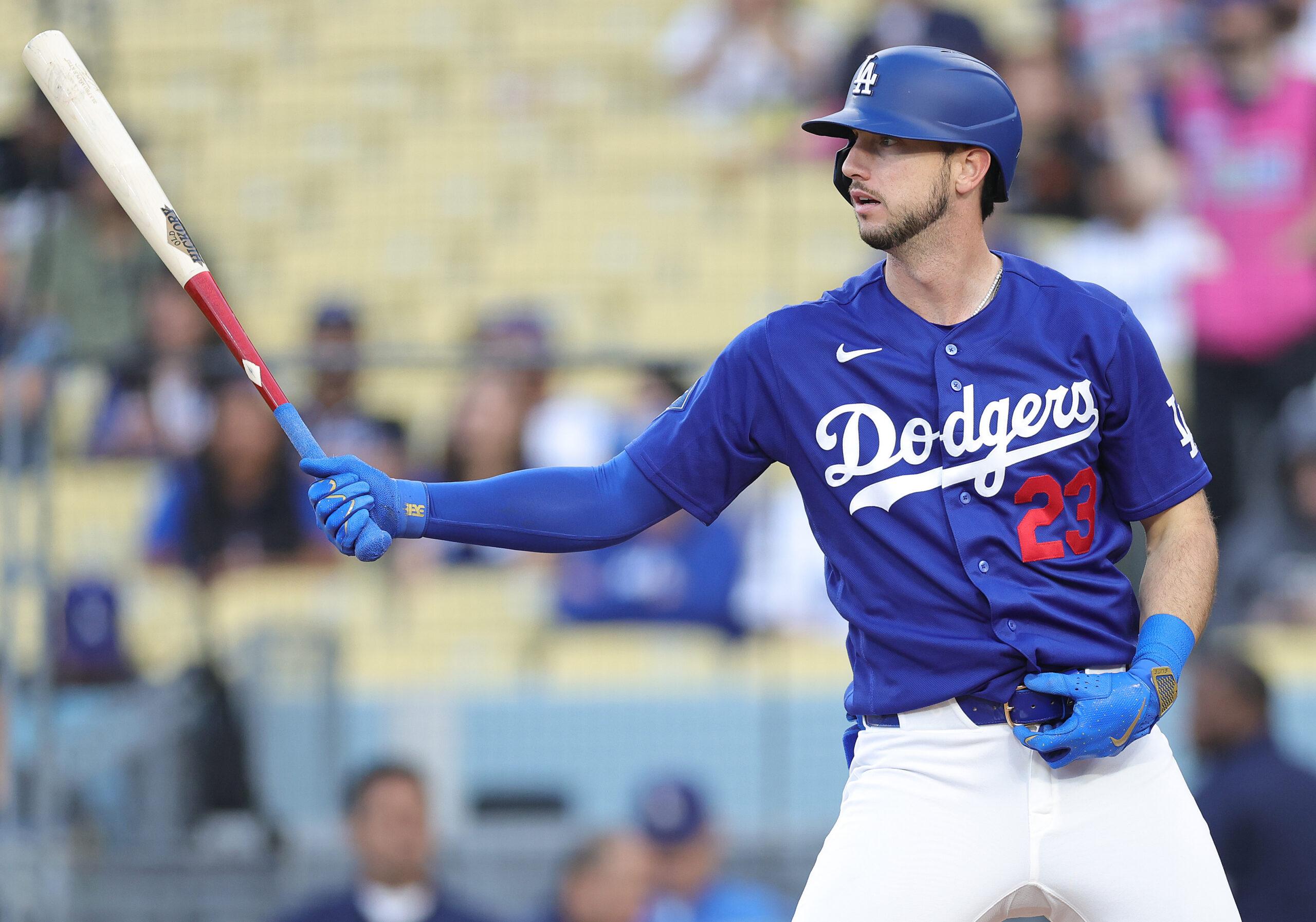
Kyle Tucker, Los Angeles Dodgers Right Fielder
Tucker was the prized hitter on the free agent market this offseason, and the Dodgers swooped in with a godfather offer of four years and $240 million to get him. Tucker had an impressive .882 OPS in the first half of 2025, his lone season with the Cubs, before a disappointing second half in which he was plagued by injuries and saw his OPS drop to .738.
There are questions about his durability because of his lengthy injury history dating back to his time with the Astros. The Dodgers are flexing their muscles as a financial powerhouse and coveted landing spot as they chase a three-peat, but that doesn’t make Tucker a slam dunk addition at that price.
Bo Bichette, New York Mets Third Baseman
Once Tucker came off the board, the Mets pivoted quickly—and aggressively, landing Bichette on a three-year, $126 million deal with an opt-out after year one, a structure that screams desperation. The Phillies had reportedly offered Bichette seven years and $200 million. The Mets went shorter and bigger. That’s a bet on his immediate impact and their hope that Bichette will continue to be an elite offensive player while learning a new position as he moves from shortstop to third base.
Between the positional adjustment, the opt-out pressure, and the inevitable hostility when he plays in Philadelphia, this is one of the most interesting player narratives of the season. Bichette could become a superstar if the Mets win their first division title since 2015, or this could be a very expensive failed experiment.
Alex Bregman, Chicago Cubs Third Baseman
The Cubs made the playoffs—and even won a wild-card series—even though they got almost nothing from third base in 2025. Only the White Sox, Angels, and Nationals got less production at the position by fWAR, making Bregman an obvious offseason fit.
Chicago still lacks a true elite centerpiece bat, but Bregman’s plate discipline and all-around offensive profile should stabilize the lineup. He fits cleanly alongside its mix of aggressive power (Pete Crow-Armstrong and Moisés Ballesteros), patience (Seiya Suzuki), and contact skills (Nico Hoerner).
Players in the Looming League Labor Negotiations
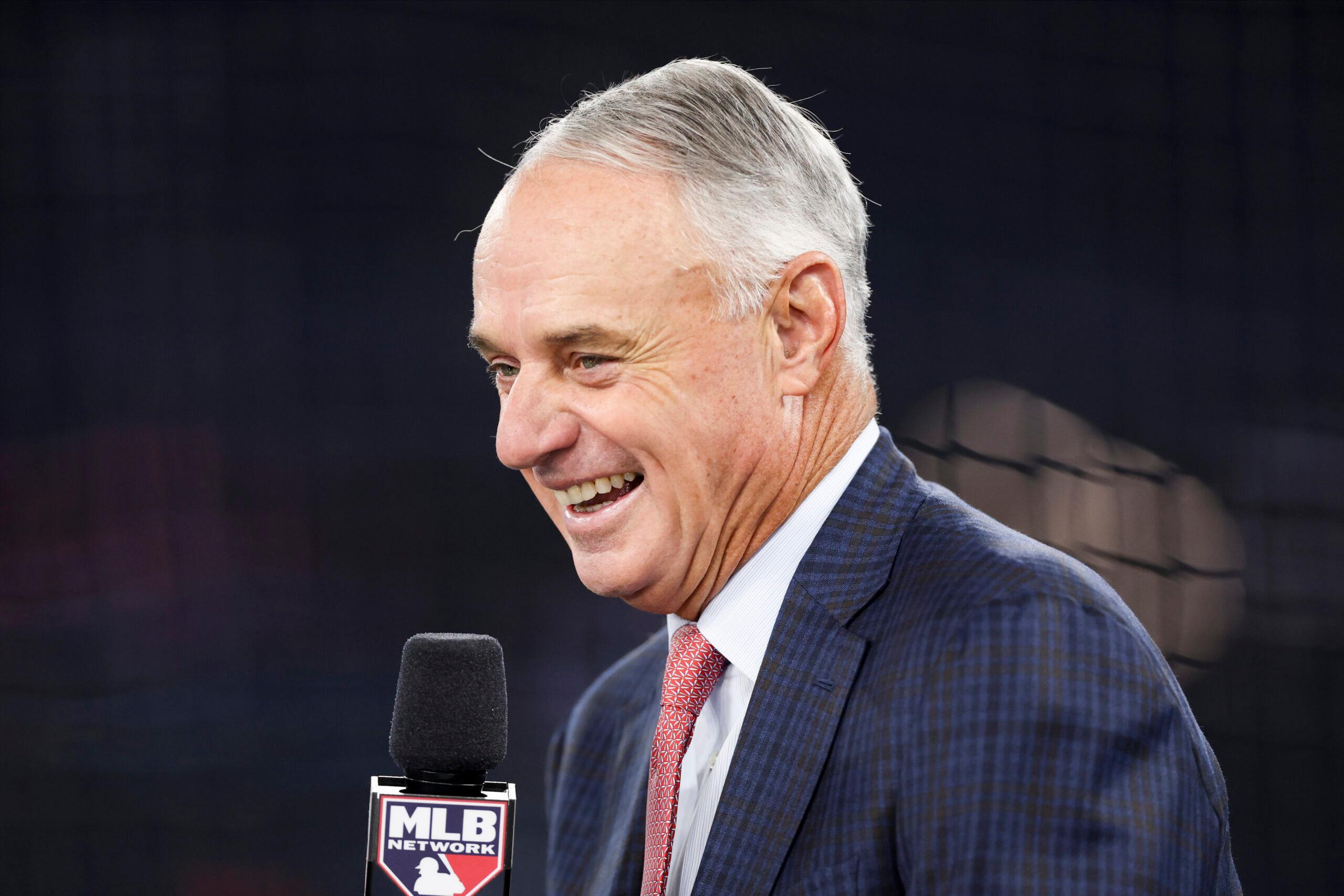
Rob Manfred, MLB Commissioner
Manfred has spent the past few years quietly reshaping the sport. The pitch clock worked, and games are now faster and more watchable. Manfred’s next big change is the challenge system, another attempt to modernize the sport without breaking its traditions.
But these changes won’t ultimately define his tenure if the labor negotiations don’t go well. The threat of another work stoppage hangs over the league just as it finally seems like baseball has rediscovered its cultural relevance via younger stars and a global footprint. If that momentum carries through 2026, Manfred deserves credit for stewarding a real revival. But if there’s a lockout and the sport disappears again at the worst possible time, all the good he’s done will be at risk of becoming a footnote in his legacy.

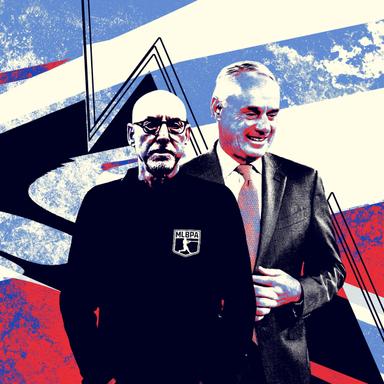
Bruce Meyer, Interim Executive Director of the MLB Players Association
Meyer replaced former executive director Tony Clark, who resigned in February. Meyer joined the MLBPA in 2018 and was a key negotiator in the 2022 labor deal, but now he’s in charge of the union at a critical time: The next round of labor talks will define the economic structure of baseball, including service time, arbitration, revenue sharing, and competitive balance, for the following decade.
The NL East’s Power Brokers
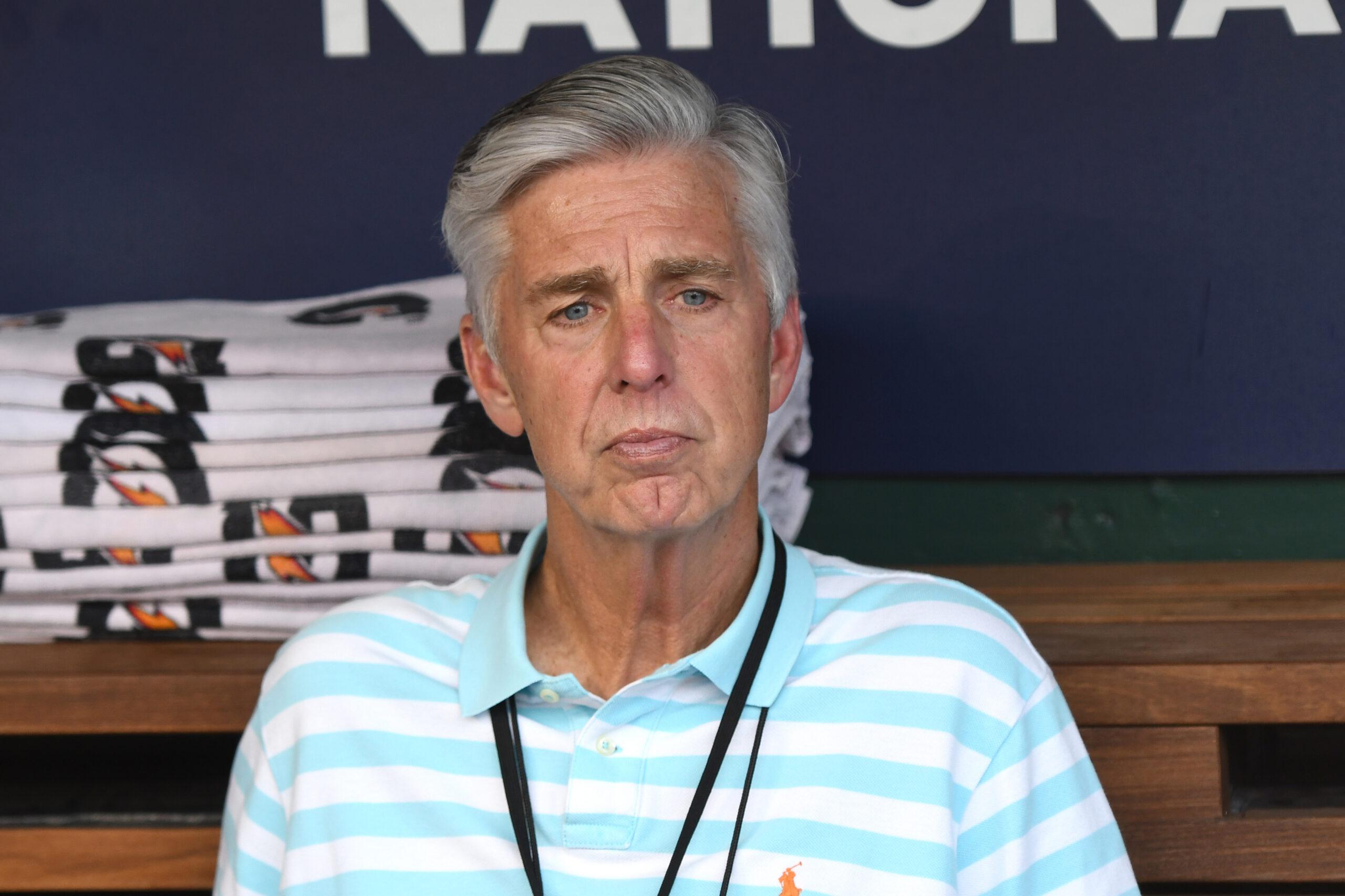
Dave Dombrowski, Philadelphia Phillies President of Baseball Operations
Dombrowski made headlines at a postseason press conference when, unprompted, he said that Bryce Harper did not have an elite 2025 season with the Phillies. But then he spent the offseason doing little to address the lineup’s broader offensive issues around his team’s biggest star. Dombrowski swapped out Nick Castellanos for Adolis García and retained core pieces like Kyle Schwarber and J.T. Realmuto, but overall, the offense’s ceiling seems largely unchanged.
The Phillies have stalled out in October in recent years, and now there appears to be an uncomfortable dynamic between Harper, the franchise’s cornerstone player, and the executive in charge. The pressure is on for this aging lineup to win, and if it doesn’t happen, Dombrowski could find himself on the hot seat.
Bryce Harper, Philadelphia Phillies First Baseman
Harper finished 2025 with his lowest OPS since the 2016 season. It was his least productive outing in Philadelphia. The team won 96 games and a second consecutive division title, but Harper was overly aggressive at the plate, looked disinterested at times throughout the year, and failed to switch into gear and produce in the playoffs.
Now Harper enters 2026 facing doubt for the first time since he’s been on this team—not just from the outside, but from within the organization, too.
When he’s at his peak, Harper is still one of a handful of players who can single-handedly swing a postseason. If he gets back to that level, the Phillies’ ceiling will change entirely. If he doesn’t, the disconnect between star and front office will define the season.
Ronald Acuña Jr., Atlanta Braves Right Fielder
Acuña’s superstardom has never been in question. His availability has.
He’s played 120 games in a season just once in the 2020s—but when he did it in 2023, he produced one of the most explosive performances in recent history, with 41 home runs, 73 steals, and an NL MVP. He anchored a Braves offense that seemed unstoppable on its way to 104 wins that year.
Atlanta has been chasing that version of itself ever since. And now that its pitching staff was hollowed out this spring, it will need to score more runs than ever.
The margin for error is gone. And the Braves' postseason hopes—after their under-.500 finish in 2025—will depend on Acuña's availability and level of play.
Juan Soto, New York Mets Left Fielder
Mets owner Steve Cohen said that he won’t ever name a captain, and you have to wonder whether that’s to prevent a wedge between the franchise’s two cornerstone players—Juan Soto and Francisco Lindor. Soto wasn’t even an All-Star in his first year in Flushing because of his comparatively mediocre first two months. But Soto had a 1.005 OPS from June on. He's as reliable as hitters come in MLB, and he once again should be one of the league’s toughest outs.
We still haven’t seen a full season of Soto at his peak. Why shouldn't it happen this year?
Francisco Lindor, New York Mets Shortstop
Francisco Lindor missed the World Baseball Classic because of elbow surgery, and he’s also dealt with a hamate injury, but he’s recovered in time for Opening Day. Since Lindor joined the Mets via trade in 2021, there have been only three players—Soto, Judge, and Ohtani—who have amassed more fWAR than the Mets shortstop.
David Stearns, New York Mets President of Baseball Operations
He’s now in his third full season running baseball operations, and this is unmistakably Stearns’s team. He had one of the most ambitious offseasons in recent baseball memory, turning over the bullpen, the top of the rotation, and the heart of the lineup. Five of the projected nine starters in the Opening Day lineup were not with the Mets in 2025. The Mets once again have high expectations, but history has not always been kind to teams that have this much turnover.
The Japanese Rookies
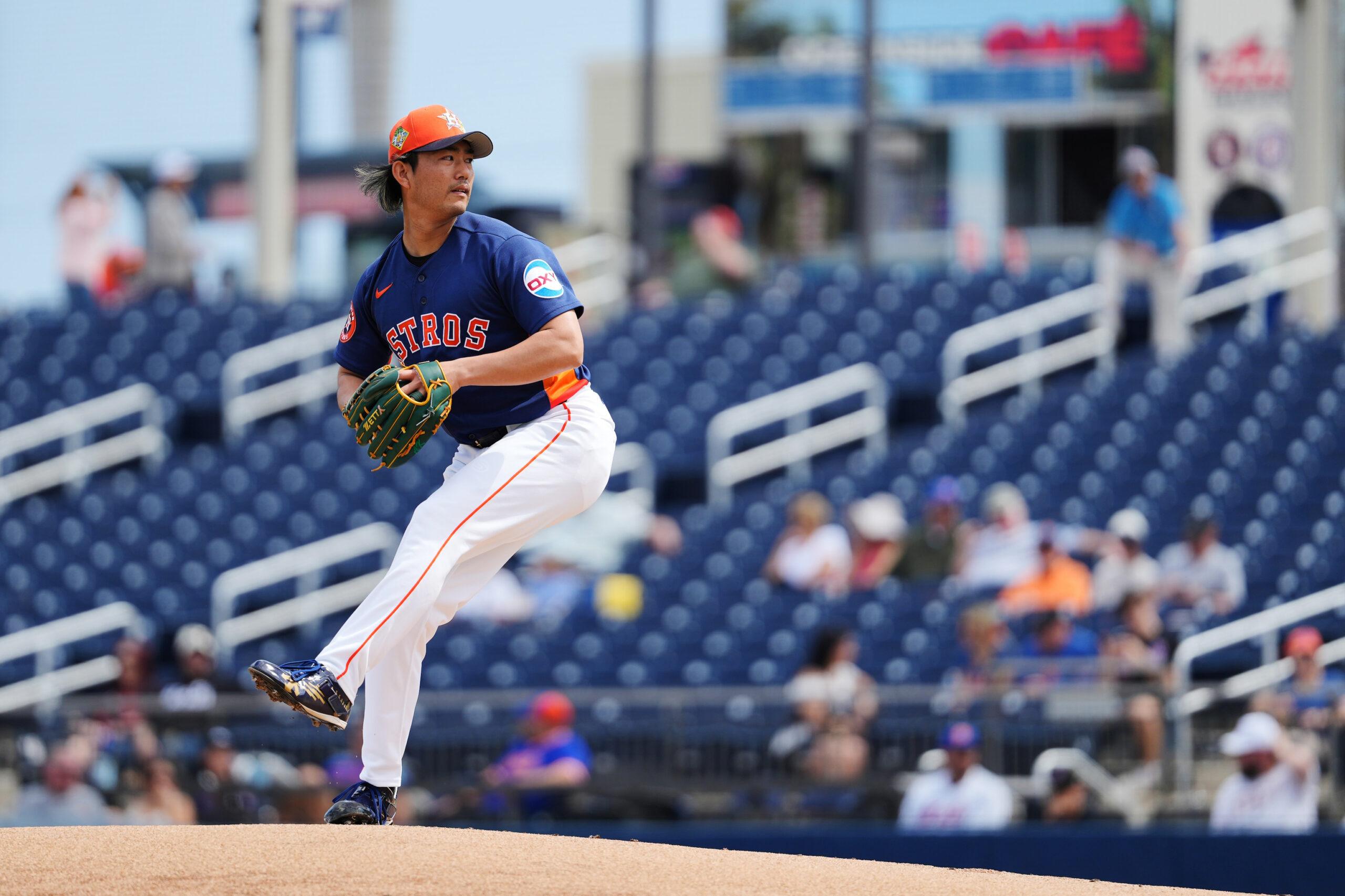
Tatsuya Imai, Houston Astros Pitcher
Imai headlines the latest wave of high-profile talent arriving from Japan. After posting a 1.92 ERA in his final season in Nippon Professional Baseball, he’s stepping directly into a demanding environment in Houston. He’s replacing Framber Valdez near the top of the Astros rotation as Houston attempts to return to the playoffs after missing the postseason in 2025.
Munetaka Murakami, Chicago White Sox Infielder
Murakami showcased elite raw power and nearly 30 percent strikeout rates in the last three seasons in NPB. He showed enough for the White Sox to give him a two-year, $34 million contract. While he’ll be playing in a low-pressure environment for a team with no realistic aspirations of contending for a championship in 2026, his performance will serve as an excellent barometer of the gap in pitching quality between NPB and MLB.
Kazuma Okamoto, Toronto Blue Jays Third Baseman
Unlike Murakami, fellow Japanese rookie Okamoto is being dropped into the heart of the AL pennant race. The Jays won’t be sneaking up on anyone after they won the AL East and came within a centimeter of the World Series crown in 2025. Toronto has to replace a lot of lost production after Bichette’s departure to New York. Okamoto will be expected to plug that gap. He’s the cofavorite for AL Rookie of the Year with Detroit’s Kevin McGonigle.
Okamoto is 29 years old but is a much more well-rounded player than Murakami, and he had just an 11.3 percent strikeout rate in NPB last season.
The World Series Heroes
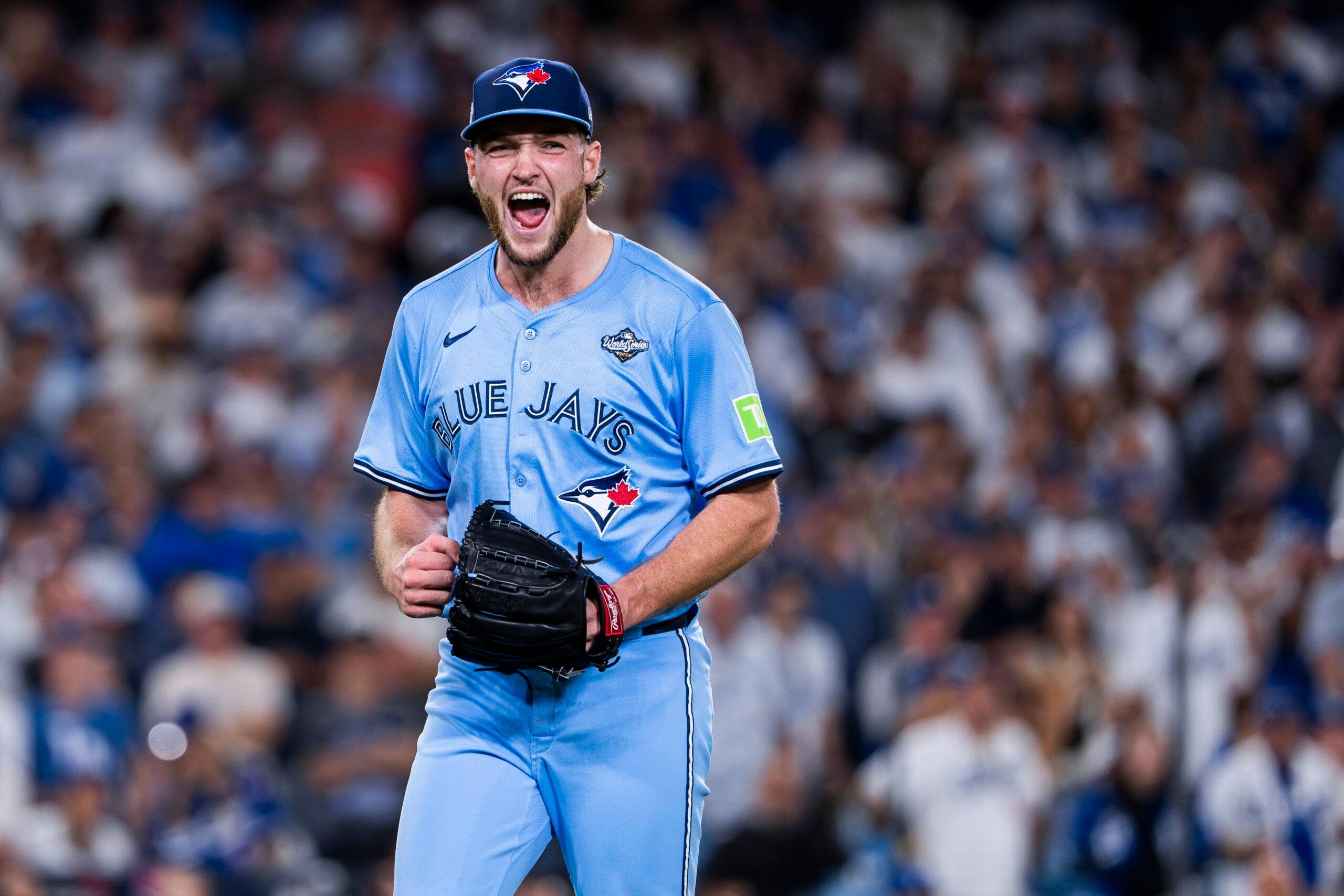
Trey Yesavage, Toronto Blue Jays Pitcher
Yesavage had made just three MLB appearances prior to last October, but that didn’t stop him from turning into the breakout arm of the postseason, racking up 39 strikeouts in 27 2/3 innings. His splitter, with its late, almost disappearing drop, immediately looked like one of the most unhittable pitches in the sport.
His postseason run felt like the pitching version of Randy Arozarena’s 2020; Arozarena powered a pennant push in October before winning Rookie of the Year the following season.
Earning that award will be tougher for Yesavage. The AL ROY field is crowded, and Yesavage is opening the season on the injured list with a right shoulder impingement. When he’s healthy, though, few pitchers have his combination of stuff and big-game gravitas.
Yoshinobu Yamamoto, Los Angeles Dodgers Pitcher
Yamamoto’s 2025 postseason bordered on absurd. In the NLCS and World Series, he threw two complete games, gave the Dodgers six innings in a Game 6 elimination spot, and then came back on zero rest to throw nearly three more innings out of the bullpen in Game 7. He was basically untouchable.
Expectations are sky high when sharing a rotation with Blake Snell, Shohei Ohtani, and Tyler Glasnow. It’s fair to debate which of the four can be the most overpowering on a given night, but over the course of a season, no one in that group matches Yamamoto’s reliability.
He threw 173 innings in 2025—nearly as many as the other three combined.
The Next-Gen Superstars
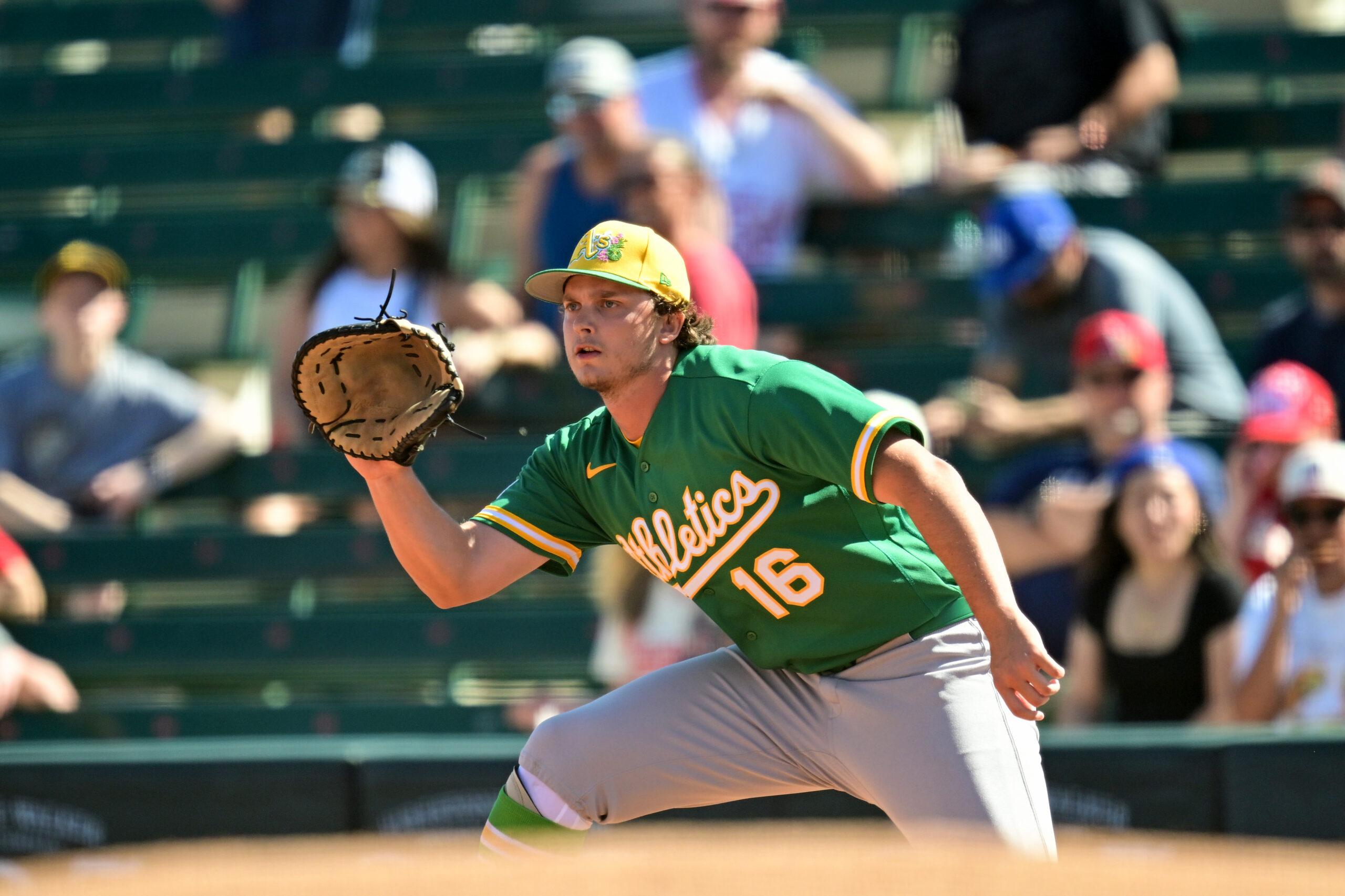
Nick Kurtz, Athletics First Baseman
I had the Athletics as my MLB.TV team of the year in my preseason power rankings (for the second straight season), and Kurtz is a big reason. He’s always capable of something like the game he had last July: He went 6-for-6 with four homers and 19 total bases. Only two rookies—Aaron Judge and Ryan Braun—have had a higher slugging percentage than Kurtz’s .619 from last season.
The Athletics are quietly building one of the most interesting young lineups in the league. Kurtz brings the power, Jacob Wilson brings the contact skills, and the pieces fit together cleanly. If it clicks, this could be a top-five offense.
Junior Caminero, Tampa Bay Rays Third Baseman
You could argue that no player’s stock rose more during the WBC than Caminero’s. A year ago, he was playing in relative obscurity on a non-contending Rays team. Now that his bat speed, raw power, and emotion are out in the open, he’s firmly on the map heading into 2026.
He slugged 45 home runs in his first full MLB season, and there’s a real path to him leading the league in that stat this year. The only question is how much playing inside at Tropicana Field will suppress his power over a full season.
Roman Anthony, Boston Red Sox Left Fielder
With Caminero, Kurtz, and Anthony, the future of the American League has fully arrived. Anthony doesn’t have the same level of raw power as the others, but his all-around game might be the best of the three. He posted double-digit walk rates, excellent outfield defense, and an OPS of .859 in his first taste of the big leagues in 2025. An oblique injury sidelined him for the playoffs, but his performance in the WBC should make Red Sox fans confident that he can perform if Boston is back in contention this fall. Boston is quietly replacing a lot of production, and Anthony is needed to fill those gaps.
Paul Skenes, Pittsburgh Pirates Pitcher
Skenes headlined Team USA’s pitching staff at the WBC, and he’ll open the season against the Mets on Thursday. Hopefully the Pirates will be competitive enough that he won’t be relegated to pitching in meaningless baseball games throughout the dog days of summer.
Here’s where Skenes could take the next step in his development: He pitched at least seven innings only six times in 2025, and the Pirates would certainly benefit from their ace pitching at least 200 innings this season as they try to return to the playoffs for the first time since 2015. He’s the favorite to repeat as the NL Cy Young winner.
The Almost MVPs
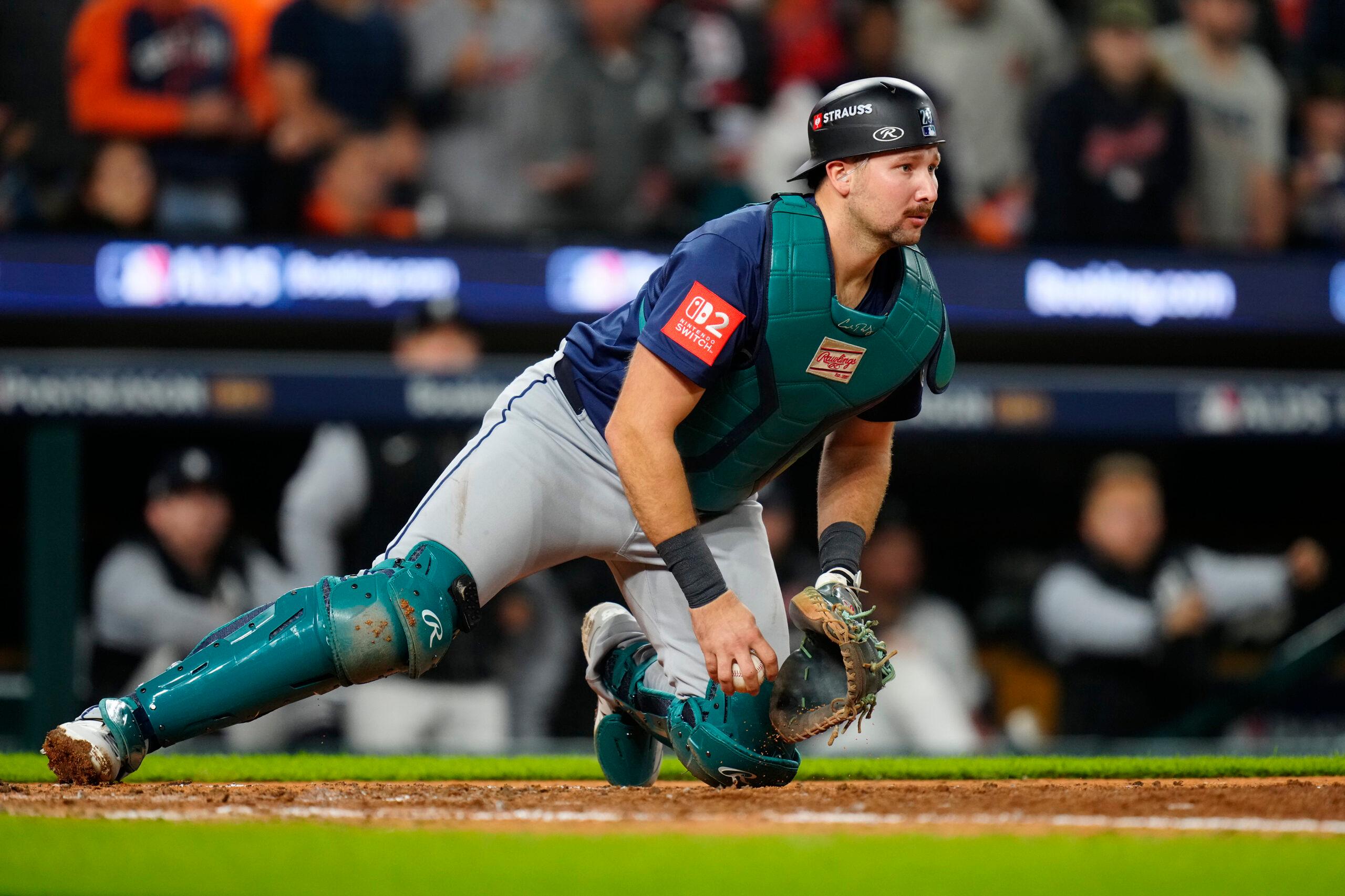
Cal Raleigh, Seattle Mariners Catcher
His approval rating might have taken a bit of a hit after he refused to shake Randy Arozarena’s hand at the WBC, but Raleigh arguably had the highest likability of any MLB star in 2025. He was the face (and butt) of the Mariners’ rise to their first division title since 2001. His 60-homer year was one of the best seasons ever for a catcher. It’s unreasonable to expect him to repeat his 2025 performance, but it’s fun to imagine. And I get the sense that this Mariners group could be beloved nationally in 2026 now that Arozarena and Raleigh have put the handshake incident behind them.
Bobby Witt Jr., Kansas City Royals Shortstop
Witt is my pick for AL MVP in 2026. When Witt entered the league in 2022, he was one of the worst shortstops defensively. He’s improved every season, and he finished 2025 ranked first by outs above average. His power and offense took a small step back last year, but aging curves suggest that at 25 years old, he’s not even at his peak yet.
The Second-Half Slumpers
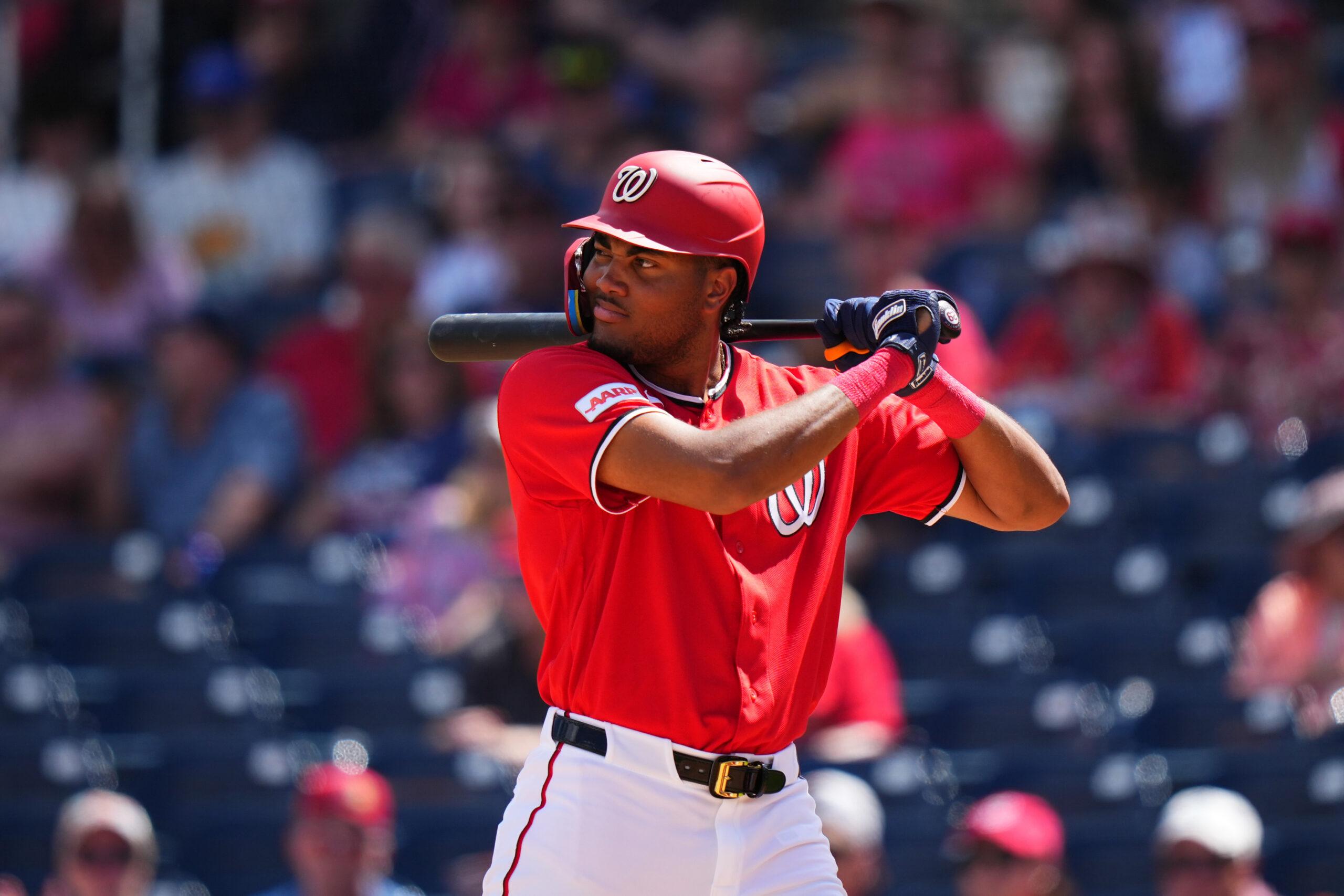
James Wood, Washington Nationals Left Fielder
If you only glanced at the final stat line, Wood’s first full MLB season looked like a clear success. But the shape of it tells a more complicated story—and raises real questions about the cornerstone of Washington’s rebuild.
In the first half, Wood hit 24 homers in 95 games, had an elite .278/.381/.534 slash line, and looked every bit like a future superstar. After the All-Star break, the league adjusted to him. Wood hit just seven homers in 62 games, his line fell to .223/.301/.388, and his strikeout rate spiked to an untenable 39 percent.
Now comes the real test: Can he adjust back to his best form?
Pete Crow-Armstrong, Chicago Cubs Center Fielder
Crow-Armstrong’s elite defense in center gives him a high floor and everyday job security, but the shape of his 2025 season closely mirrored Wood’s. PCA looked like a legitimate MVP candidate in the first half, posting an .847 OPS, before cooling off to .634 after the break as pitchers exploited his aggressiveness.
The Cubs signaled their belief in his bat by signing him to a six-year, $115 million extension this week. Now it’s on Crow-Armstrong to prove them right. We know that his defense is generational. Can he become more selective at the plate? Because his career .285 OBP suggests that he hasn’t been.
The Rookies
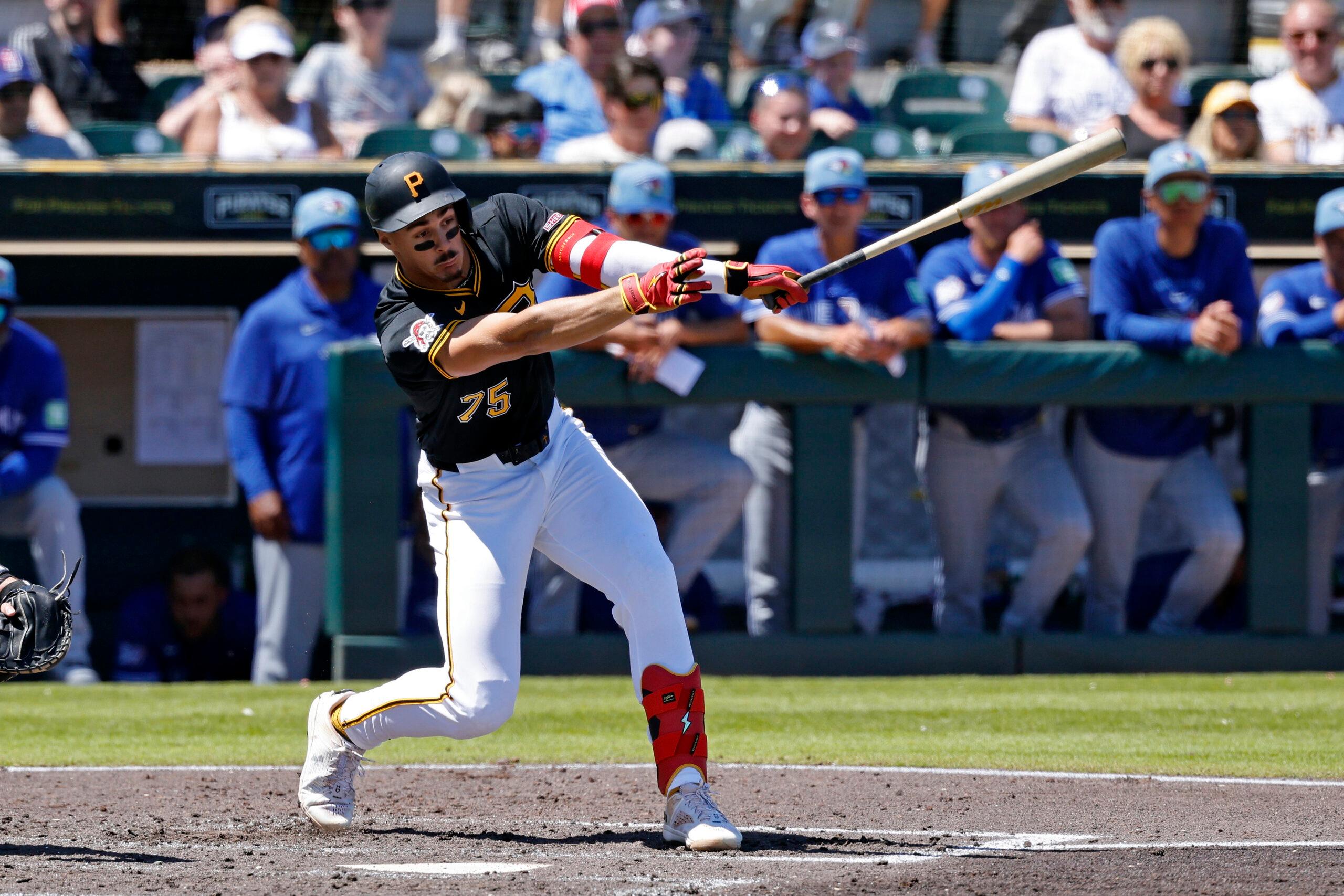
Konnor Griffin, Pittsburgh Pirates Shortstop
Griffin won’t open the year in the majors, but it shouldn’t take long for baseball’s top prospect to force his way into Pittsburgh’s lineup. The Pirates ranked 27th in fWAR at the shortstop position last season and spent real money this winter to raise their offensive ceiling. They won’t be able to stash him in the minors for long.
All five of his tools grade out as elite, and the comparisons to Alex Rodriguez, Mike Trout, and Bobby Witt Jr. tell you everything about the kind of ceiling evaluators see. Prospects of his caliber are not common.
Now it’s just a matter of when he’ll get the call and how far he can take Pittsburgh if he hits once he gets to the majors.
Kevin McGonigle, Detroit Tigers Shortstop
The Tigers have reached the playoffs in back-to-back seasons by leaning on “pitching chaos,” aggressive platooning, and constant matchup optimization to paper over some of their talent gaps. The question now is how they’ll take the next step and become a true contender in the American League.
Their young core—Spencer Torkelson, Kerry Carpenter, and Riley Greene—has settled in as a reliably good but not transformative group. Enter McGonigle. MLB’s no. 2 prospect hit so well this spring that he forced Detroit’s hand and made it into the lineup. Shortstop is an obvious opening to put him in after the Tigers ranked 24th in fWAR there last season.
JJ Wetherholt, St. Louis Cardinals Infielder
There’s not much to look forward to in St. Louis this year outside of consensus top-five prospect Wetherholt, who is among the favorites for NL Rookie of the Year. The 2024 first-round pick out of West Virginia has plenty of runway to get regular playing time with the Cardinals, who are embracing a full rebuild after trading away Nolan Arenado and Brendan Donovan in the offseason. Wetherholt, Griffin, and McGonigle are each entering different competitive environments, but the debut of three top-five prospects in the same season is rare and exciting.
Victims of the NL West’s Non-Dodger Malaise
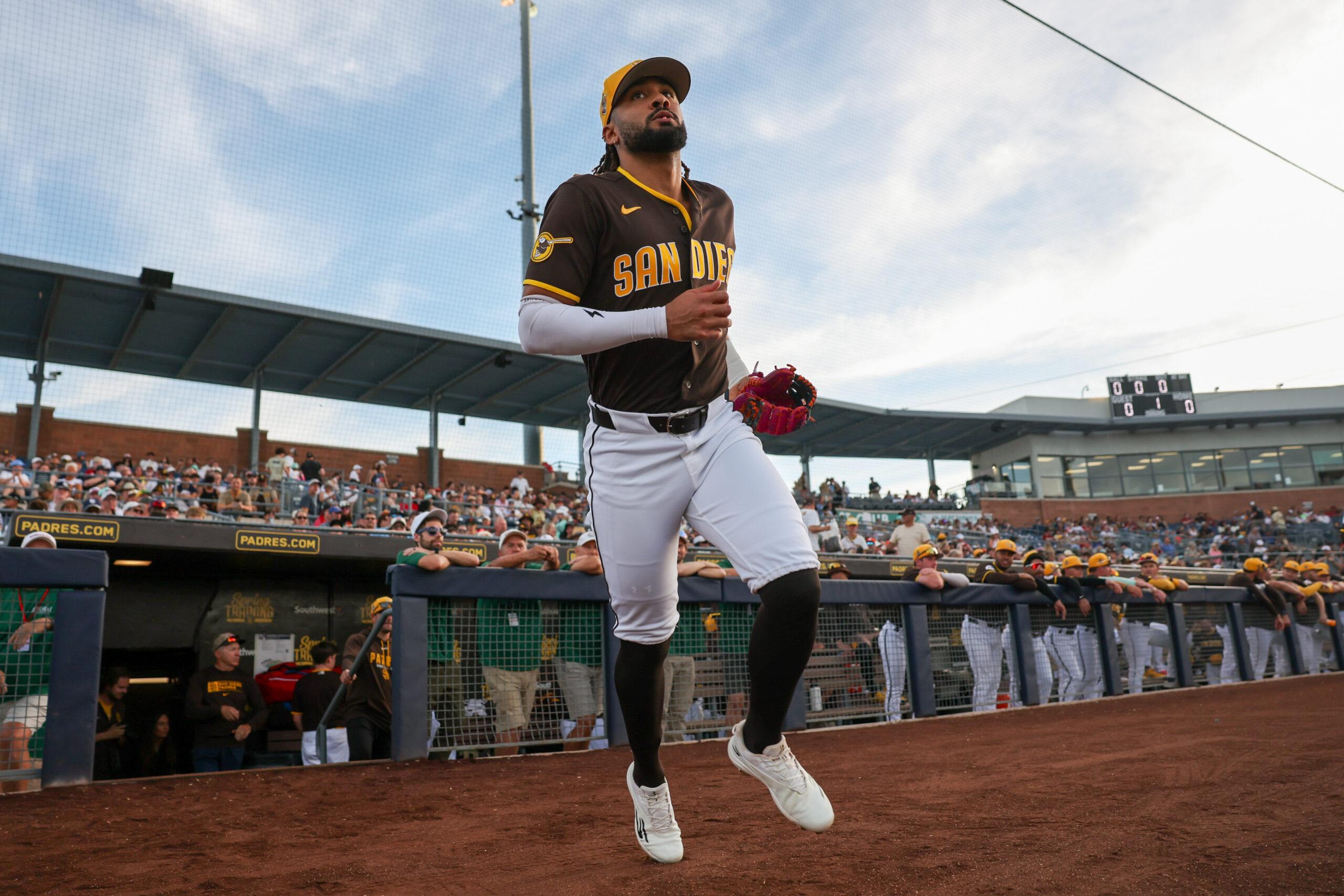
Fernando Tatis Jr., San Diego Padres Right Fielder
Tatis has posted three straight seasons with a slugging percentage in the .450 range. He’s settled in as a very good player for the Padres, but he hasn’t recaptured the superstardom of his 2019 to 2021 peak, when his power numbers bordered on absurd. That elite level of slugging may not be coming back—and it’s a big reason San Diego’s offense has lacked thump in recent seasons.
The Padres are a talented team that’s somewhat stuck in purgatory given the Dodgers’ dominance. They’ve taken real shots at L.A. and even knocked it out in 2022, but the teams’ lineups are heading in opposite directions—unless Tatis finds that superstar form again.
A.J. Preller, San Diego Padres President of Baseball Operations and General Manager
MLB’s favorite chaos agent won’t quietly accept a place in baseball purgatory. Last season, the Padres didn’t quite have a lineup that could contend for a World Series, but Preller still did what he could to make multiple upgrades—and even traded away his top prospect to double down on the bullpen, the team’s biggest strength.
The Padres’ farm system isn’t built for the kind of aggression he typically prefers, but betting against his creativity would be a mistake. Preller will be involved in something significant this year. The only challenge is figuring out what it is.
Mason Miller, San Diego Padres Closer
Preller’s boldest move in 2025 was flipping top-five prospect Leodalis De Vries for Mason Miller at the deadline—a deal widely panned at the time as an overpayment for a reliever, even one as electric as Miller. Since then, Miller has made the criticism look silly, establishing himself as the most dominant one-inning pitcher in the sport.
He’s in the middle of a generational run that carried through the WBC. Since September 8, he hasn’t allowed a hit. Of the 50 outs he’s recorded in that span, 39 have come via strikeouts.
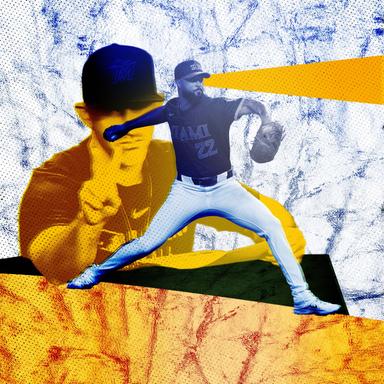
Buster Posey, San Francisco Giants General Manager
Giants fans hoped that franchise legend Buster Posey would bring a more aggressive, coherent vision when he joined the front office in 2024. This offseason suggested otherwise. I give San Francisco a C-plus for its moves—it plugged in holes with competent stopgaps, but it’s hard to see a path to 90 wins for this roster.
Posey hasn’t pushed the organization toward the kind of top-of-the-market spending the fan base has been craving, and without that, the Giants seem stuck in place.
Tony Vitello, San Francisco Giants Manager
Posey’s boldest move so far was hiring former University of Tennessee head coach Tony Vitello to manage the Giants. There’s rarely any crossover between the college and MLB coaching pipelines, and Vitello arrives with zero professional playing or coaching experience.
If it works, it could open the door for more college-to-MLB hires. If it doesn’t, it’ll be a reminder of just how different the college and professional games really are.
Ketel Marte, Arizona Diamondbacks Second Baseman
Marte was mentioned in countless trade rumors all offseason, but he remains in Arizona to begin the 2026 season. The Diamondbacks have done little to address the holes in their rotation and bullpen, so it’s difficult to see them competing for a wild-card spot in the NL unless the offense goes completely nuclear.
Marte is capable of spearheading that sort of explosion, but general manager Mike Hazen will almost certainly look to move Marte should the Snakes be languishing around or below .500 this summer. Marte is an excellent player at a premium position at the tail end of his prime.
Paul DePodesta, Colorado Rockies President of Baseball Operations
My colleague Ben Lindbergh wrote a piece for The Ringer on the Rockies’ weird decision to hire DePodesta, who had spent the past 10 years in the front office of the NFL’s Cleveland Browns, to run the team. It will be fun to monitor how he transforms their roster.
The “It’s So Over” Players
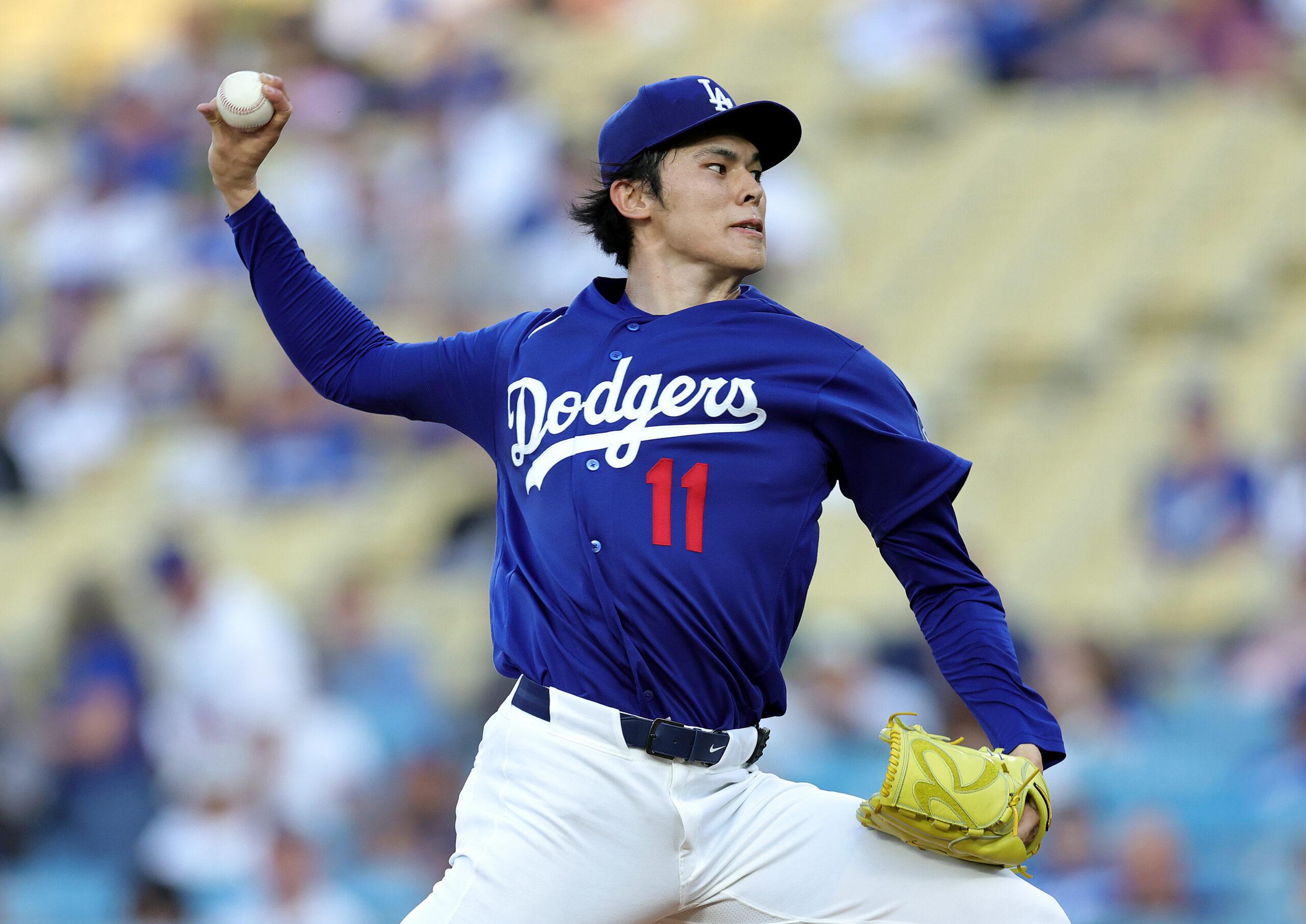
Roki Sasaki, Los Angeles Dodgers Pitcher
Once one of the most heralded international pitching prospects ever, Sasaki played a key bullpen role in the Dodgers’ postseason run, helping them get past the Reds, Phillies, and Brewers. The long-term plan is still for him to start—but his spring has raised real concerns.
Sasaki allowed 15 runs and issued 15 walks in just 8 2/3 innings in spring training, and his command has been completely inconsistent. The stuff that wowed in the 2023 WBC—and flashed again during parts of the 2025 playoffs—has been mediocre lately.
For now, the Dodgers should be worried less about his upside and more about whether he can find the strike zone again. The Dodgers have plenty of margin for error, but there’s a question of whether Sasaki even belongs on the roster.
Spencer Strider, Atlanta Braves Pitcher
Strider reached his peak in 2023, striking out 281 batters—the most by any pitcher in a single season this decade. Since then, it’s been a different story. He missed most of 2024 with a UCL injury, returned to post a 4.45 ERA in 2025, and hasn’t looked like himself this spring. His fastball has sat in the 93-95-mph range, well below its previous level, and he’ll open the year on the injured list with an oblique strain.
At this point, it’s fair to wonder whether that elite version of Strider will ever come back—or whether the fastball that made him one of the most dominant strikeout arms of his generation is gone for good.
Adley Rutschman, Baltimore Orioles Catcher
Rutschman posted a meager .240/.314/.382 slash line across the past two seasons (and dealt with some oblique issues in 2025). It represents a significant decline from the excellent all-around player we saw in his first two years in the majors. The big question is: Now what? The Orioles have top prospect Samuel Basallo encroaching on Rutschman’s playing time, and if Baltimore were to move Rutschman now, it would feel like selling at the absolute floor.
This prolonged down stretch should at least lead to some soul-searching from both him and the organization.
Sandy Alcantara, Miami Marlins Pitcher
The Marlins have settled into a familiar pattern: develop pitchers, then trade them to address the lineup. They flipped Trevor Rogers for outfielder Kyle Stowers and infielder Connor Norby two years ago and moved Edward Cabrera for outfielder Owen Caissie (and others) this offseason. The obvious next name in that pipeline is Alcantara.
The issue is his value. Alcantara finished 2025 with a 5.36 ERA and never fully regained the stuff that made him the 2022 Cy Young winner.
He’s unlikely to get all the way back to that peak, but if he can reach even 70 percent of it, contenders will come calling in July—and unless Miami is wildly overperforming, he’ll be one of the most obvious trade candidates on the market.
Mike Trout, Los Angeles Angels Right Fielder
As baseball has embraced and promoted its most vibrant stars in the biggest competitive markets, Trout’s identity as MLB’s forgotten superstar has become crystallized. He’s never been fully in the spotlight, but multiple injury-riddled seasons in the 2020s and the lowest full-season OPS of his career in 2025 (.797) have left him outside the mainstream baseball discourse.
Given the Angels’ limited prospects in 2026, could this finally be the year that Trout gets dealt to a contender and thrust into a playoff race? It’s best not to expect that because the trajectory of Trout’s career has always pointed toward him staying put. But a trade would be a pleasant summer surprise, and one memorable playoff run could change the arc of his entire career.
Emmanuel Clase and Luis Ortiz, Cleveland Guardians Relief Pitchers (for Now)
Clase and Ortiz each remain on non-disciplinary paid leave as the 2026 season begins. Both are under investigation for rigging pitches, including intentionally throwing baseballs in the dirt, as part of a micro-betting scheme. There’s been little new information about the case since Clase’s arrest in November, but it is one of the most significant betting scandals in recent sports history.
The “We’re So Back” Players
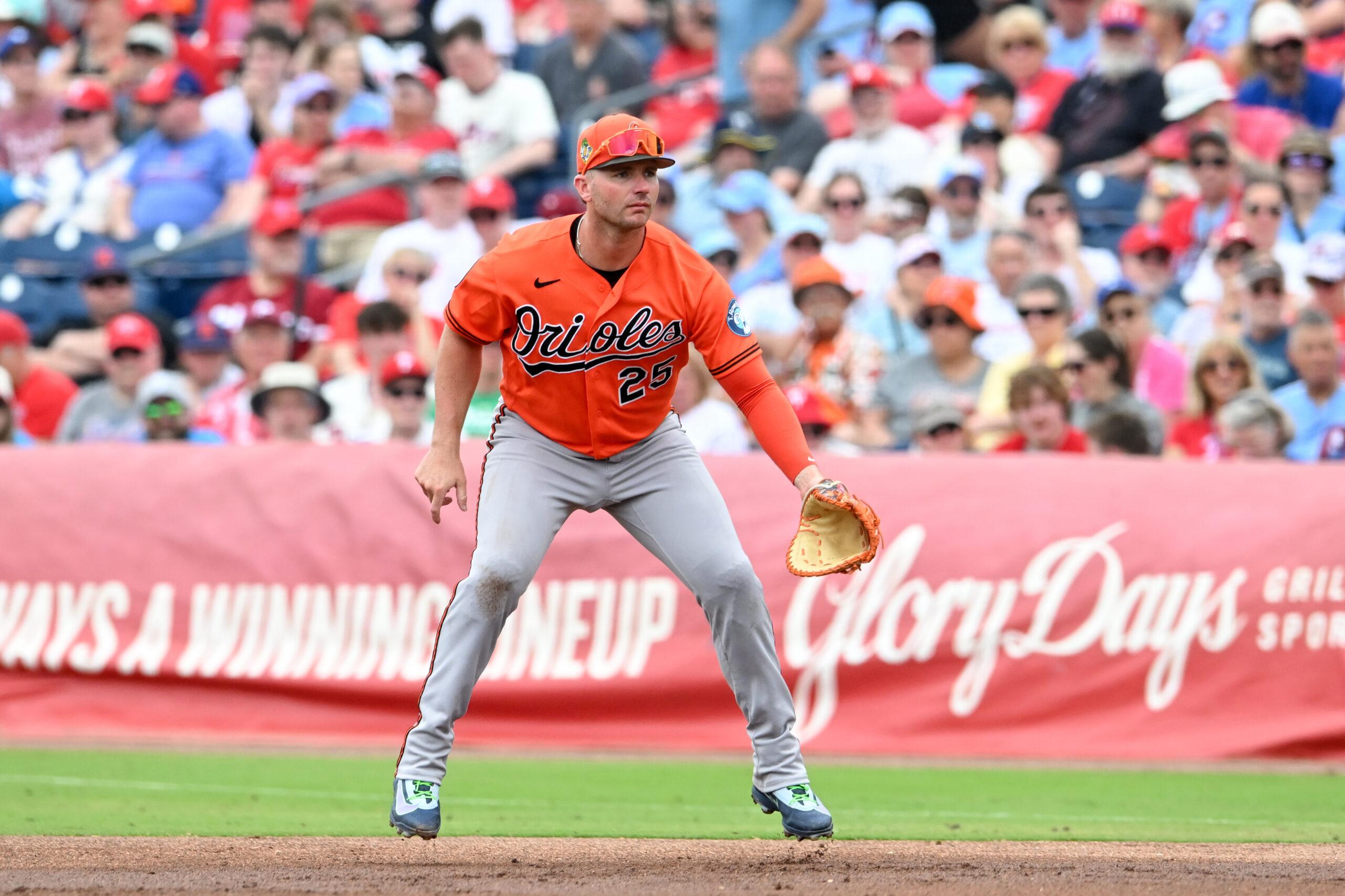
Pete Alonso, Baltimore Orioles First Baseman
A fresh start in Baltimore might be exactly what Alonso needs at this point in his career. His relationship with the Mets fan base turned into a roller coaster—there was the brutal finish to the 2024 regular season, the season-saving playoff homer against Milwaukee, and an uneven 2025 as the franchise spiraled in the second half.
Now he arrives in Baltimore as a veteran presence on a young, ascending roster, with a chance to be part of the Orioles’ next phase. It’s always more appealing to join a team that’s building momentum than to linger somewhere you’re no longer sure you belong.
Jacob deGrom, Texas Rangers Pitcher
DeGrom quietly made it through his first fully healthy season since 2019 last year while posting a 2.97 ERA. Expecting that kind of durability from deGrom again at age 38 is risky, but he remains one of the defining pitchers of his generation.
Matt Arnold, Milwaukee Brewers President of Baseball Operations and General Manager
The Brewers enter 2026 as the three-time defending NL Central champions, but they’re not being treated like it. Oddsmakers have Chicago as the clear division favorite after an aggressive offseason.
But being under the radar has been the defining trait of the past few years of Brewers baseball under Arnold. They consistently outperform their projections, and it’s why Arnold has taken home Executive of the Year honors in back-to-back seasons. This offseason, Milwaukee acquired pitching prospects Kyle Harrison and Brandon Sproat in an effort to backfill the loss of Freddy Peralta.
The Brewers don’t overwhelm you with star power, but they are built to outlast the rest of the league over 162 games because of their depth. Arnold’s ability to continuously replenish that depth makes Milwaukee one of the most reliable regular-season teams in the sport.
An Eye on the Future
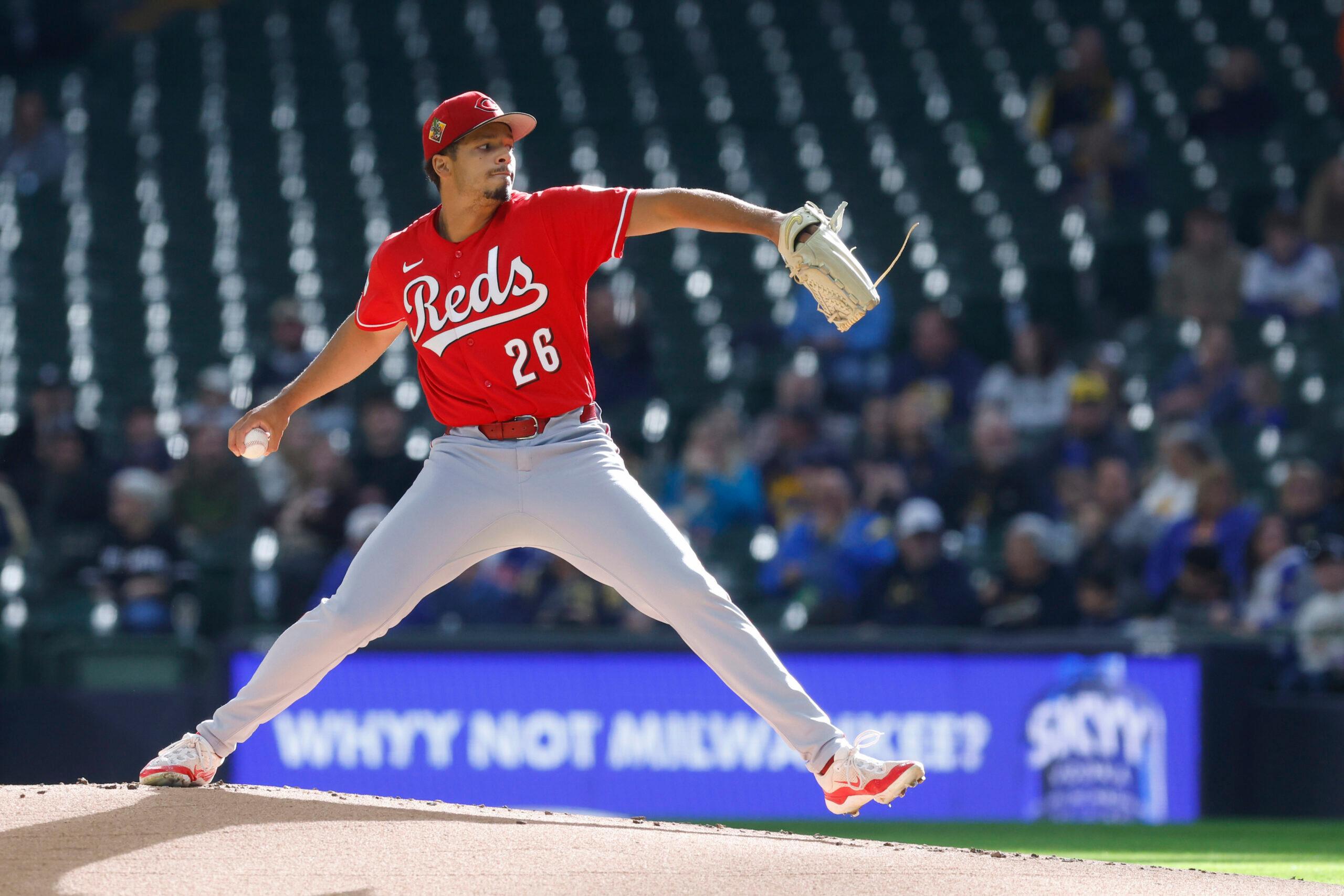
Chase Burns, Cincinnati Reds Pitcher
The Reds will open the season without both of their top starters—Hunter Greene and Nick Lodolo—which will leave a void at the top of the rotation. That shifts immediate pressure onto second-year pitcher Burns, who won’t have the luxury of easing into a back-end role. Cincinnati needs him to stabilize things right away.
The surface numbers from Burns’s rookie season don’t quite capture how good he was. He finished with a 4.57 ERA, but his underlying metrics tell a different story. His 3.46 xERA and 2.65 FIP point to a pitcher with elite skills. Some projection systems are even bullish enough to forecast a strikeout rate north of 30 percent this season.
He could prove to be the anchor for this rotation in 2026.
Roch Cholowsky, UCLA Bruins Shortstop
Unless you’re grinding the MLB mock drafts or are a college baseball fanatic, you probably have not heard much about Cholowsky. That will change this summer when he will very likely become the first pick in the draft, taken by the White Sox. He’s considered the best college shortstop prospect since Troy Tulowitzki in 2005.

And Finally …
The Robot Ump
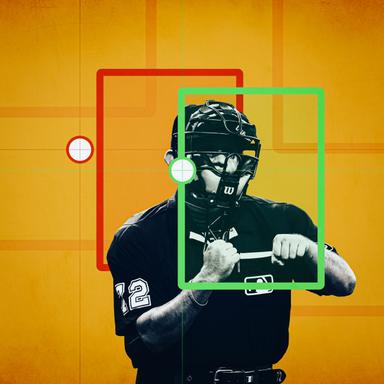
If you’ve made it this far, you already know what’s coming: robot umpires, with a challenge system layered into pitch-calling. What we don’t know yet is how that will feel inside a packed MLB ballpark on a summer night.
I’m less interested in the technology itself than the behavior it creates. Which catchers will quietly steal challenges with perfect timing? Which managers will burn their challenges by the third inning? How long until a borderline 3-2 pitch in a tie game turns into a full stadium holding its breath while the call gets overturned by a bot?
There will be strategy here, and there will be theater. There will also be a lot of complaining—local radio callers melting down over when to challenge, when not to, and why their team always gets it wrong.
That summer crowd pop from the first overturned strikeout will be unique. Baseball has spent decades being accused of resisting change. Now it’s experimenting in real time, and for once, the tension between tradition and innovation will make the game more fun.