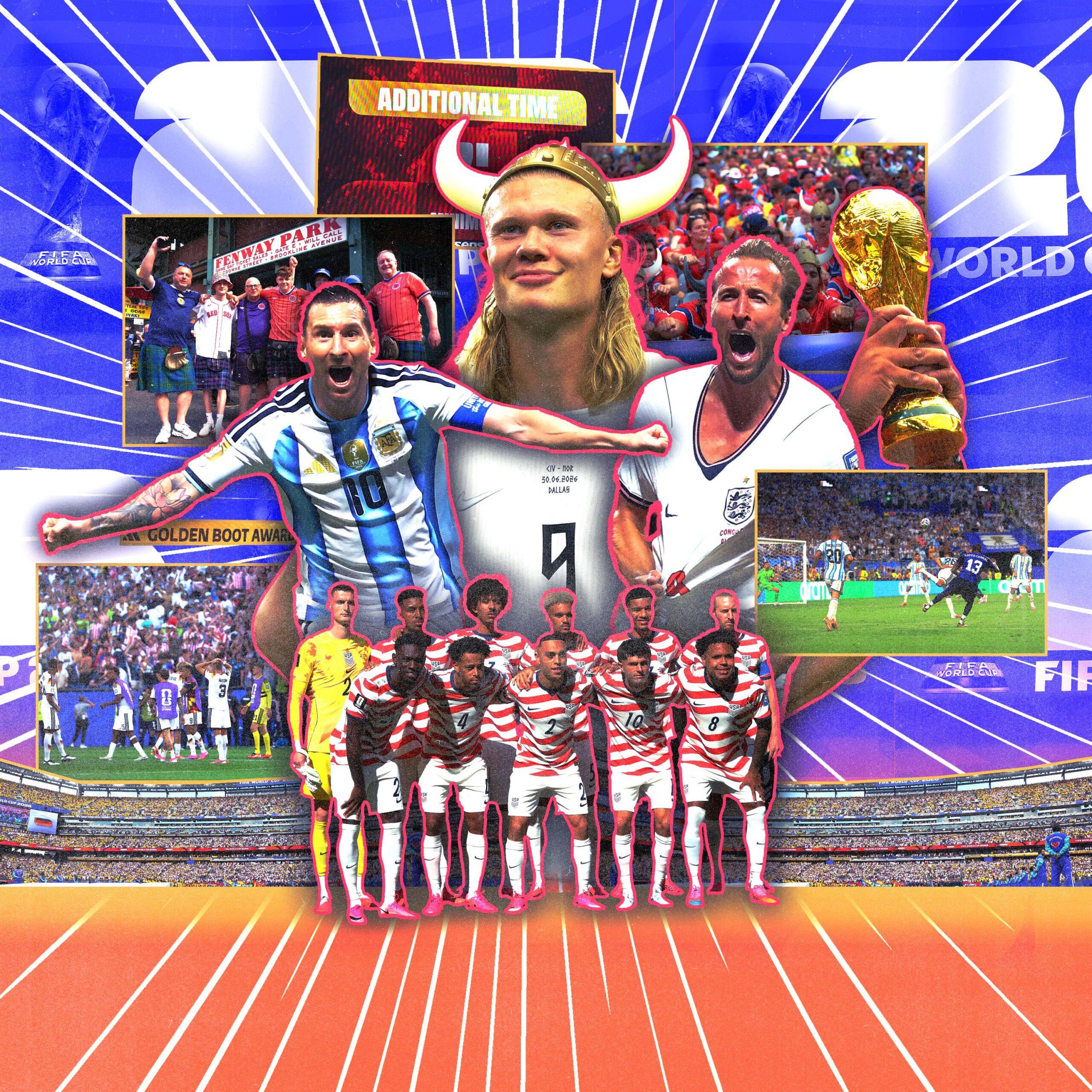

A tournament with the World Cup’s importance, magnitude, and scale is never defined just by who lifts the trophy on the final day. We spend four years waiting for the next edition—for an international party that touches every corner of the planet with joyous wonder and awe. From the opening ceremony to the final goal, the World Cup gives us memories that we can cherish forever.
The theme of the 2026 version was new horizons. An expanded 48-team field. The first World Cup with three host nations. Hydration breaks. Halftime shows. A round of 32. FIFA bet that we’d all enjoy more games and more teams, and they were correct. We reveled in the great underdogs that barked through the group stage. We embraced the superstars that shined brighter than ever at the top of the game. We debated controversies. We watched our World Cup heroes of old fall and learned who the new heroes will be.
Spain won the World Cup final and will be remembered forever. But before this wonderful summer fades from memory, here are the players, matches, images, broadcasts, fans, and wonderfully absurd moments that we loved most about the 2026 World Cup.
Lionel Messi and Lamine Yamal fulfill the prophecy.
This iconic and hard-to-believe photo first surfaced in 2024, when both Messi and Yamal won international tournaments on the same day. At that time, a 17-year-old Yamal was Spain’s best player at the Euro 2024, and the La Masia product seemed set to follow in the footsteps of another Barcelona left-footed winger prodigy.
The photo was taken in 2007 for a charity calendar, when a 20-year-old Messi posed with a 5-month-old Yamal and his mother. Messi is shown bathing the future superstar, creating the kind of origin story that would be cut from a movie script for being too unbelievable. Seventeen years later, Yamal led Spain to a European championship while Messi lifted the Copa América with Argentina. And two years after that, the two met in the final of the World Cup.
Everything about the image feels impossibly perfect. Messi had not yet won a Ballon d’Or or become the defining player of his generation. Yamal had not taken his first steps. Yet, in hindsight, the chance encounter looks more like a prophecy, or some soccer ritual in which the defining player of one generation quietly anoints the defining player of the next, years before the rest of the world has any idea.
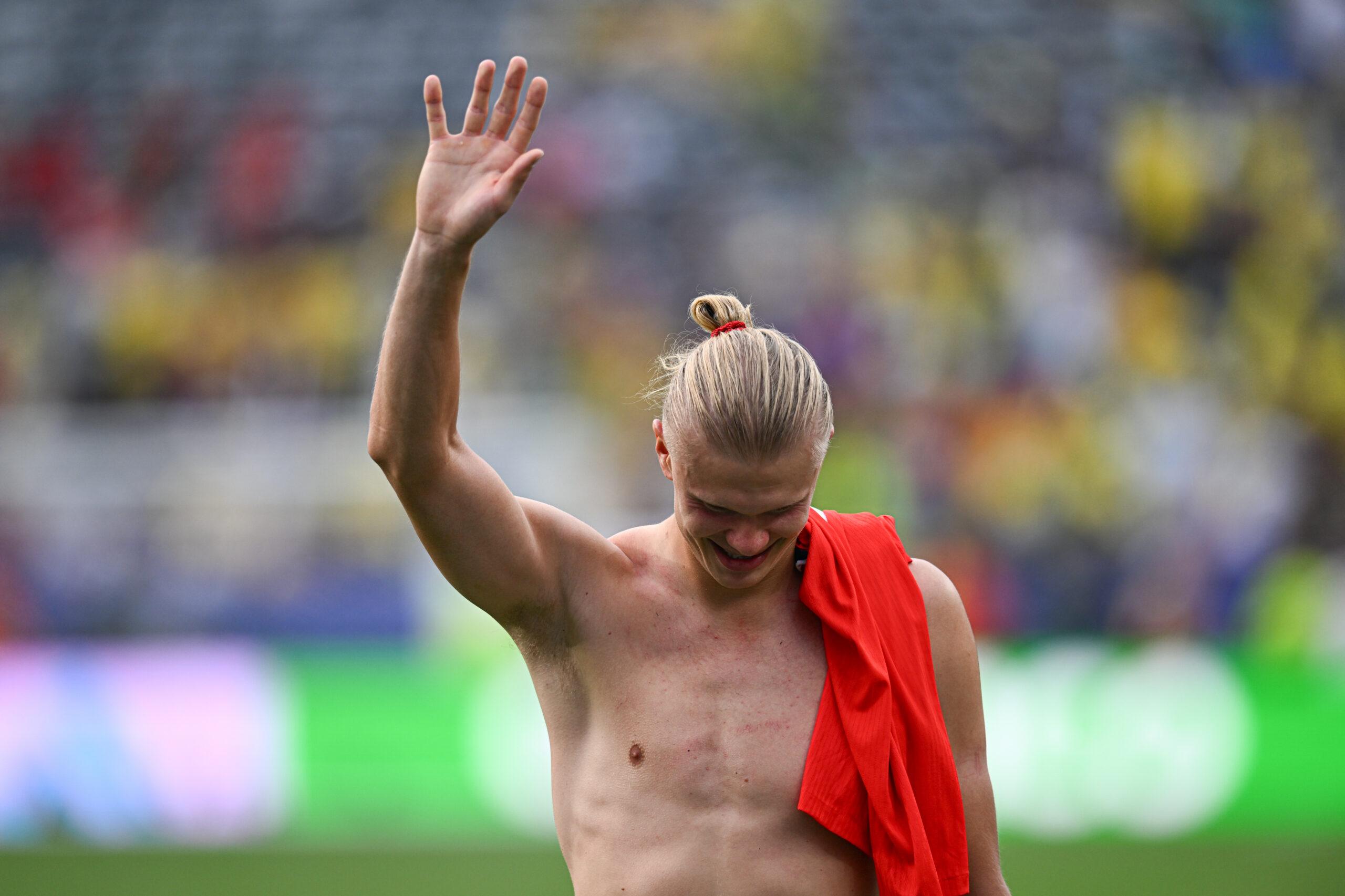
Erling Haaland steals the show.
If you’re someone who tunes in only every few years for the biggest events on the soccer calendar, then you’d probably already heard of longtime stars Lionel Messi, Cristiano Ronaldo, Kylian Mbappé, and maybe even Harry Kane. Haaland has been a superstar in Europe for most of the 2020s, but this tournament served as an introduction for an entire subset of American sports fans. As millions of Americans know by now, Haaland looks like a mythical Norse warrior. He scores goals with mechanical efficiency. And he posts like someone who has been online his entire life.
Between his Viking-like build, eccentric social media presence, and absurd goal-scoring ability, Haaland might be soccer’s first truly Gen Z global superstar. Norway didn’t play at the European Championships or the last few World Cups before this one, but this golden generation should be around for tournaments to come. And that means we’ll all be enjoying a lot more Erling Haaland in our lives. God bless.
The third-place game goes off the rails.
It’s not clear why the third-place game is even played. This isn’t the Olympics, where the bronze medal has an established meaning. The Euros, Copa América, and NFL certainly don’t have consolation games. But if every third-place game is as thrilling as England and France, I don’t think anyone will be complaining at future World Cups. England grabbed a four-goal lead in the first half, then was lucky to not be pegged back to 4-4 late in the second half. Jude Bellingham scored a beautiful individual goal to cap off a 6-4 England victory.
Neither midfield pressed much. Neither team had much interest in defending. As a result, it turned into an All-Star game. Both teams are rostered with dynamic attackers in space, and that was on full display. Mbappé scored twice. Bukayo Saka, who wasn’t fit to play at all against Argentina somehow, scored a hat trick. Declan Rice scored a banger and assisted a set piece goal. Michael Olise continued an incredibly unusual tournament in which he kept playing ridiculous assists for others, but couldn’t finish a chance for a goal of his own.
It was a feel-good match for two teams who definitely thought they should or could have been playing on Sunday. And for neutral fans, it was a perfect palate cleanser ahead of the tense and tight final.
Spain proves that defense wins championships.
Spain capped off one of the most dominant defensive runs in soccer history with its suffocating 1-0 victory against Argentina in the final. Not only did Spain concede just one goal throughout their eight matches, but they allowed fewer expected goals than every other World Cup champion dating back to 1966, per TruMedia.
Spain was never the sexiest team pouring in goals like France. They didn’t have the dramatic narrative wins like Argentina’s comebacks and England’s survival. But the Spanish machine showed up to matches, slowly and methodically tilted the field on its opponents, and eventually scored just enough to win.
It didn’t matter that Spain’s attacking players were rarely at their best in this tournament. Lamine Yamal never found top fitness. Nico Williams was barely fit enough to play (until he assisted the World Cup winner). Spain had no one close to the Golden Boot race. But ultimately, this World Cup will be remembered for the generationally elite Spanish defense. They didn’t allow Argentina to attempt a shot until the 117th minute of the final. They didn’t even allow Argentina into its penalty area until after halftime. This tournament was Spanish soccer at its very finest, and that’s why they are the champions of the world.
Lionel Messi breaks the all-time World Cup scoring record.
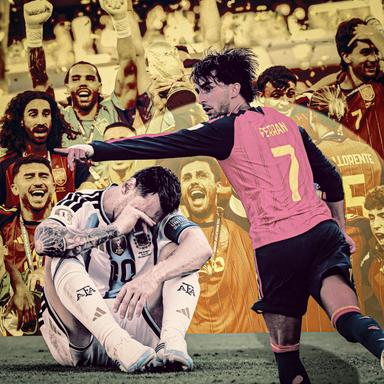
Just eight minutes into Argentina’s second match of the World Cup, Lionel Messi stood over a penalty with a chance to make history and surpass Miroslav Klose as the leading goal scorer in the tournament’s history. Although he’s widely regarded as the greatest player ever, penalties have never been the cleanest part of Messi’s game; spot-kick and shootout defeats to Chile in the 2015 and 2016 Copa América finals produced some of the lowest moments of his storied career with Argentina. So it’s only fitting that Messi pushed the penalty wide.
But 30 minutes later, history found Messi again. An Argentine cutback rolled toward Messi at the top of the penalty area, and he calmly nestled it into the bottom corner of the net. No prolonged run-up. No one-on-one confrontation with the goalkeeper. Just the simple, sweeping finish he has produced hundreds of times before.
Fox’s Darren Fletcher called Messi “the biggest star in Dallas today” as the Argentine claimed one of soccer’s most sacred records, 40 years to the day after Diego Maradona’s infamous “Hand of God” goal. But that call was an understatement, as Messi proved he’s still soccer’s biggest megastar. He didn’t hold the record for long—Kylian Mbappé passed him later on in the tournament—but Messi was arguably the best all-around attacking player at this World Cup, at age 39.
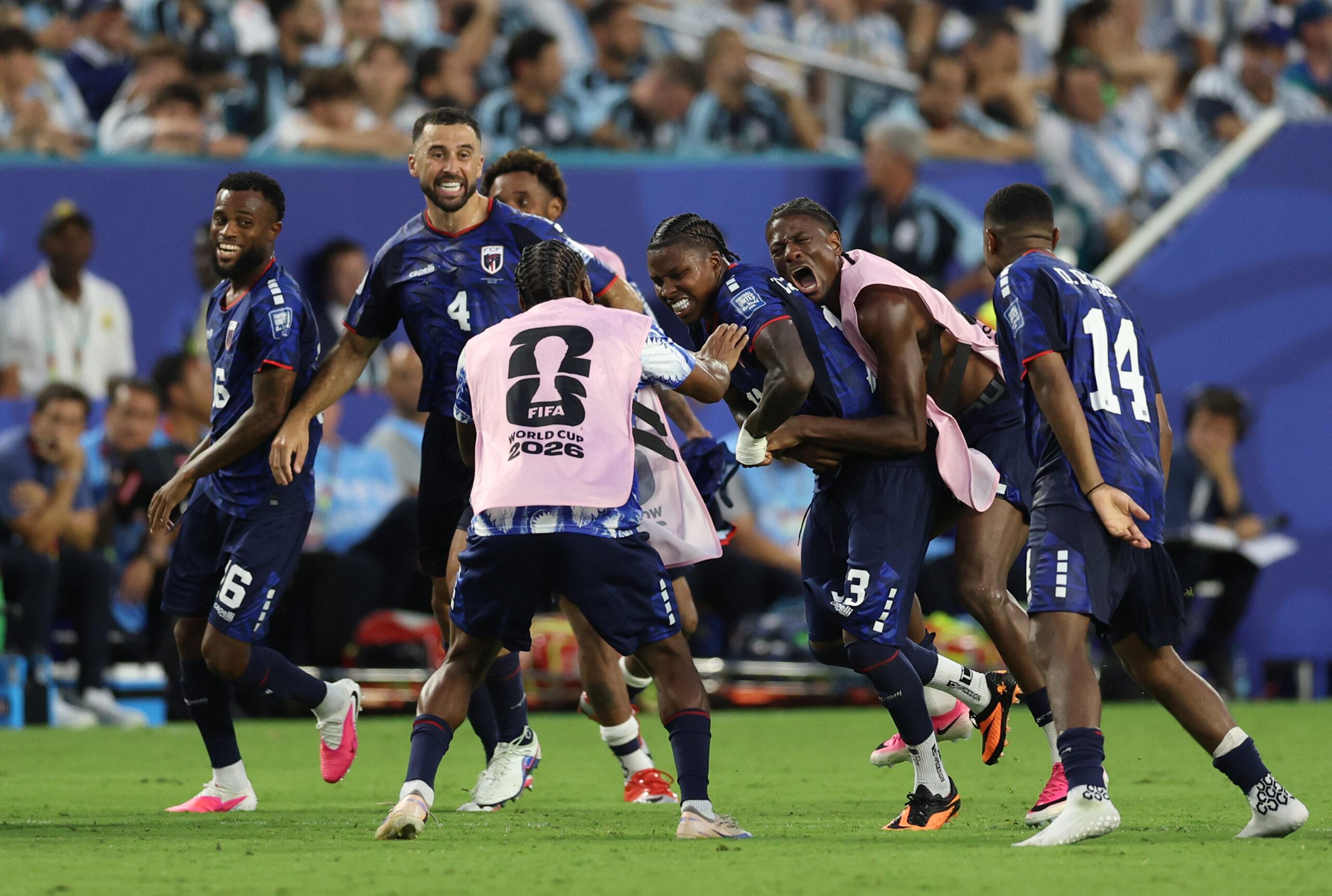
Cape Verde’s Sidny Lopes Cabral celebrates scoring his side’s second goal during the match against Argentina
Sidny Lopes Cabral blasts the goal of the tournament.
When Argentina scored to take a 2-1 lead in extra time in the round of 32, it felt like the end for Cape Verde. The Blue Sharks had fought hard on defense, but the dam had finally broken. Except Lopes Cabral had other ideas. With time waning, he cut inside and glided past Argentina’s Alexis Mac Allister; immediately, he lined up the shot.
The ball was headed beyond the frame of the goal, until it curled just so into the top corner. It was a stunning finish that most professional soccer players would need at least a dozen attempts on an empty field with no defenders to pull off. Given the stakes and the difficulty, it was unquestionably the goal of this World Cup. It came at the height of World Cup mania in the middle of its most enthralling match. And it was punctuated by one of John Strong’s best calls of the entire tournament: “Lopes Cabral! It’s incredible! It’s remarkable! It’s almost unbelievable! It’s Cape Verde, for a second time tonight!”
Even though Cape Verde failed to pull off what would have been the biggest upset in sports history, Fox color commentator Stu Holden’s words after the loss summed up why Cape Verde will be World Cup legends forever: "Cape Verde, thank you, on behalf of the world. You made us dream and watch your dreams lived out in real time. We'll never forget you.”
Cape Verde’s run will live forever in World Cup history. They didn’t just sit deep and defend for their lives against Argentina. They swarmed them. Vozinha denied Lionel Messi another iconic free-kick goal. The Blue Sharks battled back from down 1-0 and 2-1 and had stellar individual moments. Their manager, Bubista, outcoached one of the international greats in Lionel Scaloni. And Lopes Cabral, of course, scored the most memorable goal of the tournament. Within their run, Cape Verde played Spain, Uruguay, and Argentina on even terms. They validated the World Cup’s expansion, and they won the hearts and minds of fans around the world.
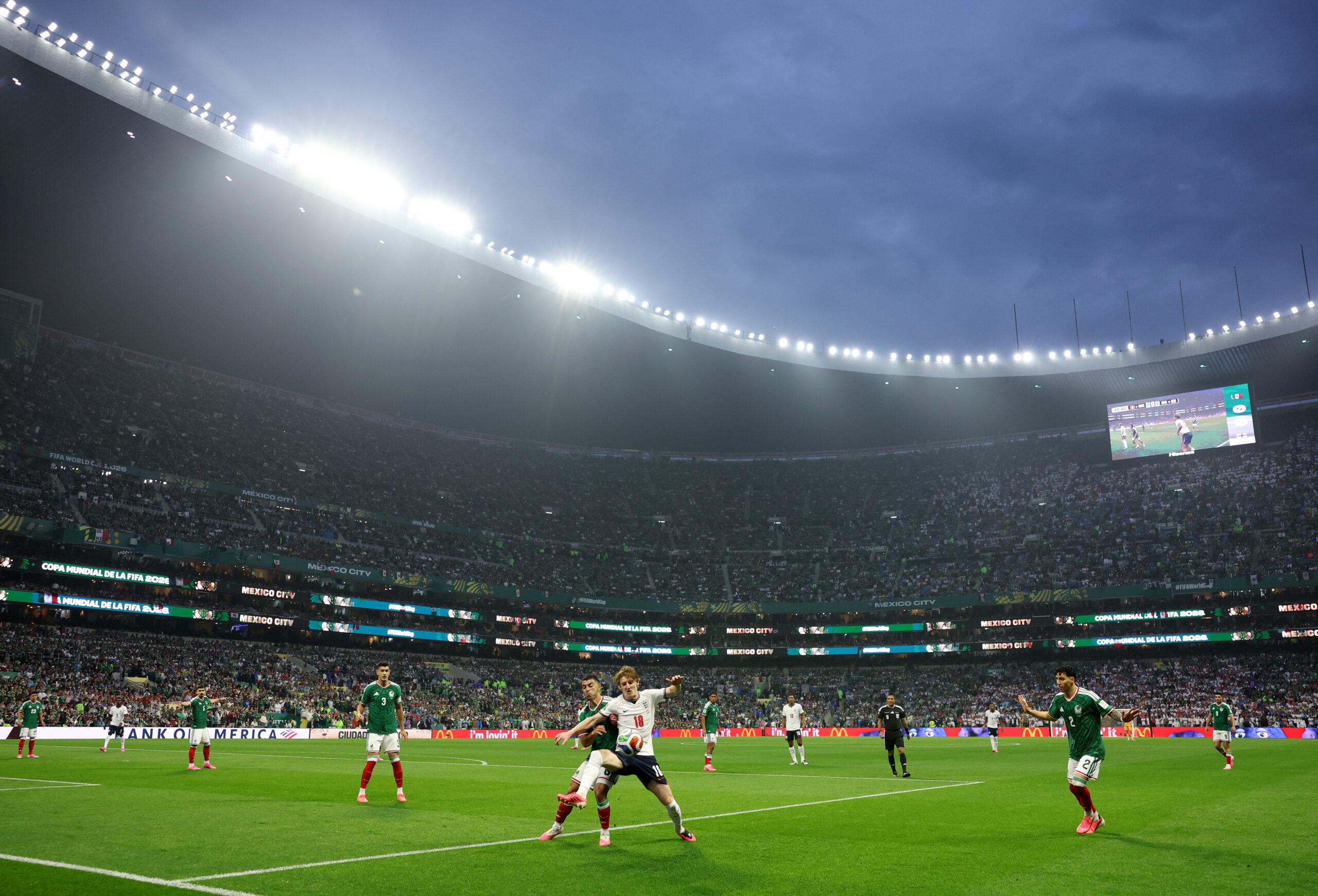
The Estadio Azteca delivers the scenes.
The Estadio Azteca in Mexico City is the cathedral of Mexican soccer. It is one of the most iconic stadiums in the world: It was the site of Pelé’s final World Cup triumph and Diego Maradona’s “Hand of God.” There are countless told and untold stories of visiting teams getting swallowed whole by the altitude, noise, and sheer scale of the place. For all the gleaming new American stadiums that hosted matches in this tournament, no venue carried more history—or felt more essential to this World Cup—than the Azteca.
The 2026 World Cup began with Mexico hosting South Africa at the Azteca, which became the only stadium to have staged three men’s World Cup openers. In front of more than 80,000 fans, Mexico thrashed South Africa, capped off by an emotional Raul Jimenez scoring his first-ever World Cup goal. That stadium and its history is why England’s return to the Azteca in the round of 16 was the most highly anticipated tournament spectacle to that point. Matches with that much hype rarely live up to their billing. This one surpassed it.
From the moment the match was delayed due to storms, it felt like we were in for a historic night of drama and high-stakes knockout soccer. England survived the opening Mexican pressing onslaught without conceding. Then Jude Bellingham sprang forward for two goals in two minutes. Mexico pulled one back from a set piece in front of a raucous crowd. The first half ended with England leading 2-1, but from there the match descended into total chaos. English right back Jarrell Quansah was red-carded after a quick VAR review showed he went into a tackle too high with his studs up. Then England earned and scored a penalty. Then Harry Kane, who had just scored the penalty, conceded one, and Mexico pulled within one goal again.
With England leading 3-2 at the second-half hydration break, manager Thomas Tuchel decided that his team’s best shot was to park the bus into a 5-3-1 formation and try to hold the lead. It was a risky but likely necessary strategy given that England’s legs were shot in Mexico City’s altitude. Tuchel brought on Dan Burn, his defensive closer. Pickford commanded the penalty area. The back line defended roughly 2 million crosses. The growing pressure of 11 Mexican players and tens of thousands of fans amplified the moment to a truly dramatic close. The nerves slowly began to wash over the stadium as Mexico slowly ran out of ideas to break them down. And eventually, England survived the Azteca.
The USMNT’s opening 45 minutes make us believe.
There was plenty of skepticism surrounding the United States entering this World Cup. An opening matchup against a stingy Paraguayan defense—one that had regularly frustrated Argentina, Brazil, and the other giants of South America—only heightened the possibility of a tense and underwhelming start. But you wouldn’t have known any of that from watching the USMNT’s first half of the World Cup in Los Angeles. The Americans completely rinsed them.
Christian Pulisic produced one of the best halves of his USMNT career. Folarin Balogun announced himself to the country with two goals. Weston McKennie and Malik Tillman repeatedly tied Paraguay’s defensive line in knots with their game-breaking runs in behind. The Americans played with a speed and confidence that made an excellent defensive team look completely overmatched.
The tournament ultimately ended where it so often does for the United States—with a loss in the round of 16—but that shouldn’t diminish all of the good things the USMNT proved in this World Cup. Those 45 minutes against Paraguay set the tone for a dominant group stage and proved the optimists were right to believe this team was capable of something special. Three-goal victories are rare at the World Cup. Scoring three before halftime, against a team built to prevent exactly that, was a genuine statement.
In past tournaments, watching the USMNT has been an anxiety-ridden experience. This year, it felt liberating for much of the time. Despite the disappointment of the Americans' loss to Belgium in the round of 16, this team gave us a vision for the future of the USMNT and the sport in this country.

Malik Tillman free kicks his way into U.S. soccer lore.
Once Folarin Balogun was sent off in the 68th minute of the Americans’ opening knockout match, most people expected the USMNT to defend and just try to survive for the remaining minutes. But that wasn’t how they approached it. Mauricio Pochettino’s squad attacked Bosnia-Herzegovina in transition shorthanded more effectively than Bosnia-Herzegovina attacked them with a man advantage.
In the 82nd minute, Tillman took a free kick that arched straight over the wall of defenders and into the goal. It ensured that any remaining nerves about this match wouldn’t be necessary. His goal relieved all USMNT-related stress and kicked off a celebration of the Americans’ first World Cup knockout win since 2002. It may not rise to the level of Landon Donovan’s “Go Go USA” goal from 2010, but Tillman’s free kick will be the most memorable American goal from this 2026 run.
The Norwegians row.
No fan base turned more neutrals into supporters than Norway. The Norwegians’ iconic rowing celebration played a major role in that. They rowed through Times Square. They rowed in subway cars. They showed up at the Travelers Championship and rowed there. After Norway’s biggest victories, the players sat on the field and joined them. What began as a familiar celebration among Norwegian supporters became one of the tournament’s defining images. Thousands of fans sitting in formation, rocking back and forth in unison, rowing their country across America—and all the way to the quarterfinals.
Freddy becomes our favorite German tourist.
While Norway’s entire fan base endeared itself to America, one German tourist stood above the rest for his sheer online popularity. Freddy’s posts on X began as a full-throated embrace of everything America had to offer. He loved the food, the people, the stadiums, and the wonderfully excessive experience of attending a World Cup here. His uncomplicated and over-the-top enthusiasm made him one of the summer’s most lovable recurring characters. He grew from a niche soccer fan with 8,000 followers into a massive account with over 760,000 followers.
The appeal was simple. Freddy experienced America without irony. Every gas station meal was incredible. Every stadium was breathtaking. Every interaction with a stranger became evidence that Americans were the friendliest people alive. At a moment when the country was obsessing over everything that could go wrong with hosting the World Cup, Freddy showed up and treated the entire thing like an amusement park. His enthusiasm was excessive, occasionally ridiculous, and completely infectious.
His astonishing growth on social media naturally prompted questions about whether the account was authentic, but online skepticism quickly curdled into obsession and cruelty. The posts inspired think pieces, amateur investigations into his life, and eventually some serious harassment. He was accused of being a spy, a fake tourist, and an account with nefarious intentions. Freddy’s rise and subsequent backlash completed the full life cycle of online fame in a matter of weeks. He arrived in America excited to enjoy the World Cup and accidentally became proof that we are constitutionally incapable of letting a nice story remain nice.
Argentina goes full Michael Myers.
Argentina spent most of the knockout stage with its World Cup life hanging by a thread. After barely surviving an exhausting clash with Cape Verde, Argentina fell into an even deeper hole against Egypt. An Egyptian set-piece goal opened the score. Lionel Messi missed a first-half penalty, his second miss of the tournament. Egypt even had another goal controversially overturned by VAR before immediately scoring an almost identical one that counted. Ball don’t lie.
With 15 minutes remaining, Argentina trailed 2-0. Its attacks kept disappearing into the congested center of Egypt’s defensive block. The 2022 champions looked tired, narrow, and out of ideas. The prospect of Messi’s final World Cup ending against Egypt was suddenly, terrifyingly real.
Then Messi took over. Messi changed the entire geometry of the match, drifting toward the touchline, finally stretching Egypt’s defense and creating the space Argentina had spent all night searching for. His cross found Cristian Romero for the first goal. He scored the equalizer himself. In a matter of minutes, everything flipped. Egypt was on its heels, and Enzo Fernandez’s match-winning header turned an almost certain loss into a euphoric win.
It wasn’t the last time that Argentina would stage a late comeback: In the next round, their go-ahead goal against Switzerland came in the 112th minute during extra time. Against England in the semifinals, it came in stoppage time during the 92nd minute. Argentina’s World Cup trophy defense ultimately came up short against Spain, but their late-match magic was one of the most exciting storylines of the tournament.
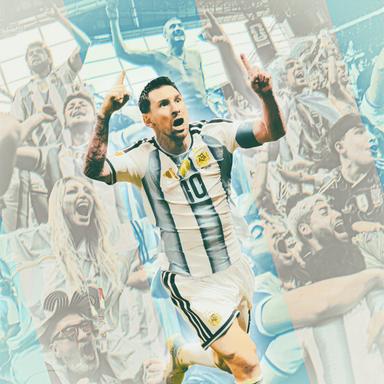
England goes full England.
Anytime a major comeback happens, the postgame debate tends to revolve around the same question: Did one team blow it, or did the other go win it?
Maybe I’m biased by the English-language media I consume, but I’m not sure I’ve ever seen a stronger consensus around the former. England didn’t simply lose its chance to reach a World Cup final—they bottled it.
With nearly 30 minutes remaining in the semifinal, the Three Lions cowered in fear and parked a bus in front of their own goal. Thomas Tuchel largely abandoned the attacking principles he had preached in the buildup to the tournament. The expansive, fearless team that overwhelmed Croatia 4-2 in the opener had vanished. England stopped trying to win the match and devoted itself entirely to not losing it. Bold strategy when you’re playing against Messi.
It was understandable for England to embrace defending when it was down to 10 men at the Azteca in the waning minutes. Dan Burn even became a cult hero in English soccer for his ability to win headers. But against Argentina, with 11 men and a place in the World Cup final within reach, England voluntarily placed itself under siege. It eliminated its own outlets and held just 12 percent of the possession between taking a 1-0 lead and falling behind 2-1 in stoppage time. Wave after wave of Argentine attack rolled toward the English penalty area, and England made no serious attempt to stem the tide.
Still, reducing the comeback entirely to an English collapse would deny Argentina its share of the glory. England opened the door, but Argentina kicked it off its hinges. As the field tilted, Messi drifted toward the right wing and discovered England’s fatal blind spot. England dropped deeper to protect the center, but failed to apply enough pressure to the greatest player of all time operating in space. Messi kept receiving the ball, lifting his head, and dictating Argentina’s next attack. The collapse felt so distinctly English and the comeback so distinctly Argentine. One team became paralyzed by the weight of its history, while the other appeared empowered by its own.
Canada’s first World Cup win comes on home soil.
For 40 years, Canada’s entire men’s World Cup history could be summarized by absences and almosts. It went scoreless and winless in 1986, then missed the tournament for 36 straight years. Alphonso Davies finally scored the country’s first World Cup goal in 2022, but even that breakthrough came in a loss to Croatia.
Now playing host, Canada had a chance in its opener in Toronto against Bosnia, but were held to a 1-1 stalemate. In its next game, against Qatar, Canada didn’t just win. Jesse Marsch’s team was leading 2-0 when Qatar received its first red card and 3-0 before it went down to nine men. From there, the match turned into an exorcism that was four decades in the making.
Canada poured it on until the scoreboard read 6-0, finishing with 32 shots, 4.6 expected goals, and one of the most lopsided victories in tournament history.
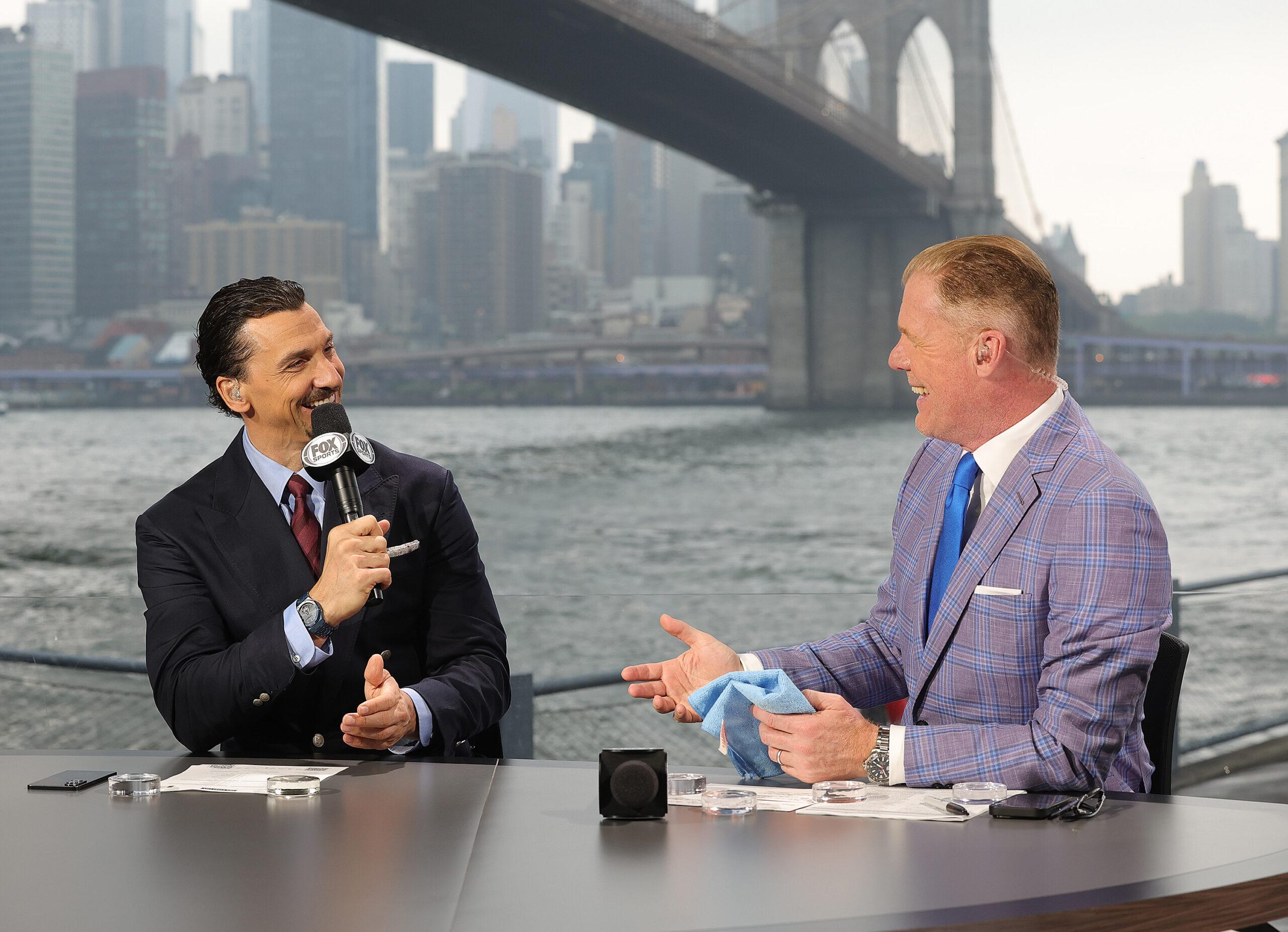
Zlatan Ibrahimovic and Alexi Lalas face off.
While we all watch the World Cup for the clashes of soccer, fanbases, and cultures, the constant quibbles between Zlatan and Lalas were a fun subplot to Fox’s coverage of the tournament in the United States.
When the USMNT played against Australia in its second group stage match, Fox sent Lalas to Seattle to join an All-American studio team outside the arena. When Rebecca Lowe explained to viewers that Lalas was out in Seattle and not on the main set, Ibrahimović just said, “Who?”
There were also numerous times in the booth when Zlatan outright dismissed Lalas’s commentary. When Lalas called France “arrogant” following their opening match win against Senegal, Ibrahimović corrected him and said, “It's not arrogance, it's confidence. Ignorant people will say it's arrogance, intelligent people will say it's confidence."
Ibrahimović and Lalas are both known for their bravado and, at times, overconfidence. But Ibrahimović’s playing career vastly outpaced Lalas’s, and it was fascinating throughout the tournament to see a frequent bully (Lalas) get a taste of his own medicine.
Paraguay upsets Germany in a penalty shootout.
Germany was the first true contender to fall in the knockout stage. Outside of their 7-1 thrashing of Curacao in the opener, they never looked elite in this tournament. They pulled out a last-minute win against Ivory Coast but lost to Ecuador with their full-strength team and failed to consistently create chances against the Paraguayan defensive block. After 120 minutes, their match against Paraguay was a languid 1-1 draw. According to reports after the fact, four different German players declined to take penalties, which left centerback Jonathan Tah to take the decisive penalty, which he missed. Paraguay wasn’t always the most interesting team to watch in this World Cup, but their defensive performance against Germany and historic upset was a wonderful way to kick off a thrilling round of 32.
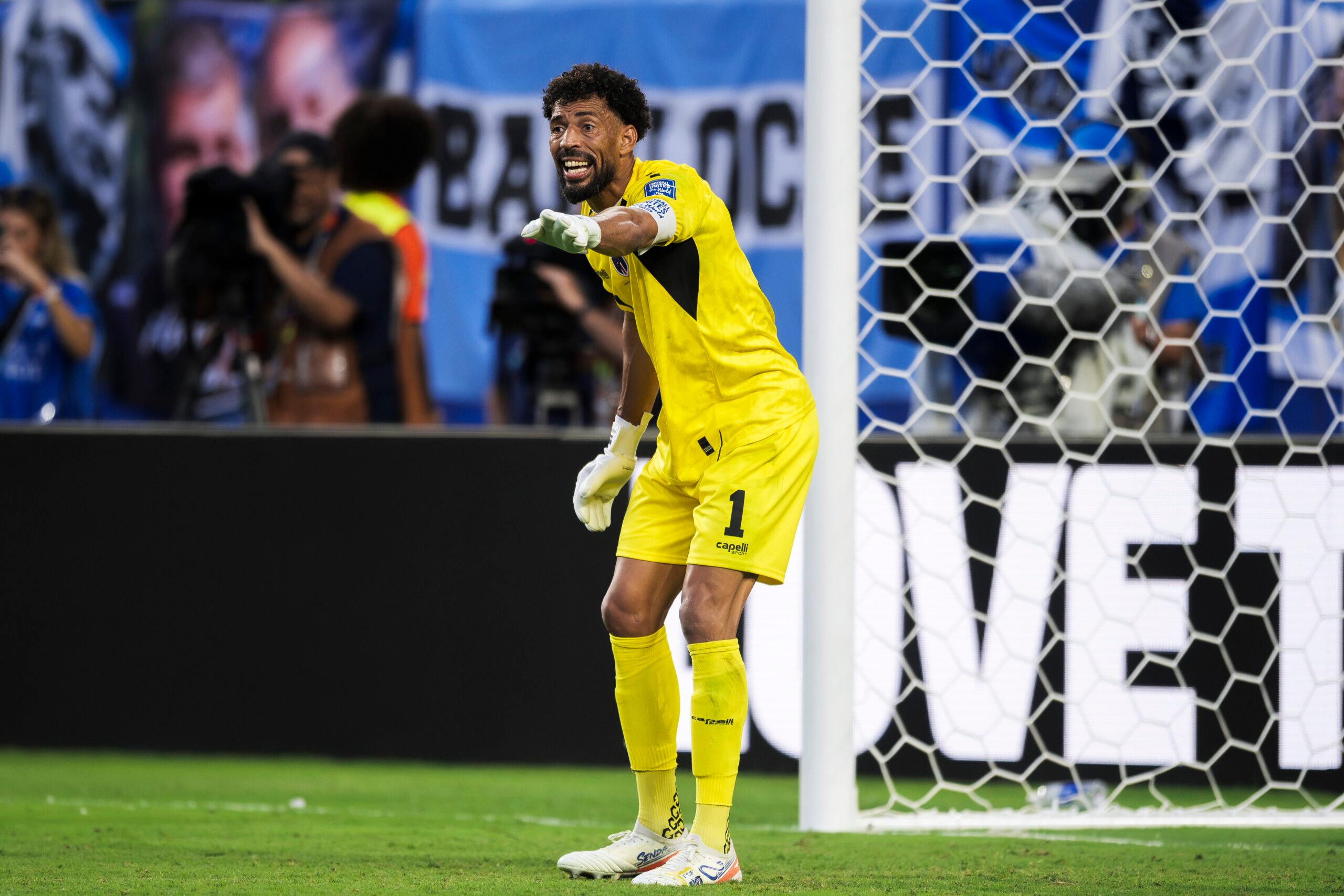
Vozinha becomes an instant icon.
Cape Verde’s goalkeeper is 40 years old. He entered the World Cup without a club team. In most scenarios, this World Cup would have been the swan song of a mostly unknown career. But with one performance against Spain in Cape Verde’s World Cup opener—in which Vozinha made seven saves and held the eventual World Champions without a goal in the first truly shocking result of the tournament—he’s now a global superstar who will be remembered in soccer history forever.
That’s the power of the World Cup, and it’s something that basically no other sporting event can touch. Vozinha isn’t just a hero on the islands of Cape Verde, but is now an inspiration in every corner of the world and on every continent. He began the World Cup with 50,000 Instagram followers. He now has a little over 29 million. And it appears his soccer career is far from over: Since the end of the World Cup, he’s been heavily linked to both Inter Miami and Chilean team Colo Colo.
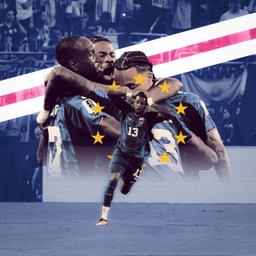
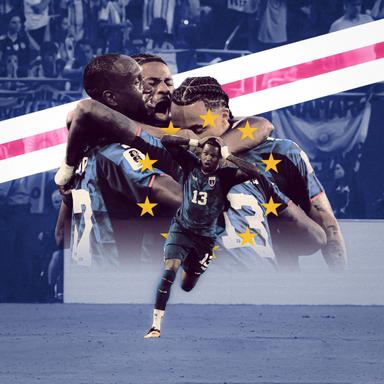
Switzerland’s Johan Manzambi turns into a star.
It’s not officially a World Cup until a player rises from relative obscurity to become a household name. At this tournament, the best example is undoubtedly Vozinha. However, the Cape Verdean goalkeeper is 40 and nearing the end of his career. Going forward, we’re likely to look back on this World Cup as the catalyst for different career: that of Johan Manzambi.
The 20-year-old attacking midfielder was relatively unheralded at Freiburg in the Bundesliga, but his performances at this World Cup earned him a massive move to Aston Villa in the Premier League, where he’ll likely be a key part of the plan to replace Morgan Rogers in the midfield. Manzambi is an electric dribbler who will stand out in the Premier League, which has lacked those types of talents recently.
To give you a sense of how meteoric Manzambi’s rise was: He didn’t even start Switzerland’s first two matches, but his two goals off the bench against Bosnia earned him a start against Canada in the group finale. In that match, he scored a goal and added an assist, and then he assisted Switzerland’s opener in their knockout win against Algeria. If not for an injury that forced him to miss the matches against Colombia and Argentina, Manzambi might have won the Young Player of the Tournament award.
Algeria and Austria share shenanigans.
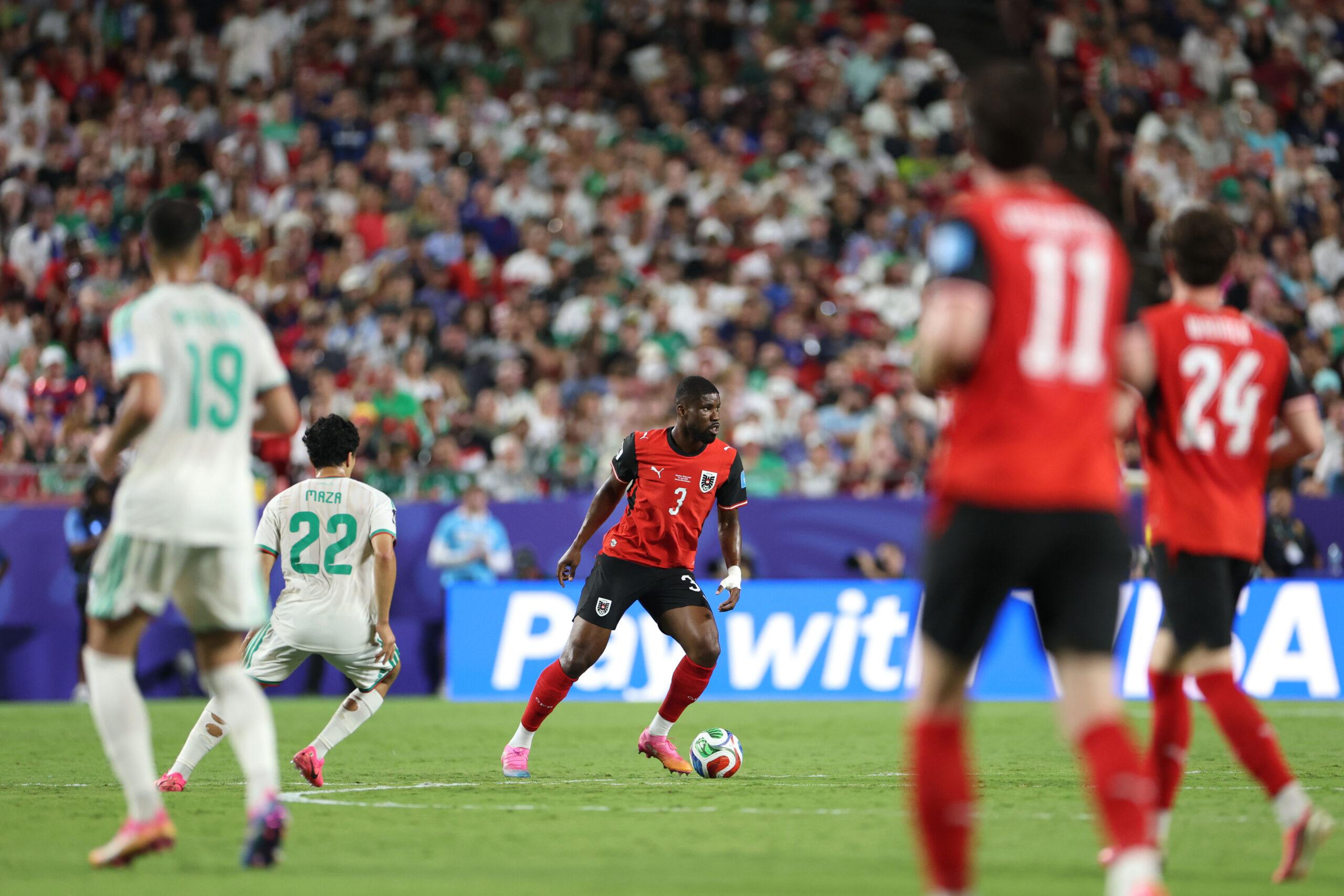
The final 10 minutes of Algeria vs. Austria were an argument both for and against the current format of the 48-team World Cup, in which eight third-place teams advance to the knockout rounds. Entering this match, both Algeria and Austria knew that a draw would be enough for both to advance. But if the match had a winner, then the loser would be eliminated. So once it was 2-2 with a few minutes to go, both sides seemed content to settle for a draw. Algeria kept possession but stopped trying to move the ball forward. Austria called off its press. It became a passing exercise as Algeria maintained the least threatening possession in soccer history.
That is, until Algeria went for the sucker punch doused in decades of history. With Austria’s defense not totally locked in, Algeria played a forward pass, and their star man Riyad Mahrez was played in on goal. Mahrez scored, and the Austrian bench left its seats to go shout at the Algerian bench.
They had broken the unspoken handshake agreement! Algeria had scored after an unprecedented 108-pass sequence. It was revenge for a 1982 World Cup match in which Austria intentionally lost 1-0 to West Germany to knock Algeria out of the World Cup in “The Disgrace of Gíjon.”
But in 2026, there was still time left. Time for one more Austrian attack to save its World Cup life. Somehow, Austria found the equalizer to level the match with its final attack. The goal sent Iran home and ensured that everyone would be all smiles leaving that thrilling match in Kansas City. I don’t think it’s good for the sport for these types of shenanigans to regularly happen, but it was a fascinating game theory experiment, if nothing else.
The Algerian team embraces Kansas—and Kansas embraces the Algerian team.
The unlikely pairing of the Algerian men’s national soccer team and the citizens of Lawrence, Kansas, proved to be one of the shining beacons of multiculturalism in the tournament. Algeria held its pre–World Cup training camp in Lawrence, and locals warmly welcomed them, embraced their culture, and became adopted fans of the team. The KU band learned the national anthem of Algeria and played it for them. The Algerian players hosted training sessions with local youth soccer players. They got shots up inside Allen Fieldhouse. The phrase “Rock Chalk Algeria” was uttered for the first and certainly not the last time in human history.
While most of the World Cup matches were played in coastal city centers (or metropolitan Texas), the scattering of teams' home bases around the country made for a unique experience that allowed even more Americans to feel connected and a part of this World Cup.
Thierry Henry gushes over Harry Kane’s match-turning finish.
It’s rare that a goal leaves Thierry Henry in awe. Henry is top 10 of all time in Premier League goals scored, and he’s one of the most gifted strikers in modern soccer history. And Henry couldn’t stop beaming at the difficulty and skill of Harry Kane’s off-balance match-winning goal against DR Congo in the round of 32.
This goal arrived during a desperate moment for England. The Congolese had ambushed England to open the match, pressing them aggressively and scoring a seventh-minute goal. They held that lead for nearly 70 minutes, until Kane took over the match and rescued a struggling England. Kane scored a header in the 75th minute on a cross from Anthony Gordon and then scored his finest-ever World Cup goal to win the match in the 86th minute.
Paired alongside Zlatan Ibrahimović and Alexi Lalas for the most of the tournament, Henry proved why he’s among the best in the business at analysis on television right now.
Javier Aguirre chirps at Anthony Gordon.
Sometimes, the best chirps are the simplest ones. During that epic match at the Azteca, Mexican manager Javier Aguirre went viral after his lighthearted jab at English winger Anthony Gordon. "Gordon ... fuck you ... ahhhh."
That's the whole joke. Gordon smiled ear to ear. Aguirre did, too. The exaggerated pause, the little head tilt, and the obvious lack of seriousness made it perfect. It felt like trash talk during a pick-up game, not a World Cup knockout match. Gordon said he took the comment as a compliment. He added that Aguirre was regularly talking to him and teammate Jude Bellingham throughout the match. The World Cup is unbelievably tense, but it’s worth celebrating moments like this that remind us all that they're still playing a game.
Soccer fans take over the baseball stadiums.
Whether it was the Norwegians rowing their way into Citi Field, the Tartan Army singing deep into the night at Fenway Park, or English supporters developing an affinity for Braves outfielder Michael Harris II, the collision of soccer and baseball cultures became one of the summer’s most delightful recurring bits. In a tournament overflowing with cultural crossovers in every corner of the country, few were more endearing than World Cup supporters turning ballparks into their own. It turns out sports really do bring us together: The Guardian wrote that MLB attendance increased in stadiums that were also World Cup host cities this summer.
Mikel Merino transforms into a super sub to save Spain.
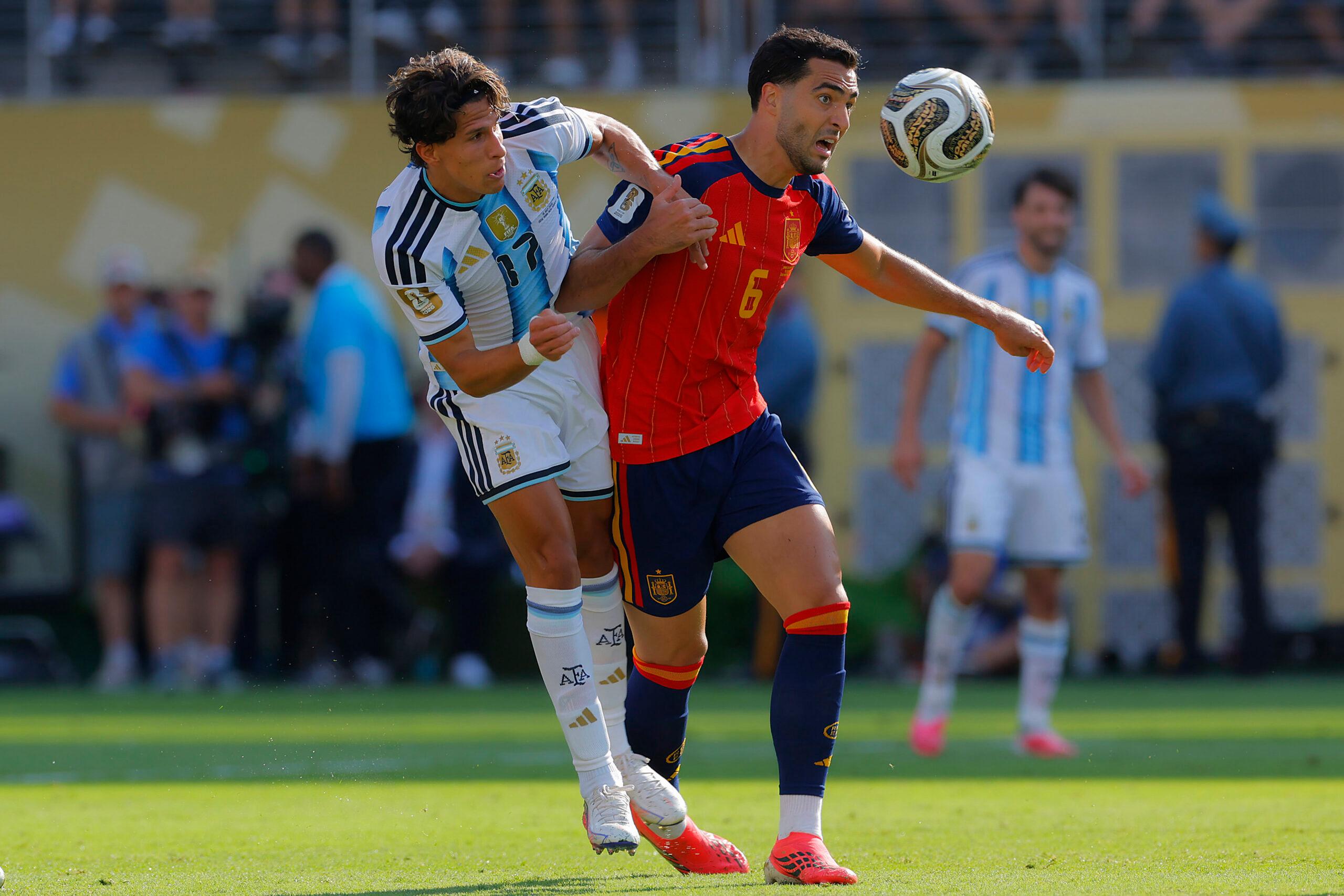
For as much as Spain dominated this tournament, they lacked the attacking firepower and dominant score lines to match their immense control of midfield. Spain outplayed Portugal and Belgium across the opening 85 minutes, but the score line of each was deadlocked. Enter Mikel Merino.
When Arsenal signed Merino from Real Sociedad ahead of the 2024-25 season, they thought they were adding a traditional central midfielder. But when an injury crisis hit the Gunners, they frequently deployed Merino as a striker. He’s comfortable in the penalty area, can get shots, and can link the play well despite being a midfielder by trade.
His minutes at striker for Arsenal foreshadowed his 2026 World Cup. Against Portugal, Merino combined with Ferran Torres to get in behind the defense for the winning goal. And then he pounced on a spilled rebound to score the winner against Belgium. Spain was the best team from start to finish of the World Cup, but a midfielder turned striker was the X factor they needed to survive and avoid the roulette nature of penalty shootouts.
The many stoppage-time goals bring the drama.
As soccer matches progress, the number of goals scored tends to rise. Defenses tire out. Substitutes come on with fresh legs. Desperation grows. Space increases as trailing teams take more risks. This has always been true. But at the 2026 World Cup, late-game goal scoring became even more pronounced. Canada’s late winner against South Africa. Brazil’s last-second goal propelled them past Japan. There were two in Algeria and Austria’s chaotic match.
And then there’s Argentina. Ten of Argentina’s 19 tournament goals came after the 80th minute, including their winners in the round of 16 and semifinal.
This influx of late-game scoring could just be random variance, but there are also plenty of changes in gameplay that could have contributed to it. The ball is in play longer at this World Cup due to an emphasis from FIFA on cutting down on time wasting. Hydration breaks give attacking teams a refresh to go again at tiring defenses. And there’s of course just more stoppage time now that those three-minute breaks are built into the match. This tournament averaged nearly three goals per game, and late goals were a major driver in that.
Darren Fletcher and Owen Hargreaves nail the call.
Fletcher first popped up on American soccer fans’ radars during Euro 2024, but this World Cup was his breakout tournament alongside commentary partner Owen Hargreaves. The two have undeniable chemistry and really enjoy bantering back and forth throughout the match.
Awful Announcing polled its readers on the best World Cup announcing teams, and this duo was ranked no. 1 by a wide margin. Fletcher loves to mix in cultural and cross-sport references that pull in a more casual American audience. He’s often willing to inject his own opinion into the call but technically nails all of the most important ones.
Hargreaves’s use of “brilliant” has been a crutch for him at times, but it’s endearingly authentic, much like his “Fletch” nickname for his partner. Fletcher nailed the call of Messi’s record-breaking goal against Austria, and the pair elevated the two most electric matches of the entire tournament: They met the moment during England’s trip to the Azteca and leaned into the absurdity of the third-place game between England and France. I can’t wait to hear more from them in future tournaments.


The stars align in the race for the Golden Boot.
When Messi, Haaland, and Mbappé scored two goals each on the same day, during the group stage, it felt like fodder for an incredible World Cup trivia question. When they did it a second time, it started to feel preordained. Add in Harry Kane’s prolific goal scoring for England, and this tournament featured one of the greatest Golden Boot races in World Cup history.
This wasn’t the 2022 race, where the award changed hands between Mbappé and Messi multiple times in the final. But 2026 was still momentous: Mbappé became the first player in World Cup history to win back-to-back Golden Boots. Messi ultimately faded from the race as he became more of a goal provider than goal scorer deeper into the knockout stage. And it’s fair to ask whether or not Mbappé’s brace in the third-place game, a glorified exhibition match, should count. But the rules are the rules. Mbappé is now the greatest goal scorer in World Cup history, and he will shatter the records going forward.
Cultures clash in the best way.
The World Cup’s beautiful culture clashes are part of what makes the tournament feel so unique. Supporters from all over the world descend on cities with different languages, songs, food, traditions, and ideas about how soccer should be played and celebrated. It’s a monthlong party centered on soccer, sure, but the sport is really just the occasion that brings people together.
The Mexicans and Koreans sang “Gangnam Style” and drank tequila in the streets of Los Angeles and Mexico. Ecuadoreans and Ivorians played flip cup in Philadelphia. Dutch and Japanese fans danced together in Dallas. Argentina’s fans clapped Cape Verdean fans out of the stadium after an incredible match. Brazilians and Scots partied the night away in Miami. The English conquered El Tri at the Azteca and then drank with Mexican fans afterward.
As a resident Philadelphian, it was a joy to watch different fan bases cycle in and out of the city throughout the month. In my years growing up in and around this city, I’ve never seen anything quite like the buzz throughout the subways, bars, and streets during the World Cup.
The World Cup’s expanded format is a hit.
Before a ball was kicked, there were plenty of valid reasons to criticize FIFA’s expansion of the World Cup. But after the 48-team tournament unfolded, it’s clear that the larger field was a massive success. It allowed more of the world to experience the greatest sporting event on the planet without meaningfully diluting the quality of the competition.
There were certainly a few overmatched teams, and any further expansion could push the competitive balance too far in the wrong direction. But the 48-team format created more opportunities—and produced unforgettable stories that the old format might have denied us, most notably Cape Verde and South Africa reaching the knockout stage. More countries got to participate, more fan bases got to dream, and the tournament felt richer for it.