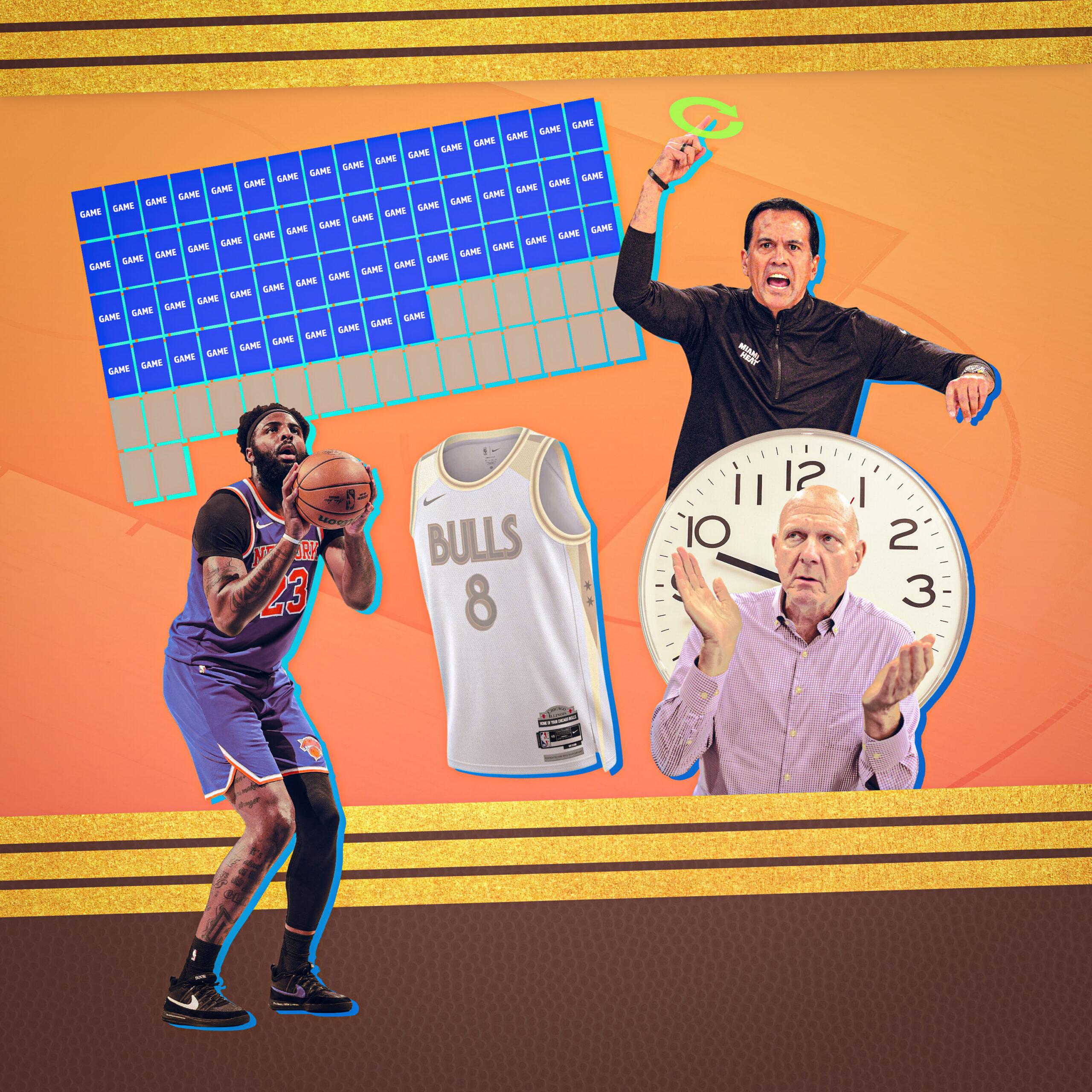
22 Increasingly Unhinged Ways to Fix the NBA
If you could make one change to the NBA, what would it be? We asked our staff—and things got weird.22 Increasingly Unhinged Ways to Fix the NBA
If you could make one change to the NBA, what would it be? We asked our staff—and things got weird.
Look, it’s September. NBA opening night is still six weeks away. Football is great and all, but it’s not the same. The NFL can’t fill the hole that Knicks-Spurs has left since June. So forgive The Ringer’s hoopheads for getting a little weird and stretching our legs as the offseason doldrums roll on.
The NBA, to its credit, hasn’t been afraid to tinker in recent years. The league has changed everything from its schedule and postseason to its salary cap and All-Star Game—sometimes for the better, sometimes decidedly not. So we figured we’d offer Adam Silver a little help with some very serious suggestions.
We asked 22 Ringer staffers one simple question: If you could make one change to the NBA, what would it be?
Things … escalated quickly.
Some of our proposals are practical. Some would fundamentally reshape the league. Others would fundamentally reshape society. So, without further ado, here are 22 increasingly unhinged ways to fix the NBA.
Part I: Wait, These Are Actually Good Ideas.
1. Get rid of pick protections.
Rob Mahoney: I’ve had it: I’m getting rid of all pick protections. We can’t have the third-most favorable pick among four teams conveying to the best of those teams if and only if the selection doesn’t fall between 5 and 8, else it rolls over to 2028, although if it fails to convey, then it defaults into a pair of second-round picks—also protected from 31-55, of course, and not to convey in consecutive years. What are we doing? Who is this for?
Basketball is a wonderfully simple game, but the best league on the planet is mired in all sorts of Byzantine bullshit like this. Trade a pick or don’t! Take the risk or don’t! The fact that each draft selection can be atomically split into an infinite number of potential outcomes and dealt away one at a time is a premise so ridiculous that it could come only from sports. But it also manages to put another spreadsheet of separation between a trade and the game itself. That may not seem like a big deal until you realize that 30 teams are constantly tangled in a massive web of unpaid debts that no one can fully understand—even as they conditionally prevent those teams from making other moves. Trading a draft pick comes with uncertainty. That’s the point. Just let it be, and go with the basketball gods.
2. Abolish the salary cap aprons.
Michael Pina: Assuming it eventually ends—sooner rather than later, preferably with mercy and a parade—the apron era will be remembered as an unfortunate and unnecessary stain on the NBA’s history. Unless you are literally a billionaire, there’s a good chance you do not enjoy this current iteration of the collective bargaining agreement. Its fundamental purpose is to cut costs, often by way of inorganically dismantling title-winning teams. It’s idiotic.
After reaching a summit they took years to scale, the Denver Nuggets, Boston Celtics, and Oklahoma City Thunder have spent the past few offseasons slashing payroll instead of trying to keep their championship window open as long as they possibly could. It’s a middle finger to fans everywhere.
We’re a couple of months removed from New York Knicks owner James Dolan preemptively rationalizing the loss of their longest-tenured player, Mitchell Robinson, in a radio interview that was conducted days after his team won it all. “I don’t know if we’ll be able to” bring back the entire team, Dolan told WFAN. “We’re willing to stretch, but there’s certain things in the NBA that you’d have to be suicidal to do. One of them is [cross] the second apron.” Bummer.
And earlier this month, when the Los Angeles Lakers were reportedly sold for the second time in a year, Excel Sports’ Jeff Schwartz released a scathing statement about the league’s current incentive structure: “Incredible, the Lakers sell for $12B, yet teams won't spend on older vets because of current CBA rules. Thank you, Union.” He’s not wrong. Even if players are technically receiving the same slice of all basketball-related income as the owners, owners should not be able to use the first and second aprons as boogeymen to justify their reduced budgets. (There are several transactional maneuvers that will literally trigger a hard cap on the amount of money a team is allowed to spend.)
There has to be a way to split the difference, to establish a system that allows teams to pay their players without being punished for doing so! Until then, the financial ramifications of any given trade are often more relevant than what it actually does to the basketball team. In what world is that a good thing?
3. Lose the conferences.
Daniel Chin: The Eastern and Western Conferences have existed in the NBA since the start of the 1970-71 season. It’s a tradition that has long served many purposes, like creating rivalries, maximizing travel efficiency, and establishing a playoff format that carved a path for the best teams on each side of the league to come together to clash on its biggest stage, in the Finals. But let’s be honest: It might be time for a change.
For far too long, our basketball entertainment has been limited by these outmoded regional restrictions, which have prevented fans from seeing interconference opponents more than just a couple of times in a season or from watching the actual best teams participate in the postseason, rather than the ones that just happened to be across arbitrary state lines. (It has never made sense that the Memphis Grizzlies, New Orleans Pelicans, and Minnesota Timberwolves are in the Western Conference, but at least one of them may move over to the East soon enough.) If the league decides to expand to 32 teams within the next few years, it could be a good time to get rid of the traditional conference system once and for all.
There’s a reason this topic is debated every year, whether by the sports media, among former players, or at the internet watercoolers of Reddit. Particularly in the playoffs, it only makes sense to reward the strongest teams in the league, regardless of conference, and there would still be paths to maintaining the play-in tournament if such a change came to pass. The league would likely need to shorten the regular season or provide extra rest days to accommodate the travel strains that removing conferences could cause for players, but it should already be doing that anyway. Most NBA governors would never go for a league change they’d see as a potential financial loss, but the hoops would be better for all.
4. Make the four worst teams play for the no. 1 pick.
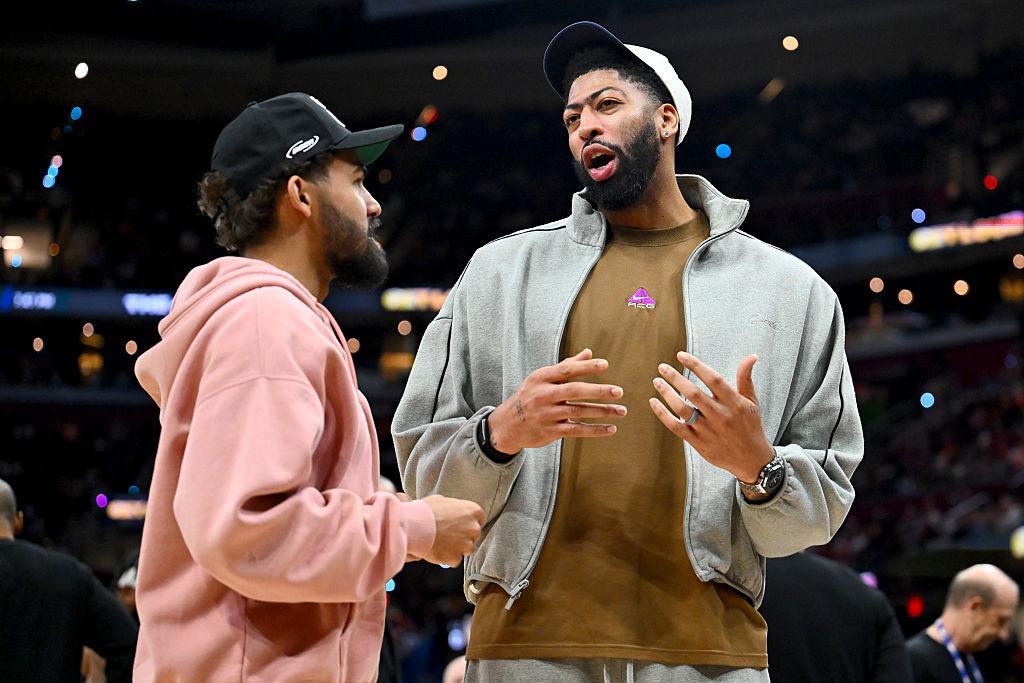
Isaiah Blakely: The NBA’s lottery system is boring, and the new wrinkles haven’t made it any more interesting. Instead of ping-pong balls deciding who gets the top pick, I propose that teams should have to play for it. The bottom four teams should play one another at the same time the play-in tournament is going on and compete for the no. 1 pick. You could easily make a four-team bracket that decides things and brings suspense to the proceedings. You could even add a monetary incentive to further motivate the players since the tournament won’t help them right away. And then the rest of the lottery would go in order from worst to best record. This raises the entertainment value at the end of the season and rewards what matters most: winning. Teams will still tank, but winning the lottery will suddenly become something you have to earn. That’s a better system. There would need to be measures in place so that a team like the Wizards couldn’t shut Anthony Davis and Trae Young down during the regular season and then bring them back for the lottery tournament. But after all the losing these teams did during the season, making them have to win two in a row to get the top prize would be a fascinating change and would add more intrigue to the end of the season.
5. Ban intentional fouls and Hack-a-Shaq.
Anthony Dabbundo: As smart people have studied basketball more and more, they’ve found many inefficiencies in the game that can be exploited to help a team’s chances of winning. I’m all for innovation and creative basketball strategy, but there are times when these new ideas threaten the very fabric that makes the sport compelling. Basketball is a free-roaming sport that relies heavily on flow and consistent end-to-end action to captivate us. Analytics modelers and game theory strategists tell us that fouling in the waning seconds when you’re up three is a good strategy, but it’s imperative for the league to legislate this advantage out of the game.
No one wants to watch a two-way free throw contest when the drama should be at its highest. It is by far the most common complaint I hear from casual basketball observers.
If teams foul when they're up by three with 15 seconds left, the fouled team should get one free throw and retain possession. That penalty would immediately nerf the advantage. Teams should also not be allowed to intentionally foul bad shooters off the ball at any point in the game. As funny as it is for Mitchell Robinson and Ben Simmons to consistently throw up bricks, this actively makes a mockery of the league in the name of competitive advantage. You probably can’t fully legislate foul baiting out of the sport, but you can negate two of the most egregious forms of game theory the NBA’s been leaning on.
6. Shorten the games, the season, and the load.
Kirk Goldsberry: The current NBA schedule is a bloated, injury-riddled mess. The data is screaming: This league plays too much and rests too little. Earlier this spring, I wrote about the league’s leg plague, and I came away from that research convinced that the modern NBA’s combination of volume, pace, and choreography is breaking the athletes who make the league so special. Asking these dudes to play 82 games THEN suit up for the postseason is diabolical work, and more and more team outcomes are a by-product of leg injuries. Just ask Pacers, Celtics, Thunder, or Lakers fans.
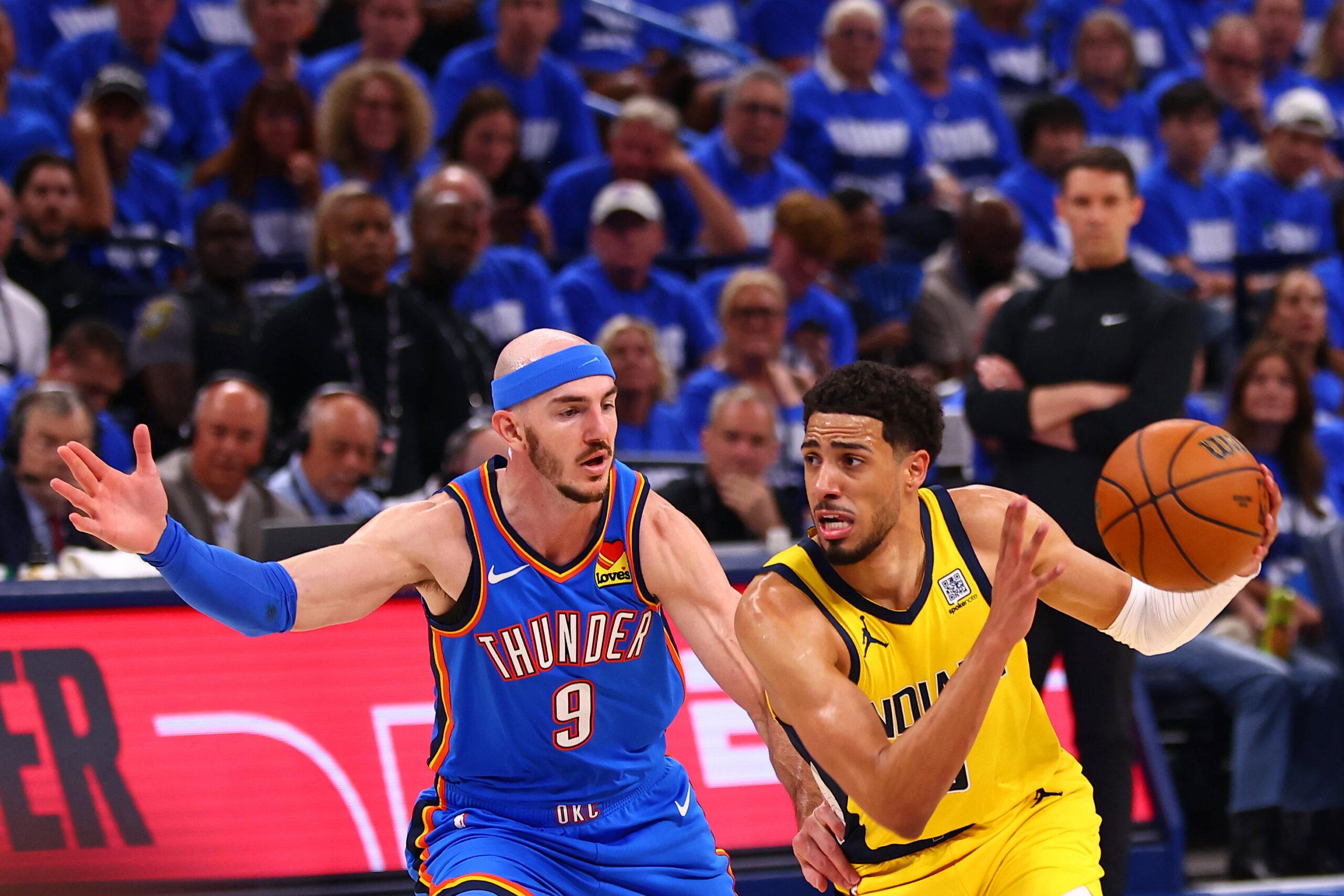
No other hoops league puts its players through this absurd grind. European leagues top out at 40 games, and the WNBA plays 44. Meanwhile, Tyrese Haliburton tore his Achilles in his 96th game of the 2024-25 season, while Keldon Johnson suited up for an astonishing 105 games last season. 1-0-5!
If I could change one thing about the best basketball league in the world, it would absolutely be the schedule. Here’s my pitch: a 58-game regular season, with 40-minute games, with a strict 32-minute-per-game cap for individual players.
Every team plays every other team twice, home and away. Like the EPL. Every game is unique. Each game feels more important. We start in October and play 29 games; then in January, we pause for a 32-team single-elimination NBA Cup—featuring 30 clubs plus two NBA Europe finalists—with the Final Four wrapping up during All-Star Weekend, before the Super Bowl.
We resume for the final 29 games, and afterward, we crown a regular-season champ that actually adds meaning to the regular season. Then we straight-seed the playoffs 1 through 16, breaking down outdated conference walls.
Yes, regular-season inventory would fall 29.3 percent, down from 1,230 games to 870, but scarcity drives value. And so does increased superstar participation.
Fewer injuries. Bigger stakes. Better basketball.
7. Bring back the preps-to-pros era.
Danny Chau: It’s frankly been time. The NBA will always be defined by its anomalies, and now more than ever, it’s time to embrace that to the fullest. Some players are simply pro-ready earlier than the league currently allows them to enter its ranks. I’ll always think back to the summer of 2024, when a 17-year-old Cooper Flagg was invited to participate in the U.S. men’s national team training camp as part of the select team. Not only did he participate, but he also largely polled as the best player on a roster that had numerous top-100 NBA talents in the mix.
The NBA may have a tendency to hold tight to its legends, but if the league ever wants to produce careers that could at least threaten to approach some of LeBron James’s seemingly untouchable records, it’ll have to start them earlier—or at least allow them that option.
The NIL era has made going to college and staying in school as attractive as it’s been in decades, and that has a ripple effect. The promise of wealth in the college game serves as a safeguard that didn’t exist in the NBA’s prep-to-pro boom. We’re so far removed from the Wild West of the late ’90s and early aughts, when prep-school leaps from the likes of Korleone Young and Ndudi Ebi served as cautionary tales. The only players who stand to benefit financially from making a direct jump to the NBA today are the legitimate, franchise-changing talents that we’ve seen enter the league over the past couple of drafts—players like AJ Dybantsa or the aforementioned Flagg. If there is even an inkling of doubt about your readiness, then you take the massive bag from a university that’s willing to make you a demigod for as long as you stay on campus. The game—and the market structures that gird it—has changed; it’s time for the NBA’s talent pipeline to reflect that.
Part II: You Want to Get Nuts? Let’s Get Nuts!
8. Get rid of instant replay entirely.
Isaac Levy-Rubinett: I remember one game from my youth basketball days when the referees no-showed and we had to play without them. We were a sad sight—a bunch of kids traipsing around in oversize jerseys waiting for someone who clearly wasn’t coming. The only way to salvage the game was to find a volunteer ref from the crowd, and I’m proud to report that my dad raised his hand. Unfortunately, he let me get mauled. I’m pretty sure my dad didn’t call a single foul in my favor. I specifically remember one play when I was hacked on a layup attempt; I looked at my dad in bewilderment when he didn’t blow the whistle, and he told me that I had better go up stronger if I wanted anything good to happen. It was infuriating. But he was right. I learned that day that you can’t play basketball hoping that the refs will bail you out and that when the calls don’t come, you have to just keep playing.
Today’s kids are getting the opposite message from the NBA. Now, if a player thinks the refs missed a call, they can just twirl their pointer finger and ask for a review. If their coach agrees with them, the entire game will pause for, inexplicably, several minutes longer than it needs to. This has to stop. The downsides of disrupting the game far outweigh the benefits of replay review. And beyond that: We should be able to live with—and play through—missed calls. Human error is part of sports. So is the wherewithal to play through adversity, take responsibility for what you can control, and let go of what you can’t. The NBA would be a better place if we got rid of replay review tomorrow.
9. Finally bring one-on-one to All-Star Weekend.
Regina Cho: When February rolls around each year, the endless “NBA All-Star Weekend is dead” conversations start up like clockwork. The league has taken note and tried its best to innovate and restore the allure of the weekend showcase. But after yet another lackluster 2026 event, including yet another forgettable dunk contest, there’s only one measure that can really save the weekend now: bringing a one-on-one tournament to All-Star Weekend.
If All-Star Weekend’s biggest flaw is an overall lack of true competitiveness, a series of irresistible mano a mano duels feels like the direct antidote. One-on-one basketball naturally brings heightened intensity and pressure, magnifying every single bucket and giving fans a taste of matchups they wouldn’t see anywhere else. Debates from fans and talking heads about their dream pairings could drum up all the anticipation the weekend needs. Judging by the positive reception of Unrivaled’s 2025 one-on-one tournament and Tracy McGrady’s OBL Hoops, the appetite is there.
The most glaring obstacle would be getting enough NBA stars to participate. Online commentary assumes that stars might not participate because of potential “embarrassment” and massive ego hits. But earlier this year, Jaylen Brown said he’d be down and ready to take on opponents like Luka Doncic, Shai Gilgeous-Alexander, or Jalen Brunson. Kevin Durant entertained the idea as well, in his own way. If a handful of guys said, “I’m in,” the dominoes would fall. How do we know for sure it won’t work if we haven’t officially tried in more than 50 years?
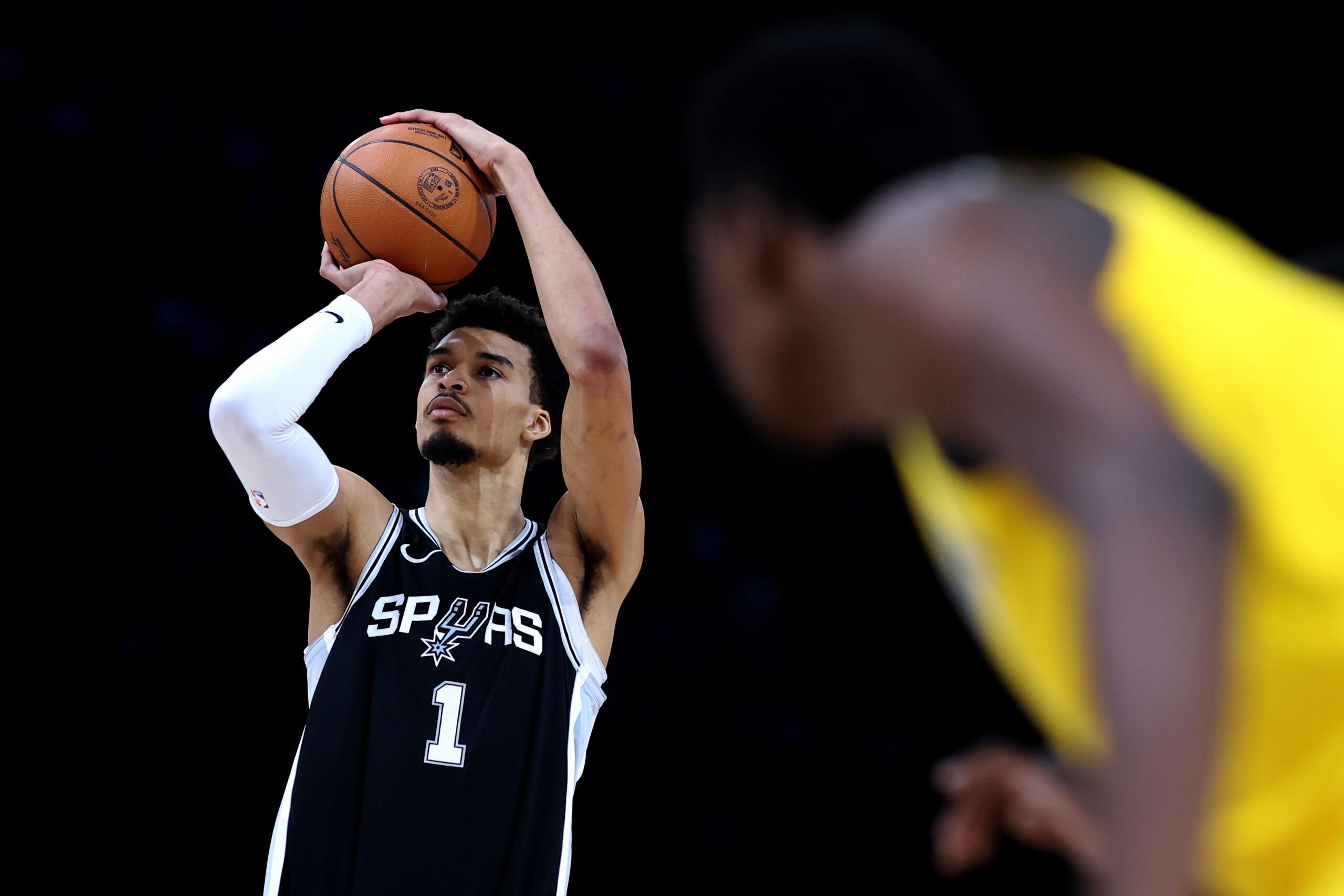
It’s far-fetched, but it’s not impossible. All I know for sure is that a Durant vs. Victor Wembanyama showdown would feed families for generations to come.
10. Introduce NBA RedZone(Rim).
Colby Payne: As a product of Gen Z’s Subway Surfers attention-span epidemic, I’m a firm believer that my sports-viewing experience should be stuffed with as many different forms of stimulation as possible. The NFL does this beautifully, with Scott Hanson gracing my television every Sunday for seven hours of (mostly?) commercial-free football on RedZone. MLB has its own version in Big Inning, which takes you around the league to watch the best action of that night’s games. The NBA, however, is still behind the times. As one of the few fantasy basketball players remaining in the world, I want nothing more from the NBA than a whip-around show letting me see the best action from every game.
I love a Tuesday night matchup between the Bucks and the Nets as much as the next guy, but when there are 30 seconds left in a quarter and the refs have been huddled around the replay monitor for what feels like an eternity, there’s nothing I’d rather do than watch literally anything else. Ideally, that “anything else” would be another basketball game. That’s where an NBA RedZone-style show comes in. The biggest hurdle is obviously getting the army of platforms holding NBA rights to agree to put their games on one central show. But for the sake of this exercise, can we pretend that corporations are capable of putting consumers first?
The NBA has actually tried this before with NBA CrunchTime. But when researching this, I found that many a person was confused about what it is, when it airs, and whether it even exists anymore. The answer is: Maybe? The latest official mention I could find was from the 2024-25 season, and it appears to have simply disappeared. Bring it back, actually market it, and give me the NBA RedZone Big Inning (insert your desired basketball-themed pun here) show I desperately crave.
11. Give owners a 10-year term limit.
Howard Beck: Ownership, it’s often said, might be the most important factor in team success. Yet owners have less accountability than anyone else. Bad coaches and GMs regularly get fired. Bad players get traded or waived. But bad owners? They’re practically eternal—impervious to criticism, immune to self-reflection, too wealthy to care, accountable to absolutely no one. We should change that!
Under my proposal, every owner would sign a 10-year contract upon purchase of a franchise. When they reach year nine, they must reapply to the league to continue their run. But this decision won’t be made solely by the NBA’s board of governors. No, under my proposal, the fans get to vote, via a ballot initiative at the local level. If a majority approves of the owner, then the league can offer another 10-year term. If a majority of fans rejects the owner, they must sell the team. (The board of governors may also deny a new 10-year term if the owner has been deemed a bad partner.)
Unfair, you say? What if franchise valuations decline, you ask? Tough, I say. And they almost certainly won’t. Every NBA owner turns a massive profit upon resale—witness Mark Walter flipping the Lakers, after less than a year, for $2.5 billion more than his purchase price. And isn’t it the owners who always insist that they “bear the risk” of these investments? Cool, then they shouldn’t fear the (very minimal) risk of being forced to sell after 10 years.
The truth is that every owner eventually sells. You know what that makes them? Renters. Stewards. They don’t “own” the teams—they’re just borrowing them for a while. Pro sports teams are a public trust, of sorts; spiritually, they belong to the fans, to the communities who support them, financially and otherwise. So let’s give the fans, at long last, a voice in all of this, a chance to do the one thing that would make teams truly accountable: fire bad owners.
12. Bring back home and away jerseys.
Jomi Adeniran: Call me washed, call me an old man, call me a curmudgeon, I don’t care. We need to bring back teams wearing the right uniforms. Enough is enough.
The NBA became one of the biggest leagues in all of sports because of this specific spectacle. The Lakers’ gold vs. the Celtics’ green in the ’80s. The ’90s Bulls being rock stars in red on the road. Allen Iverson bringing black back in the early aughts. Now we have the Lakers wearing their Sunday whites on the road on a Saturday? The Celtics wearing green at home? The Knicks wearing their home jerseys while celebrating winning the NBA championship on the road? What happened to the game I loved?
Look, I’m all for variety. I’m all for fun. Yeah, a couple of times a year, have a team wear a different jersey. The Pistons bringing back the teal jerseys? Gas! The Spurs wearing the Fiesta colors every so often? Cool. But zagging constantly and throwing tradition out the window just feels like a cash grab for a new colorway. It’s fine in small doses, sure, but the NBA needs to get back to its roots.
13. Fix the NBA’s aesthetic problem.
Raheem Palmer: I’m with Jomi, but let me take it one step further. The NBA has a visual identity problem. Since Nike took over as the exclusive provider of on-court uniforms back in 2017-18, turning on an NBA game has truly become a perplexing experience.
Despite decades of established brand identities, you now see the Pistons wearing green, the Warriors wearing white and brown, the Cavaliers wearing bright orange, the Grizzlies wearing red, and, even more egregiously, the Chicago Bulls—who have some of the most iconic uniforms in the history of sports—wearing white and gold.
Gone are the days of three simple but permanent uniform identities. Now, with the City Edition concept, teams cycle through so many uniforms in such a short period of time that we see colors that were never associated with a franchise, downright bizarre typography, and jersey aesthetics that require a double take just to figure out who’s playing.
The City Edition concept has produced some awful aesthetics, but in the rare moments when it creates a great design—like the Miami Heat Vice jerseys or the Suns Valley jerseys—they’re thrown away for the next year’s version, even if some of the greatest moments in franchise history happened in them. The 2019 Toronto Raptors won their first NBA title in an alternate jersey that we never saw again. In 2021, Giannis Antetokounmpo scored 50 points, grabbed 14 rebounds, and blocked five shots in Game 6 of the NBA Finals, leading the Milwaukee Bucks to their first championship since 1971 in an alternate jersey that was gone after that season.
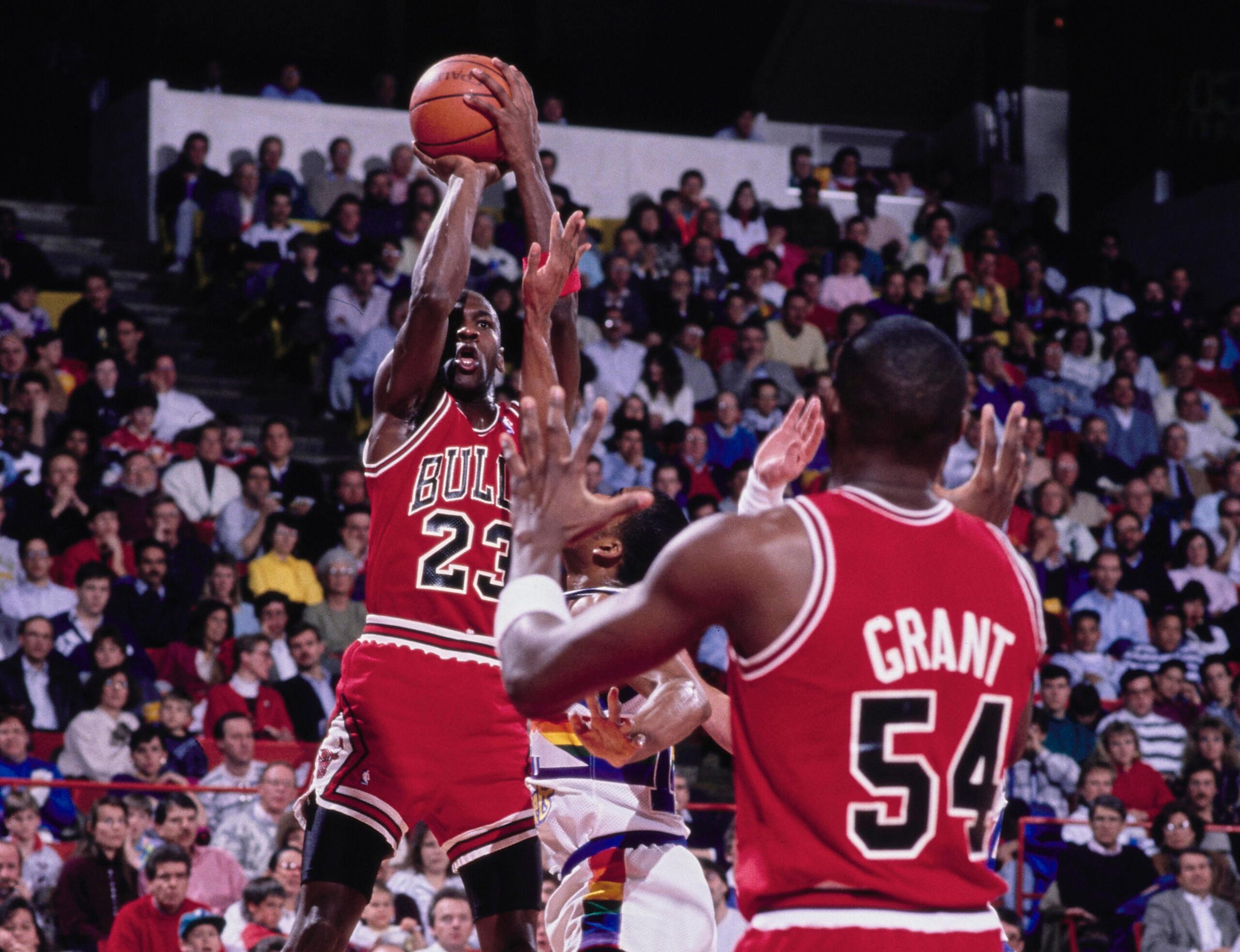
Imagine if Michael Jordan had worn a completely different Bulls jersey for each of his six championships instead of the iconic red-and-black and white-and-red combinations we saw throughout his career.
The NFL understands what the NBA doesn’t. Although the NFL has made subtle rule changes over time, its “five-year” rule restricts teams from changing their primary home, away, or alternate uniform designs more than once every five seasons, while also prohibiting teams from wearing their alternate or throwback uniforms in the postseason.
The NBA should follow suit.
Brand identity matters. Uniforms are a time stamp of their era, and more importantly, jerseys become iconic because great players wore them repeatedly in the moments we’ll never forget. The Celtics should wear green. The Lakers should wear purple and gold. The Knicks should wear blue and orange. The Bulls should wear red and black. It’s time to fix the NBA’s aesthetic problem.
14. Stop trying to profit from gimmicks.
Seerat Sohi: With apologies to the premise, I’m going to zag here. I feel starved for an NBA that changes less. Adam Silver’s tenure, in hindsight, has been the perfect emblem for an era of Moneyball-coded tech disruption. His ideas have not all been bad. The NBA Cup (and, hopefully, tanking reform) has injected life into the regular season. But so much of what the NBA has done in the past decade feels like part and parcel with executives relentlessly mining efficiencies to extract more profit from institutional behemoths, while endangering the very spirit that drew people to them in the first place.
Nothing, in an era of Kalshi man-on-the-street interviewers co-opting the rallying cry of a Finals run, is sacred anymore. But can we at least try to preserve something? Must every blank space be filled by a YouTube TV logo or an advertising patch? Must we always search for the gimmick within the game, or can we refocus our attention on the conflict, desire, and tradition that fuel great stories and trust the audience to show up? In a moment defined by disorienting technological change, can the NBA find the internal fortitude to just stay the same? In light of the league’s most important franchise being flipped, as my boss put it, like a mansion, this might be too much to ask. The NBA has some structural issues, to be sure, but none are greater than the fact that it’s a great product that’s being stewarded by leaders who treat it like nothing more than a profit center.
Part III: Annnnd We’ve Lost Control of the Exercise.
15. All trades are secret trades.
Ben Cruz: NBA trades have gotten really boring. Trade deadline day used to be one of the biggest events of the year, when meaningful players could be moved to meaningful teams. And now? Teams use the deadline to avoid the aprons or to fully embrace tanking their shitty season.
The last “Holy shit!” trade took place in February 2025, when Luka Doncic was inexplicably dealt to the Los Angeles Lakers for Anthony Davis. Once the room stopped spinning, the best part of this trade was clear: the secrecy behind all of it. Nothing had leaked. Then the world was absolutely floored.
So, to save the NBA trade experience, it’s time to double down on the secrecy and officially pro wrestling–ify how NBA trades are done. No more obsessing over rumors and intel. Let’s bring some suspense back to the proceedings. The first order of business would be getting Shams to stop tweeting out full trade details. This could be tough.
But let’s play it out just for fun. If the Sixers’ season goes south, maybe Philly will trade LeBron James to the Golden State Warriors (I realize this may seem unrealistic since the Warriors front office seems to have forgotten how to improve their roster because, you know, trades are hard, but just go with it).
All Shams announces is “The Sixers and Warriors have made a trade.”
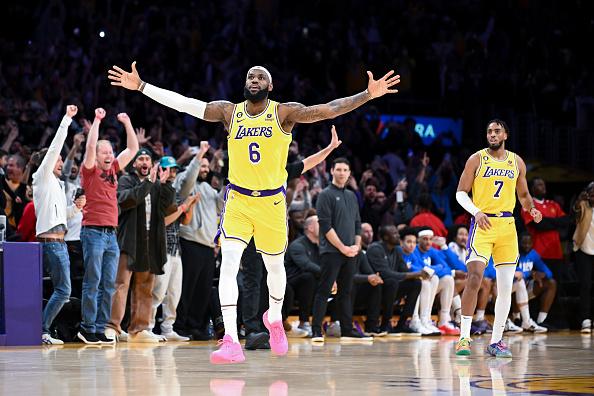
Then, during the Warriors’ next game, everything begins as normal. The lights go out in the arena. The crowd murmurs in confusion as the starting lineups are announced. Then, the reveal we’ve all been waiting for. Rather than hanging on a tweet, we’re hanging on a moment. The PA announcer bellows: “The King has arrived.”
Music blares as LeBron comes rushing out of the tunnel in full Warriors warm-ups, tears them off, and takes the court. The crowd loses their minds. NBA Twitter still gets whipped into a frenzy. Steph Curry weeps with joy. Draymond opts out of his contract again.
It’s wild. It won’t happen. But it would be fun.
16. Every team gets to roster one retired player.
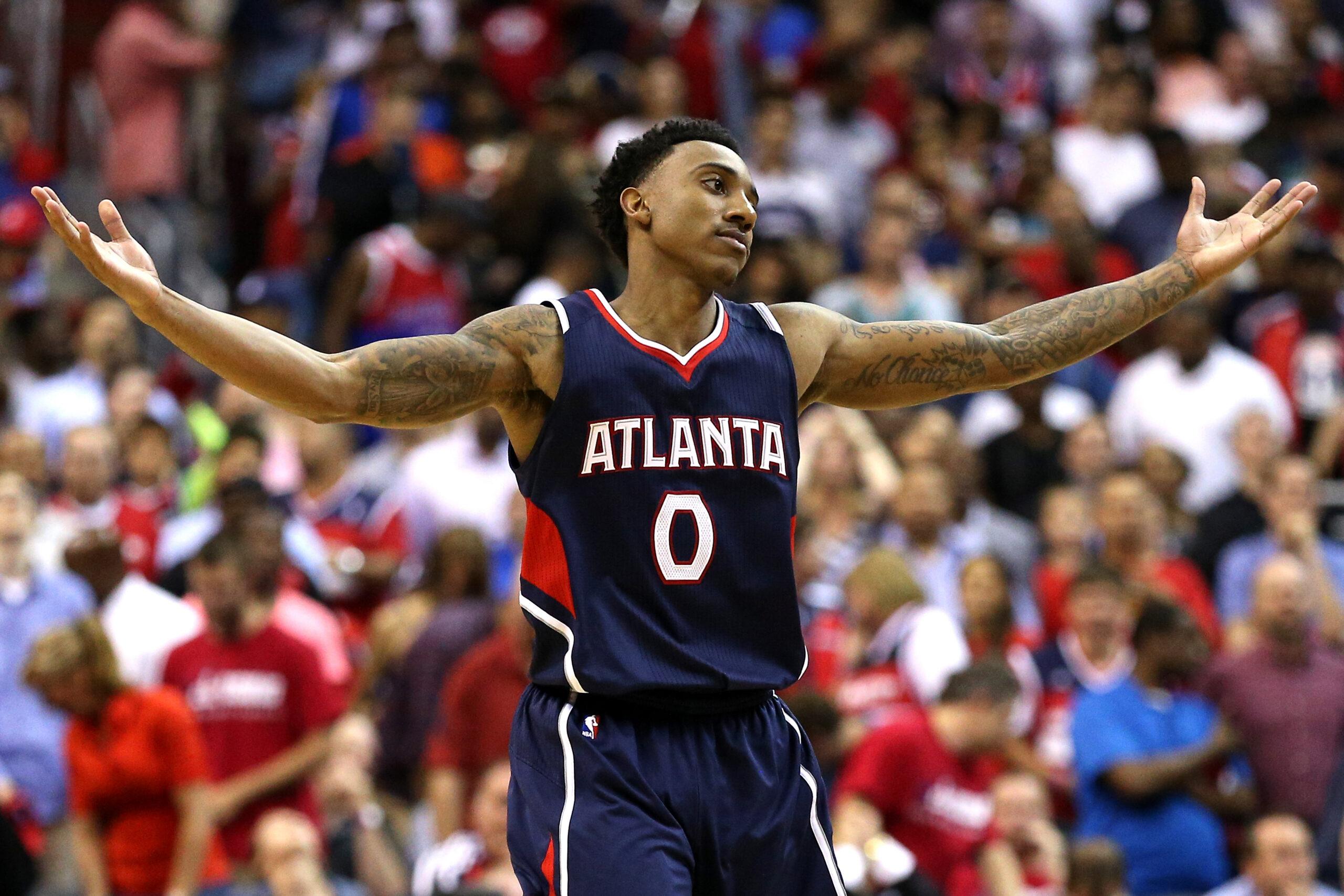
Keith Fujimoto: Still think Jamal Crawford or Vince Carter or Jason Williams or, hell, Michael frickin’ Jordan could put up 12 points in a random April game? Let's get weird and put that theory to the test! In my world, every team should be able to roster one retired player, but it’ll cost a two-way spot. To keep things simple, the retiree could play for only one season, and they could not be traded. These ex-players could go from their podcasts to the floor in a day. Imagine the content coming from Jeff Teague after he torches the Nets for 30 points on 29 shots! Would this be at all plausible or just a massive inevitable injury liability? Who cares? Embrace nostalgia.
17. Teams pick their own 3-point lines.
Katie Baker: “Someone once dropped a line on the court and said shots from here are worth two and shots from here are worth three,” The Wall Street Journal’s Ben Cohen noted while interviewing The Ringer’s Kirk Goldsberry about his 2019 book, Sprawlball. “A stoner wouldn’t have come up with that,” Goldsberry said. “It’s a crazy idea! It’s the best idea. It was a bold idea. And it could have only happened to a league that was desperately trying to grow and trying to change its brand and aesthetic.”
With all this in mind, I think it’s high time the NBA arbitrarily levels up once again—by giving teams an annual choice on where they want to drop those home-court 3-point lines.
Eliminate them altogether! Back ’em up to wayyy downtown! Build the Green Monster of basketball, cowards! Frustrate opponents by clamping down on the juicy corner 3! (And probably frustrate your own players, too, but to me that’s not a bug—we all know that the NBA runs on barely veiled grievances and constant trade machine fodder.)
Struggling franchises could transform into chaos agents by trying something weird and different. Young spatial analytics geeks could have new data points to mine. And just imagine the strategic playoff matchups …
Sure, this would cause lots of statistical chaos. The players association would probably not be happy. But hey, baseball manages its idiosyncratic venues just fine. Turn basketball games into showcases of adaptability, not rote execution. Live a little. I can see the marketing now: THE NBA: BALL’S IN *YOUR* COURT.
18. Start awarding extra points for cool shots.
Craig Gaines: My dad and many other people have noted that there are too many 3s in today’s game. A long 3 can be fun, but a corner 3 has become almost mind-numbingly boring. You know what are fun, though? Dunks. Off-balance shots. Dream Shakes. Skyhooks. Layups off sweet no-look passes. So the league should establish a cadre of judges who can assess the worth of a field goal based on its degree of difficulty. Three-person panels who circulate around the league like the refs do. Is this dumb? Absolutely. Will it be confusing to suddenly see a quarter point be added to the score 20 seconds after a windmill jam off a breakaway? Yes. Will there be scandal and conflicts of interest? It’s the mid-2020s, y’all. But the game has gotten stale, the NBA employs some of the best athletes on earth, and it’s time to get some Globetrotter action back in this sport.
19. Make dunks worth three points.
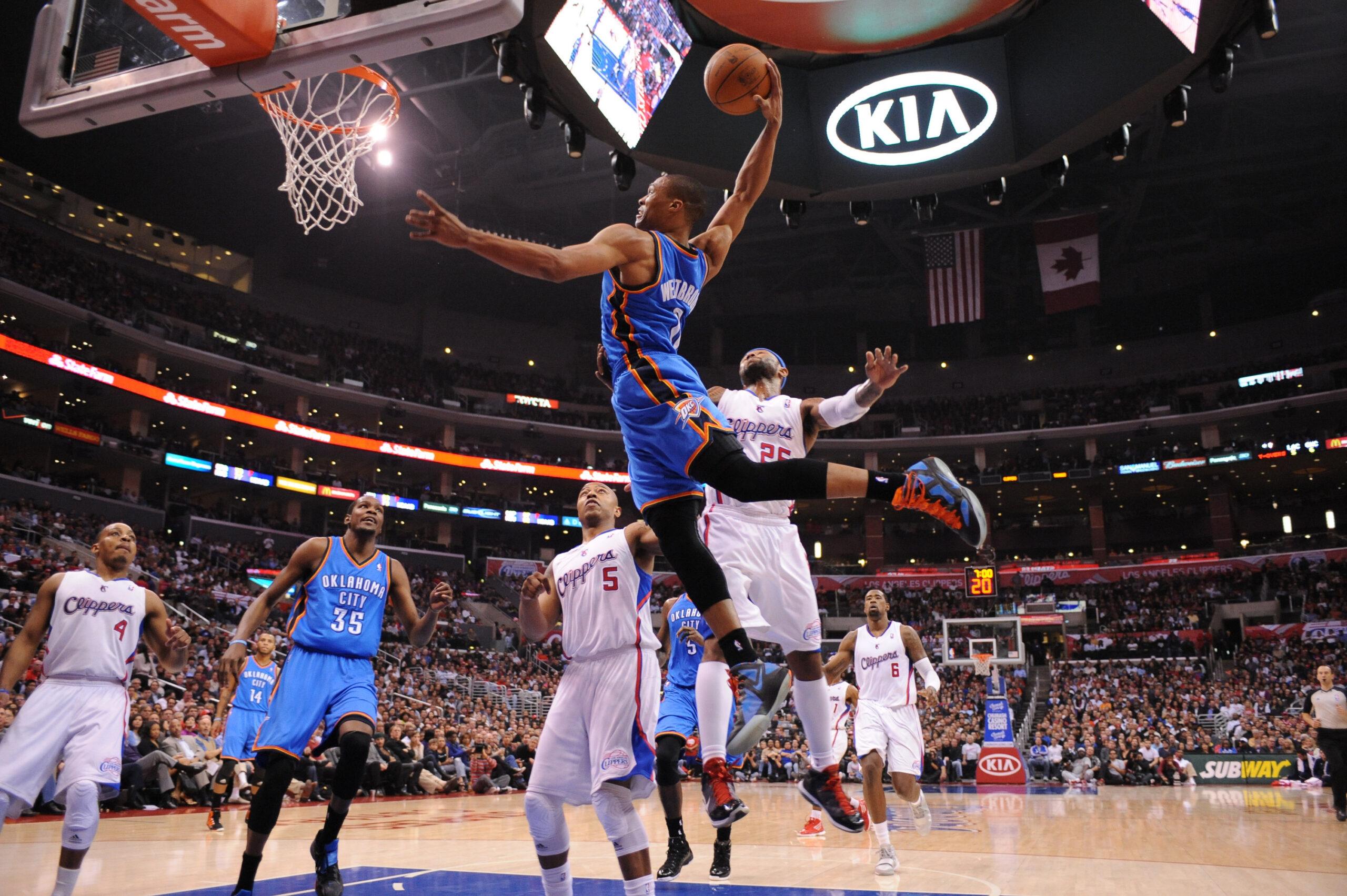
Tyler Parker: The thing we should value most in basketball is the thing that is hardest to do. Like Craig said, anyone can shoot a 3. You just stand your ass behind the 3-point line and chuck. And it’s worth more because … why? It’s farther away? Why are we catering only to the little guy? Big boys need loving, too. And there’s nothing more difficult than a dunk. Most people are physically incapable of doing it. They can’t get lucky. If something is so special, so rare, that only certain players can even accomplish the feat, shouldn’t that shot count for just as much as a 3-pointer? The dunks are to height what 3s are to length.
You tell me that’s unfair because not everyone can dunk? Well, not everyone can shoot, either. Why is one difficulty catered to and the other scoffed at? Why scoff? Don’t scoff, you heightist. You’re disgusting. We gotta look out for the tiny guys? Level the playing field a bit? They’re already faster and quicker. This change would create a more exciting style of basketball where dunks and 3s are on an equal playing field. It allows there to be an even greater diversity of playing styles in the league. Some teams can go all in on attacking the rim. Other teams can skitter and fire. Another team can do both, depending on who they have out there. Construct a flexible roster. Give yourself options.
If you disagree, you’re a heightist. Plain and simple. You’re a heightist peddling hateful heightism, and I won’t stand for that kind of discrimination. In this blurb, we treat people with respect. But yeah, as a society, we cater to the tiniest too much. It’s objectively harder to jump high than it is to shoot far. Hell, Air Bud could shoot 3s. I tell you what that mutt couldn’t do, though—get up there with the orange, among the high-tensile carbon steel, and punch one in. Bad dog. This is the answer to the league’s too-many-3s problem. Stromile Swift might still be playing. Tyrus Thomas might still be playing. You’re telling me you’re against something that would’ve given us more Stromile? I don’t believe you. You don’t believe you. Dunks are the coolest. They should be treated that way.
20. Make buzzer-beating dunks worth even more.
Jack McCluskey: Piggy-backing off of Tyler, you know what rules? A good buzzer-beater. The clock’s ticking down, the intensity is ratcheting up, and the crowd’s on edge. When the ball goes in as that red light fires? Few things are better. What would be better? Make the buzzer-beater a dunk, and reward the added level of difficulty with two more points. That’s right, flush it at the finish and get double. Sure, it’s dramatic to watch Jalen Brunson dance around behind the 3-point line, then toss a prayer over a defender’s outstretched arms. But you know what’s more dramatic? Watching Anthony Edwards eyeing the clock, faking a stepback, crossing over, and exploding into the lane with abandon. Bang!
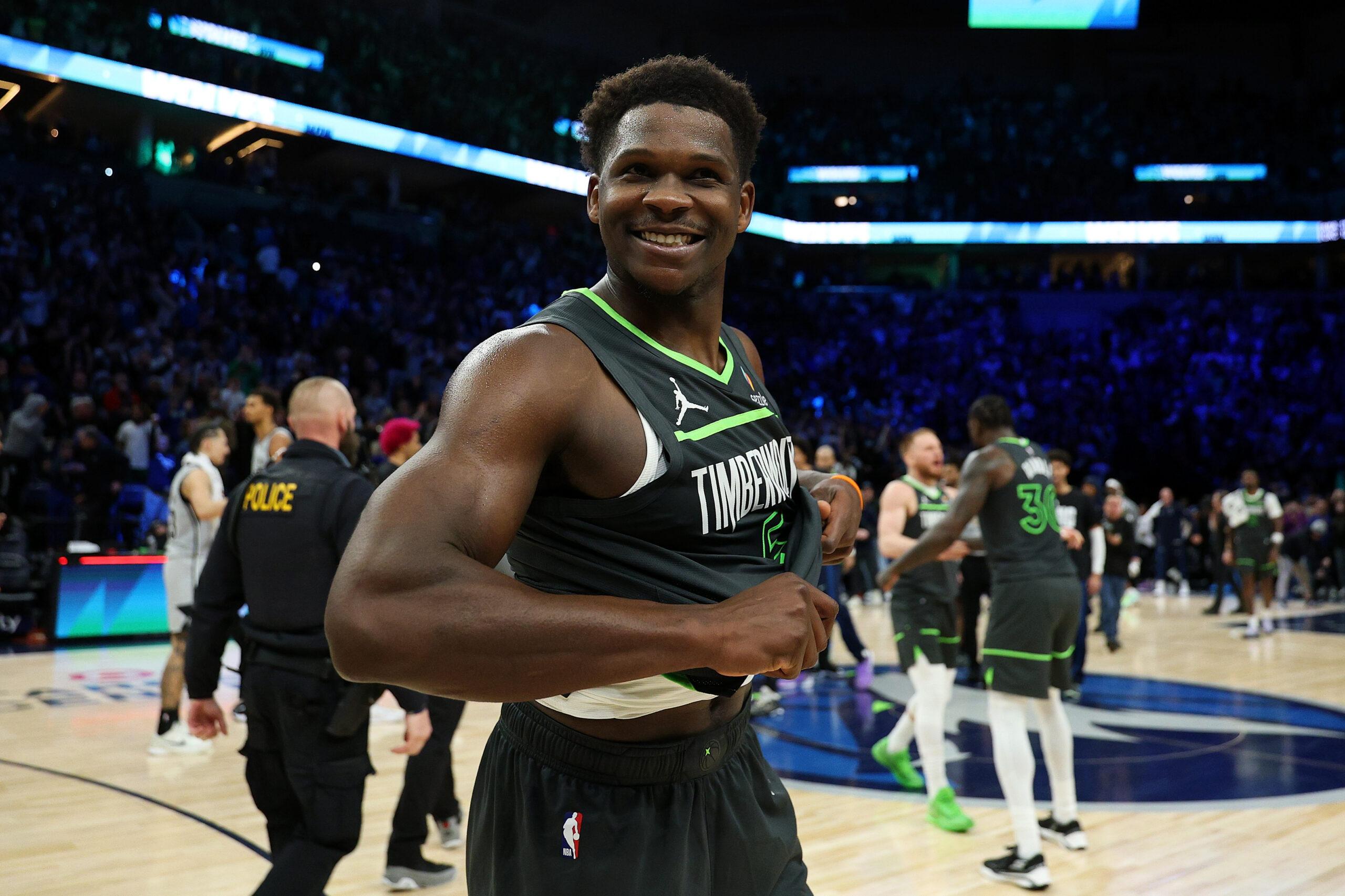
21. Add a 16th spot on NBA benches—and give it to a fan.
Austin Gayle: This is a layup. NBA teams should be able to add a 16th spot to every bench and roster for one fan, as defined below:
- They can’t have played basketball after high school (duh).
- They must be a die-hard fan of the team. This is very important. If the league is made aware that their fan isn’t actually a die-hard fan of the team, the fan will be banned from the league (including from games as a “fan,” if they still want to call themselves that). If this gets approved, we’ll probably loop Bill in and create a Blade Runner test for superfans of all 30 teams. I think we could knock it out in a few hours.
- No one over 6-foot-3. Yeah, I said it. The 75-inch rule. I dare you skyscrapers to complain about the fairness of this rule.
- The fan must have a seat on the bench and a uniform for every game in which they're the fan for the team. If the fan no-shows, the team can move on. If the fan can’t make a game for reasons the team is OK with, that’s obviously OK, too. But the team cannot block the fan from sitting in their seat in uniform at any game, including the playoffs.
The fan never has to play, and teams have complete autonomy over whether they’re included in practice at all. Teams can also replace the fan at any time. But every team needs to make sure their fan has paid-for travel to every game and access to their seat, the uniform, all of it. Now, would an NBA coach ever play the fan in any competitive game? Probably not. But could you see that one guy you used to smoke weed out of an apple with in high school hoist up a deep 3 for the Clippers when they’re up 40 points against any of the six to 10 tanking NBA teams next year? Yes. Could you also see your buddy from Chicago who’s coming off his second divorce strap up Jordan Poole for one possession on the tanking Bulls? I think yes.
The game theory, but also marketing theory, around every team’s fan choice would be fascinating. Easy opportunities out of the gate will be children and others with severe or terminal illnesses. Give a kid an opportunity to literally be on his favorite team?! That’s an effortless wand wave with the new fan rule. Another easy win would be to immediately promote any current superfans (under 75 inches, with no basketball experience after high school) who are legends for their respective fan bases. My mind immediately went to Spike Lee and Jack Nicholson, but there is probably someone better than that. Teams could host tryouts or interviews. Each fan could get a month through the regular season, and then the best fan (as voted by the fans) gets the seat for the playoffs? I mean, these ideas are just falling out of my head as I write this. Give me Bill, CR, and a whiteboard, and I think we could have a rollout ready to present before Q3 2027.
22. Make everything in the NBA 8 inches shorter.
Brian Phillips: Have you ever stopped to think about the absolutely ungodly amount of basketball talent that’s going to waste in this country because the NBA is so over-optimized for height? It’s just math: There are far, far more people who are 6 feet tall than 6-foot-8. There are far, far more people who are 6-foot-4 than 7 feet. Assuming that natural aptitude for basketball is evenly distributed among human beings, this means that the current version of the NBA is missing out on the gargantuan talent pool of average to somewhat tall players to draw from the comparatively tiny talent pool of very tall ones. This makes no sense! We’re accepting a worse product and keeping our most naturally gifted players off the court just to stick with a game design that hands an absurd advantage to dudes who have to duck to fit through a door. If we could somehow keep everything about the NBA exactly the same but lower all heights by 8 inches or so—so the rim is now 9-foot-4, all the spots now occupied by 6-foot-10 players go to 6-foot-2 ones, and so on—we would be looking at an entire league full of Wembys, Jordans, and LeBrons. Who wouldn’t want to see that? I have no idea how to make it work, but this is Change One Thing About the NBA, not Submit a Fully Realized Proposal for Changing One Thing About the NBA. And I promise, if we did it, it would rule.