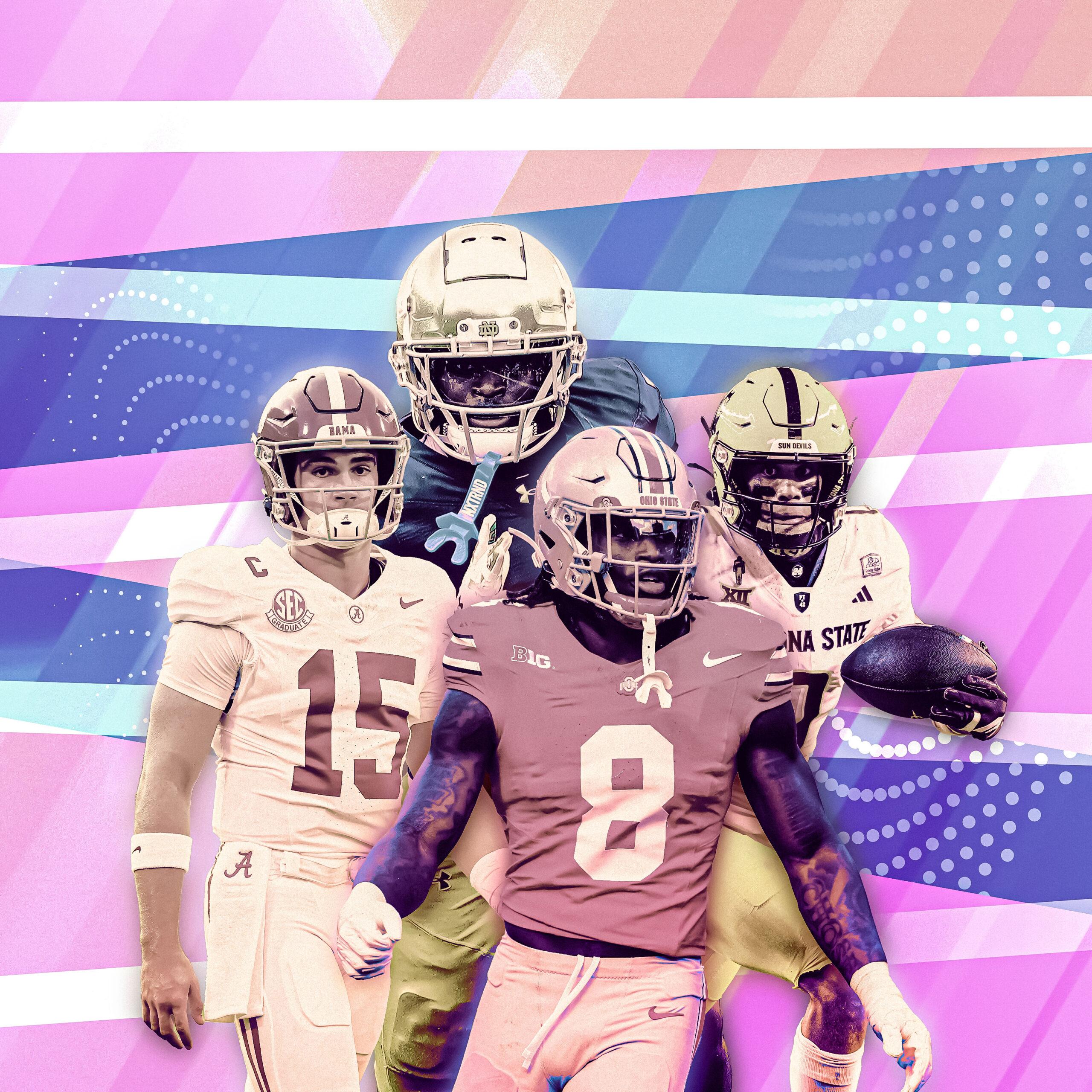

The 2026 NFL draft is here, and while there’s little drama regarding the first pick—everyone expects the Raiders to take quarterback Fernando Mendoza—there are still plenty of big questions. There are six teams with two first-round picks (the Jets, Giants, Browns, Chiefs, Dolphins, and Cowboys), and there are still plenty of trade rumors heading into Thursday night. Which teams will make the biggest moves? Which draft prospects might slide? We’re looking for answers to these questions during draft weekend.
Should Jeremiyah Love be a top-10 pick in this class?
In a word, yes. I don't say that to stick a finger in the eye of the football nerds or because the paradigm has shifted far enough to change the way we should think about the running back position. There simply aren’t enough elite football players at the top of this draft to justify letting a back as special as Love slide out of the top 10.
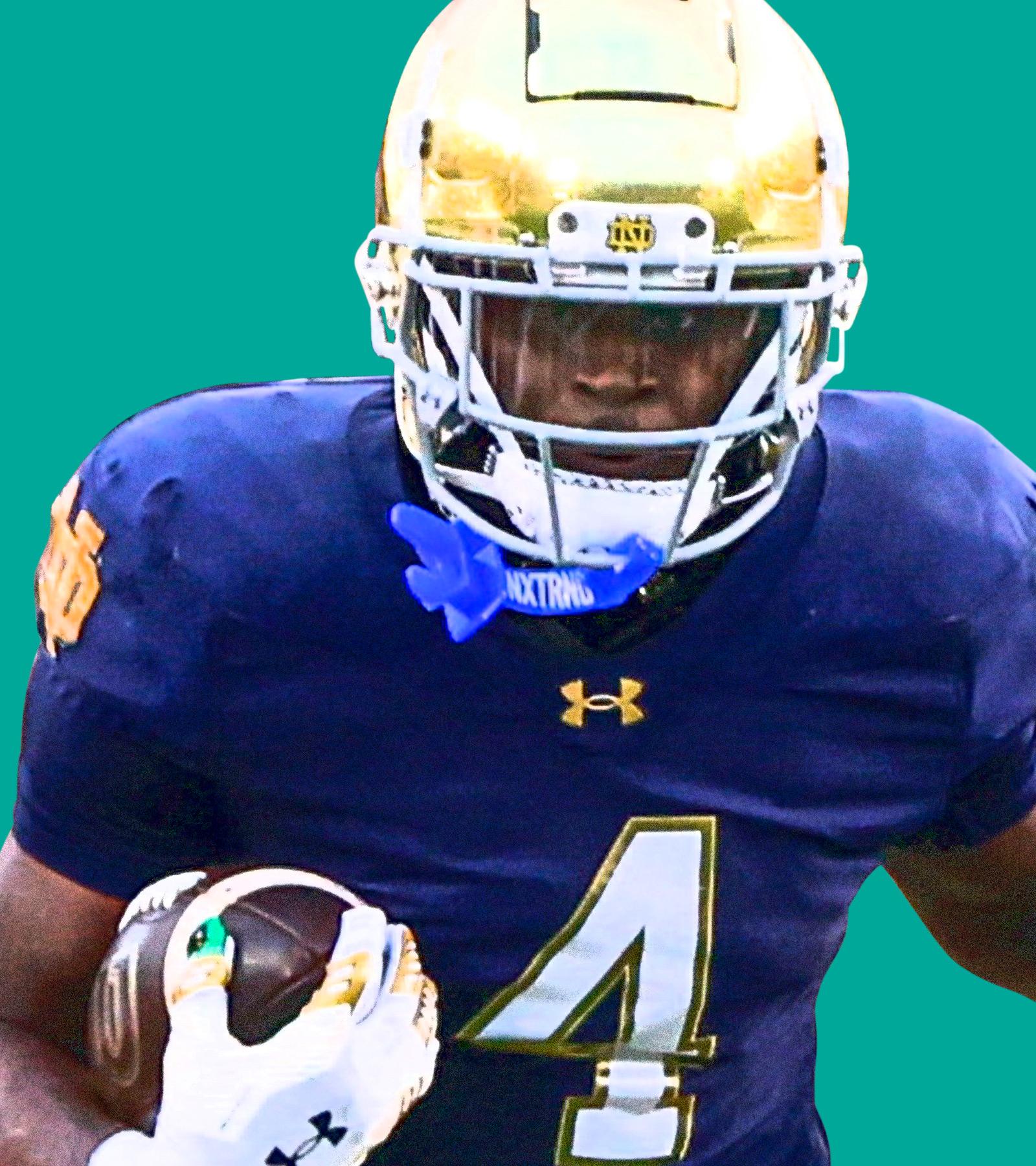
Just check out his moves.
Love is the most dynamic offensive playmaker in this draft. There’s a sizable gap between him and anyone else we could consider for second best. I’ve compared him to former Chiefs running back Jamaal Charles, and his combination of speed and elusiveness could quickly make him one of the most efficient players in the league. I think that Love is a better prospect than Raiders running back Ashton Jeanty, who went at no. 6 a year ago, and I don’t think any draft analyst would be shocked if Love ends up as good as Falcons running back Bijan Robinson. For most teams, Love should be too damn good to pass on.
There’s been some recent buzz that suggests Love could be an option for the Cardinals with the third pick. If that were to happen, Love would immediately become one of the highest-paid backs in the league, with a salary of around $12 million per year. That’s more than Packers running back Josh Jacobs makes, and he’s one of the best three-down backs in the league (and has the ninth-biggest contract on a per-year basis). While that type of money for a rookie RB may be too rich for some teams, it’s not a good enough reason to pass him up. His tape is great—and he’s clearly a much better pro prospect than the receivers and offensive linemen in this class.
Love might be the only offensive superstar to come out of this draft, and that might mean it’s worth it to take an L on contract value.
Which defensive player will the Jets draft at No. 2?
As the draft approaches, the Jets seem to be getting cold feet about edge rusher–linebacker hybrid Arvell Reese and instead are considering edge rusher David Bailey for the second pick.
I’m of two minds on this matter. In a strict evaluation of the two players, Reese is the more interesting prospect and has the higher upside. He lived in the backfield last season, whether he was playing as an off-ball linebacker or on the edge. His ceiling as an edge rusher alone is just as high as Bailey’s (if not higher) because of his speed and bend, and there are no questions about how he’ll fare against the run. The Jets, a team in the early stages of a rebuild, need young talent that can thread the needle between certain production and upside, so they might decide that Bailey is a safer pick and trust that his speed and motor will help him become a more conventional edge rusher at the next level.
Jets head coach Aaron Glenn needs to show that his scheme works this season, and that’s easier to establish with a player who has to fit into only one role (Bailey) than with a player who needs the scheme to be built around him (Reese). With New York changing to more of a 4-3 this year, Bailey’s probably a better fit. That style of defense doesn’t require edge rushers to drop into coverage too often, while Reese’s best usage would be toggling between attacking quarterbacks on some plays and closing passing windows on others.
Ultimately, I think that Reese is a better player, and if the Jets were a less desperate team, I’d be all in on pushing for him to land there. But the Jets need to be sure here, and that makes it seem more like they’ll go with Bailey.


Who would trade up for Arvell Reese if he isn’t picked second?
The Jets’ decision affects the rest of the top 10. If Reese is available at no. 3, teams would likely be calling the Cardinals in hopes of moving up to draft him.
One team I’d be looking out for is Kansas City, which has two first-round picks and a rare opportunity to add a franchise-changing defensive player. If Patrick Mahomes is on pace to return early in 2026, the Chiefs could view this draft as their last chance to draft high enough to snag blue-chip players during this championship window. Reese is smaller than the defensive ends we typically see playing for Kansas City—three of its top four edges on the roster are over 260 pounds, and Reese weighs in at 241—but his speed and versatility would be a perfect complement to the power rushers the team already has. The Chiefs have lost a lot of speed and playmaking over the past couple of offseasons, but Reese would restock what had been one of Kansas City’s better defensive units during the 2020s.


People seem down on the 2026 class. Is it actually that bad?
Teams win or lose drafts based on how they spend their picks in the top 100, and this year’s draft seems to be light both on elite star talent in the top 20 and in the number of projected starters outside the top 50. If your favorite team whiffs on its first-round pick on Thursday, it could make the entire class feel like a wash.
But this draft is full of high-floor players on both sides of the ball, especially those who could be available in the second round. Players like receiver Germie Bernard, cornerback Avieon Terrell, guard Chase Bisontis, linebacker CJ Allen, and safeties Treydan Stukes and Keionte Scott could immediately improve the teams that draft them. Bernard is a complete receiver with the size to play outside and the route-running savvy to get open from the slot. Terrell is a fearless, agile prospect who forces turnovers and projects well as a slot corner. Bisontis is the definition of a bully-ball interior lineman who’ll pry open rushing lanes. And Allen, Stukes, and Scott are all high-IQ players who can receive a playbook on Monday and memorize it by Wednesday.
The only problem there is that none of those players possess the kind of rare athletic traits that suggest they’ll be star players a few years from now. And if those guys don’t turn out to be good players, we’ll look back on this class as a 2013-esque wasteland.
Who’s the prospect we’re overthinking (or underrating)?
A recurring theme in this draft is judging incredible tape from players who are typically not drafted high because of their positional value. For teams to get their hands on the players that could be game changers five years from now, they probably have to draft them higher than they might like.
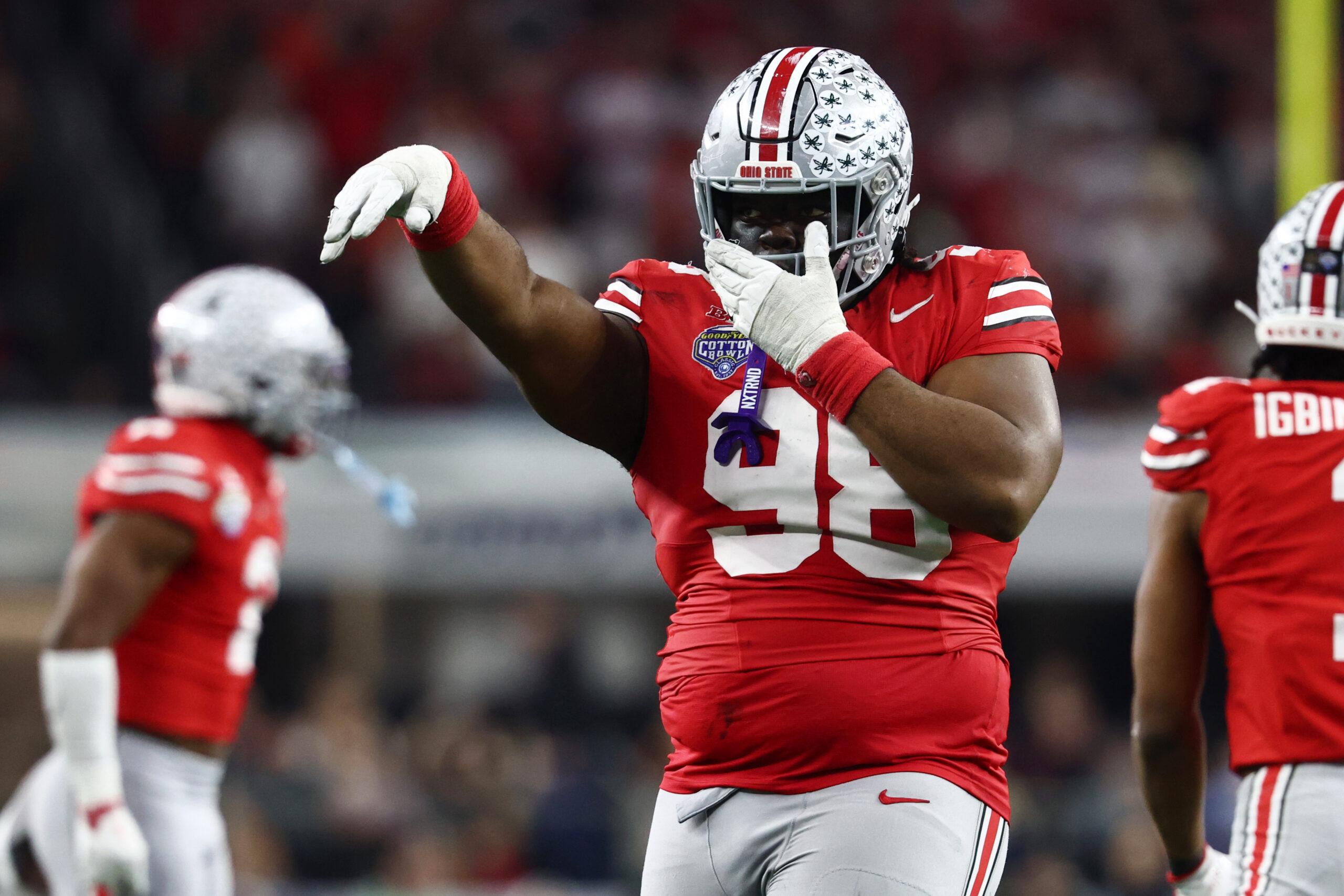
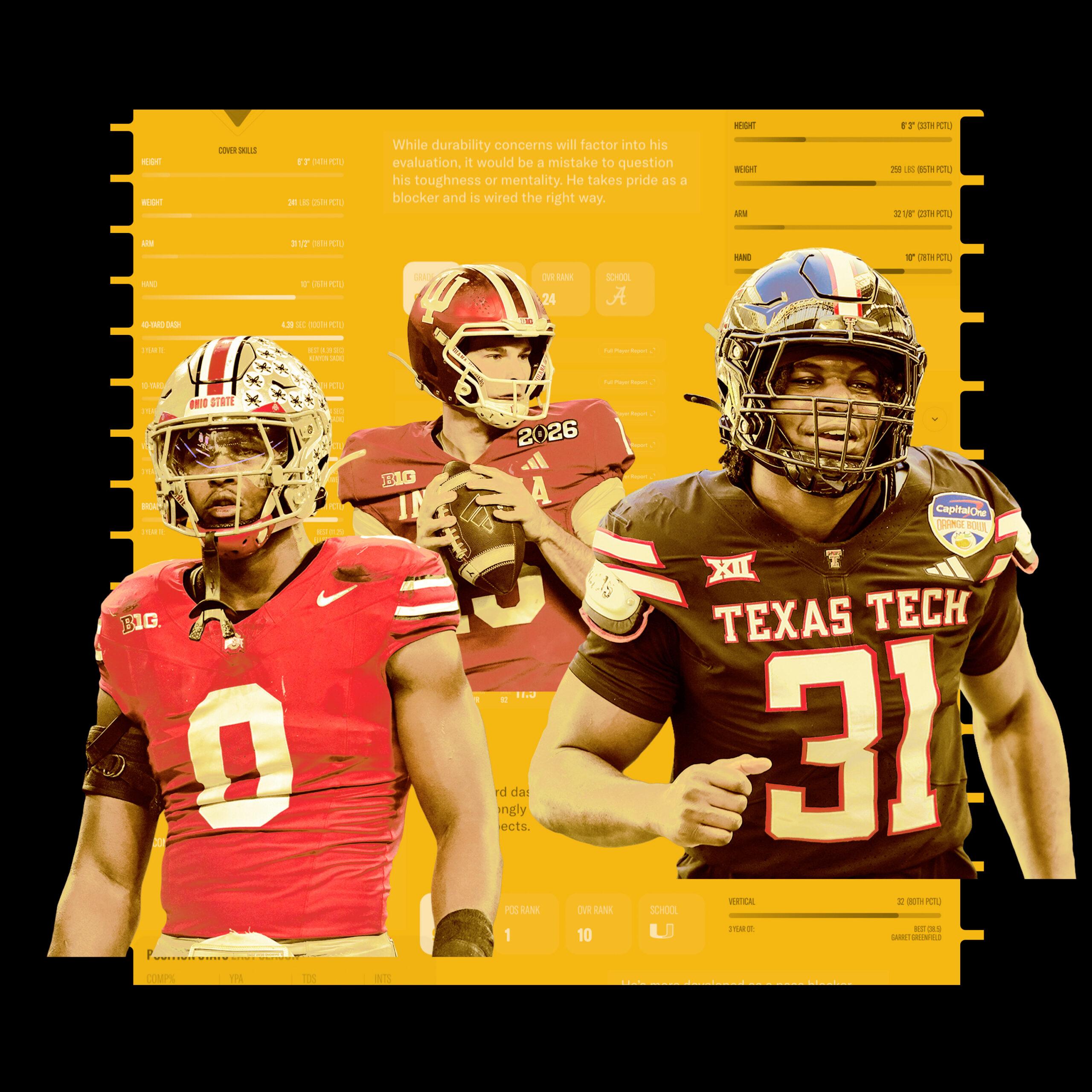
We covered Love earlier as a player we’re overthinking in this draft, and right after him is Ohio State defensive tackle Kayden McDonald. I touched on it in my latest mock draft, but McDonald is walking into the league with the kind of production we’d hope most interior defenders can attain in their primes. McDonald’s 31 solo tackles in 2025 blow my mind, especially for a near 330-pounder who fights through double-teams on many of his snaps. His nine tackles for loss were just one short of Arvell Reese, and the Buckeyes defense was designed much more to get Reese unabated chances to produce than McDonald. If Eagles defensive tackle Jordan Davis were walking into the league with this kind of production, he might have been a top-five pick.
If you haven’t watched clips of him playing, stop what you’re doing now and enjoy a very large human moving other large humans with ease. His technique is great, his first step is explosive, and he plays with the kind of motor that can translate into consistent pressure in the passing game. This is the kind of disruptive force that can draw an offense’s attention on every snap—or change a game without a single pressure or tackle.

Will Rueben Bain Jr. slide on day one?
Last week, news surfaced of Rueben Bain Jr.’s involvement in a fatal 2024 car accident that left passenger Destiny Betts in a coma for several months before she eventually died.
According to a police report, Bain was driving and struck a vehicle and barriers on both sides of the road on St. Patrick’s Day, and the impact of those collisions led to Betts’s fatal injuries. A careless driving charge was reportedly dropped and no field sobriety tests were administered, so there are few details about what happened beyond the initial police incident report.
It’s unclear what this means for Bain’s draft stock. The messaging coming from league insiders seems disparate, a potential reflection of how murky things are with Bain entering the draft. CBS Sports’ Jonathan Jones reported that several teams consider the disclosure and aftermath of the incident “handled,” but Oliver Connolly of The Read Optional reported that one team executive said that “we are concerned about multiple incidents,” which could be in reference to another careless driving citation last year.
Before last week, Bain was widely considered a top-10 pick in this draft—and he may still be. In a strictly football evaluation, Bain has the motor and power to be an impactful three-down player with the potential to develop into one of the league’s more effective pass rushers. But he’s also entering the NFL with arm-length measurements that rank in the first percentile, meaning he’ll have to overcome significant size disadvantages to succeed in the league.
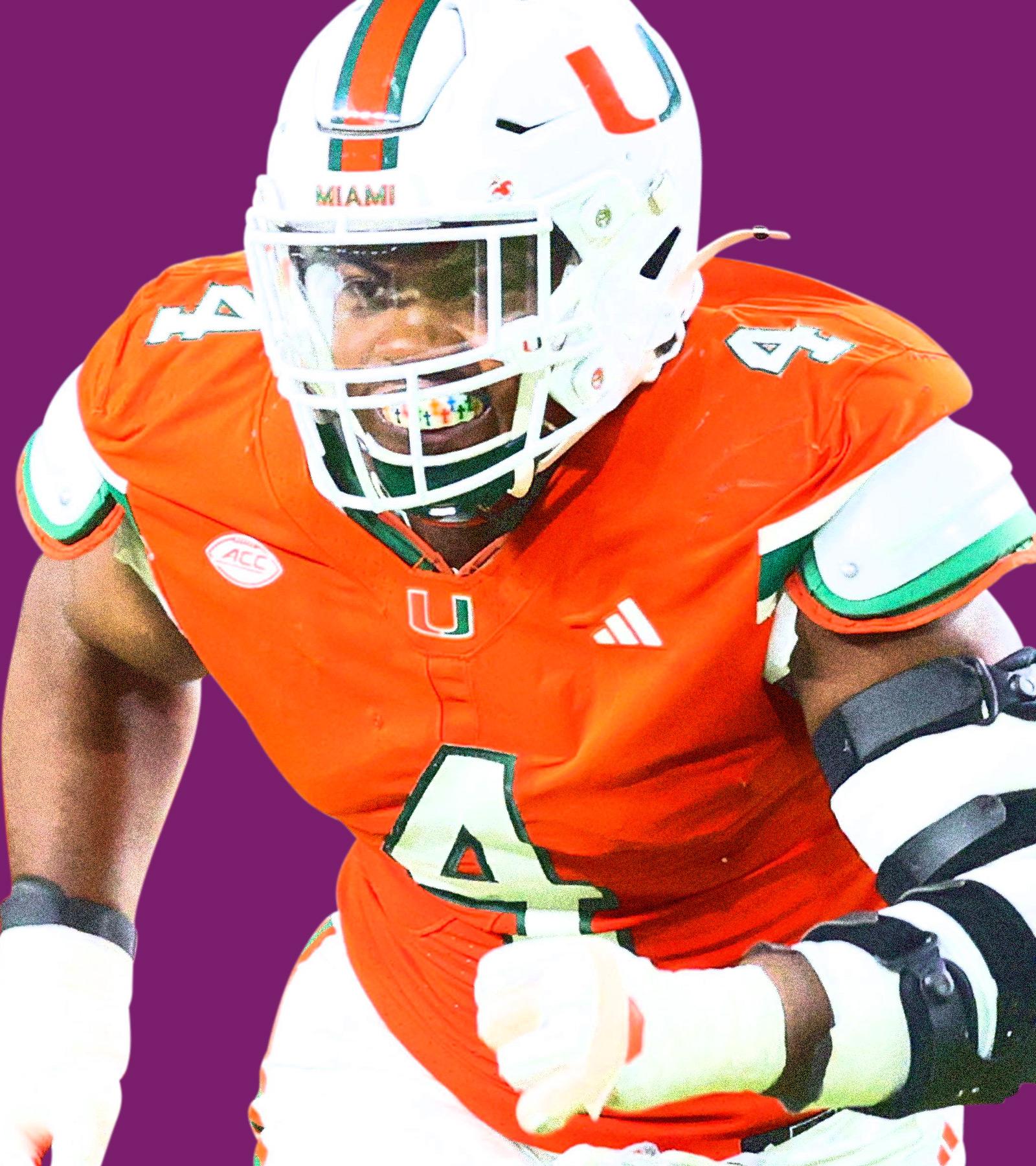
His arm length was a potential issue on its own, and the news of his driving incidents adds to questions about whether Bain is worth the risk at the top of this draft. If he slides past a team like New Orleans (no. 8) or Miami (no. 11), it’ll be fair to wonder whether teams were worried about the off-field issue.
Which potential franchise changer will fall out of the first round?
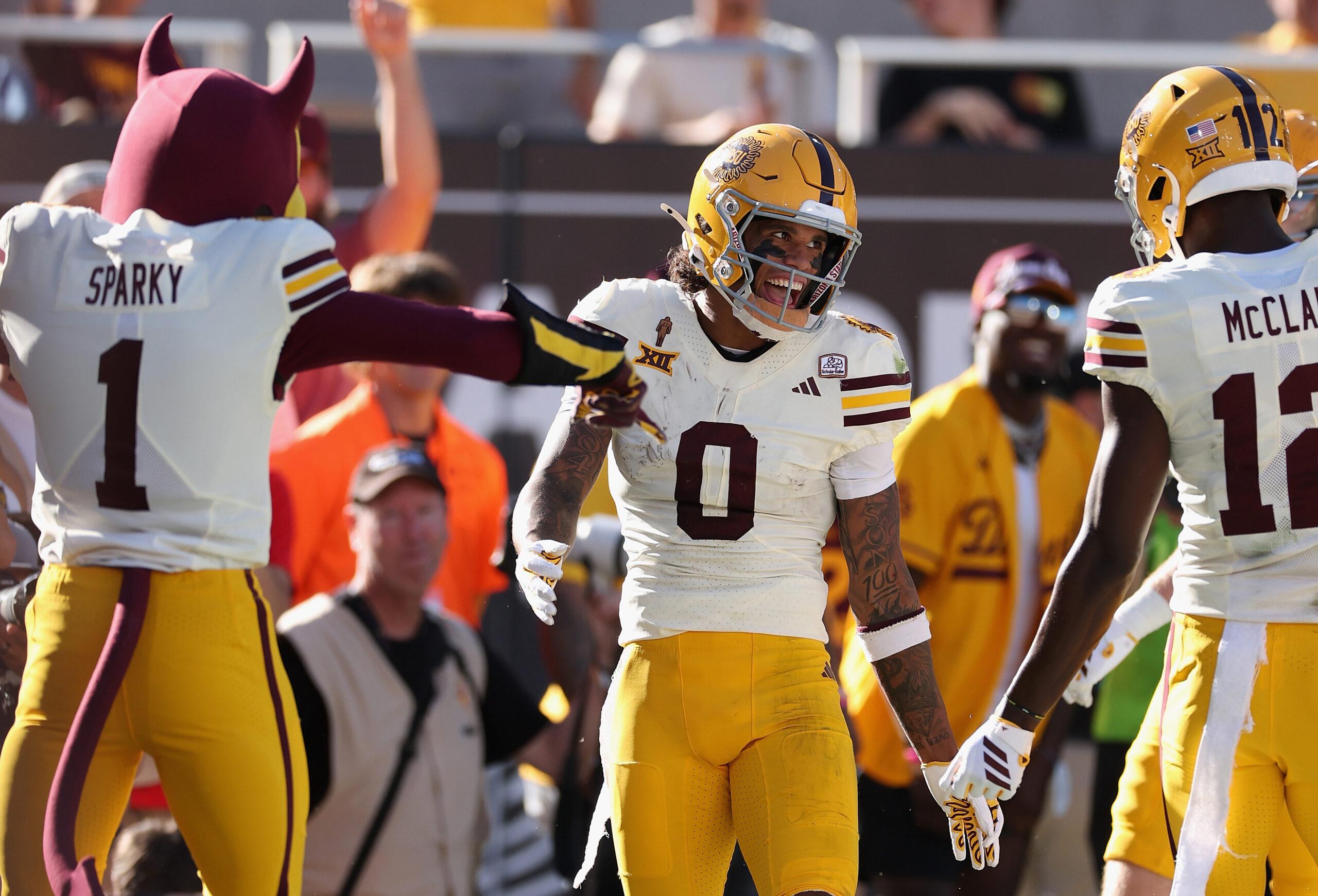
Had receiver Jordyn Tyson not looked so good at his private workout, I’d have picked him to be the player who could drop out of the first round because of injury concerns. But now there’s buzz that Tyson could be the first receiver to be drafted—potentially in the top 10.
Instead, the player I think could fall is defensive tackle Caleb Banks. There’s a world in which you could compare Banks to the Chiefs’ Chris Jones, but that’s assuming he can stay healthy, and he simply hasn’t. Banks dealt with several foot injuries in college and during the predraft process. He’s just as good against the run as he is against the pass, and his healthy film from 2024 made him look like the best defensive tackle prospect in the class. But there’s a decent chance that teams might be worried about a player his size coming into the league with foot issues, and he’ll have to wait a bit to hear his name called.
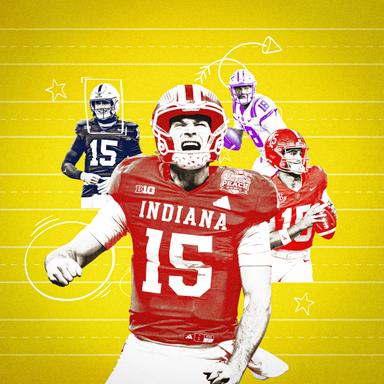
Could there be any Ty Simpson drama in the first round?
According to Fox Sports’ Jay Glazer, it’s a certainty that Simpson will be picked in the first round. The question is whether it’ll be a team like the Steelers (who hold the 21st pick) or the Browns (with the 24th pick), or whether there’s a team that will trade up at the tail end of Round 1 to get in front of the Jets (who own the first pick in the second round).
My guess has always been that it’ll be the latter, especially if the quarterback-needy Cardinals find a way to trade back from no. 3 and pick up enough extra draft capital to jump up in the late 20s to grab Simpson. And if that were to happen, I think it’d be a big win for Arizona’s approach in the draft. Stockpiling picks is the only way for Arizona to address its plethora of roster issues, which includes holes at quarterback, the interior offensive line, and the defensive front seven.
As for Simpson’s prospects in the pros, the hope would be that he develops into a Brock Purdy–esque passer from the pocket, one who aggressively pushes the ball downfield and feeds his best targets over the middle of the field. If Simpson can improve his response to pressure and iron out some accuracy inconsistencies in his game, he could be around league average as a starter.
Which team is most likely to make an irrational trade?
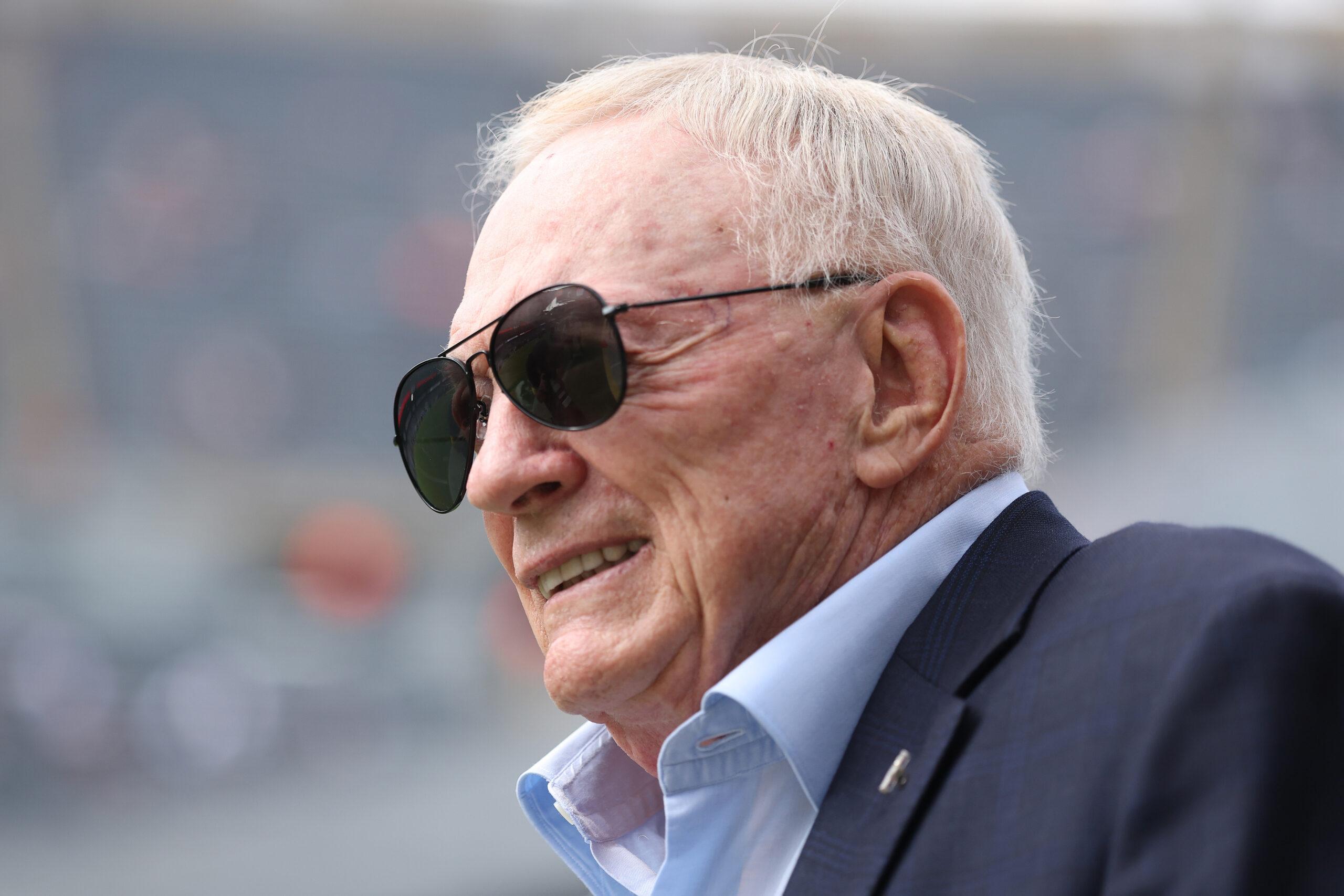
Cowboys owner Jerry Jones is sitting on a pair of first-rounders and might be itching to make a big splash on draft day—especially if there’s a chance to jump in front of the Giants in the top 10 to take one of the best defensive prospects in this class.
The smartest move Dallas could make, though, is standing pat with the 12th and 20th picks, trusting that starting-caliber prospects like cornerback Jermod McCoy, safety Dillon Thieneman, or edge rusher Keldric Faulk are available to help shore up one of the league’s worst units. But if edge rushers like Bailey or Bain or even linebacker Sonny Styles slides out of the top five, maybe a trade would make sense for Dallas, and I’d be interested in seeing whether Jones could fight the impulse to make a deal.
Of course, there’s also a chance that Dallas will make an aggressive move to get its hands on a young receiver and seek a trade partner for franchise-tagged receiver George Pickens. That sort of trade could net future draft capital and possibly a veteran player in return. I’m prepared for Dallas to play a major and dramatic role in this draft—which is exactly how Jones likes it.


Which unheralded day three prospects should my favorite team be desperate to add?
I like Arkansas quarterback Taylen Green. His raw physical traits stand out among the day three quarterback prospects, and it’s possible that no quarterback in the entire class puts more velocity on his passes than Green does. If a team believed it could take Green’s aggression as a passer and improve his mechanics and decision-making, he could be a valuable high-ceiling backup—but if the turnover problems that plagued him in college continue, he’ll find himself in the UFL by 2028.
Safety Kamari Ramsey is another probable day three player I found myself liking the more I watched. He’s well rounded, diagnoses plays quickly, and tackles with impunity. If he were bigger and faster, I’d see him as a day two pick. His playing style is similar to Houston’s Jalen Pitre's, and I believe that Ramsey could develop into a solid NFL player if allowed to play in the slot. His tweener skill set might make it hard to carve out a regular role in a starting lineup, but he would be a nice addition to any team’s safety room.
Also keep an eye on defensive tackle Gracen Halton from Oklahoma. He lacks the length we see from defenders who are effective against the run on early downs, but if he can slot in somewhere as a rotational interior rusher, that would make the day three selection worth it. I’m not certain he’ll blossom into an every-down player, but he can provide massive value on passing downs alone.
And at tight end, I am curious about two developmental prospects: Marlin Klein from Michigan and Eli Raridon from Notre Dame. Both have prototypical size and athletic traits, but neither one has had a major breakout as a pass catcher that would have boosted their draft stock. Both of these players should prove themselves as blockers early in their NFL careers and slowly grow as receivers. If they do, we could be looking at starting-quality players by the end of their rookie deals.
Can a team change its place in the NFL’s hierarchy on day one?
I have three teams in mind when considering this question: the Texans, Chargers, and Cowboys.
Houston is picking so late in the first round that there’s a chance it'll wind up with a low-profile player, but I like the chances that the Texans will be able to find a disruptive defensive tackle or a potential starting left tackle at no. 28. Keeping quarterback C.J. Stroud upright would be the fastest way to cement this team as a no-doubt contender, but I love the thought of Houston’s stellar defense getting even scarier by adding talent to the one spot that doesn’t have a star-level contributor.
Los Angeles needs to make its offense the top priority in the first round, and there’ll probably be a starting offensive lineman available when the Chargers are on the clock for the 22nd pick. Tackle prospect Kadyn Proctor from Alabama has been my thought for the Chargers, but I’m interested in seeing whether someone like Miami’s Francis Mauigoa slides into their range after reports of a herniated disk issue surfaced this week. Either one of those players would give the Chargers someone who could kick inside to guard but would still be available to serve as a swing tackle in an emergency. If the Chargers nail this pick and finally get some better protection for quarterback Justin Herbert, it could lift Los Angeles to legitimate contention.
In the NFC, Dallas needs the type of injection of defensive playmakers that Philadelphia got in the 2024 draft—and it possesses the draft capital to make it happen. Adding talent to the defensive backfield (especially at safety) with the 12th and 20th picks in this draft would go a long way toward fixing what was arguably the worst-performing secondary in football. Whether they get a singular game-wrecking force or plug multiple holes, the Cowboys could make a huge leap toward serious contention in 2026.
How can Aaron Rodgers make himself the main character (again)?
Aaron Rodgers has yet to make a commitment to playing in 2026. With the draft taking place in Pittsburgh, outside of the stadium where Rodgers played last season, Rodgers could take the chance to steal the spotlight. And this isn’t the first time Rodgers-related news hung over the draft; remember those Denver trade rumors in 2021? Or his trade to the Jets close to the draft in 2023?
The Steelers have once again allowed Rodgers to make the final determination on what their quarterback situation will be, at a time when the franchise should be making long-term plans. The Rodgers-led Steelers barely squeaked into the playoffs last season—before being crushed at home by the Texans—so I’m not sure why Rodgers has this much influence over the franchise. Pittsburgh could’ve gone after quarterbacks like Malik Willis, Kirk Cousins, Tua Tagovailoa, and Kyler Murray in free agency and instead is sitting idly by with an “expectation” that the 42-year-old Rodgers provides some clarity on his plans before the draft, according to team owner Art Rooney II.
The Steelers offense started last season well, converting red zone opportunities into touchdowns and moving the chains on third down. But as has been the case over the last few years of his career, Rodgers’s play declined as the season progressed, and his conservative approach in the pocket held the passing game back. His deep ball is all but gone, as is his mobility and willingness to hold the ball in the pocket.
Pittsburgh might be cold on the quarterbacks in this draft (that’s fair, given the lack of depth at the position), and are unwilling to spend on another free-agent starter to be a Band-Aid for this franchise. Still, leaving the future in Rodgers’s hands is not a reasonable plan, and it's another troubling indication that the end of the Mike Tomlin era isn’t going to change much about how slowly and conservatively the Steelers are operating in this era.