‘A Knight of the Seven Kingdoms’ Episode 5: Penniless in Flea Bottom
In the midst of a harrowing trial of seven, a flashback to Dunk’s past may fundamentally alter his character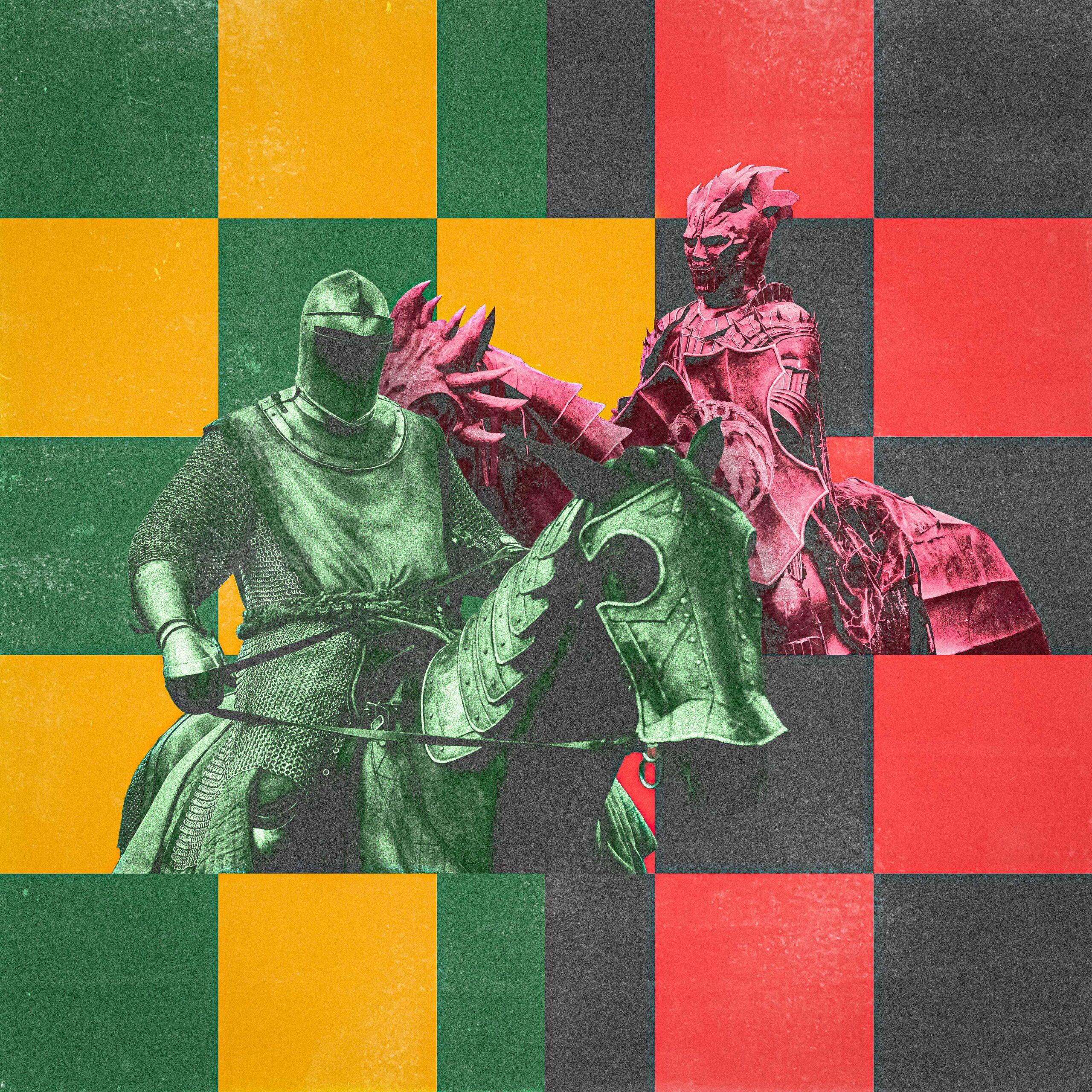


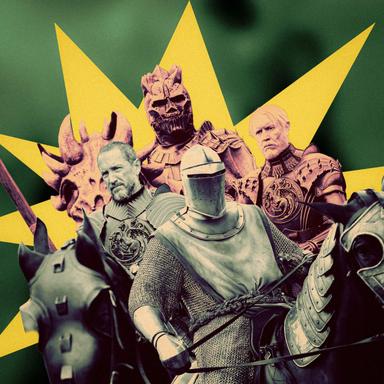
In true Game of Thrones tradition, the penultimate episode of A Knight of the Seven Kingdoms gave us our big action scene and climax, with Duncan narrowly winning his trial against Aerion. Dunk manages to survive (and keep his hand and foot), and all it cost was the lives of Humfrey Beesbury, Humfrey Hardyng, and … Baelor Targaryen, the hand of the king and heir to the Iron Throne.
All who knew Baelor thought he’d make a great king—he was chivalrous, just, and wise. His death also shifts the order of Targaryen succession. His son Valarr (who has briefly popped up in the series) is now heir to the throne. And while Baelor’s death will officially go down as a “tourney mishap,” it won’t be lost on many that it was Maekar, his somewhat bitter younger brother, who struck the mortal blow. Was it intentional? Maekar will swear it wasn’t—but people will whisper.
But the implications for the throne and the future of the realm are for another day. This episode also shined a spotlight on our main character. In the midst of all the blood and chaos, we get a flashback scene to when Dunk was just a boy growing up in Flea Bottom. None of this appears in George R.R. Martin’s novella The Hedge Knight, and this flashback represents by far the most significant change from the source material yet—and, in my opinion, the show’s biggest mistake. I’ve been pretty effusive in my praise of the series, and I stand by it—this show nails the most important elements, like the relationship between Dunk and Egg and the refreshingly low stakes. But this flashback fundamentally changes Dunk’s backstory without a broader consideration of how that would affect the rest of the story.
In the novella, Dunk’s background is relatively straightforward and consistent with everything the show had presented through four episodes. He was an orphan living in poverty in Flea Bottom before Ser Arlan found him and made him his squire. In The Mystery Knight, the final novella of the Dunk and Egg trilogy, Dunk explains to another character that “Ser Arlan of Pennytree found me in Flea Bottom, chasing pigs. His old squire had been slain on the Redgrass Field, so he needed someone to tend his mount and clean his mail. He promised he would teach me sword and lance and how to ride a horse if I would come and serve him, so I did.” There isn’t much more to it than that.
There are also mentions of Rafe, Dunk’s childhood friend when he was living in Flea Bottom. Only the Rafe in the novella is far different from the Rafe in the show. In the novella, it’s implied that Rafe is a boy, and he’s one of Dunk’s three friends, along with two boys named Ferret and Pudding. The four are essentially a troop of prepubescent bandits. Here’s how Dunk describes one of their escapades in The Mystery Knight:
“Back in King's Landing when I was a boy, I stole a head right off its spike once,” he told Egg. Actually it had been Ferret who scampered up the wall to snatch the head, after Rafe and Pudding said he'd never dare, but when the guards came running he'd tossed it down, and Dunk was the one who'd caught it. “Some rebel lord or robber knight, it was. Or maybe just a common murderer. A head's a head. They all look the same after a few days on a spike.” Him and his three friends had used the head to terrorize the girls of Flea Bottom. They'd chase them through the alleys and make them give the head a kiss before they'd let them go. That head got kissed a lot, as he recalled. There wasn't a girl in King's Landing who could run as fast as Rafe. Egg was better off not hearing that part, though. Ferret, Rafe, and Pudding. Little monsters, those three, and me the worst of all. His friends and he had kept the head until the flesh turned black and began to slough away. That took the fun out of chasing girls, so one night they burst into a pot shop and tossed what was left into the kettle.
The Rafe we get in the show is also rough around the edges, but in a different way. The show aged up Dunk and Rafe, made Rafe female, and made her and Dunk love interests. When we meet her, the two are scavenging the Redgrass Field—where the rebel Daemon Blackfyre met his end—to try to earn enough coin to escape Flea Bottom. Unfortunately, a run-in with some City Watch thugs turns violent, and Rafe has her throat slit and bleeds out in Dunk’s arms. As Rafe is bleeding out, Ser Arlan appears and slays the guardsmen. Grateful, and now with zero direction or companionship, Dunk follows Arlan into the countryside, in awe of someone who would use their strength and prowess to defend the weak rather than exploit them. The flashback beefs up the Dunk-Arlan backstory a bit, but overall, this change doesn’t work for me for a few reasons.


The first is that it’s too melodramatic. I don’t think every character needs a traumatic backstory, and Dunk being an orphan is already a dark enough origin for him. Now his best friend and childhood love interest is murdered in cold blood right in front of him? The Dunk and Egg novellas tend to feel pretty grounded, but this scene seemed like it came from a tragic opera.
My next issue is that this backstory should dramatically change Dunk’s character. If his childhood companion had been killed right in front of him, I’d think that he’d show more melancholy in his everyday life. Even with Egg, I’d imagine Dunk would push back harder on having a child join him after what happened to him at a young age. He’d probably struggle to form close bonds. And would he crush on Tanselle Too-Tall so quickly with a place in his heart still held for someone else? Even if he would, I’d think he’d show some hesitancy beyond just his awkwardness.
I’m positive that the show writers didn’t think through these ripple effects. Go back to the first scene of the show, just after Arlan died, when Dunk is considering what to do with his life next:
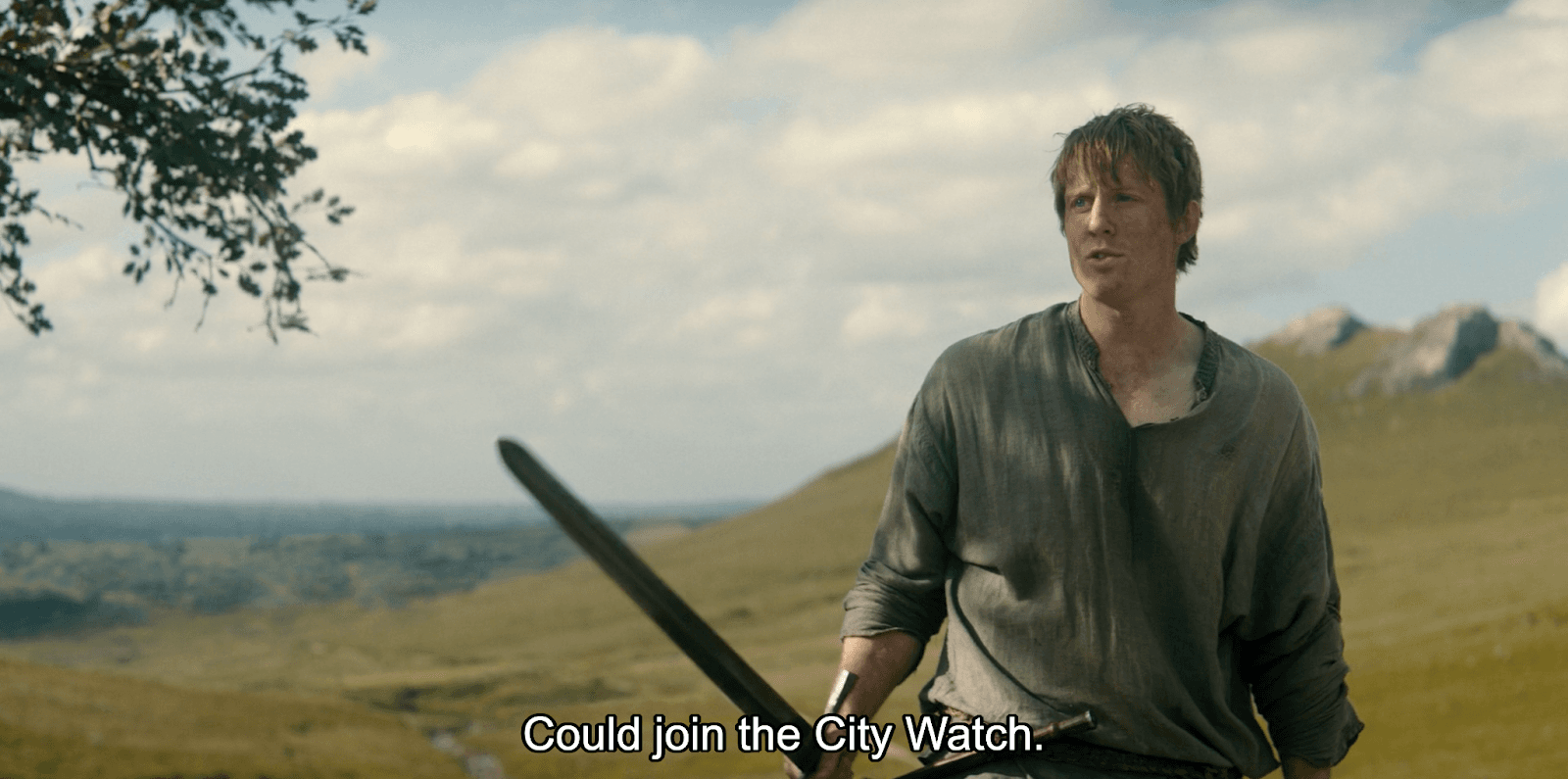
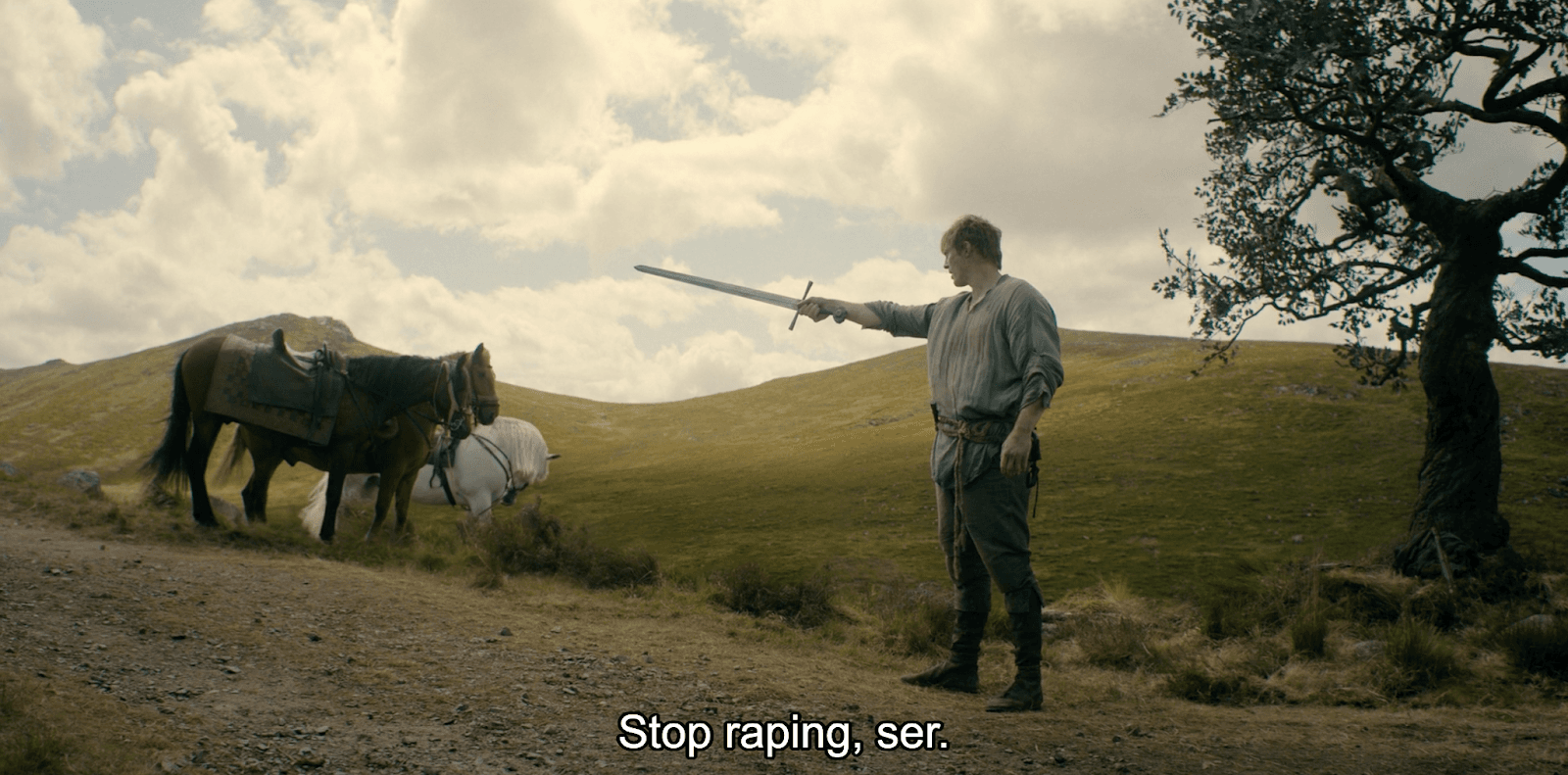
This scene is more or less pulled straight from The Hedge Knight, but it should’ve been cut from the show with this change to Dunk’s backstory. Left as is, it’s a glaring inconsistency. In what world would Dunk ever consider joining the City Watch after seeing what they did to his closest companion? He’d see the gold cloaks as an absolute evil, not a potential career path.
This is a small detail, obviously, but it’s indicative of how the show approached this flashback and backstory change. You can’t change a character’s origin so dramatically and then change nothing else about the character. Dunk in the show would be a different person than Dunk in the novellas. But I think that ultimately the show wants to continue with Dunk being the same Dunk from Martin’s stories, despite this drastic change.
My final problem is that the flashback removes some of the beauty from the narrative. When Duncan defends Tanselle in Episode 3, it’s not because he flashes back to trauma from his past—it’s just because it’s the right thing to do. Dunk is a true knight not because of an exceptionally tragic backstory but because that’s simply how he is. Changing his character changes some of the fundamental themes and questions of the story. Now, is the show asking whether it is possible to be a true knight only if you have a personal backstory that compels you to be one? Is trauma a prerequisite for chivalry?
I’d prefer that the answer to those questions be that anyone with a pure heart can be a true knight, which seems to be the case in the novellas. But now, in the show, it’s much thornier.
In its defense, this flashback did help pace the episode. If it were nothing but the trial, it would’ve been way too chaotic (and too short). They needed something to beef up the running time. In the novella, Dunk does fall into the mud during the battle: “He landed with a bruising impact that jarred him to the bone. Pain stabbed through him, so sharp he sobbed. For a moment it was all he could do to lie there. The taste of blood filled his mouth. Dunk the lunk, thought he could be a knight. He knew he had to find his feet again, or die.” Adding a flashback that culminates with the “get up” scene was very well done. But the specific flashback—and change to Dunk’s backstory—was not.
Through five episodes, A Knight of the Seven Kingdoms has been a very true adaptation of Martin’s novella. The places where it has stepped off the page have generally been a success. But this change to Dunk’s background was drastic and unnecessary—and the show’s first real misstep.