
The 2025 NFL season was unusual in that there was very little turnover at the top of the defensive leaderboard. It’s typically hard to sustain elite defensive play from year to year because of variables like turnover regression, schedule difficulty, injuries, and schematic changes. Yet last season, Houston, Philadelphia, Minnesota, and Denver all repeated as top-seven defenses by DVOA.
This year, two of those four should retain their perch. But some of last season’s better defenses benefited from favorable schedules against subpar quarterbacks (Denver) or unsustainable turnover production (Jacksonville) and are likely to take a step back in 2026. Other teams outside the elite tier made aggressive personnel and coaching changes that could dramatically improve their performance. Taken together, the result is a familiar group at the top with considerable uncertainty underneath.
These rankings are a projection of how every NFL team’s defense will fare in 2026. On Tuesday, we did the same exercise with all 32 offenses. For the defensive version, our projections rely heavily on the traits that tend to be most sustainable year over year, such as the ability to create pressure without blitzing, cover without devoting extra bodies to the secondary, prevent explosive plays, and survive the inevitable injuries that come with a grueling NFL season.
32
Miami Dolphins
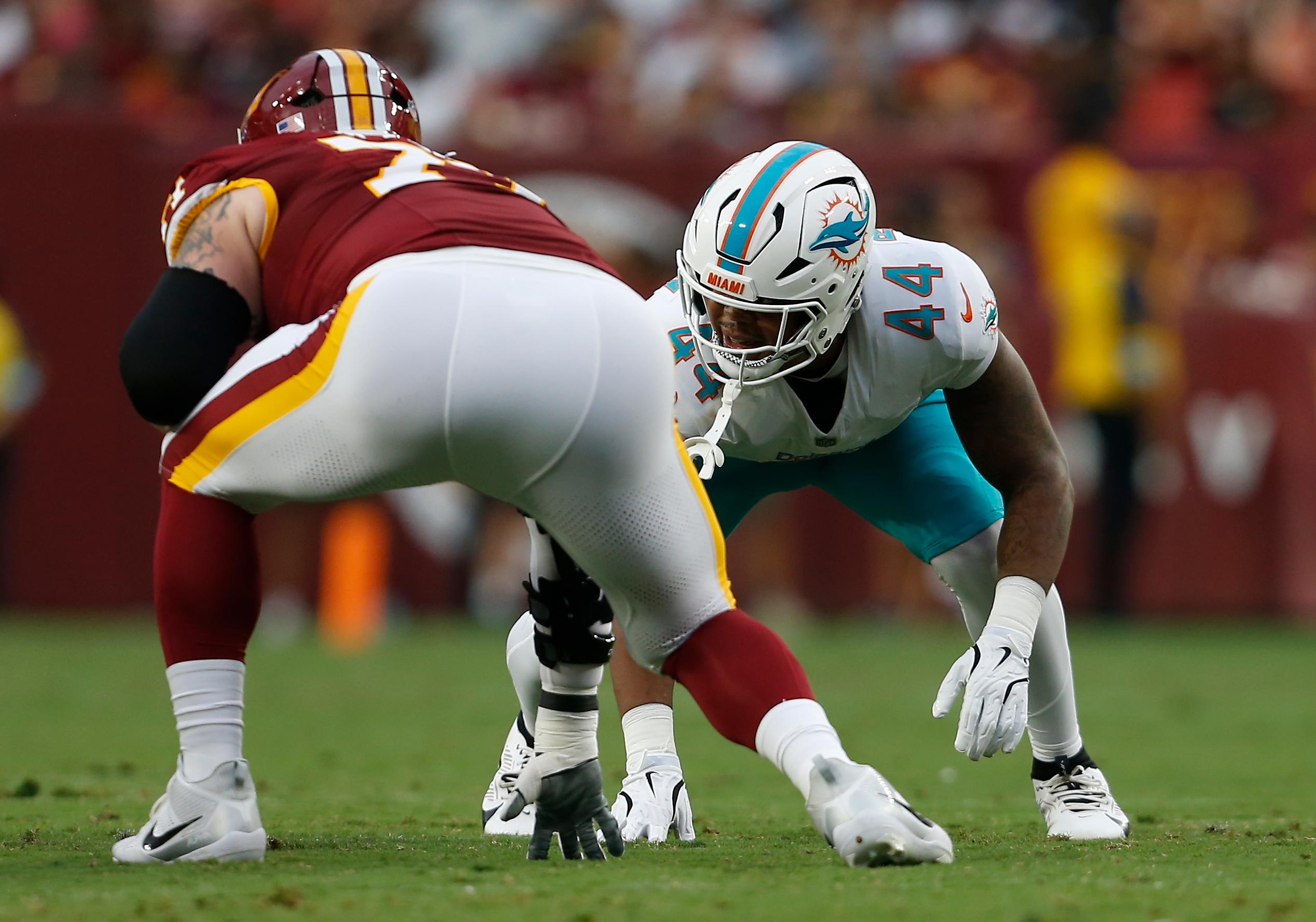
Chop Robinson peeks down the line of scrimmage during a Miami Dolphins preseason game against the Washington Commanders
Miami stripped the defense to the studs and is clearly looking toward development, as it’s starting a very young core with multiple rookies. Bradley Chubb and Minkah Fitzpatrick were among nearly a dozen veterans released or traded as the Dolphins tried to reset their roster and cap situation. The Dolphins do not have an established edge rusher who’s capable of replacing Chubb or Jaelan Phillips, and rookie linebacker Trey Moore is already injured. This could be a potential leap year for edge rusher Chop Robinson, but his sack total has actually been going in the wrong direction; he had six as a rookie and four in his second year.
Jeff Hafley will bring his new defensive scheme with him from Green Bay, but this may not be the year to assess his effectiveness. Miami is attempting to rebuild with rookies, developmental players, and bargain veterans at all three levels of the defense. At least Arizona has Josh Sweat and Budda Baker. Las Vegas has Maxx Crosby. Tennessee has a premium front. Miami is entering the season without one proven defender who could be a focal point for the new scheme.
31
Arizona Cardinals
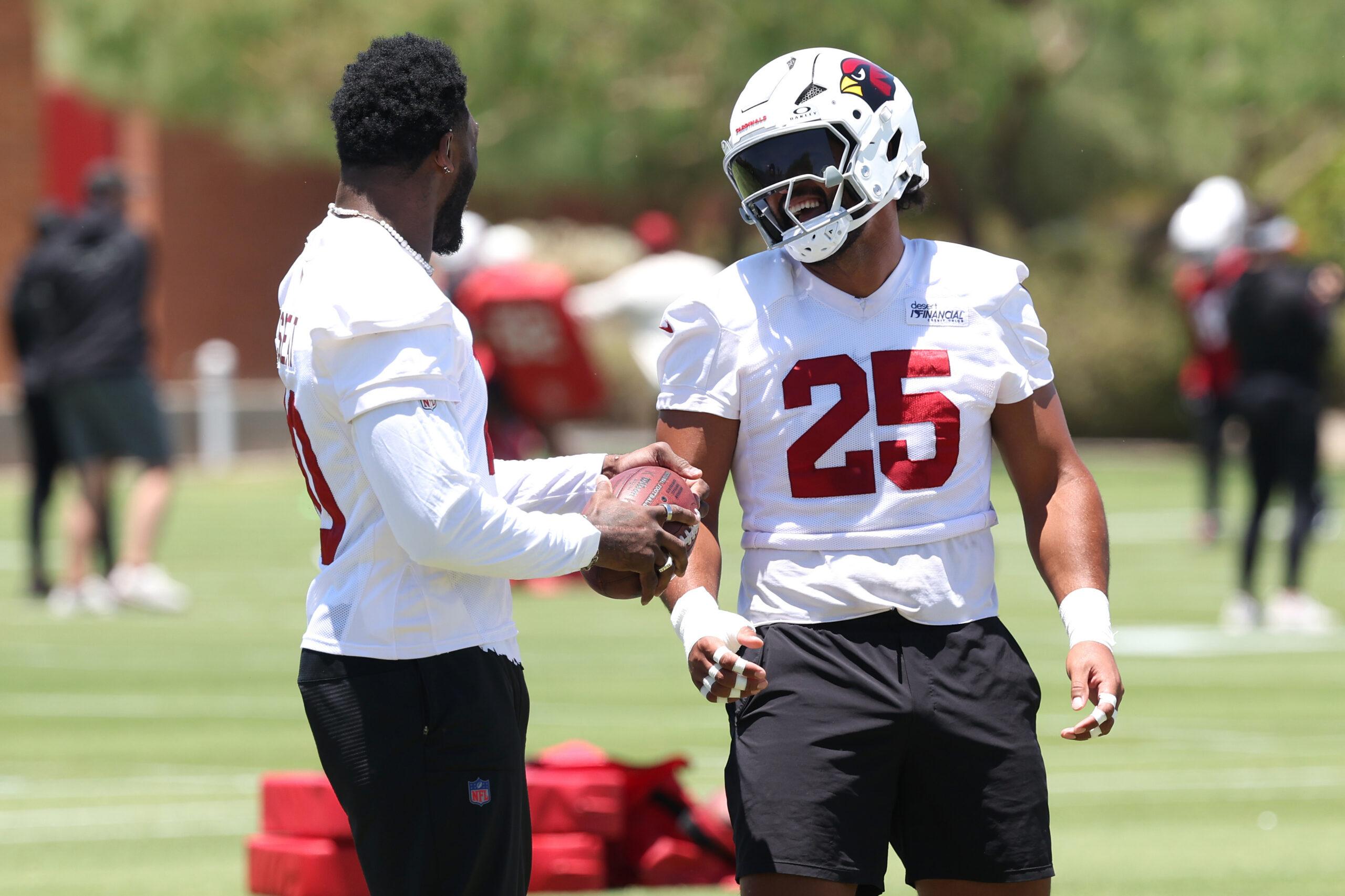
Josh Sweat talks with Zaven Collins during mandatory minicamp
The Cardinals finished the regular season ranked 27th in pressure rate and 29th in sacks, they allowed more than 27 points per game, and during the final half of the season, they surrendered at least 37 points six times. The team cleaned house in the offseason, dismissing a large portion of the coaching staff after they failed to make any meaningful defensive improvements under former head coach Jonathan Gannon.
In Arizona’s defense, its defense had been ravaged by injuries for most of the year. According to FTN, the Cardinals broke the database’s record for adjusted games lost to injury in the secondary. There’s a world in which Arizona will take a step forward this season solely based on better health outcomes, but any kind of improvement will require some good luck. The Cardinals now need Walter Nolen III—who flashed potential in just six appearances as a rookie—to be healthy and to provide interior disruption in year two. Outside of Josh Sweat and safety Budda Baker—both of whom could be deadline trade targets in the rebuild—there’s very little established defensive talent here.
30
Las Vegas Raiders
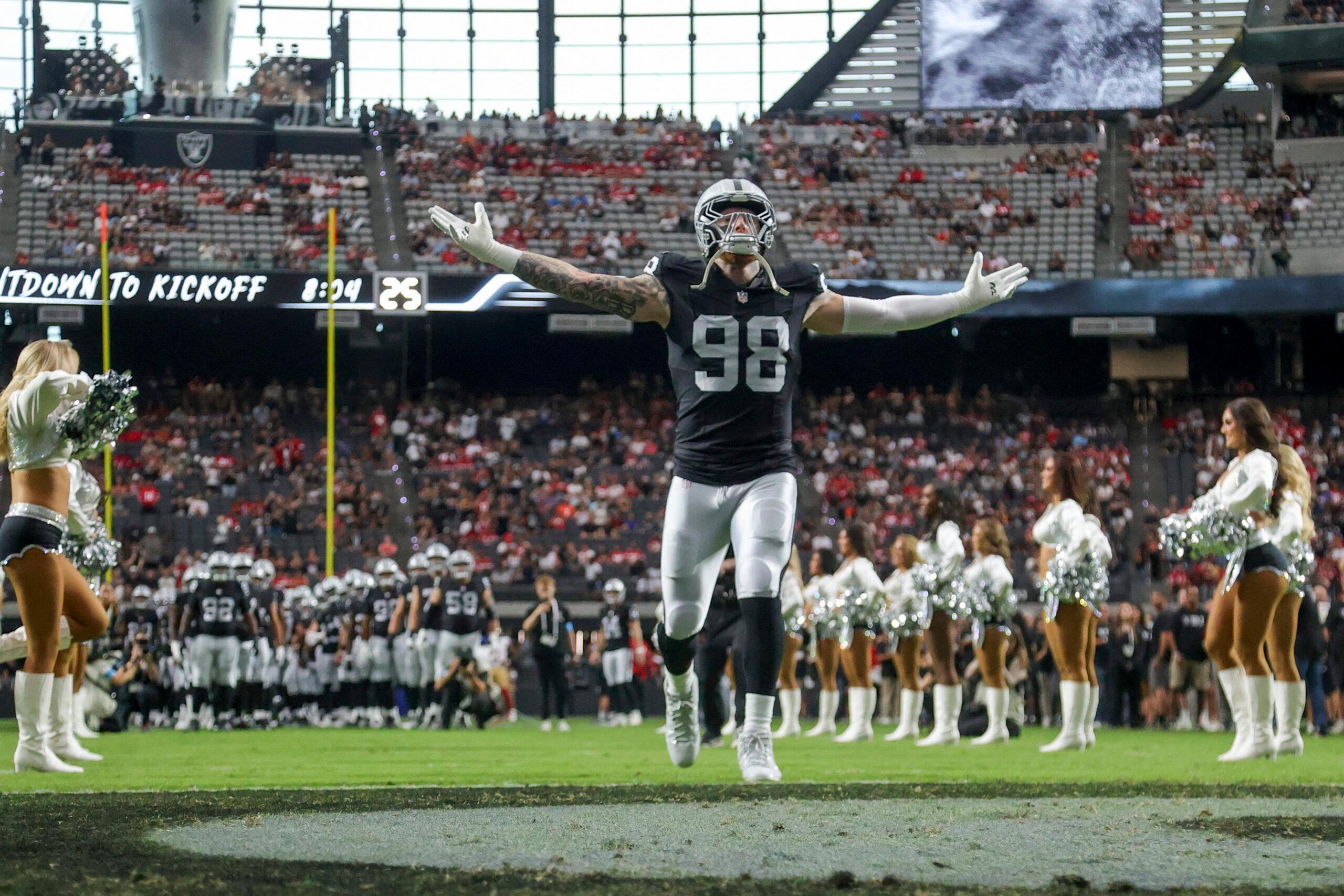
Maxx Crosby before a preseason game against the San Francisco 49ers
Las Vegas finished 25th in pressure rate last season despite employing Maxx Crosby. That simple fact explains the Raiders’ offseason plan and its limitations. They signed Kwity Paye to a three-year, $48 million deal to rush opposite Crosby, then added Quay Walker and Nakobe Dean at linebacker as part of a transition to a three-four front. They also splashed a lot of cash on decent players, which should help raise their defensive floor.
However, the departure of defensive coordinator Patrick Graham to the Steelers is a real loss. Graham did more with less and got the Raiders defense to play above its talent level, finishing 18th and 14th in DVOA the past two seasons.
Everything in Vegas still hinges on Crosby and what the Raiders decide to do with him in this rebuild. The knee injury that ended his last season has lingered through the spring and may have led to the trade with Baltimore getting nixed. Vegas has plugged in some of its holes, so if he returns at full strength, the defense could offset the potential downgrade at coordinator. But if Crosby is diminished or traded, the Raiders’ defensive floor could fall to the basement.
29
Chicago Bears
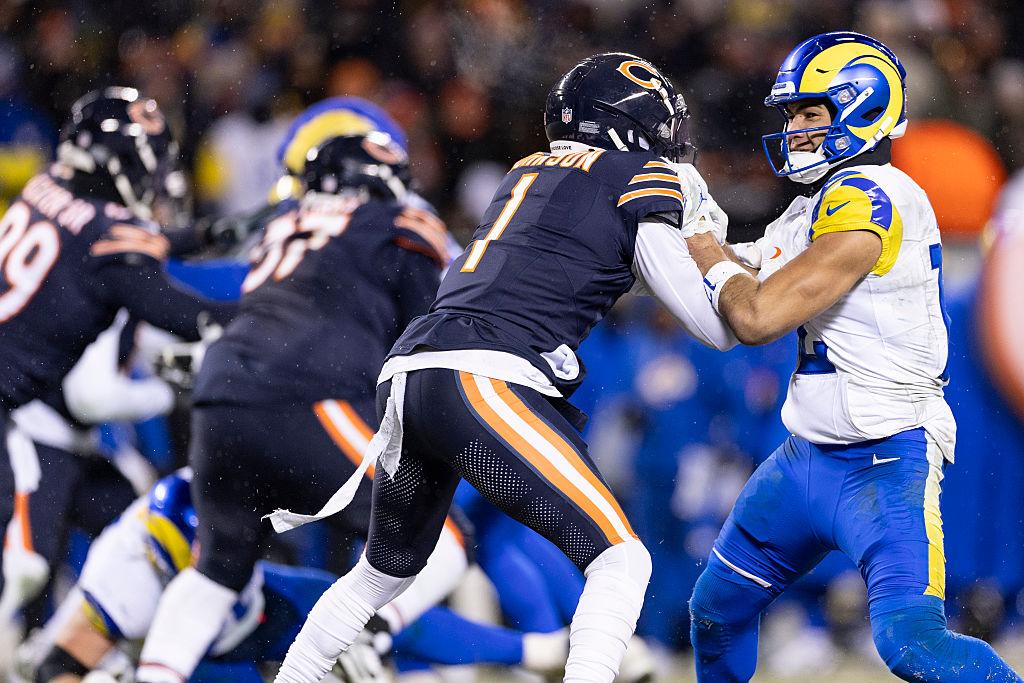
Puka Nacua blocks Jaylon Johnson during an NFL divisional playoff football game
For all the helium surrounding the Chicago Bears and their offense entering 2026, there are a lot of questions about their defense following a season in which their good turnover luck masked some poor underlying numbers. Chicago ranked 24th in EPA per rush allowed last season and entered the offseason needing more defensive line help against the pass and run. On the one hand, the Bears signed defensive tackle Neville Gallimore—but then they traded DT Gervon Dexter, who had six sacks last year, to Atlanta. The trade makes the front heavily dependent on 33-year-old Grady Jarrett and Gallimore, the latter a rotational player who’s had only 26 starts in six seasons. Montez Sweat remains the only edge rusher capable of moving the needle, and Chicago did not sign any of the top free agents at that position. If Sweat does not create consistent pressure, defensive coordinator Dennis Allen will have to generate it with pressure packages.
Despite all of the turnovers this defense forced last season, it ranked 26th in havoc rate, which measures the percentage of plays in which the defense records a tackle for loss, forces a fumble, deflects a pass, or makes an interception. When they weren’t forcing a turnover, the Bears offered almost no resistance. No team in the NFL generated more EPA from turnovers forced on defense, which is almost impossible to repeat and will lead to some inevitable regression this year. Chicago tried to beef up its secondary in acknowledgment of these issues. But Jaylon Johnson just suffered an arm injury during practice, safety Coby Bryant suffered what is likely to be a season-ending knee injury during training camp, and Kyler Gordon landed on the PUP list with a calf injury.
Defensive backs coach Al Harris instructs his guys to gamble for big plays. While this strategy boomed in 2025, it could just as easily bust in 2026.
28
Atlanta Falcons
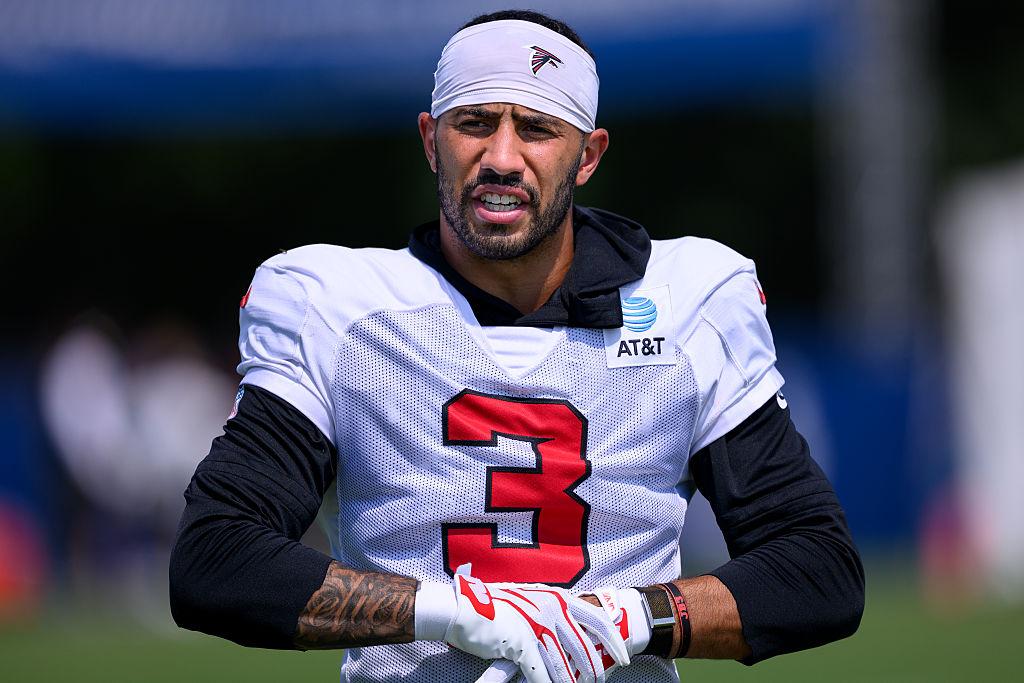
Jessie Bates III runs through a drill during the Indianapolis Colts and Atlanta Falcons joint training camp practice
Atlanta finished 27th in EPA against the run last season, then lost the two young edge rushers who were supposed to raise the defense’s ceiling—Jalon Walker tore his ACL, and James Pearce Jr. will serve an eight-game suspension for violating the league’s personal conduct policy. The Falcons’ offseason trade for Gervon Dexter was therefore more of an emergency response than a calculated addition. Dexter produced solid pass rush numbers in each of his two seasons as a starter in Chicago. He can help the run defense without sacrificing interior pass rush value. Pairing him with Atlanta’s remaining defensive linemen should keep the linebackers cleaner and reduce the need to compensate with loaded boxes.
The problem is on the edge. The Falcons blitzed at the league’s second-highest rate last season. With Walker out and Pearce unavailable for half the season, Atlanta’s dependence on manufactured pressure may grow. Dexter should address the 2025 defense’s biggest weakness, but those losses also removed Atlanta’s clearest path to a 2026 breakout under defensive coordinator Jeff Ulbrich. This defense is likely to take a real step back because of the absence of the players who made it so compelling last year.
27
Washington Commanders
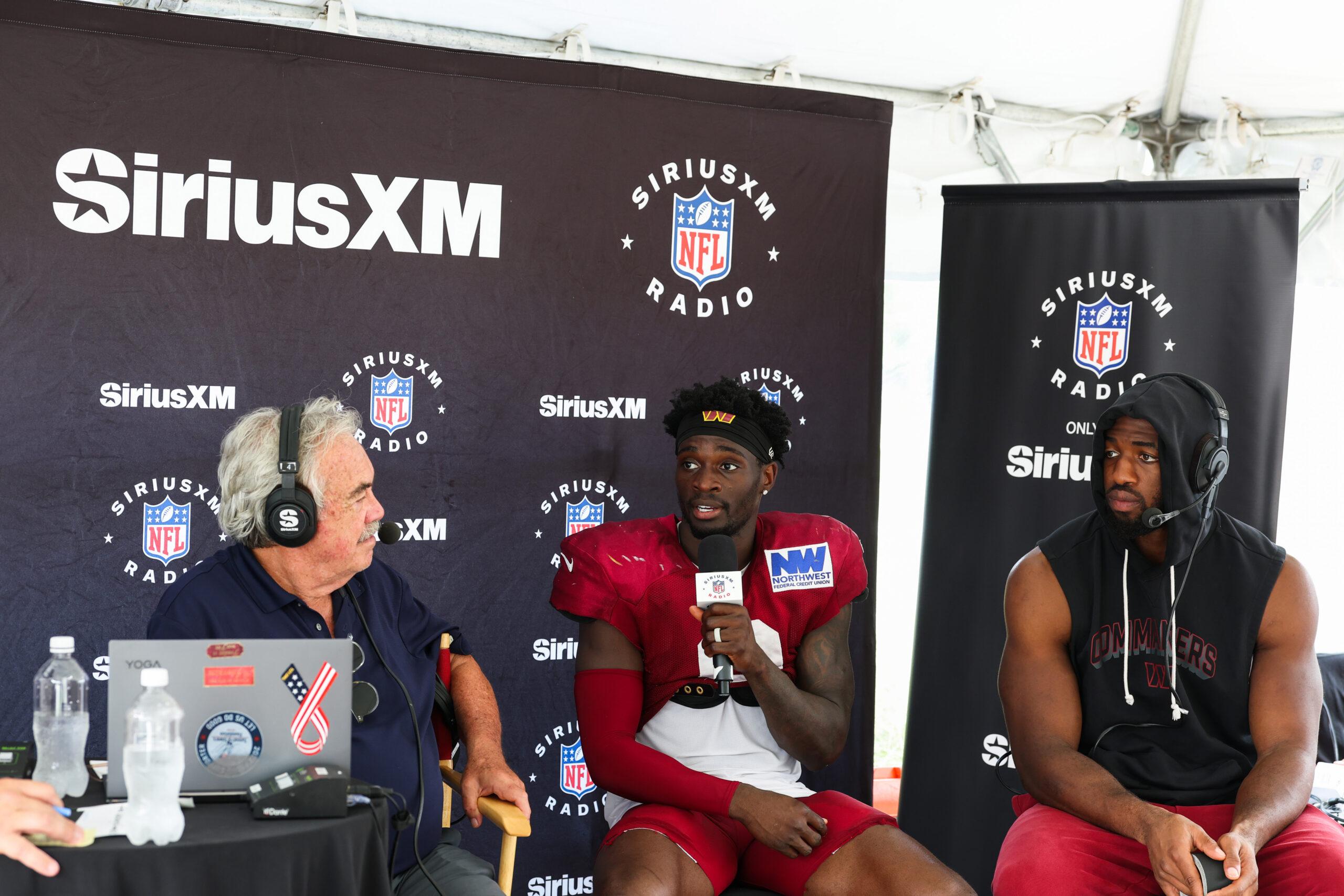
Pat Kirwan, Mike Sainristil, and Odafe Oweh at SiriusXM Front Row from Washington Commanders training camp
Washington was near the top of the list of teams that lost players due to injuries last year, along with San Francisco, Arizona, Baltimore, and Detroit. But in addition to replacing personnel, the Commanders are changing their schemes this time around. They have a new defensive coordinator, Daronte Jones, who came over from Minnesota and is a disciple of Brian Flores. So far in the preseason, Jones has had his team playing much more aggressively. Washington has presented five-man fronts, brought corners in on blitzes, and regularly brought the safety down into the box. This defense will create more havoc, but the question is whether it has enough depth and will be able to prevent big plays.
New additions Odafe Oweh and K’Lavon Chaisson will add speed off the edge. Leo Chenal and rookie Sonny Styles will remake the linebacker room, which should generate a lot more pressure than it did last year. Amik Robertson, Ahkello Witherspoon, and Nick Cross will transform the secondary, which routinely got picked on during explosive plays down the field last year. Washington is no longer relying on the aging Bobby Wagner to patrol the middle of the field, which should help it avoid getting bullied by tight ends all season.
The concern is that many of Washington’s additions are scheme multipliers rather than blue-chip talents. The Commanders will be designing elaborate ways to compensate for their front, which cannot consistently win with a great rush. But the schematic changes and personnel overhaul will make this an interesting defense in 2026.
26
Dallas Cowboys
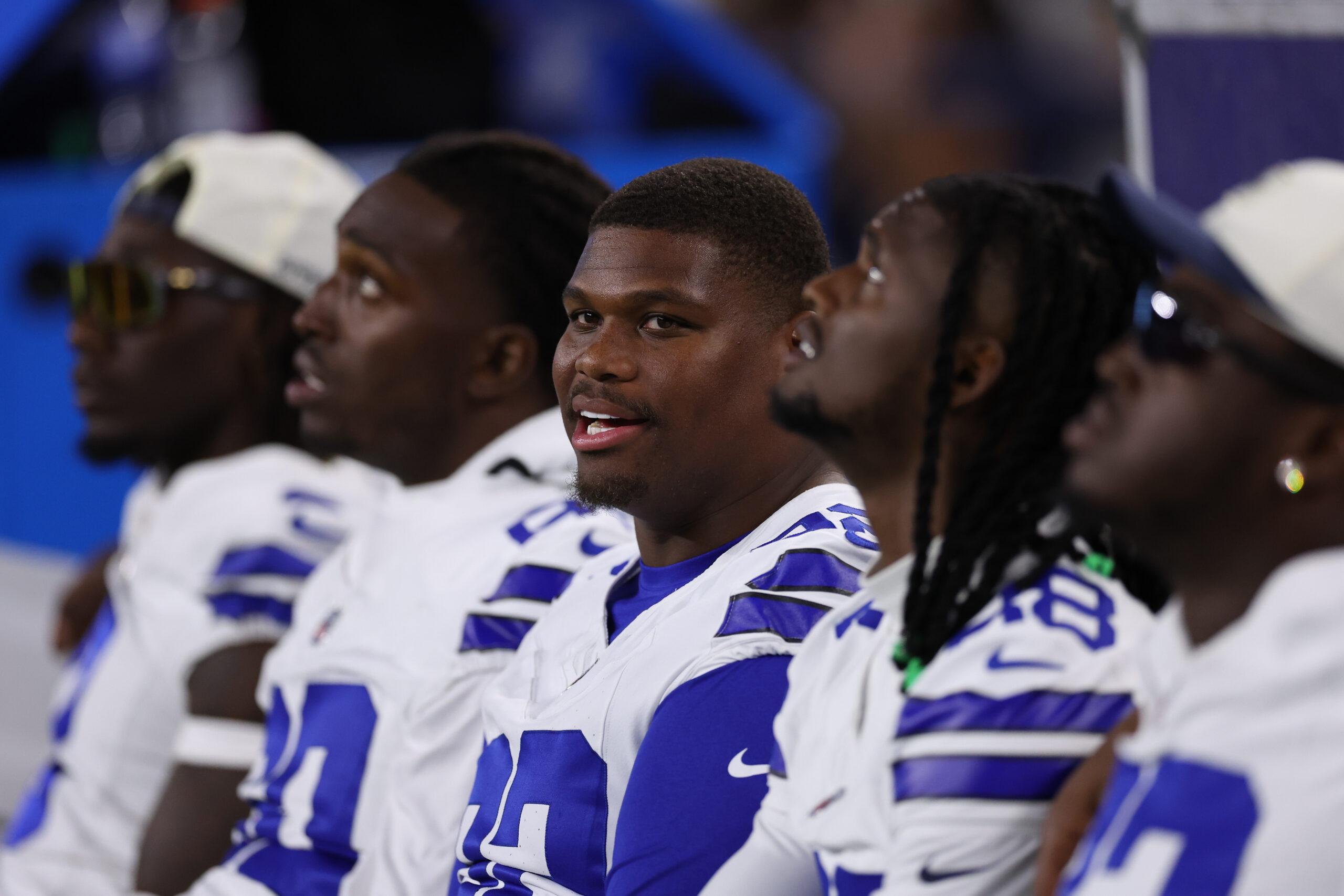
Quinnen Williams during a preseason game against the New Orleans Saints
Dallas allowed 511 points last season. That’s 30.1 per game, the worst in the league. The Cowboys responded by replacing Matt Eberflus with first-time coordinator Christian Parker and rebuilding every level of the defense. Quinnen Williams, Kenny Clark, and Rashan Gary now form a veteran core up front. Caleb Downs and Jalen Thompson are at the center of the remade safety room, while rookie Malachi Lawrence adds another edge option. These additions should nudge Dallas’s defense in the right direction, but the issue is how far the Cowboys have to climb just to become competitive. And with all of these new pieces, they’re sure to face a steep learning curve.
This is not a mediocre defense that’s adding some missing pieces. It is the league’s worst defense, now installing a brand-new system under a first-time coordinator while integrating several new starters and relying on a rookie safety to organize the back end. The cornerback room remains the cleanest target for opposing offenses, especially if the reconfigured front does not get home immediately. Dallas has enough talent to jump up a few spots over the course of the season, but this ranking reflects the fact that the Cowboys are plagued by uncertainty and have demonstrated little proof of concept.
25
Tennessee Titans
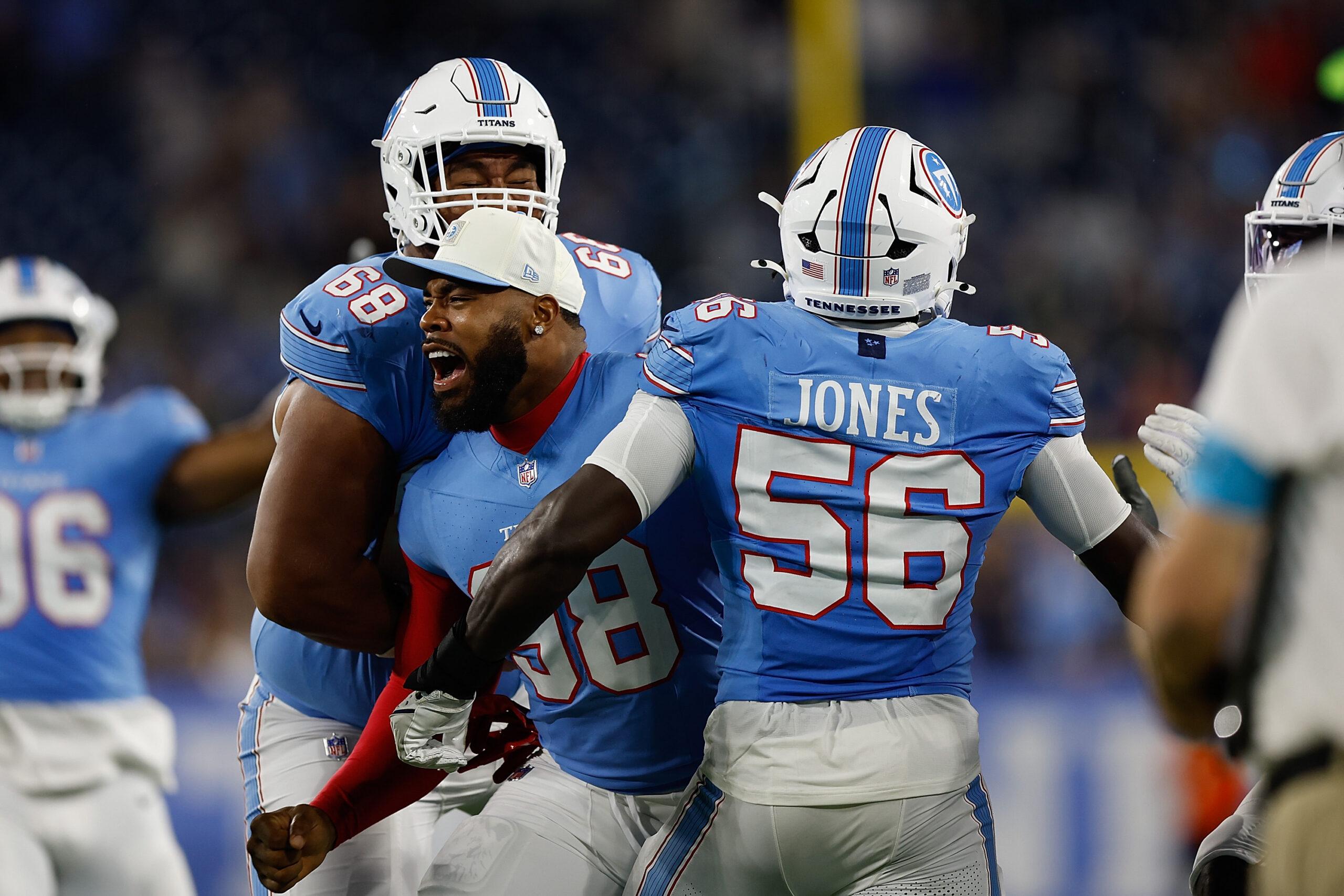
Jeffery Simmons reacts during a preseason game against the Seattle Seahawks
Tennessee’s defense will have a much clearer identity under new head coach Robert Saleh. The Titans have traded for defensive end Jermaine Johnson II, signed DE John Franklin-Myers for three years and $63 million, and built the front around star defensive tackle Jeffery Simmons.
Saleh already knows how to deploy both Johnson and Franklin-Myers after their time together with the Jets. Franklin-Myers can move from the edge on early downs to the 3-technique in passing situations, while Johnson will supply the outside rush that Tennessee lacked last season. Add in Jordan Elliott, Solomon Thomas, and Jackie Marshall, and the Titans have a legitimate wave of defensive linemen rather than one star surrounded by replacement-level talent.
That front gives Tennessee a chance to beat this ranking, but its secondary threatens to drag it down. The Titans still lack a corner who is capable of taking away a first read, which will allow offenses to counter the improved rush with quick throws and formations that can force linebackers into coverage. Saleh can make the front disruptive and the run defense should be credible immediately, but the level of this defense will ultimately depend on what happens during the two seconds before Simmons, Franklin-Myers, or Johnson reaches the quarterback.


NFL Season Previews
24
Carolina Panthers
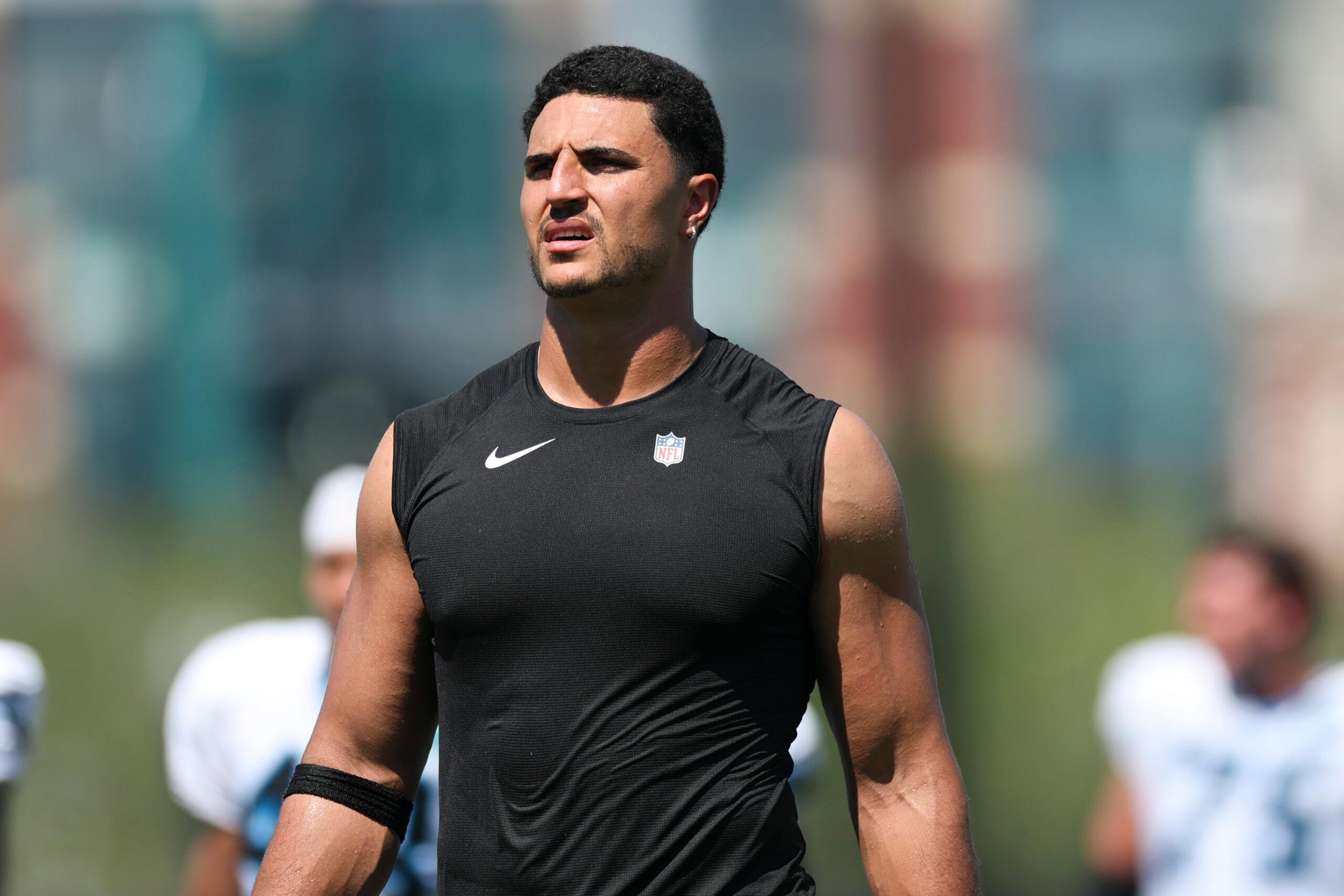
Jaelan Phillips after a joint training camp
After finishing 31st in pressure rate and 28th in sacks last season, the Panthers signed linebacker Jaelan Phillips to a four-year, $120 million contract. Phillips generated pressure at one of the league’s highest rates last season, and in Carolina he’ll change the assignment for everyone around him. Derrick Brown can now attack guards without being the only pass rush threat. Fellow new addition Devin Lloyd has range and downhill speed, which should improve a linebacker group that’s struggled to clean up plays behind the front.
Still, the entire defensive setup is fragile given Phillips’s extensive injury history. If he misses time, the Panthers will be asking the same young rushers from last year’s unit to carry the defense again. And the biggest reason Carolina remains 24th on this list is its secondary. Jaycee Horn is a high-level no. 1 corner, but the coverage depth behind him is thin.
23
New York Jets
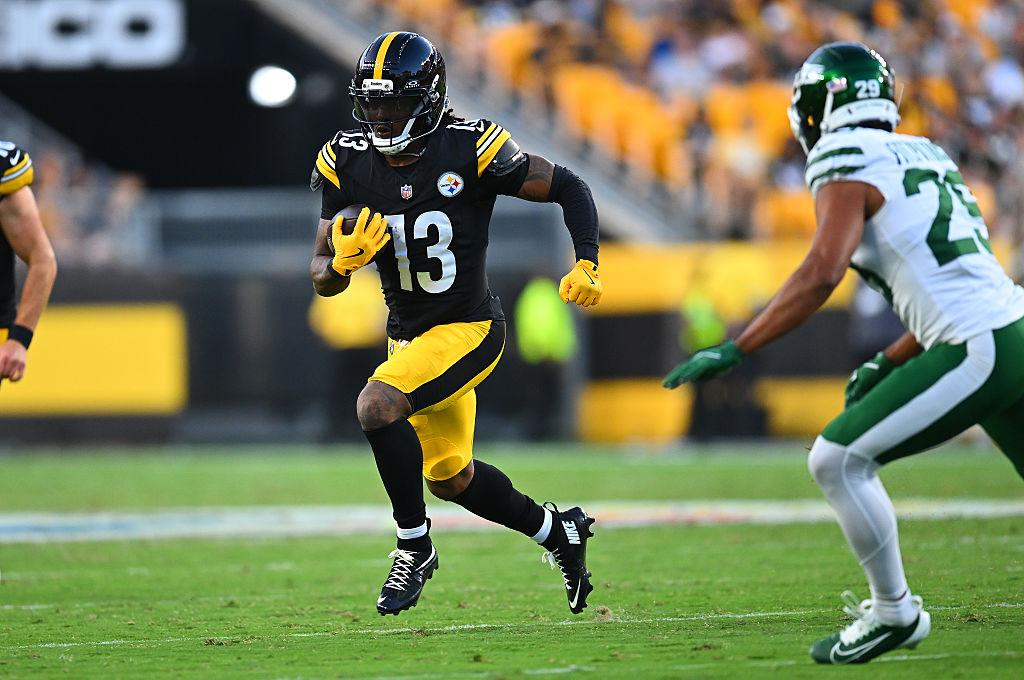
Rico Dowdle carries the ball in front of Minkah Fitzpatrick during a preseason game
The Jets traded away Sauce Gardner and Quinnen Williams and then acquired an almost entirely new veteran defense. Minkah Fitzpatrick, Demario Davis, David Onyemata, Joseph Ossai, Kingsley Enagbare, and Dane Belton all arrived in free agency or via trades. New York also exchanged Jermaine Johnson II for 366-pound defensive tackle T’Vondre Sweat. In bringing in all these established defenders, the Jets aren’t really acting like a team that’s in the midst of a rebuild, which makes this season peculiar. Jets head coach Aaron Glenn’s defense didn’t intercept a single pass last season and tackled poorly for most of his first year. There’s certainly some positive turnover regression coming for them, but the tackling has to take a major step forward.
The new unit should be much better against the run. Sweat provides the mass the front lacked, and Onyemata can penetrate beside him. Fitzpatrick is capable of disguising coverages and punishing late throws. The question is whether the Jets can affect opposing quarterbacks. Ossai and Enagbare are useful rotational rushers, but neither has proved to be a true standout difference maker.
The Jets got deeper and should avoid last season’s complete defensive collapse. But this committee of veterans isn’t the most exciting in terms of upside.
22
Cincinnati Bengals
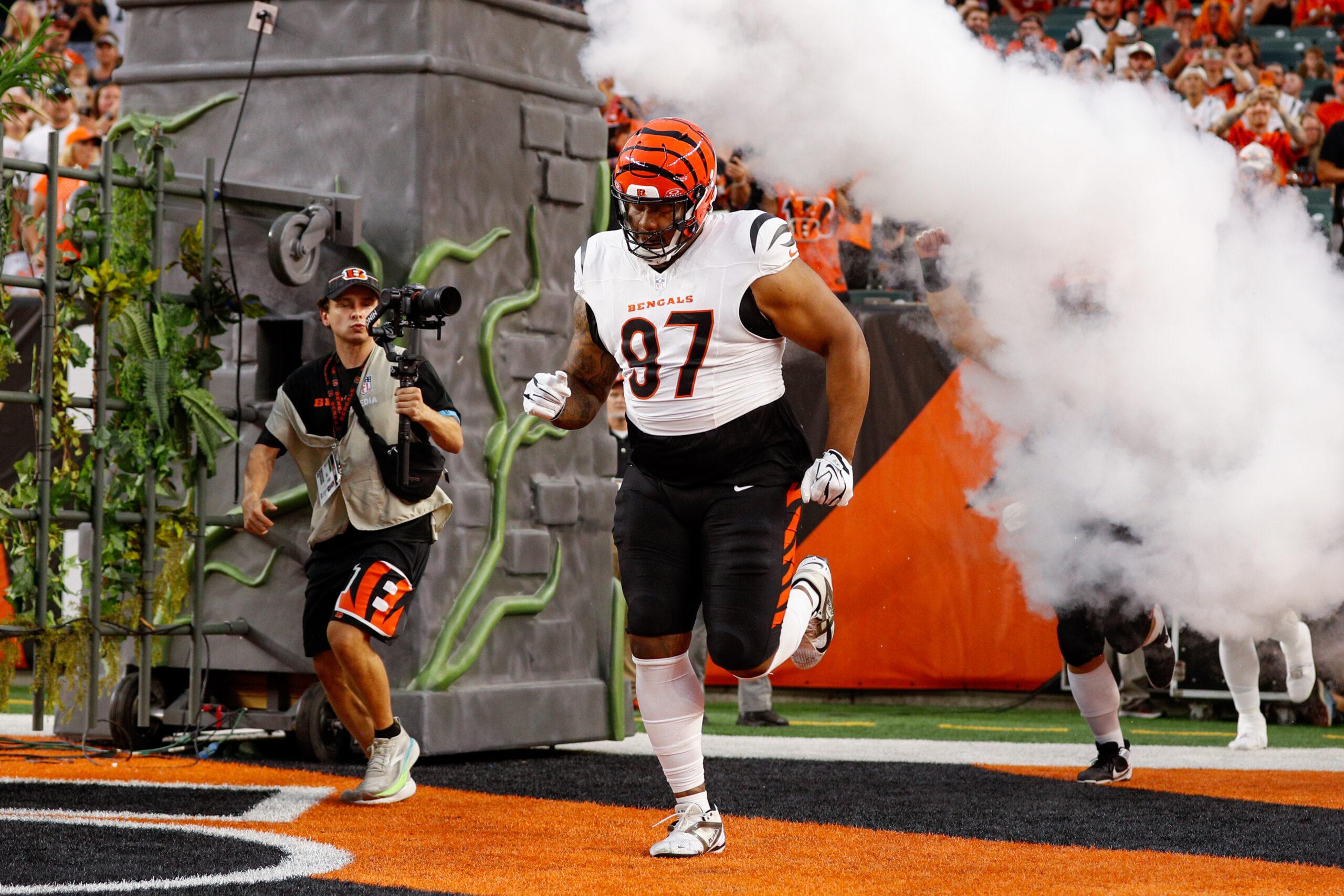
Dexter Lawrence II runs onto the field before the game between the Detroit Lions and the Cincinnati Bengals
The bad news: Cincinnati allowed 36 passing touchdowns and generated only 36 sacks last season, and then it lost star edge Trey Hendrickson to Baltimore. The good news: Hendrickson barely played last season, and the Bengals’ response—trading for Dexter Lawrence—gives them the elite anchor they haven’t had in years. After watching one of the worst defenses of all time for a good portion of the 2025 season, Bengals fans can enter the 2026 season with some legitimate excitement about their defense.
Lawrence should transform the run defense and the pass rush. Guards and centers must account for him on every snap, which should create cleaner opportunities for defensive ends Myles Murphy, Shemar Stewart, and Boye Mafe, a new addition. This defense has more upside than no. 22 suggests, but the burden of proof remains on Cincinnati in year two under defensive coordinator Al Golden. There was defensive improvement in the stretch run last season, but their strength of schedule was pretty weak. The Bengals absolutely need Lawrence to stay healthy, Mafe to finish more plays on the edge, and their young defensive backs to hit.
21
New York Giants
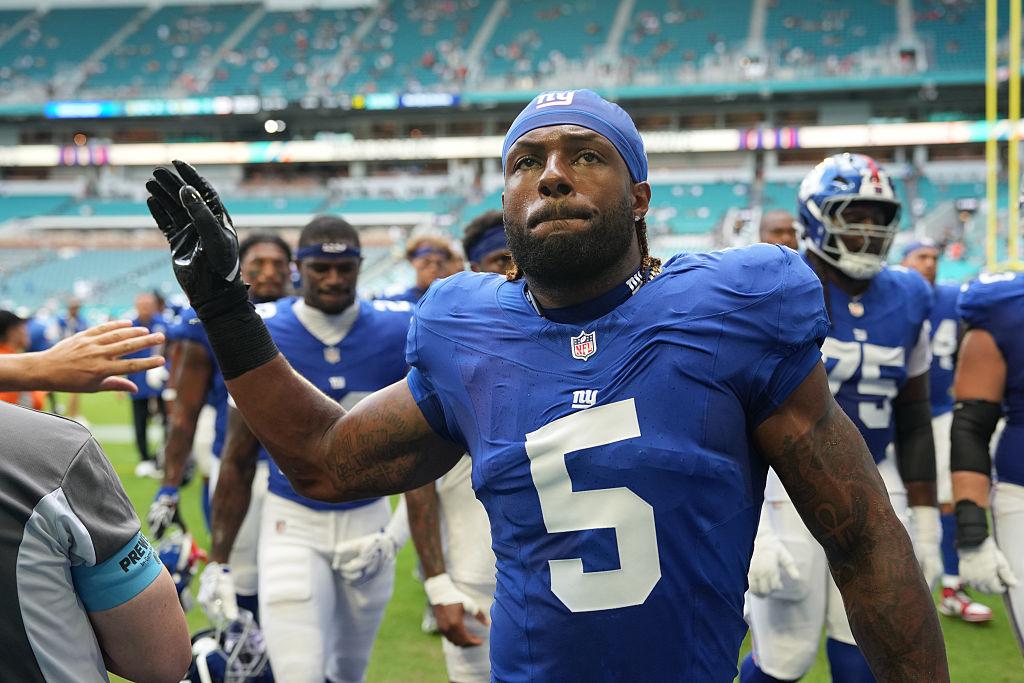
Kayvon Thibodeaux before a preseason game between the New York Giants and the Miami Dolphins
The Giants finished 32nd against the run last season, then traded star defensive tackle Dexter Lawrence to Cincinnati. That is an extraordinary starting point for a defensive rebuild. New York replaced Lawrence with D.J. Reader, who remains a legitimate space eater but offers little of Lawrence’s pass rush upside.
New coordinator Dennard Wilson should at least have a more functional front. Brian Burns and Kayvon Thibodeaux can rush from the edges without being asked to solve the run defense themselves, and first-round pick Arvell Reese gives the second level the size and speed it lacked last year.
But this is not merely the same defense with a few new pieces. Lawrence allowed New York to survive with light boxes, commanded double-teams, and created favorable rushes for Burns and Thibodeaux. The Giants’ defensive improvement will therefore depend on whether they can fix the league’s second-worst run defense and replace their best run defender. Good luck!
20
Green Bay Packers
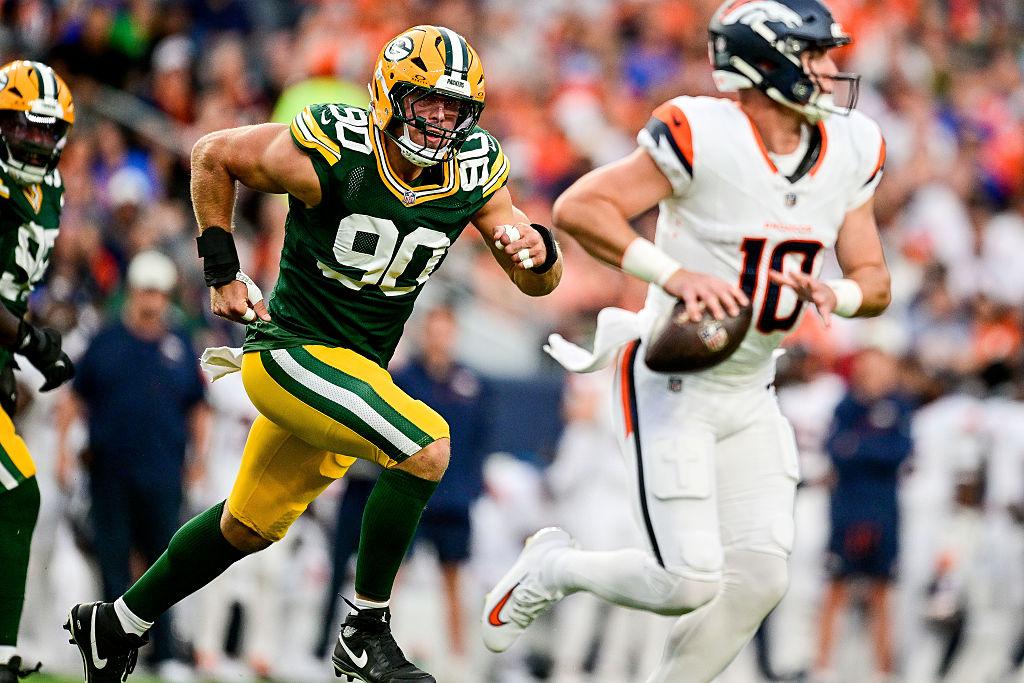
Lukas Van Ness chases down Broncos quarterback Bo Nix during a preseason game between the Green Bay Packers and the Denver Broncos
Green Bay ranked ninth in pressure rate last season but 20th in sacks. That gap matters because the player who’s most likely to turn all of those near misses into drive-ending plays—Micah Parsons—tore his ACL in Week 15 and is expected to miss at least the opening month in 2026. The Packers now have to survive without Parsons after also trading edge rusher Rashan Gary and losing linebacker Kingsley Enagbare in free agency.
That leaves Lukas Van Ness as the early-season hinge player. Van Ness showed signs of improvement last season but appeared in only nine games and didn’t progress beyond being a rotational rusher. If he cannot become a functional no. 1 edge in September and October, Green Bay will have to manufacture pressure or ask its defensive backs to cover for far longer than they did last year.
Green Bay’s defensive performance depends on when Parsons returns and what version of him the Packers get. With a healthy Parsons, this could easily be a top-10 defense. The secondary still has a star in Xavier McKinney, while Zaire Franklin will slot in for Quay Walker as the starting middle linebacker. But this ranking is less a reflection of the defense's talent than an acknowledgment that Green Bay may play half the season without the player its defense was built around.
19
New Orleans Saints
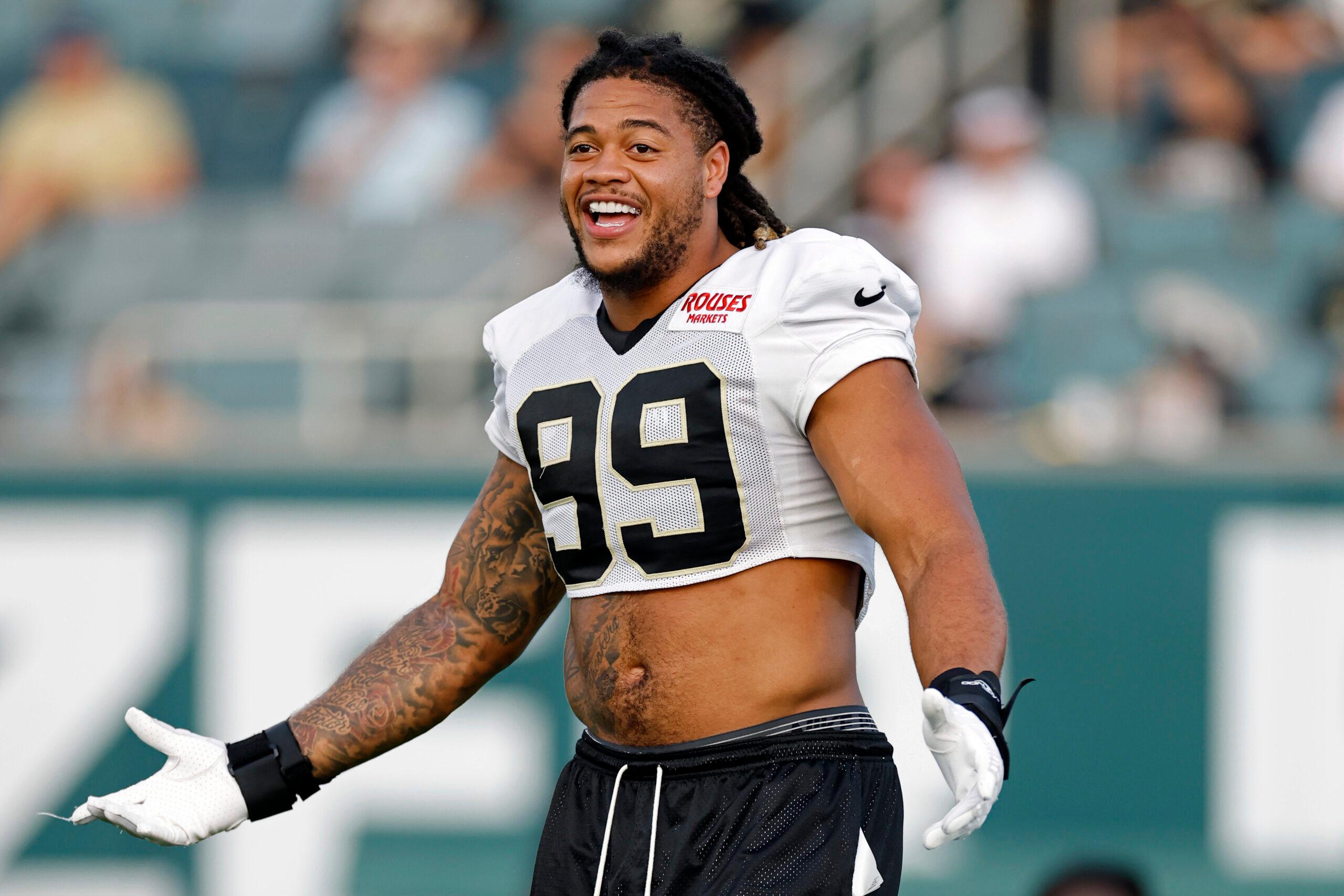
Chase Young participates in drills during practice
The Saints have spent years trying to defy the aging curve on defense, and the bill is threatening to come due. New Orleans still has enough talent and schematic competence to avoid complete collapse, but this unit no longer possesses the front-four dominance that once made former head coach Dennis Allen’s defenses so reliable.
The pass rush is the central question. Cameron Jordan can still play useful snaps, but he is no longer the kind of player who can prop up an entire pressure plan. Edge rusher Chase Young is coming off a 10-sack career year, but his spotty track record makes him the biggest swing factor for this defense.
Still, there are things to like. The linebackers diagnose the run well, the defense generally tackles effectively, and the Saints have retained enough veterans to prevent weekly communication issues. Defensive coordinator Brandon Staley has done a solid job of preventing explosive plays. But competence is not the same as upside. New Orleans did little in the offseason to resolve its largest defensive questions. The Saints can remain around league average by limiting explosive plays and winning in the red zone, but the roster is treading water and has few plausible paths to a major leap.
18
Detroit Lions
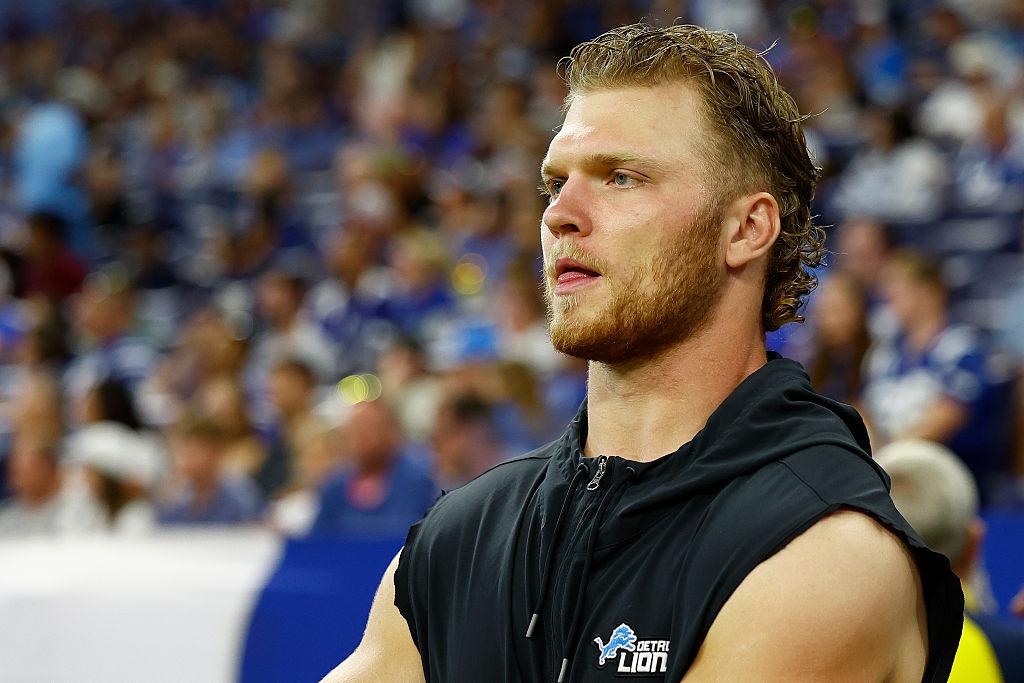
Aidan Hutchinson watches a preseason game between the Detroit Lions and the Indianapolis Colts
The Lions finished 16th in pressure rate last year despite having one of the best rushers in the league. They were overly dependent on their star edge rusher, Aidan Hutchinson, to generate pressure, and when opponents slid extra protection toward him, there were too few secondary rushers who were capable of taking advantage. On top of that, injuries absolutely crushed the Lions secondary last year, and those concerns are back in 2026. Secondary mainstays Brian Branch and Kerby Joseph were already placed on the PUP list and will miss at least the first month of the season.
Secondary struggles and the lack of a consistent pass rush could create major challenges for Detroit once again. Its man-heavy approach under second-year defensive coordinator Kelvin Sheppard asks a lot of the outside corners, and the defense surrendered too many explosive passes when the rush failed to arrive. Against better protection units, their lack of pass rush depth becomes obvious, too. There is enough top-end talent for a top-12 finish if the secondary holds up until Branch returns, but no defense ranked in this range is more dependent on one player.
17
Los Angeles Chargers
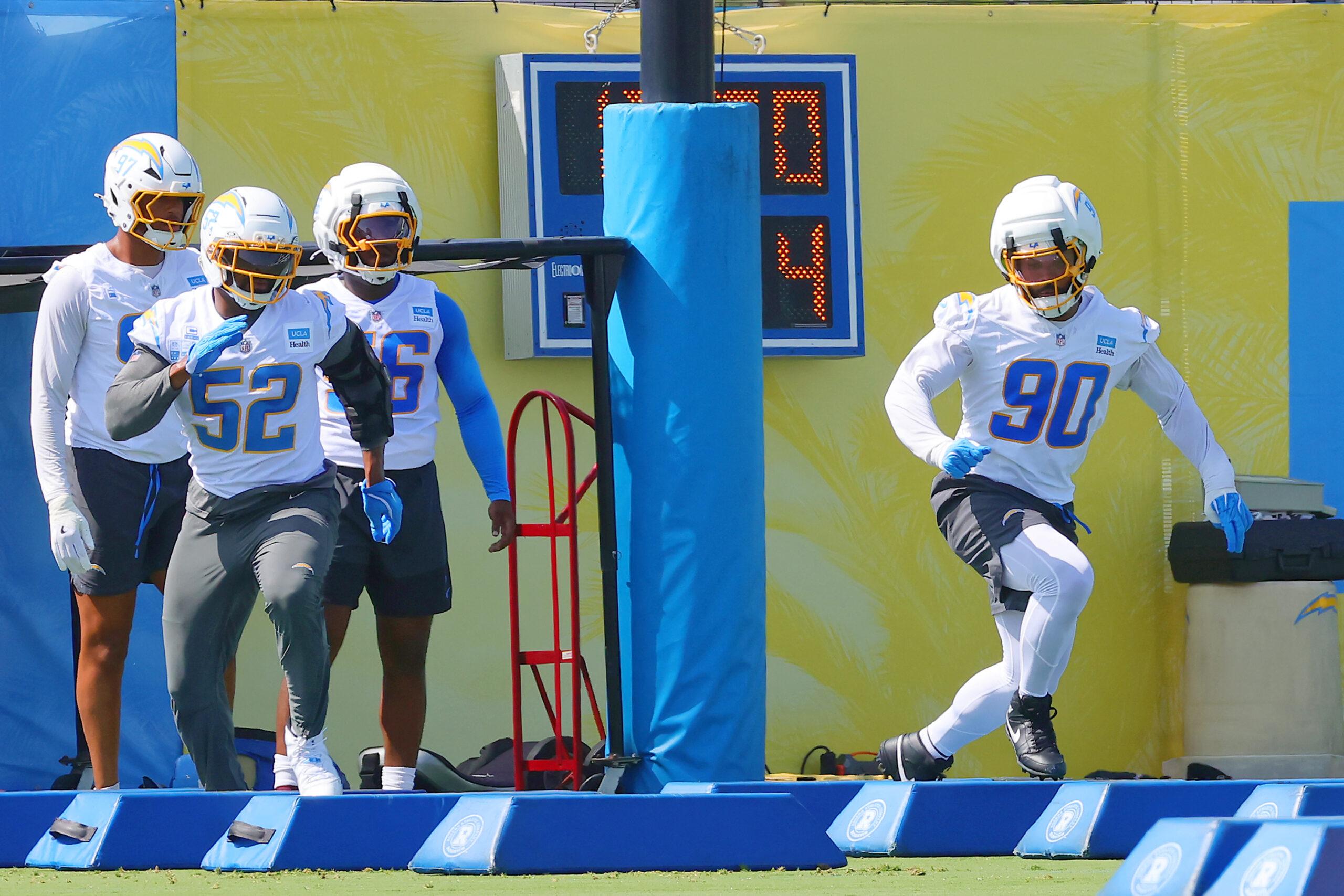
Khalil Mack and Ahkeem Mesidor run a pad drill together during training camp
Chris O’Leary was a logical choice to replace departing defensive coordinator Jesse Minter. O’Leary was the Chargers’ safeties coach in 2024 and then spent last season coordinating a Western Michigan unit that finished ninth nationally in scoring defense. As he prepares for his first season as Chargers DC, he has emphasized continuity and improvement rather than installing an entirely new system. His familiarity with both Minter’s defense and the existing staff should make the transition relatively smooth, but O’Leary has only one season of experience as a coordinator at any level.
L.A.’s personnel will also limit O’Leary’s margin for error. Khalil Mack can still contribute in a reduced role, but he cannot carry the entire pressure plan at this stage of his career. Derwin James remains uniquely valuable around the line of scrimmage, but the Chargers still lack a singular game wrecker up front and proven coverage talent outside. Minter consistently elevated this defense beyond the sum of its parts, and now it’s up to O’Leary to preserve those schematic advantages.


More in the NFL
16
Indianapolis Colts
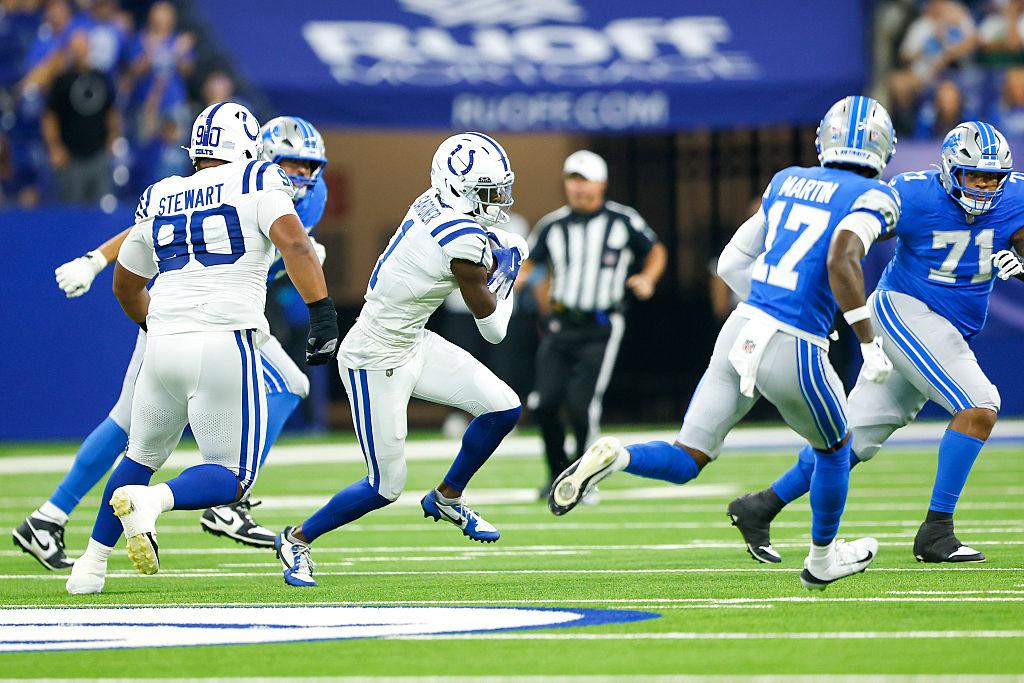
Sauce Gardner runs up the field after making an interception during a preseason game between the Detroit Lions and the Indianapolis Colts
The Colts made the defining move of their 2025 season when they traded two first-round picks and Adonai Mitchell for Sauce Gardner, who immediately gave them the true no. 1 corner they’d lacked. Then he played only four games for the Colts due to a calf injury. Gardner's absence was coupled with Charvarius Ward’s concussion issues, depriving coordinator Lou Anarumo of his first-choice defense last season.
Heading into 2026, Ward, Gardner, and safety Camryn Bynum should give the Colts one of the best secondaries in the entire league. Grover Stewart and DeForest Buckner remain a disruptive interior presence, although their age and recent injuries may not allow them to sustain their peak play for a full season.
The Colts have a solid defensive floor under Anarumo, but their ceiling will depend on whether young pass rusher Laiatu Latu can make a leap and how quickly their young linebackers can catch up to NFL speed. The Colts’ first three picks in the 2026 draft are all slated to start: CJ Allen and Bryce Boettcher at linebacker and A.J. Haulcy at safety.
There’s been plenty of camp buzz about new nickel corner Justin Walley, too. But as is the case for the Chiefs, there are a lot of young pieces to integrate into this offense. And unlike the Chiefs, the Colts don’t have a top-end rusher to make regular game-changing plays.
15
Kansas City Chiefs
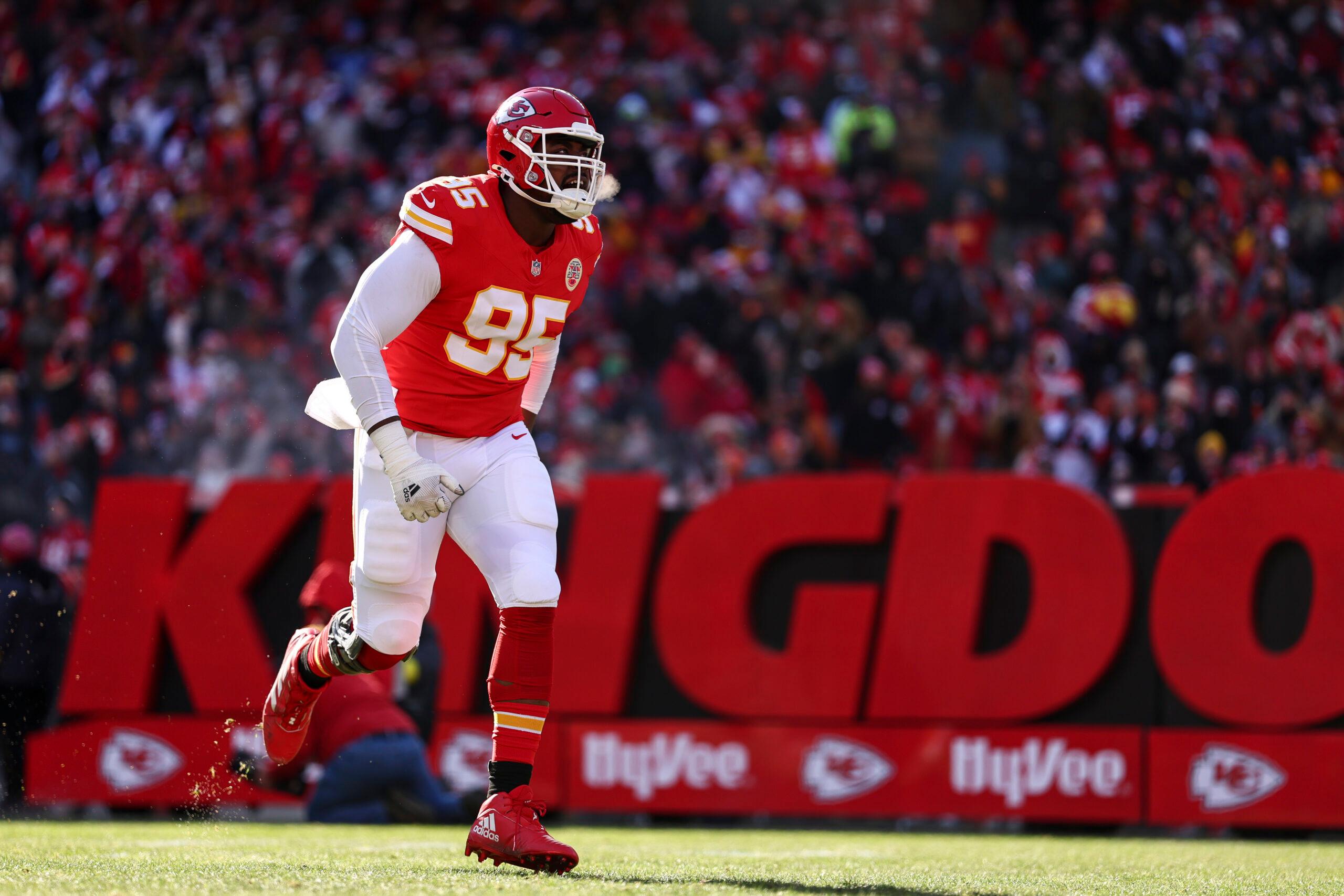
Chris Jones runs onto the field before a game against the Los Angeles Chargers
Defensive coordinator Steve Spagnuolo has earned the benefit of the doubt, but this is the thinnest Chiefs defense in several years. Kansas City lost both Trent McDuffie and Jaylen Watson to the Rams, stripping away the cornerback duo that enabled Spagnuolo to be so aggressive with his pressure packages. The Chiefs have repeatedly developed defensive backs faster than expected, but replacing two key coverage cogs at once will be difficult even for them. The Chiefs traded up for LSU corner Mansoor Delane in Round 1 of the draft, and the defense will need him to be excellent right away to function effectively. Will it take time for such a young roster to learn Kansas City’s scheme?
Last year raised another red flag for the Chiefs, who were no longer elite when blitzing—a core element of a Spagnuolo defense. Here are Kansas City’s rankings in EPA per dropback allowed when blitzing over the past three seasons:
2023: Second
2024: Seventh
2025: 13th
None of this should produce a bad defense, though. Chris Jones can still disrupt an offensive line from multiple alignments; he remains the rare interior defender who’s capable of closing a game by himself. Spagnuolo will still always create free rushers through his disguises. But the secondary losses remove what had turned a good scheme into a great one. Kansas City also has the youngest defense in the league. That might mean it’s a transition year for this defense, or maybe it can peak around November or December as the Chiefs try to gear up for a return to the playoffs.
14
Jacksonville Jaguars
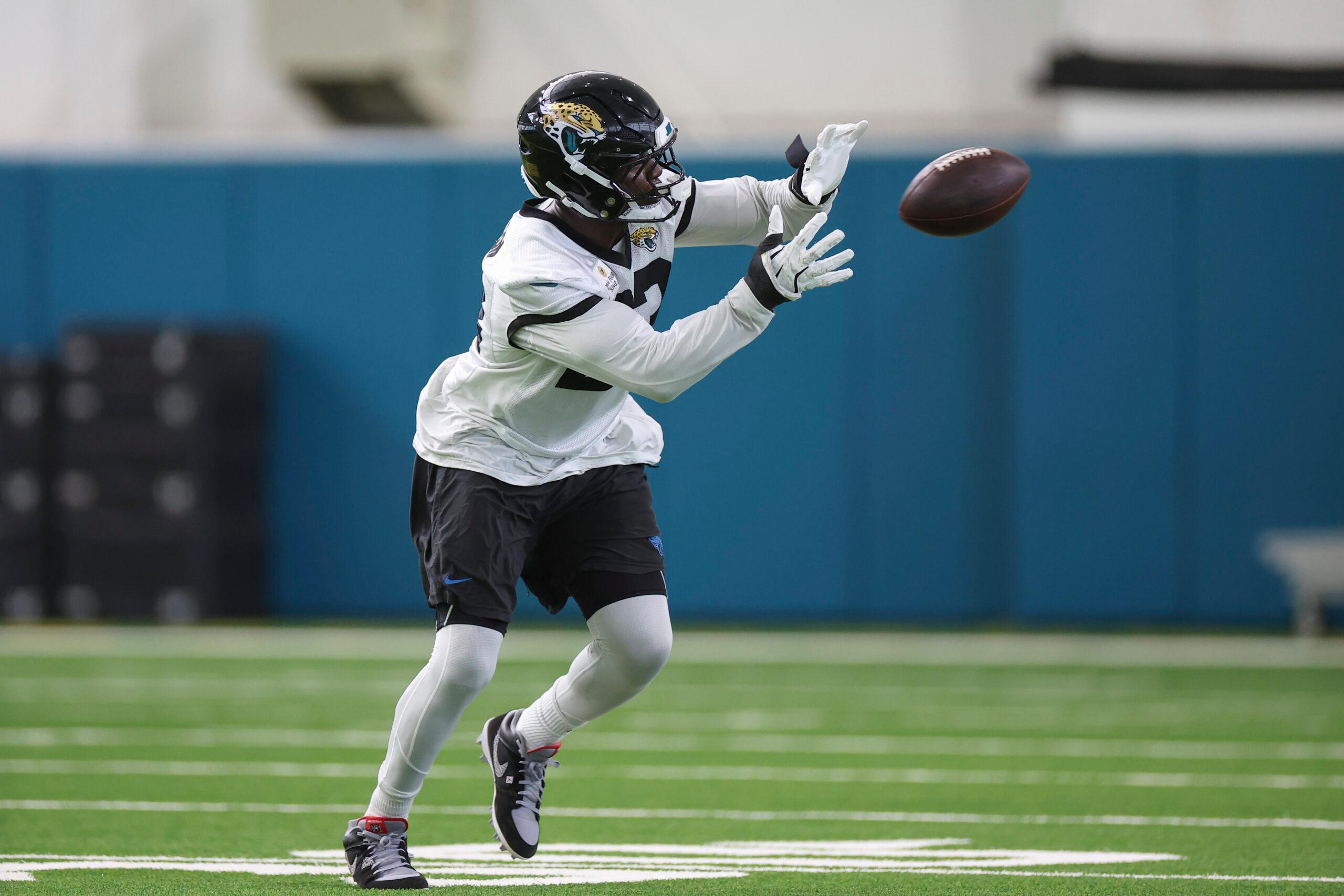
Foyesade Oluokun works on a drill during training camp
Jacksonville quietly finished fifth in defensive EPA last season, making its placement here one of the most aggressive predictions for regression in the league. The Jaguars generated takeaways at an unsustainable rate and repeatedly turned opponents’ mistakes into short fields for the offense. That was massive for the 2025 Jaguars, but unfortunately, depending on turnovers is one of the least reliable ways to carry elite defensive performance from one season to the next. If you remove turnovers from last year’s sample, Jacksonville slides down to 11th in EPA.
Jacksonville also finished 19th in pressure rate. So even though the schematic change under defensive coordinator Anthony Campanile led to a much-improved secondary and fewer explosive plays allowed, the Jaguars’ ceiling was limited by their average pass rush. The pass coverage was less convincing on a down-to-down basis than the final efficiency ranking indicates, too. Maybe the addition of a healthy Travis Hunter will change the calculus for the defense, but the secondary can definitely still be stressed by offenses that are capable of protecting the ball and attacking patiently.
13
Buffalo Bills
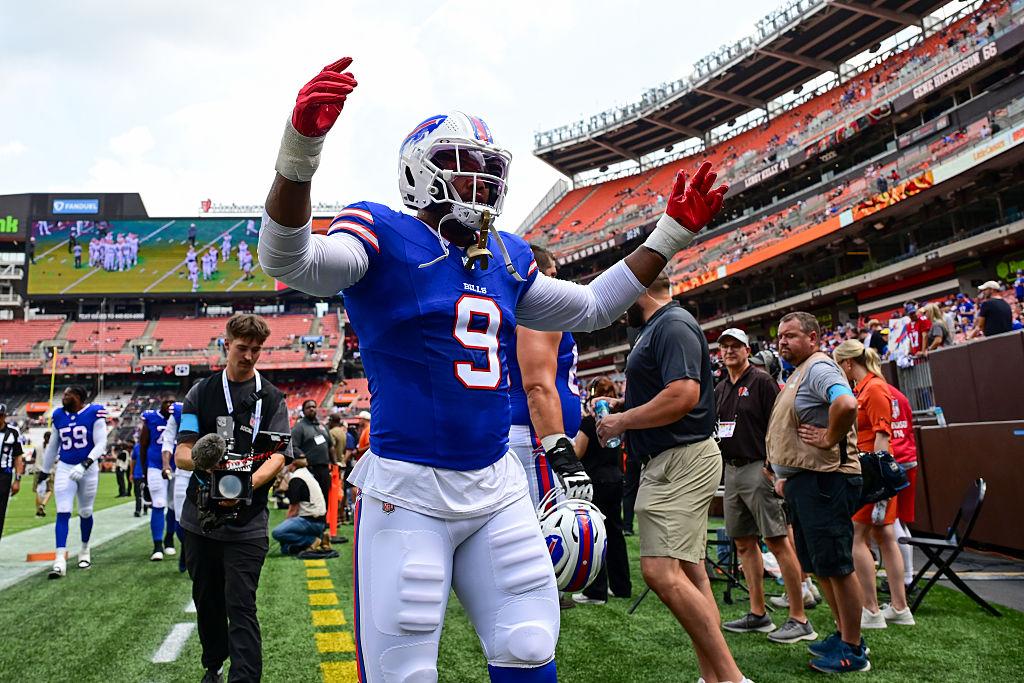
Bradley Chubb before a preseason game against the Cleveland Browns
For the past several years, Buffalo’s defense has looked excellent against limited offenses throughout the season and alarmingly vulnerable in January. This offseason, the Bills finally made a meaningful attempt to change that equation. They fired head coach Sean McDermott and installed Jim Leonhard as defensive coordinator. Leonhard was integral to Denver’s passing defense and should help Buffalo become less predictable after the snap. It also added Bradley Chubb to the pass rush, which had too often depended on the scheme or the aging Von Miller to create its biggest moments.
The concern is still at the middle of the field. The Bills had among the worst run defenses in the league last year, and they tackled poorly. This defensive roster was built around McDermott’s zone-heavy scheme, but Leonhard comes in with a very different philosophy and will likely try to dial up the pressure. That will present a real test for Christian Benford at corner in particular. This no. 13 ranking reflects both faith in Leonhard and skepticism that his personnel will be able to truly catch up to his scheme.
12
New England Patriots
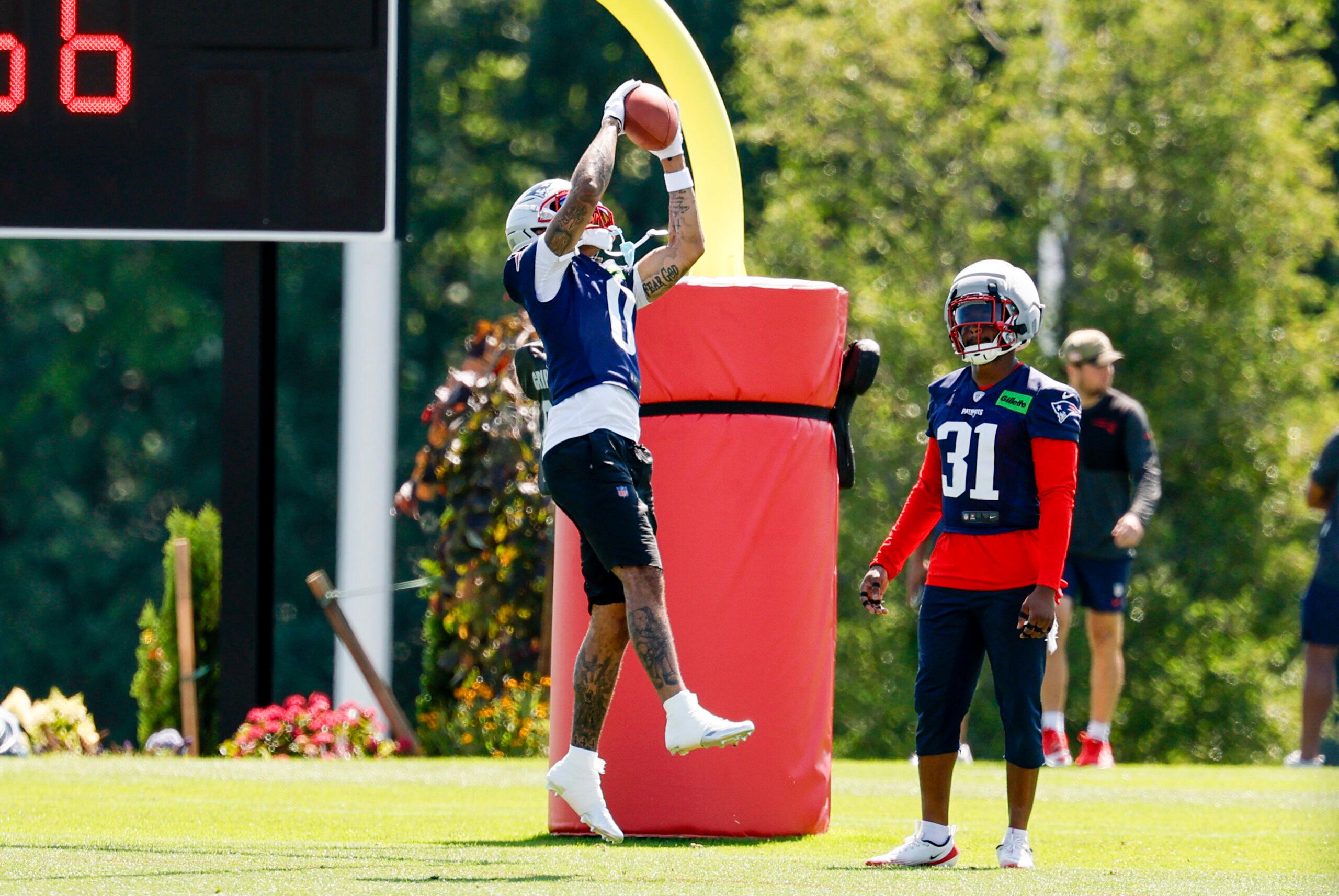
Christian Gonzalez grabs a pass during training camp
New England’s defense was good enough to carry the Patriots to the Super Bowl last season, but its underlying profile was not quite as dominant as that achievement might imply. Mike Vrabel built a disciplined unit that tackled well, avoided catastrophic mistakes, and consistently forced opponents to execute long drives. With cornerback Christian Gonzalez erasing one side of the field, the Patriots could tilt coverages elsewhere and protect the weaker parts of the secondary. Their linebackers were rarely out of position, and the defense’s overall physicality increased as the season progressed. New England finished the season just 23rd in DVOA, but defensive coordinator Zak Kuhr grew into the role and the Pats peaked at the end of the season and into the playoffs.
In 2026, the Pats defense should remain structurally sound. Gonzalez is already one of the best at his position, Milton Williams provides disruptive interior pressure, and Vrabel has a long track record of getting coherent play from his front seven. The whole should exceed the sum of the individual pass rush pieces. Concerns about this defense come from natural regression and the much tougher schedule it’s facing. New England benefited from favorable game scripts and bad opposing quarterbacks during last season’s run, a situation that is unlikely to be repeated. The Patriots also lack the kind of overwhelming edge rusher that most of the defenses ranked ahead of them can boast. If the offense is forced into more shoot-outs, the defense will have to create pressure in obvious passing situations rather than merely stay on schedule. Vrabel, Williams, and Gonzalez establish a decent floor, but matching last season’s results will require the complementary rushers to outplay their talent level.
11
San Francisco 49ers
Nick Bosa during training
Injuries and the team’s resulting defensive decline were the biggest factors that held San Francisco back in 2025. The 49ers won a road playoff game and nearly won the NFC West, but their complete lack of pass rushing made it nearly impossible to field a consistently competitive defense. No team generated less EPA from sacks on defense last year.
That said—you can basically throw out the numbers from last year when trying to evaluate the 2026 49ers defense. How do you project an aging defense whose most important players are returning from major injuries? Twenty-eight-year-old Nick Bosa will return from a torn ACL, and 29-year-old Fred Warner will return from a gruesome dislocated ankle. The Niners' two second-year defensive linemen, Mykel Williams and Alfred Collins, may ultimately determine the team's ceiling, but Williams injured his knee during his rookie year and Collins is coming back from shoulder surgery.
The task of making it all work falls to Raheem Morris, who is replacing Robert Saleh as defensive coordinator. If those returning players hit the ground running, San Francisco has the talent to engineer a defensive revival. But that’s a dangerous game, considering how quickly the cliff can arrive for older, aggressive defenders in a physically demanding game.
10
Cleveland Browns
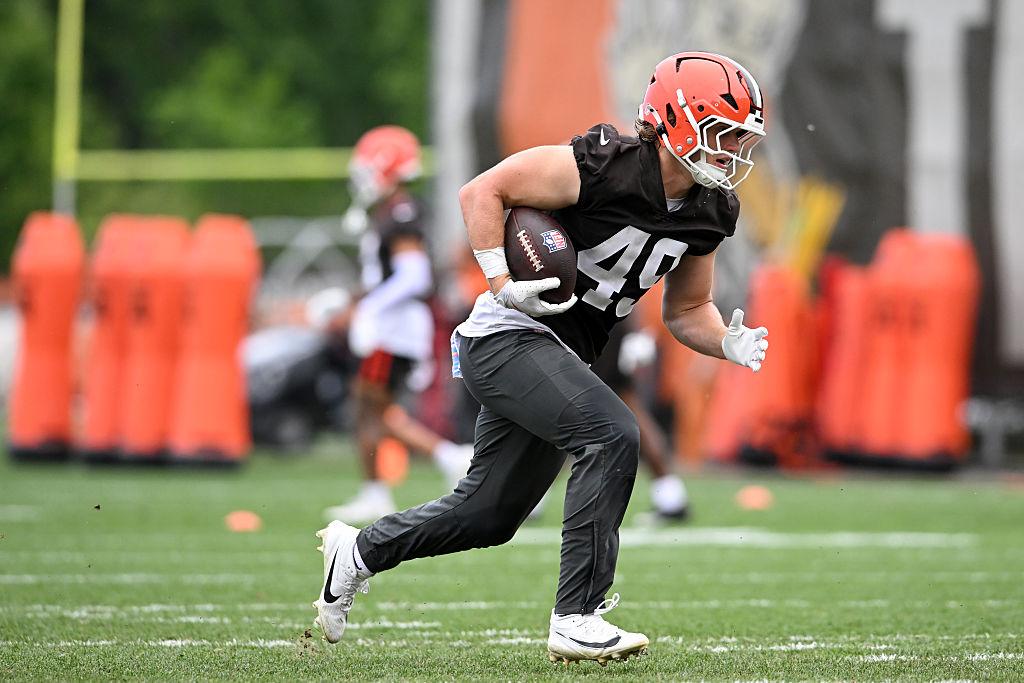
Carson Schwesinger runs a drill during offseason workouts
No player departure will change the identity of a defense more than Myles Garrett leaving Cleveland for Los Angeles. As referenced in the Rams section, Garrett is a significant force multiplier, and the Browns defense was a lot worse with him off the field these past six seasons. That captures the impossible job Cleveland faces in replacing a defender who created favorable matchups for everyone around him.
The Browns did return Jared Verse in the trade, giving them a younger, high-quality edge rusher as they build for the future. Verse should remain productive away from the Rams’ loaded front. And he will have some help at all three levels of the defense. Mason Graham is in year two on the defensive line after showing impressive growth during his rookie season. Linebacker Carson Schwesinger won Rookie of the Year, and Denzel Ward is still a quality corner.
Paradoxically, the biggest concern for the Browns defense is their own offense. Cleveland’s defense spent too much of 2025 defending short fields and carrying games into the fourth quarter, a workload that will be even harder without Garrett’s instant pressure. There is a big difference between having a good pass rush and having the one player every offensive scheme has to plan to stop. Cleveland can remain a top-10 defense, but expecting it to remain dominant would undersell who walked out the door.
9
Baltimore Ravens
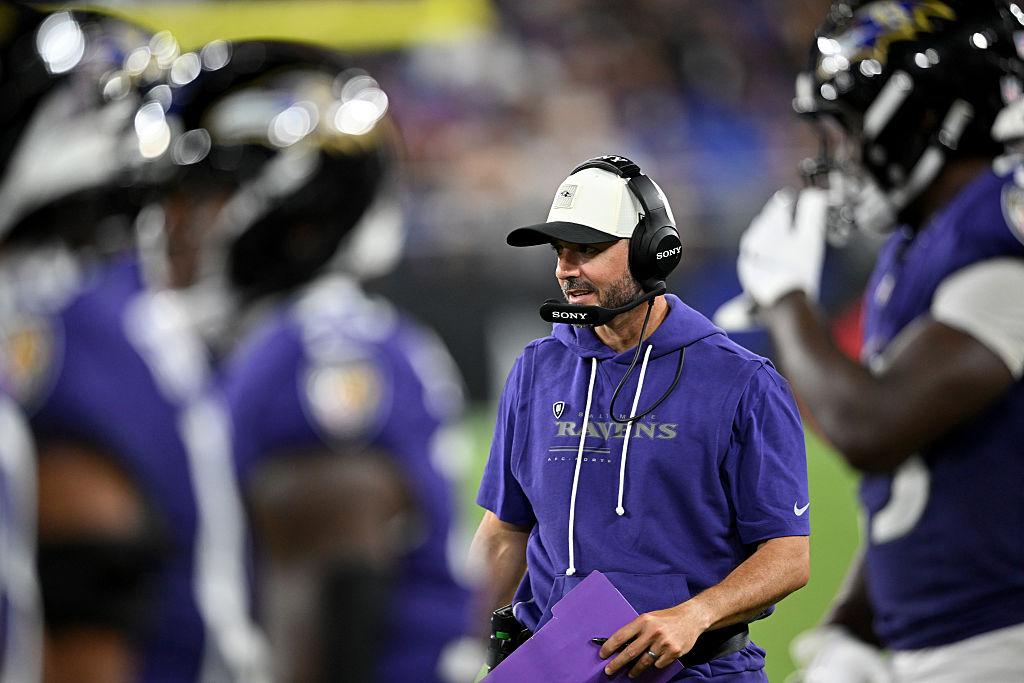
Jesse Minter watches the preseason game against the Washington Commanders
The Ravens finished 25th in EPA generated from sacks last season. They were ravaged by injuries, and they weren’t able to generate consistent pressure at any point in the season. The loss of Nnamdi Madubuike in particular completely torched the interior of the defense; he’s back for 2026, but we’ll need to see whether there are any lingering effects from last year’s season-ending neck injury. The addition of Trey Hendrickson from Cincinnati also gives the Ravens a proven edge rusher who can win without schematic assistance, allowing the rest of the defense to become less desperate on passing downs. Baltimore’s secondary was never as bad as its ugliest stretches suggested. Kyle Hamilton remains the league’s most versatile safety, capable of playing deep, covering the slot, and fitting the run.
But there are still reasons to stop short of ranking the Ravens among the elite. The defense lost depth, the linebacker play was less consistent in 2025, and Hendrickson is being asked to transform a pass rush that barely existed last year. The decline of aging corners Marlon Humphrey and Chidobe Awuzie also looms as a possible Achilles’ heel. All told, this should look much more like a typical Ravens defense, even if it’s not quite the elite one we saw in past years under Mike Macdonald.
8
Tampa Bay Buccaneers
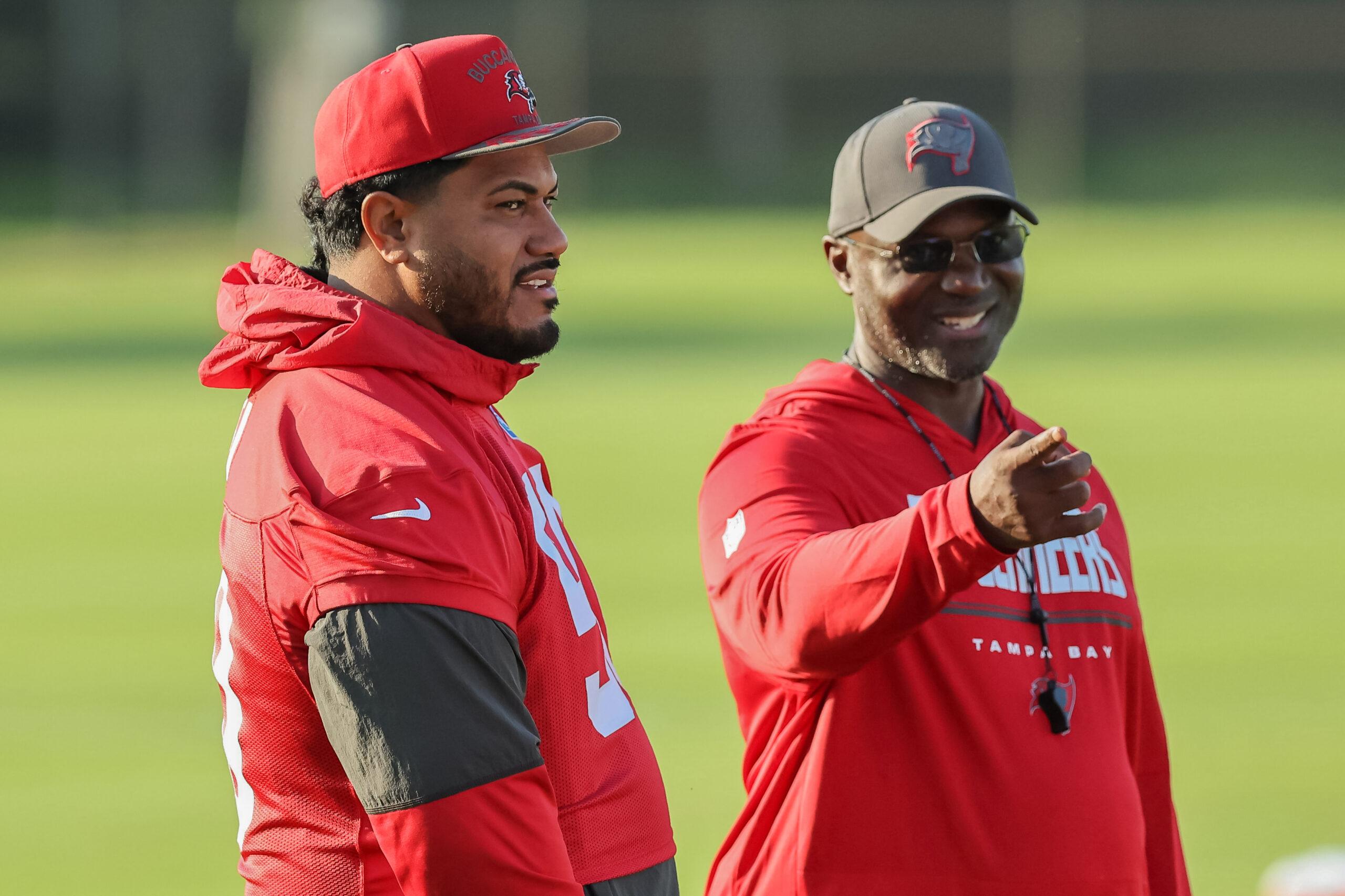
Vita Vea and head coach Todd Bowles during training camp
Offensive injuries may have derailed the Buccaneers last season, but the defense’s falloff was arguably even more responsible for their failure to make the playoffs. The Bucs ranked fifth in EPA per drive through the first nine weeks. They ranked 28th in the same stat over the second half of the season as the sloppy and undisciplined defense bottomed out.
The foundation of the Bucs defense remains in the trenches. Vita Vea is still one of the league’s most valuable run defenders, even though the Buccaneers were atypically average at defending the rush last year. Yaya Diaby ranked 13th among all edge rushers in pass rush win rate, and he’ll play opposite first-round pick Rueben Bain Jr. Bain could be a transformative addition: If he is effective as a pass rusher right away, the Buccaneers will win more one-on-one rushes, which means that head coach Todd Bowles won’t have to send as much extra pressure as he has in the past. Bain is the oddsmakers’ favorite to win Rookie of the Year.
Tampa Bay has enough high-end talent and schematic aggression to overwhelm mediocre quarterbacks, but its secondary depth can still be exposed by offenses that get the ball out quickly. The loss of Jamel Dean to Pittsburgh hurts, but Tampa Bay’s defense is so good up front that it should bounce back to the top-10 range.
7
Minnesota Vikings
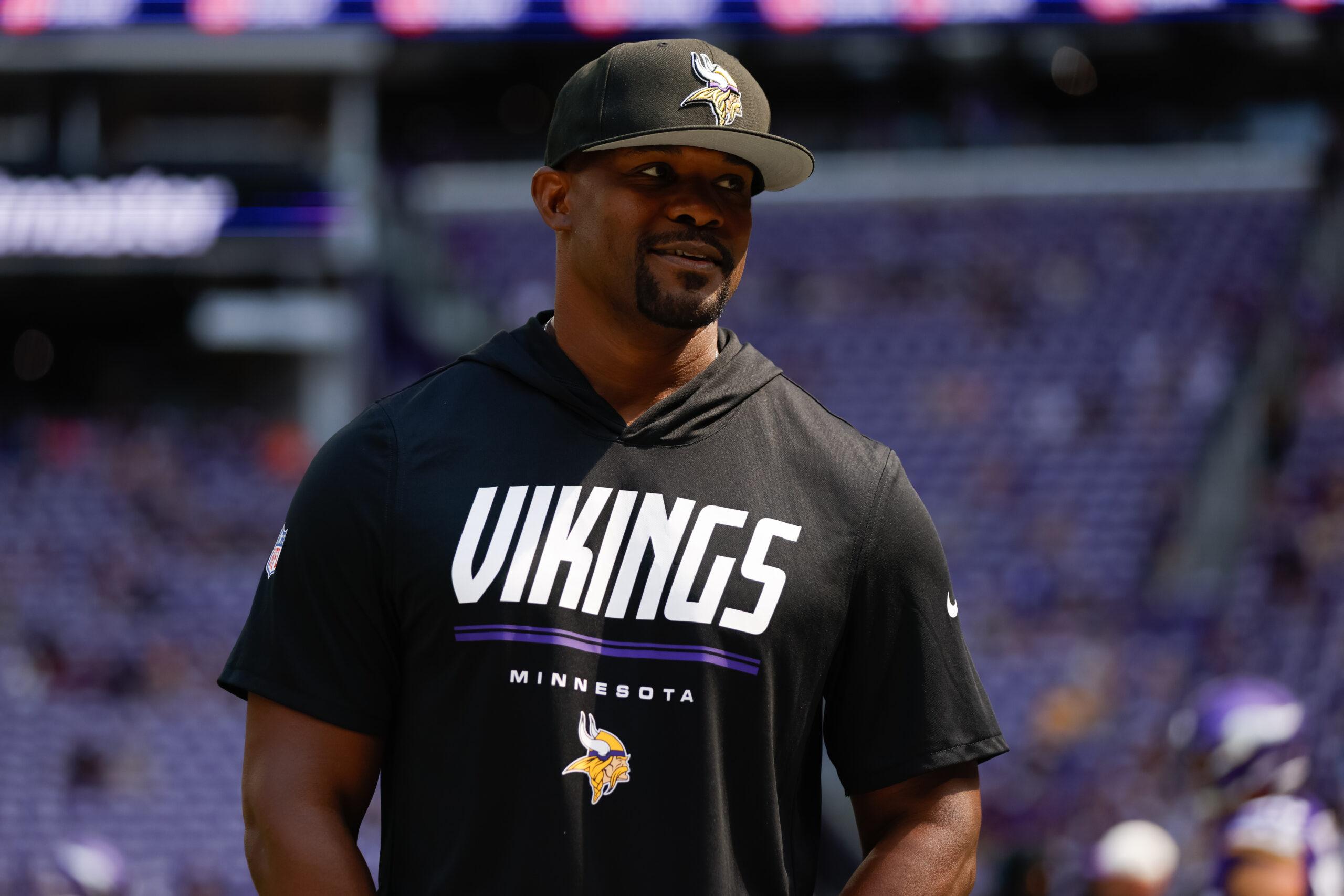
Defensive coordinator Brian Flores before a preseason game between the Baltimore Ravens and Minnesota Vikings
Brian Flores's Vikings were the hardest team to place in this entire exercise. Minnesota finished as a top-five defense in each of the past two seasons, but almost no talent evaluator would view this as an elite group. Can Flores pull off another schematic magic trick? Just how much can a defensive coordinator alone dictate a ranking?
Minnesota’s five-game winning streak in December and January was primarily driven by Flores’s ability to blow up opposing offenses. The Vikings defense exerts constant stress on opponents’ pressure points—they finished first in pressure rate last season, top 10 in havoc forced, and just outside the top 10 in explosive play rate allowed.
The biggest weakness in Minnesota’s defense was against the run. Now that Jonathan Greenard has departed for Philadelphia, they’ll face questions about the quality of their individual pass rushers as well. Dallas Turner is the key X factor in this regard. He showed flashes during his sophomore campaign, but if he makes the leap in year three, then the Vikings should remain an above-average pass rush unit. Few defensive coordinators have earned and demanded as much respect as Flores; I expect the Vikings to take a step back, but it won’t be a big one.
6
Pittsburgh Steelers
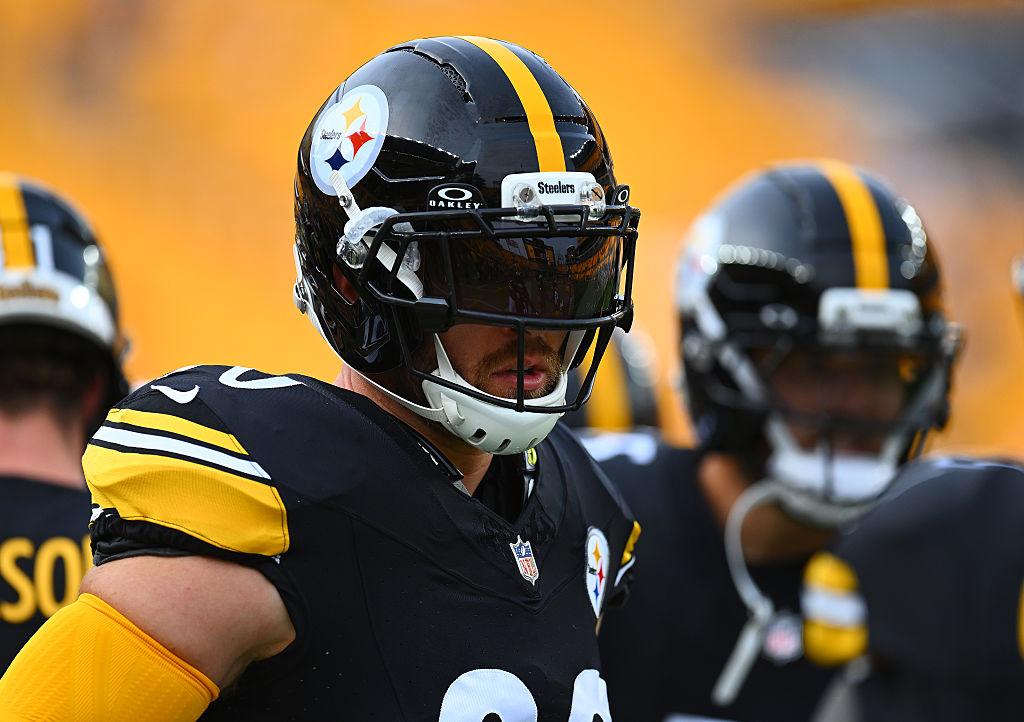
T.J. Watt warms up before a game against the Green Bay Packers
Mike Tomlin spent 19 seasons as Steelers head coach, and only one of those featured a worse defense by EPA allowed per drive than the 2025 version. It was time for a change, and the Steelers made what I believe is the NFL’s biggest year-over-year defensive coordinator upgrade by hiring Patrick Graham away from Las Vegas. This will be Graham’s fourth different coordinator gig, but he’s never inherited anything close to this much talent.
Graham’s defenses in Las Vegas weren’t always especially complex, but much of that was a response to the severe talent limitations he faced there. Those limitations won’t exist in Pittsburgh. Graham already went out of his way to publicly thank Steelers general manager Omar Khan for the reinforcements he brought in during free agency. Pittsburgh already had an underrated defensive front, featuring several capable pass rushers and a declining but still excellent T.J. Watt. Most of last season’s deterioration occurred in the secondary, where Pittsburgh struggled to consistently hold up in coverage. To address that, the Steelers added Jamel Dean and Jaquan Brisker. Jalen Ramsey is aging, but he remains well suited for a free-ranging nickel or rover role that allows him to diagnose plays and attack the ball and doesn't force him to survive on the outside every snap.
Preventing explosive plays has always been a Graham staple. If this rebuilt secondary can eliminate the breakdowns that plagued Pittsburgh last season, the Steelers’ pass rush depth should handle the rest. The talent was never as depleted as last year’s results suggested, and Graham should elevate this defense back toward elite status.
5
Denver Broncos
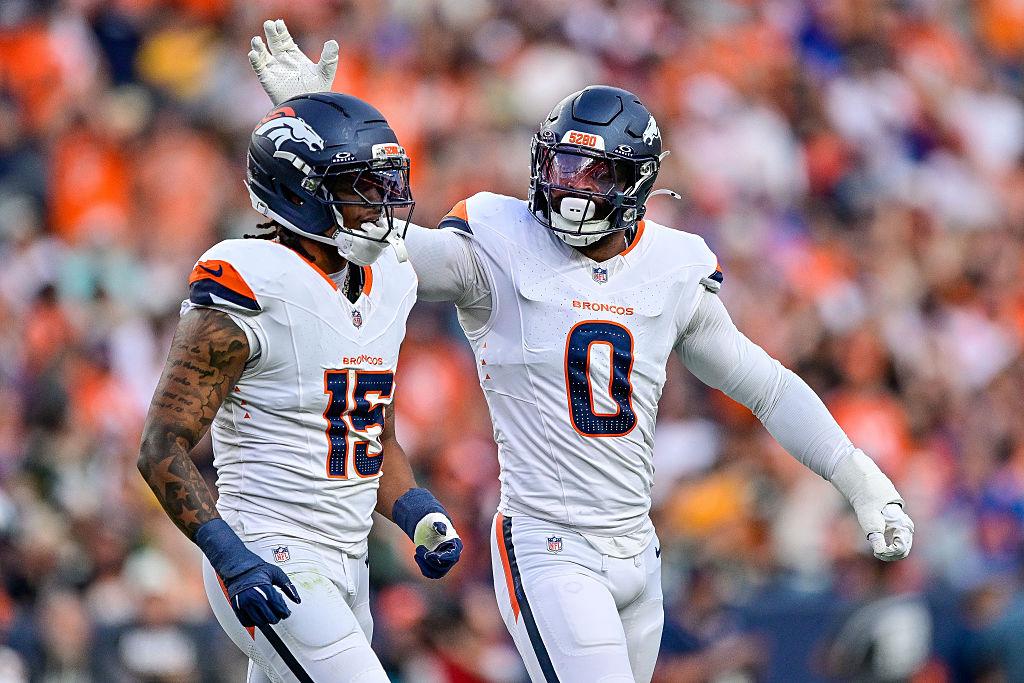
Broncos linebackers Jonathon Cooper and Nik Bonitto celebrate after a defensive play
The Broncos defense had more peaks and valleys last year than their overall season-long numbers would suggest. Their performance showed real cracks after the Week 12 bye, and they lost two important pieces in the offseason. Highly regarded passing game coordinator Jim Leonhard left to become Buffalo’s defensive coordinator, and then defensive lineman John Franklin-Myers signed with Tennessee.
Franklin-Myers produced a career-high 7.5 sacks last season and, alongside Nik Bonitto, helped Denver bully the weakest offenses it faced. The Broncos suffocated teams quarterbacked by Geno Smith, Justin Fields, Jake Browning, Cam Ward, Trey Lance, and Davis Mills. Against legitimate offenses, however, Denver’s defense looked considerably less dominant. The Colts, Jaguars, Bills, and Packers all scored at least 26 points against them. That distinction is particularly significant because Denver is scheduled to face a much tougher collection of quarterbacks this season. Maybe this could be seen as nitpicking given how much talent Denver has retained, but running up insanely dominant defensive performances against nonstarter or barely starter quarterbacks won’t get the Broncos as far in 2026. Even without Franklin-Myers, the Broncos should still generate plenty of sacks and dominate overmatched opponents, but their week-to-week floor will be lower.
4
Philadelphia Eagles
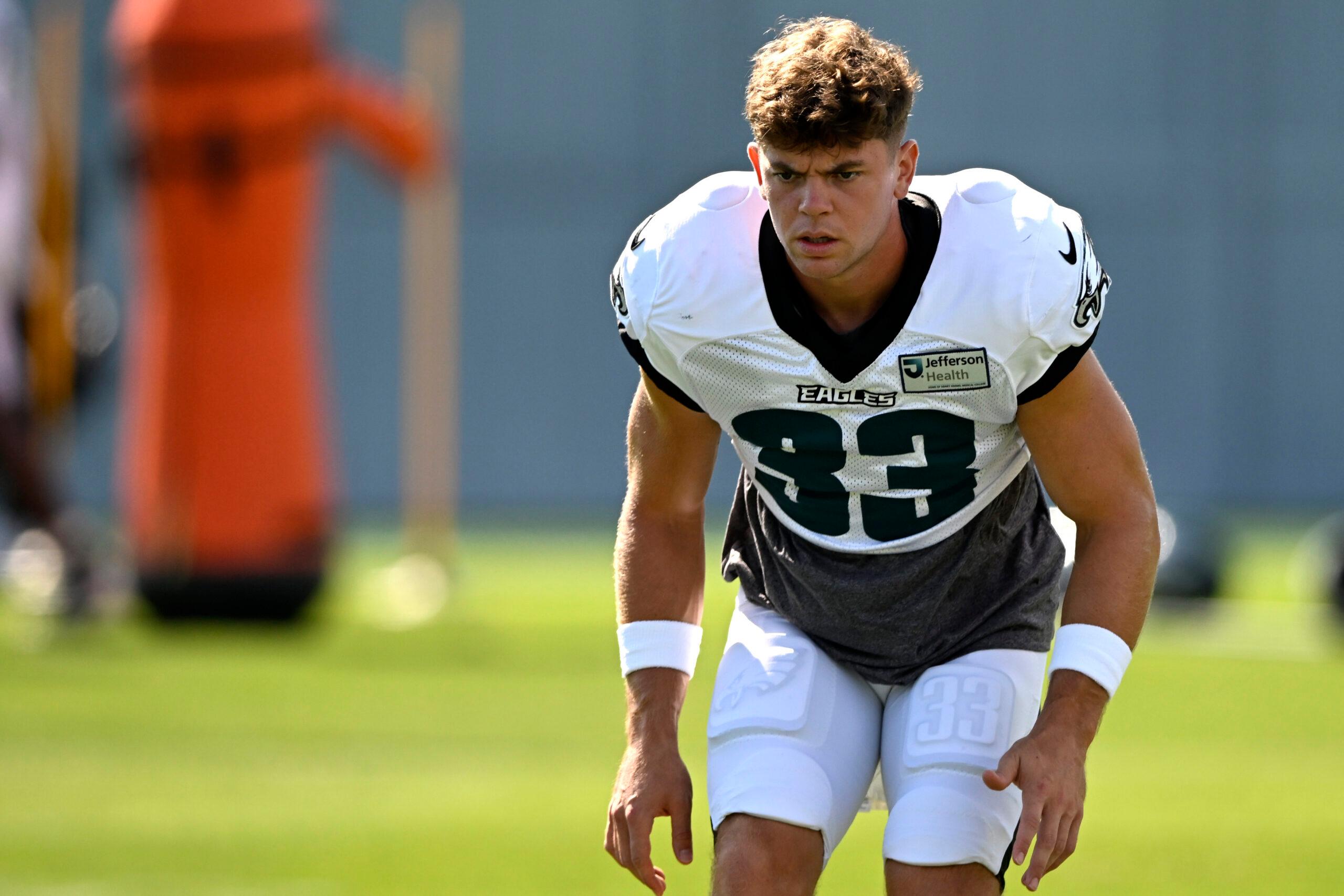
Cooper DeJean warms up during a joint practice with the New England Patriots
Philadelphia actually improved its pressure rate last year, but holes emerged in the secondary and opposing quarterbacks picked at them. In particular, the outside corner spot opposite All-Pro Quinyon Mitchell was a revolving door of mediocrity, and the Eagles are hoping that enigmatic Riq Woolen—whom they acquired in free agency—can plug that leak this season. It’s never a great sign when a defensive coach as highly regarded as Macdonald is in Seattle finds no need for a player in his defense, but Woolen is clearly more talented than the Eagles’ options last year.
Philadelphia also added linebacker Jonathan Greenard to give them a stronger outside pass rush. Camp hype is peaking for a potential breakout season from Jalyx Hunt as a difference-making edge rusher. The Eagles also have a ton of excellent space defenders over the middle and an All-Pro nickel in Cooper DeJean, and they’re optimistic about Jalen Carter, who flashed dominant interior line play in 2025 but was inconsistent and battled injury.
Carter, DeJean, and Mitchell are the centerpieces of what should be a consistently great defense, especially as long as Vic Fangio is the coordinator, but there are enough questions about the quality of the safeties to keep them from cracking the top three. Given how much depth the Eagles have in the front seven, this defense may be best able to handle injury issues should they arise.
3
Los Angeles Rams
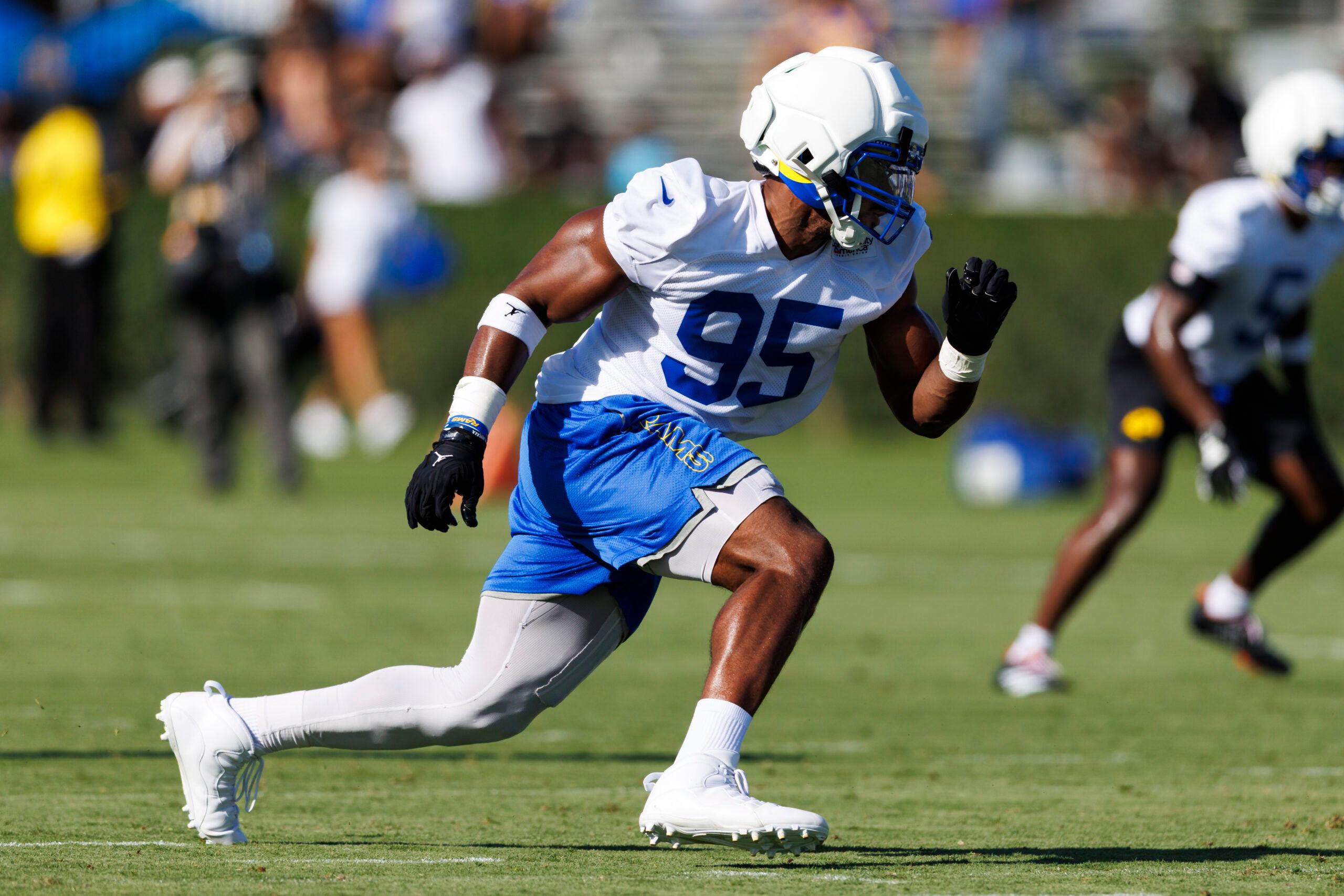
Myles Garrett rushes the edge during training camp
The Rams had a top-five defense last year and then went out and added the best pass rusher in the world, fresh off breaking the NFL sack record. Oh, and they also brought in Trent McDuffie and Jaylen Watson to address their biggest weakness from last season, shoring up a cornerback crew that was vulnerable to being picked on and, at times, exploited.
Myles Garrett is a force multiplier at the head of a young pass rushing room that would have been pretty good without him. From 2020 to 2025, the Browns had the best pass defense in the league by EPA when Garrett was on the field and the second worst when he wasn’t, according to the Diggs NFL Substack. On/off splits can be noisy, but the signal is clear in this case. Garrett is a tier above every other NFL defensive player right now.
We’ll see what the Rams are able to get from Aaron Donald, who is returning from retirement after two seasons away from football. But even if Donald is on a limited snap count and is just 70 percent of the player he once was, he and Garrett could be one of the most frightening defensive line duos in modern NFL history.
2
Seattle Seahawks
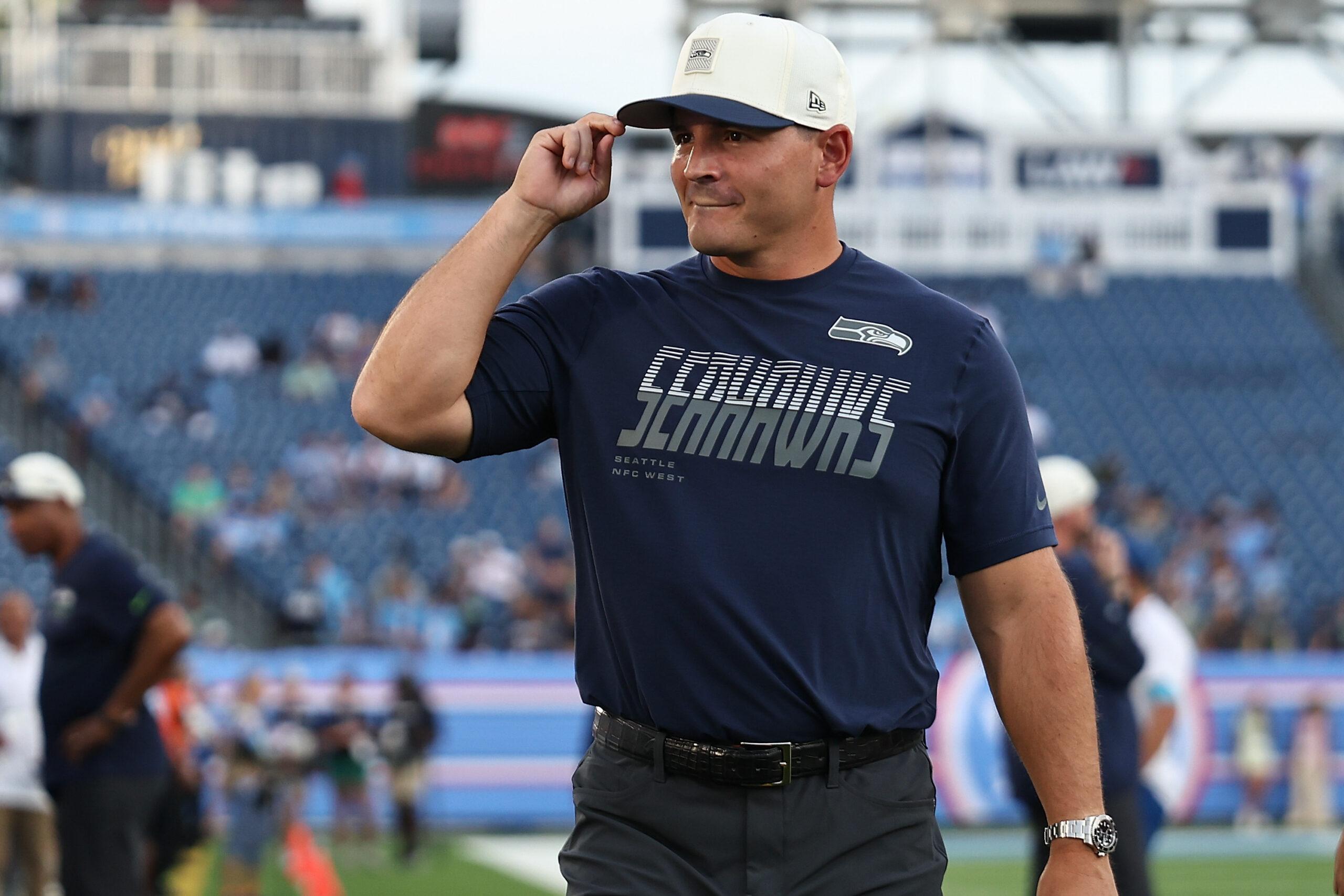
Mike Macdonald before a preseason game against the Tennessee Titans
The Seahawks don’t have the same amount of elite, game-wrecking talent as the no. 1 team on our list, but they may have the best-coached and best-schemed defense in the NFL. Seattle finished last season as the no. 1–ranked defense by DVOA against both the run and the pass. This isn’t a new development for Mike Macdonald–led defenses. In his second year as defensive coordinator in Baltimore, in 2023, the Ravens also boasted the best defense by EPA per play.
Entering year three of Macdonald’s tenure in Seattle, the Seahawks are betting on cohesion and continuity after extending both Leonard Williams and Devon Witherspoon this offseason. Seattle’s third-down dominance and lack of reliance on turnovers and negative plays suggest that the team is poised to repeat last season’s performance. The Seahawks can erase the run without loading the box, generate pressure without recklessly blitzing, and change their coverages after the snap. Houston has the higher concentration of blue-chip talent, but Seattle’s defense has the fewest identifiable weaknesses.
1
Houston Texans
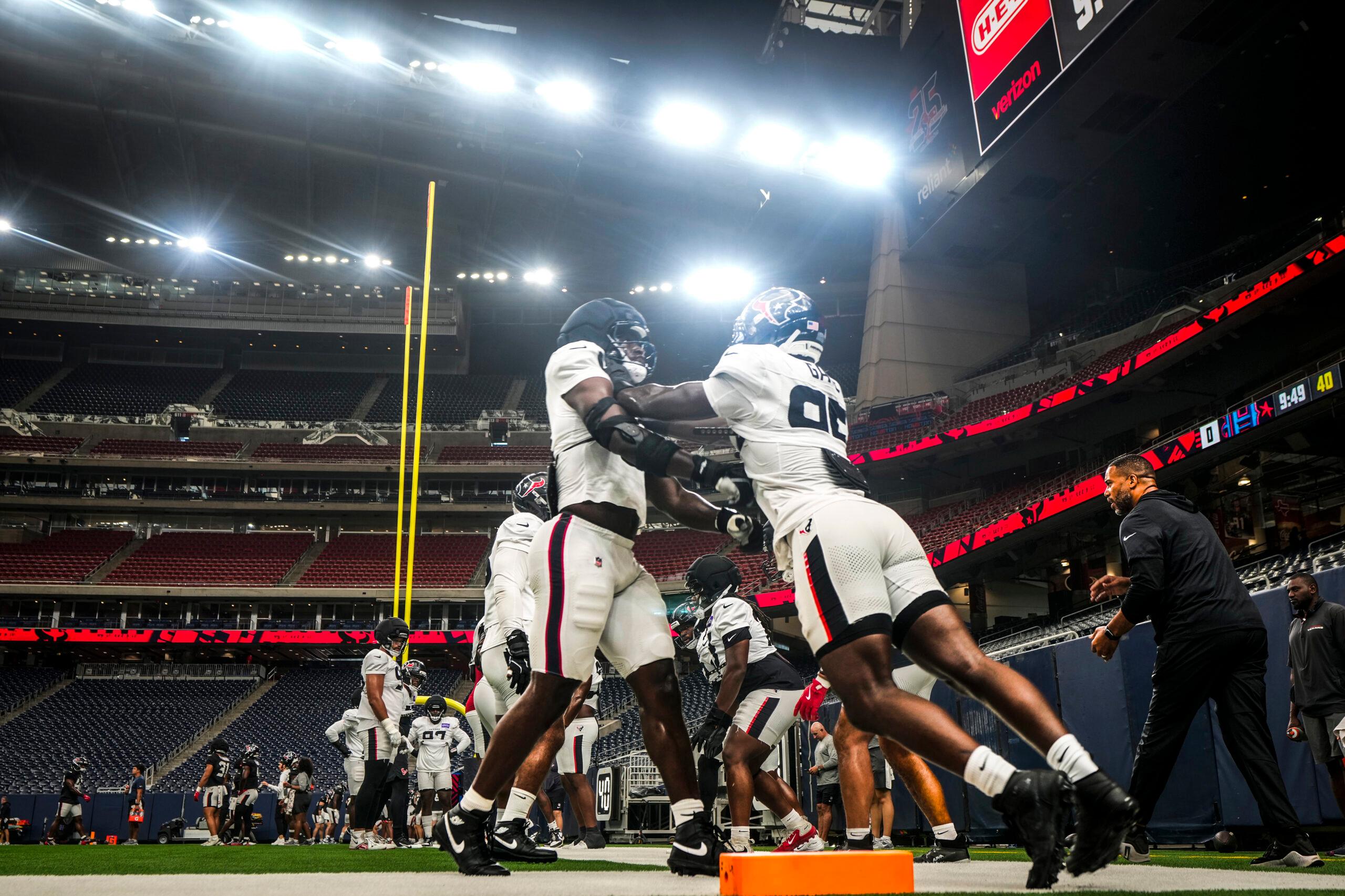
Defensive ends Will Anderson Jr. and Ali Gaye run drills during an NFL training camp practice
The Texans ranked in the bottom 10 in blitz rate last season and still pressured opposing quarterbacks at the second-highest rate in the NFL; only Brian Flores’s exotic scheme in Minnesota generated more frequent pressure. Anchored by star edge rusher Will Anderson Jr., Houston was able to consistently get home with four, giving this defense the highest ceiling in the league yet again.
The Texans are loaded at the positions that matter most in the modern NFL. Anderson leads a deep defensive front. Derek Stingley Jr. and Kamari Lassiter are elite man-coverage corners on the outside. Jalen Pitre is the ideal two-way safety, capable of covering receivers in space and attacking downhill against the run. Few defenses can match Houston’s combination of pass rush and coverage talent, and even fewer are deep enough to withstand an injury or two at those positions.
In just three seasons, Houston head coach DeMeco Ryans has established an impressive defensive track record. The Texans don’t depend on a complicated pressure package that opposing offenses can eventually decode. They can line up, play man coverage, rush four, and win individual matchups across the field. Stylistically, Houston's relentless aggression occasionally left the defense vulnerable to explosive plays last season, but it remained an overwhelming net positive. They still face questions at linebacker and perhaps safety, but this defense is young, deep, and dominant where it matters most.