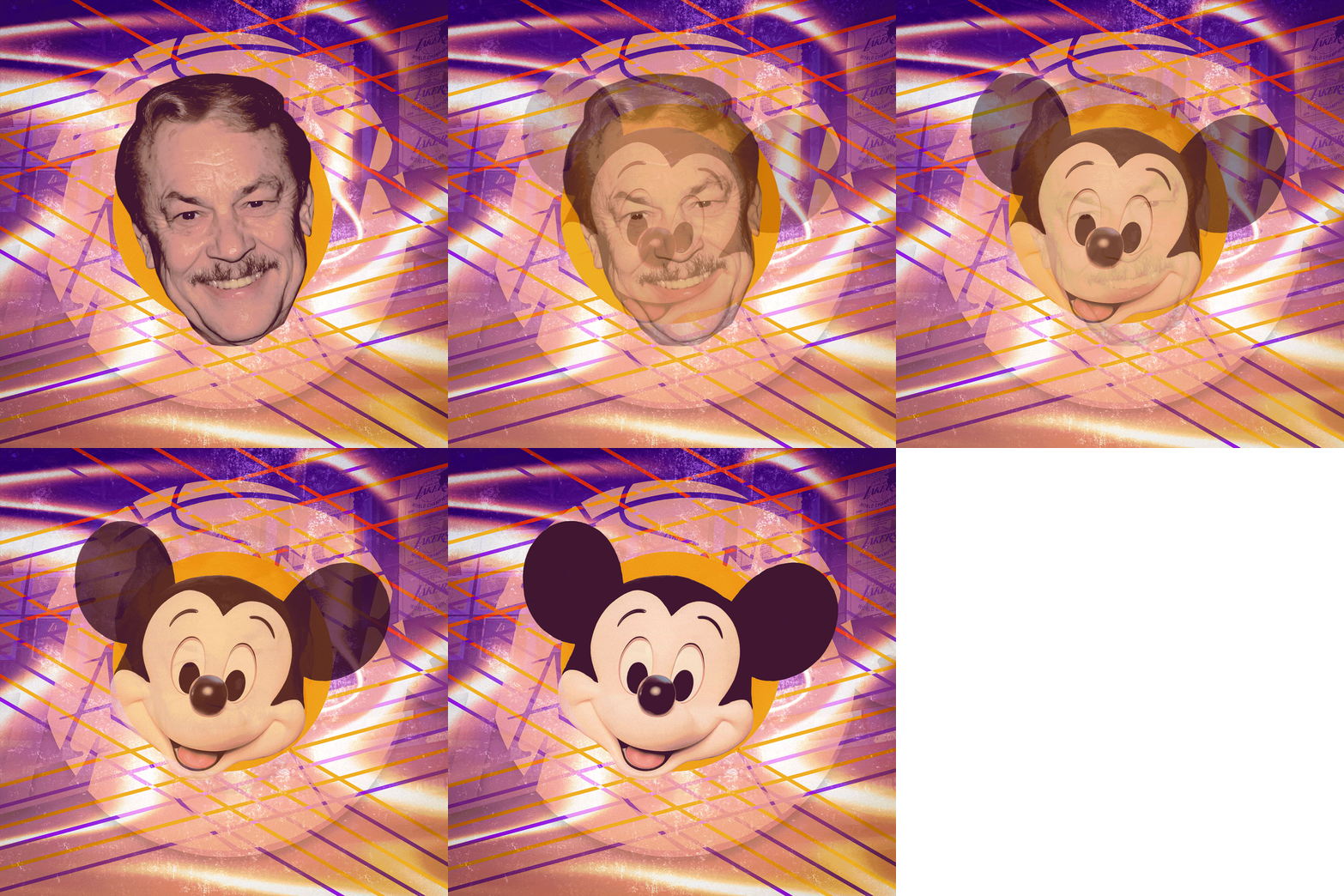

They used to call the late Jerry Buss the last of a dying breed. Before the tech moguls and dot-com bubble boys took their seats at the table, before the private equity condors came to roost as they have today, there was Jerry, who bought the Los Angeles Lakers in 1979 for $67.5 million, roughly 20 years after he turned an initial $1,000 apartment complex investment into a real estate empire worth nearly a billion dollars at its peak. Buss was working in the aerospace industry looking for a side hustle to feed his family; that side hustle turned into one of the most influential ownership regimes in all of professional sports. “Jerry Buss helped set the league on the course it is on today,” the late NBA commissioner David Stern once said. “Remember, he showed us it was about Showtime, the notion that an arena can become the focal point for not just basketball, but entertainment. He made it the place to see and be seen.”
The Lakers made it to the Finals in 16 of Buss’s 33 years as owner—more than the total number of Finals appearances from the Nets, Pacers, Jazz, Magic, Wizards, Nuggets, Kings, Raptors, and Mavericks combined. He kick-started the NBA's golden era, and for more than three decades he built up the mystique of the Lakers—and the concept of sports entertainment writ large—in his image. He was a Hollywood playboy who came from modest beginnings in Wyoming and had a deep and abiding love for his team. “Jerry is the guy on the street,” the former Sacramento Kings owner Gavin Maloof said in 2010. “He likes to go to strip bars and eat hamburgers. And when you do that, you have an advantage over someone in the boardroom who doesn’t understand the common man.”
The landscape of sports team ownership in the modern era has changed, faster than anyone could have anticipated. On Wednesday, it was announced that Mark Walter, who had bought majority control of the Lakers from the Buss family for about $10 billion less than 14 months ago, had sold the franchise to former Disney CEO Bob Iger and venture capitalist Joshua Kushner for $12.5 billion—or just a tick above the NBA’s total revenue figure for the 2024-25 season. It is the biggest sale of a North American professional sports team in history.
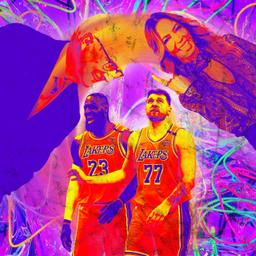
There have now been six NBA ownership changes in the past three years alone, nearly halfway to the total number of sales in the 22 years before that. Family estates are selling to private equity firms in rapid succession. The faint idea of a mom-and-pop NBA team has been thoroughly dismantled, and severe wealth concentration has been left in its wake. If there is any vestige left, it is in the tenuous agreement put in place for Jeanie Buss, who was to stay on board as the Lakers’ governor for at least five years. “Mark Walter and I are very comfortable with the way things are set up,” Jeanie said in February. “And I expect things to go on and be successful. And you know, I’m not going anywhere.” For now, that arrangement will continue, according to Iger.


“Owning the Los Angeles Lakers has been one of the great honors of my life—an extraordinary investment,” begins a statement given by Walter, which says everything you need to know about the state of NBA ownership in 2026. In a year’s time, Walter turned a $2.5 billion profit with a deal that reportedly took just 72 hours to negotiate from start to finish. Which, given the legacy, cachet, and sheer value of the Lakers as a cultural institution, shouldn’t have been handled so flippantly. (Is it fair to consider this the Luka Doncic trade of ownership changes?) Perhaps relatedly, Walter has been under federal investigation for billions of dollars of loans made by two Delaware-based life insurance companies that he owns. The transactions were made to other companies that had ties to Walter but might not have been disclosed as such to state insurance regulators who scrutinize such dealings, known as “related-party transactions,” for conflicts of interest. In essence, Walter is in the midst of a federal probe into potentially massive loan fraud. Liquidating one of his most valuable assets could be how Walter survives the fallout from the investigation.
That’s not out of the realm of possibility, given the people involved. Kushner, one-half of the Lakers’ new ownership group, is, of course, the younger brother of Jared Kushner, the son-in-law of President Trump. Joshua was in the news just last month for another controversial deal: FIFA president Gianni Infantino had intended to sell a minority stake (worth $4.2 billion) in a new entity that would run its global events to the investment firm that Joshua runs—a proposal that was aborted after unanimous protest against it. The deal also comes after the Iger-Kushner duo reportedly explored ownership of a Las Vegas expansion team, which would have come with an estimated expansion fee of $7 billion to $10 billion.
This is a meteor of a news event in the dog days of the NBA news cycle, but notice: We aren’t talking about the game. We aren’t talking about the game within the game. We certainly aren’t talking about practice. We’re talking about the game above the game—professional sports used to obfuscate the latest round of thimblerig for the mega-rich. The price of ownership keeps on rising, across the board. The most recent ownership changes have led to some fairly drastic culture shifts, seemingly overnight. The Phoenix Suns’ owner has turned the franchise into a bizarre Michigan State alumni association. The Portland Trail Blazers’ owner has deployed slash-and-burn tactics, wholly convinced that the ends justify the means due to his recent success in the NHL. The Dallas Mavericks’ owners … you know. Mark Cuban was the biggest thorn in the side of fellow owners; that all seems a bit quaint now.
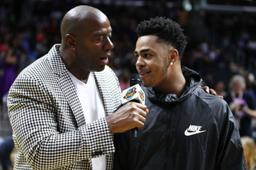

The History of Lakers Ownership
The league’s never-ending Kawhi Leonard saga seems, at least in part, due to Clippers owner Steve Ballmer being the richest person in the NBA by several orders of magnitude. Whatever punishment is eventually levied against Ballmer and the Clippers will have to serve as a precedent for a league increasingly in the hands of private equity groups with deeper and deeper pockets and fewer and fewer moral qualms about playing fair. It’s an impossible task for commissioner Adam Silver, who calls a lot of these folks friends, colleagues, and employers.
The commish cozied up next to some of the most powerful media executives in the world two months ago in San Antonio for Game 1 of the NBA Finals. To his left was Iger, the former Disney CEO whom Silver was considered a potential replacement for back in 2023; to his right, Iger’s eventual successor, Josh D’Amaro; to Iger’s left, Jimmy Pitaro, the chairman of ESPN—all there to celebrate the first year of the NBA’s 11-year, $76 billion broadcasting deal with Disney and others. Iger is now a co-owner of the most valuable basketball team in the world. In a joint statement with Kushner, they made a point to pay tribute to the past. “We have immense respect for the leadership and vision of Jerry and Jeanie Buss,” they said. “Our long-term commitment is to build on that foundation, compete at the highest level, and serve this extraordinary team, its fans, and the city of Los Angeles.”
“Long-term” stands out as a descriptor, an immediate line of distinction made between the new ownership group and that of Walter, who has basically been portrayed as a day trader embroiled in some deep, deep shit. Jeanie has claimed that her father would have approved of the sale to Walter, who still serves as the principal owner of the Dodgers despite selling the Lakers. What about now?
For lack of a better word, the abrupt second sale of the Lakers in the span of 14 months is destabilizing. Every day we stray further and further from what Jerry Buss was able to cultivate with one of the most storied sports franchises in history. What was once a family heirloom has quickly become enmeshed with entities under FBI investigation and reviled by the international sports community. What felt like the turning of the page for a family that couldn’t quite live up to its patriarch’s standard has now become something akin to a violent transition of power. The past 13 years since Jerry Buss’s passing haven’t exactly been smooth sailing for his children, but even in their foibles they understood the Lakers’ importance as a basketball team above all else. What happens now that it’s simply a shiny asset in a larger portfolio?
“I just can’t visualize no longer owning this team,” Buss said of his beloved Lakers 25 years ago. After Wednesday’s news, it’s pretty easy for the rest of us to imagine Jerry rolling in his grave.