
There’s an early episode of SpongeBob SquarePants in which SpongeBob’s boss, a reactionary crab restaurateur named Eugene Harold Krabs, gives SBSP and his neighbor/coworker Squidward envelopes containing what they think are their paychecks. When Squidward opens his, he’s furious. It’s a bill.
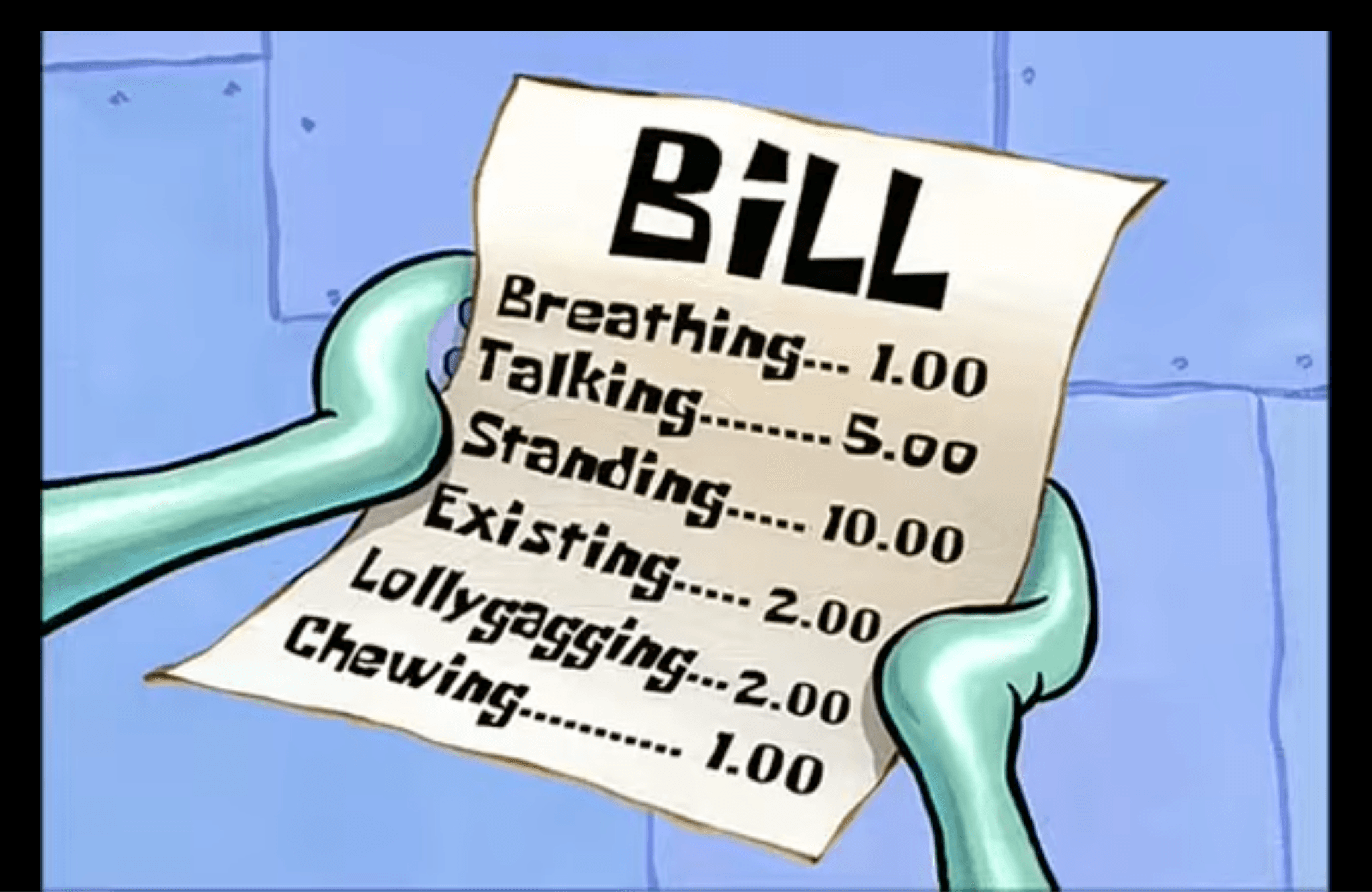
Squidward: What is this?! You’re making me pay you to stand at the cash register? What is the meaning of this?! Have you gone off the deep end?!
Mr. Krabs: There’s gonna be a few changes around here. Every time I catch you two goofing off, I’m gonna charge you for it.
If you’ve never seen an episode of SpongeBob and it would help you to know what Mr. Krabs sounds like, think Nick Nolte in Warrior meets the grumpiest pirate in the world meets a metric ton of cocaine. In a later episode titled “Born Again Krabs,” the owner of The Krusty Krab almost tears a fish’s arm off for a penny.
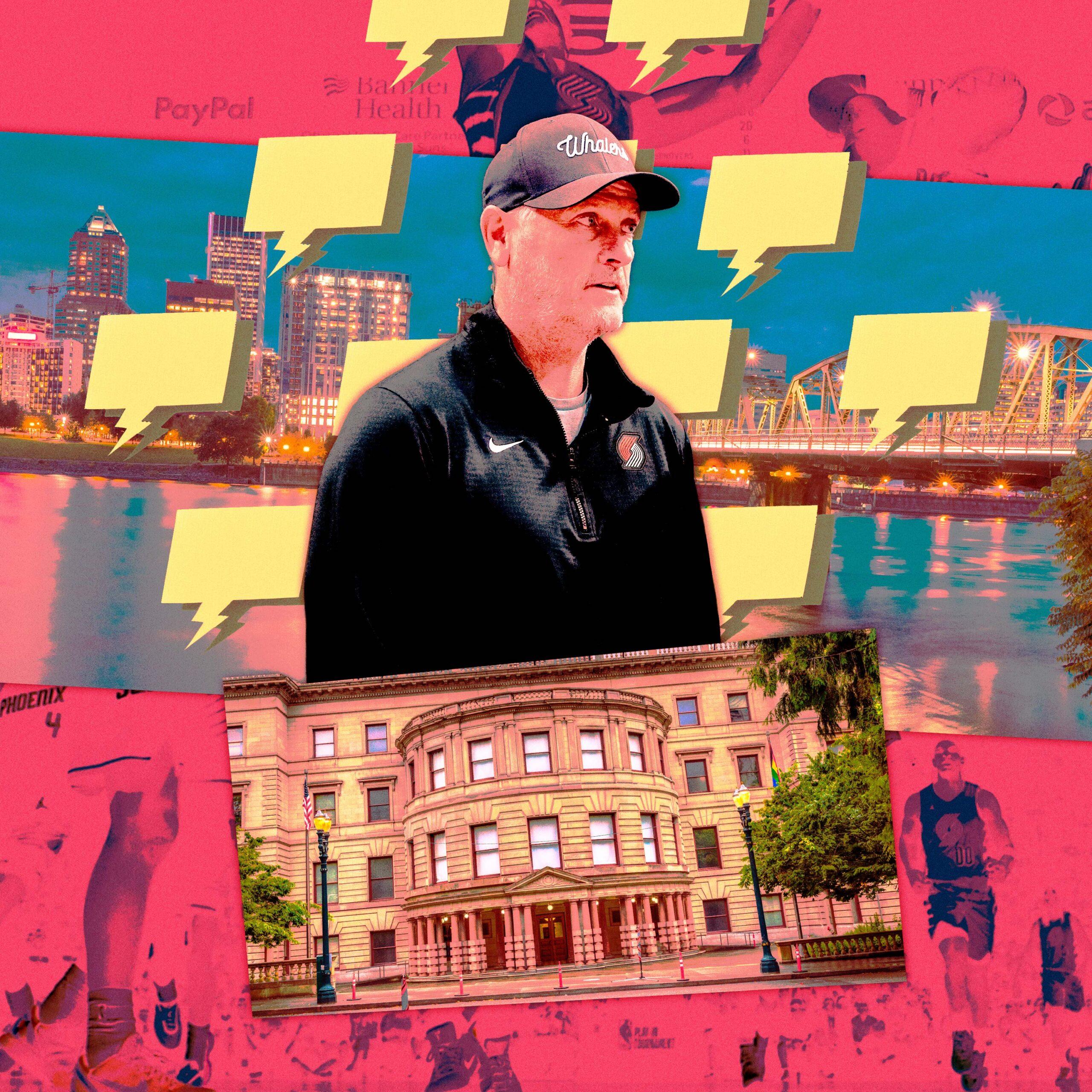
Mr. Krabs would stand in awe of Tom Dundon.
Because there’s frugal, and then there’s whatever you call the new Portland Trail Blazers owner. Plenty of fun options available. Cheap is obviously a classic. Then there’s chintzy, scrimpy, cheeseparing, churlish, tightwad, ungenerous, money-grubber, donkey, skinflint. Can I interest you in parsimonious? Or what about bottom-fisher? Stretch the bounds of the thesaurus. Some men earn it.
Dundon’s the owner of the NHL’s Carolina Hurricanes and, now, the NBA’s Portland Trail Blazers. He made his bones slinging high-interest loans to people with credit risk; the term “predatory lending practices” makes an appearance on his Wikipedia page. Almost a year ago, Dundon agreed to purchase the Blazers at a valuation of $4.25 billion. About eight months after that, the NBA’s board of governors approved the sale. In the days since, Dundon has embarked on, well, what’s the opposite of a shopping spree? He’s not pinching pennies; he’s strangling them. His early tenure makes Mr. Krabs look like Ja at Shotgun Willie’s.
This has been a real kick in the dick for Trail Blazers fans, who have watched Dundon hollow out a storied and beloved organization in the name of cutting costs. He axed several members of Portland’s front office, gutted the team’s broadcasting crew, and didn’t deign to make Tiago Splitter a fair offer after an objectively successful season as interim head coach. He’s dug under the couch cushions for new and creative ways not to spend: disallowing two-way guys from traveling with the team during the postseason, refusing to approve a late checkout at the team hotel during the play-in, and not giving away free T-shirts for home playoff games like just about every other team in the postseason. Overall, he has treated Portland like it owes him something. This is because he thinks it does.
Dundon is campaigning hard for renovations to the Blazers’ arena, and he wants the people of Portland to pay for them. In recent weeks, the fight has gotten ugly. Dundon is refusing to commit any of his own money to the project, and he is demanding that taxpayers contribute nearly $600 million. "Portland’s current stagnant business climate, high income taxes, and divisive political environment make this a tough city to invest in,” Blazers president of business operations Dewayne Haskins said recently. “Going forward, in order for this deal to make sense, the contribution needs to come from the public sector."


The Trail Blazers’ current lease is set to expire in 2030, and the specter of relocation looms over the dispute. Dundon is power drunk, and he has proved willing to leverage every possible option in his hunt for the best deal possible. At this point, it’s a real possibility that the Blazers will leave their home of 56 years, where they won the NBA title in 1977. In a matter of just months, Dundon has cemented himself as one of the most brazen owners in all of professional sports, and it’s hard to see how any of this will end well for the people of Portland, the Trail Blazers, and even the NBA.
For Dundon, though? This is all going swimmingly. Some might see all this and label him a generational cheapskate, a tightfisted ham peddling bad-faith bullshit and threatening to endanger the cherished bond between a sports team and its city. But those beta boys need to think bigger. Sports are nothing if they aren’t accompanied by thrifty spending. How about you put on a smile and spend some time on LinkedIn? Hop on the Business Ideas subreddit, and get back to me when your horizons have expanded. Familiarize yourself with the concept of cost reduction. It’s good, actually, to juice as much profit as humanly possible from every endeavor, no matter the social cost. In this regard, Dundon is an innovator, a lodestar.
And the good news is, anyone can live their life like Tom Dundon. You don’t have to be a billionaire NBA owner to be thoughtful about your expenditures. You don’t have to be an NBA owner to get creative. You don’t have to be an NBA owner to cut corners, antagonize your city, and imperil things that millions of people hold dear. All you have to do is take a few pages out of Dundon’s book, and it won’t take long before you’re on your way to great things in your own life. So, without further ado, these are Tom Dundon’s Rules for Success.
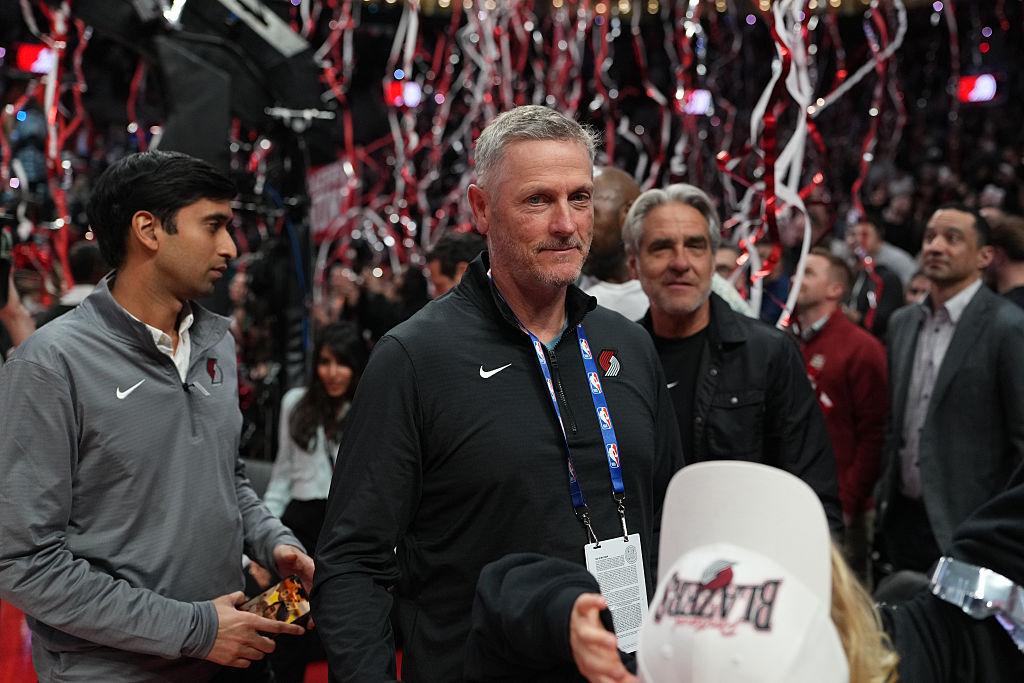
Tom Dundon after a 118-106 win over the New Orleans Pelicans on April 2
Rule 1: The hotel lobby is a fine place for relaxation.
We’re only a few months removed from Dundon’s brilliant choice to forgo a late checkout for staffers while the team was on the road. This was one of the early signs that we were dealing with a special business mind. There are often plenty of places to sit in a hotel lobby, and on the off chance there aren’t, if you’re cool about it and ask nicely, the staff will usually let you sit in the breakfast area. Everyone’s just going to be looking at their phones, anyway. They need to be in their rooms to do that? A chair is a chair.
Don’t accept the way things have always been done. Think outside the box. Let’s say you’re going on a trip with three friends. You can significantly cut the number of rooms booked for four people; you really need only one room with two queen beds. Anything more than that is honestly excessive and really just extravagance for the sake of extravagance. How will it work with four people staying in one room with two beds? Are people sleeping in the same bed? No, pervert.
They’re called Sleep Shifts, and they’re extremely easy to implement. Two people have access to the beds between 9 p.m. and 3 a.m., while the other two will be hanging out in some of the hotel’s common areas. (If all else fails, we recommend playing Minesweeper in the business center.) They are also free to explore whatever local sites and sounds might interest them. They, in turn, will have access to the beds between 3 a.m. and 9 p.m. If anyone complains, maybe they don’t need to be invited on the next trip. By limiting the number of rooms you rent, you’re able to repurpose those funds for other areas of the trip.
Make sure to stay somewhere with a complimentary breakfast buffet. The availability of a complimentary breakfast buffet is really the only filter necessary when choosing lodging. It’s more important than the number of beds. This enables members of your traveling party to get a big breakfast but also take more back to their rooms for lunch and dinner. If you’re forceful when you need to be, there’s no reason you should have to pay for a single bite of food your entire trip. What we recommend: Travel with a Yeti backpack cooler. You can use it as a backpack during transit, but once you’re at the hotel, it can act as an emergency refrigerator for scrambled eggs, halved muffins, parfaits, and the like.
Rule 2: Commitment is death.
Micah Nori has been the head coach of the Blazers for a little over a month. In late June, he signed a three-year contract, with the first year guaranteed and team options for the final two—the only deal of its kind in the entire NBA. Some would say this contract construction doesn’t inspire a lot of faith in either Nori or Dundon’s opinion of himself as an evaluator of basketball coaches. But those people are approaching this the wrong way. There are levels at play here. Think about it like this: If your friend invites you to dinner, you don’t say yes. You say “probably.” You don’t want to be pinned down. You’re a bird. You gotta fly. Keep your options open or die.
Get all the info up front. Are other people going? Is this a group thing? They need to tell you who is included, what the plan is, and what’s the latest you can get back to them. (Then negotiate more time.) Finally, reach out again an hour before the event starts. Ask them if anything about the plan has changed, and make them reiterate how much they would like you to be there. See whether they will pay for your dinner. At the very least, getting frequent updates will enable you to bail at the last minute if you feel that’s a lever you need to pull.
Rule 3: Free is evil.
When reports dropped that Dundon had ixnayed Portland’s playoff T-shirts, it was another sign that we were dealing with a primo business boy. First of all, why would you give for free a lesser version of something you’re selling at souvenir stands throughout the arena? It’s undermining your own merchandise. You wouldn’t see a chicken place giving away free tenders at the door.
Moreover, you should be charging people for way more in your day-to-day life. Venmo, Zelle, don’t think of them as apps. Think of them as tools of extraction. Say you’re at a bar with a group of people, and you ask someone if they want a beer. They say yes. You get the beer, you give it to them. At the end of the night, you Venmo them for the beer and add $4 to the original purchase price: $2 for the tip so that you don’t look like an asshole (they don’t have to know you didn’t leave one) and $2 for the labor. If they are weird about it at all, you should act like they’re being a diva and go no contact for the next month.
Rule 4: Experience is bullshit.
The more money you have, the more you know. If you have a lot of money, you know a lot of things. And if you’re successful in one thing, you’ll be successful in another. This is simple transitive property stuff. If you have doubts, don’t. Trust yourself—no matter what. If you are the owner of a business, you automatically know the most about it. It doesn’t matter if it’s your first time working in a particular field. You’re in charge, and you know best. The truth is, you can learn very little from your employees. Yes, they make the place go, but you have more money.




More on the NBA
Rule 5: Never turn down a deal.
Anytime you can extract some value from a distressed asset, you have to do it. A formerly massive talent who hasn’t been himself in years and doesn’t fit in with your existing team? Have to do it. A piece of art you hate from an artist whose work is shooting up in value on account of the fact that they just died? Ditto. Your every waking moment should be spent looking for inefficiencies in the market. These are opportunities to take a high-reward shot at little cost to you, and if it works out, you look like a genius. Plus, things like this can be hugely valuable as distractions, shiny things that make it look like you’re doing whatever it takes to win.
Rule 6: Do what you want. You are all that matters.
All you need is you. It’s unpopular advice, but it’s good. There’s no shame in being a villain. Not only do villains usually win in real life, but they’re also the roles that tend to win big awards: Heath Ledger in The Dark Knight. Javier Bardem in No Country for Old Men. Sandra Bullock in The Blind Side. So don’t ingratiate yourself with the people around you. Treat them as hostiles. Alienate them. Antagonize them. If you’re doing things right, they should hate you. Every standing bridge is an opportunity to start another fire.
For instance, ask your friends to pay for things you should pay for yourself. Ask the person in line behind you at the coffee shop if they wouldn’t mind getting you an Americano. Threaten to involve the courts if you have to. And if they do agree, you have your opening: Now ask that they contribute to your rent. Some operating costs, too. And obviously, they’ll need to see about making some upgrades around the place. There are some people who won’t like it, but they’re just mad they’re not as good at business as you are.
Rule 7: If you get an answer you don’t like, you can always just leave.
We often continue with interactions we would like to be done with. Why? If you ask someone a question and their answer is subpar, you should leave on the spot. Being uncomfortable is for weak people. I leave anytime I ask someone their favorite character from Friday Night Lights and they say anyone other than Buddy Garrity. I have also done this at a McDonald’s drive-through when they told me they were out of fries and would need 15 minutes to make more.
This is what Dundon is doing right now with the Trail Blazers. He’s making intimations that if things don’t go his way with the arena renovations, he could take this whole gravy train out of town. You can do this, too. Leverage the threat of walking away at every opportunity. Hold it over people’s heads like a fat scythe. You have nothing to lose. If they agree to your demands, you get what you want. And if they let you go, you also get what you want.