The Golden Age of the NBA Rookie Role Player
It’s arguably the best time in recent league history to be a productive player on a rookie contract—provided you can find a way to fit inThe Golden Age of the NBA Rookie Role Player
It’s arguably the best time in recent league history to be a productive player on a rookie contract—provided you can find a way to fit in
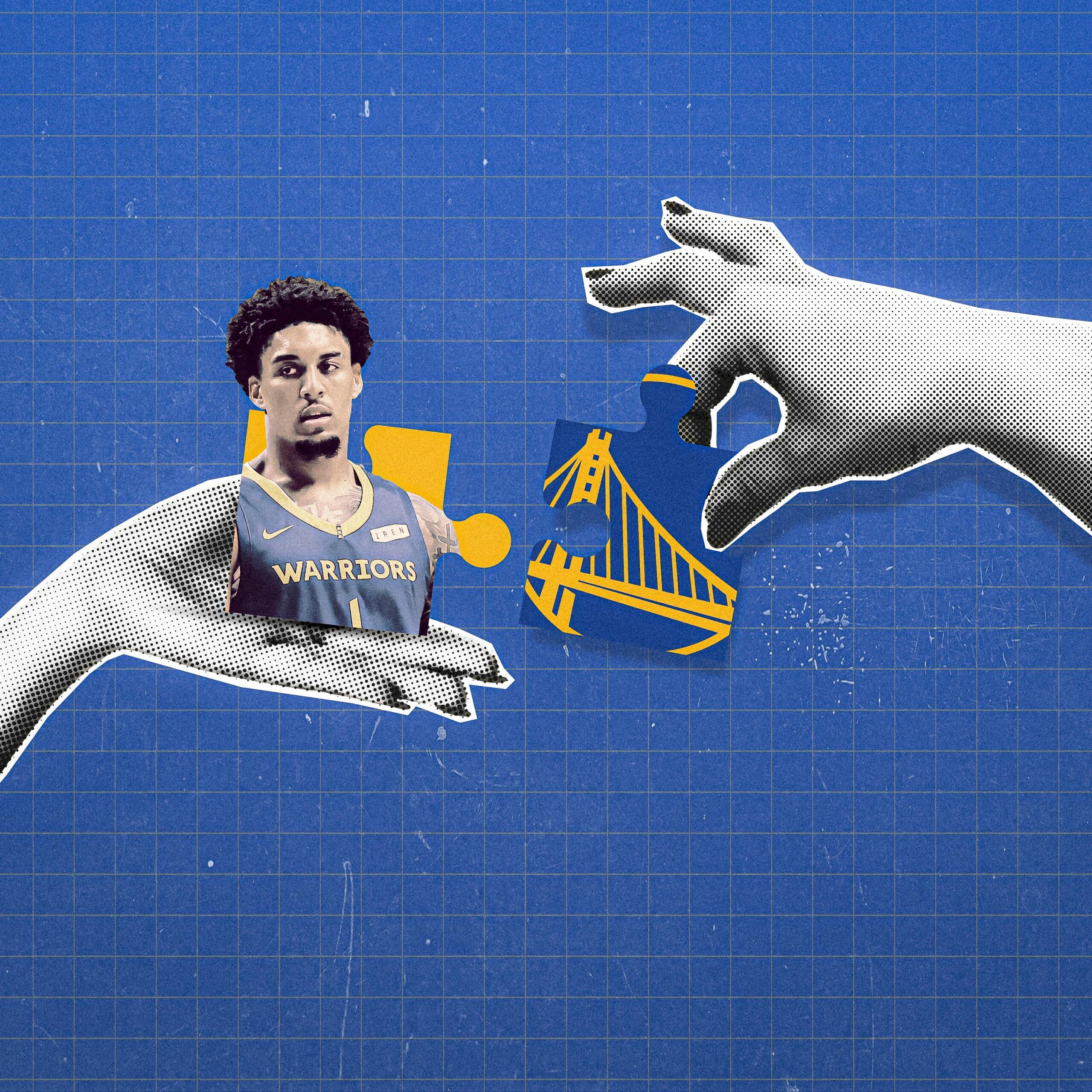
There’s a twinkle in the eyes of Golden State Warriors rookie forward Yaxel Lendeborg in the moments following the first summer league game of his NBA career. Across 22 minutes, he poured in 19 points, grabbed five rebounds, and dished out six assists, leading the Warriors to a 104-72 win over the Lakers in his team’s California Classic opener.
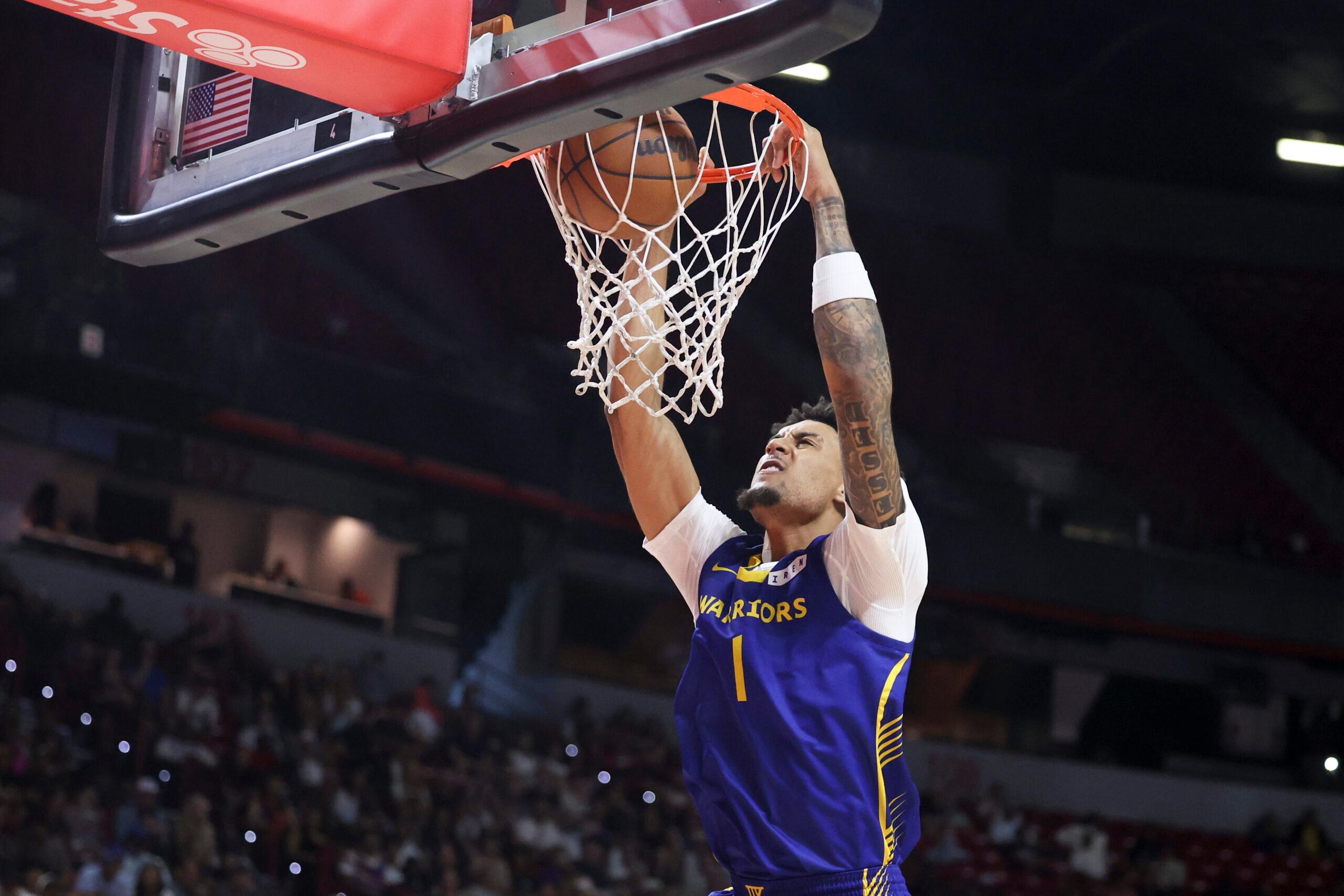
At 6-foot-9 and nearly 250 pounds, Lendeborg is a dynamic wing on a Warriors roster that’s thin on offensive production and youth. And as an older prospect at 23 years old, he gives Golden State a ready-made contributor on its quest to win one more title with Stephen Curry. Lendeborg is well-rounded and versatile: In the first quarter of that opening contest, he curled off a screen opposite the Warriors’ bench and hit the first of four 3-pointers in as many attempts. A few minutes into the second half, he sized up Adou Thiero in the midpost and muscled his way toward the hoop for a tough lay-in and foul. Lendeborg finished that game perfect from the field, giving Golden State something tangible to look forward to amid its perilous pursuit of LeBron James in free agency.
“I can’t even put that into words,” Lendeborg tells me with glee after the final buzzer. “It hasn’t felt real at all. Everything’s felt like a dream.”
Lendeborg propelled the Warriors to a summer league championship and took home MVP honors in the final game, in which he dropped 21 points and 10 rebounds against the Grizzlies. His starring role this summer was an extension of the magic he showed during his senior year at Michigan, where he and teammate Aday Mara were among the best duos in the country, averaging nearly 30 points combined and leading the Wolverines to a national championship. But in a few months, Lendeborg’s role will change. He’ll have to evolve from a leading man into a role player in a system built around the greatest shooter on earth.
Lendeborg is hardly the only rookie in this kind of situation. Tarris Reed Jr., whom San Antonio drafted 26th, will battle to fortify the Spurs’ frontcourt depth behind Victor Wembanyama. Other first-round picks like Toronto’s Allen Graves and the Lakers’ Cameron Carr are hoping to step into rotation spots for established playoff teams. Even blue-chip prospects like AJ Dybantsa and Darryn Peterson are joining teams (Washington and Utah, respectively) that made big moves before last year’s trade deadline and have organizational mandates to make the playoffs in 2027.
In the modern NBA, relying on cheap, young talent is more en vogue than ever. Depth is paramount, and the realities of the second apron make finding cost-controlled contributors especially important. As Kirk Goldsberry wrote last month for The Ringer, only two of the 25 players with the most minutes in the 2026 playoffs were 32 or older. Drafting rotation players who can help right away is one of the surest avenues toward fielding a complete—and sustainable—team, making this arguably the best time in recent NBA history to be a productive, young role player.
These macro trends are changing the job descriptions for many of the league’s incoming rookies. Talent is obviously paramount to NBA success, but basketball IQ and knowing how to fit in are becoming the most in-demand qualities. Teams are looking for characteristics that suggest a young player will be able to adapt to their environment.
“I think one of the things that’s undervalued is the ability to play hard,” Denver Nuggets executive vice president of player personnel Jon Wallace tells me. “I think multiple efforts within the possession is really big from a defensive standpoint. From an offensive standpoint, being able to space, move, keep the offense fluid without just looking for your own shot.”
Unless they’re a top-five pick who handles the ball, incoming rookies will have to play in a system and learn how to pick their spots. There are minutes available to those who can acclimate quickly. But in order to succeed, these pups will need to learn some old tricks.
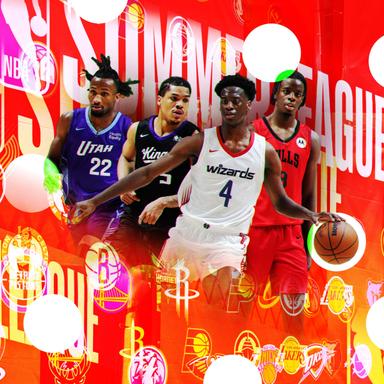
A few days after the Warriors-Lakers game, Nuggets second-round pick Bryce Hopkins is in a muggy Vegas gym attempting to make an impression and show off the traits that can keep him on the floor next season. Hopkins’s road to the NBA has been defined by his adaptability. After a decorated high school career in Chicago, he transferred from Kentucky to Providence, where he led the team in scoring for three seasons. Nine months ago, he was a new transfer at St. John’s, hoping to fit on a roster headlined by Zuby Ejiofor (who was drafted by the Hawks in the first round this past June). “Zuby was our number one guy on the scouting report,” Hopkins says. “So I had to find my role.”
In Queens, Hopkins’s scoring was down, but his ability to conform to a role impressed Nuggets officials who are managing a team that is up against the second apron and in need of affordable talent.
Contenders have always looked for players who can fit a role around a superstar. But the influx of cash in the pockets of collegiate athletes has incentivized them to go to whichever school can offer them the biggest bag and opportunity to play big minutes, which league officials say undercuts their chances of success in the professional ranks.
“I think within the NIL era, a lot of guys are thought to take the bigger deals with more money. They go to places where they can have more leeway,” Wallace tells me. “But I think nowadays, you have to do certain things and see guys who have played with better players and see how they adapt to playing that role earlier in their career as opposed to later.”
Last season, Denver was ravaged by injuries to key players. In one game in January, they won without a single opening-day starter in the lineup. That stretch provided opportunities for players like Spencer Jones, an undrafted two-way player out of Stanford. Motivated by that example, Hopkins has already been poring over highlights of Aaron Gordon, studying how the veteran forward cuts off Nikola Jokic's post-ups and how he can take advantage of the spacing provided by Jamal Murray.
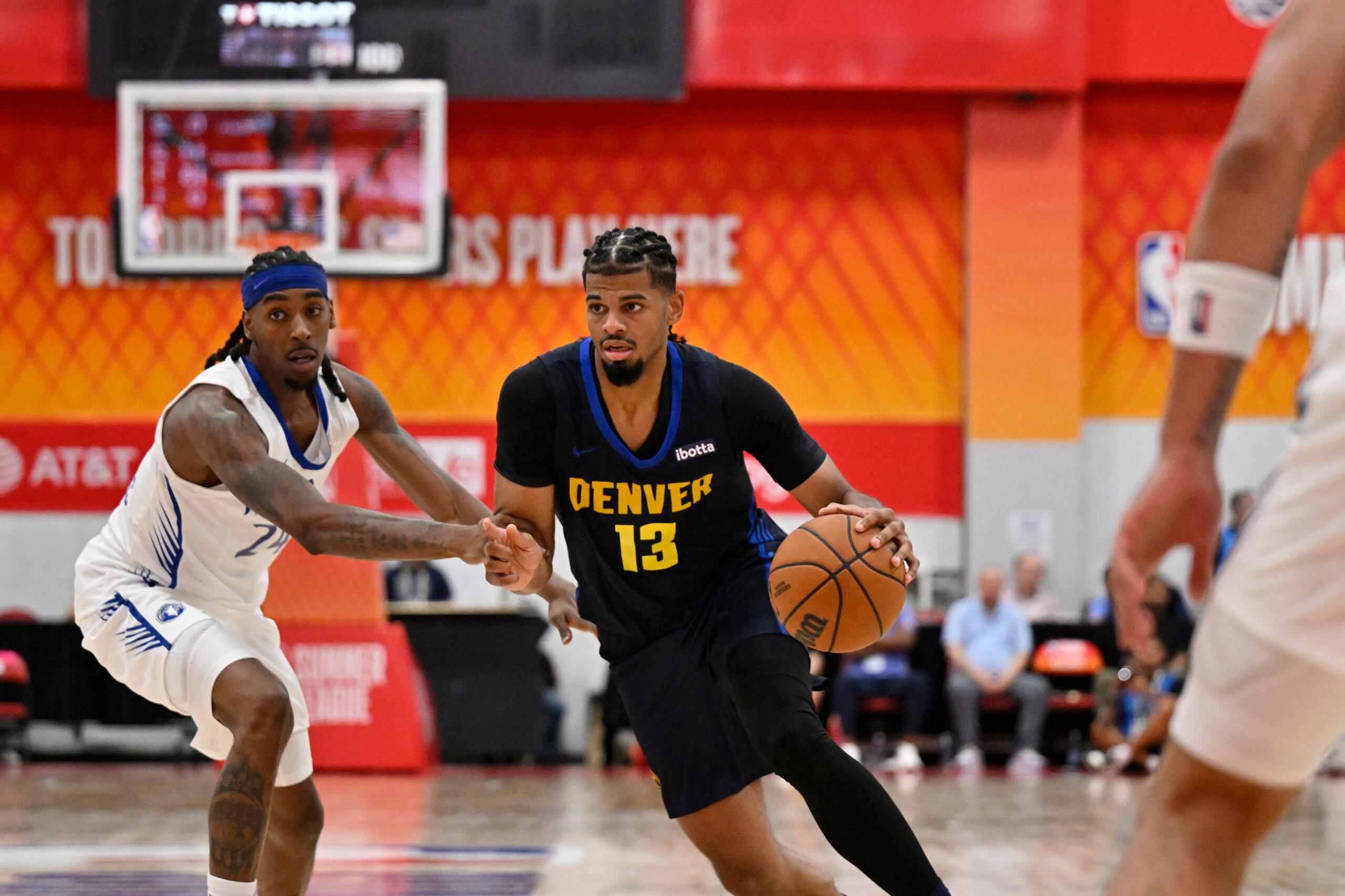
“You have to make quicker decisions,” Hopkins tells me when I ask about what the Nuggets’ summer league coaching staff is emphasizing. “A big thing that they told us is trying to have a 0.5 mentality, which means when you catch the ball, either shoot it, drive it, or get off and then pass it.”
San Antonio Spurs summer league coach Corliss Williamson has had to provide similar reminders to his young group. Among them is Reed, whom the Spurs are hoping can earn frontcourt minutes this coming season. Reed is a clever interior finisher and low-post scorer, but Williamson has impressed upon Reed that offensive rebounds will garner more playing time than points will.
“Whatever the guys need me to do, I’m going to do,” Reed told reporters in Vegas. “So I feel like just having that spring in your shoulder and just being selfless and relentless at times, just going out there, whatever is called for.”
There are typically two ways to develop as an NBA player: You can spread your wings early and then narrow down into your proper role, following in the footsteps of Gordon, a former lottery pick turned championship role player with the Nuggets. Or you can follow the organizational blueprint laid by San Antonio and Oklahoma City: figure out what role works best for the team and expand your game from there, similar to the path Chet Holmgren is on.
“I think guys underestimate the ability to get on the floor, to do what you have to do to help a team win,” Wallace says. “Can you have more of a direct-line skill set to help you have an immediate impact? To allow that trust and that long release from a coach, to where you can now build upon and kind of expand your game?”


A later summer league matchup between the Thunder and Warriors illustrates how two different teams are filling out their rosters in the modern era. A few weeks ago, sources say, Golden State strongly considered Mara with the 11th pick, hoping to fortify its thin front line, but it ultimately chose Lendeborg, who it felt was more ready to contribute right away. The Thunder chose Mara with the following selection.
OKC is the deepest team in the league, which means it can afford to play the long game with prospects in a way that the Warriors (and many other teams) can’t. In 2026-27, Mara will likely collect many splinters on the bench. In summer league action, he was often pushed off his spot in the post, showing observers how badly he needs to hit the weight room. And yet, Mara still showed why the Thunder are bullish on his talent, making a number of impressive passes from the top of the key.
“I’m not really expecting anything this year,” Mara tells me. “What I'm expecting is just to be able to help the team as much as I can. Whatever the role is, it's going to be fine. I know the team I'm going to is a contender to win the NBA title. So whatever role I get, I'm going to try to take advantage of it and just get better every day.”
On the other bench, the Warriors’ Lendeborg is soaking up all the knowledge he can get from his veteran teammates. Curry is sharing stories of how his early-career ankle injuries made him stronger. Draymond Green, in between beefing with the rookie online, is reminding Lendeborg: “Just keep being you. You’re built for this.”
Each player showed both the promise and shortcomings of their young game that day. Lendeborg finished with 14 points, including four 3-pointers, but routinely missed defensive assignments, including a backdoor cut for an easy score in the second half. On one possession, he hit a corner 3-pointer in Mara’s face, prompting a Zombieland celebration. But when Mara demanded that Lendeborg guard him in the post on the way back down the court, Lendeborg was nowhere to be found.
At summer league, these rookies get the star treatment: They’re at the forefront of the game plan, and they command all the attention from their teams and from fans. Lendeborg throws T-shirts to young kids in the stands and sits courtside with Young Thug on an off day, even getting the opportunity to pitch LeBron on joining him in the Bay Area. But soon enough, the calendar will flip to the preseason, and all that will matter is which rookies can find a way to fit in.
“It’s been the best experience I’ve been through,” Lendeborg says of the whirlwind. “I’m thanking God every day for it, man. Every time I think about it, I could probably cry.”