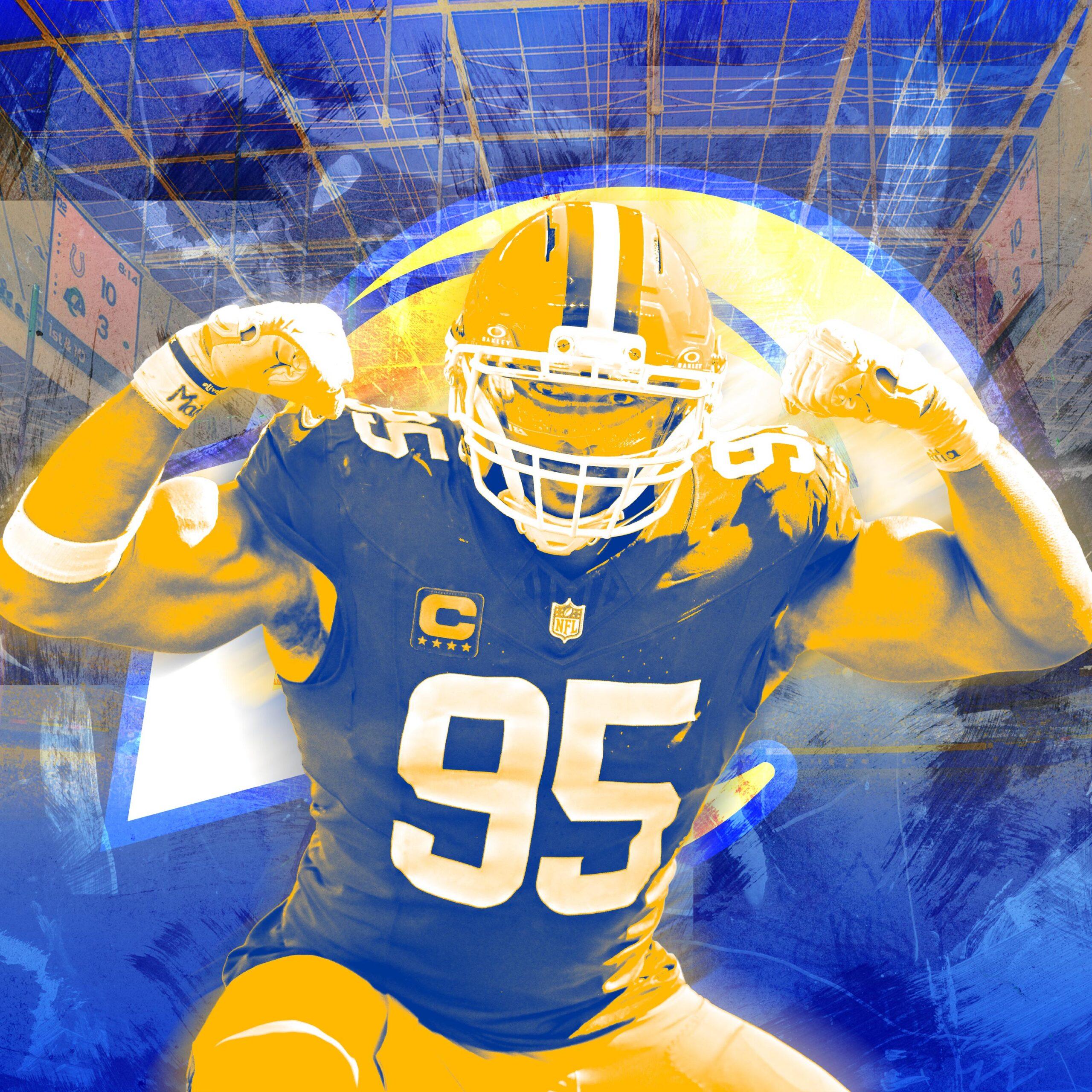

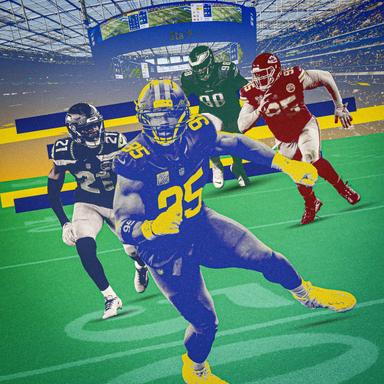
On behalf of the other 31 NFL fan bases, I just want to say, the Los Angeles Rams can go to hell. They were already the betting favorites to win the Super Bowl thanks to the NFL’s deepest roster—which features the league’s reigning MVP (Matthew Stafford) and its leader in receptions (Puka Nacua) and receiving touchdowns (Davante Adams)—and that gap will only grow wider after Los Angeles traded for Myles Garrett, the reigning Defensive Player of the Year and sack king, on Monday. Garrett is a Ram, and it cost Los Angeles only Jared Verse, a first-round pick, and some Day 2 draft capital, leaving every other fan base with the same thought: We couldn’t have put together a similar package?
Apparently not. Or maybe your team just didn’t pester Cleveland enough. The Rams reportedly badgered the Browns with calls throughout the offseason, enquiring about Garrett’s availability until Cleveland finally caved—even though the team previously claimed it had no interest in moving its franchise pass rusher. It’s hard to blame the Browns for succumbing to the full-court press L.A. applied. Verse is a good, ascending player who can give Cleveland 80 percent of what Garrett provides, and at a much lower price over the next couple of seasons. The Browns are still years away from being competitive and likely would have wasted the rest of Garrett’s prime. Giving up on a talent like Garrett can never be fully justified, but it’s not difficult to make sense of it from Cleveland’s perspective.
Now, the NFL gets its own version of Kevin Durant joining the Warriors, and while that’s depressing for the other franchises, they can take some solace in the fact that the Rams could have been even better this season if they hadn’t used the 13th overall pick in April’s draft on a player who, if everything goes according to plan, won’t play a meaningful snap this season. That would be quarterback Ty Simpson, who was widely viewed as a fringe first-round talent due to a lack of experience—he made only 15 starts at Alabama—and middling physical profile. The Rams took him over prospects like guard Olaivavega Ioane, edge rusher Rueben Bain, and tight end Kenyon Sadiq, who all play positions that were viewed as immediate needs for L.A. this spring. After the “win now” move for Garrett—in conjunction with the offseason trade for cornerback Trent McDuffie, which cost the team its other 2026 first-round pick—the Simpson decision makes even less sense now than it did back on the draft’s opening night.
It’s as if the Rams are building their roster on two separate timelines. Both general manager Les Snead and coach Sean McVay framed the Simpson pick as one for the future, but it’s fair to wonder whether they were looking too far into the future when they made the decision. Just a few weeks after taking Simpson, the Rams tacked another year onto Stafford’s contract, which will keep him on the payroll for the next two years. And if Stafford maintains his MVP-level play through 2027, when he’ll turn 39, Los Angeles isn’t going to turn him away should he want to keep going.
There’s a good chance the Simpson pick will blow up in L.A.’s face. Sure, there’s a thought that the Rams could view Simpson as insurance for Stafford—who was contemplating retirement last offseason and missed training camp with a back injury—but a veteran backup would have made a lot more sense. Even so, Snead isn’t going to lose any sleep if the Simpson pick does turn out to be a waste. If Stafford keeps Simpson on the bench for the next year or two, this team will likely make a Super Bowl—and probably win the damn thing. Nobody is going to be lamenting the fact that the Rams burned a first-round pick on a backup quarterback if that happens.
Plus, there isn’t a GM who values first-round picks less than the veteran team builder. Los Angeles went seven straight years without making a first-round pick in an era where the supposedly smart teams covet their first-rounders as much as they do a star talent. The Rams’ “fuck them picks” approach was memed to death, and then the team fucked around and won a Super Bowl thanks largely to Snead’s bold roster management. He traded multiple first-rounders for Jalen Ramsey in 2019 when it looked like the Rams were in decline after losing to the Patriots in Super Bowl LIII. He parted ways with a first-round pick and a young, productive quarterback in Jared Goff to bring in Stafford. And later during the 2021 season, he made deals for Von Miller and Odell Beckham Jr. that were questioned, and even mocked, by analytics folks when the team immediately went on a three-game losing streak. It’s easy to celebrate those moves now knowing they helped bring a Lombardi Trophy to Los Angeles, but reviews were more than mixed at the time.
Now, those critical takes wouldn’t have aged so poorly if Cincinnati could have blocked Aaron Donaldor Jaquiski Tartt held on to that interception in the NFC title game. But that’s how thin the margins are in pro football. The line between bold, championship-winning roster management and reckless wheeling and dealing is thinner than the 211-pound quarterback Los Angeles just used a first-round pick on. The Rams seem to get that more than any other team, and they’ve baked it into their decision-making process. They keep getting away with these moves because they’re the only team that really tries to do so without fear of the potential consequences.
When Snead, McVay, and the rest of the Rams brain trust see an opportunity to improve the roster, they take their shot—whether it fits in with a long-term plan or not. It’s better to examine every move they make in a vacuum. Los Angeles drafted Simpson because the team thought he was a talented player and didn’t believe it’d be in position to take another quarterback in the first round in the foreseeable future. The Rams traded for Myles Garrett because he’s Myles fucking Garrett. The best way to make sense of the Rams’ overarching plan is to not try to make sense of it at all. That may not be an advisable way to build a roster for most teams, but it’s certainly worked out for this team.