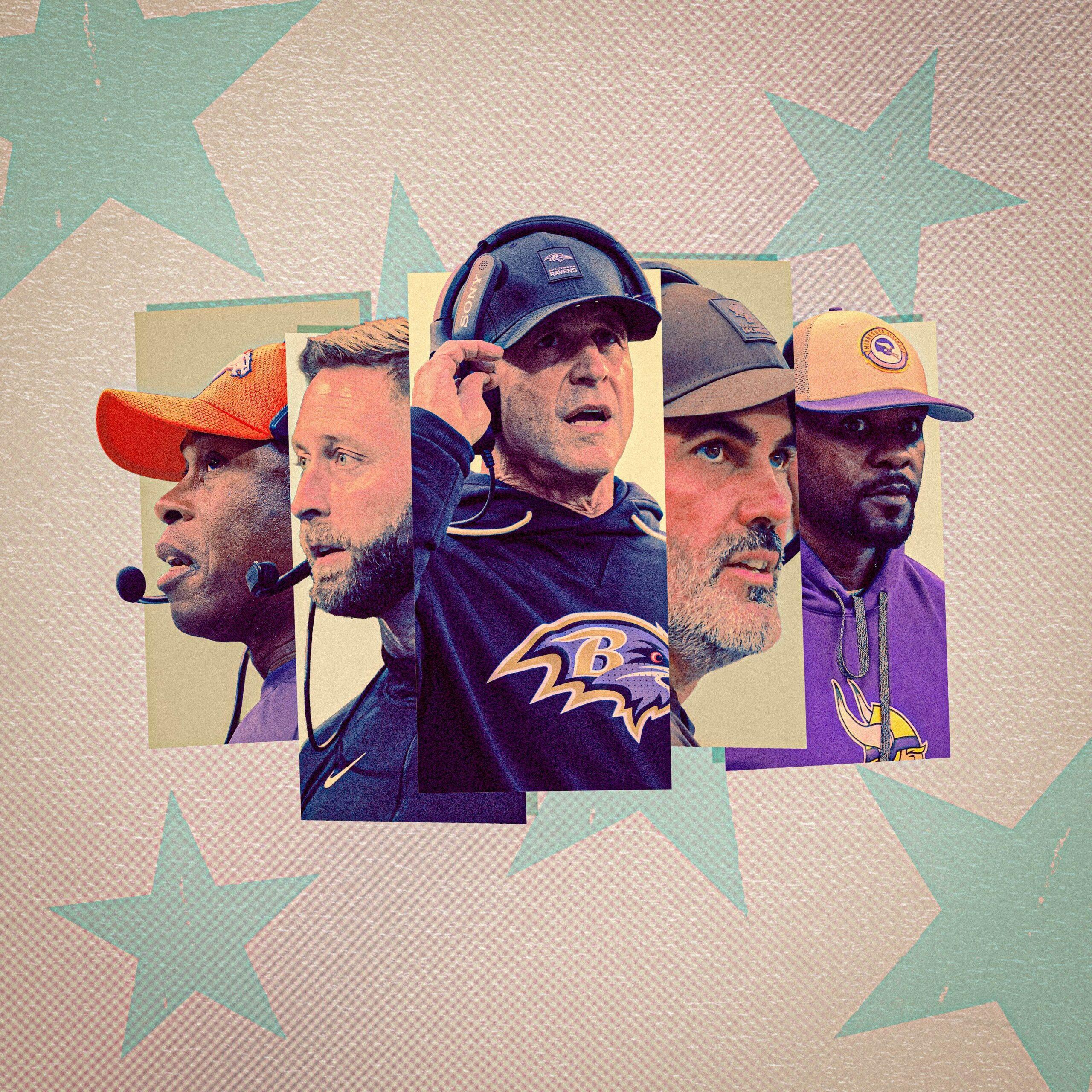


The 2026 head coach hiring cycle is underway, and with the surprising firing of Buffalo’s Sean McDermott after the Bills lost in the divisional round of the playoffs, 10 teams will be hiring a new coach in 2026. That’s the most openings since 2006. Two of the jobs have already been filled, with the Giants hiring John Harbaugh and the Falcons picking Kevin Stefanski. The eight remaining openings are: the Bills, Steelers, Ravens, Browns, Dolphins, Falcons, Cardinals, Raiders, Giants, and Titans.
And if last year’s coaching searches are any indication, there will be dozens of candidates vying for those spots. In 2025, 38 coaches interviewed for a head job, according to CBS Sports. Of those candidates, 17 interviewed with multiple teams. Aaron Glenn talked to five teams, and Ben Johnson was right behind him with four.
There don’t appear to be any standouts like Glenn and Johnson in this year’s hiring pool, but there are plenty of familiar candidates who could draw interest from multiple teams, as well as some fresher names who could cut the line and take some of these jobs. This may be one of the more unpredictable hiring cycles in some time, as teams are casting wider and wider nets in their interview processes. The Bears talked to 19 candidates for their head coach vacancy last season. The Jets interviewed 16 coaches for theirs. If your team is in the market for a coach this offseason, get ready to learn a lot of new names.
To help you familiarize yourself with this year’s hiring pool, The Ringer’s Diante Lee and Steven Ruiz have put together profiles of all the top candidates, covering their NFL experience, schematic philosophies, coaching influences, and anything else you need to know about them. They’ve also ranked the candidates based on all of those factors. Let’s get to know the next class of NFL head coaches.
Editor’s note: The Ringer is updating this list throughout the offseason, and it now includes Sean McDermott, Mike Tomlin, John Harbaugh, Mike McDaniel, and Kevin Stefanski. Marcus Freeman, who is staying at Notre Dame, has been removed since this list’s initial publication in December.
1
Mike Tomlin
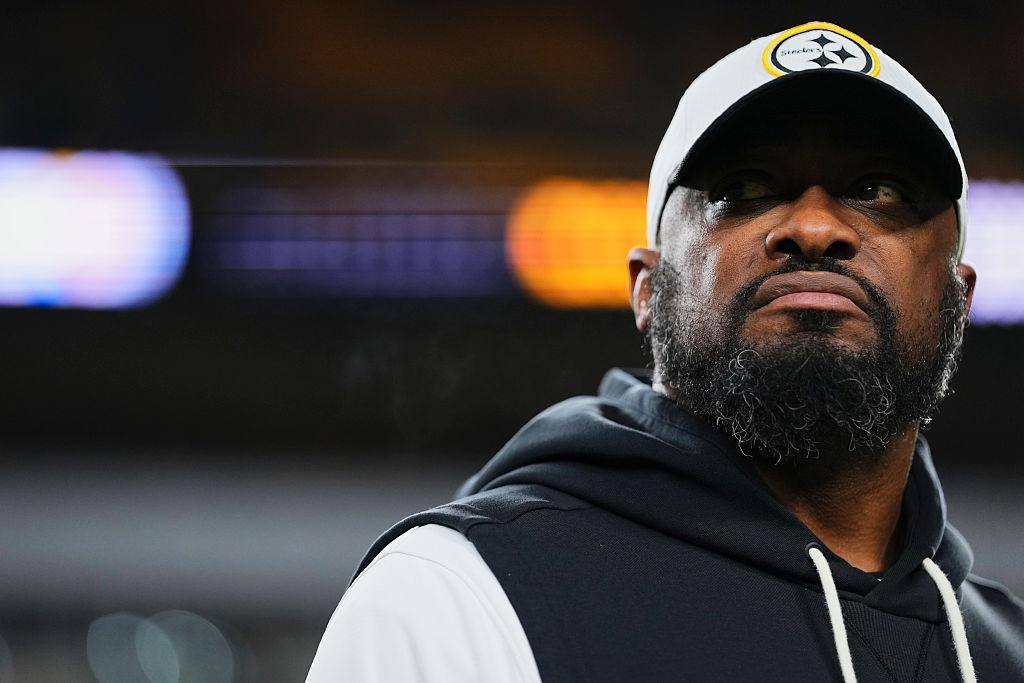
Current job: None (former Steelers head coach)
NFL experience: 25 seasons
Archetype: CEO
Scheme: 3-4
Coaching influence: Tony Dungy
I don’t know whether we can call Mike Tomlin a “winner” anymore. The now-former Steelers coach, who has reportedly decided to step down, hasn’t won a playoff game in nine seasons. But we know he’s not a “loser,” and there aren’t many other options on this list we can say that about.
Tomlin’s also not a true coaching free agent. The Steelers did not fire him, which means that they still retain the rights to his contract and could ask for compensation from any team that chooses to hire him—either this offseason or in future years, as the Saints did when the Broncos hired Sean Payton after he spent a year doing television. Denver gave up first- and second-round picks in exchange for Payton and a third-rounder. Any team that wants to get in the Tomlin business will likely have to pay a significant cost of entry.
Is Tomlin worth that sort of draft capital in 2026? It’s debatable. Tomlin’s had the Steelers punching above their weight in the post–Ben Roethlisberger era, but the offense has been a mess through several coordinator-quarterback combos, and the defense has been inconsistent. Yet Pittsburgh has won 57 percent of its games in the past five seasons. Only 10 teams have a better winning percentage over that span. That’s an impressive feat considering the quarterback play his team has gotten. Maybe the poor quarterbacking falls on him as the head coach, as well as on the offensive coordinators he hired, but the Steelers front office supplied him with some dreadful options. Mason Rudolph. Kenny Pickett. Remember “Duck” Hodges? Tomlin even won with that guy! And Tomlin’s coordinator hires have been merely fine. Bruce Arians was his first OC. Todd Haley replaced Arians and coached some highly efficient offenses when Roethlisberger was under center. Randy Fichtner was replacement level, Matt Canada was terrible, and Arthur Smith has been average.
There isn’t a coach in the league who has provided his team with a higher floor than Tomlin has—not even Andy Reid, who just went 6-11 and had Patrick Mahomes for most of those games. Any team that’s tired of losing should have Tomlin near the top of its wish list of candidates, even at a cost.
2
John Harbaugh
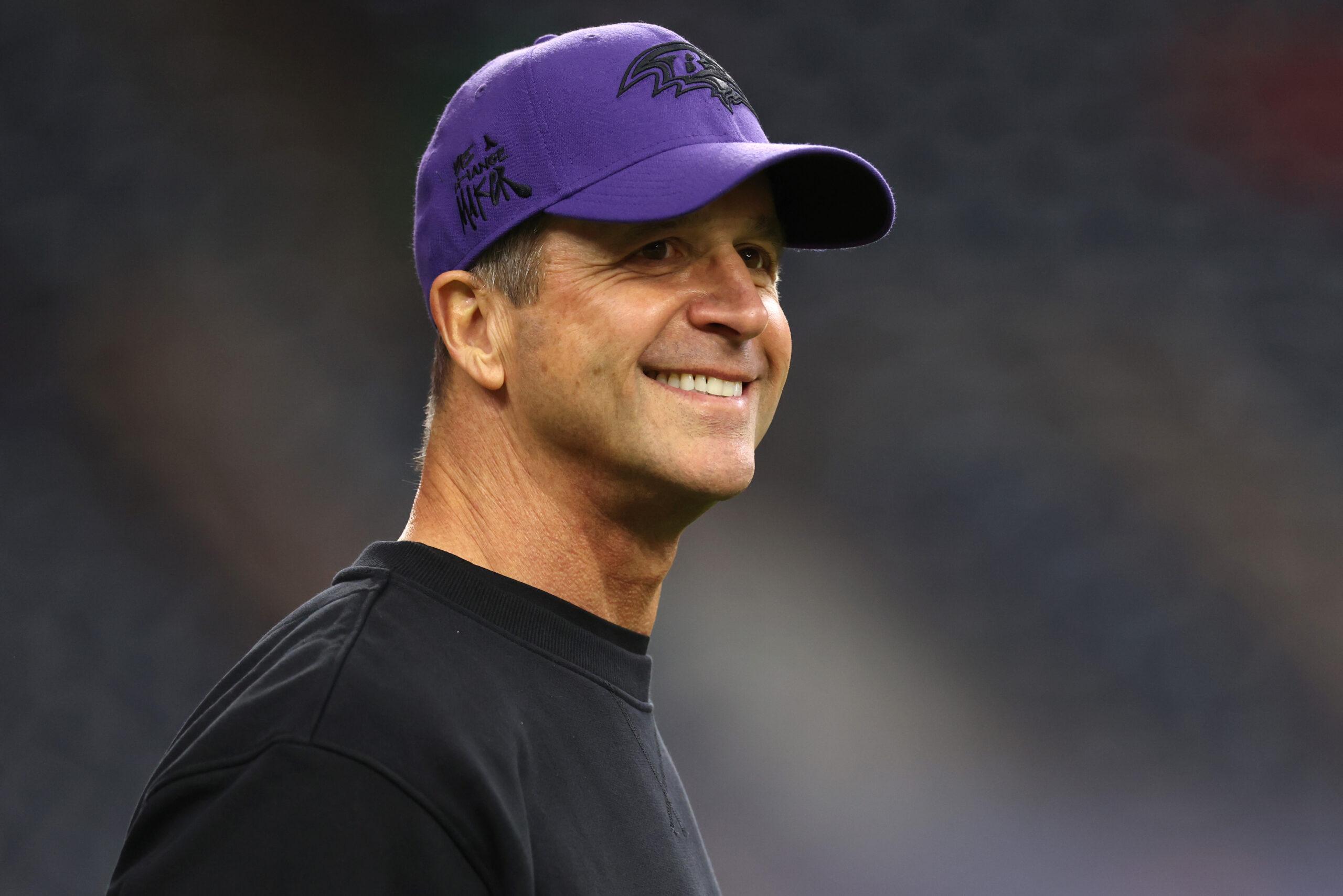
Previous job: Baltimore Ravens head coach
NFL experience: 27 seasons
Archetype: Defensive CEO
Scheme: Blitz-happy 3-4 defense
Coaching influences: Andy Reid, Jim Johnson
Editor’s note: Harbaugh has been hired by the New York Giants.
John Harbaugh’s firing immediately reset our rankings—and the NFL’s coaching carousel—and he and Mike McCarthy are the only coaches on this list with a Super Bowl ring.
The CEO-type coach is going extinct in the league, but Harbaugh feels like an exception. He has a proven record of winning without needing to call plays on either side of the ball. For teams on the fringe of contention that need someone who’s done it before—or floundering organizations that need someone with experience and a wide network of assistants to rebuild a program—Harbaugh is the best option out there. Things may have grown stale after nearly two decades in Baltimore, but it's a testament to his consistency that he lasted 18 seasons before it was time to part ways.
I’m curious about how motivated the 63-year-old coach will be after a disappointing end to his tenure with the Ravens. If the fire is still there, he’ll build a winner at his next stop.
3
Sean McDermott
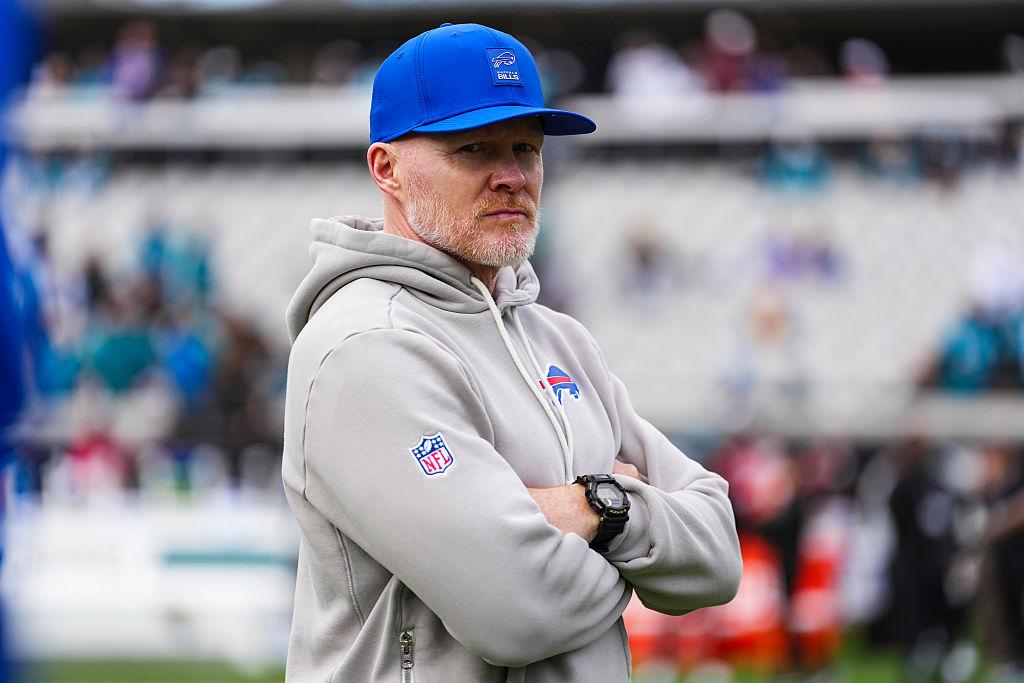
Current job: None (former Bills head coach)
NFL Experience: 25 seasons
Archetype: CEO
Scheme: Even front, two-high zone
Coaching influences: Jim Johnson, Andy Reid, Ron Rivera
Sean McDermott won 98 games and made the playoffs eight times in nine seasons with the Bills. He also ended Buffalo’s long playoff drought before Josh Allen arrived, so not all of his success can be attributed to the superstar quarterback. McDermott has won everywhere he’s been as a coach. He was on Philadelphia’s staff during its dominant run in the NFC in the early 2000s. He was the defensive coordinator for the 2015 Panthers team that went 15-1 during the regular season and made the Super Bowl. And he’s led the Bills to two AFC title games.
Then there’s the other side of it. McDermott went 8-8 in the postseason as Buffalo’s head coach and never got the Bills to the Super Bowl. He couldn’t get over the hump with one of the three best quarterbacks on the planet and had nearly a decade to do it. McDermott’s defense was a major reason his teams never won a conference title. His disciplined, zone-heavy approach gave the unit a low floor but that style of play always seemed to hold the team back against the best quarterbacks in the league. As defensive talent eroded—somehow general manager Brandon Beane earned a promotion while letting it happen—McDermott largely failed to develop the next generation of the defense. Allen ascended, taking the offense with him, but the defense couldn’t keep up.
McDermott has plenty of winning experience, but it’s fair to question whether he brings much else to the table. Allen isn’t coming with him to his next stop and it’s unlikely his next team will be able to find him another MVP-winning quarterback. It’s unclear whether he’s still capable of building a top defense. McDermott has struggled to balance his run and pass defense, which is the key to success in today’s NFL. The past nine years paint McDermott as a safe hire, but making the decision will require a lot of guesswork about what he can do in the future.
4
Kevin Stefanski
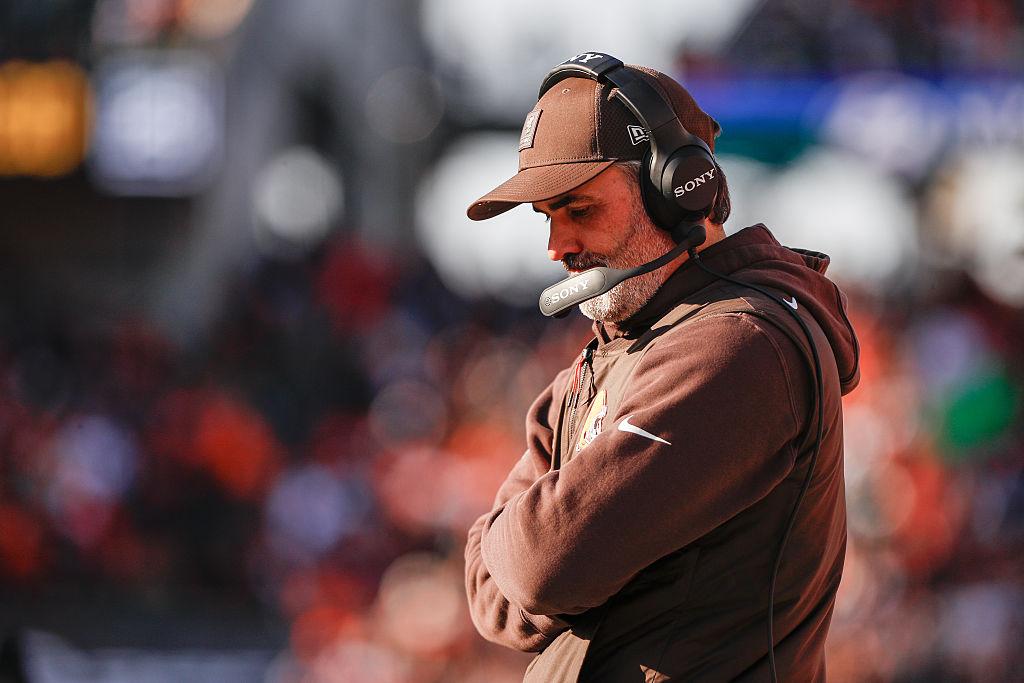
Previous job: Cleveland Browns head coach
NFL experience: 20 seasons
Archetype: Offensive schemer
Badges: Retread, Play caller
Scheme: Power run/play-action
Coaching influences: Norv Turner, Gary Kubiak
Editor’s note: Stefanski has been hired by the Falcons.
Stefanski, fired by the Browns on Monday, was dealt an unplayable hand in his last few seasons in Cleveland, but he should consider himself lucky for getting out when he did. As an offensive-minded coach with play-calling experience and a postseason win on his résumé, he couldn’t have picked a better time to hit the open market. The list of candidates who check both boxes is only two deep this hiring cycle: It’s Stefanski and Mike McCarthy, who is about 20 years older and shouldn’t be considered an exciting option for any team in the market for a new coach.
The stink of the Browns may be hard to wash off, but Stefanski has a solid track record that should help teams overlook what went wrong in Cleveland. As the Vikings’ offensive coordinator in 2019, he had Kirk Cousins playing the best ball of his career. Baker Mayfield looked like a fringe top-10 quarterback and won a playoff game in Stefanski’s first season in Cleveland. And Stefanski got good enough play out of a late-career Joe Flacco to get back to the playoffs two years ago—with a major assist from Jim Schwartz’s defense. The Deshaun Watson mess tanked the last few seasons of Stefanski’s tenure, but there are only a handful of coaches in the league today who could have won with Cleveland’s meager offensive talent these past few seasons. And none of them are hitting the open market anytime soon.
With even adequate quarterback play, Stefanski’s offense can win a team a lot of games. It starts with the run game, which can be a pain in the ass to defend and sets the quarterback up for success by giving him clear reads against basic defensive looks. Stefanski designs a killer screen game, and he makes good use of play-action, which makes for the kind of QB-friendly environment that every team should want in this era of the sport. And while some of Stefanski’s game management choices backfired in spectacular ways this past season, his decision-making is usually analytically sound. When teams take a step back from recent results and consider Stefanski’s full body of work, they’ll quickly realize that he’s the top candidate in this year’s pool.
5
Robert Saleh
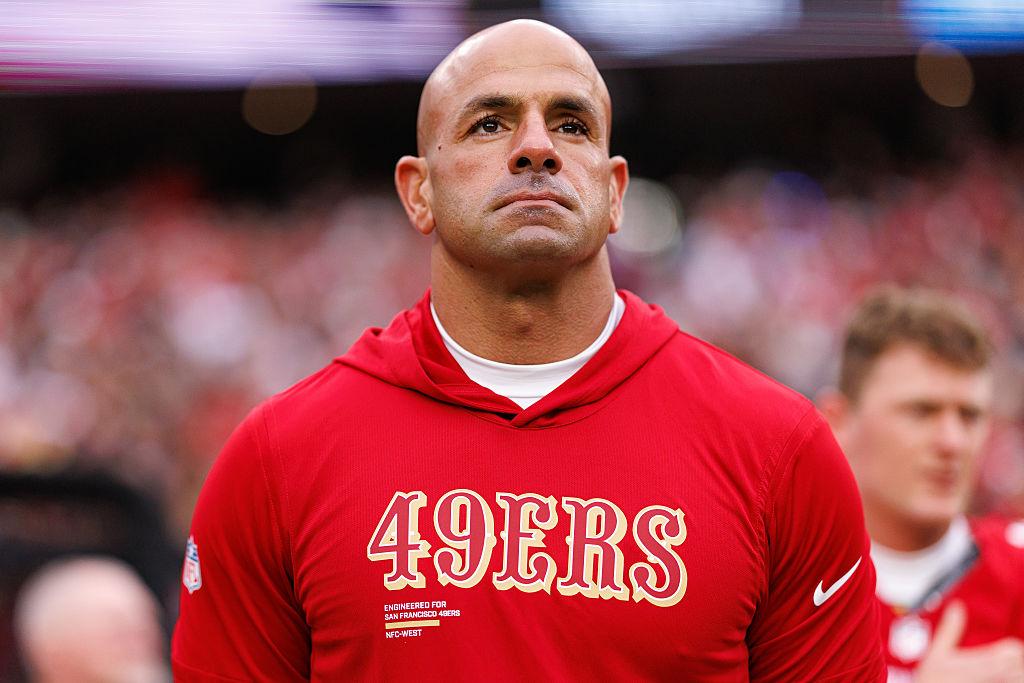
Current job: San Francisco 49ers defensive coordinator
NFL experience: 21 seasons
Archetype: Defensive schemer
Scheme: Zone-heavy 4-3 defense
Coaching influences: Pete Carroll, Kyle Shanahan
After overseeing the disastrous Zach Wilson—Aaron Rodgers eras in New York, Robert Saleh badly needed this year to rehab his coaching image, so he returned to Shanahan’s staff in San Francisco, where he took over a defense that lost a number of starters in the offseason. The 49ers also lost defensive stars Nick Bosa and Fred Warner to season-ending injuries this fall, but Saleh has kept this unit afloat well enough to get San Francisco to the playoffs. The 49ers don’t play the prettiest brand of defense right now—they like to sit in zone coverage and force offenses to dink and dunk down the field—but we know what Saleh’s defense can be when it has the necessary pieces.
I trust Saleh to build a playoff-level defense no matter where he ends up next, and I don’t lay too much blame on him for the failings of the Jets offense during his tenure as head coach. Then-coordinator Mike LaFleur probably wasn’t quite ready for that role at the time; LaFleur’s successor, Nathaniel Hackett, was part of a package deal with Rodgers; and both Wilson and Rodgers were awful at executing the scheme anyway. Hiring the right offensive coordinator will be the biggest decision Saleh makes if and when he gets his second head coaching opportunity.
If a team like the Dolphins (with a veteran QB already in place) were to make a change, Saleh could be the right coach to come in and instantly make it tougher.
6
Mike McCarthy
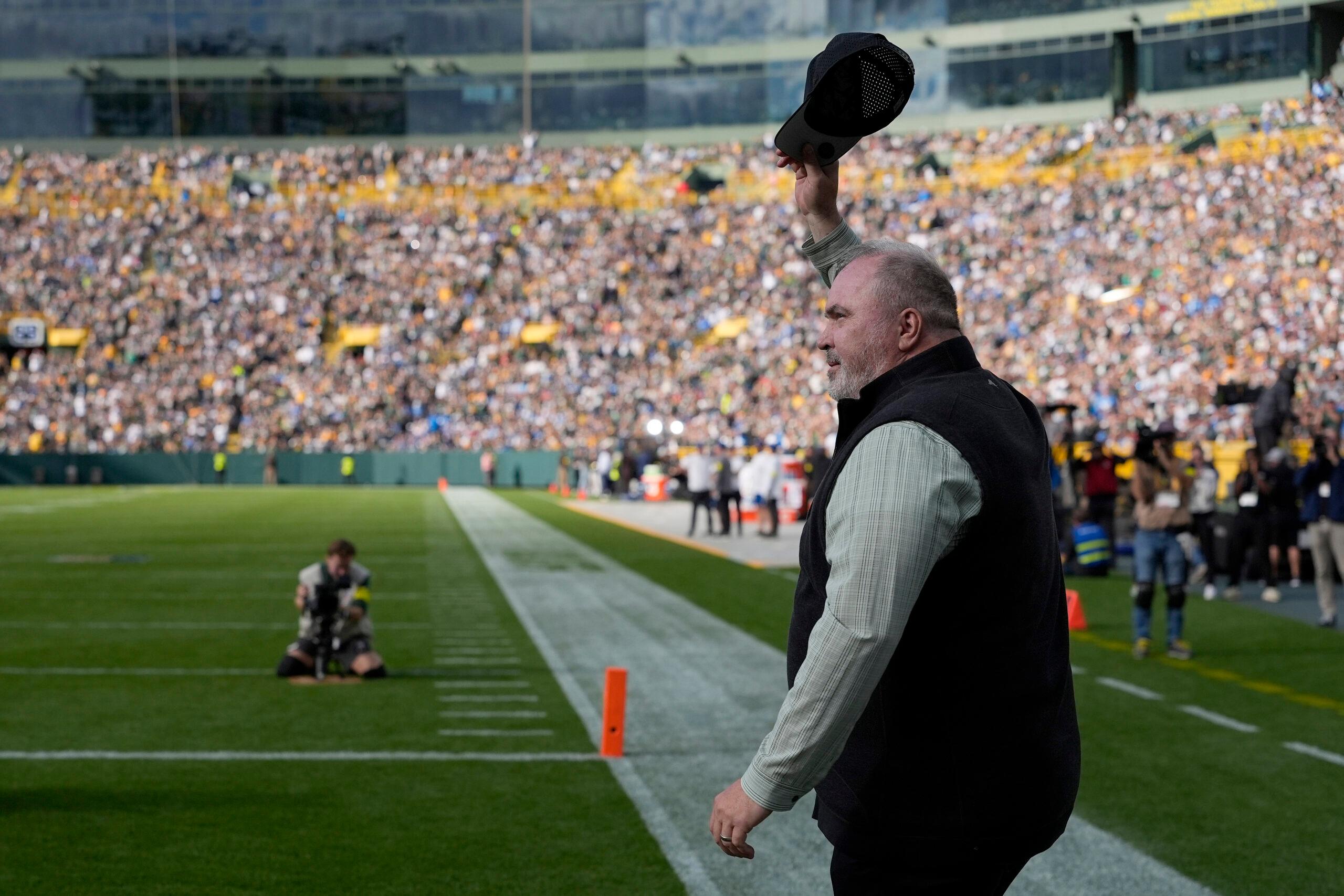
Current job: None (former Dallas Cowboys head coach)
NFL experience: 31 seasons
Archetype: Offensive CEO
Scheme: Old-school West Coast
Coaching influences: Marty Schottenheimer, Paul Hackett
The case for McCarthy is simple: Every team is trying to win a Super Bowl, and he’s the only coach in the hiring pool who’s done that. Sure, it’s been awhile (15 years) since he hoisted the Lombardi Trophy for the Packers—and that was before the 2011 CBA, which changed player development and roster building forever—but McCarthy proved that he’s still got it by leading the Cowboys to three straight 12-win seasons and top-five scoring offenses from 2021 to 2023.
McCarthy has been a winner in both of his head coaching stints, and while the haters will point out that he advanced to the NFC title game only once in a dozen trips … well, I guess the haters have a point. We know that McCarthy can get the plane off the ground, but it’s unclear whether he can still stick the landing.
Whether McCarthy’s offensive philosophy—which is built on ideas Bill Walsh had 40 years ago—is still era appropriate in this ever-evolving league is also up for debate. He led plenty of efficient units in both Green Bay and Dallas, but he wasn’t able to maintain success when the talent on his roster eroded.
7
Kliff Kingsbury
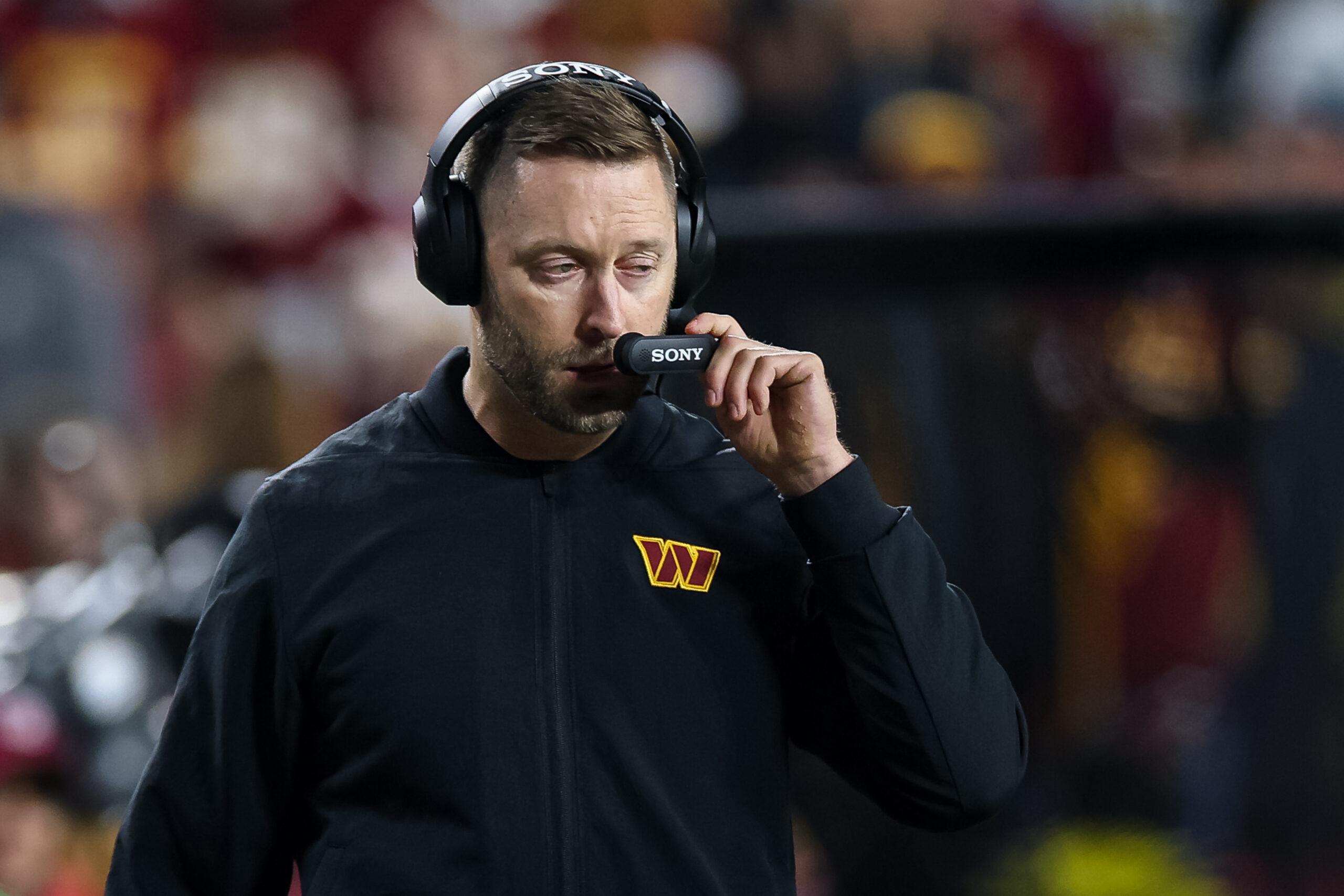
Current job: Washington Commanders offensive coordinator
NFL experience: Six seasons
Archetype: Offensive schemer
Scheme: Modern Air Raid
Coaching influences: Kevin Sumlin, Lincoln Riley
Patrick Mahomes, Jayden Daniels, Baker Mayfield, Kyler Murray, and Caleb Williams. Kingsbury has played a role in the development of all those quarterbacks. And in a league that’s obsessed with finding and shepherding franchise passers, that should be a compelling selling point for NFL owners.
Kingsbury’s work as a play caller and offensive designer, though, may be less exciting. His results at the NFL level have been solid: Since 2019, the year Kingsbury entered the league, his combined Arizona and Washington offenses would rank ninth in the NFL in points per drive and are tied for 12th in yards per play. Kingsbury is an Air Raid coach, but it’s his run scheme—built on college-style option plays—that has done most of the heavy lifting. His rather simplistic passing scheme—which is built on quick hitters rather than explosive plays—has been inconsistent and downright disappointing at times.
Kingsbury’s time as the Commanders’ offensive coordinator has mostly been a success. He eased Daniels’s transition into the league in 2024 with a deftly curated offense, and while the second-year quarterback has struggled to maintain the level of play of his rookie campaign (mostly due to injuries), Kingsbury has turned Marcus Mariota into one of the NFL’s most productive backups, proving, once again, that his work with quarterbacks cannot and should not be ignored.
8
Joe Brady
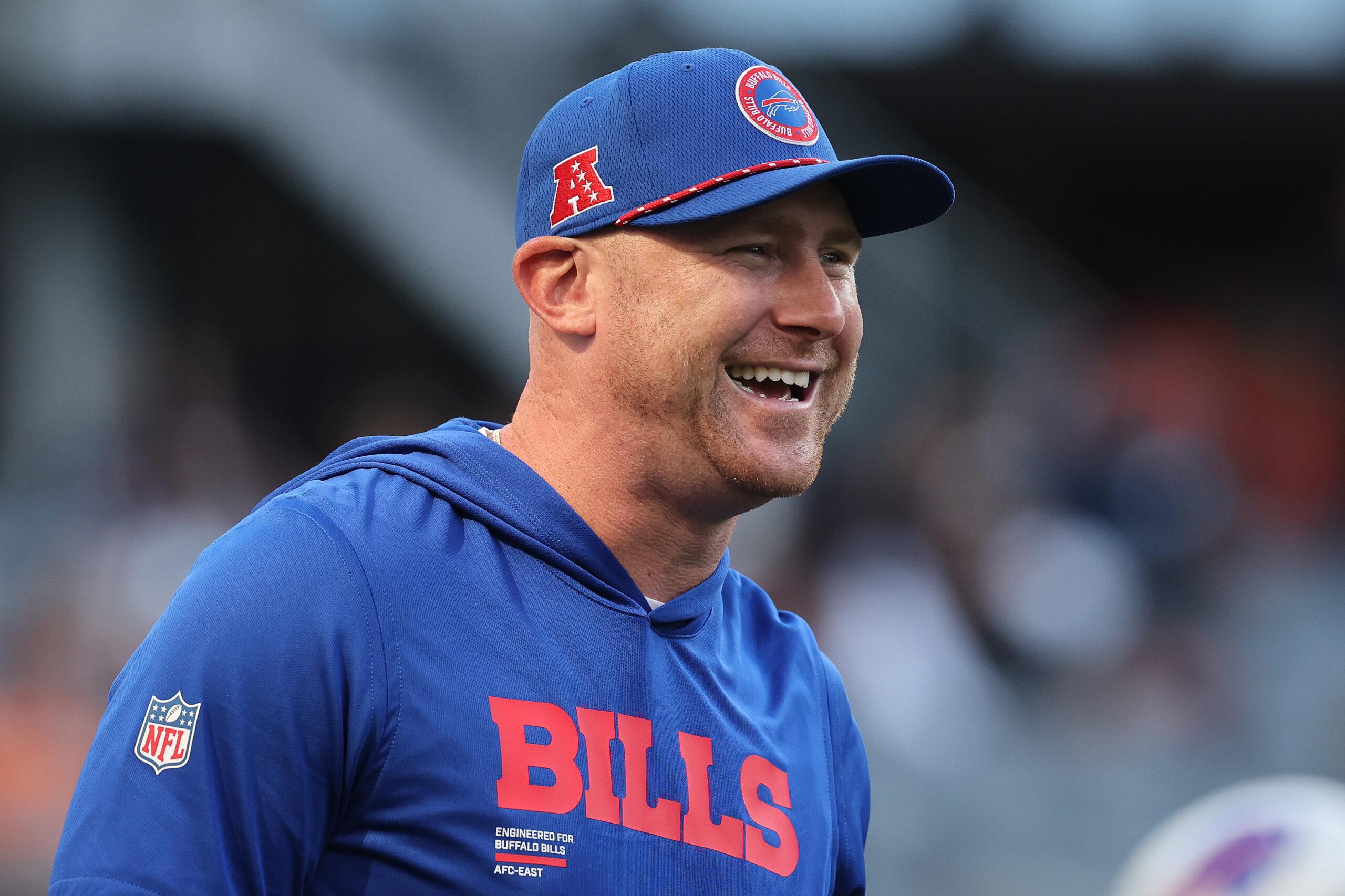
Current job: Buffalo Bills offensive coordinator
NFL experience: Eight seasons
Archetype: Offensive schemer
Scheme: Payton West Coast
Coaching influences: Sean Payton, Sean McDermott
Recent hiring cycles have been dominated by young, offensive-minded coaches who have successful track records as play callers. Scroll through this list, and you’ll see that there aren’t many of those in this year’s hiring pool. It’s really just Brady, who’s about to wrap up his second season as Bills offensive coordinator with another top-five group. Most of the candidates in Brady’s age bracket don’t currently call plays, and those who do have a short history of success.
Brady won’t get to bring Josh Allen to a new job, but he will bring a structurally sound offense that’s built around an overpowering run game. It’s been nearly a decade since Brady coached under Sean Payton with the Saints, but he’s still running the offense he picked up in New Orleans. Brady’s like a Tulane alum who spent a few years in New Orleans, and it became their entire personality. But instead of an exaggerated appreciation for jazz, Brady left the city with a taste for weakside runs and option routes. Then, as LSU’s pass game coordinator in 2019, he got an advanced education in the run-pass option game. He went back to the NFL in 2020 as the Panthers OC, but things didn’t go so well in Carolina. Brady did a solid job of calling plays, but it was for a poorly built offense. He got some decent play out of Sam Darnold early on and was the first NFL coach to really unleash Christian McCaffrey as a true receiving threat. But Brady was fired by Matt Rhule in an apparent effort to distract from the crappy job he was doing as head coach.
At 36, Brady now has a fully fleshed-out scheme that can play old-school bully ball or spread it out and exploit space with modern concepts. Nobody should question his capacity to design an offense. But the responsibilities of a head coach stretch far beyond that. NFL teams will have to decide whether he’s got the right temperament for the job.
9
Steve Spagnuolo
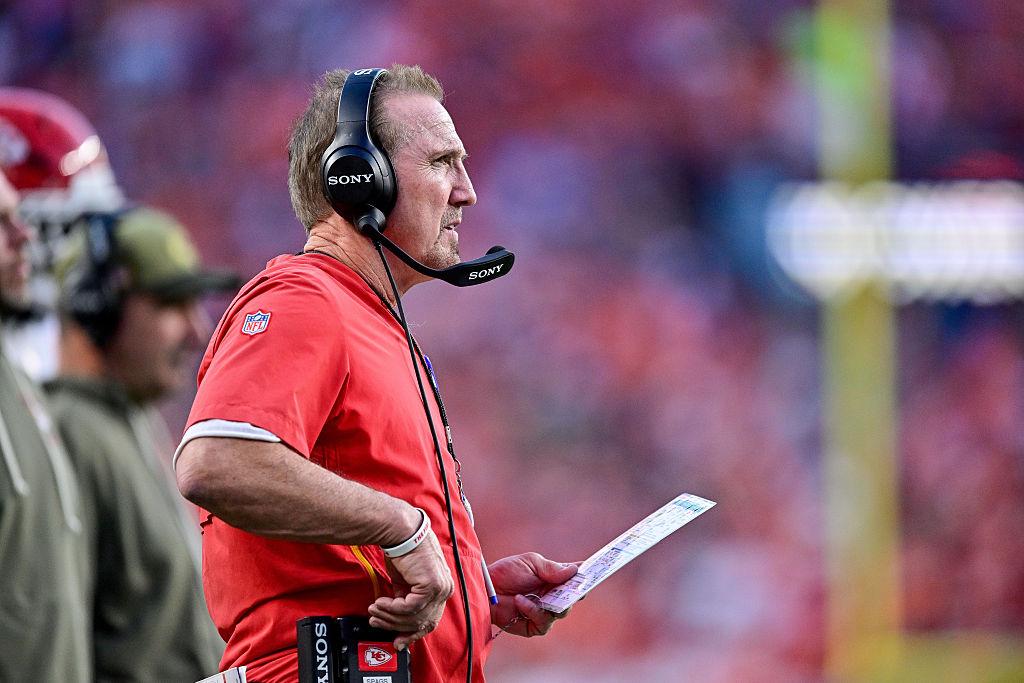
Current job: Kansas City Chiefs defensive coordinator
NFL experience: 26 seasons
Archetype: Defensive schemer
Scheme: Blitz-happy 4-3 defense
Coaching influence: Andy Reid
This could be Giants or bust for Spagnuolo. At 65 years old, the Chiefs defensive coordinator probably doesn’t have much time left to land his second head coaching job—and he’s almost certainly not going to risk giving up his job security in Kansas City to land in an unfamiliar place.
He won his first Super Bowl coordinating the 2007 Giants defense, and he’s built a legendary resume of effective game plans in the playoffs during his time on Andy Reid’s staff. And while his scheme is getting a little easier for opposing offenses to anticipate this year, that’s only because the rest of the league has been studying how to beat him specifically for the last six seasons.
If I were Spags, I’m riding the wave in Kansas City to its bitter end. Head coach aspirations aside, life in the NFL will never be better than coaching on a team led by quarterback Patrick Mahomes, even if the team could be in transition next season. No need to let perfect be the enemy of good.
10
Jesse Minter
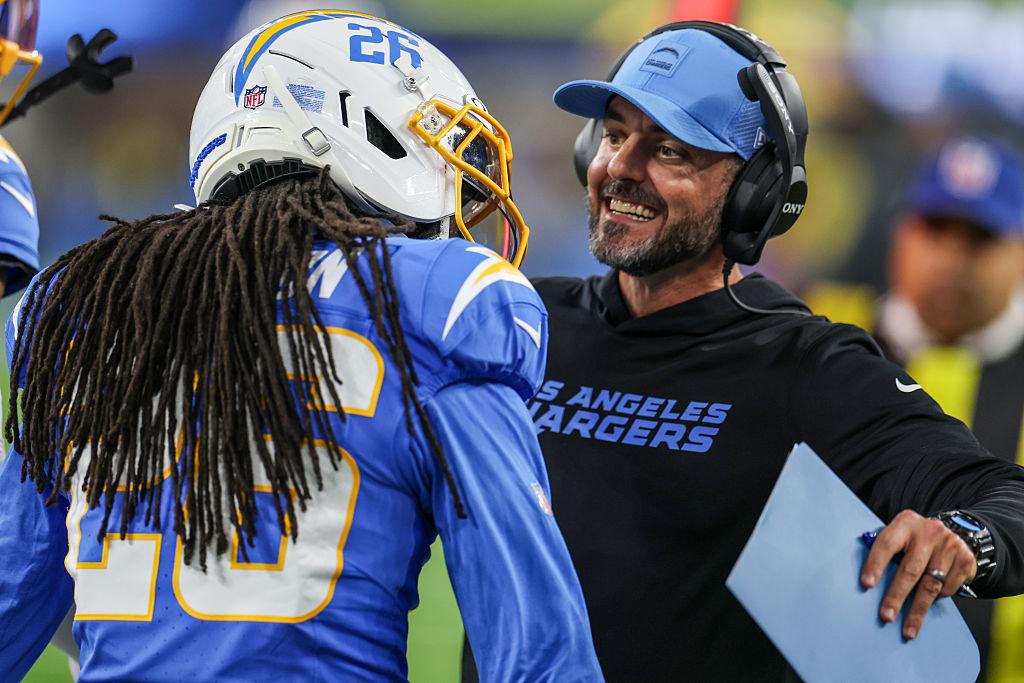
Current job: Los Angeles Chargers defensive coordinator
NFL experience: Six seasons
Archetype: Defensive schemer
Scheme: Zone-heavy 3-4 defense
Coaching influences: Mike Macdonald, Jim and John Harbaugh
Minter is the league’s most exciting young defensive coordinator, and it’s possible he fields calls from every team with a head coaching vacancy this winter.
Some of the NFL’s brightest young minds are coming up on the defensive side of the ball—and most of them are directly tied to the Harbaugh family. Like Seahawks head coach Mike Macdonald, Minter got his biggest break in the NFL with John Harbaugh and the Ravens. Then, he spent a year honing his craft as a play caller at the University of Michigan under Jim Harbaugh before earning his opportunity to coordinate in the league on Jim’s staff in Los Angeles.
Once Minter got his shot, he immediately capitalized—and made more with less. Aside from standout veteran defensive back Derwin James and a 34-year-old Khalil Mack (who missed a month of this season with a dislocated elbow), the casual NFL fan would struggle to name starters on Minter’s current defense. But it hasn’t stopped Los Angeles from fielding a great unit, as the Chargers are top five in success rate against the pass and have the best touchdown-to-interception ratio.
Minter’s had the necessary success to draw interest no matter who he plans to hire to run the offense, but he’s another defensive guy with legitimate questions about what relationships he can lean on to build an offensive system. I’d be curious to see if he goes after a current Chargers assistant like quarterbacks coach Shane Day or passing game coordinator Marcus Brady to run his offense once he lands his first head coaching job.
11
Todd Monken
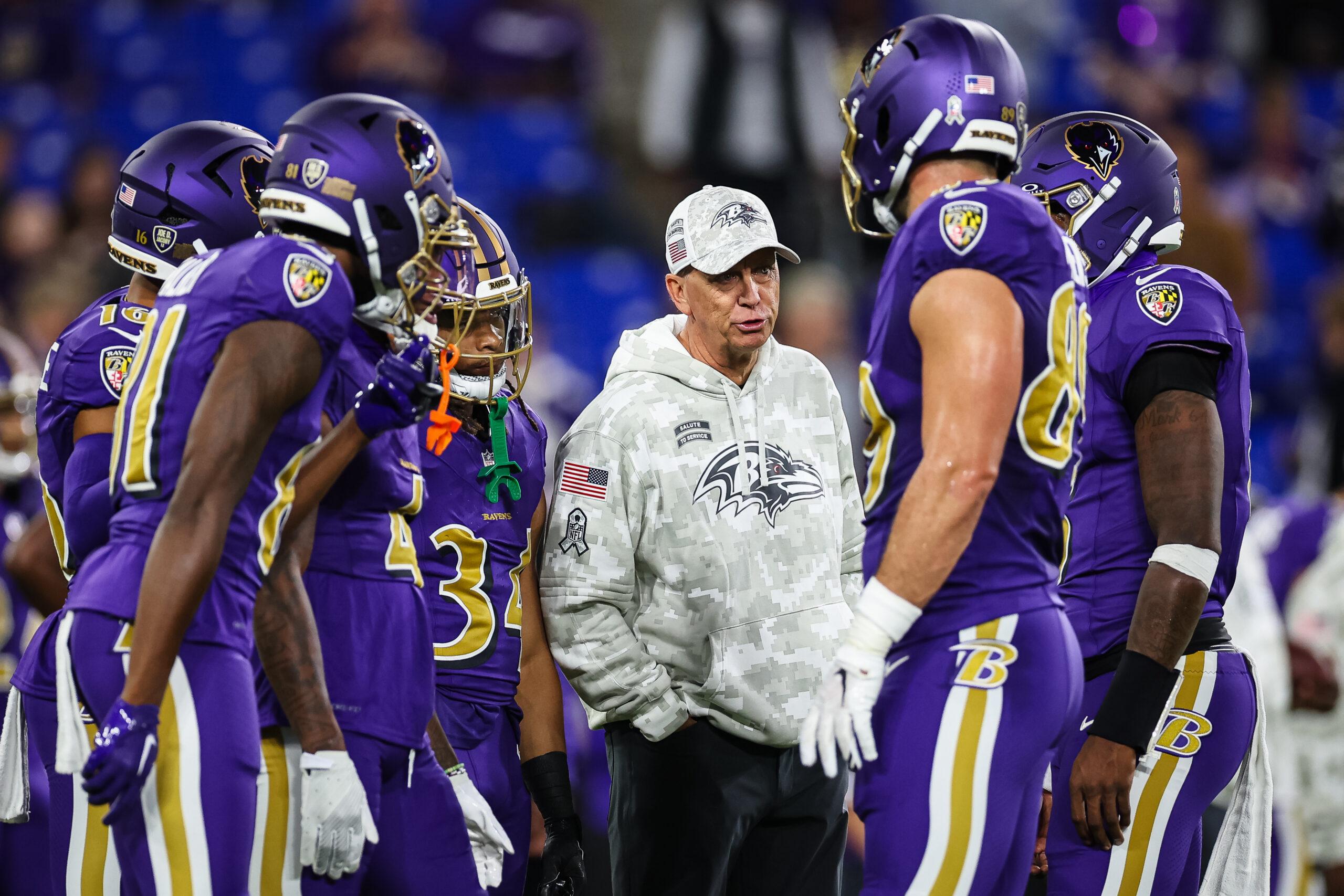
Current job: Baltimore Ravens offensive coordinator
NFL experience: 11 seasons
Archetype: Offensive schemer
Scheme: Vertical pass game from heavy formations
Coaching influence: Dirk Koetter
This is Monken’s second go-round as a head coaching candidate. Before he rebuilt his reputation as a play caller at Georgia and with the Ravens, Monken coordinated the Buccaneers offense from 2016 to 2018 and got interviews with the Packers and Jets during the 2019 hiring process. Last offseason may have been Monken’s best shot at finally breaking through, though. He helped Lamar Jackson nearly win back-to-back MVPs in his first two seasons with the Ravens—but things aren’t going so well in year three. Jackson has limped through the season, picking up various injuries along the way, and the offense has sputtered.
Monken’s stock has fallen a bit as a result, but he should still get opportunities to state his case this offseason. If you look beyond the retread candidates, Monken is competing with a thin, inexperienced group of offensive minds. He has been a head coach at the college level, he’s led successful offenses with a variety of schemes, and he’s adapted his play calling to his personnel at every stop. He’s not the most exciting candidate, but Monken has proved that he can cook up a championship-level offense if given quality ingredients. Any team that’s interested in hiring an offensive-minded head coach should give him a look.
12
Brian Flores
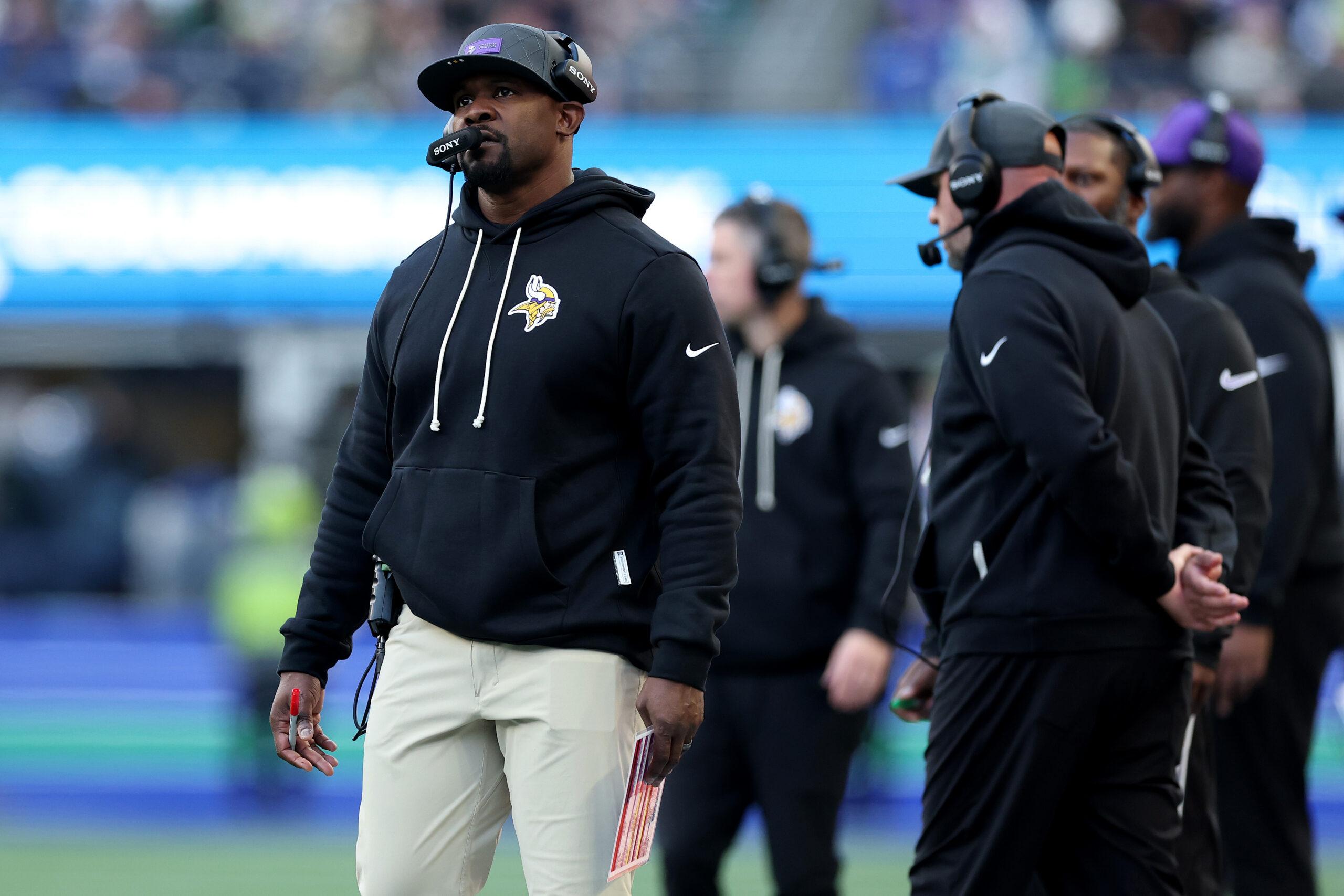
Current job: Minnesota Vikings defensive coordinator
NFL experience: 22 seasons
Archetype: Defensive schemer
Scheme: A 3-4 defense that defies all categories
Coaching influence: Bill Belichick
Flores is a three-time Super Bowl champion as an assistant coach, and is one of the only coaches off of Bill Belichick’s tree to find any success elsewhere. He’s also one of the best defensive minds in the NFL right now.
The former head coach of the Dolphins has taken a Vikings defense with minimal star talent and made it one of the NFL’s toughest to play against over the past two years. His creativity as a play caller led to a breakout season for linebacker Andrew Van Ginkel and defensive back Byron Murphy in 2024. He’s wrecked plenty of offensive game plans with his blitz packages and creative coverage schemes, and I trust him more than any coordinator to raise the floor for a bad defense. But with unresolved litigation against the league over discriminatory hiring practices and his bad experience in Miami with the development of Dolphins quarterback Tua Tagovailoa, teams could be (understably) scared away from putting Flores back at the helm.
13
Mike McDaniel
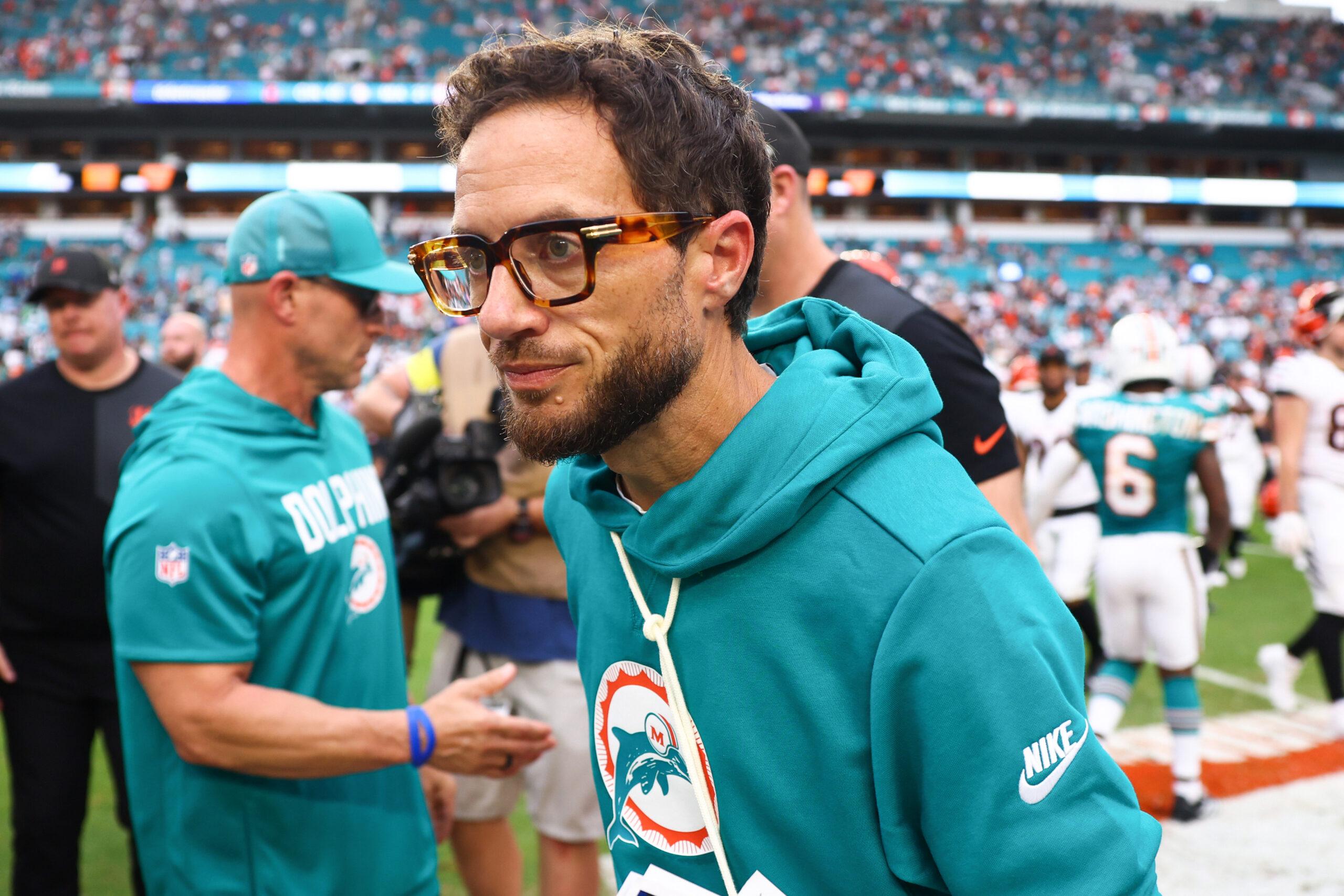
Current job: None (former Dolphins head coach)
NFL experience: 19 seasons
Archetype: Offensive schemer
Scheme: Outside zone/play-action
Coaching influence: Kyle Shanahan
McDaniel went from the cutting edge of offensive football to the unemployment line in about two years. The hype was warranted when his Dolphins teams were lighting up scoreboards over his first two seasons in Miami. And they were doing it with a middling talent at quarterback. Tua Tagovailoa was at the top of the league’s statistical charts, and Miami led the NFL in yards per play and explosive play rate over McDaniel’s first two seasons, 2022-23. The coach and offensive play caller didn’t just elevate his quarterback; he also maximized his star receiving duo, turning Jaylen Waddle into an elite player and pushing Tyreek Hill to heights he didn’t reach with Patrick Mahomes throwing him the ball and Andy Reid calling the plays. McDaniel also turned running backs Raheem Mostert and Devon Achane into fantasy football cheat codes. McDaniel was hailed for his X’s and O’s, but his use of talent was just as impressive. No matter how his tenure in Miami ended, the start of his head coaching career was truly special and influenced offensive designs across the league.
McDaniel wasn’t fired this week because he lost his play calling magic. Outside of an ugly start to the 2025 season, he did well in working around an eroding and increasingly injured roster these past two years. But before McDaniel lost his job, he appeared to lose his locker room and seemed to have no idea of how to get it back. Every offseason, we’d get stories about a culture change in Miami. The players would be held more accountable! The team would be tougher! Then the regular season would come around, and nothing would change. The problems that held the Dolphins back from contention in years one and two of McDaniel’s tenure still persisted in years three and four—only the offense was no longer good enough to gloss over the issues. Unfortunately for McDaniel, head coaching requires more than cool play designs. They can help make the job easier, but command of the locker room is a prerequisite to establishing a winning culture, which McDaniel never managed to do in his four seasons in Miami.
14
Lou Anarumo
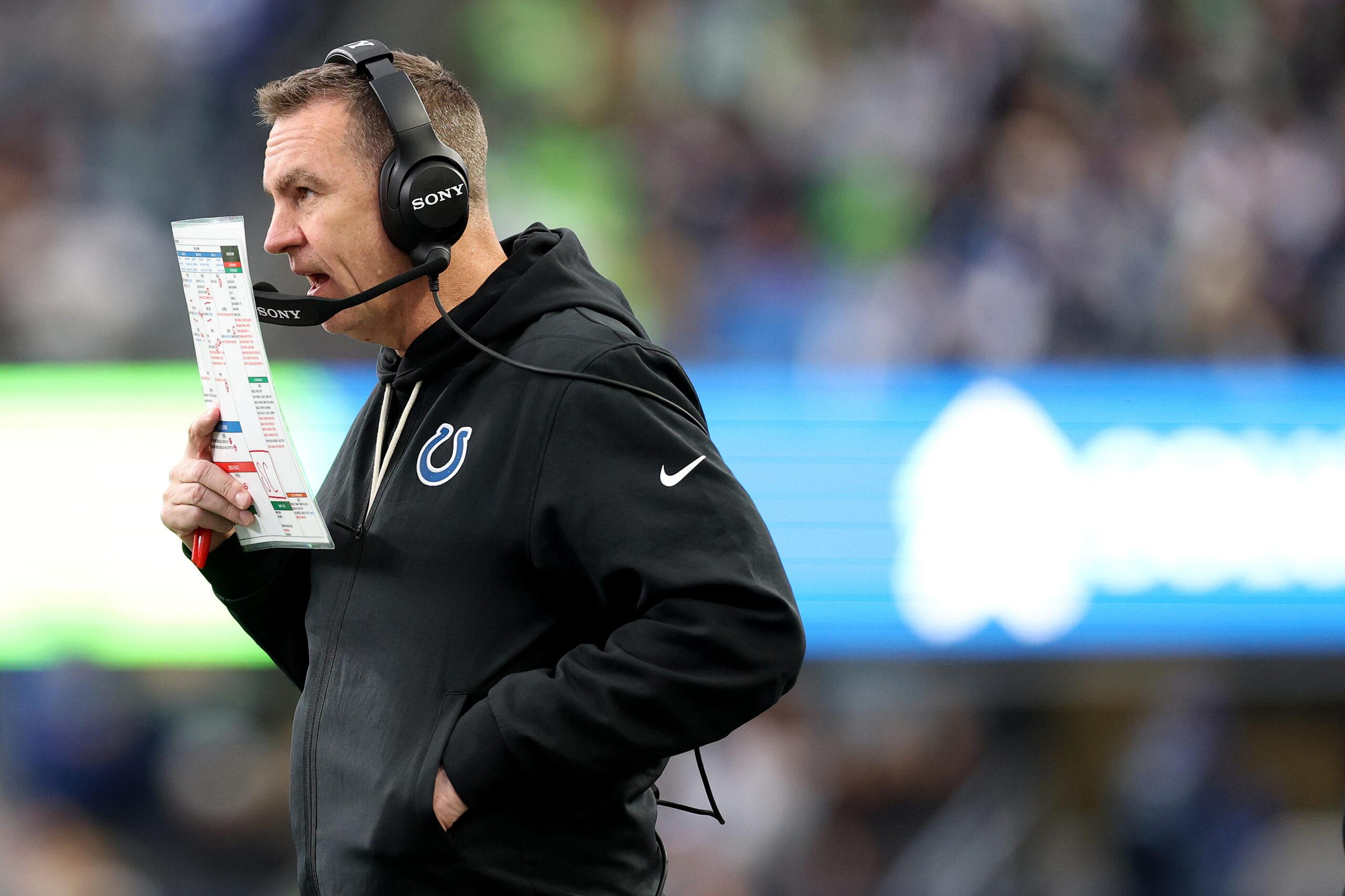
Current job: Indianapolis Colts defensive coordinator
NFL experience: 14 seasons
Archetype: Defensive culture setter
Scheme: 4-3 defense
Coaching influence: Mike Zimmer
Anarumo is undoubtedly an above-average defensive play caller, and the Bengals might have ultimately done his reputation a favor by firing him at the end of last season. (They laid the blame for their defensive failures solely at his feet, but Cincinnati’s play in 2025 has proved Anarumo wasn’t the problem.) Since he was hired as Indianapolis’s defensive coordinator this season, the Colts have produced a competitive defense, albeit one that struggles when it isn’t forcing turnovers, which is similar to how his former Bengals defenses performed as well, particularly after safety Jessie Bates III left in free agency and the shine of the Bengals’ run to the 2022 Super Bowl wore off.
While Anarumo’s only tangible head coaching pitch is as a play caller, I’d argue he’d be a much easier candidate to sell as a culture setter or CEO type. His defensive system isn’t special, but his ability to warp and tweak it to create bespoke game plans is how the Bengals got to Super Bowl LVI in the first place, and I think he can port those skills over to a head coaching position well. Pair him with the right general manager, and I could see a world where he succeeds.
15
Anthony Weaver
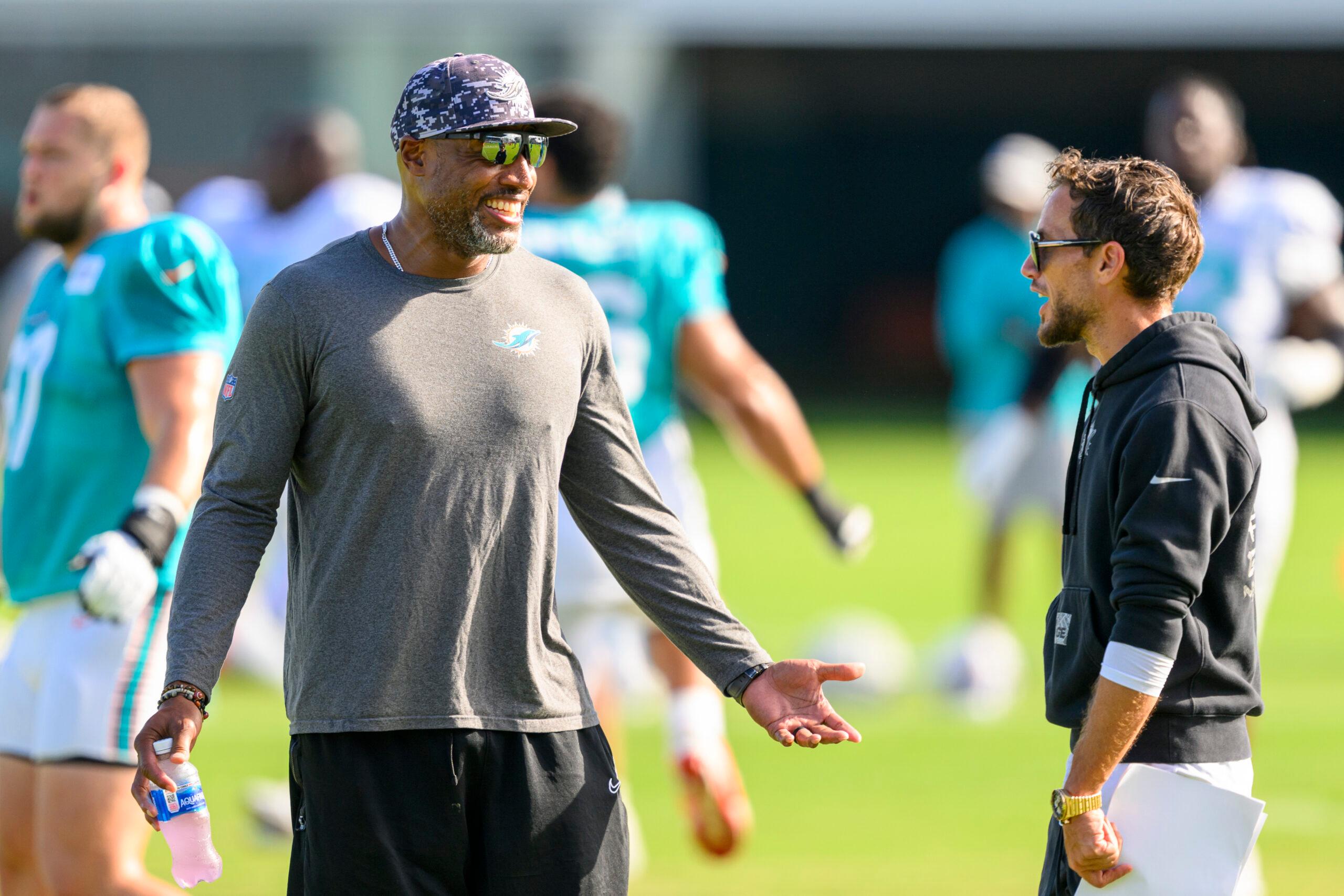
Current job: Miami Dolphins defensive coordinator
NFL experience: 14 seasons
Archetype: Defensive culture setter
Scheme: 3-4 defense
Coaching influences: Romeo Crennel, Rex Ryan, Mike Pettine
If you want to see your team hire a vibrant coach who still has dyed-in-the-wool old-school philosophies, Weaver is your guy.
He’s a concise communicator at the podium—and I assume he has the same style within Miami’s defensive meeting rooms. He’s helped defensive tackle Zach Sieler break out, maximized the skills of tackling machine Jordyn Brooks, and somehow steadied this Dolphins defense late this season in spite of its lack of depth and talent.
Weaver’s 3-4 scheme won’t be the selling point for his head coaching potential, even if he plans to call plays as a head coach. You would bring someone like Weaver in to be the adult in the room, and I think his calm but firm approach could fit well in Arizona, Las Vegas (should it fire head coach Pete Carroll), or Cleveland.
And if I were Weaver, I’d catch the first thing smoking out of Miami, even if head coach Mike McDaniel is retained for another season. If Weaver wants to get a head coaching job, the last place he wants to be is tethered to another bad roster next season.
16
Jeff Hafley
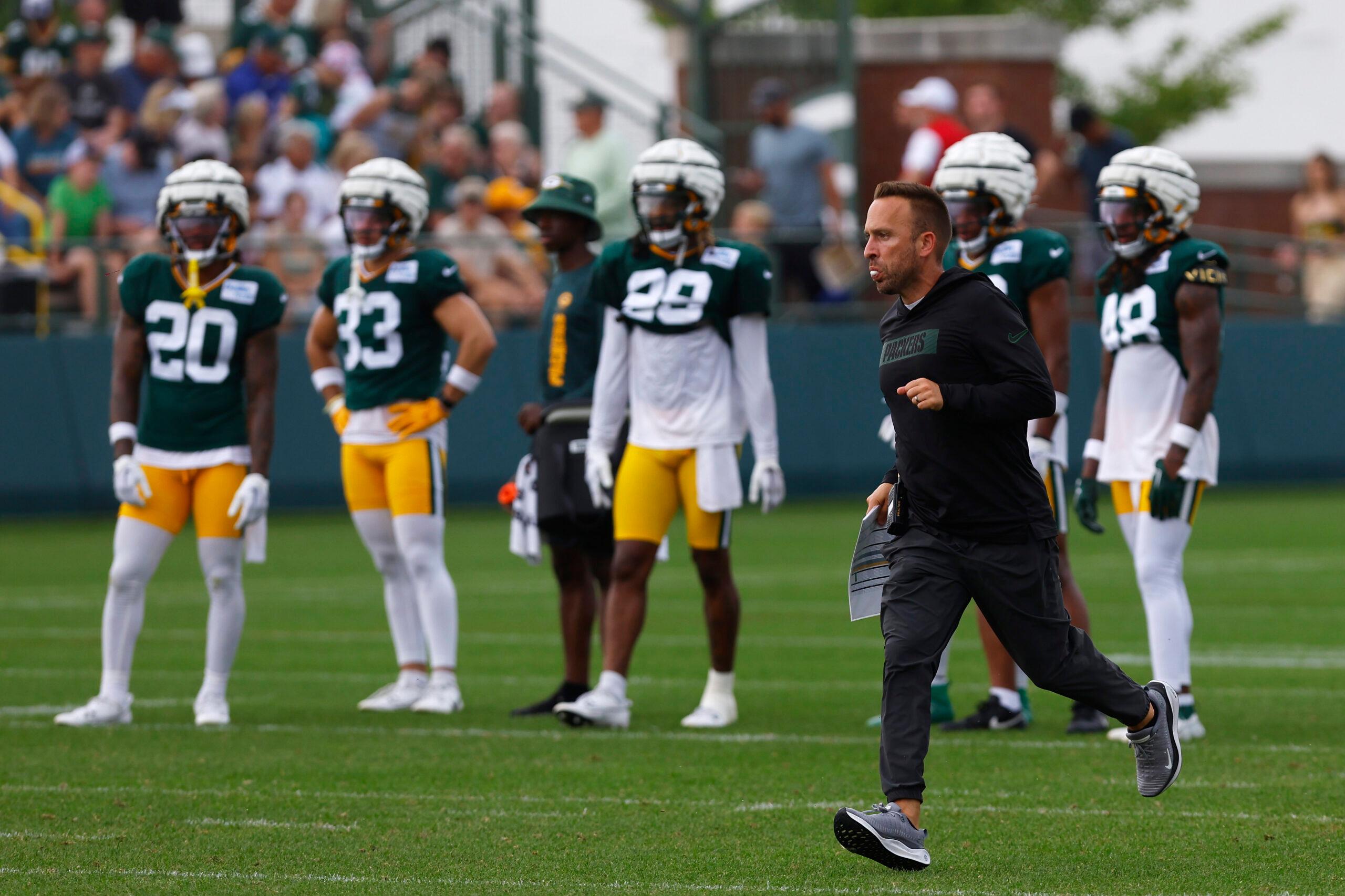
Current job: Green Bay Packers defensive coordinator
NFL experience: Nine seasons
Archetype: Defensive schemer
Scheme: Attacking 4-3 defense
Coaching influence: Pete Carroll (by way of Robert Saleh)
Packers defensive coordinator Jeff Hafley is one of the best defensive play callers in the league, and under his leadership, Green Bay’s defense has made the leap from being fun to watch in spurts and highlights to powering a legitimate championship contender. (Losing Micah Parsons to a season-ending ACL injury probably hurts Green Bay’s chances.)
Since Hafley came to Green Bay in 2024, the Packers defense ranks in the top 10 in sack rate, expected points allowed per pass, and success rate against the run. These marks aren’t just impressive in comparison to the rest of the league; they’re a night-and-day difference from how Green Bay performed before Hafley arrived. They ranked 15th or worse in all three of those categories in the final two years of former coordinator Joe Barry’s tenure.
It’s typically difficult to build a defensive identity on things like sacks, tackles for loss, and takeaways, because those plays are volatile from year to year, but the Packers have managed to do it. Hafley’s Packers rank seventh in the league in “havoc” plays over the past two seasons. Hafley has coaxed breakout seasons out of linebacker Edgerrin Cooper as well as safety duo Xavier McKinney and Evan Williams. And his unit’s aggressive style hasn’t come at the cost of allowing explosive plays.
Hafley isn’t as hot a name in this year’s coaching cycle as DeMeco Ryans was in 2022 or Mike Macdonald was in 2023, though—and that’s probably because of his disappointing four-year stint as Boston College’s head coach. While Golden Eagles football doesn’t typically have high expectations for success, it's concerning that Hafley cycled through three offensive coordinators in four years and his teams struggled to establish an identity on that side of the ball. Unless he has an ironclad plan to hire a talented young assistant off the Shanahan-McVay tree, NFL teams with young quarterbacks (like the Giants or Titans) should probably steer clear. If I were a franchise that’s devoid of an identity, missing a franchise quarterback, and several years away from contention (looking at you, Arizona), I might be more willing to take a chance on Hafley.
17
Klint Kubiak
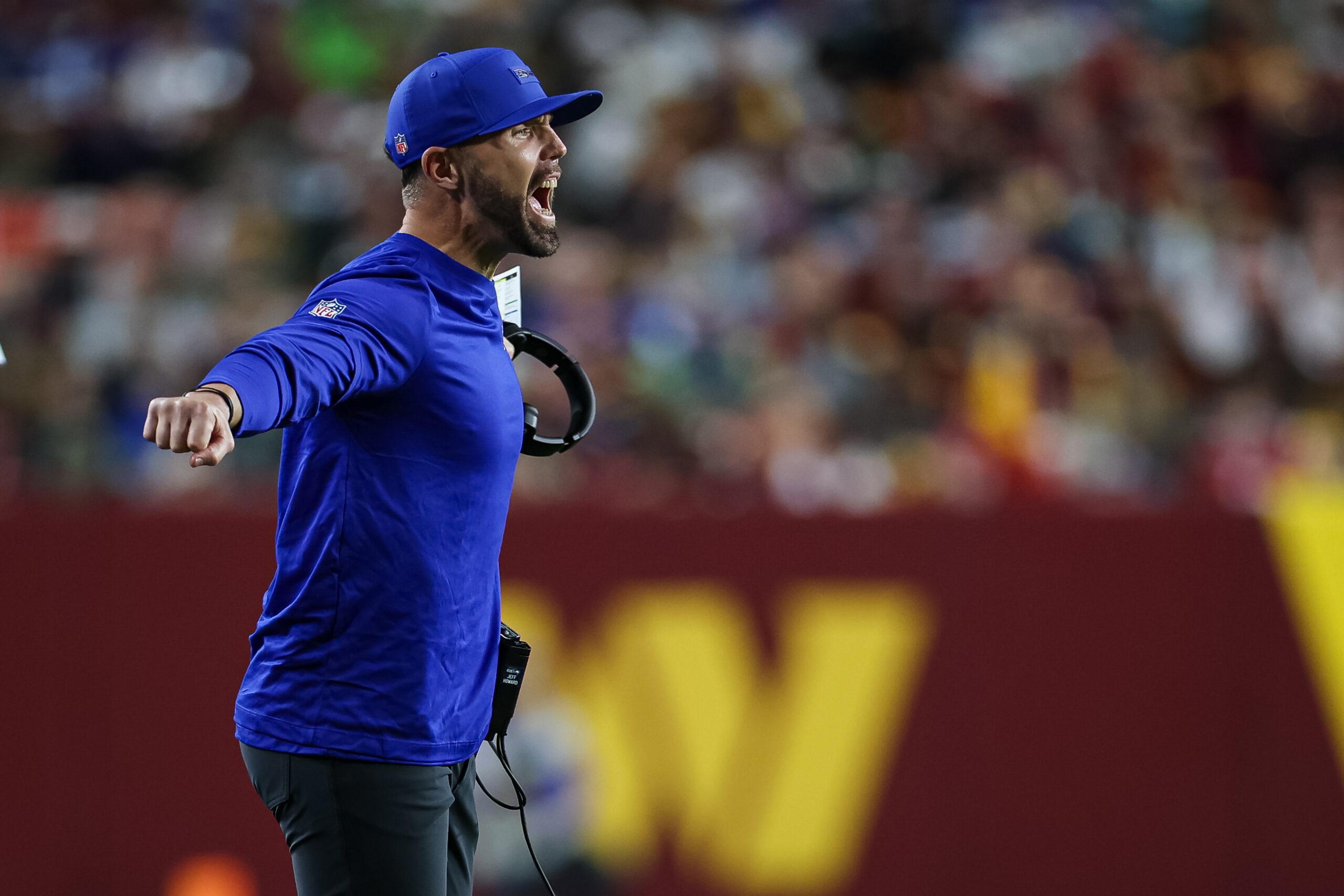
Current job: Seattle Seahawks offensive coordinator
NFL experience: 10 seasons
Archetype: Offensive schemer
Scheme: Shanahan wide zone
Coaching influences: Gary Kubiak, Kyle Shanahan
The Kubiak name has already gotten Klint numerous chances to call plays at the NFL level. He was the Vikings offensive coordinator for one season in 2021 after Gary Kubiak, his dad, retired. He took a job on Nate Hackett’s staff in Denver—where his dad won three Super Bowls as an offensive coordinator and head coach—and inherited play-calling duties from Hackett after a horrid start to the 2022 season. He was eventually fired along with the rest of the staff. Klint later landed in San Francisco with Kyle Shanahan, who worked as Gary’s offensive coordinator in Houston. Klint got the Saints’ offensive coordinator job after one season as 49ers pass game coordinator (and was, once again, fired along with the rest of the staff). Now Kubiak is the OC in Seattle, and things are finally going well for him!
Well, sort of. His offense is running into a similar problem it faced in New Orleans. Kubiak is consistently dialing up big plays in the passing game, but he’s still having trouble getting the zone run game going. The wide-zone scheme serves as the foundation for the Kubiak/Shanahan offense, and the younger Kubiak has had issues with it in two separate spots.
Seattle’s offense is still doing well, though, thanks to the explosive pass game led by Sam Darnold and Jaxon Smith-Njigba. And if the Seahawks go on a deep playoff run, it won’t matter whether Kubiak’s offense is balanced. As Kubiak said in November when asked about head coaching opportunities, “that stuff takes care of itself when you win.”
18
Arthur Smith
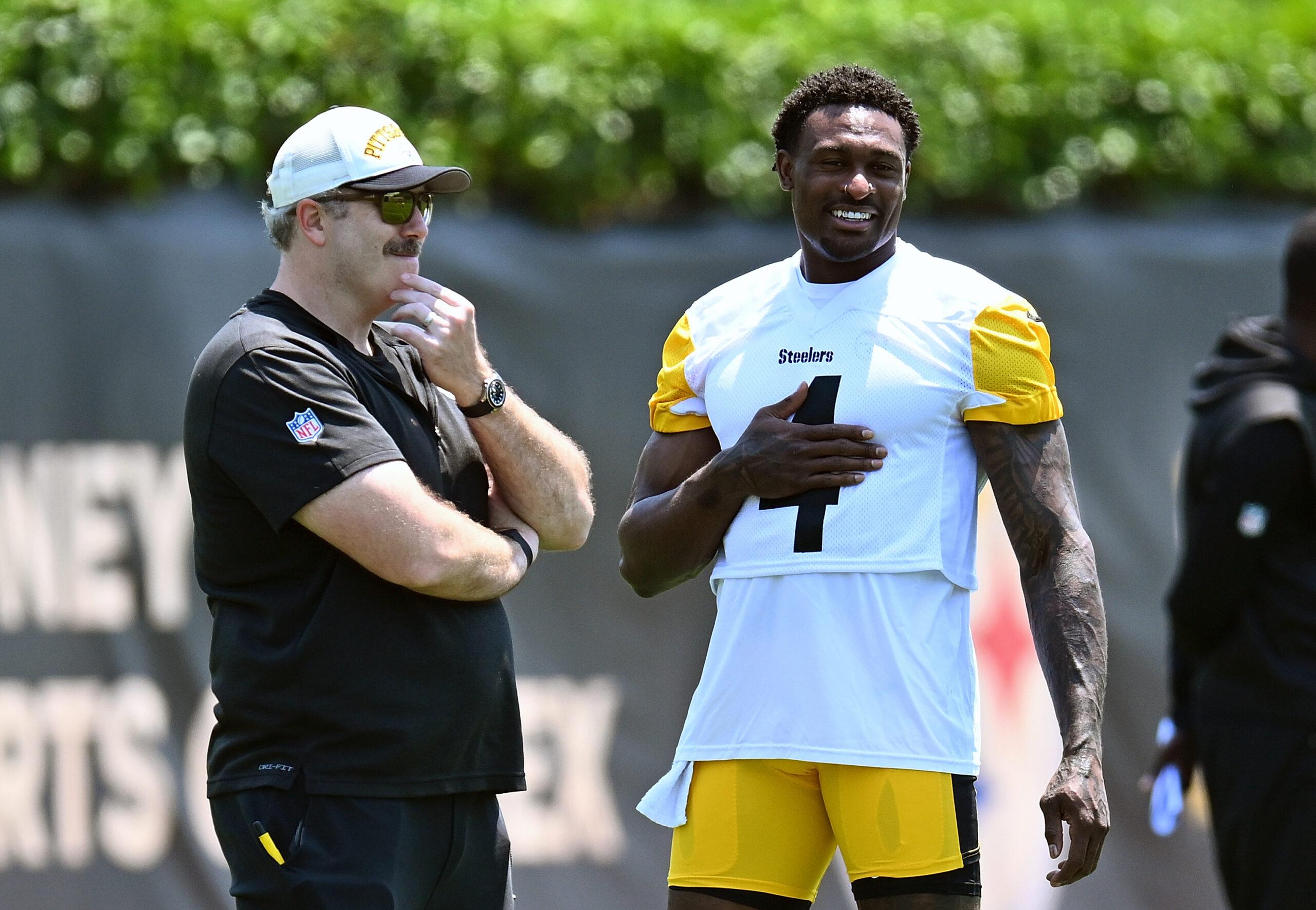
Current job: Pittsburgh Steelers offensive coordinator
NFL experience: 15 seasons
Archetype: Offensive schemer
Scheme: Multi–tight end play-action
Coaching influence: Matt LaFleur
Not too long ago, Smith was hailed as one of the top offensive minds in the sport. Shows how much we know. The Steelers offensive coordinator hasn’t produced a top-10 unit since he left Tennessee for the Falcons head coaching job in 2020—and his offenses have finished in the top half of the league in scoring only once over that five-year span.
Smith would probably argue that a thoroughly washed-up Aaron Rodgers is the best quarterback he’s worked with in that time period. And to his credit, Smith has done a decent job of overseeing the flawed Steelers offense these past two seasons. But coordinating a mediocre unit doesn’t usually excite team owners when they’re searching for a new head coach. And when you’re considering Smith’s credentials, it’s hard to forget that he finished 7-10 in each of his three seasons in Atlanta.
Smith knows how to design a run game if you give him the right parts, and he knows how to marry a play-action-heavy pass game to it. We saw that five years ago in Tennessee. But since then, he’s shown nothing that suggests he can develop those pieces himself.
19
David Shaw
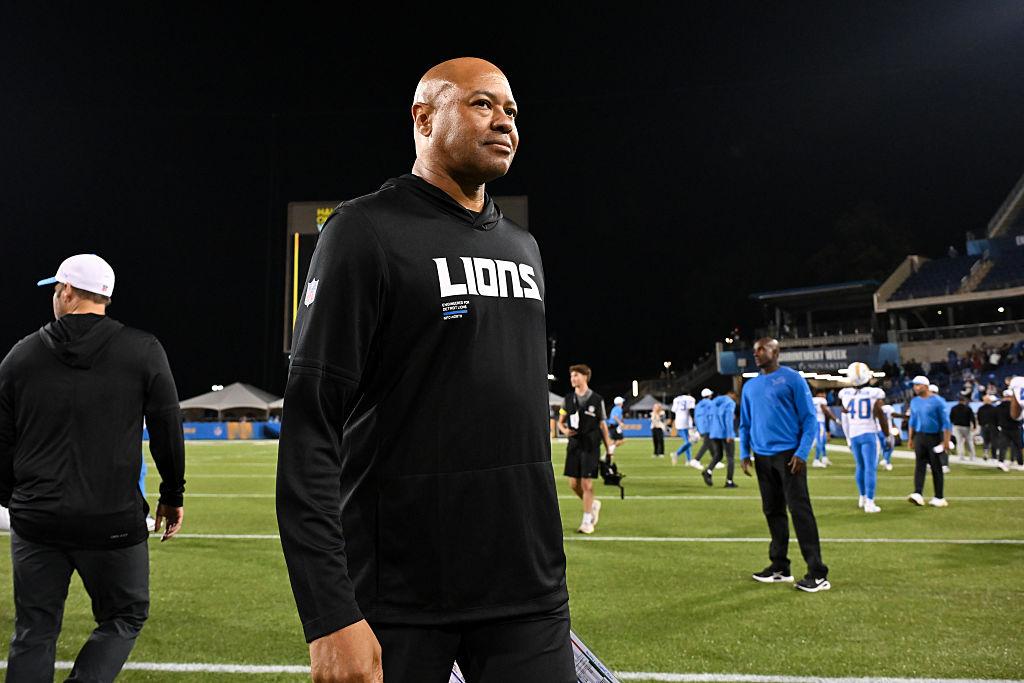
Current job: Detroit Lions pass game coordinator
NFL experience: 10 seasons
Archetype: Offensive CEO
Scheme: Power West Coast
Coaching influences: Jon Gruden, Jim Harbaugh
The former Stanford head coach said that during his time in Palo Alto, he turned down multiple NFL interviews every offseason. Now that he’s back to coaching in the league as the Lions pass game coordinator, though, he’ll likely pick up any calls that come his way. He certainly did last year, when the Bears and Saints interviewed him for their vacant head coaching jobs.
Shaw’s star has faded over the past decade, since Stanford started its slide in the late 2010s, but he’s still as viable a candidate as ever. His work at Stanford, where he took over for the incomparable Jim Harbaugh and kept the program humming along for another half decade, proved that he could build and maintain a team. And he did it using a pro-style approach on both sides of the ball. Yes, Shaw is mostly known as a college coach, but he has a decade of experience as an NFL assistant, and his schematic preferences lean more toward the professional game. He’s also got strong ties to some of the most respected offensive minds in the sport, having worked with Sean Payton, Jon Gruden, Jim Harbaugh, and Dan Campell.
Shaw didn’t make it very far in last year’s hiring cycle, but he should garner more interest in 2026. Sure, the Lions offense has taken a step back after losing Ben Johnson, but the passing game, which Shaw coordinates, is as strong as ever, ranking fourth in EPA per dropback and 10th in success rate. Shaw isn’t known as an ace play caller, but the guy clearly knows how to coach some offense.
20
Klayton Adams
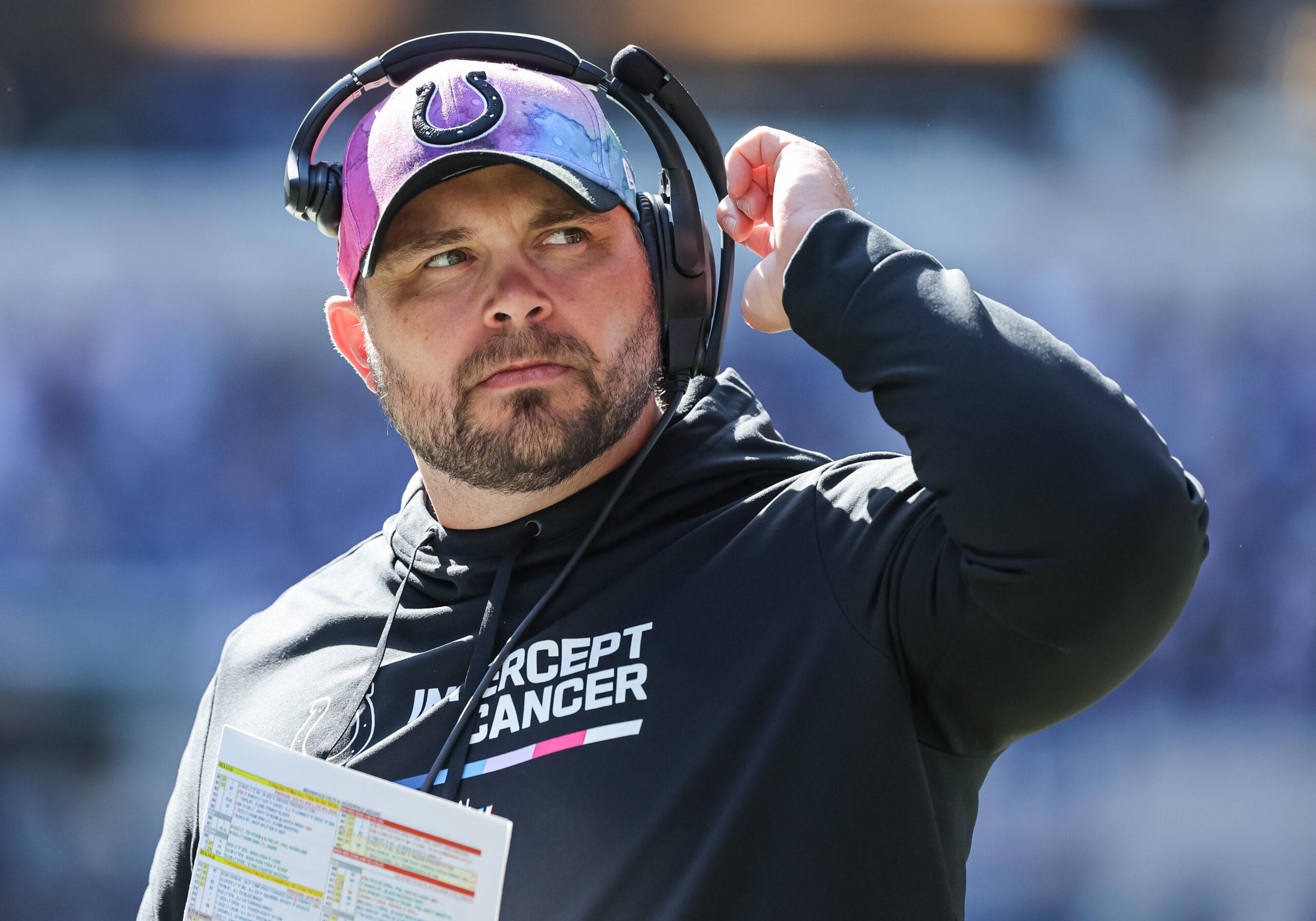
Current job: Dallas Cowboys offensive coordinator
NFL experience: Seven seasons
Archetype: Offensive schemer
Scheme: Vertical pass with heavy personnel
Coaching influences: Frank Reich, Drew Petzing, Brian Schottenheimer
Adams is in his first season as an offensive coordinator, but the Cowboys assistant is already a hero of film nerds thanks to his work on the Cardinals’ run game the previous two seasons. Arizona didn’t win many games during Adams’s time as the offensive line coach, but the run game was creative and productive. Adams has brought the same combination to Dallas, where he’s built up a run game based on a variety of blocking schemes. The Cardinals run game, meanwhile, has fallen apart without him.
If the Cowboys were winning more games, it might be easier to overlook Adams’s complete lack of play-calling experience, but that’s typically what teams are looking for when they hire an offensive-minded head coach. Adams hasn’t called plays, but he has helped build solid offensive lines in multiple stops in his coaching career. Pass protection and run blocking can be just as vital to offensive success as quarterback play. Just look at any of the recent Super Bowl results.
21
Vance Joseph
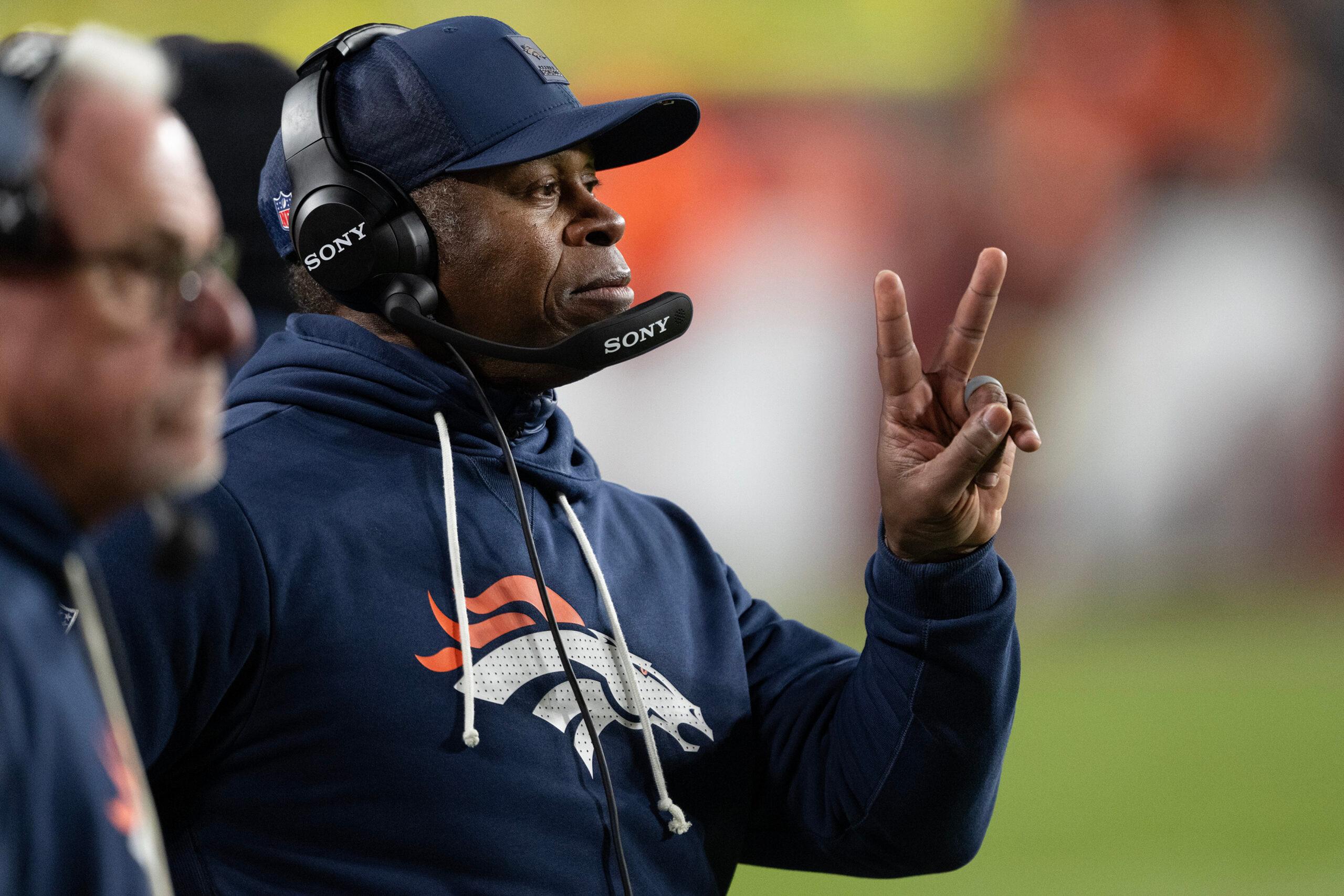
Current job: Denver Broncos defensive coordinator
NFL experience: 21 seasons
Archetype: Defensive schemer
Scheme: Blitz-happy 3-4 defense
Coaching influences: Wade Phillips, Marvin Lewis, Mike Singletary, Sean Payton
Almost everywhere Joseph goes, good defense follows. Most recently, he’s built a defensive scheme in Denver that capitalizes on its speed up front and its size in the secondary. If he can get an opposing offense into obvious passing situations, man coverage and a wild blitz is coming—and there’s probably nothing the quarterback can do about it. You can trace his coaching lineage back to Dom Capers, and you can feel the essence of Capers’s “Blitzburgh” defenses in what Joseph does in Denver today.
Joseph is in a unique position right now. Not many coaches get fired as head coach of a franchise and are welcomed back as a coordinator within a half decade’s time. And with head coach Sean Payton’s success and power in the Broncos organization, Joseph’s job should be secure enough for him to wait for an ideal situation for his second shot at a head coaching job. He’s another coach that should be angling to coach a team like Miami, which has a quarterback and offensive infrastructure good enough to quell concerns about bringing in a defensive minded head coach.
22
Anthony Campanile
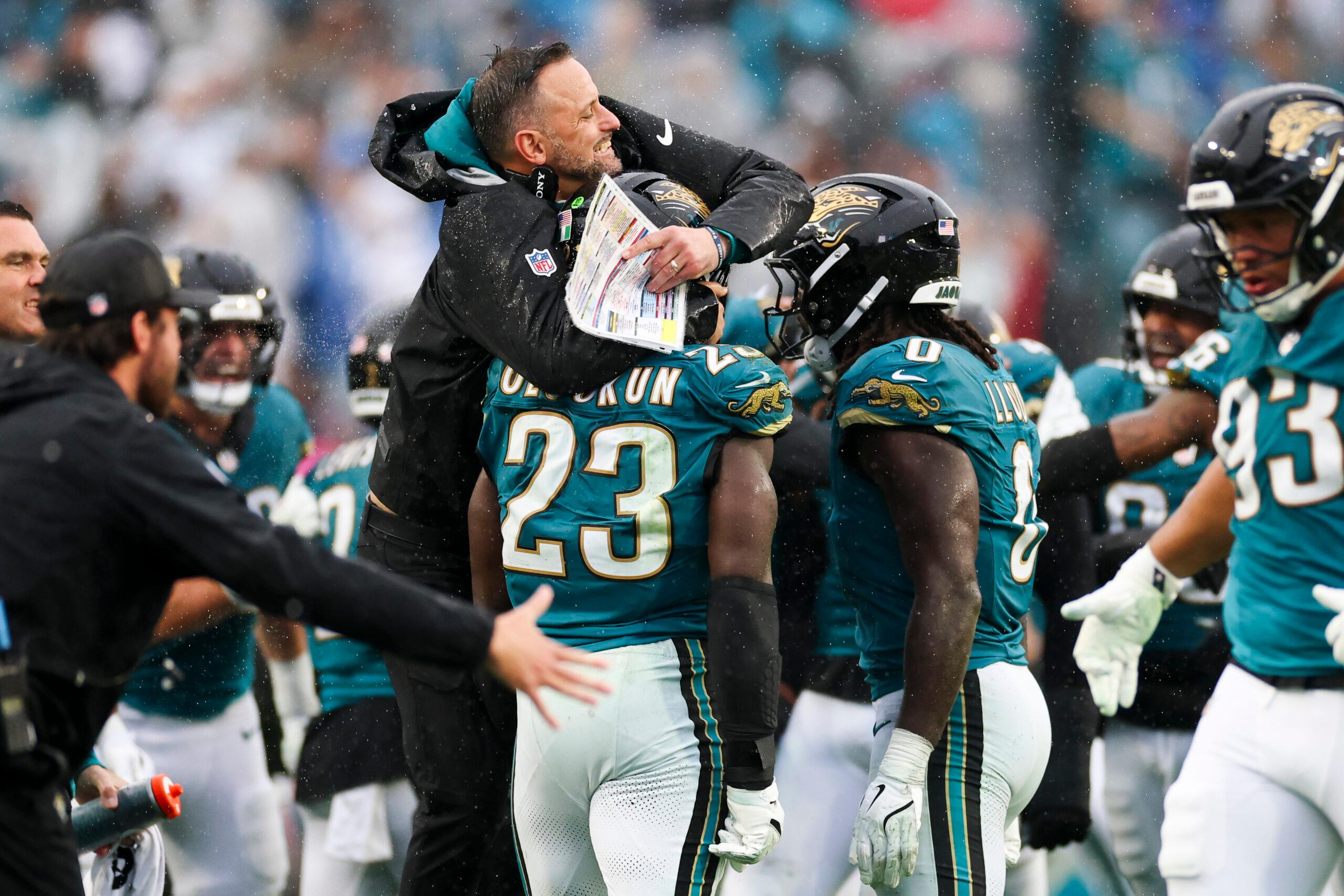
Current job: Jacksonville Jaguars defensive coordinator
NFL experience: Six seasons
Archetype: Defensive culture setter
Scheme: Attacking 4-3 defense
Coaching influences: Don Brown (former Michigan DC), Jeff Hafley
We’re about a year or two early on Campanile’s stock rising to the level of being a hot head coaching candidate, but I wouldn’t be surprised to see him get cursory interest from a couple of teams this offseason. He had never been the full-time defensive play caller prior to this season, nor is he tied to any particular coaching tree of note.
Campanile is running the same defensive system as Packers coordinator Jeff Hafley that is rooted in stopping the run and eliminating explosive passes by using soft zone coverages. Jacksonville hit its defensive stride recently, dominating the Chargers and Colts in November and December.
If Campanile can come back to Jacksonville in 2026 and replicate his success, then I expect his interest to grow to the levels of Hafley or Jesse Minter.
23
Mike Kafka
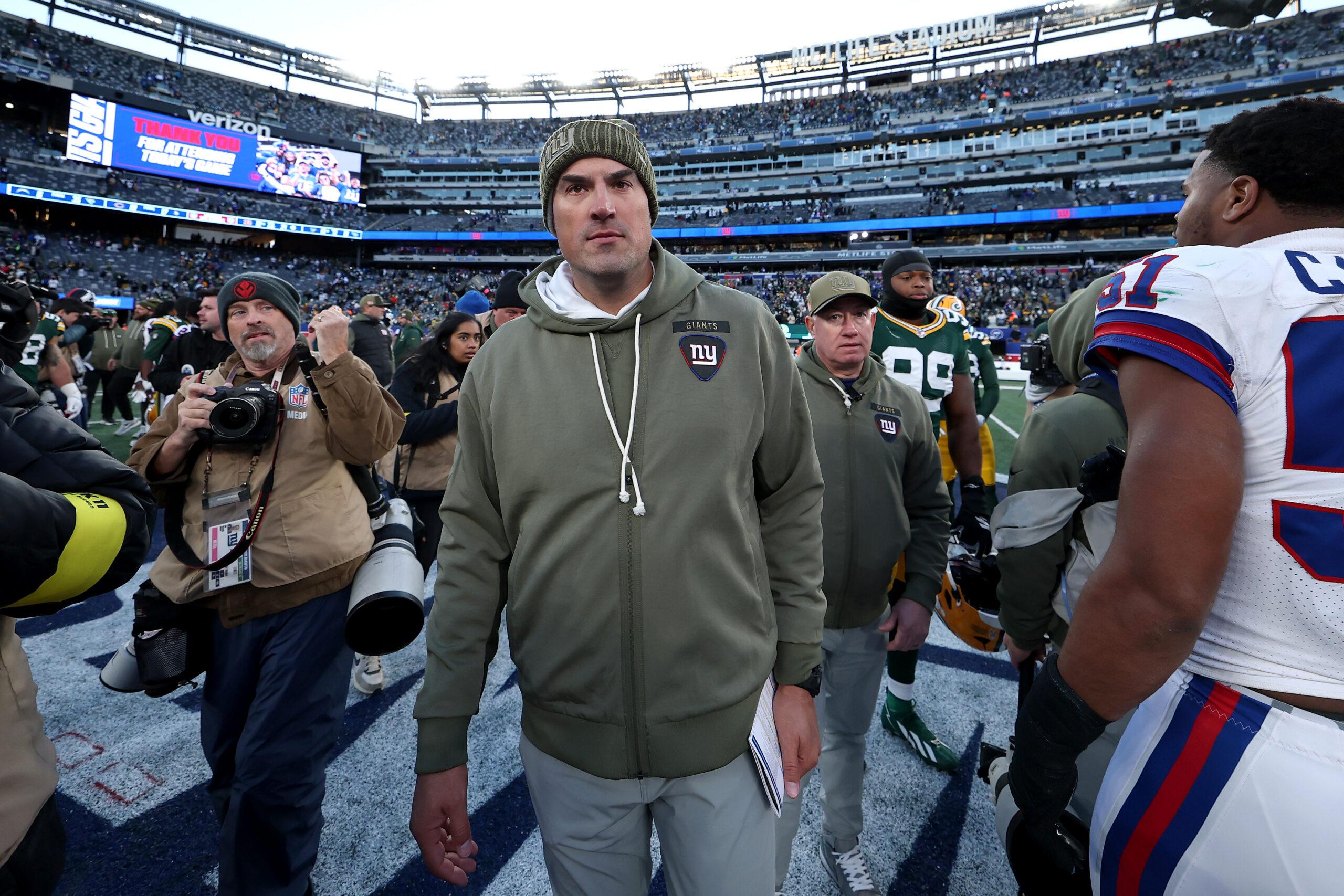
Current job: New York Giants interim head coach
NFL experience: Nine seasons
Archetype: Offensive schemer
Scheme: Reid West Coast
Coaching influences: Andy Reid, Brian Daboll
For how poorly the Giants’ season has gone, things could not have played out any better for Kafka. As the team’s chief play caller, he gets credit for stewarding Jaxson Dart’s successful rookie campaign, and he gets little of the blame for New York’s crappy record. Kafka is also getting a trial run as a head coach after Brian Daboll was fired midseason. Kafka’s had multiple head coach interviews in each of the last three hiring cycles, but he’s never been more prepared to argue his case for one of the 32 head coaching jobs than right now.
His best bet to land a job this offseason could be convincing Giants owner John Mara that he’s the right coach to continue Dart’s development. Kafka was Patrick Mahomes’s quarterback coach for Mahomes’s first two years as a starter, and he played the position in the NFL for six seasons. He’s also well versed in Andy Reid’s offense, which means he can build classic West Coast passing concepts into spread formations and design an option-based run game. With the way things are going in Kansas City this season, though, it remains to be seen whether that will be viewed as a positive.
Kafka’s play calling has been a mixed bag in New York. He called plays for the 2022 season (the last time the Giants made the playoffs) but was stripped of his duties during a dreadful 2023 campaign. The offense was even worse with Daboll calling the shots in 2024, though, so Kafka returned to the role for 2025. And it’s gone shockingly well. The Giants offense isn’t breaking any records, but it’s scoring at a league-average rate and ranks ninth in EPA. Considering the rosters Kafka has had to work with in New York, a “mixed bag” is quite the accomplishment.
24
Davis Webb
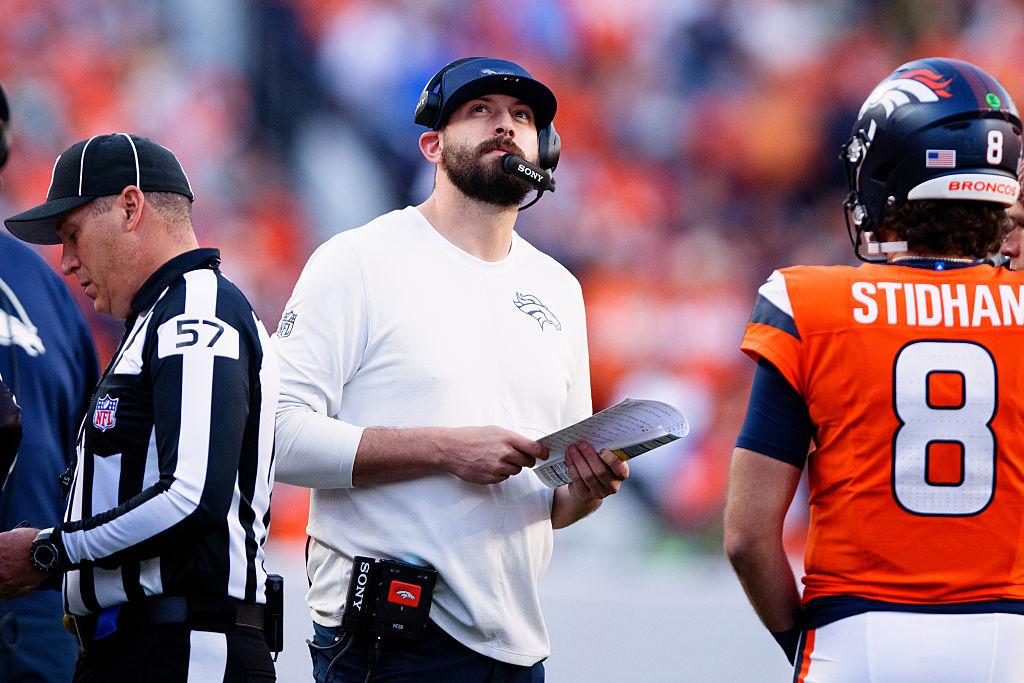
Current job: Denver Broncos pass game coordinator and quarterbacks coach
NFL experience: Three seasons
Archetype: Offensive culture setter
Scheme: Payton West Coast
Coaching influence: Sean Payton
We’re probably a year early on Webb, who’s only in his third season as an NFL coach after retiring as a player in 2022. The former quarterback seems to have a feel for coaching the most important position in the sport. Commanders offensive coordinator Kliff Kingsbury told SI’s Conor Orr that “If I had a son playing quarterback, I’d want him to play for Davis Webb.” Sean Payton made Webb his quarterbacks coach as soon as Webb retired from playing and added the title of pass game coordinator before the 2025 season. Broncos backup quarterback Sam Ehlinger said he turned down a chance to rejoin the Colts so he could continue his development under the 30-year-old assistant. Webb’s already earning the title of “QB whisperer,” which typically puts a coach on the fast track to a head job.
Presumably, Webb’s offense would draw inspiration from Payton’s scheme, but the former Air Raid quarterback’s ties to Kingsbury and Sonny Dykes could inspire him to fold in some elements from the system he ran in college. Payton has added more run-pass options to his offense in Denver—but Webb may take it even further when he gets a chance to build an offense of his own.
25
Chris Shula
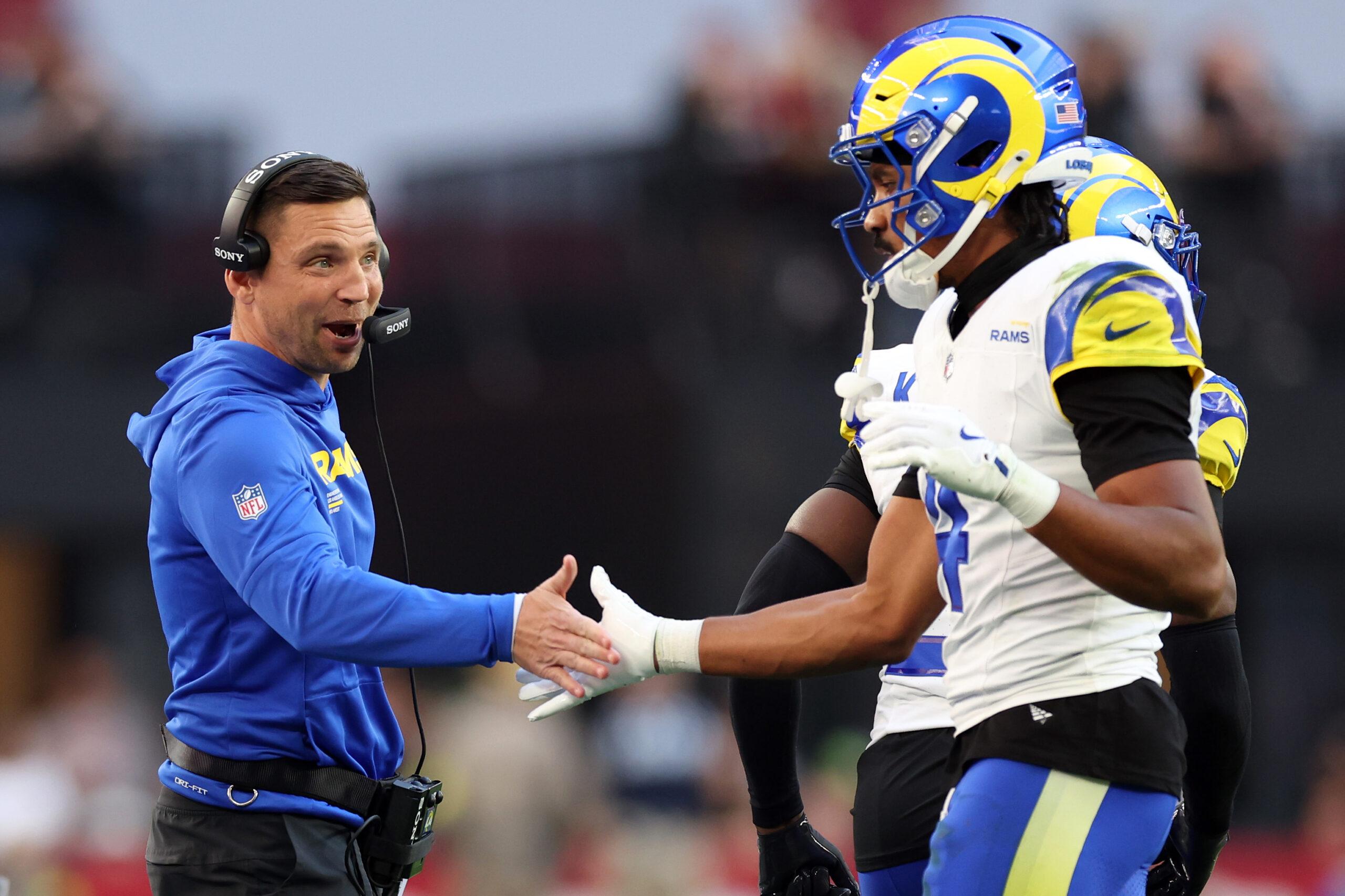
Current job: Los Angeles Rams defensive coordinator
NFL experience: 11 seasons
Archetype: Defensive schemer
Scheme: Zone-heavy 3-4 defense
Coaching influences: Sean McVay, Wade Phillips
Shula is a well-respected coach and a high-level play caller, and he merits his place on this list because of the success and growth he’s shown with the Rams. But I can’t help but point out that he was born on third base—with a huge lead-off.
There’s typical NFL nepotism, and then there’s the grandson of Don Shula, the league’s winningest coach kind of nepotism. If his last name wasn’t enough, Shula made sure to check every box on the nepo-baby coaching checklist, too. He coordinated the defense at John Carroll University, which is to the NFL coaching pipeline what Ivy League schools are to the CIA. His first NFL gig was under John Pagano with the Chargers—the younger brother of longtime defensive coach Chuck Pagano. His next stop was with Sean McVay and the Rams—grandchild of John McVay, the co-architect of the 49ers dynasty in the ’80s.
The benefit in hiring Shula isn’t just inheriting one of the league’s best defensive systems. He’s one of the current candidates with direct access to the McVay offensive coaching tree, and his family ties surely would help him build a staff where proximity to McVay can’t.
26
Leslie Frazier
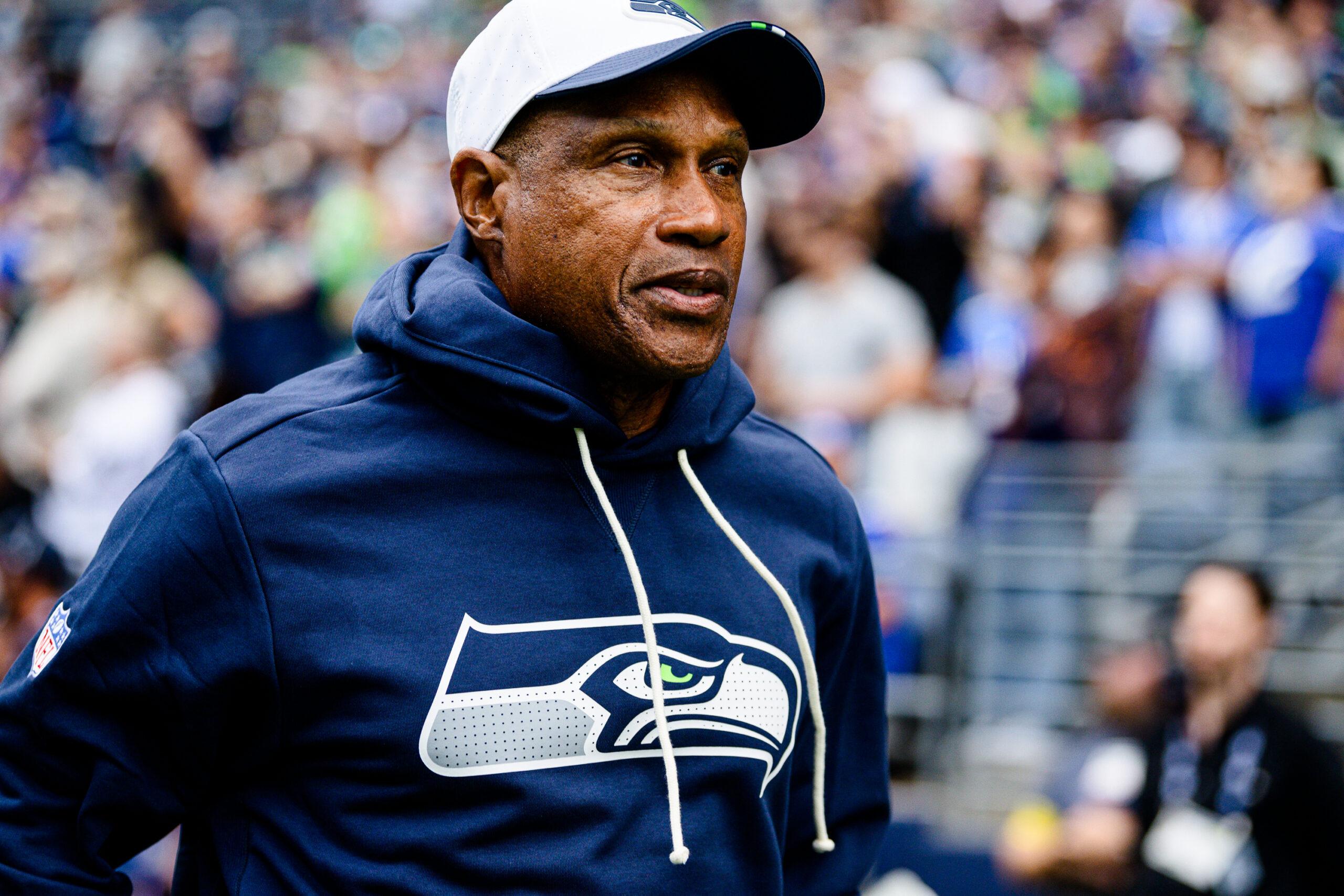
Current job: Seattle Seahawks assistant head coach
NFL experience: 27 seasons
Archetype: Defensive CEO
Scheme: Zone-based 4-3 defense
Coaching influences: Lovie Smith, Marvin Lewis, Tony Dungy
Frazier is probably best positioned where he is—as an assistant head coach to Seattle’s Mike Macdonald, guiding the budding star through his first foray as a head coach.
Frazier’s time as head coach in Minnesota is easily forgotten now, but he had one of the NFL’s worst defenses over that 3.5-year span, and his teams went 21-33 overall. If you’re a team in need, it’s less about what he’ll bring to the table schematically and more about the access he has to several different coaching trees. Kevin Stefanski, Klint Kubiak, and Bill Musgrave have worked under Frazier, and his connections to those offensive coaches would make me feel better about his ability to field a strong offensive staff than I do about the abilities of most of the other defensive-minded candidates on this list.
He probably won’t be anyone’s first call in this cycle, and the only situation I’d feel good about hiring him into would be a veteran-laden team. Unless a team like Pittsburgh, Indianapolis, or Buffalo has a surprise opening, I don’t think he’ll be in consideration.
27
Matt Nagy
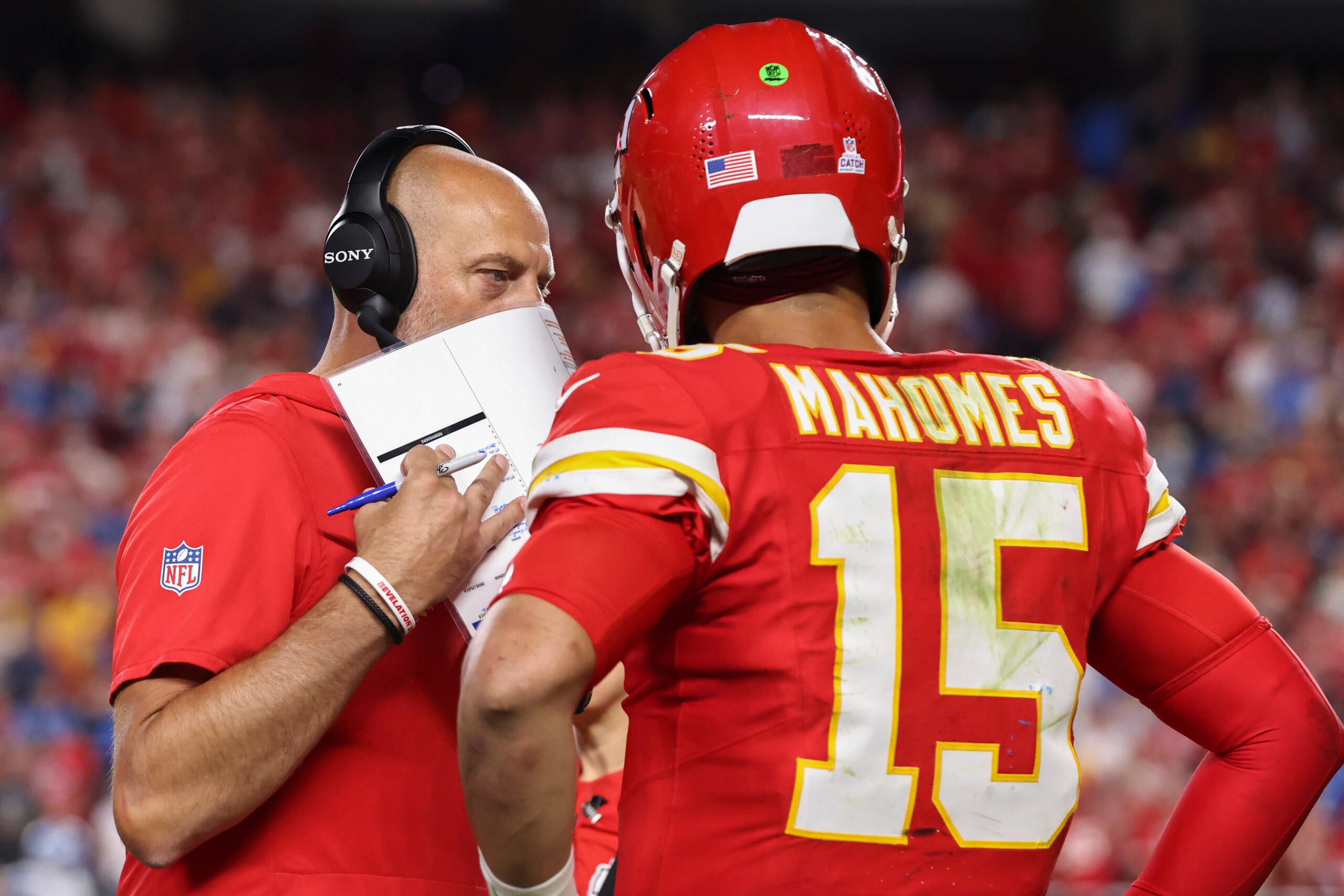
Current job: Kansas City Chiefs offensive coordinator
NFL experience: 16 seasons
Archetype: Offensive schemer
Scheme: Reid West Coast
Coaching influence: Andy Reid
That’s 2018 NFL Coach of the Year Matt Nagy to you! So what if that award actually belongs to Vic Fangio and Khalil Mack? So what if Nagy botched the development of two quarterbacks (Mitchell Trubisky and Justin Fields) who were drafted in the top 10? And so what if he didn’t win a playoff game in four years in Chicago? I actually don’t know where I’m going with this. Those are all big red flags, and “proximity to Patrick Mahomes” is really the only green flag on Nagy’s résumé.
Having coached under Andy Reid for the bulk of his career, Nagy has only two full seasons of play calling experience, and neither was successful. The Bears finished outside the top 20 in total offense in both 2018 and 2019. He gave up play calling in his third season in Chicago and hasn’t returned to it since. If Nagy is more of an ideas man, then the current state of the Chiefs offense—which is based on stale concepts that were seen as innovative at the beginning of the decade—could hold him back this hiring cycle. The fact that he’s viewed as a viable candidate at all shows how shallow the pool seems to be this offseason.
28
Mike LaFleur
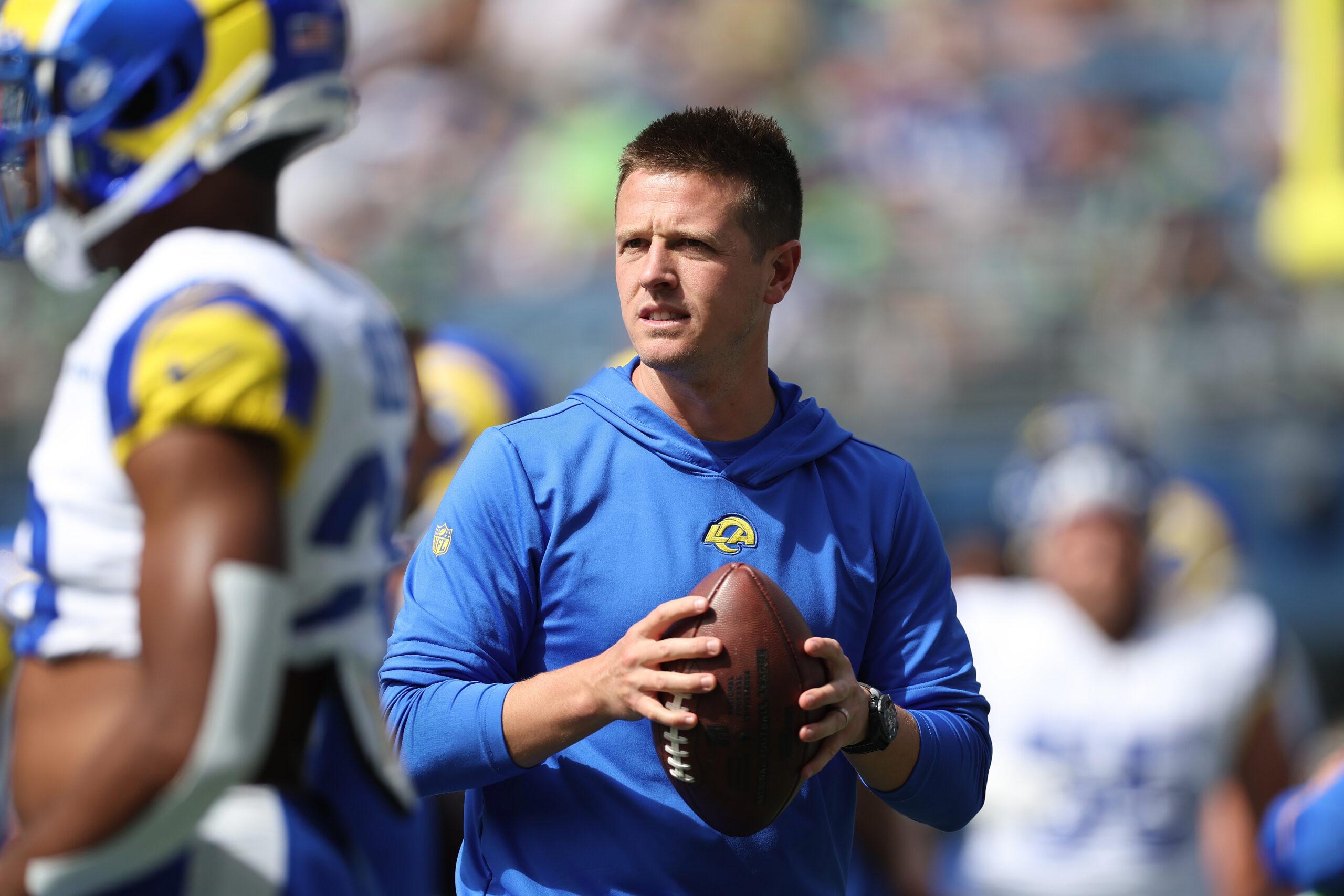
Current job: Los Angeles Rams offensive coordinator
NFL experience: 12 seasons
Archetype: Offensive schemer
Scheme: Wide zone offense
Coaching influences: Kyle Shanahan, Sean McVay
If LaFleur had his present-day résumè five years ago, when being pals with Kyle Shanahan or Sean McVay was a golden ticket to a head coaching job, he would have his pick of teams this offseason. He was Shanahan’s pass game coordinator from 2017 to 2020, and he’s finishing up his third season as McVay’s offensive coordinator. He’s also the brother of Packers head coach Matt LaFleur, which can’t hurt his chances.
But Mike LaFleur’s play calling history is questionable at best. The two years where he called plays for Zach Wilson and the Jets were a disaster. He has called plays in spot duty for McVay, including the Week 14 win over Arizona. But LaFleur was essentially reading off a McVay game plan. His struggles in New York are probably more indicative of his ability than a couple games in Los Angeles.
Now that LaFleur’s spent so much time under both Shanahan and McVay, though, it would be interesting to see how he would build an offense if he got a second chance at it. Would he opt for bigger personnel and a larger menu of run plays, like the 49ers coach? Or would he go for more three-receiver sets and a robust dropback passing game, like McVay? While the overarching philosophies of the two offenses—the whole "illusion of complexity” idea—are similar, those are key differences that ultimately dictate roster construction.
29
Declan Doyle
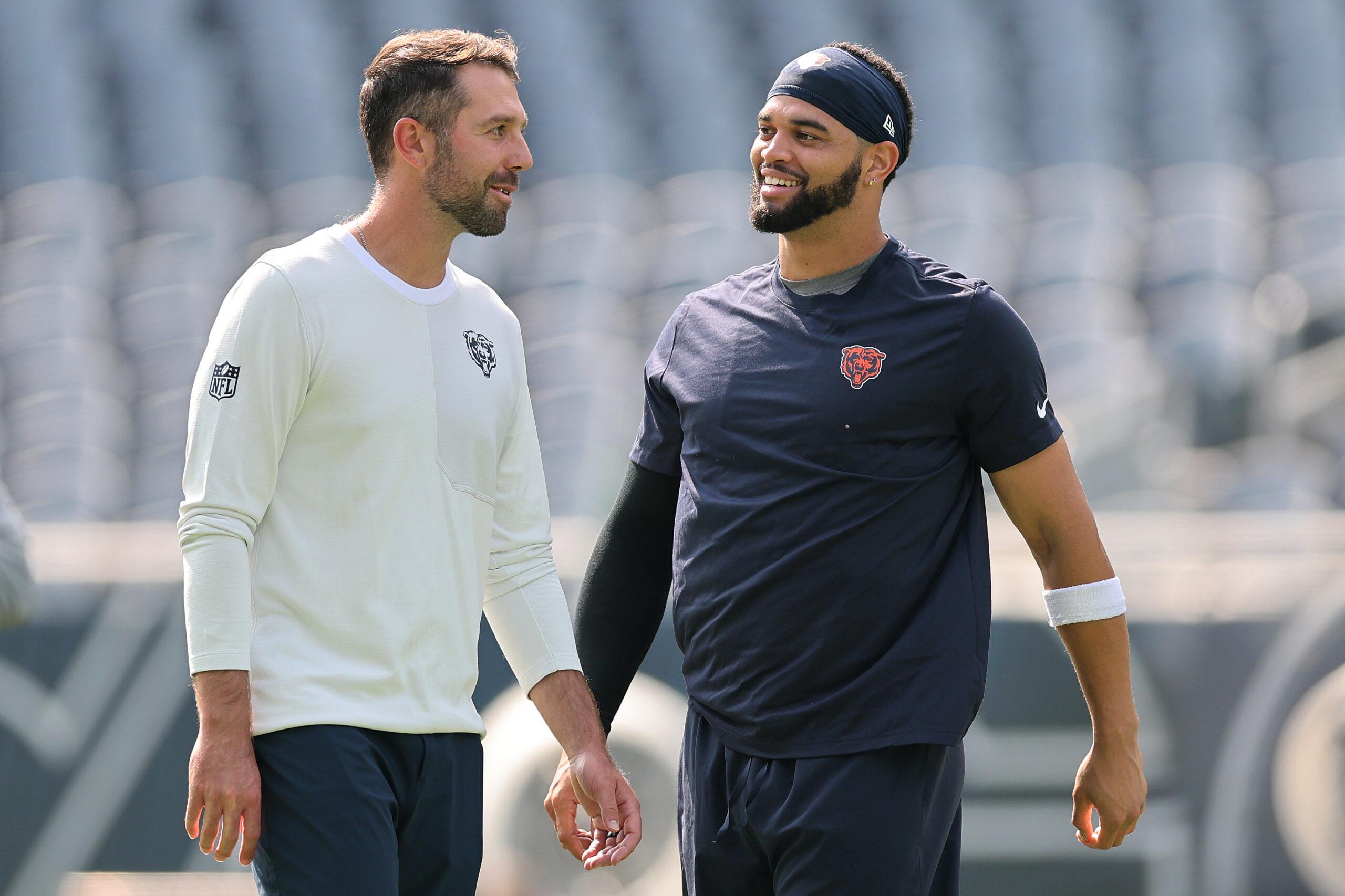
Current job: Chicago Bears offensive coordinator
NFL experience: Seven seasons
Archetype: Offensive schemer
Scheme: Payton West Coast
Coaching influences: Ben Johnson, Sean Payton
Meet the NFL coaching candidate who’s most likely to make you feel old and unaccomplished. The Bears’ 29-year-old offensive coordinator graduated from Iowa just a year before Caitlin Clark committed to the school in 2019. Doyle landed a Saints assistant job fresh out of college, and he’s been fast-tracked through the coaching ranks ever since. Four seasons in New Orleans led to a two-year stint as Sean Payton’s tight ends coach in Denver, which led him to Ben Johnson, who made him the NFL’s youngest offensive coordinator this season. And not even one year into the job, Doyle’s name is already showing up on lists of the top head coaching candidates.
This is the first season in which Doyle’s served as a lead assistant, and he has no play-calling experience outside of a few preseason drives this summer. His proximity to greatness has been the main catalyst for his quick ascent. At Iowa, he worked with a tight ends group that featured George Kittle, Noah Fant, and T.J. Hockenson. That probably played some role in him catching on with Payton, which eventually got him a spot on Johnson's staff. Doyle hasn’t really had a chance to fail yet, which some teams may view as a “no red flag is a red flag” sort of deal. Doyle just needs one franchise to look past his inexperience to land a head job.
30
Grant Udinski
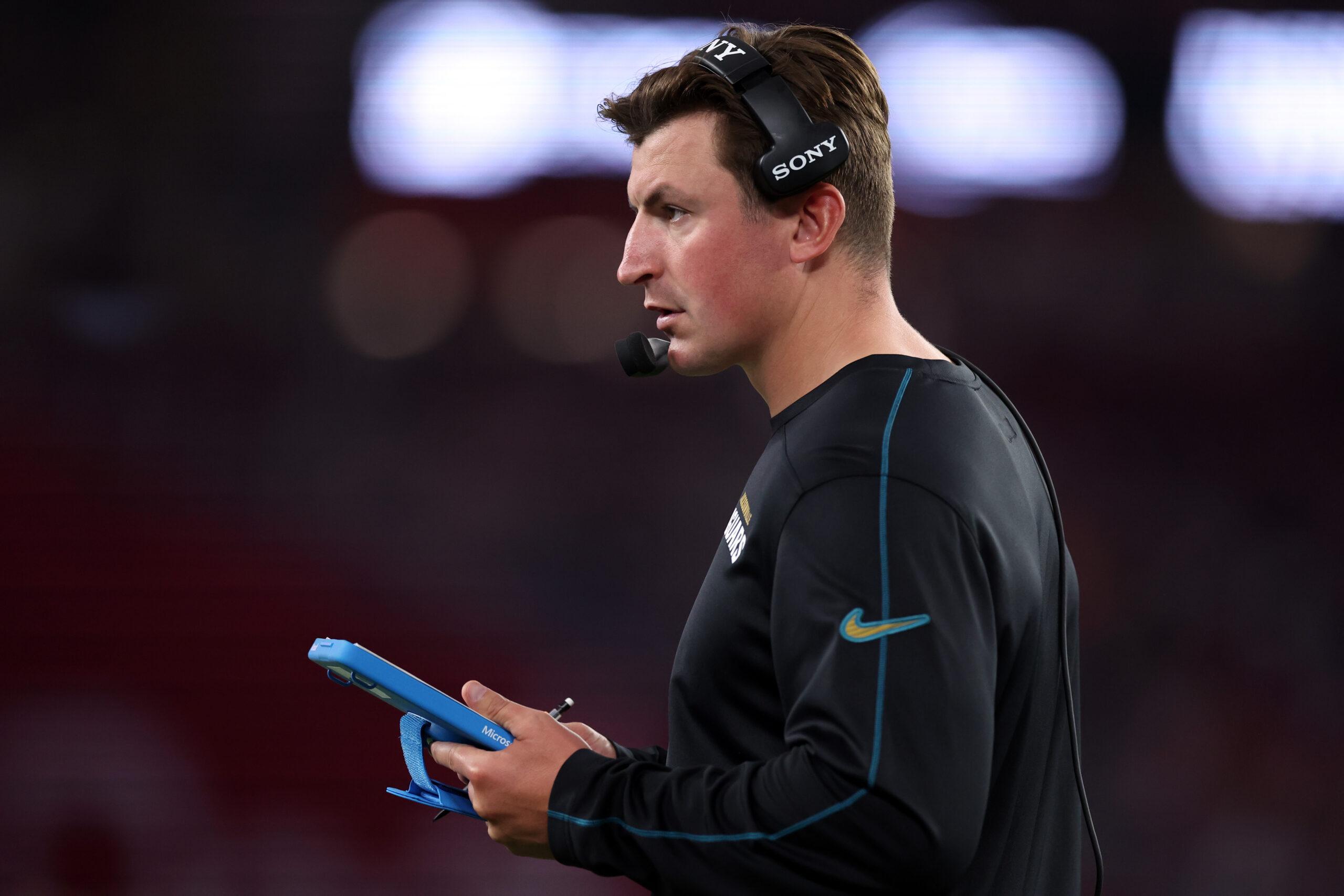
Current job: Jacksonville Jaguars offensive coordinator
NFL experience: Six seasons
Archetype: Offensive schemer
Scheme: Wide zone, play-action-based offense
Coaching influence: Kevin O’Connell
Was your immediate reaction to this name “Who the hell is this guy?” or “Did you mean to say Rob Chudzinski?” If so, congratulations on not being a football sicko (or worse, a die-hard Jaguars fan). Udinski is the latest millennial (although he’s nearly Gen Z!) coaching phenom tangentially attached to the McVay coaching tree. He looks like a recurring character from literally any ’90s teen sitcom you’ve ever watched.
CBS Sports reported that Udinski will field some interest this offseason, but he’s probably still a couple of years away from being a serious head coaching candidate. He’s only 29 years old and has never led a position group on his own, let alone called his own offense. McVay was 30 when he was hired by the Rams, but he’d held the title of coordinator for three seasons prior (and he had nepotism on his side).
Udinski is on the right trajectory, though, if he wants to become a head coach. Being given the title of offensive coordinator this early speaks to how much Liam Coen values him in Jacksonville, and it could block him from being poached by other staffs. If Jacksonville makes a deep playoff run behind a hot streak from Trevor Lawrence, the added visibility will probably shoot him toward the top of next year’s list.
31
Jim Bob Cooter
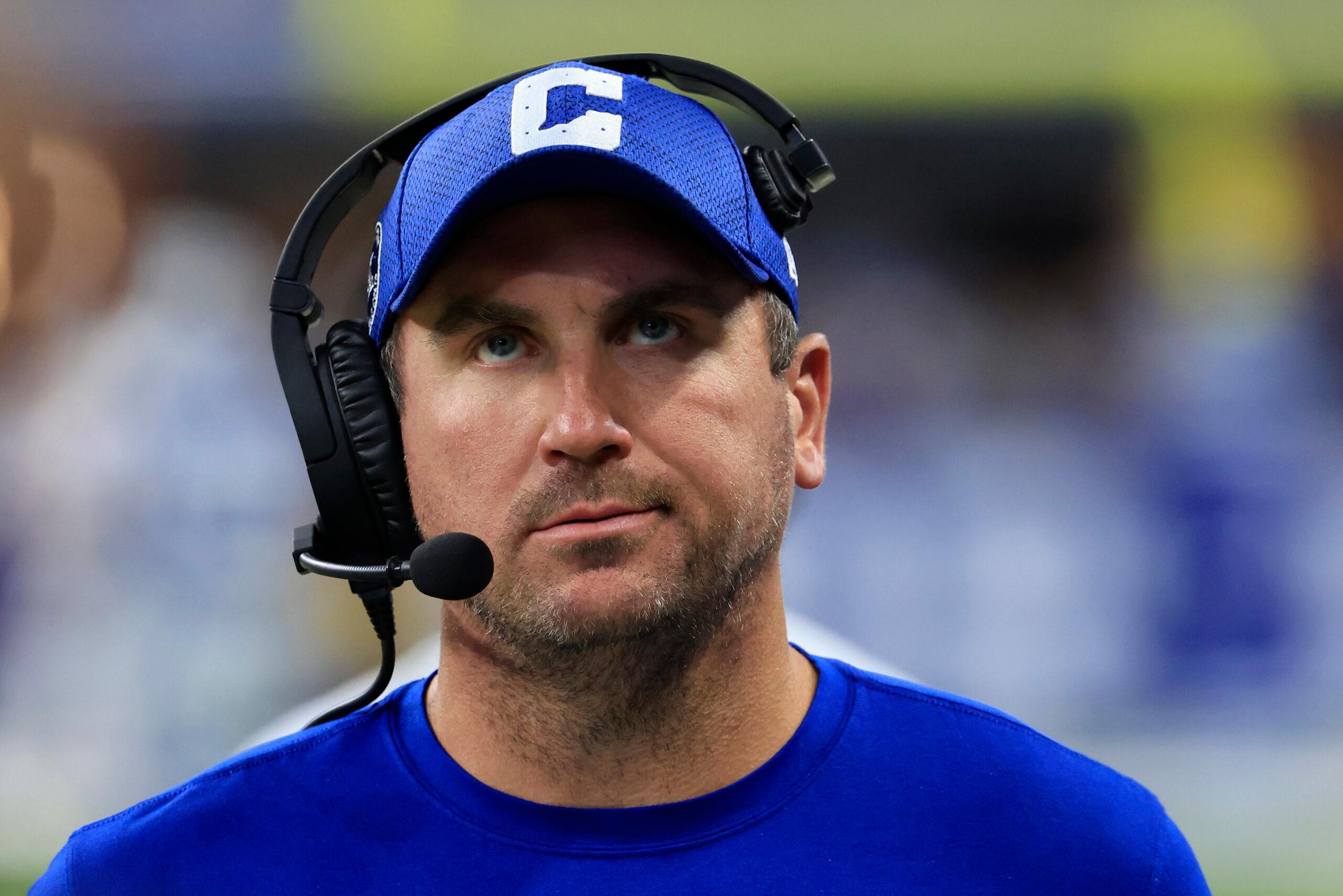
Current job: Indianapolis Colts offensive coordinator
NFL experience: 17 seasons
Archetype: Offensive schemer
Scheme: Vertical spread
Coaching influences: Shane Steichen, Jim Caldwell, Adam Gase
Thanks to the role he’s played in the reclamation of Daniel Jones this season, “Peyton Manning’s buddy” is no longer the top line on Cooter’s résumé. And “the guy who turned Matthew Stafford into a dink-and-dunk quarterback in Detroit” has been pushed even further down.
Cooter has had plenty of stops throughout his coaching career, but he hasn’t really left the Manning and Adam Gase bubble. His coaching philosophy ties back to the old Don Coryell offense, which was modernized by guys like Norv Turner, Rob Chudzinski, and Shane Steichen, Cooter’s current boss in Indianapolis. The result is a vertical passing game with option elements in the run game. It’s been a successful offense throughout the modern history of the sport—and it led Philadelphia to a championship last season—but there’s no evidence that suggests Cooter can find success with the scheme on his own.
His best reps as a coach have come when he’s an assistant to the team’s chief play caller, including in 2025. In four seasons as the Lions play caller, Cooter had one top-10 scoring offense with Stafford and Calvin Johnson. That could be hard to explain away during interviews.
32
Matt Burke
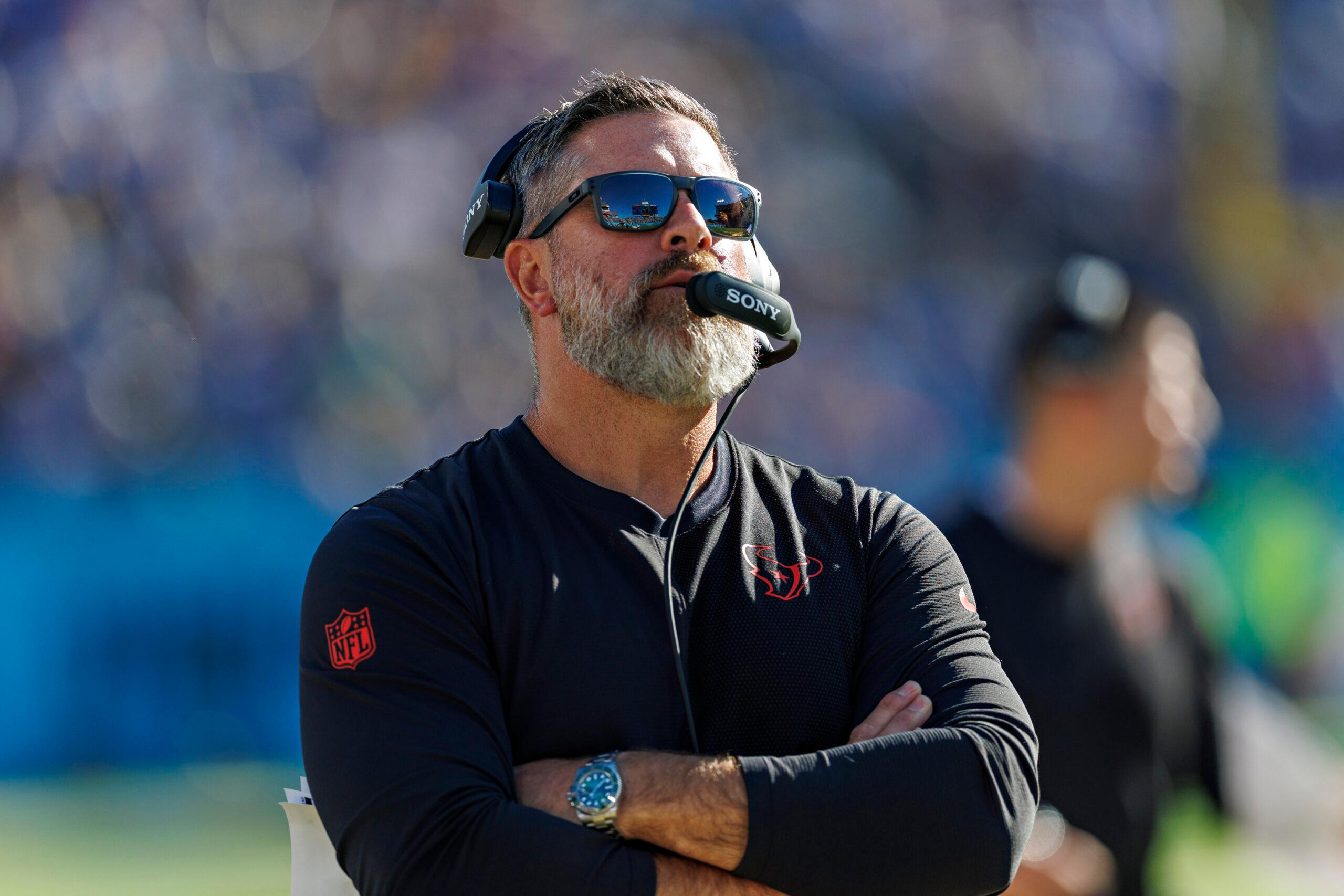
Current job: Houston Texans defensive coordinator
NFL experience: 22 seasons
Archetype: Defensive schemer
Scheme: Hyper-aggressive 4-3 defense
Coaching influences: Jim Schwartz, DeMeco Ryans
If there’s one thing NFL owners love in a new head coach, it’s name recognition—and Burke hasn’t had enough time in the spotlight yet to be one of our top candidates. But since he took over defensive play calling in Week 4 of this season (the first time he’s held the role in his career), the Texans defense has leapt from elite to potentially historic, with the second-best pressure rate and 11th-best passing success rate of any defense since 2000.
Burke originally comes from the Jim Schwartz coaching tree, and was raised in a system where pass rush and inflicting pain are paramount. We’ve seen that in how he coaches now. Elite quarterbacks like Josh Allen and Patrick Mahomes were made helpless against Houston’s defense this year, combining for a passer rating of 43.9. The Texans seem to play at a different pace than every other unit in the league, dismantling offenses without needing to change up its fronts, personnel, or coverages. What you see is what you get—and there’s nothing you can do about it.
Now that Burke is pulling the strings for this Houston defense and he (instead of Ryans) starts getting more credit for its success, I expect his stock to rise—especially if Houston can pull off a major upset in the playoffs.
33
Thomas Brown
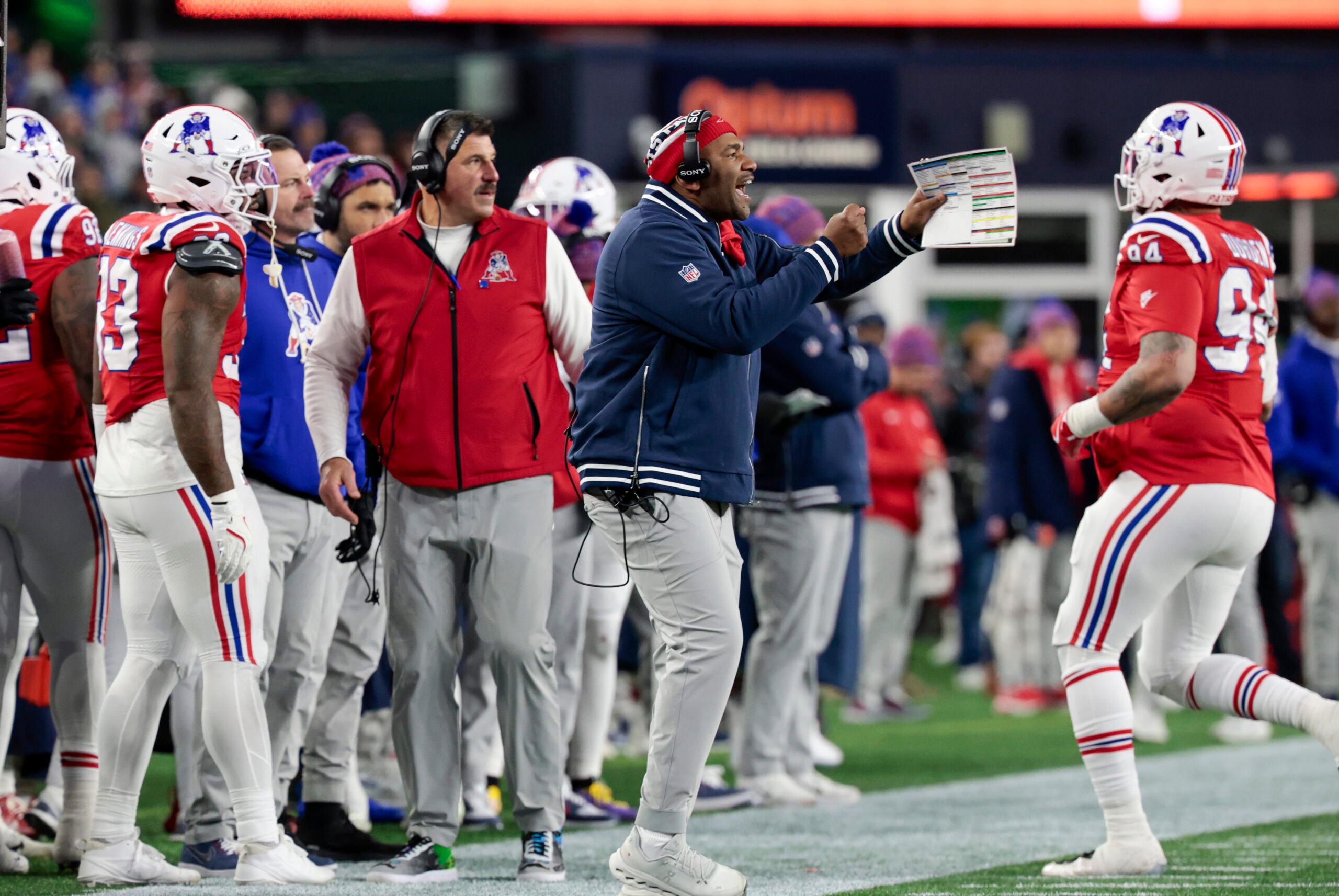
Current job: New England Patriots pass game coordinator and tight ends coach
NFL experience: Six seasons
Archetype: Offensive culture setter
Scheme: McVay wide zone
Coaching influences: Sean McVay, Mike Vrabel
Brown doesn’t have the play calling experience of some of his peers, but he does already have head coaching experience. The 39-year-old served as the Bears’ interim coach over the final five games of the 2024 season after Chicago fired Matt Eberflus. The team went 1-4 in those games.
Brown has called plays twice in his NFL coaching career. His first shot came in Carolina in 2023, when head coach Frank Reich gave up play calling after an 0-6 start. Things didn’t get much better, and the Panthers finished 2-15. Brown left Carolina after one season and joined the Bears as pass game coordinator. He took over as offensive coordinator after Shane Waldron was fired and stayed in the role when he replaced Eberflus as head coach. The Bears offense and Caleb Williams did see some tangible improvements with Brown calling the shots—notably in the timing of the pass game and how it meshed with the run scheme.
Play calling chops aren’t Brown’s main selling point. His references are. Sean McVay elevated him to Rams assistant head coach after he spent just one season in L.A. When he was with Carolina, the NFL Players Association voted him one of the top offensive coordinators in the league. And Mike Vrabel made him the Patriots’ first pass game coordinator after "aggressively" pursuing him to join the staff last offseason. Both players and coaches seem to love working with Brown, and we know that being a good hang can take you a long way in this business.
34
Bill Belichick
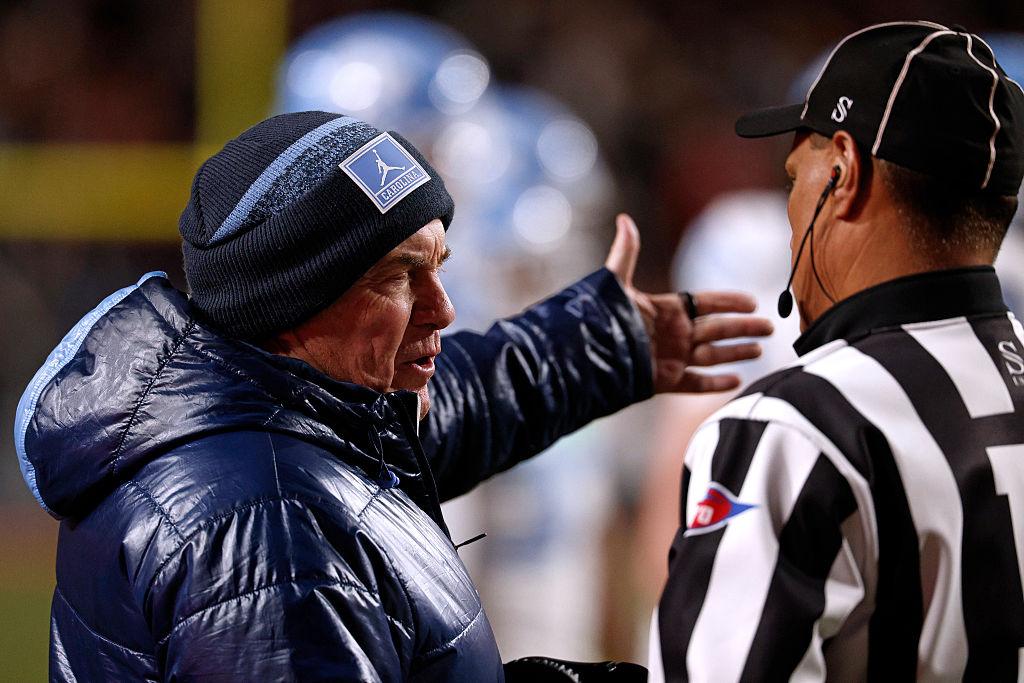
Current job: University of North Carolina head coach
NFL experience: 49 seasons (29 as an NFL head coach)
Archetype: Defensive CEO
Scheme: All of them
Coaching influences: Bill Parcells, Jordon Hudson
Just know that the whole crew is probably coming along with him. When you hire Belichick, you’re not just getting a coach; you’re signing up for the entire Belichick experience. You’re signing up for Jordon, Steve, Mike, and maybe even the rocket scientist. Belichick now seems more interested in getting those close to him their next paycheck than in winning football games. He hasn’t coached a playoff win since the 2018 season. He’s made it just twice since then—in 2019 and 2021—and has just one winning season this decade. The league rejected Belichick across the board during the 2024 hiring cycle, and that pushed him into the college game last year.
Nothing he’s done since taking the UNC job suggests that he deserves one last shot at coaching an NFL team. But look at the top of the list. We have Mike McCarthy ranked as the second-most qualified candidate! Some needy team looking to make a splash may get desperate enough to give Belichick a call. Will he answer it?