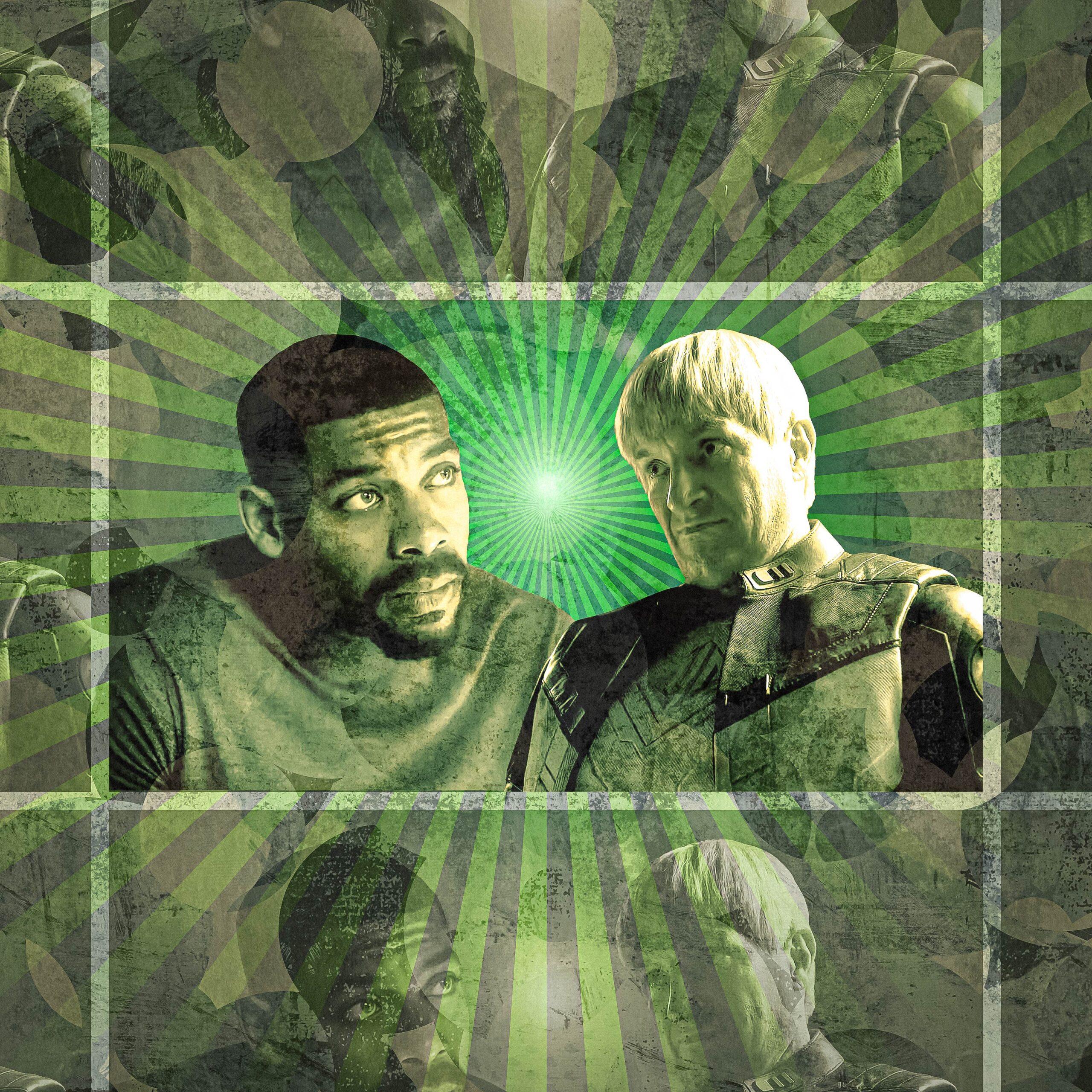


Through the first five episodes of Lanterns, the HBO series had almost no connections to the rest of the DCU. There was mention of a certain Rushville sheriff hailing from Gotham, where Batman stalks the criminal underworld. But beyond that reference to the famous fictional city, Lanterns kept to itself and its own comic book lore.
That all changes with the opening lines of Episode 6. “We all saw what happened in Metropolis, right?” John Stewart says in the midst of a pitch meeting in Midway City. “But our city doesn’t have a Superman, so it’s understandable that our response to intergalactic threats or whatever giant starfish comes sliding out of the ocean next is firepower. But firepower does not save lives.”
The year is now 2026. Ten years have passed since the events of last week’s installment, a thrilling midseason finale that saw the death of the last Manhunter, the destruction of Rushville, the fall of Hal Jordan, and the end of Stewart’s lifelong dream to become the next Green Lantern. John has shifted to new aspirations and enterprises: He’s started a successful architecture firm with his brother that’s on the verge of landing a big government contract. (He’s grown a beard, too.) John has moved on—and the rest of the world has with him.
The Stewart brothers are seeking funds to build wide-scale panic rooms that could each provide shelter and security for 20,000 people the next time an apocalyptic event strikes the city. John references the destruction of Metropolis that occurred in 2025’s Superman, when Lex Luthor nearly leveled the city by opening a rift to another universe. He also calls out Starro the Conqueror, the giant starfish-like alien who almost annihilated Corto Maltese in 2021’s The Suicide Squad. That’s two extraterrestrial incidents (and two James Gunn movies) referenced in as many sentences in a business meeting, and no one bats an eye.
In “Bad Optics,” directed by Stephen Williams and written by Justin Britt-Gibson and Damon Lindelof, Lanterns enters a new timeline and a wider cinematic universe where superheroes and aliens are commonplace. This could have caused a jarring tonal shift, but the series smartly uses these fantastical connections to help mark the passage of time as Lanterns picks up the thread of its central murder mystery in a changed world.
Lanterns teased Jordan’s death at the end of the series premiere, when it first introduced the show’s 2026 timeline. Now the series is circling back to where it started. Some part of John really may have wanted to move on with a simpler civilian life in which he could start a thriving family business. But he still has loose ends to tie up in Rushville, and as talented an architect as he may be, Stewart is still destined for more.
After John’s mother lures him back to rural Nebraska with a lie about Hal wanting to apologize for everything that transpired, the former partners reunite for the first time in a decade. Hal has returned to the scene of his downfall after spending years in a federal prison, but he’s still the same charming asshole. And it doesn’t take long for him to set their beef aside to start roasting the Lantern who ended up taking his place instead of John: Guy Gardner (Nathan Fillion).
“You see that gym teacher on TV?” Hal says to John. “Flew those pandas from China to California in that bubble; I guess no one told him the construct doesn’t have to be so green. Ripped off that bat guy over in Gotham too. Put a beacon right in the middle of fuckin’ town so people can summon him.”
The casual Batman shout-out is actually one of the first times that the Caped Crusader has been referenced in the DCU. And it sets Hal up to dunk on his successor, who first appeared as Earth’s Green Lantern in Gunn’s Superman.
Guy is all over Episode 6, whose title—“Bad Optics”—comes from his explanation for not wanting to help John investigate the murder of his infamous predecessor. Stewart can’t even buy groceries without that bowl cut reminding him of the dream job he gave up:

When Guy finally shows up in person, the meeting between him and Stewart is well-earned. John summons him to Rushville using Guy’s knockoff Bat-Signal, and by the time the Green Lantern arrives, John has been locked up for beating up a few locals who attacked him for lighting the green beam. And Guy relishes finding him in such a precarious position.
Fillion and Aaron Pierre immediately create an amusing, antagonistic dynamic between their characters as Stewart cuts through Guy’s air of superhero superiority by taking the same slant that his former mentor did: calling Guy a gym teacher. (“I was an athletic director,” Guy responds pathetically.) But as much as Guy takes shots at Stewart for damaging the Green Lantern brand with his part in the well-publicized Rushville tragedy, and for getting himself locked behind bars just as Hal did, he falls silent when John reminds him of an undeniable truth: “Guy, everything you have is because I didn’t take it.”
Fillion’s Gardner appeared in both Superman and Peacemaker, two DCU projects that share Gunn’s particular brand of juvenile, irreverent humor. His inclusion in Lanterns could have been a bad fit for the HBO series’ darker, sober tone, but instead, his presence feels like a natural extension of his preexisting role. None of Fillion’s former takes on the character are jettisoned, as he remains an even bigger jerk than Jordan, without any of Jordan’s disarming charm. And after Gardner’s appearances in Superman and Peacemaker, which cast him as one of several superheroes in the Justice Gang, Lanterns has now provided him with a deliberately unspectacular origin story as the Green Lantern who got the job only because John decided to give up the ring.
As we’ve seen plenty of times in the MCU, DCEU, and DCU, the interplay of stories in shared cinematic universes can be a double-edged sword. The second season of Peacemaker all but sacrificed its finale to set up the future of the DCU. Yet Lanterns is another example of how effective it can be when a project uses those connections to serve its story. Gardner’s introduction doesn’t feel like a cameo for the mere sake of it but an obvious outgrowth of the series’ narrative, as Lanterns addresses the fact that someone needs to take on the role of Green Lantern after Jordan and Stewart. He’s also a logical messenger to deliver the news of Sinestro’s escape from space prison—or “Spazkaban,” as Guy calls it—and the only person who could retrieve Hal’s old Green Lantern suit and ring from Oa so that Hal can be buried with them, as Stewart requests.
Considering their decades of shared comic book history, it’s a special sight to see Gardner, Stewart, and Jordan all appear in a live-action Green Lantern story for the first time. And Gardner slots right into the show’s ongoing drama by adding a new layer to the rivalry between Earth’s various Lanterns. The ease with which the former “athletic director” secured the esteemed position reinforces the tragedy of Stewart’s arduous and ultimately unnecessary journey to earn a tremendous responsibility that the Guardians seem to be handing out willy-nilly to other, less qualified candidates.
Elsewhere in Episode 6, Lanterns reaches beyond these DCU connections and callbacks for more character-specific Green Lantern lore to fill in some of the backstory of Hal’s life before the events depicted in the series. Carol Ferris (Amie MacKenzie) arrives for Hal’s funeral in Rushville to serve as just the third person in attendance, joining John and Sheriff Kerry Kane.
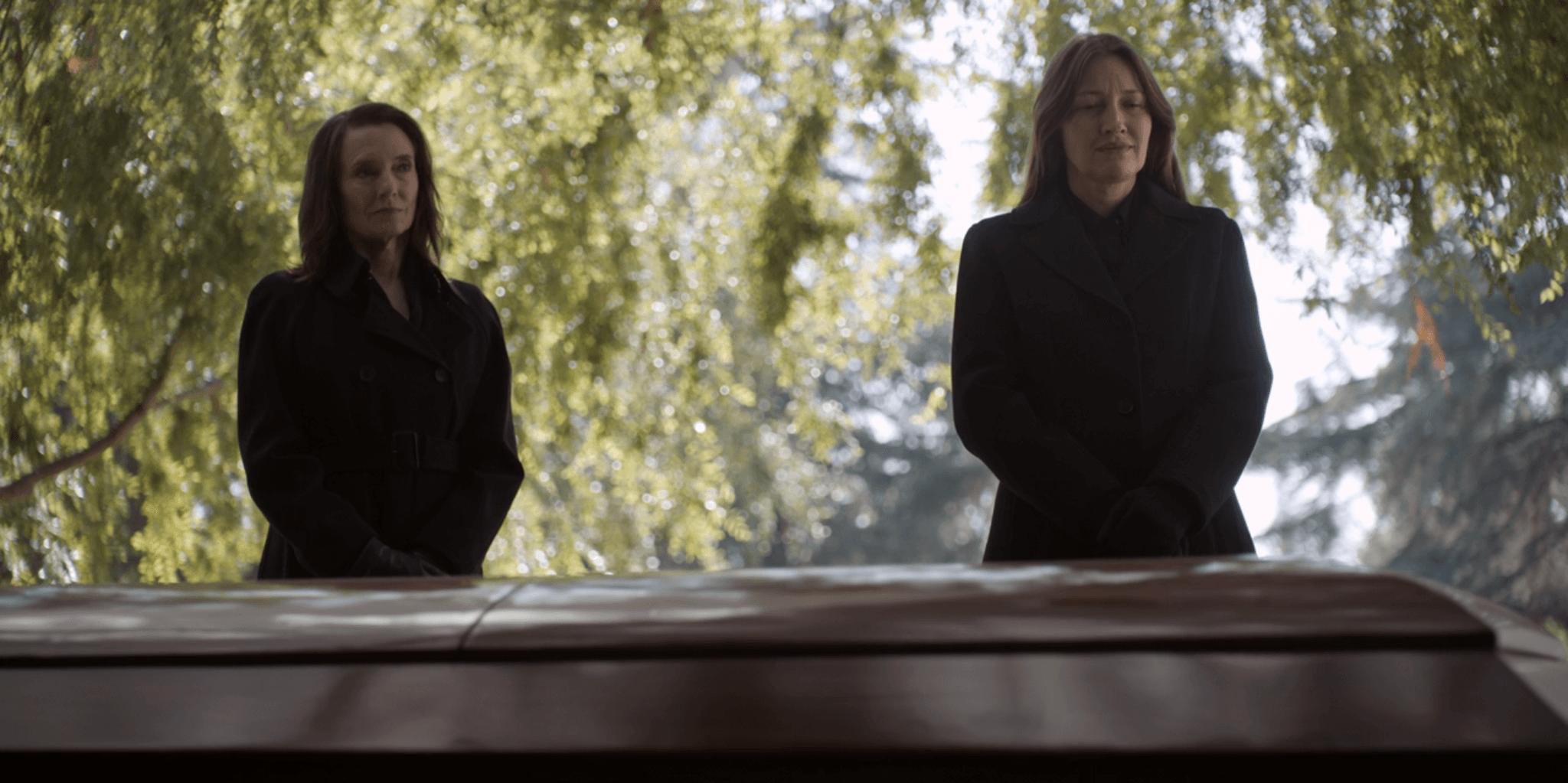
Anyone who’s read Green Lantern comics or seen other Green Lantern TV shows or movies will recognize Carol as Hal’s on-again, off-again girlfriend, who was portrayed by Blake Lively in 2011’s Green Lantern. When she introduces herself to John, Carol mentions her history with Hal and how the “only friendship that stuck was the one on his finger.” More than just serving as an Easter egg, Carol’s appearance adds a bittersweet layer to the pitiable affair of Jordan’s near-empty service, where John reads a eulogy fittingly written by Hal himself.
Hal gave his eulogy a cheeky title, “The Brightest Day,” which references the first words of the Green Lantern oath, and goes on to mention willpower—a Lantern’s most important trait—and “the blackest of nights.” And Pierre delivers it with the perfect blend of humor, bravado, and somber irony, as Hal receives anything but the hero’s funeral that he expected.
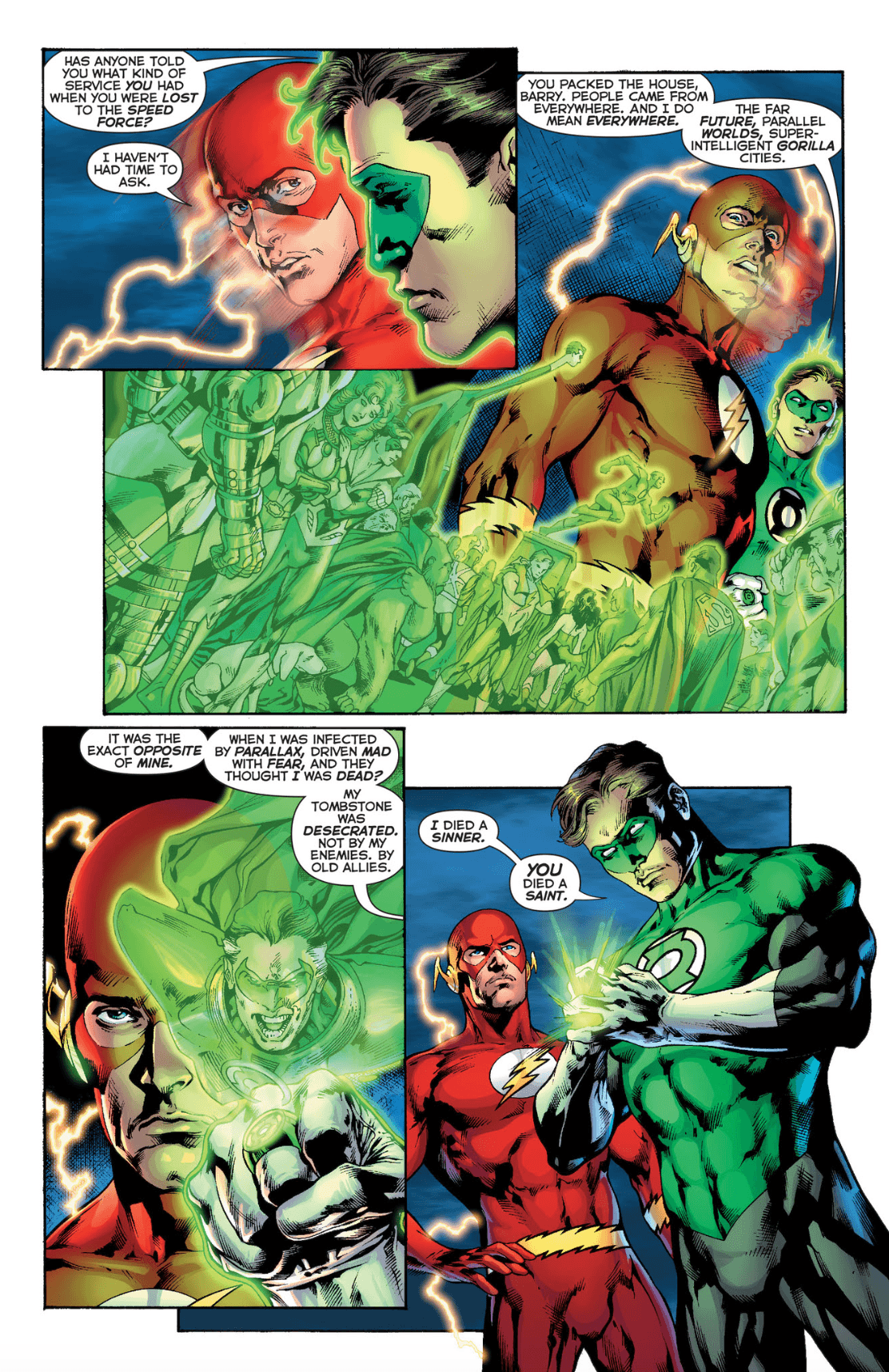
The unceremonious occasion feels like a fitting farewell for Jordan not just because of the tragedy he helped cause in Rushville but because it isn’t all that unlike what happened in the comics. In Blackest Night no. 0 (2009), written by Geoff Johns and illustrated by Ivan Reis, Jordan tells the Flash about his own funeral. Jordan had died and been resurrected, just like his speedster friend. (Such is the superhero circle of life.) While the Flash was celebrated as a hero, Hal says that he himself “died a sinner” and that his tombstone was desecrated by his old allies for all the atrocities he committed while infected by a parasitic force of fear and evil.
Even with all of the DCU ties and comic book references in “Bad Optics,” Lanterns never abandons its grounded tone or its attention to its own story. It still leaves plenty of room for some great moments centered on this self-contained world and its distinct versions of Stewart, Jordan, and Sheriff Kerry, the latter of whom is an original Lanterns character. The shift in Episode 6 feels almost like the start of a new season, and the next stage in the evolution of this series. With the Manhunter story line concluded by Zoe Macon’s death in last week’s installment, Lanterns enters this new timeline by returning to its whodunnit premise with the benefit of five episodes’ worth of clues, context, and character development.
Hal Jordan may be dead, but after John digs up his body to retrieve his decommissioned ring at the end of Episode 6, his holographic backup has been summoned once again to keep Jordan—and Kyle Chandler’s phenomenal performance—on-screen. And who better to help John solve the mystery of Hal Jordan’s death than the former Green Lantern himself?


More on ‘Lanterns’
Who killed Hal Jordan?
At least until this murder mystery is solved, we’ll wrap up these weekly recaps with a section where we break down the three most likely suspects, using any clues and insights from the latest episode. From former enemies to just about anyone in Rushville, the killer candidates seem endless. As Sheriff Kerry says to John in the midseason trailer, “This whole goddamn town wanted to kill him.” But that won’t stop us from trying to solve the case first. Let’s get right into it.
Billy Macon
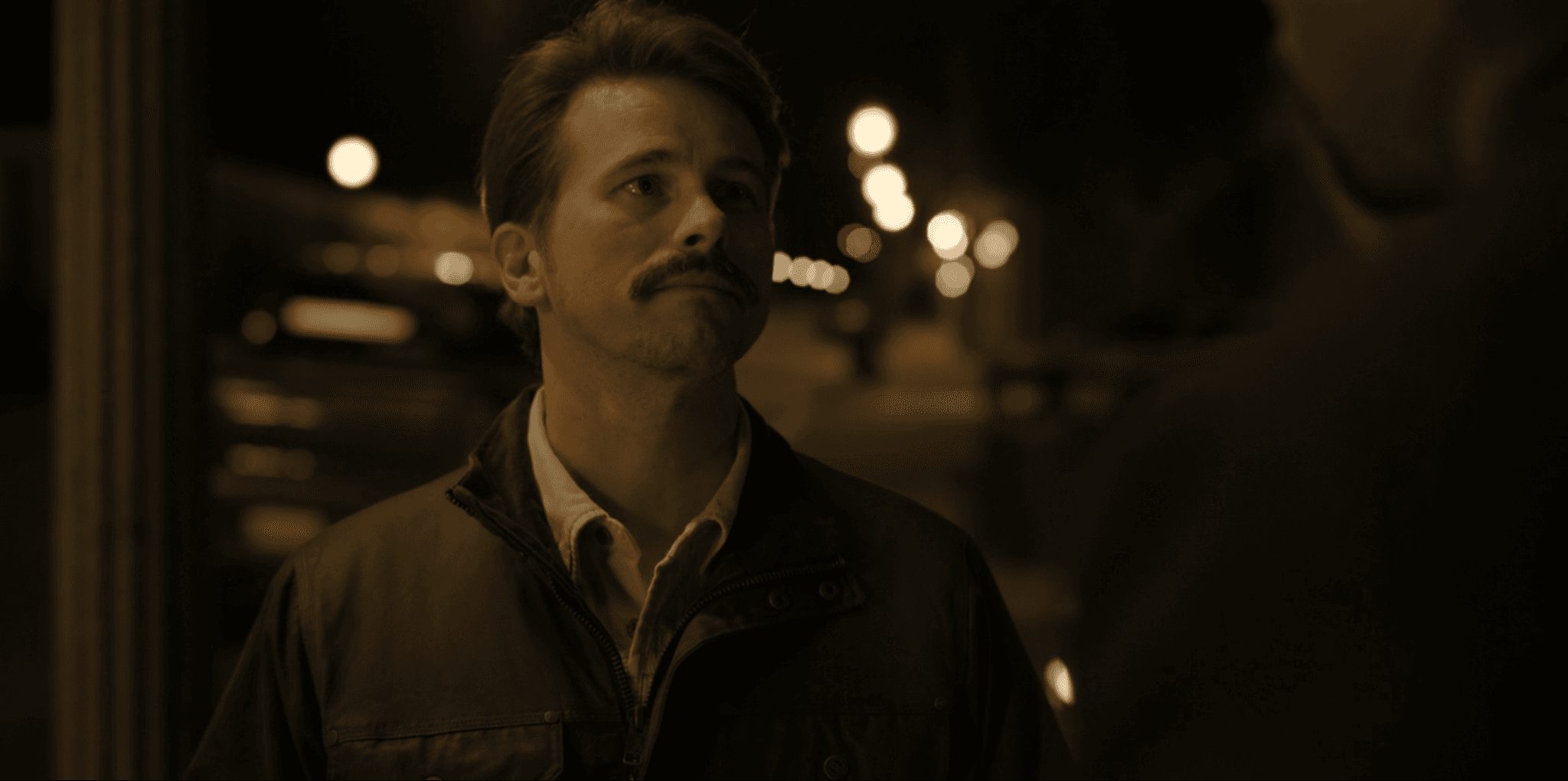
First up is Billy Macon, who might have more motives for killing Hal Jordan than anyone else in Rushville. The former Green Lantern’s pursuit of the Manhunter annihilated the formerly idyllic community where hospitals were empty because no one got sick. The Macon ranch was Rushville’s seat of power. But thanks to Hal, both Billy’s father, Will Macon, and his stepmother—the Manhunter herself, Zoe Macon—were killed. Given how much the Macons started with before the battle of Rushville, there’s probably no family in town that lost more in the conflict.
As if that wasn’t enough for Billy to hold a grudge, Hal ended up returning to Rushville to steal his ex-wife, Kerry. In Episode 6, Kerry tells John that she and Billy had been separated for three years when Hal started writing letters to her from prison. And after he finally got out, he moved back to Rushville to make amends with its people—but mostly to be with her.
When Billy finds John lighting the Green Lantern signal to contact Guy Gardner, he quickly shows how bitter he’s become in the decade since the Lanterns first arrived in Rushville. He threatens John’s life before John dispatches him and four of his buddies with considerable ease.
As much as Billy may have wanted to kill Hal, the biggest flaw in this theory is pretty straightforward: Could Hal Jordan really have been killed by this guy? Even without a ring, it’s hard to imagine that Jordan could have let himself be taken down by the likes of the local lawyer-barkeep.
Maggie
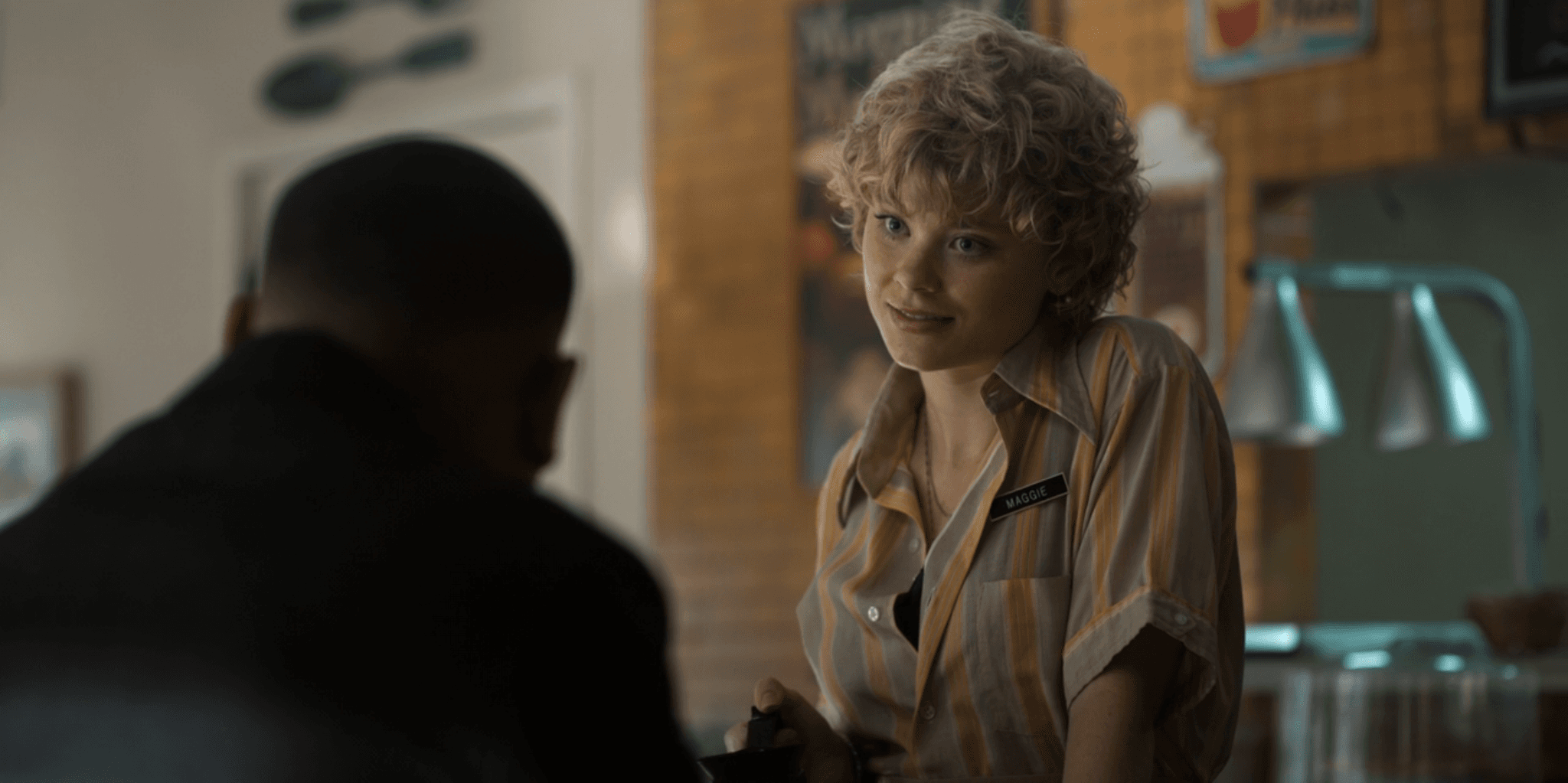
I could say the same thing for our next suspect, Maggie (Hannah Christine Shetler), a 19-year-old girl who makes her first appearance in Episode 6. Yet despite how unassuming she looks, the café waitress makes quite the first impression as she attempts to blackmail Stewart for $314,536.27, the exact amount she says he and Hal owe for the damages they “brought to [her] doorstep.” (Plus interest.)
Although John doesn’t remember her, Maggie’s penchant for watches and her claim that John told her “I’m sorry” on that fateful day 10 years ago point to her being the little girl whom John handed a watch to amid the rubble of the motel at the end of Episode 5:
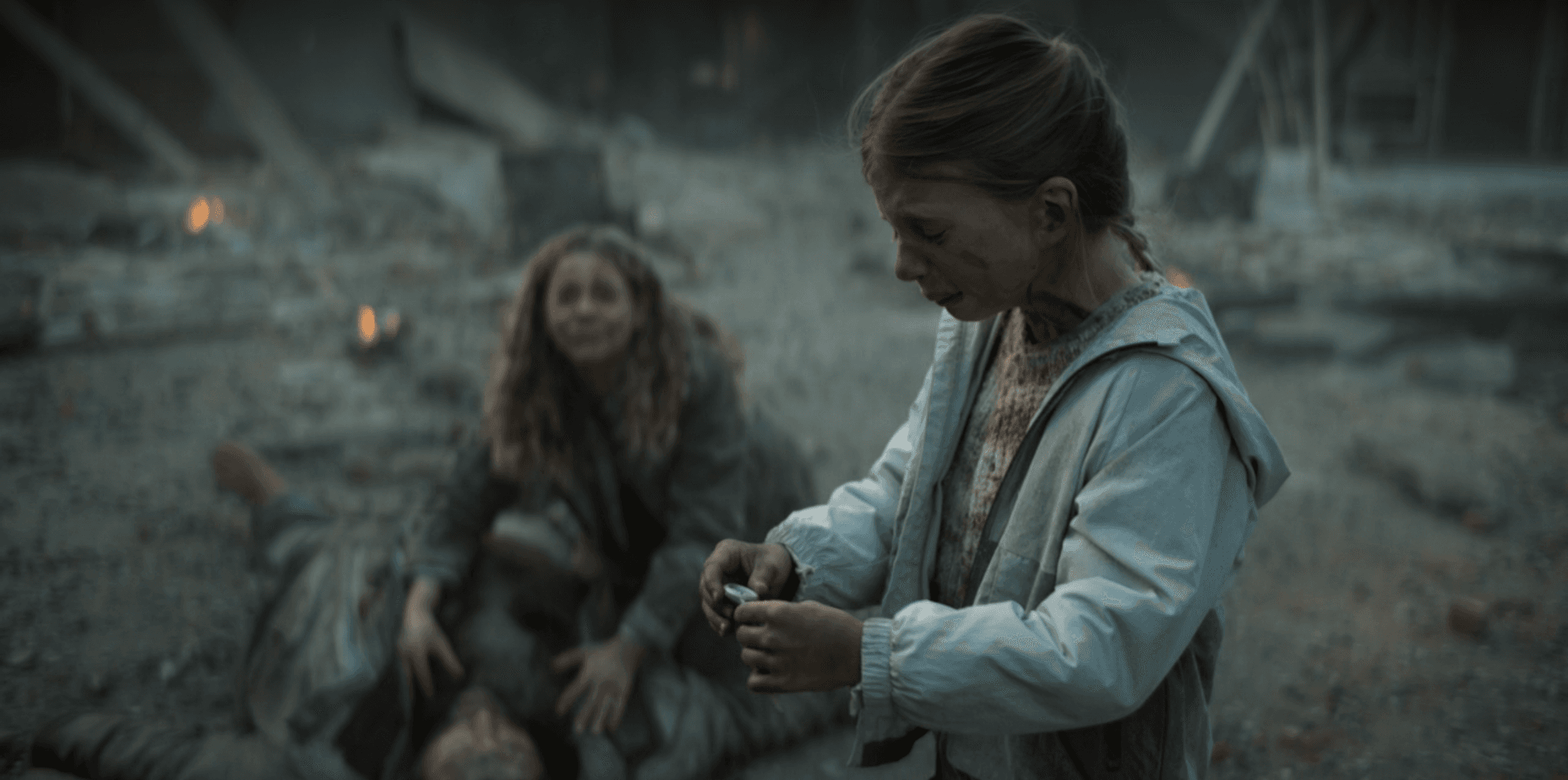
Maggie has a motive, and she seems a little too prepared to blackmail the successful architect upon his return to town. As the coroner tells John and Kerry, Hal didn’t resist when his killer shot him point-blank. Maybe he welcomed death at the hands of a Rushville victim. Still, given how late this character has been introduced in the show, it would feel anticlimactic for the Green Lantern to have been murdered by a brazen teenager.
Noah Macon
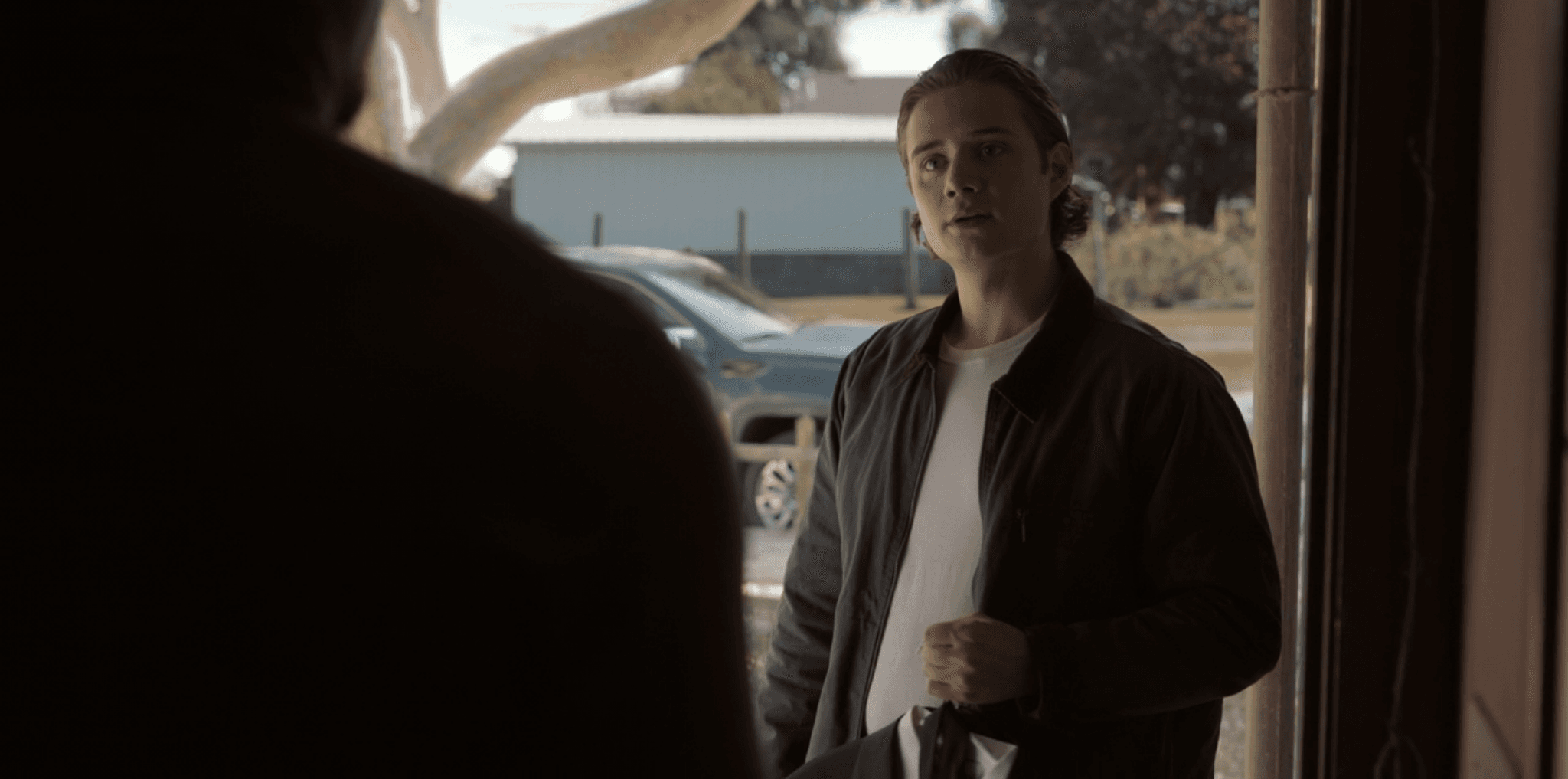
Then again, what if that brazen teenager was the son of Billy Macon and Kerry Kane: Noah Macon (Shea Pritchard)?
Out of every Rushville resident John encounters in Episode 6, Noah is the only person in Rushville other than his mom who doesn’t try to kill, blackmail, or insult the short-lived Green Lantern. That could just be because Stewart gave Noah some throwing tips that may have helped the kid become an all-state quarterback. But there’s something unsettling about just how calm and kind he is to the man who shot his Manhunter grandma in the head.
Even more than the disarming demeanor of the surprisingly mature, self-assured teenager in a town full of traumatized, angry survivors, it’s the final exchange he had with Zoe that makes him seem like such a prime suspect. In the conversation that they shared in Episode 5, Zoe reminds Noah of her lesson about spying: “See without being seen.” And then she says something even more suspicious to him: “No matter what happens, don’t forget everything I’ve told you.”
Zoe could’ve meant anything with those final words. Maybe she had some transformative advice about handling pocket pressure. But the reminder sure sounds ominous coming from a Manhunter who had been preparing for the arrival of vengeful aliens and Green Lanterns for at least nine years, dating back to when she recruited Kerry as one of her many loyal protectors in Rushville. One of those aliens was Antaan, whom Will Macon revealed couldn’t conceive a child with the Manhunter. It’s possible that Noah could be the true last Manhunter. And even if not, he could still have killed Hal to fulfill the promise he made to his grandmother all those years ago.
Hal’s murderer could be anyone, and even with only two episodes left in the season, it’s too early to tell who handed down the fate that so many people wanted to see befall the retired superhero. And as the dynamic, disgruntled duo of John Stewart and Hal Jordan—or at least the latter’s leftover simulacrum—reunite to solve the crime, Lanterns is building up to a dynamic denouement.