

The trade deadline has passed, the contenders have finished loading up, and each team has fewer than 45 games remaining to define its season. The MLB stretch run won’t be shaped only by the biggest acquisitions or the most recognizable superstars. It will also hinge on the players who best embody where each franchise stands right now, with one-quarter of the regular season to go.
So yes, for the Dodgers, that’s Tarik Skubal, the supposedly unfair addition who suddenly looks more necessary than excessive. And for the Brewers, it’s Jacob Misiorowski, the historic ace who could finally turn Milwaukee’s regular-season machine into an October force. And for teams already looking toward 2027, it’s younger players like Bryce Eldridge, Carson Benge, and Moisés Ballesteros who offer hope for the future.
Here are all 30 MLB teams ranked by their World Series viability, along with one player from each who will help set the tone for the rest of its season.
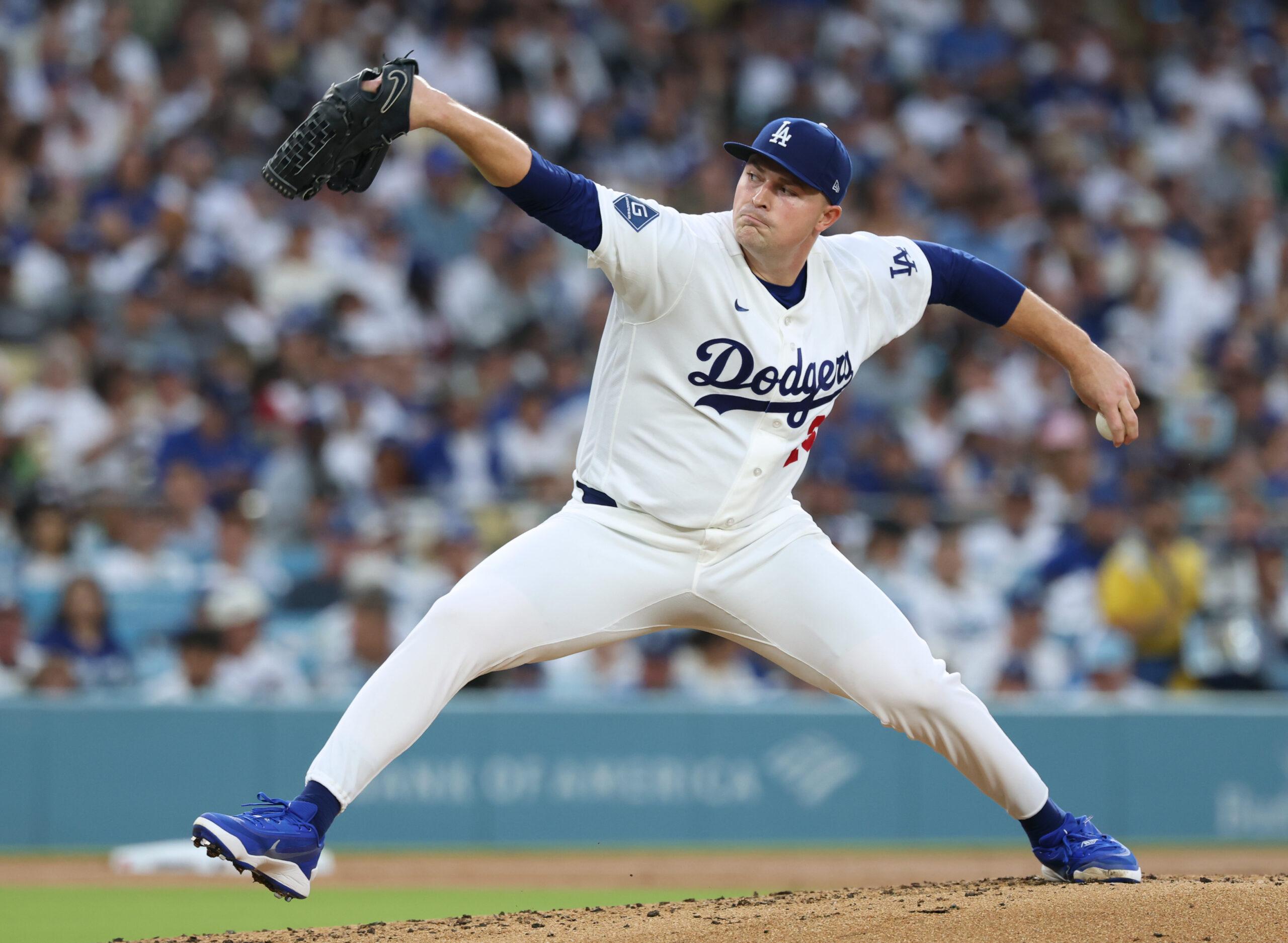
1. Los Angeles Dodgers (Tarik Skubal)
Since the Dodgers were accused of breaking baseball with their acquisition of Tarik Skubal, they have lost seven of their 11 games. They relinquished control of first-round-bye positioning in the National League and are now in real danger of having to advance through the roulette-wheel spin known as the three-game wild-card series. It would take a whole lot more than two bad weeks to move the Dodgers off their perch at the top of the league’s rankings, but the problems run deeper than their recent scuffles.
Since the start of June, the Dodgers are 22nd in bullpen ERA and 14th in starting-pitcher ERA. So while the addition of Skubal and his dominant stuff atop the rotation gives the Dodgers an embarrassment of pitching riches at first glance, it’s a lot closer to filling a true need for the team. Skubal could top a historic playoff rotation alongside Yoshinobu Yamamoto, Blake Snell, Shohei Ohtani, and Tyler Glasnow (the last two of whom are hurt and still haven’t returned to a major league mound), but that overpowering pitching is purely prospective. In addition, the Dodgers’ lineup looks lackluster: The team has been 21st in wRC+ since the start of June, as its hitters have struggled to hit the heat fired at them.
2. Milwaukee Brewers (Jacob Misiorowski)
The Brewers have proved themselves to be a regular-season machine that routinely churns out 90-plus-win seasons. They’re going to win at least 90 for a fourth year in a row and could finish with the best record in MLB for a second straight year. They needed only three starters to get through the National League division series in 2025, but they didn’t have any reliable starters except Freddy Peralta. Aaron Ashby made multiple starts as an opener. Closer Trevor Megill started a do-or-die elimination game.
With Jacob Misiorowski’s help, the Brewers may finally be able to convert regular-season success into October triumph. Misiorowski has been the best pitcher in baseball. And by strikeout-minus-walk rate, he’s been the best starter in the 21st century. In 2019, Gerrit Cole finished the year with a 34 percent K-minus-BB rate. Misiorowski sits at 34.6 percent with roughly eight starts to go.
3. Tampa Bay Rays (Junior Caminero)
Junior Caminero is tied with Kyle Schwarber, Matt Olson, and Yordan Alvarez for the MLB lead in home runs. He’s the biggest threat to break up Alvarez’s chase for a Triple Crown. And he’s essential to a lineup that otherwise lacks slug. The Rays rank 24th in isolated power even with Caminero’s pop in the heart of the order.
While Boston’s second-half surge and the Yankees’ slog since losing Aaron Judge have been stealing all of the national attention, Tampa Bay quietly fortified its rotation and catching corps at the deadline by adding Peralta and Liam Hicks, respectively. The Rays are trudging along toward an AL East title and the top seed in the playoffs, where they will most likely meet the winner of a Red Sox–Yankees wild-card series.
Tampa Bay will play both Boston and New York in late September, but those games may not matter if the Rays keep up their 98-win pace.
4. Atlanta Braves (Ronald Acuña Jr.)
The All-Star break appears to have come at the perfect time for Atlanta. If you split the Braves’ year into three mini-seasons, it tells a good story.
Season 1, through June 7: 45-21
Season 2, June 8 to All-Star break: 10-19
Season 3, after the All-Star break: 18-8
Outside of the blip from early June to mid-July, the Braves have been one of the best teams in baseball. And they’ve done it with good but not great production from their best player.
This offense’s ceiling depends on the production of Ronald Acuña Jr. at the top of the lineup. He’s played only 69 games, and he’s been just 15 percent better than league average at the plate. For Atlanta to challenge the Dodgers, Acuña needs to be closer to his 2023 (171 wRC+) or pre-injury 2025 (161) numbers.
5. Boston Red Sox (Willson Contreras)
A home series loss to the lowly Athletics this past weekend wasn’t pretty, but Boston had to lose a series at some point. The Red Sox have completely buzz-sawed their way through baseball for more than a month now. Since June 23, they’ve swept the Yankees, the Dodgers, the Rays, and the White Sox (twice). That’s three division leaders and the team right in front of them in the standings.
The lineup as a whole has made dramatic improvements in its swing decisions during this torrid stretch.
Boston’s acquisition of Willson Contreras from St. Louis via trade in December is proving to be one of the smartest decisions of the offseason. He’s on pace to shatter his career highs in OPS, homers, hits, and RBI in his age-34 season. The Red Sox finished 27th in fWAR from first basemen last season. This year, they rank second, and first in the AL.
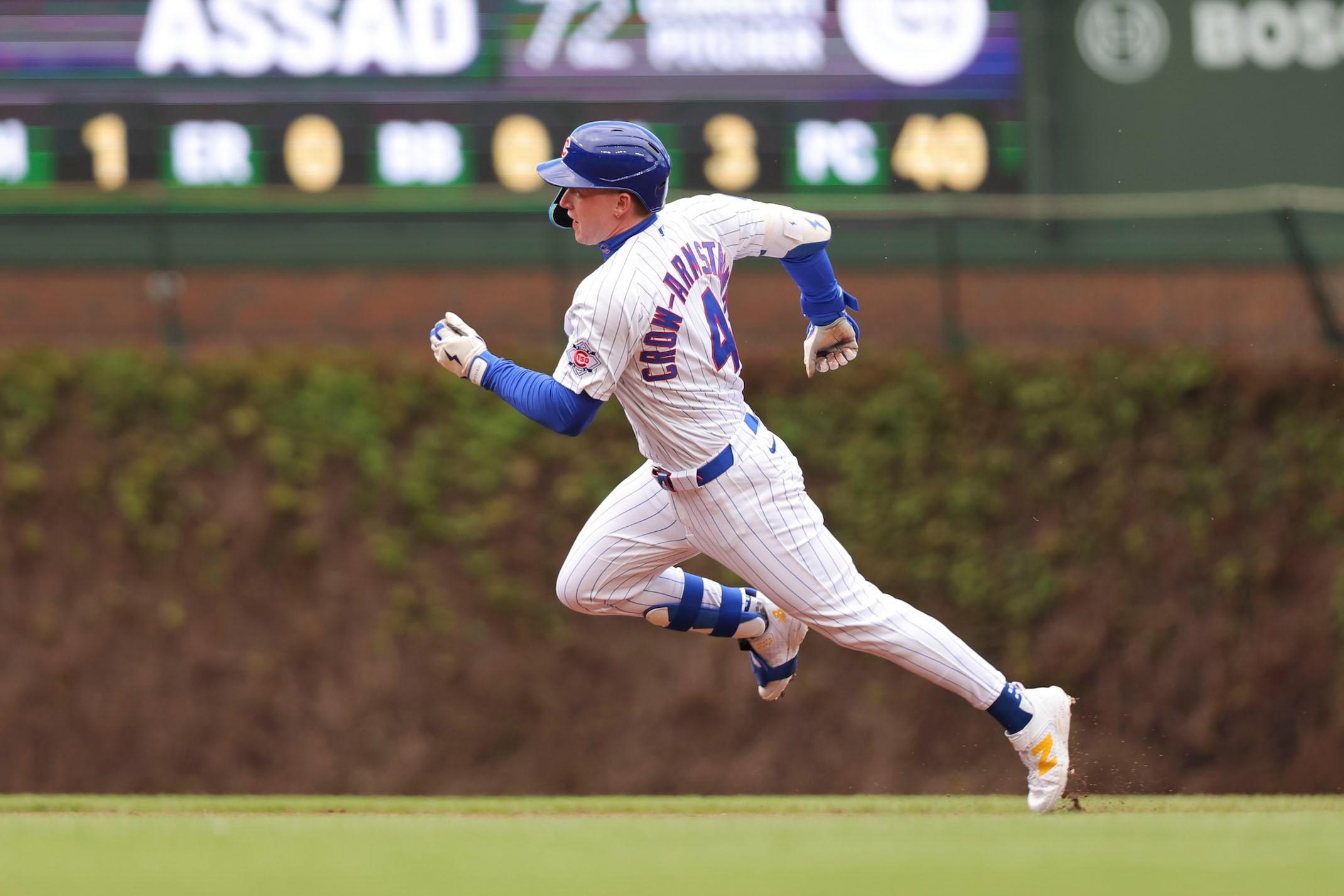
6. Chicago Cubs (Pete Crow-Armstrong)
Pete Crow-Armstrong is on pace to finish this season with roughly 10.9 fWAR. Since 2000, there have been only five position-player seasons worth at least 10.5 wins.
2002: Barry Bonds
2001: Bonds
2004: Bonds
2024: Aaron Judge
2022: Judge
Crow-Armstrong isn’t close to Bonds’s or Judge’s levels of offensive production, so his season isn’t being talked about widely in the way those years were. However, posting a .933 OPS with 30 steals while showing off some of the best outfielding ever is just as rare and arguably even more impressive.
7. New York Yankees (Luis García Jr.)
Luis García Jr. homered in his Bronx debut, and he didn’t strike out in his first 20 plate appearances as a Yankee. He and Heliot Ramos will absolutely lengthen the lineup around Aaron Judge when he returns. But when Judge returns is still a moving, vague target and remains the AL’s most significant source of uncertainty as the playoffs approach. The Yankees hold a three-game lead over the chasing Red Sox, with home-field advantage for their likely three-game wild-card series at stake.
The Red Sox currently hold the tiebreaker thanks to a 5-4 season-series lead, but the two sides will play a four-game series in the Bronx at the end of August.
8. Philadelphia Phillies (Luis Arraez)
Entering last Monday, when the Phillies traded for bat-to-ball savant Luis Arraez, only the Mets had a lower on-base percentage than the Phillies, despite the latter having Kyle Schwarber’s on-base skills atop the lineup. Thirty years ago, Don Mattingly would have been seen as a heretic for leading off the beefy Schwarber and batting a slap hitter like Arraez in the cleanup spot, as he has since Arraez was acquired. But this is the modern game. Lineup construction looks a whole lot different now.
The division is quickly moving out of reach for Philadelphia, which means that the Phillies will spend the last 43 games trying to fend off the Padres and other wild-card contenders. The Phils have gone 47-20 when one of Cristopher Sánchez, Zack Wheeler, or Jesús Luzardo starts, and for that reason, they’ll feel confident come playoff time, provided they qualify for the tournament.
9. Houston Astros (Yordan Alvarez)
No hitter has won the Triple Crown since Miguel Cabrera in 2012 (and he was the first to do so since 1967). Yordan Alvarez has a stranglehold on the AL MVP race, even though he has stiff competition WAR-wise from the likes of Dillon Dingler, Kevin McGonigle, and Bobby Witt Jr. His batted-ball profile is ridiculously elite. Only Oneil Cruz and James Wood have hit the ball harder, on average; he’s elevating more than he has in any previous season; and his spray chart is beautifully balanced. He’s a pure hitting machine, and he’s keeping the Astros afloat in a middling division.
Given that every AL West team has a negative run differential and the Astros are sitting in first at 61-60, any outcome to this slow-paced race remains on the table.
10. Arizona Diamondbacks (Lars Nootbaar)
The Diamondbacks started the season by suffering a sweep at the hands of the Dodgers, but they split a subsequent head-to-head series with Los Angeles and have taken five of the past six contests between the two teams to clinch their season series against the two-time defending champions. Arizona isn’t going to catch L.A. for the division title, but there is a very real chance that the NL West clubs will meet in the wild-card series or NLDS.
The Diamondbacks have proved that they won’t be intimidated by the Dodgers’ overwhelming collection of talent. Arizona’s athletic lineup has repeatedly pressured L.A.’s vulnerable pitching staff. The deadline acquisition of Lars Nootbaar makes that lineup deeper. His .659 OPS is underwhelming, but his plate discipline, defensive versatility, and ability to grind through at-bats fit perfectly with the Diamondbacks’ style.
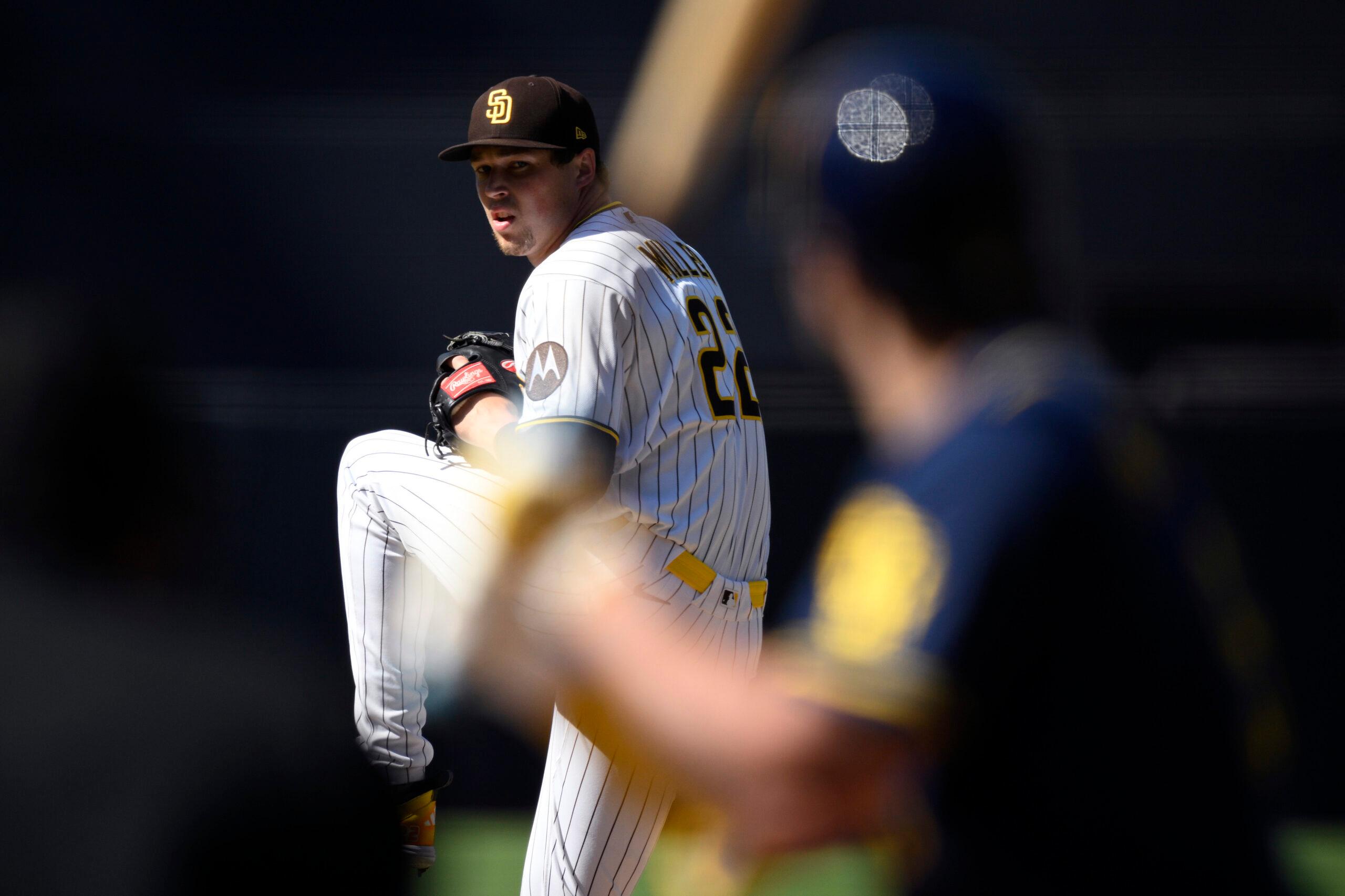
11. San Diego Padres (Mason Miller)
Mason Miller is having one of the best reliever seasons of all time, and it still might not be enough for the Padres to make the playoffs. Miller has the lowest single-season FIP (0.56) of any pitcher on record (minimum 40 IP), and his strikeout rate ranks fifth. He’s allowed runs in six of his 48 appearances this year (and earned runs in only four).
San Diego traded top prospect Leo De Vries for Miller last year, and it would be a shame to waste a peak season from the stopper, especially when he could be unleashed as an elite multi-inning reliever in the postseason. The Padres’ playoff odds are hovering in coin-flip territory.
12. Chicago White Sox (Munetaka Murakami)
Munetaka Murakami has continued to make his boom-or-bust offensive approach work in Chicago. Since returning from a hamstring strain just before the All-Star break, Murakami has had a 36.1 percent strikeout rate yet has maintained a quality on-base percentage and mustered a .900 post-injury OPS, barely below his mark before he got hurt.
Chicago’s closest challenger, Detroit, traded its two best starters at the deadline, and the White Sox may end up winning the AL Central almost by default. Granted, the diminished Tigers trail by only 2.5 games and boast stronger underlying numbers, but oddsmakers see the White Sox as solid –110 favorites to win their first division title since 2021.
13. Detroit Tigers (Dillon Dingler)
Dillon Dingler has been the most underrated player in baseball this year. If you polled 100 self-described baseball fans, how many would guess that Dingler ranks fourth in fWAR, behind only PCA, Ohtani, and Alvarez? His defensive value behind the dish is immense, but he’s also posted an .854 OPS at a position where the league average is only .688.
The Tigers are still more likely than not to miss the playoffs, especially after trading Tarik Skubal and Casey Mize. But the Ewing Theory committee has its eye on Detroit as the club tries to close narrow deficits in the division and wild-card races.
14. Texas Rangers (Jacob deGrom)
Jacob deGrom reportedly vetoed a trade out of Texas at the deadline. It’s hard to see the Rangers as a real World Series contender when they tried to deal their best pitcher at the deadline. However, deGrom’s decision may end up working in Texas’s favor. The Rangers are clinging to the AL’s third wild-card spot and are half a game out of first in the mediocre AL West.
There are questions about how well deGrom’s arm will hold up down the stretch. He’s failed to go further than five innings in each of his past five starts, and Texas doesn’t have the luxury of load-managing him.
15. Seattle Mariners (Cal Raleigh)
Cal Raleigh’s falloff from 2025 to 2026 is one of the most shocking in modern baseball history. His hard-hit rate is significantly lower than in any of his previous MLB seasons. His strikeout rate has ballooned to over 32 percent. His OPS sits at .564. As he put it this week, “I’m awful.” The Mariners have had other issues, such as vulnerable middle relief, Josh Naylor’s power outage, a pedestrian performance by Julio Rodríguez, and the decline of the recently traded Luis Castillo. But if you’re searching for one reason that the Mariners are outside the playoff picture, look no further than Raleigh.
Given that the AL is wide open at the top, the Mariners have to be furious that they’re squandering strong starting pitching and a peak Randy Arozarena season. That heartbreaking Game 7 loss in last year’s ALCS is looking even more like a brutal missed opportunity.
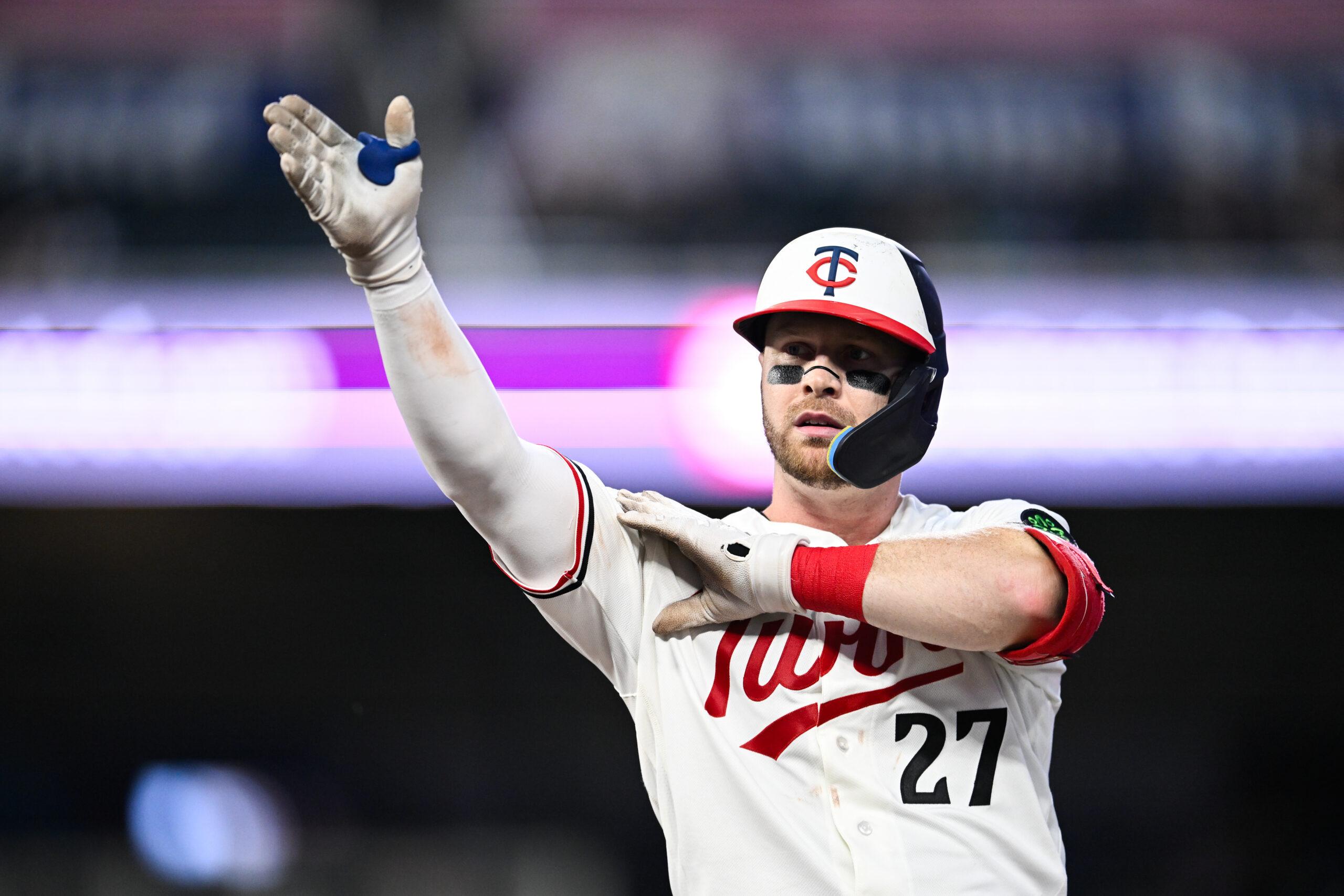
16. Minnesota Twins (Ryan Jeffers)
Ryan Jeffers missed nearly two months with a fractured hamate bone, but he’s been one of the best offensive catchers in baseball when healthy. Jeffers has an .878 OPS, which would easily surpass his previous career high, and Minnesota’s lineup has desperately needed his right-handed power and patience.
The Twins resisted the temptation to trade Jeffers at the deadline and just took two out of three in a massive series against Baltimore, another team that’s hovering around .500 and chasing the AL’s final wild-card spot. A healthy Jeffers gives the Twins enough offense to remain annoying until the end.
17. Cleveland Guardians (José Ramírez)
José Ramírez has been the model of consistency for a decade, which makes his sudden decline one of the strangest developments of the season. After averaging 32 homers over the previous five full seasons, Ramírez is hitting .233 with just 10 homers and a career-low .148 isolated power in 89 games. He missed more than a month after fracturing his left hamate bone in mid-June, and wrist soreness and load management have occasionally kept him out of the lineup since his return.
The Guardians are somehow still hanging around the American League wild-card race despite receiving significantly less production than usual from their franchise player. But there isn’t enough power elsewhere in their lineup to make up for the loss of his.
18. Miami Marlins (Otto Lopez)
Otto Lopez was supposed to be a useful complementary player for a Marlins team that might be good in the future. Instead, he has become one of the primary reasons Miami might be good now. Lopez made his All-Star debut this year and has paired his elite defense and baserunning with a legitimate offensive breakout.
The Marlins have spent years searching for hitters to pair with the pitchers they’ve developed. Lopez’s emergence gives them a versatile middle infielder who can contribute in every phase of the game. Although the Fish have been streaky, their fans have to be happy that they’re this close to a playoff position in mid-August.
19. Baltimore Orioles (Gunnar Henderson)
Gunnar Henderson entered the season as an AL MVP candidate. Instead, he’s been no better than an average regular, which is one of the biggest reasons Baltimore is only on the periphery of the wild-card race. Henderson is hitting .214 with a .688 OPS and a 94 wRC+, a shocking decline for a player who appeared to be entering his prime.
The shock waves generated by the Adley Rutschman trade are still pulsing through Baltimore, and the questions about Henderson are only going to get louder if he continues to struggle.
20. Pittsburgh Pirates (Paul Skenes)
Paul Skenes’s diminished fastball velocity has officially crossed over from a blip to a legitimate concern. After posting a 1.89 ERA in April, Skenes endured a disastrous July in which his ERA climbed above 6, and his full-season fastball speed has fallen below 97 mph.
The Pirates are still alive in the wild-card race, but the much bigger concern, both now and for future, is whether this is merely a difficult stretch for Skenes or the first indication that their franchise pitcher is no longer superhuman.
21. St. Louis Cardinals (JJ Wetherholt)
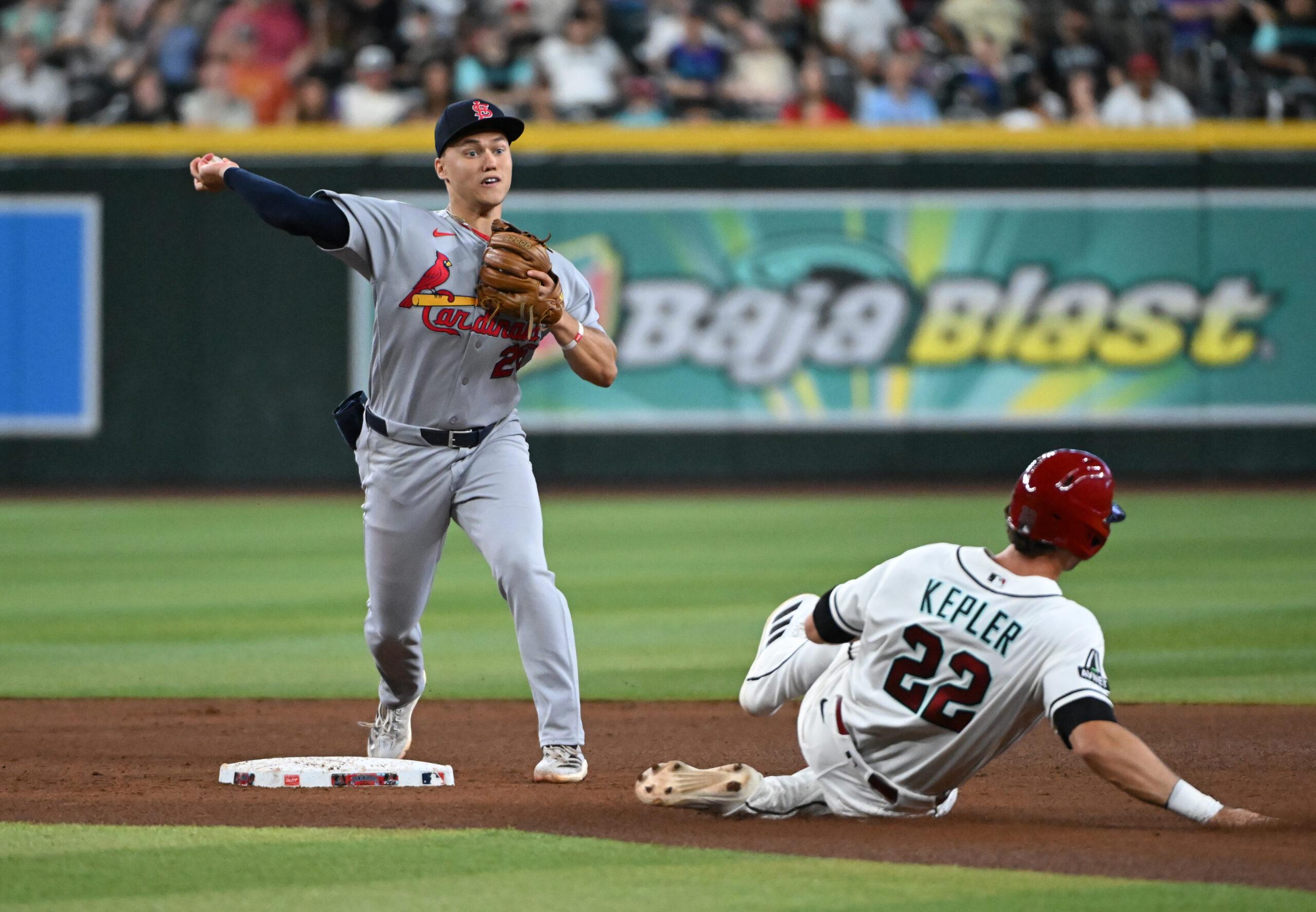
St. Louis rewarded JJ Wetherholt with an eight-year, $112.5 million extension in July, ensuring that he’ll anchor the club’s core through 2034. He has also helped keep the present-day Cardinals alive by delivering decisive clutch hits in recent wins over the Yankees and Rockies. St. Louis may have only an outside chance at a wild-card spot, but Wetherholt’s emergence has made the franchise’s long-term direction considerably clearer. The Cardinals are ahead of schedule largely because of him, and he might even get rewarded with an NL Rookie of the Year award. Even if the Cards can’t reach October in 2026, they’ve already found the player who can lead them back there eventually.
22. Washington Nationals (Nasim Nuñez)
Nasim Nuñez is one of the strangest everyday players in baseball. He has one home run and a .583 OPS, but he also leads the majors with 40 stolen bases and provides Washington with solid defense up the middle. Nuñez is a very limited hitter, yet his ability to manufacture runs makes him genuinely disruptive whenever he reaches base.
Nuñez probably won’t be an everyday fixture on the next good Washington team, but he’s exactly the kind of useful role player that good teams find creative ways to deploy. For now, the Nats will want to keep playing him to see whether he has anything else in that bat.
23. Cincinnati Reds (Sal Stewart)
The Reds have the worst offense in baseball by wRC+, but Sal Stewart has emphatically established himself as part of the team’s future. Stewart leads Cincinnati in hits and home runs (25). He’s neck and neck with the Cardinals’ JJ Wetherholt in the NL Rookie of the Year race.
The question is how Cincinnati has managed to surround Stewart and Elly De La Cruz with so little complementary production; Ke’Bryan Hayes, TJ Friedl, and Noelvi Marte have been among baseball’s least productive regular hitters. After it got swept by Washington over the weekend, Cincinnati’s faint playoff hopes are essentially gone.
24. Toronto Blue Jays (Dylan Cease)
Toronto’s offense has completely nosedived this season. The Blue Jays finished third in wRC+ last year and now sit at 29th, ahead of only the Reds. Thanks to the mediocrity of the other AL wild-card contenders, Toronto isn’t fully out of the playoff race. However, the Jays will be most interesting down the stretch in every fifth game, when Dylan Cease is on the mound. Toronto bet on Cease’s stuff when it gave him a massive contract in free agency over the winter, and that bet has paid off and then some, as Cease is neck and neck with Yankees sophomore Cam Schlittler in the AL Cy Young race. While Cease has maintained his double-digit walk rate, his stuff is nasty enough to get him out of jams, as evidenced by his career-high 36.1 strikeout rate.
25. New York Mets (Carson Benge)
Carson Benge is one of the few bright spots in what has otherwise been a totally lost season in Queens. The Mets are languishing in last place in a division they were favored to win. Many of the players and prospects that president of baseball operations David Stearns was relying on to produce have fallen far short of expectations. Benge is the exception. He has a .744 OPS in his first taste of the big leagues, and his glove, arm, and speed have also graded out pretty well.
26. San Francisco Giants (Bryce Eldridge)
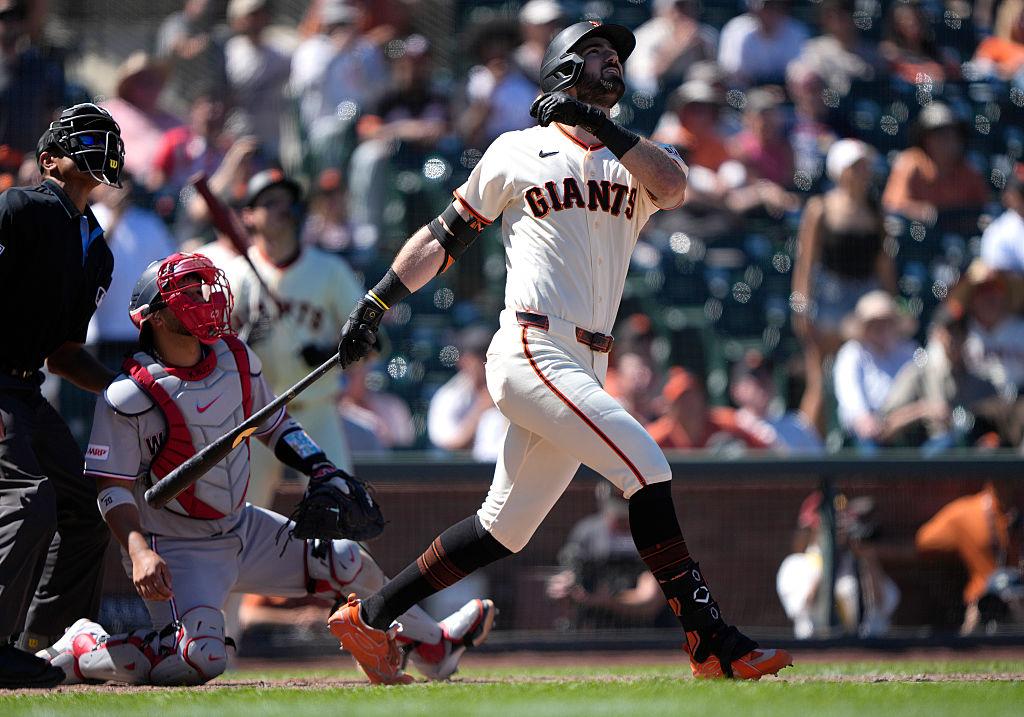
With Rafael Devers getting the bulk of the playing time for the Giants at first base, rookie Bryce Eldridge has largely been limited to DH duty, but he has gotten plenty of opportunities to prove himself at the plate. His combination of patience and power has played at this level, even though there are questions about how high his strikeout rate will be. Eldridge has been the regular leadoff man for the Giants since they dealt Luis Arraez at the deadline. They’re maximizing his at-bats in hopes that he’ll be a centerpiece of the next contender in San Francisco.
27. Kansas City Royals (Vinnie Pasquantino)
It’s been an underwhelming season for the Royals, and no player has been more disappointing than Vinnie Pasquantino. Despite an expected offensive boost following the changes to Kaufmann Stadium’s outfield dimensions, the Royals first baseman has a career-low OPS to go with a career-low hard-hit rate. He’s maintained his excellent plate discipline, but he hasn’t converted his good eye into consistent slugging or batted-ball quality. Pasquantino, who has multiple years of team control remaining, was supposed to be one of the first names mentioned as part of the core around superstar Bobby Witt Jr. Instead, he has the lowest slugging percentage of any regular first baseman in the majors.
28. Athletics (Jacob Wilson)
Jacob Wilson’s unconventional offensive profile continues to produce mixed results. He’s batting an above-average .269 and remains nearly impossible to strike out, but his lack of walks and power has limited him to a .691 OPS. Wilson’s contact skill is undeniably special, but pitchers are attacking him more aggressively, knowing that he rarely walks and does limited damage when he lifts the ball. He can still be the Athletics’ long-term solution at shortstop, where he just set a record for consecutive errorless games, but his sophomore season has revealed how limited his upside could be.
29. Los Angeles Angels (Moisés Ballesteros)
The Angels acquired Moisés Ballesteros from the Cubs in the deal that sent Ryan Zeferjahn to Chicago. Ballesteros is a 22-year-old slugger who has flashed tremendous potential with the bat in his first 250 plate appearances in the big leagues. His defense behind the plate is questionable, but he will replace the recently departed Logan O’Hoppe as the Angels’ catcher of the future. Interim general manager John Mozeliak committed to a proper deadline sell-off, and none of the pieces he got in return will make as much of an immediate impact as Ballesteros. However, it will take more than those moves and firing a few coaches to turn this organization around.
30. Colorado Rockies (Hunter Goodman)
The Rockies’ single-season home run record, held by both Todd Helton and Larry Walker, is 49. Hunter Goodman currently has 34 homers, which would put him on pace for 46. It’s not out of the question that a hot last quarter of the season could see him hit 50.
So while the Rockies are languishing in the basement again (albeit not nearly as far back as last year), Goodman can give the franchise some hope—and maybe even win an MLB home run title. The Rockies have had a handful of players break out in the past three or four seasons, but Goodman is one of the few who has sustained his success.