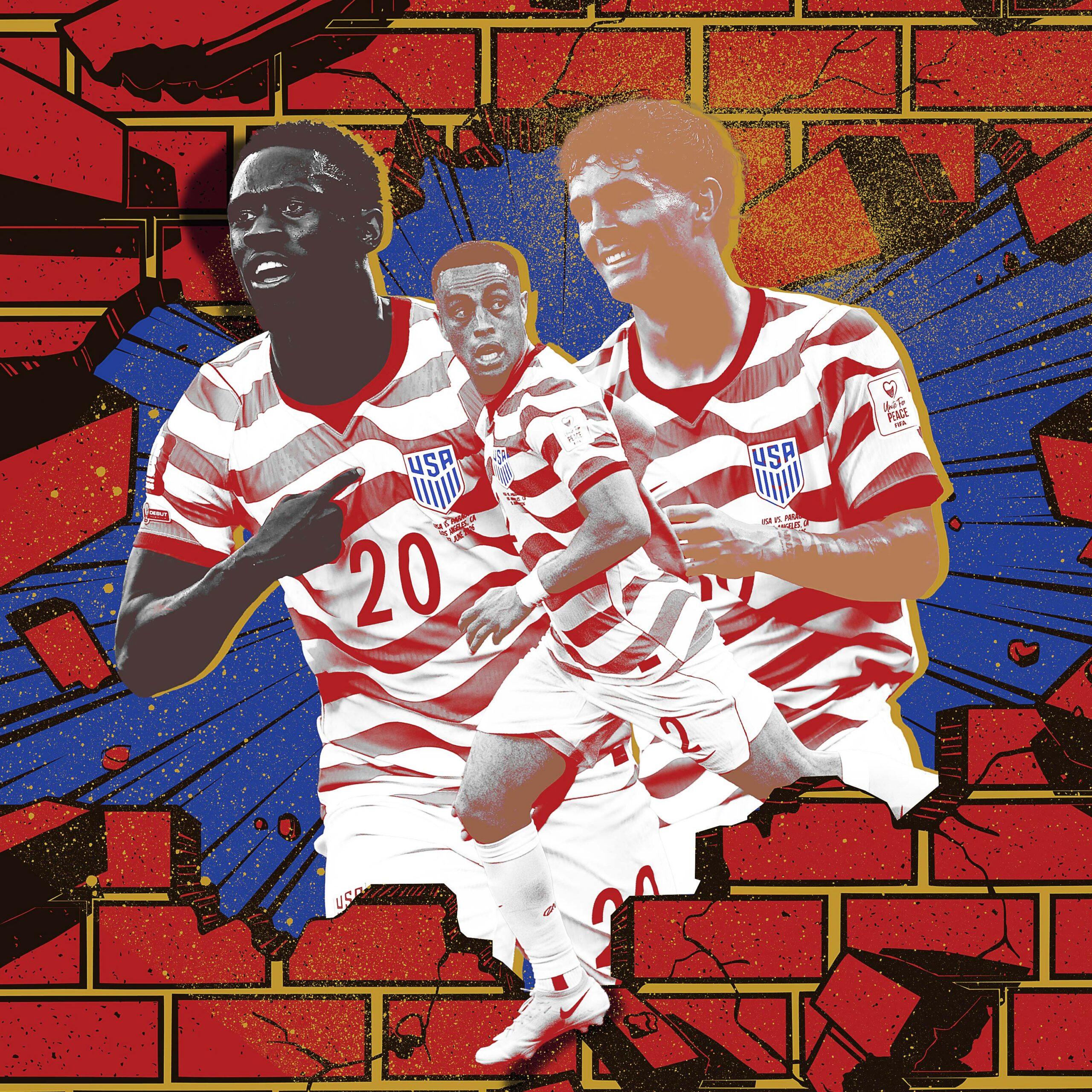

People often judge something the first time they see it. And while the United States men’s national team plays dozens of matches every year and regularly appears in tournaments like the Gold Cup, Nations League, and Copa América, those contests barely register for most of the American public. But every four years, the World Cup offers a chance to reintroduce the sport to millions of casual fans who are just waiting for a moment—and a national team—to latch on to.
In 2026, Team USA has a once-in-a-generation opportunity. The vivid multicultural celebrations happening in cities, college towns, and neighborhoods across America make this World Cup almost impossible to ignore. And the United States Soccer Federation has thrown all its might behind its goal of building a team that would peak in this tournament on home soil and ignite a new wave of interest in the sport.
Suffice it to say, with their 4-1 thrashing over Paraguay in their tournament opener last Friday, the Americans have caught our collective attention.
It’s not just that the U.S. won the match, which it was favored to do. Or even that the Americans scored four goals, the most they’ve ever scored in a World Cup game. It was the way they dominated Paraguay—which has recently taken down some of the elite South American teams, and has the kind of defensive identity that has given the USMNT fits over the past several years. Given the stakes of the World Cup opener and the thoroughness of the beatdown, Friday was one of the most impressive World Cup wins in USMNT history.
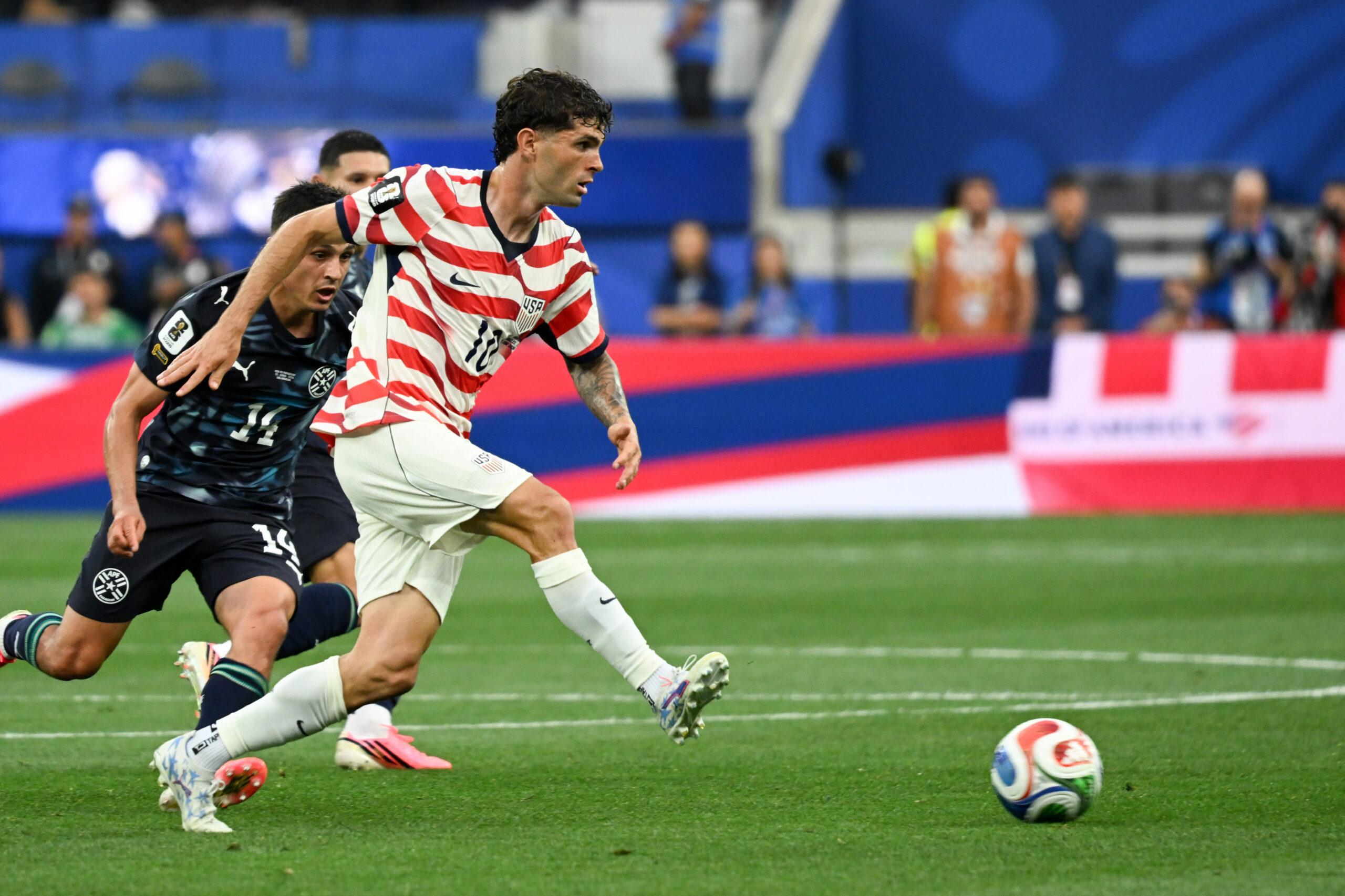
The Americans had 27 touches in the Paraguay penalty area in the first half; Paraguay had three at the other end. Christian Pulisic was one of four Americans to dribble past an opposing defender three or more times. He and Sergiño Dest glided past double-teams as if they weren’t even there. Paraguay’s defensive line was completely overwhelmed by the Americans' untracked runs, and it couldn’t play out from the back under the immense pressure of the Americans’ relentless counterpress. Just look at this across-the-board dominance:
USA vs. Paraguay Match Statistics
Friday’s win was the kind of result that forces a reevaluation of what this American team can accomplish. The level of cohesion and clarity on display is altogether new for the USMNT. Their ability to tilt the field and overwhelm an inferior team both with and without the ball revealed something that the United States has spent much of the past decade searching for: an identity.
This was expected to be a golden age for American soccer. Since the U.S.’s disastrous failure to qualify for the 2018 World Cup, the plan has been to cultivate young talent, give it time to develop, and let the USMNT mature into a legitimate contender on the world stage. During that time, many American players have broken through with top European clubs: Pulisic signed with Chelsea in 2019, Weston McKennie made his way to Juventus in 2021, and Dest joined Barcelona in 2020 before finding a home at PSV in the Netherlands. Gio Reyna landed at Borussia Dortmund, where Erling Haaland called him the “American Dream.” Tyler Adams became a Premier League regular.
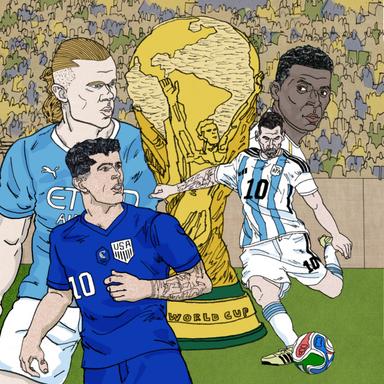
But since the USMNT’s 2022 World Cup loss to the Netherlands in the round of 16, the Americans have little to show for all that talent. They finished fourth in the 2024 Nations League after losses to Panama and Canada, lost in the group stage in the 2024 Copa América, and finished runner-up to Mexico at the Gold Cup last summer. Along the way, the team was marred by dysfunction: fired coaches, feuds, and more feuds between former and current USMNT players. Each disappointing result turned into another referendum on a generation that never quite matched the expectations placed upon it. The talent was undeniable, but there wasn’t any cohesion.
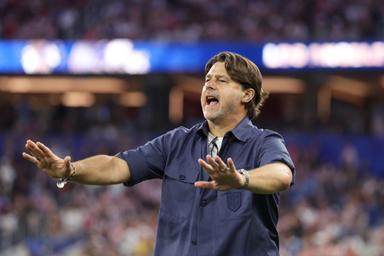
That’s why the arrival of head coach Mauricio Pochettino in 2024 mattered so much. It was never quite clear why the Argentine legend took the job—outside of the handsome $6 million salary—but he immediately brought a new approach to the entire USMNT operation. Pochettino wasn’t hired to discover a new generation of players. He wasn’t brought in to build up the underlying structures of U.S. Soccer, like Gregg Berhalter was in 2018. He was hired to unlock the talent that the federation had already spent the 2020s building. He was hired for one tournament—this one.
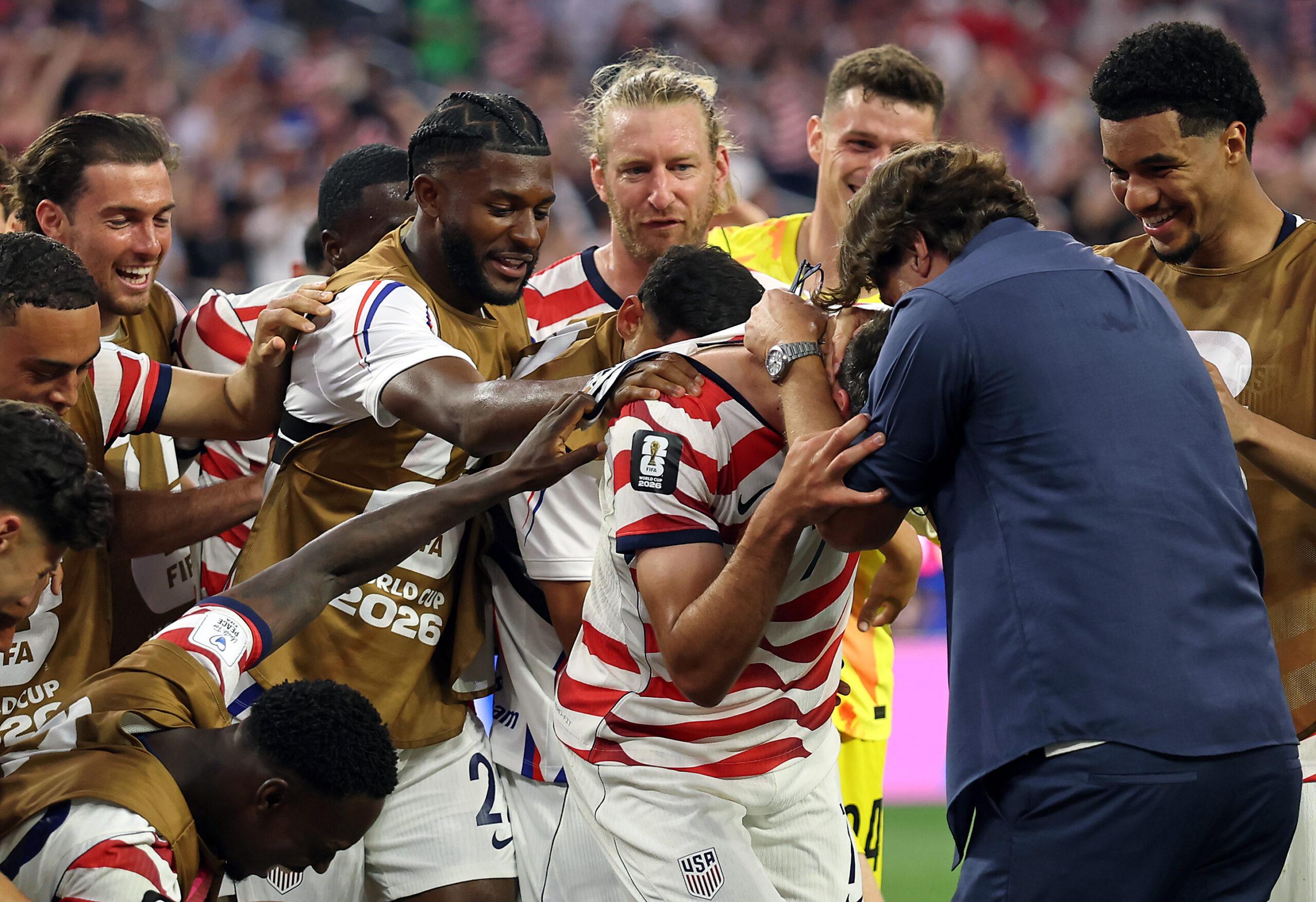
The fruits of the hire are already evident. After a rocky first year in charge, Pochettino has instilled a relentless pressing energy and tactical ingenuity in the USMNT. The team finally appears to have an identity that accentuates the strengths of its best players. That took time—and some puzzling performances—to establish, but the Americans now move around the pitch like some of Pochettino’s finest teams.
Pochettino preached the importance of patience during the lead-up to the World Cup. He was still tinkering. The USMNT had regularly played a more traditional back four defensive line under Berhalter, and Pochettino has typically used that formation as the baseline of his tactical setups at the club level. But Pochettino debuted a back three setup last September. He played a handful of different lineups and gave players who had barely featured under Berhalter opportunities to earn a place in a new USMNT configuration.
Through experimentation, Pochettino found a tactical solution to help cover for the holes in the squad. The back three has become the customary starting point for the USMNT, though their system is defined more by fluidity in the midfield than by the number of center backs. Center back is one area where the U.S. doesn’t have a ton of depth, so using three instead of two provides more defensive cover and gives freedom to the squad’s more dynamic attacking players.

Pochettino also doesn’t utilize a natural or traditional ball-playing central midfielder next to destroyer Tyler Adams. The third center back provides freedom for both Dest and Antonee Robinson and allows the two outside wingbacks to get forward and carry less defensive positional responsibility. And most importantly, it allows both of the U.S.’s other central midfielders—McKennie and Malik Tillman—the freedom to do what they do best: press relentlessly and make off-the-ball forward runs to add to the attack. Even the defensive-minded Adams made a run into the penalty area to help create a chance during the first half against Paraguay.
This is a stark departure from how Team USA played under Berhalter, whose scheme overrelied on creating chances from wide areas. On Friday, the USMNT’s two main wide players went just 1-for-9 on crosses, but had no problems creating chances in other ways. With Paraguay sitting deep in a more defensive block, there was time and space for McKennie and Tillman to surge forward into the penalty area and receive passes over the top. And the American defenders more than made up for the lack of midfield creation with their excellent passing range.
That defensive line is viewed as a weakness for this squad, but their ability to move the ball up the field adds another dimension to the USMNT’s attack. Tim Ream completed seven accurate long balls and 17 passes into the final third—both most on the team. Freeman was second with 12. While top defender Chris Richards played the role of the safe possession passer, Ream and Freeman took more risk and it paid off immensely.
And once the USMNT got the ball into the penalty area, the quality of their attackers showed. Whether it was Pulisic gliding past a double-team for the first goal, or Folarin Balogun outmuscling defenders for the third, the United States now has true penalty-area difference-makers.
That was the biggest takeaway from Friday night. Before the opener, the conversation around the USMNT had not fully caught up to the talent level of the roster. Much of the discourse revolved around grit, mentality, and whether this team could meet the moment. But the match against Paraguay illustrated that the USMNT is no longer the scrappy and prideful underdog; it was just the far superior team. That’s not something American soccer fans have been able to say very often, even against opponents of Paraguay’s caliber.
The irony is that this generation of the USMNT may finally be arriving at this moment when many people stopped believing it could. While the hope that surrounded these players as teenagers has largely disappeared, they’re actually right on schedule. Most players peak between 24 and 28. Pulisic is 27. McKennie is 27. Adams is 27. Robinson is 28. Richards is 26. Balogun and Tillman are entering their primes. The timeline that once felt frustratingly slow and uneven has landed in a solid place after all the tumult.
The timing of this World Cup has finally worked in the U.S.’s favor in another way, as well. It’s not sexy to blame injuries for the team’s stunted development and past shortcomings, but injuries certainly played a role. Look no further than Gio Reyna, who scored the fourth goal on Friday night. Reyna was on a superstar track as a teenager in the Bundesliga in 2020-21, before injuries limited him to just over 1,000 minutes of club soccer in the past three years. Dest missed the 2024 Copa América with a torn ACL. Balogun missed the 2025 Gold Cup due to an ankle issue. Robinson had knee surgery last summer after a breakout season at Fulham. And Adams’s lengthy injury history suggests he might be the most fragile of all.
There’s reason to believe this might be the USMNT that changes everything. All of its most important players are healthy at the same time. It has the best manager in its history. The tactics are centered on its free-flowing midfield and pressing energy. It has a ravenous home crowd starving for this core to make good on decades of hopes and dreams. It also has a path through the tournament, as top contenders Spain, Brazil, and Belgium—all potentially in their knockout bracket—have shown cracks and dropped points as favorites in their first matches.
One match doesn’t make an entire tournament. One incredibly dominant half doesn’t erase years of malaise. Better teams than Paraguay await. But watching the USMNT on Friday felt unusual and freeing. The Americans played like a team that belongs among the sport’s elite, rather than one asking for permission to join the club. The victory was truly never in doubt. The absence of fear and anxiety was strange.
Soccer has never occupied a steady place near the top of America’s sporting hierarchy. But this team, and this tournament, is a bet that the trajectory of men’s soccer in this country can change. That a generation of disappointment and underachievement can be wiped away. The way this team performs over the next several weeks—starting on Friday against Australia—could shape how an entire country perceives the sport long after the final whistle is blown.