NFL 2026 Offseason Power Rankings: The Rams Jump the Seahawks
With rosters nearly set for all 32 teams after the draft and free agency, where does your favorite team rank?NFL 2026 Offseason Power Rankings: The Rams Jump the Seahawks
With rosters nearly set for all 32 teams after the draft and free agency, where does your favorite team rank?
Now that the NFL draft is squarely in the rearview, offseason workouts are underway, and the schedule is finalized, we can start setting the table for the 2026 regular season. In creating these power rankings, I’m taking into consideration overall team strength—barring a handful of post–June 1 trades (A.J. Brown, looking at you) and late free agent signings, rosters should be nearly set—but each team is ultimately ranked by how much I’d trust it to win the Super Bowl next season. See where your favorite team landed below!
1
Los Angeles Rams
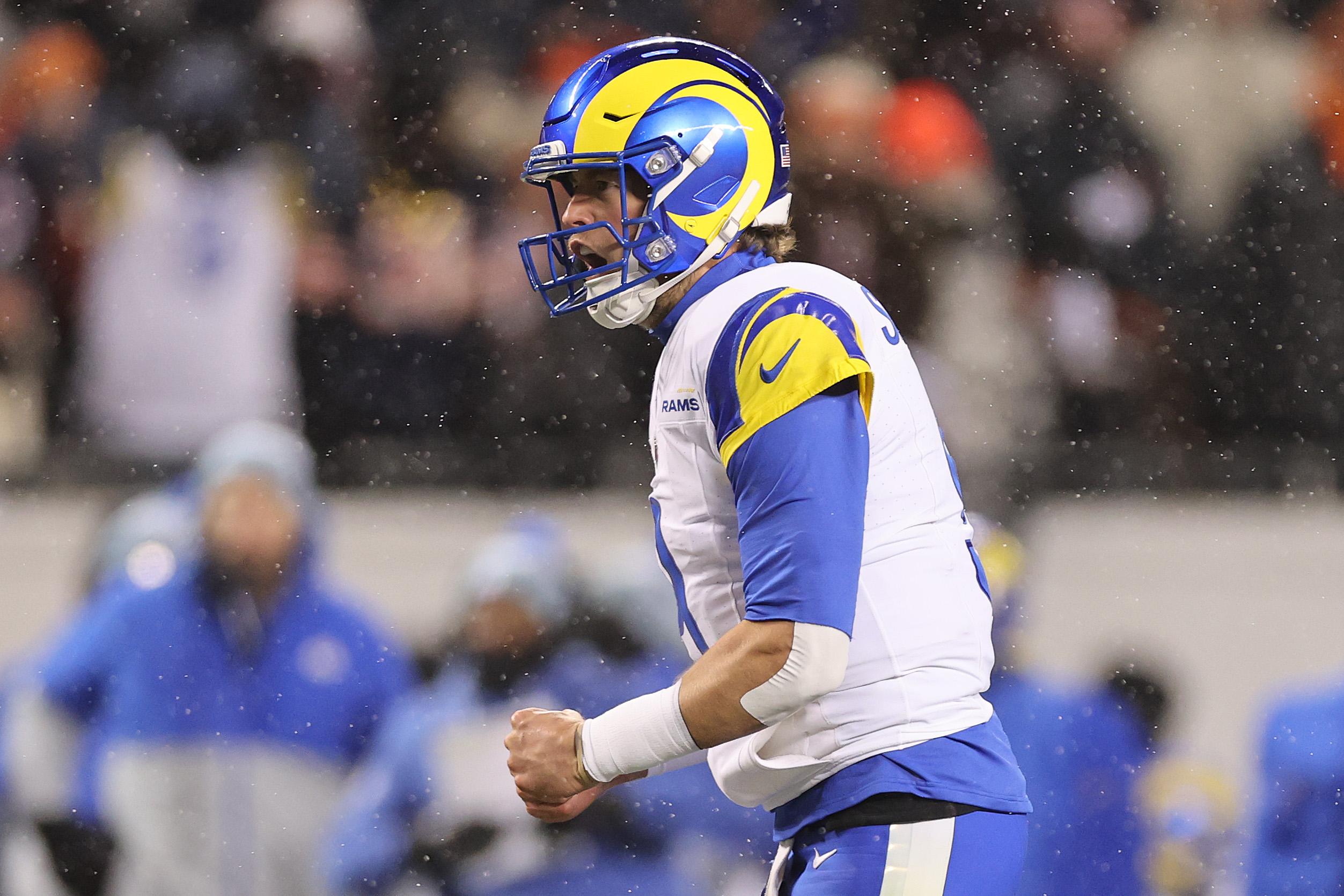
Los Angeles has all the necessary pieces to finish the job in 2026. Quarterback Matthew Stafford is the reigning MVP, and as long as he stays healthy, I’m confident he’ll play at an elite level again. Head coach Sean McVay is still the league’s best play caller and is continuing to build his Hall of Fame résumé. The Rams offense could control games on the ground and had a surgically efficient passing game last season, and most of its players are returning for this campaign. The team’s biggest issue last year was its cornerback group, but Los Angeles addressed that by acquiring Trent McDuffie and Jaylen Watson.
Aside from the tough competition in the NFC West, there are some potential obstacles in L.A.’s path. Receiver Puka Nacua checked into rehab last month (“to improve his overall behavior,” according to his attorney) and was recently sued for assault and battery following an ugly New Year’s Eve incident. There’s also unresolved drama from the draft; the Rams selected quarterback Ty Simpson at no. 13 and kicked off a debate on whether drafting a developmental QB prospect is the best use of a first-rounder for a win-now team—and whether McVay was truly on board with the pick. That pick suggests that the Rams believe they don’t need any more immediate help to win a championship this season, and it’ll be treated as unearned hubris if the Rams fall short of a title.
2
Seattle Seahawks
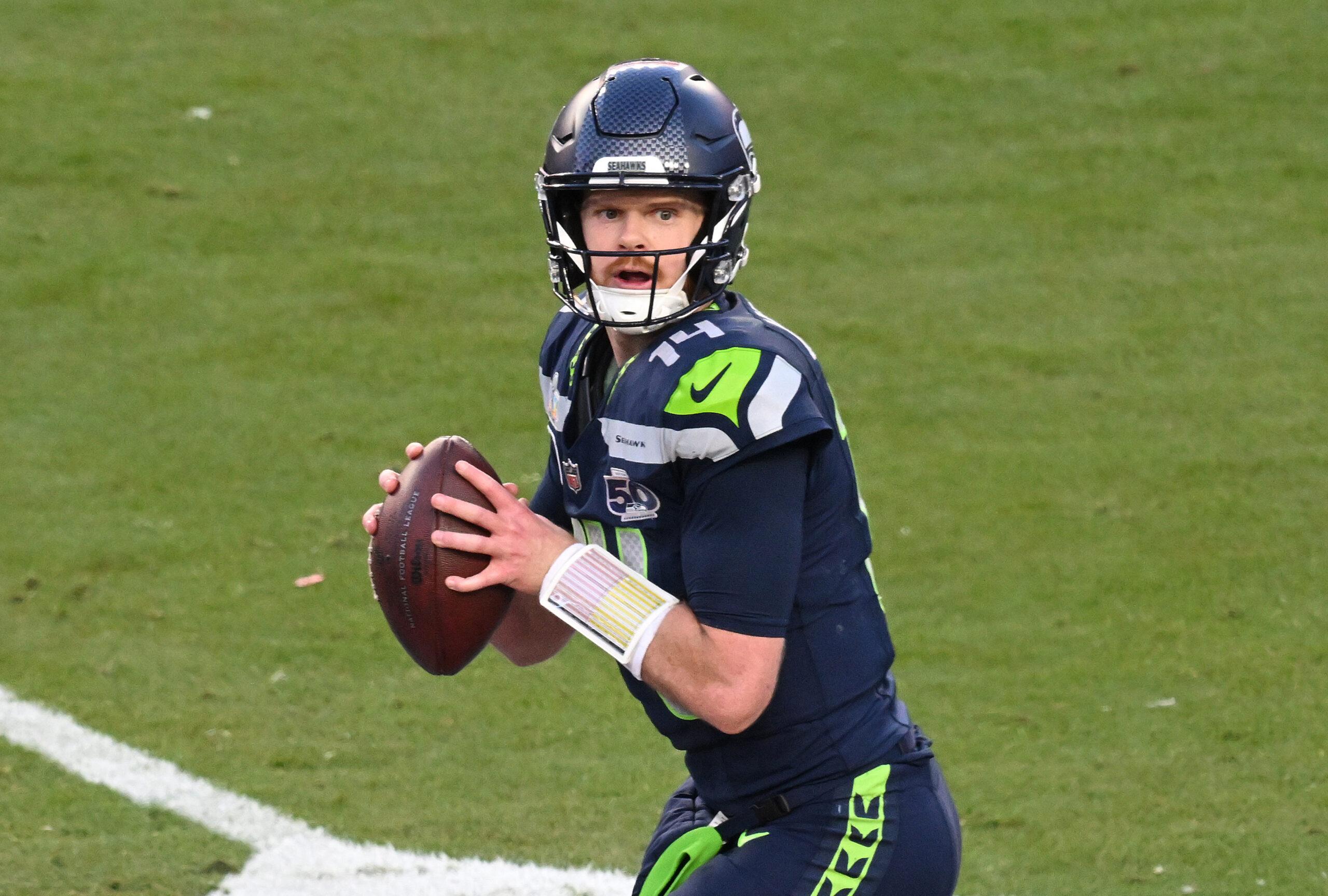
After crushing New England in Super Bowl LX, Seattle doesn’t have anything to prove. Receiver Jaxon Smith-Njigba is a bona fide WR1, defensive playmakers like Devon Witherspoon and Nick Emmanwori are true game changers, and veteran defensive linemen like Leonard Williams and DeMarcus Lawrence have stamped their careers with a championship.
The only player I still have questions about—fair or not—is quarterback Sam Darnold. For the first time since he was in Carolina, he’s not playing for the coordinator who just won a title with him (Raiders head coach Klint Kubiak) or an elite play caller (like Vikings head coach Kevin O’Connell). The Seahawks offense is now being called by Brian Fleury, who was most recently an offensive assistant for the 49ers and doesn’t have play calling experience. After two years of Darnold’s coaches propping him up with their play calling prowess, I’m interested to see whether Fleury is good enough to do the same—and what version of Darnold we’ll see if he’s not.
3
Denver Broncos
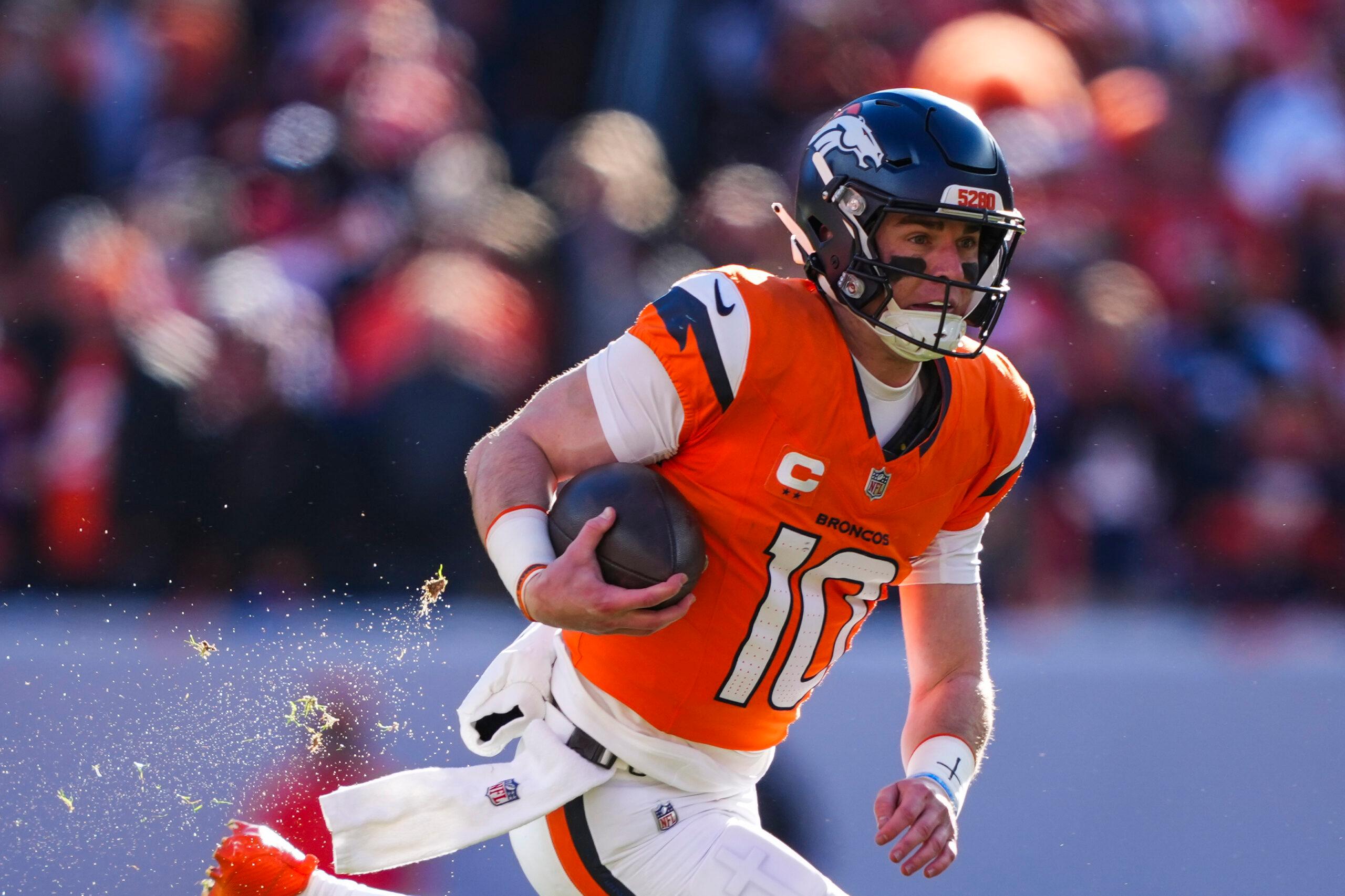
You might bristle at Denver's high placement in these rankings, as though it’s an endorsement of quarterback Bo Nix. But I refuse to knock a team with one of the league’s best rosters (and coaching staffs) just because I’m skeptical about who’s under center. That Denver is ranked this high speaks to how well this team has inoculated itself against Nix’s inconsistencies and sometimes uninspiring performances.
Denver still lacks some depth—the last bit of damage the Russell Wilson trade and contract did to this team—but its starting lineup on both sides of the ball can compete with anyone in the league. With the addition of receiver Jaylen Waddle, the Broncos now have the elite run-after-the-catch threat their offense had been missing. Right now, they’re my pick to win the AFC.
4
Buffalo Bills
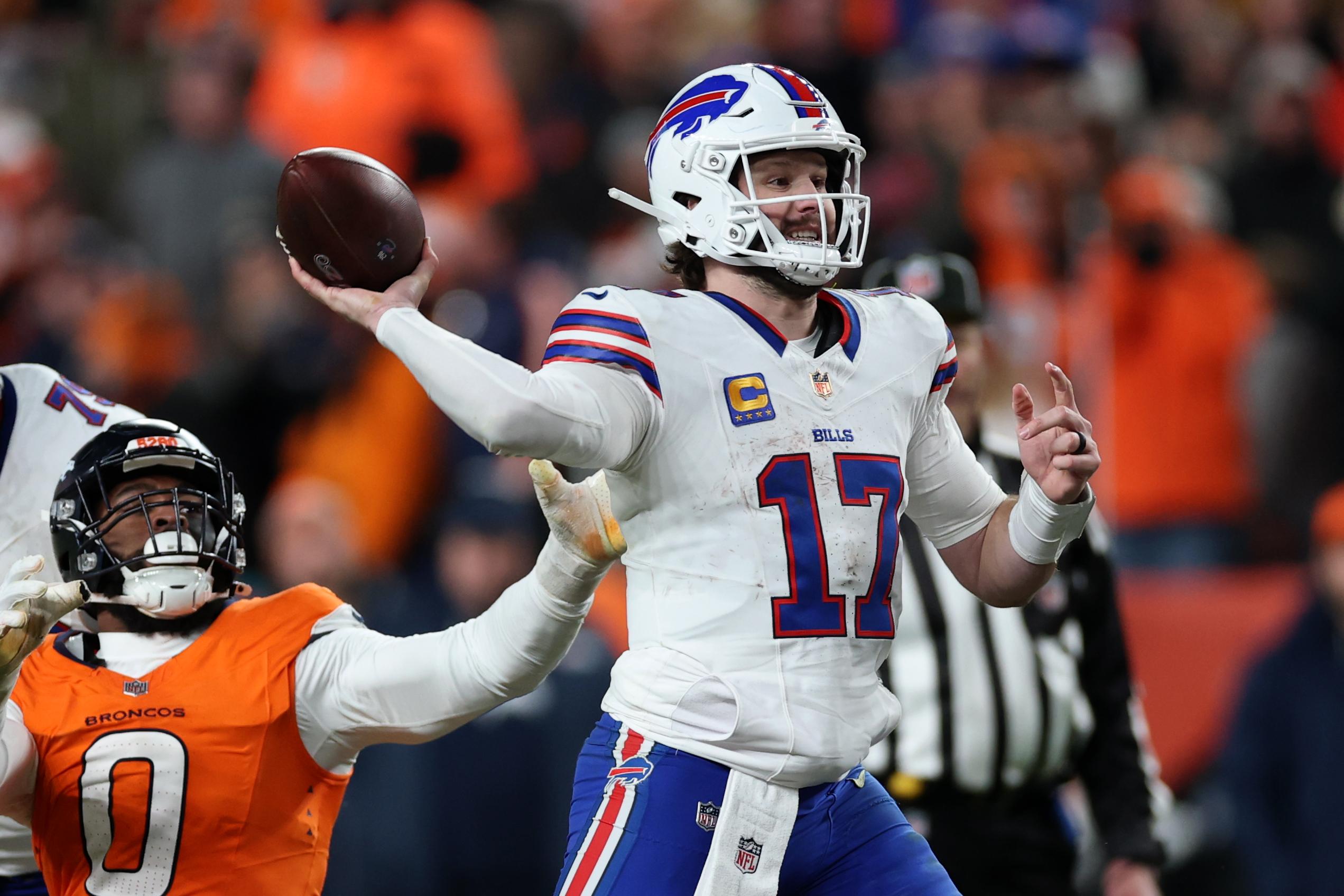
No coach is under more pressure to prove himself than new Bills head coach Joe Brady, as he inherits a perennial contender and one of the three best quarterbacks in the league. The Bills also have one of the best offensive lines, and this team is basically guaranteed four wins because of the Jets’ and Dolphins’ rebuilding efforts in the division.
Brady, who was promoted from offensive coordinator to head coach after Sean McDermott’s surprising firing in January, has two jobs this season: get more out of Buffalo’s receiving corps than McDermott did and make sure that new defensive coordinator Jim Leonhard’s scheme is on the cutting edge so this defense can perform at a high level in the playoffs. If this team takes a step back in 2026—especially on offense—Brady could end up on the hot seat after only a year.
5
Houston Texans
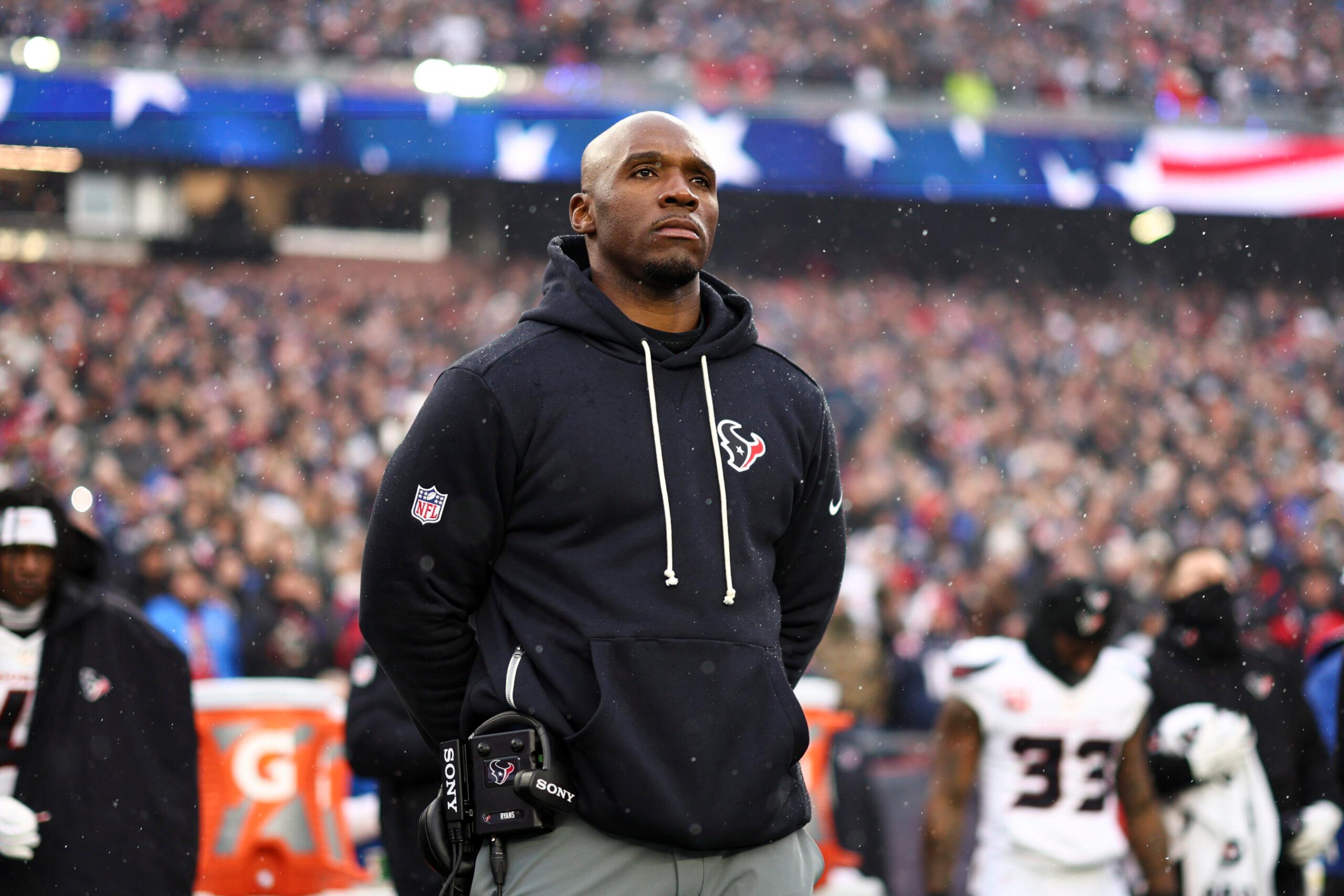
Houston’s been a fringe contender for two of the past three years. It’s time for this group to finally put it all together and cement itself as the next great team in the AFC. We know to expect elite defense from the Texans, and they’ve added veteran safety Reed Blankenship and rookie defensive tackle Kayden McDonald to address the few weaknesses that side of the ball had. More importantly, this offseason, the Texans remade the interior of their offensive line, adding rookie center Keylan Rutledge and veteran guard Wyatt Teller in the hopes that they’ll finally be able to run the ball well enough to take some pressure off quarterback C.J. Stroud.
If Stroud is merely an above-average quarterback, the Texans can make the Super Bowl. I’m planting my flag on the Texans being the best story in the AFC this year.
6
Philadelphia Eagles
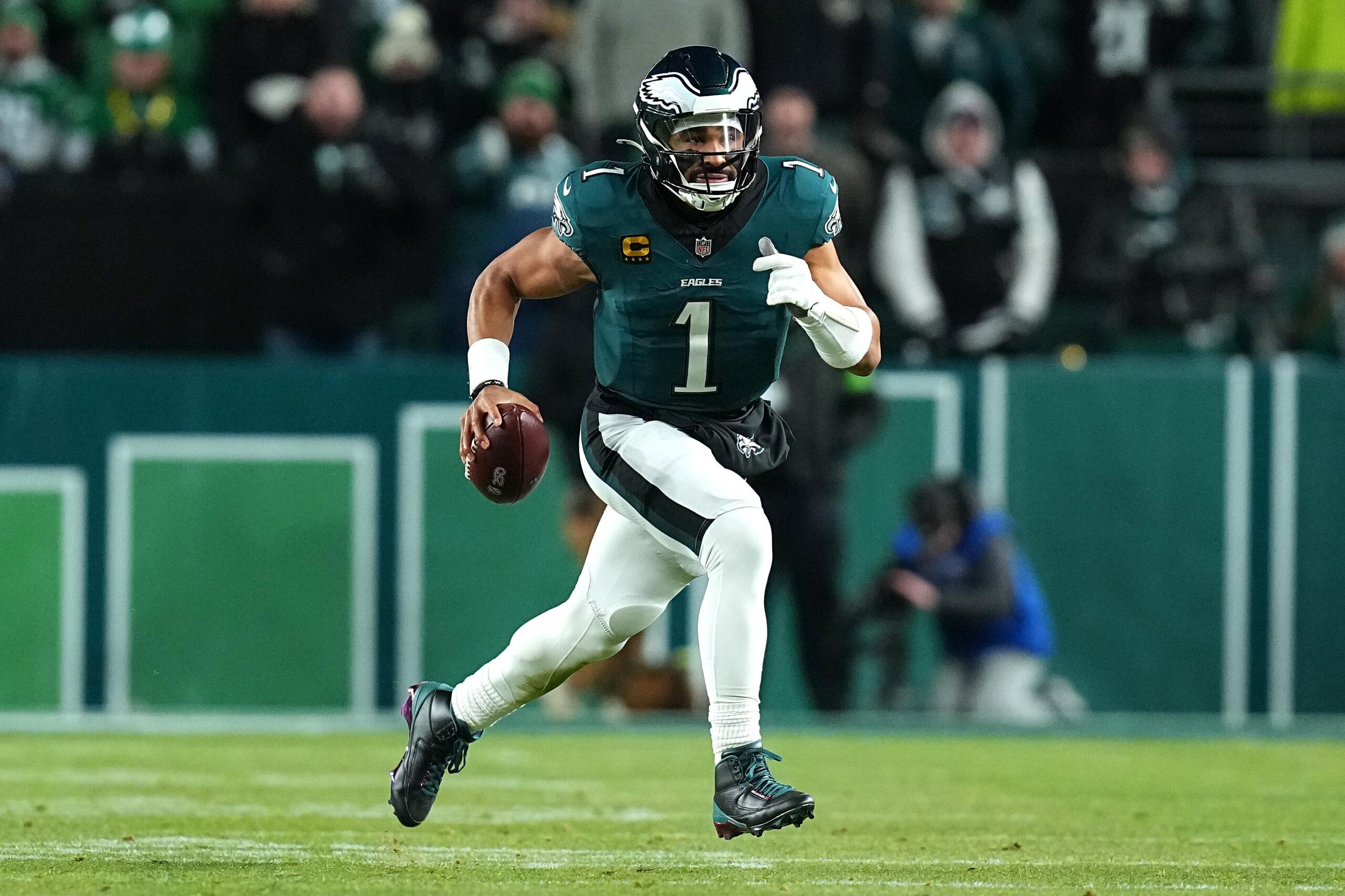
Last year was a disaster, but this should still be a championship-caliber team.
Even after the drama and disappointment of last season, the Eagles should still be considered on the short list of potential champions this season. They still have one of the most talented and complete rosters in football, with several Pro Bowl–caliber players on both sides of the ball, and they have a legendary defensive coordinator in Vic Fangio. And the Eagles will (finally) be trying out the Shanahan-McVay offense with new play caller Sean Mannion.
Whether this team can deliver on its championship-level talent will come down to quarterback Jalen Hurts. Once A.J. Brown is traded—a move that’s expected in early June—Hurts will need to prove himself as a quarterback who can truly elevate the play of all his teammates, operating an above-average passing game without needing multiple otherworldly talents at receiver. If Hurts is up to that challenge, Philadelphia could be right back at the top of the NFC again.
7
Detroit Lions
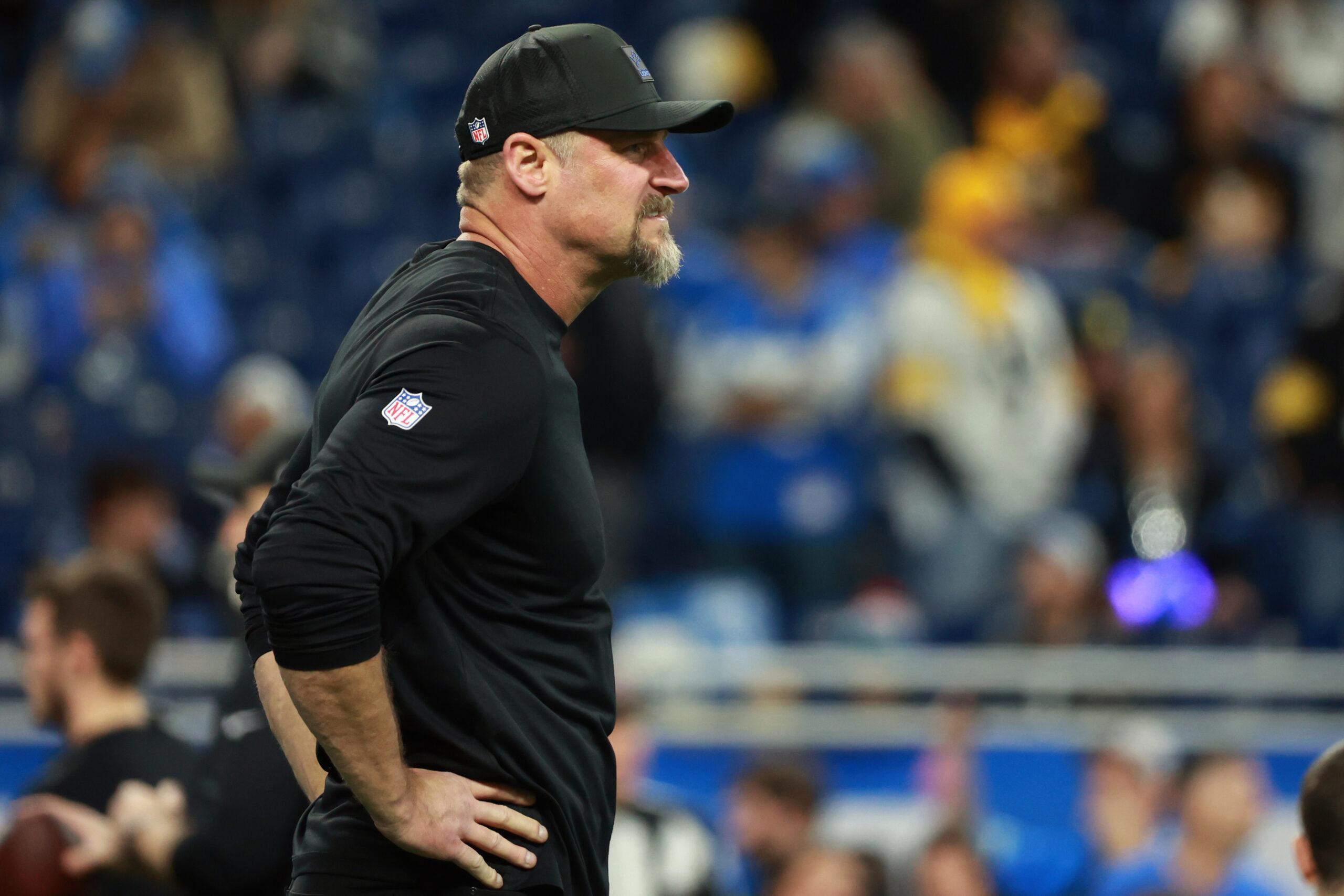
Detroit’s starting units haven’t changed much heading into 2026, which isn’t as concerning for me because of how dominant this team has been in recent seasons when healthy. The team focused on adding some defensive depth this offseason, which is reassuring after watching the gap between its best players and its backups last year. Detroit’s schedule is sneakily easy outside of its divisional games in a loaded NFC North. If this team can just survive the regular season better than it did the past few years, I expect this to be one of the NFC’s four best teams by January.
8
New England Patriots
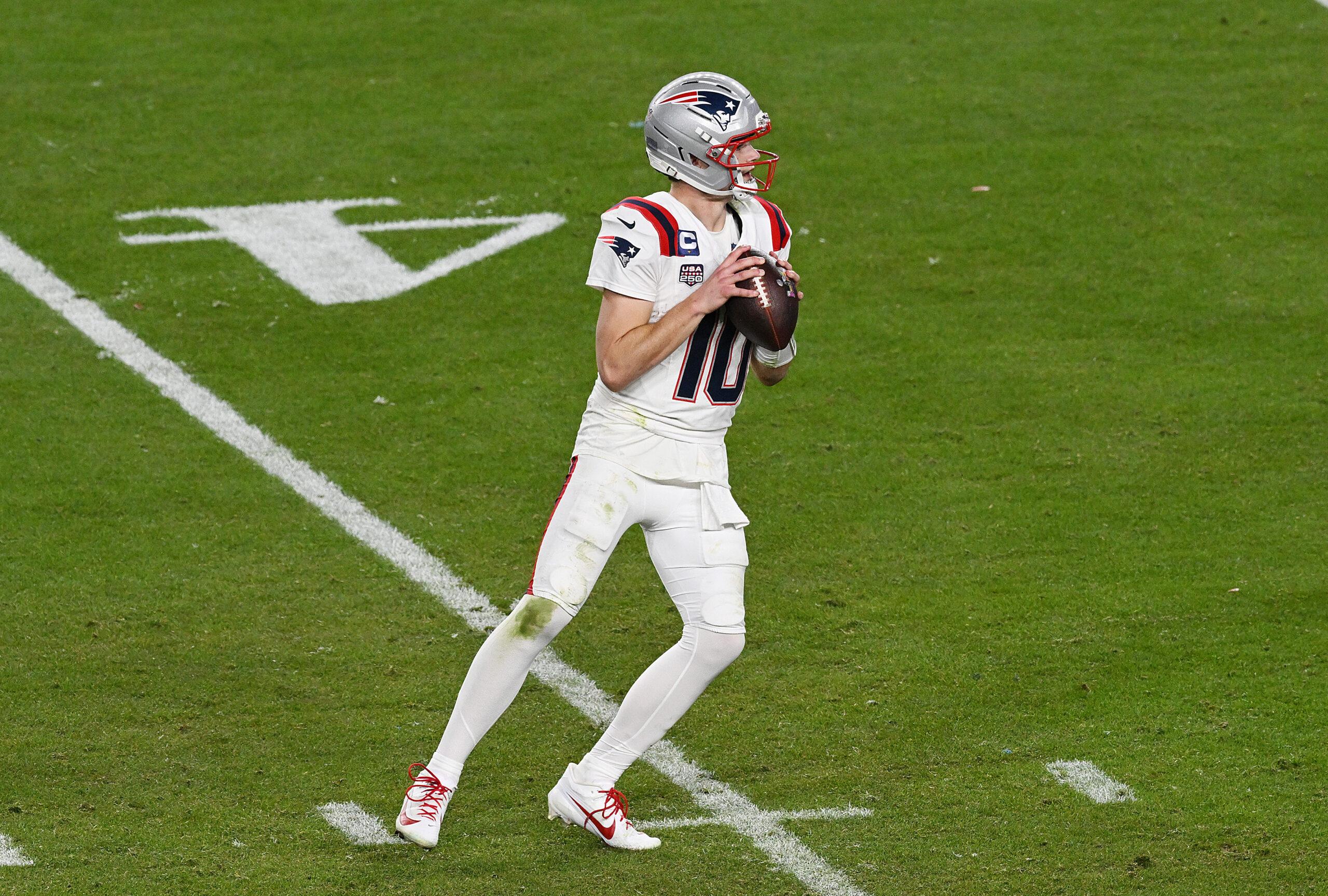
It’s been a rough few months for the Patriots, who went from an embarrassing Super Bowl loss to the drama surrounding head coach Mike Vrabel’s highly publicized extracurricular activities with NFL reporter Dianna Russini, who resigned from her position at The Athletic last month. The scandal has overshadowed the Patriots’ offseason, but it’s worth noting that this team has made marginal improvements and built a more complete roster around quarterback Drake Maye, who narrowly finished second in last season’s MVP voting. Free agent receiver Romeo Doubs will replace Stefon Diggs as the underneath option, guard Alijah Vera-Tucker will hopefully solidify the interior of the offensive line, and first-round tackle Caleb Lomu is insurance against another rough stretch of play from last year’s first-round left tackle, Will Campbell. And we’re all waiting to see if receiver A.J. Brown will become a Patriot in a post–June 1 trade with Philadelphia.
All of these moves are enough to convince me that New England will hold a place among the AFC’s best teams, but it’ll have to overcome all the bad vibes to do so.
9
Baltimore Ravens
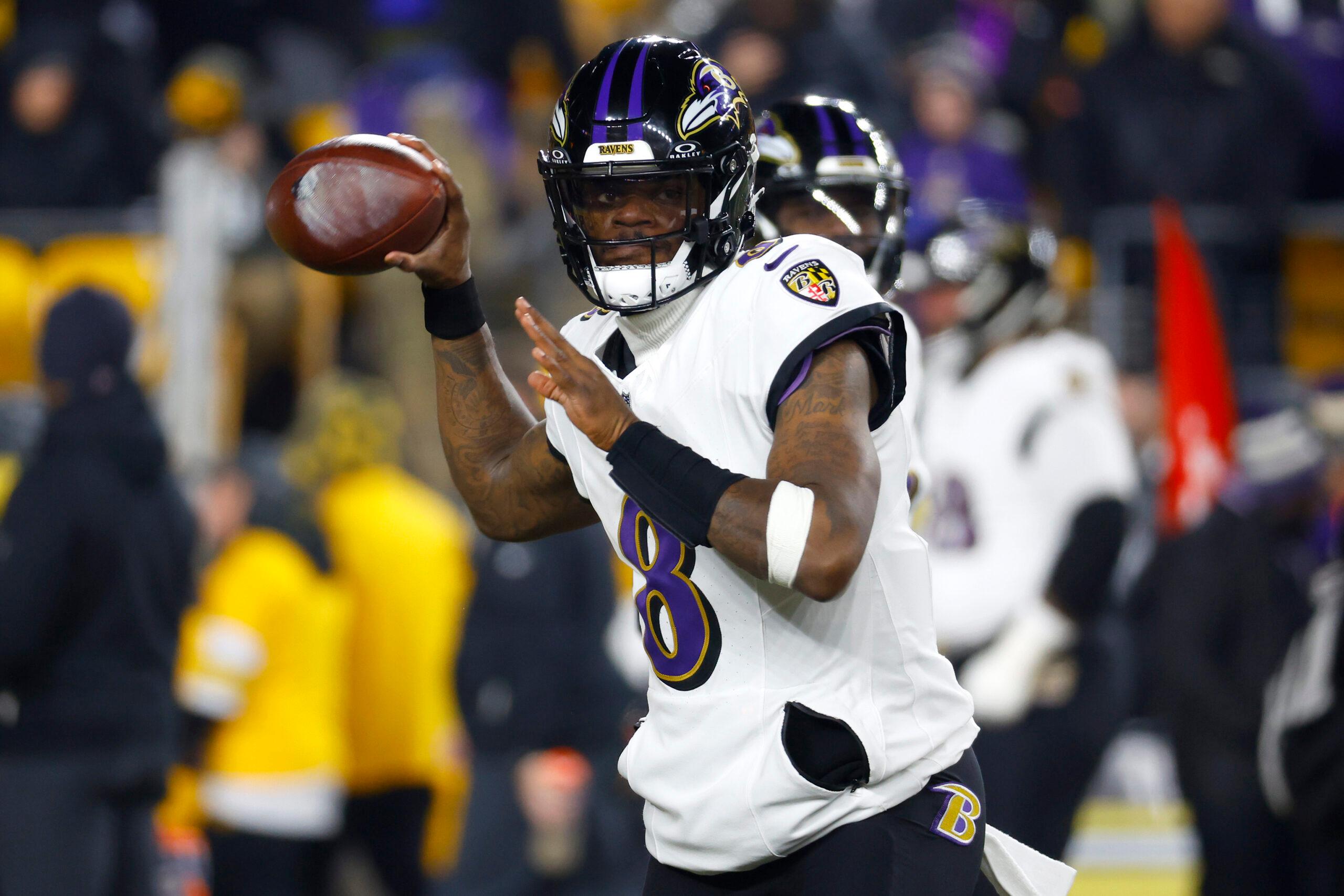
New head coach Jesse Minter takes over an underachieving team with a championship-caliber roster and a two-time MVP quarterback in Lamar Jackson. Minter is charged with reestablishing the Ravens’ identity: a team that wins by playing bully ball and dominating in the trenches.
After the failed blockbuster trade for Raiders edge rusher Maxx Crosby in March, the Ravens showed some restraint. Their biggest move was signing veteran edge rusher Trey Hendrickson, and they spent the rest of the spring adding depth to the defensive backfield and receiving corps, two areas that were weaknesses last season. Minter has the necessary pieces to lead Baltimore on a deep run, but he won’t have a long runway to figure things out. The Ravens need to contend this year, or questions will arise about whether Jackson’s career is being wasted.
10
Green Bay Packers
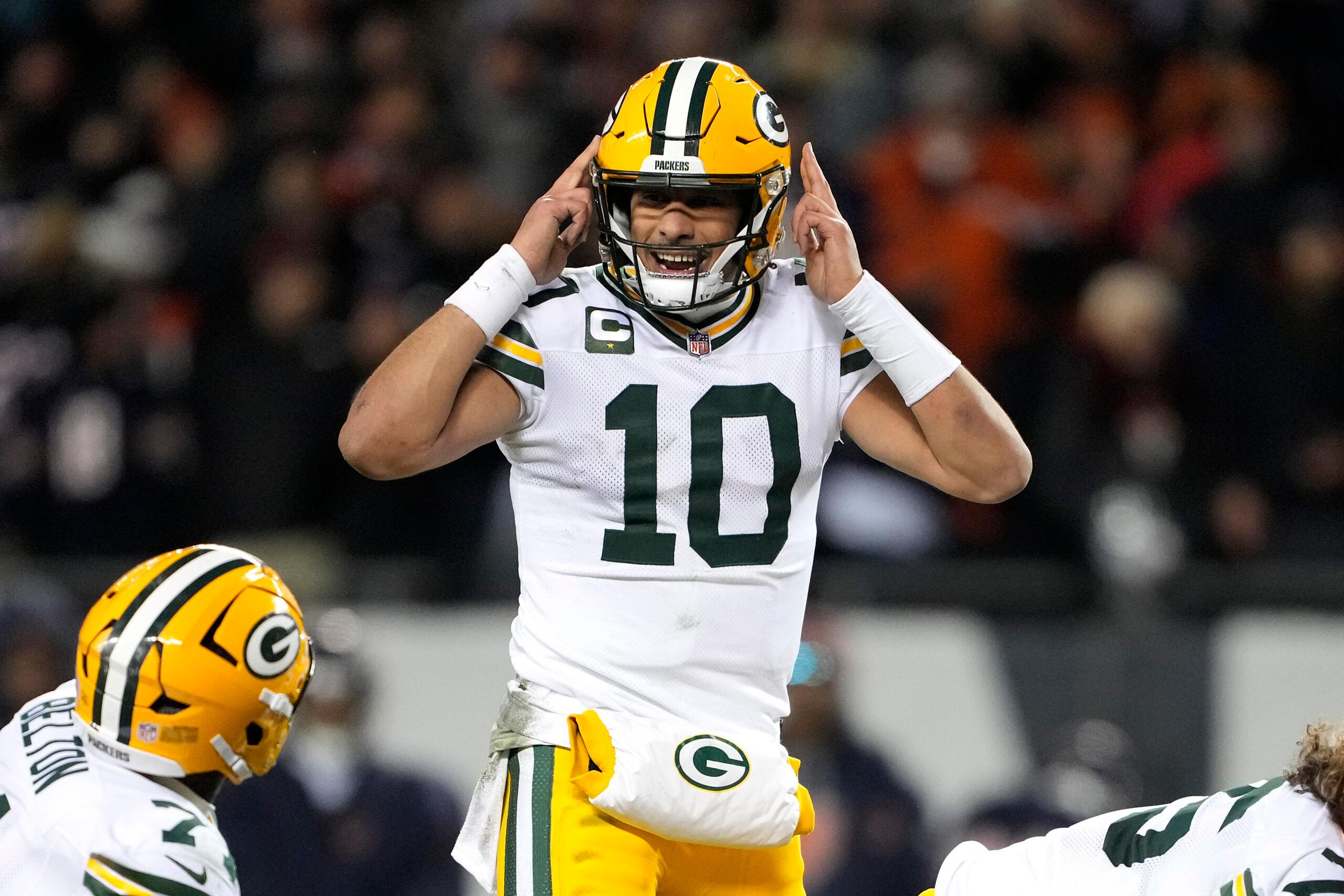
Quarterback Jordan Love is in the middle of his second contract, is approaching 30, and has been a starter for long enough to merit high expectations. The Packers mortgaged their future by trading for (and extending the contract of) edge rusher Micah Parsons last offseason, a move designed to give this team the star defensive playmaker it needs to close games in the playoffs. Green Bay didn’t get to see whether the gamble would pay off, as Parsons tore his ACL in December. If he comes back from the injury and looks like his usual, game-wrecking self and tight end Tucker Kraft returns from his ACL injury and Love takes the next step forward as a quarterback, this will be a Super Bowl contender. But we’ve been playing the “if” game for too long with Green Bay, and now it’s time to deliver on the potential.
11
Dallas Cowboys
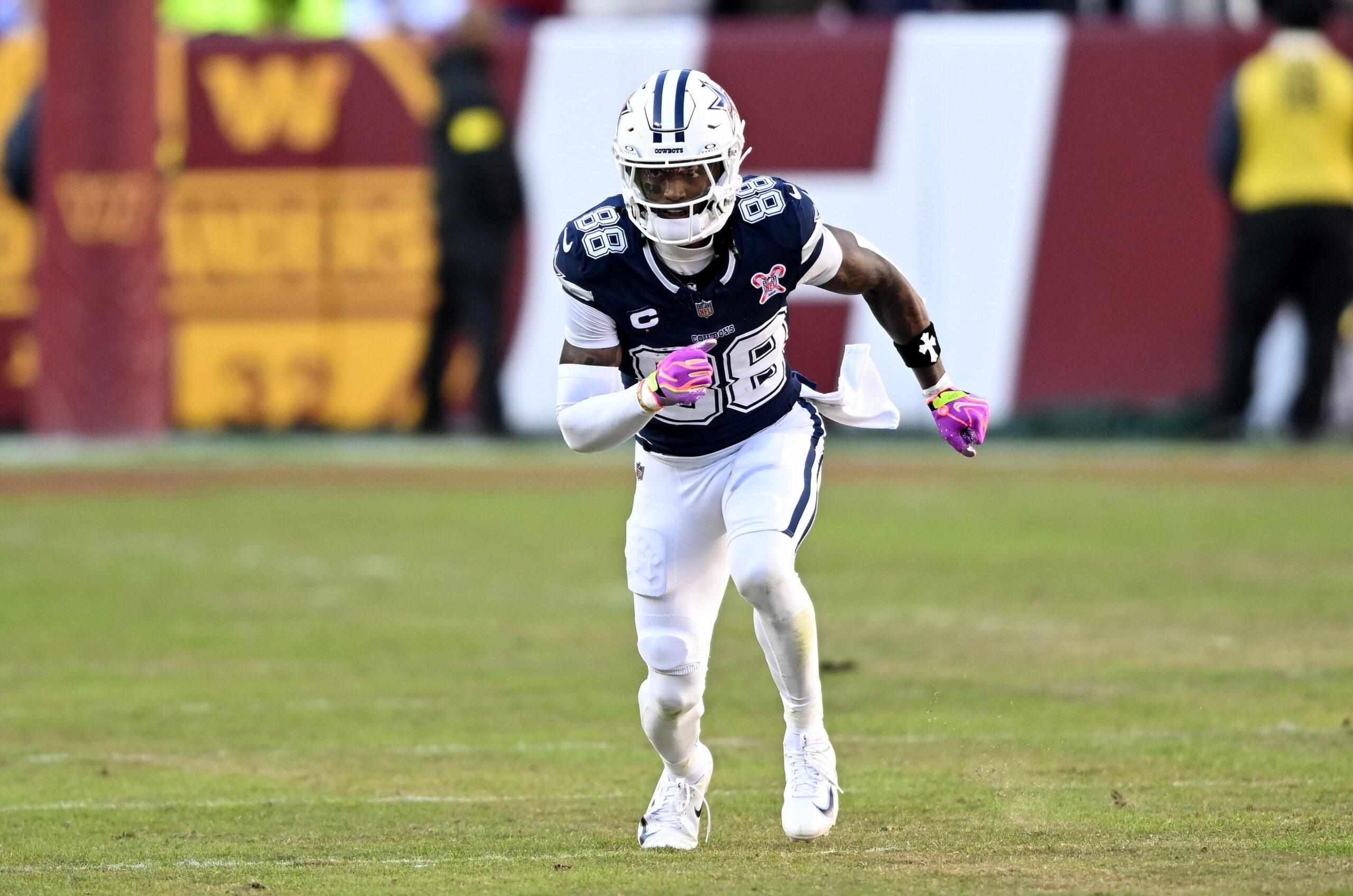
The Cowboys offense has a chance to be the league’s best, and that alone is enough to make Dallas a playoff threat. But teams with powerful offenses like San Francisco and Cincinnati have struggled to make the leap in recent years because of injuries or roster weaknesses on the other side of the ball.
So Dallas's hopes depend on how the defensive changes work out. New coordinator Christian Parker is a Vic Fangio disciple, and his scheme will be designed around limiting explosive plays. To make it work, Parker will need to get solid (if not elite) play out of new defensive backs Caleb Downs, Jalen Thompson, and Cobie Durant. If the front seven takes a legitimate step forward and can support what should be a top-10 offense, I won’t look so silly for believing in the Cowboys.
12
Chicago Bears
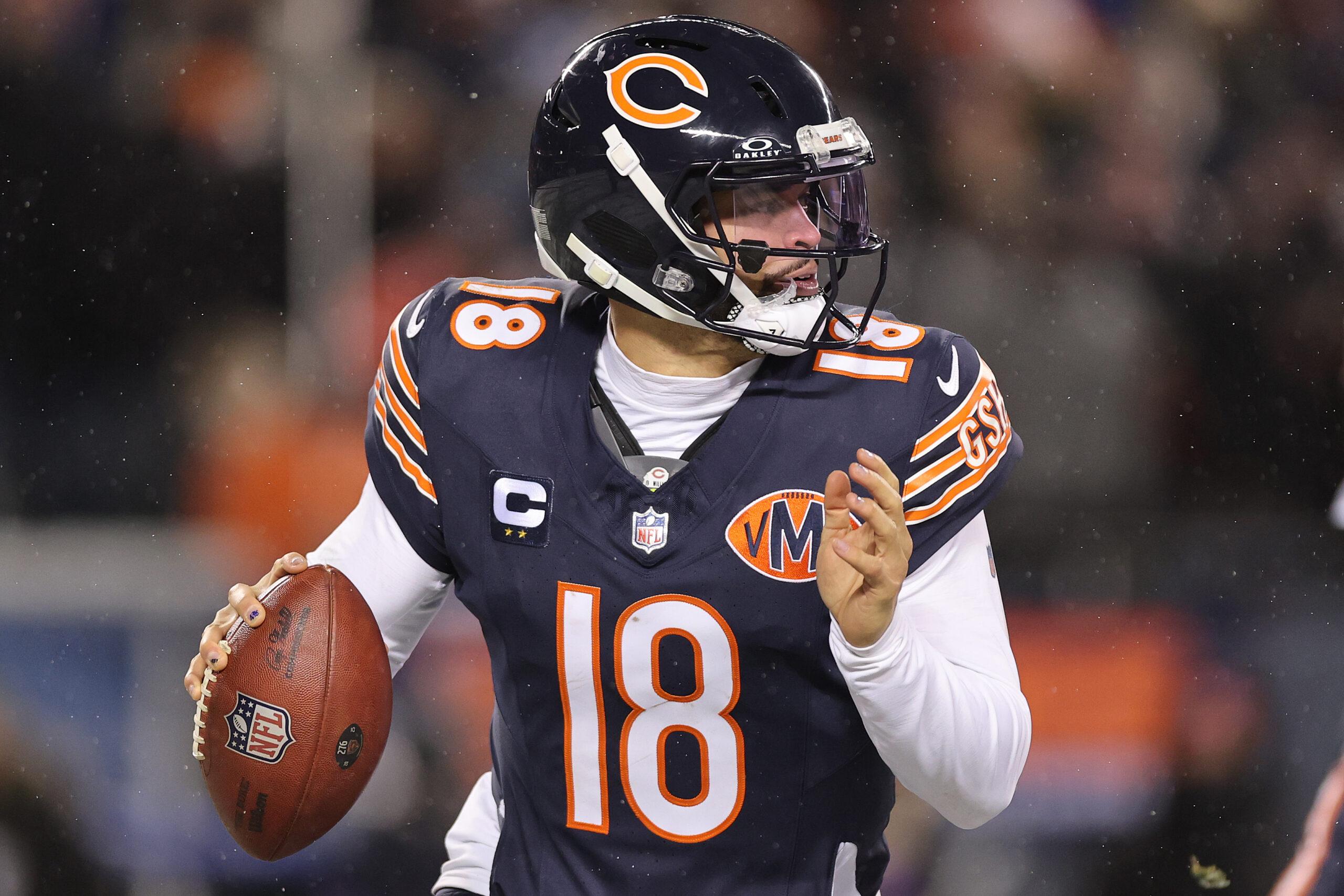
Everything about quarterback Caleb Williams’s 2025 season tells me he’s ready for superstardom. He got better as a decision-maker and as the leader of his offense as the season went on. He played well in the postseason and nearly led the Bears to a win over the Rams in the divisional round. In just one year with coach Ben Johnson, Williams has ironed out the deficiencies of his game (like not throwing the ball on time or taking too many unnecessary sacks), and it’s clear that Johnson learned to trust Williams on out-of-structure plays.
I find myself drawn to the 2026 Bears because of the watchability of their offense, but Chicago won’t be a true contender until the defense improves. Chicago’s defense forced a league-leading 33 turnovers last year, which helped mask how poorly it played on a down-to-down basis. The Bears didn’t add enough talent in the offseason to convince me that this unit will be better in 2026, and it’s not realistic to count on similar turnover luck two years in a row.
13
San Francisco 49ers
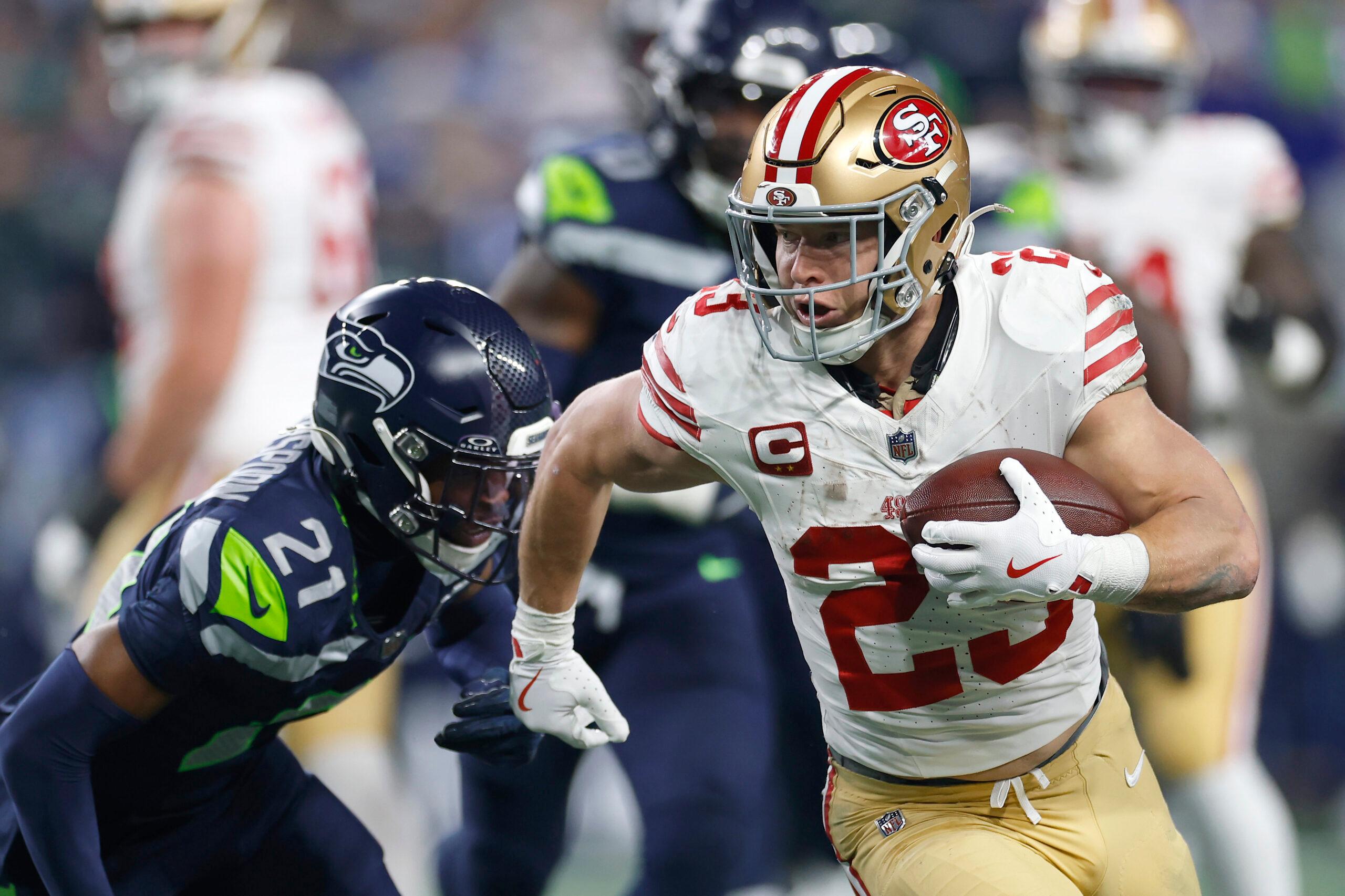
San Francisco made a couple of splashy moves that I liked this offseason—namely, trading for Dallas’s disruptive defensive tackle Osa Odighizuwa and signing dependable veteran free agent receiver Mike Evans. Last season, the 49ers won 12 games with a MASH unit on defense, with quarterback Brock Purdy missing half the season, and with tight end George Kittle missing six games (and that was before he tore his Achilles tendon in the playoffs). So it is encouraging that they made a couple of aggressive moves for veterans like Evans and Odighizuwa to address their key weaknesses.
But it might not be enough. This is an aging team that’s running low on depth and missing pieces in key spots. The 49ers still have holes at safety and tight end (until Kittle returns), and they don’t have any kind of contingency plan should Evans or running back Christian McCaffrey get hurt. I should know better than to dismiss any team led by head coach Kyle Shanahan—and I wouldn’t be surprised if this is one of the highest-scoring offenses in the league again—but I have to see it before I believe that San Francisco can match or surpass its 2025 performance.
14
Jacksonville Jaguars
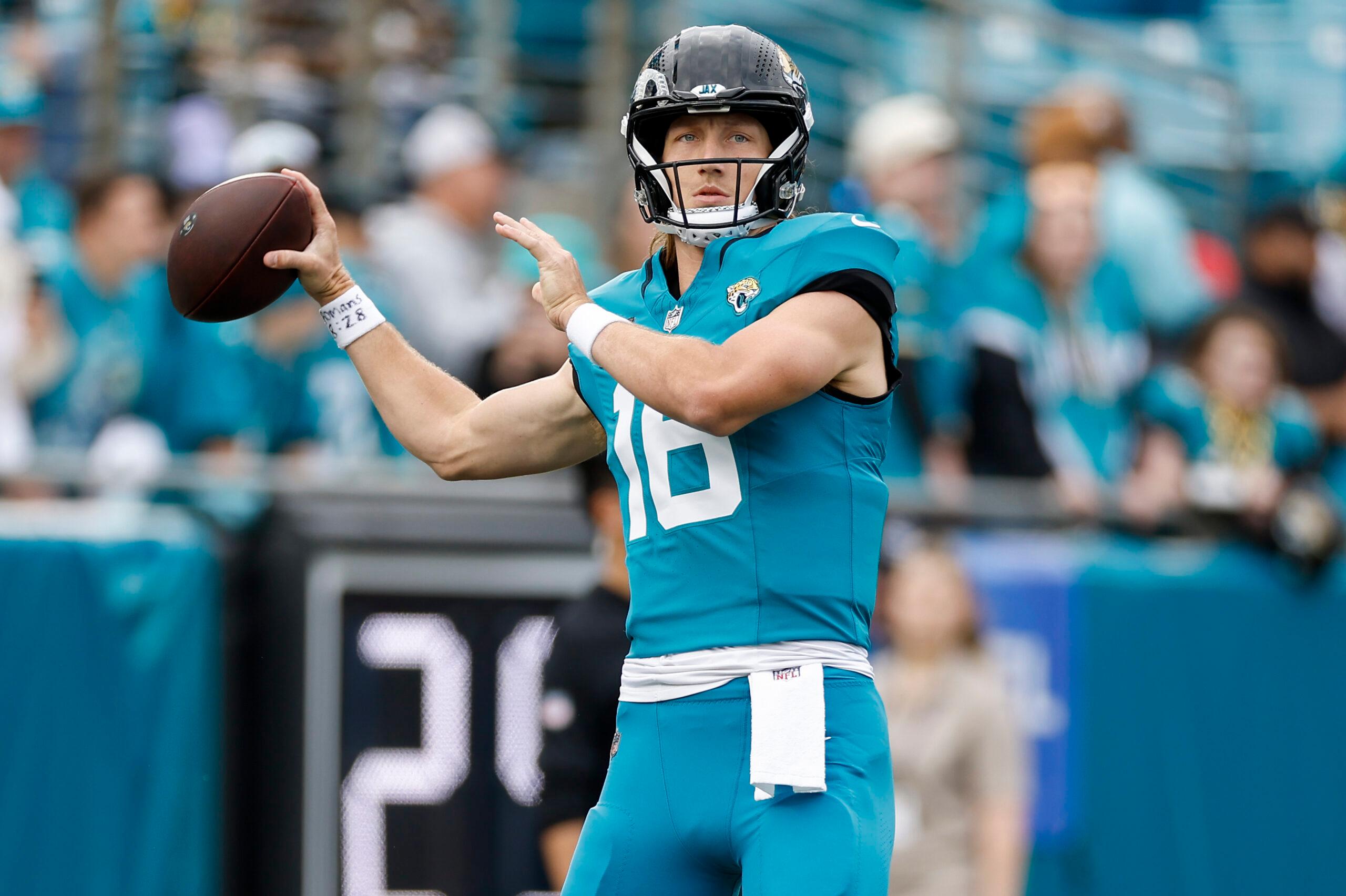
Even when the Jaguars were red-hot late last season, it was hard to truly believe in them; nothing this team does carries over on a weekly (let alone yearly) basis. They won 13 games last season thanks to their prolific offense; their defense, which regularly forced turnovers; and some savvy coaching. Head coach Liam Coen clearly knows how to design a good offense, and defensive coordinator Anthony Campanile, who quickly turned an underwhelming unit around, will likely get a head coaching job in the not too distant future.
But it's hard to look at Jacksonville’s 2026 roster and feel confident that it’ll be better this season than it was when it lost to Buffalo in the wild-card round in January. Jacksonville had little money to spend in free agency and lacked draft capital because of last year’s trade for Travis Hunter, so the team couldn’t do much to improve in the offseason. The only way it’ll be a contender in 2026 is if quarterback Trevor Lawrence stays hot and Hunter, who will primarily play cornerback this season, proves to be Jacksonville’s missing piece.
15
Kansas City Chiefs
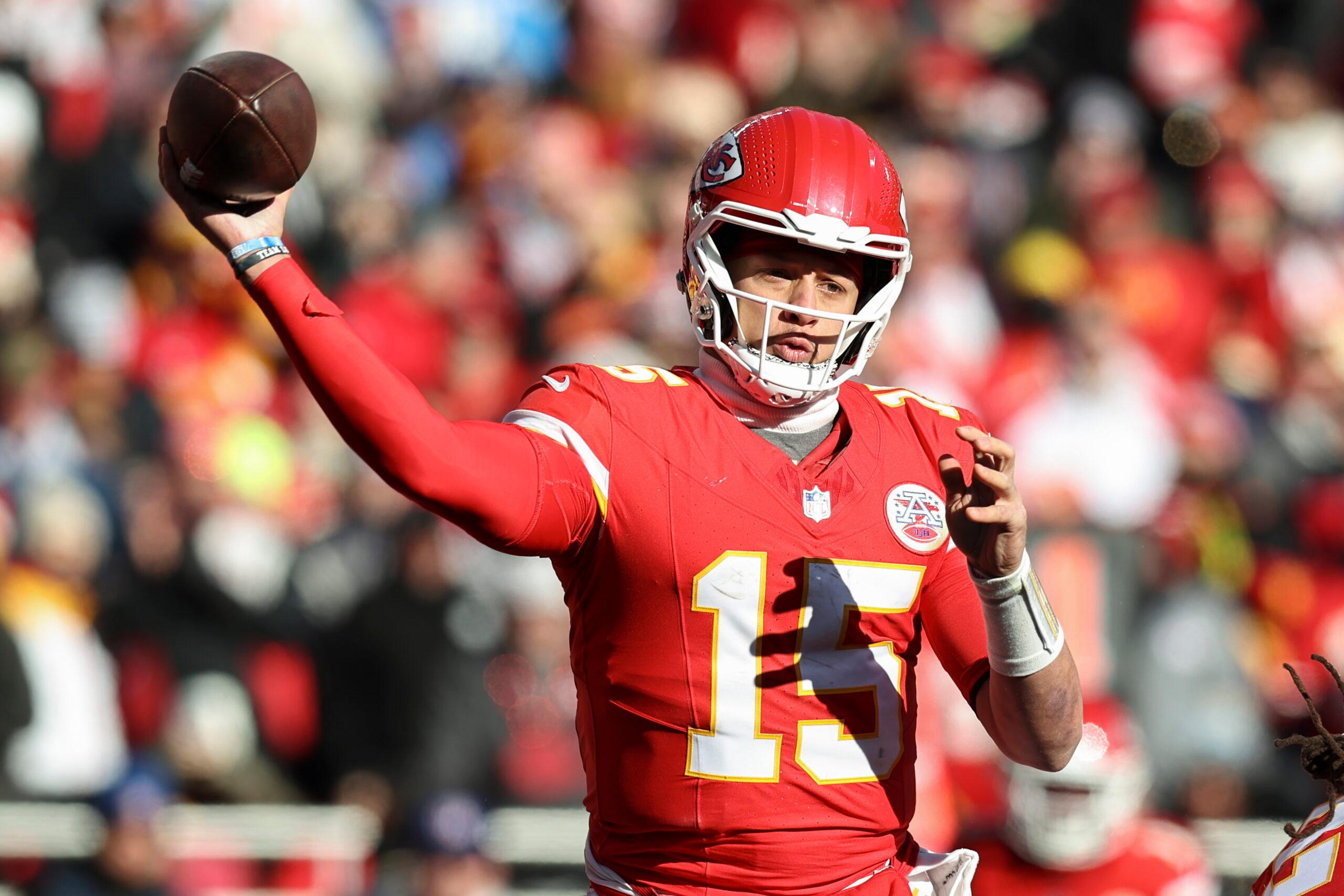
Chiefs fans will think I’m a hater for calling their style of play uninteresting and their roster uninspiring and for critiquing head coach Andy Reid for asking so much of superstar quarterback Patrick Mahomes. But last season finally laid bare many of the underlying issues that Mahomes had been able to mask for years. Kansas City long ago lost the juice that had made its offense explosive, and the run game regressed so much that Mahomes had little to no support. He tore his ACL in December while trying to carry the team on his back.
The Chiefs’ financial situation was too tight this year to allow them to make many additions, aside from signing Super Bowl MVP running back Kenneth Walker III. And after losing two starting cornerbacks, Trent McDuffie and Justin Watson, this team is less talented now than it was a year ago. It will still need Mahomes to do the heavy lifting, and this time he’ll be coming off a serious injury. I don’t think the Chiefs will be ranked this low forever, but a quarterback alone won’t sell me on their title chances.


16
Los Angeles Chargers
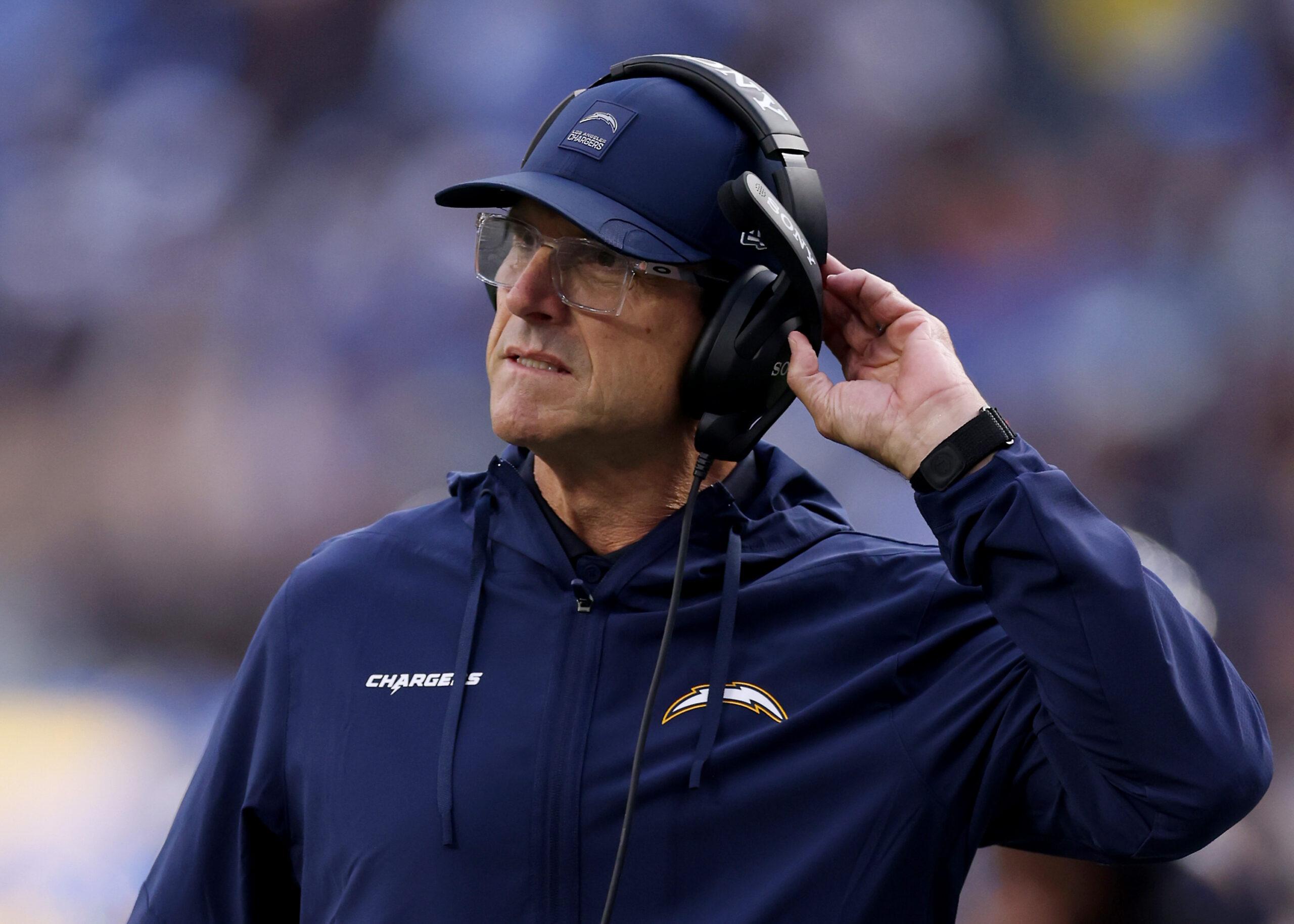
Los Angeles’s biggest offseason addition is someone who won’t make a single block, tackle, catch, or kick in 2026. It’s new offensive coordinator Mike McDaniel, whose job is to breathe life into the Chargers offense, which hasn’t been able to run the ball, find explosive plays in the passing game, or protect quarterback Justin Herbert for the past two seasons. McDaniel won’t have the embarrassment of riches at receiver he did when he was head coach in Miami, but Herbert is the most talented quarterback he’s ever worked with. My most optimistic read of Los Angeles’s offense is that McDaniel will get the run game to above average and set up enough easy passes through the play-action game to help the young and unproven receiving corps find easy opportunities.
Of course, there are still concerns about the interior of the Chargers offensive line. Guards Cole Strange and Trevor Penning are effectively replacement-level players, and rookies Jake Slaughter and Logan Taylor might not be ready to step in and contribute right away. McDaniel is an excellent play caller and is capable of turning this ship around. But it seems like the Chargers will need something nearly miraculous to turn this roster into a true contender.
17
Cincinnati Bengals
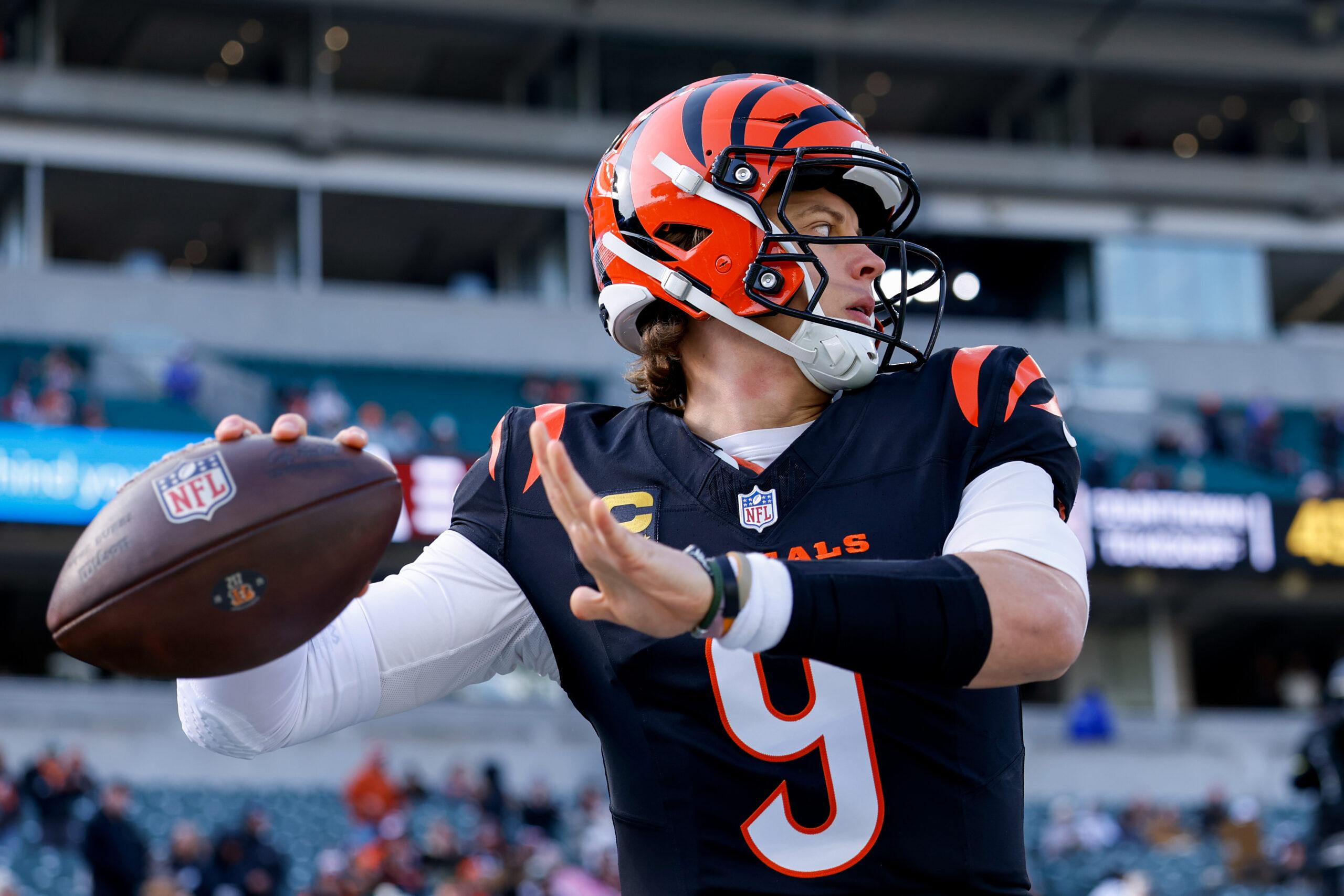
Cincinnati took a swing this offseason and traded with the Giants for potentially game-wrecking defensive tackle Dexter Lawrence. This is a huge win for quarterback Joe Burrow and his offensive supporting cast, who haven't been able to trust the defense the past three seasons. Lawrence should instantly improve the team’s run defense, and he could change the Bengals’ overall outlook if he gets back to the pass rush production he had a few years ago in New York. Injuries have affected his production a bit in recent seasons, but he’s still one of the three best players at his position. He’ll draw enough attention to make the game easier for Cincinnati’s linebackers, especially the young duo of Barrett Carter and Demetrius Knight, who looked overwhelmed for the majority of last season.
With the addition of defensive tackle Jonathan Allen, edge rusher Boye Mafe, and safety Bryan Cook, the outline of a serious and competent defense—something the Bengals haven’t had since 2022—comes into shape. If this team can get anywhere close to its 2022 performance (when the Bengals looked like the Chiefs’ foil), it could be a contender again.
18
Pittsburgh Steelers
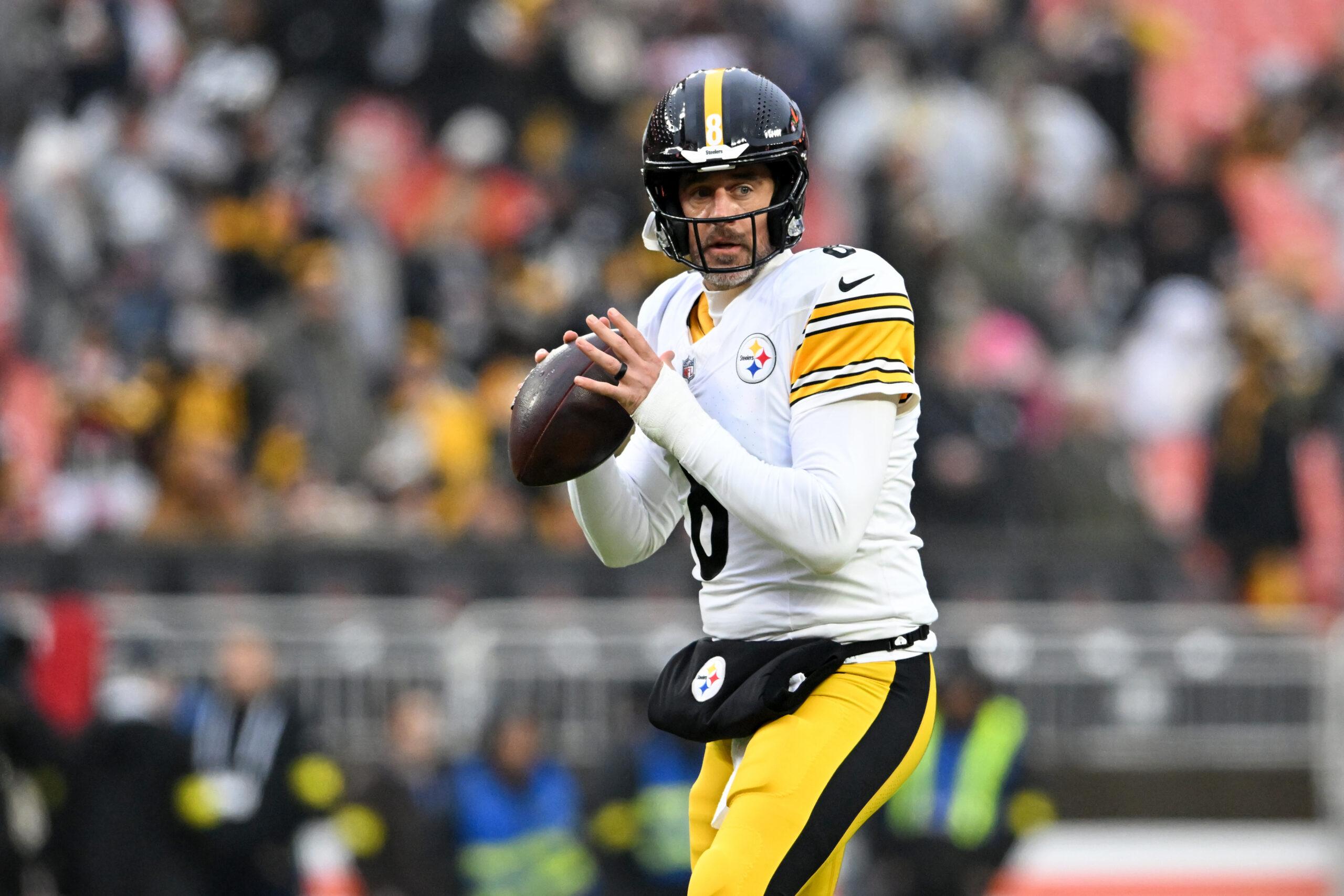
Quarterback Aaron Rodgers is back in Pittsburgh on a reported $22 million contract, finally giving the Steelers some clarity on their quarterback situation just as offseason workouts begin.
The 42-year-old passer is back with head coach Mike McCarthy for what will be Rodgers’s final season, but I’m not sure whether this reunion is a good thing for Pittsburgh. The money the Steelers will pay Rodgers this season is almost exactly what the Dolphins gave quarterback Malik Willis in free agency by annual salary, which makes Pittsburgh’s decision to wait on Rodgers rather than pursue Willis harder to justify—even if there’s no guarantee that Willis will become an above-average starter. Last year, Rodgers’s game cratered when he was pressured, he lost his ability to extend plays with his legs, and he wasn’t as willing to push the ball downfield (or as effective when he chose to do so) as he was when he played for McCarthy in Green Bay. While I like the rest of Pittsburgh’s roster, I don't think the Steelers can be more than a ho-hum eight- or nine-win team with this version of Rodgers at the helm.
19
Carolina Panthers
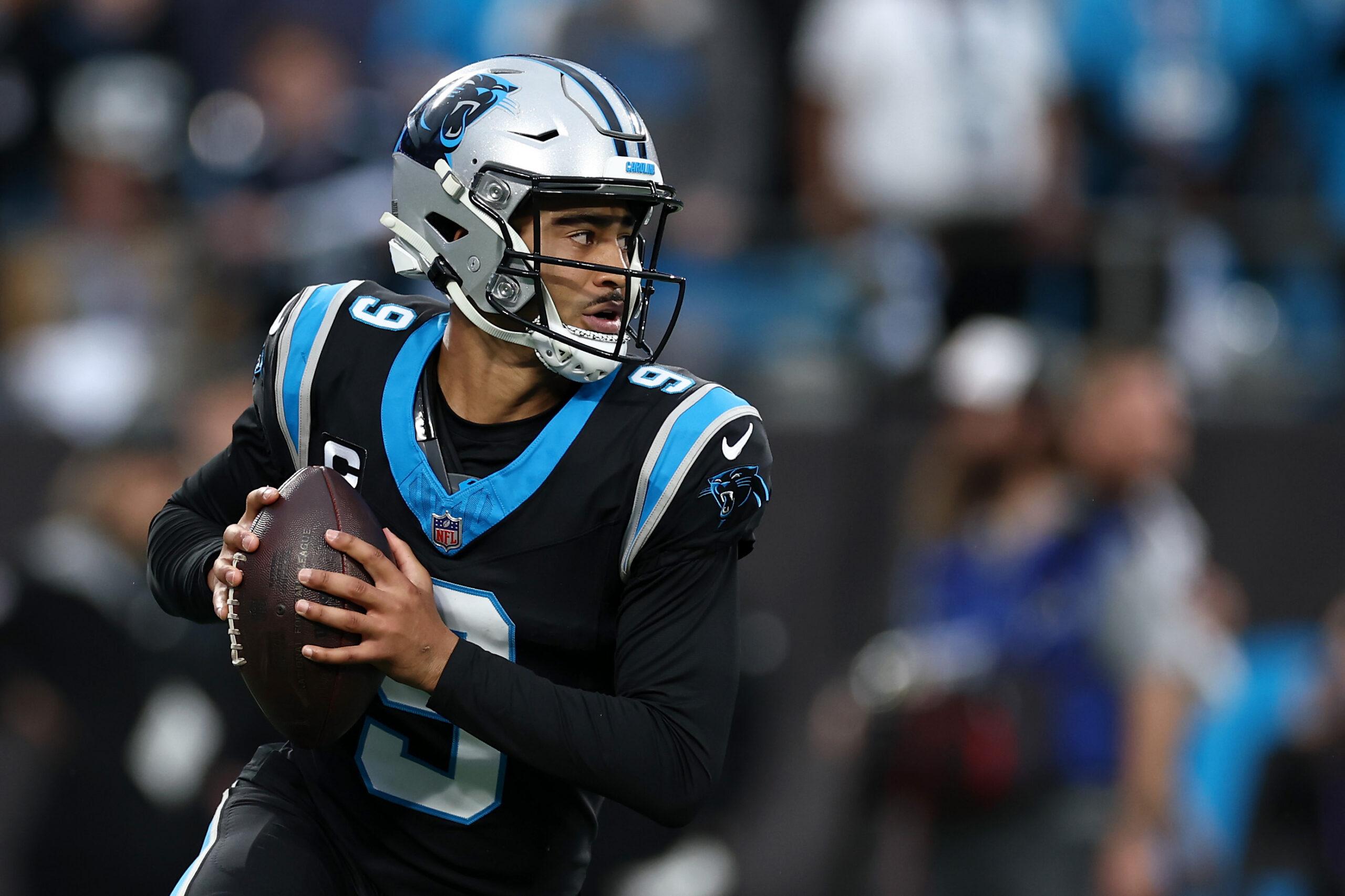
Carolina’s 2025 campaign was an undoubted success; the Panthers surprised the NFL by winning the NFC South and pushing the Rams to the brink in the wild-card round. The Panthers followed that up with a better offseason than any other team in their division, signing edge rusher Jaelan Phillips, linebacker Devin Lloyd, and tackle Rasheed Walker and drafting tackle Monroe Freeling as a long-term answer at the position.
Still, I don’t know whether any Panthers fan could confidently say that this will be a playoff team this season. Quarterback Bryce Young’s performance will set the team’s floor and ceiling, and we still don’t have enough data to say with confidence that he’ll be the Panthers’ quarterback of the future.
20
Tampa Bay Buccaneers
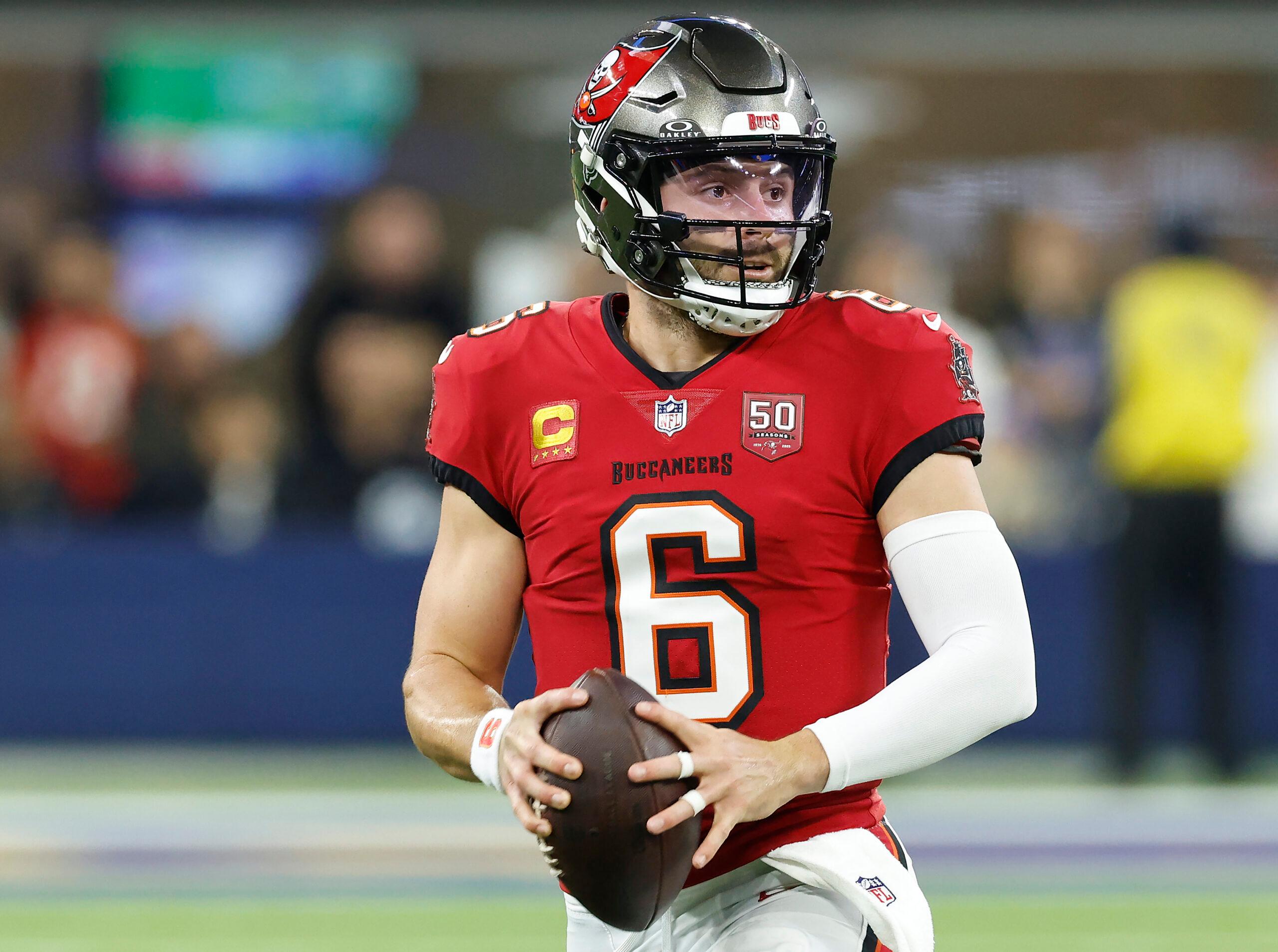
Quarterback Baker Mayfield is in the final year of his contract, and the Bucs can’t afford not to have him for the long term. His current $33 million average annual salary is sure to balloon on his next contract (maybe north of $50 million), so the Bucs will need to maximize this season by returning to the postseason and vying for a spot in the NFC championship game.
That’ll be a difficult bar to clear, as the rest of the NFC South seems to be catching up to Tampa. Carolina snatched the divisional crown away last season, Atlanta upgraded to head coach Kevin Stefanski, and the Saints were surprisingly competitive last year, even though most had expected a difficult rebuild. Mayfield and head coach Todd Bowles need the young players on both sides of the ball (especially rookie edge rusher Rueben Bain) to have an impact—because both could find themselves out of Tampa if this season is another disappointment.
21
Atlanta Falcons
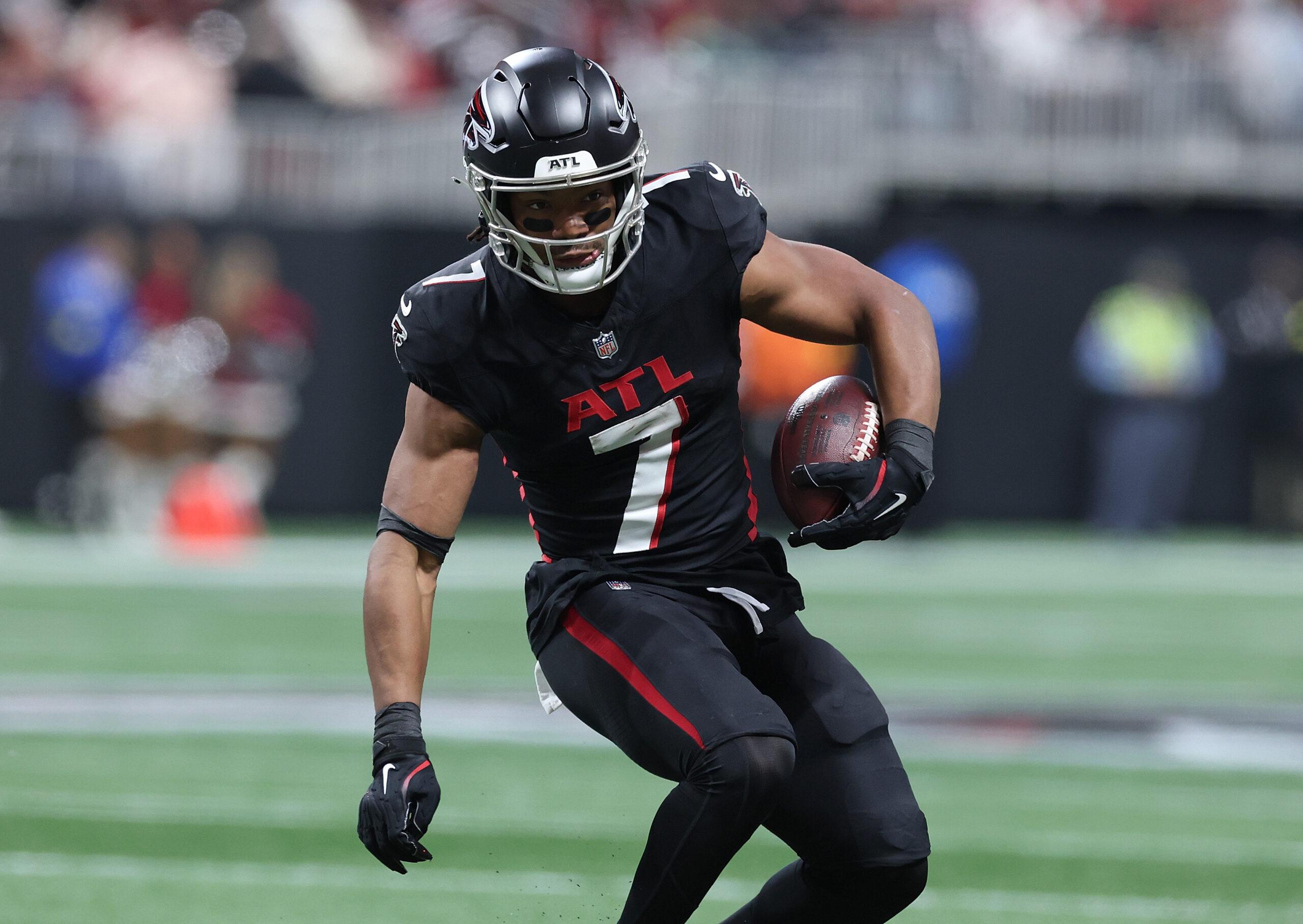
Tua Tagovailoa is getting a fresh start in Atlanta, but I’m skeptical that he’ll be the answer the Falcons are looking for. He’ll be competing with Michael Penix Jr., who struggled with his accuracy before suffering a season-ending knee injury last season.
It’s a bummer that this QB battle is so underwhelming because the rest of the offensive roster is ready-made for a playoff run. Running back Bijan Robinson is a game-changing talent, receiver Drake London has proved himself as WR1, and there’s enough depth at tight end for a multiple offense that can keep opponents off guard. New head coach Kevin Stefanski has to find ways to manage his limited quarterbacks and make Atlanta successful, a task he should be comfortable with after his time in Cleveland.
22
Indianapolis Colts
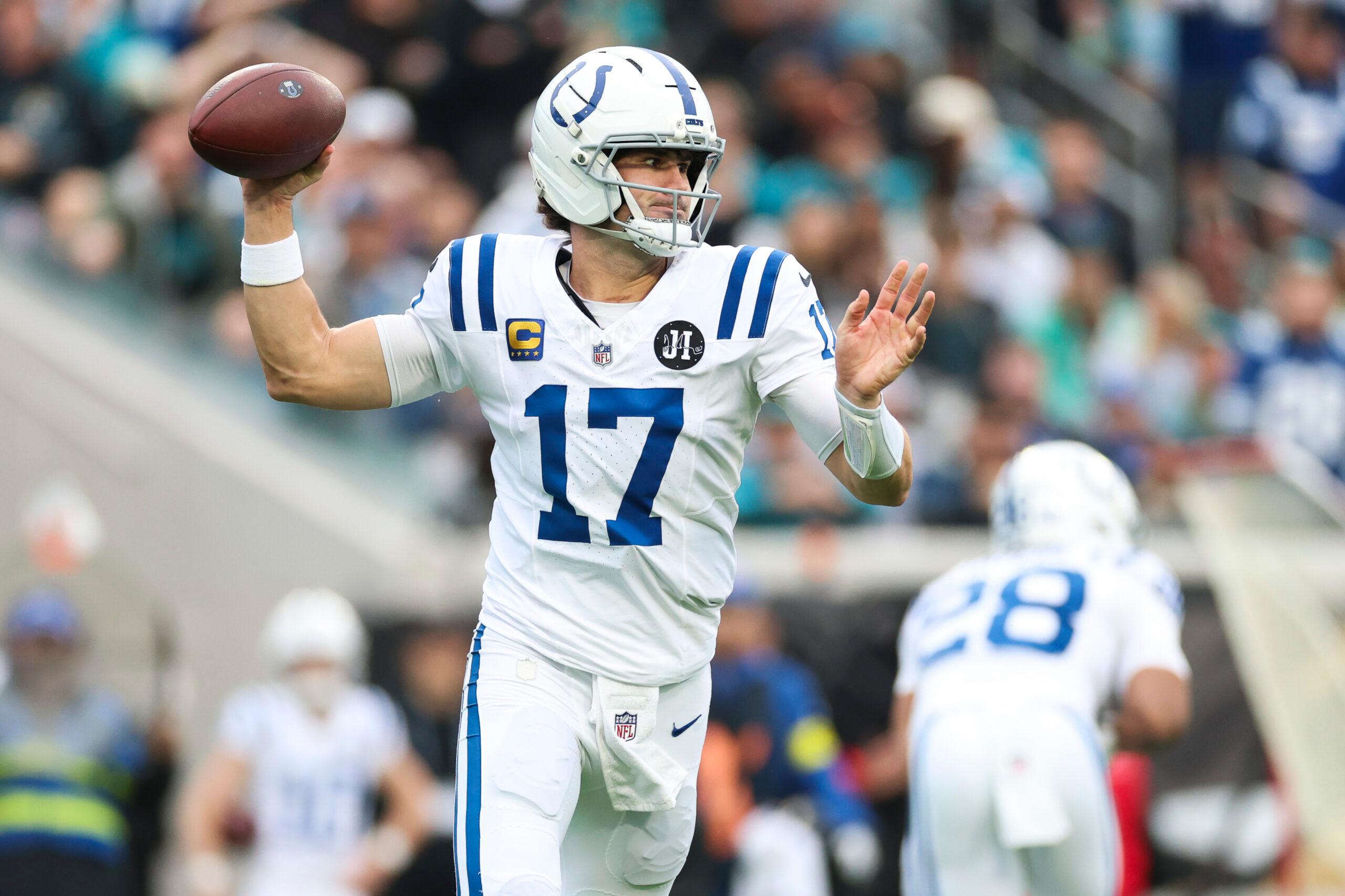
There’s no feeling worse than realizing that you missed your best shot—and that’s something Indianapolis might experience this season. After pushing all its chips in for cornerback Sauce Gardner at the trade deadline last November and paying quarterback Daniel Jones this spring—while he continues to recover from a fractured leg and torn Achilles tendon—the team doesn’t have the money or draft capital to make other major moves to improve the roster. Indianapolis must hope that its youth and depth give it a chance to outlast the competition in the AFC South.
Jones will also need to retain enough mobility to challenge defenses with his legs. If he doesn’t, we’ll see this offense crater again, even if he’s on the field. Indianapolis’s margin for error is too thin; it's just not safe to bet that Jones and the Colts offense will replicate the historically great start they enjoyed last year.


23
Minnesota Vikings
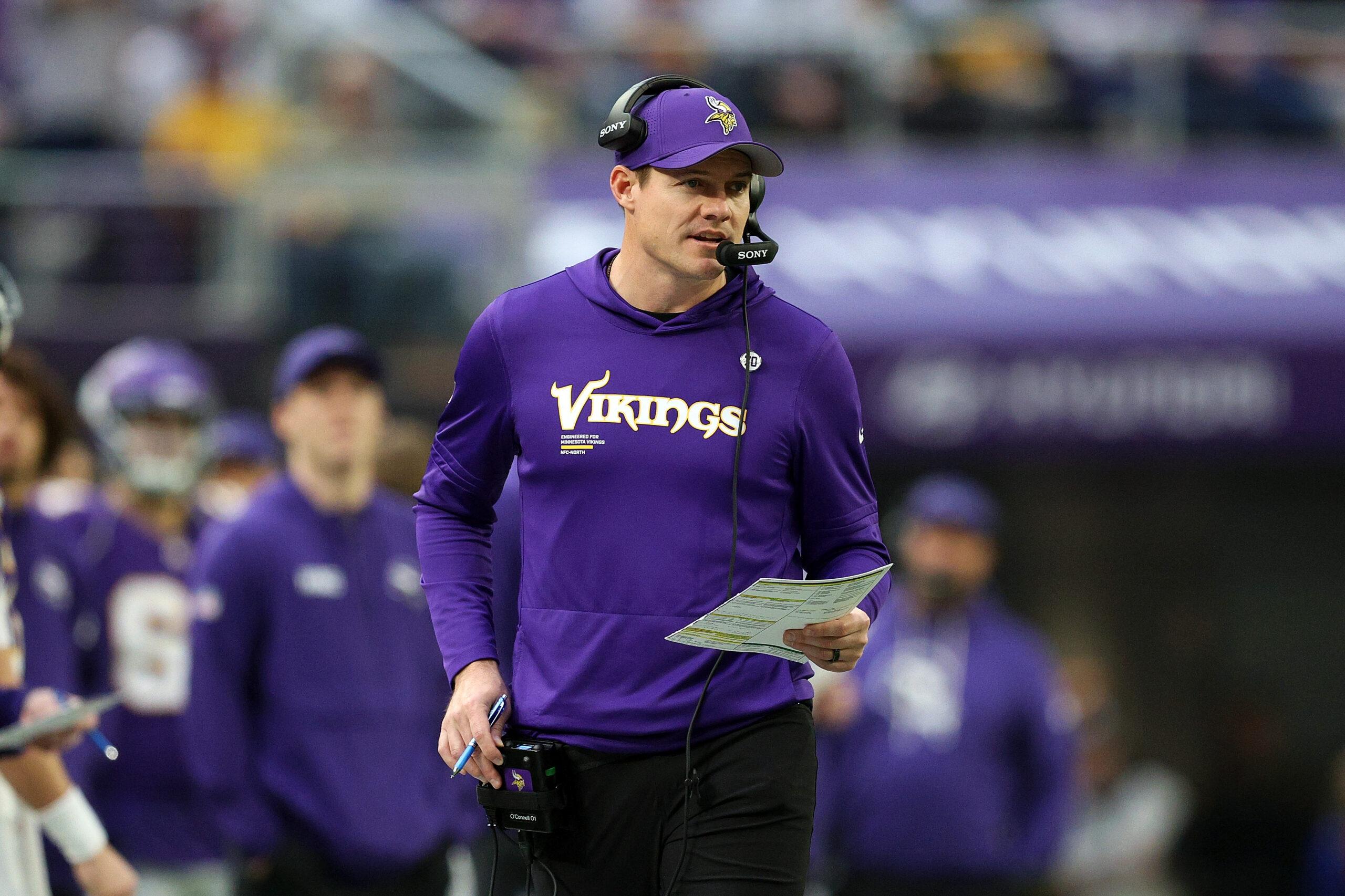
The Vikings have upgraded at quarterback with the addition of Kyler Murray, who is expected to take the starting job from J.J. McCarthy. But the rest of this team is in the same position as it was when it underperformed last season (or worse off than it was even then). The problem is that the rest of the NFC North is too talented for Murray to make up the distance himself.
Murray will have enough talent around him to protect him from his worst habits when he’s under pressure, but he’ll have to be more effective under pressure and outside the pocket to create explosive plays when this offensive line breaks down (again).
24
Washington Commanders
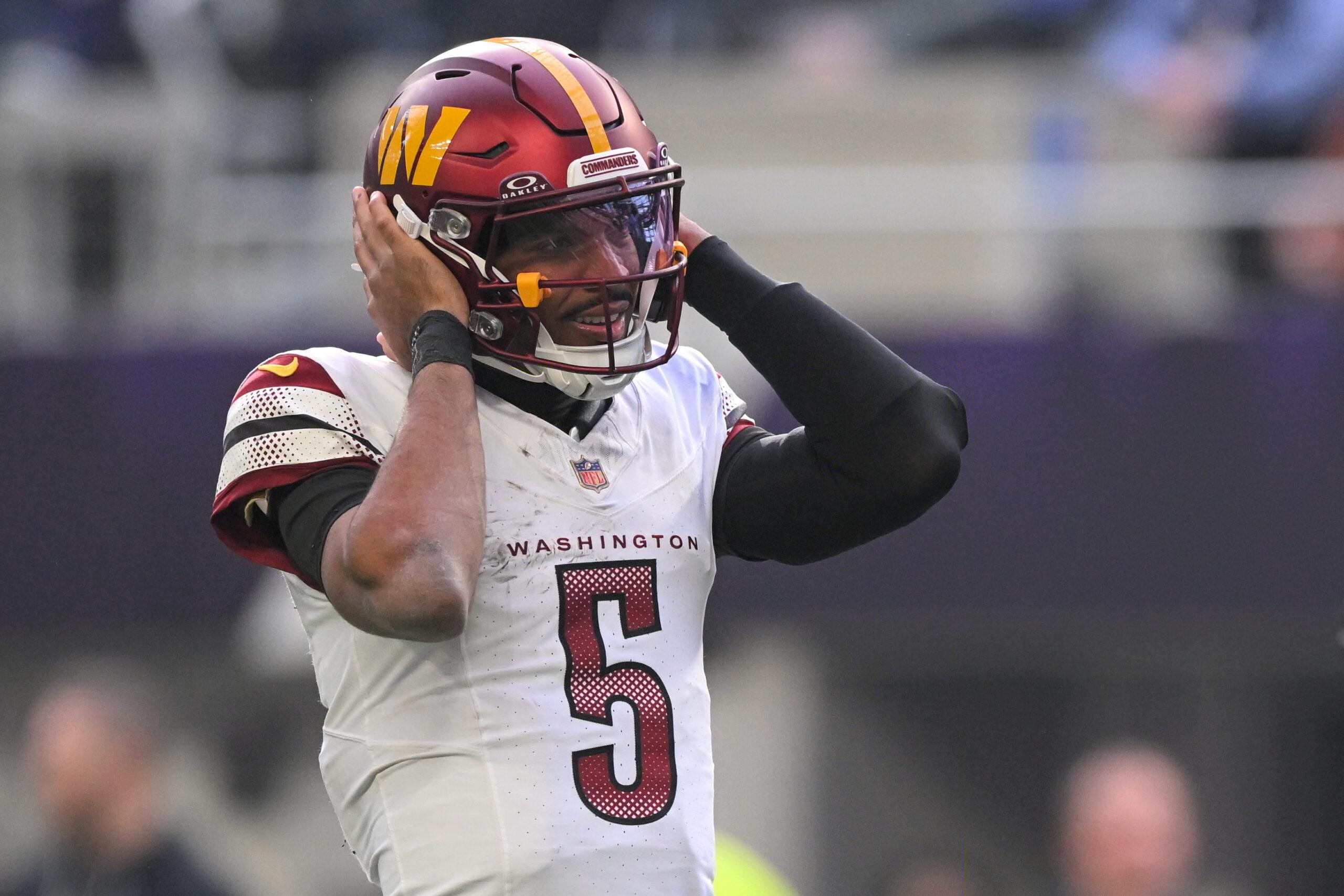
As tumultuous as Washington was last year, my belief in quarterback Jayden Daniels hasn’t wavered. I still think that he can deliver MVP-caliber play in the right situation, as long as he stays healthy.
What’s changed significantly over the past year is my faith in Washington’s infrastructure and coaching staff. The Commanders made just six draft picks, and the only rookie I expect to significantly factor into the rotation (let alone impact winning) is linebacker Sonny Styles, a first-rounder. The lack of high-impact players in their 2026 draft class is concerning for this team, which didn’t have much depth or top-end talent to begin with. The holes in the Commanders’ roster have been patched over with expensive but flawed veterans picked up in free agency. Washington won't be able to compete for a playoff spot unless it's dragged there by Daniels. Last year, we saw that he can't be asked to physically shoulder that sort of load.
25
New York Giants
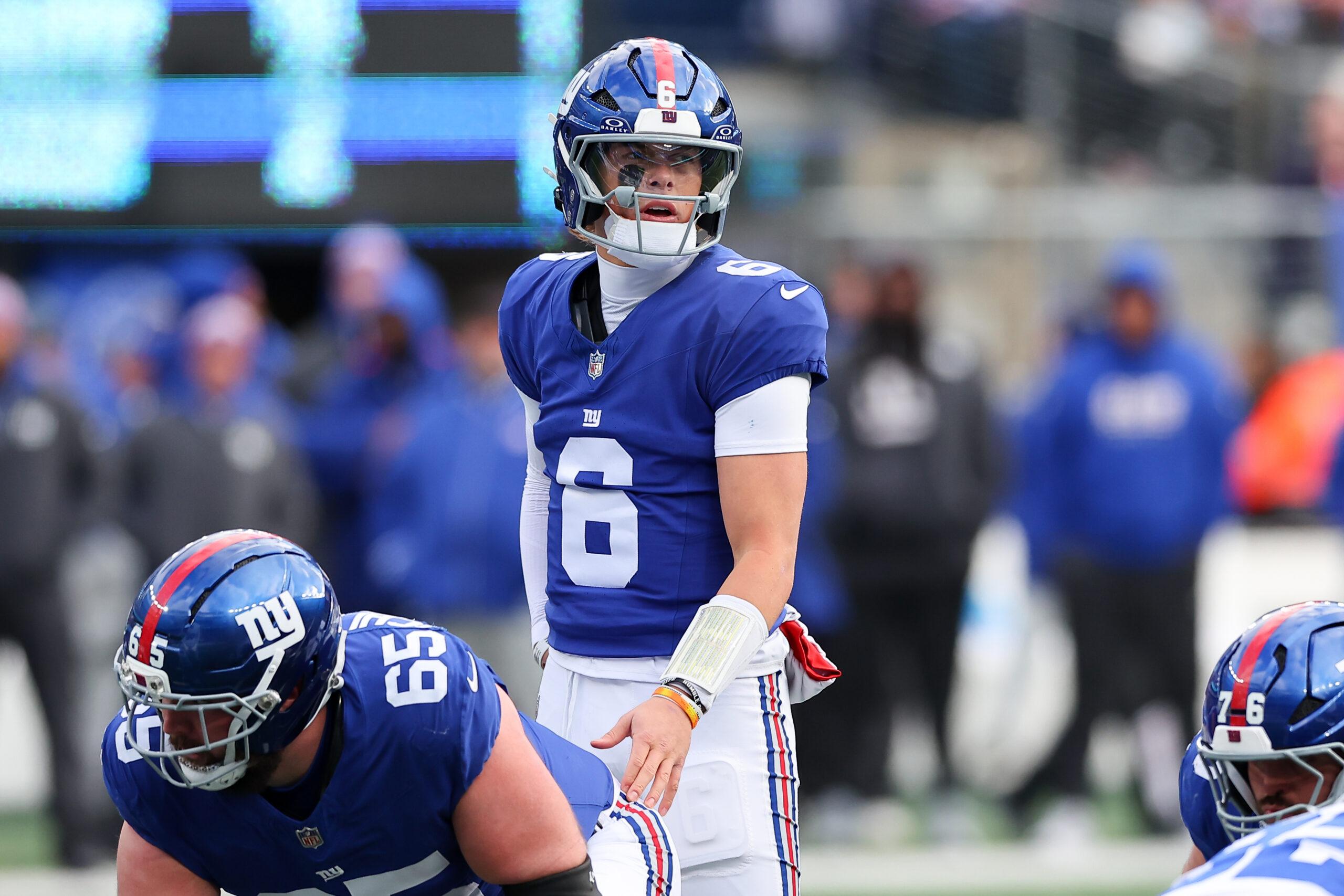
Cautious optimism is the theme of the year for the Giants, although there are plenty of lingering questions about this team. First, we need to see how much juice head coach John Harbaugh will have in a new environment, one that needs his best as both a coach and a de facto personnel executive. Several players New York added this offseason came from Harbaugh’s past rosters in Baltimore or from teams he faced off against in the AFC North. Familiarity might not have been the only determining factor in the Giants’ free agency plans, but it was clearly a priority for Harbaugh.
New York’s biggest move this offseason was trading away its best player—defensive tackle Dexter Lawrence—so it seems like it believes the only thing it was missing was a high-profile coach. His success came more from leaning on otherworldly talents than from any real tactical or schematic advantages, so I’m curious to see what his next chapter will look like.
26
New Orleans Saints
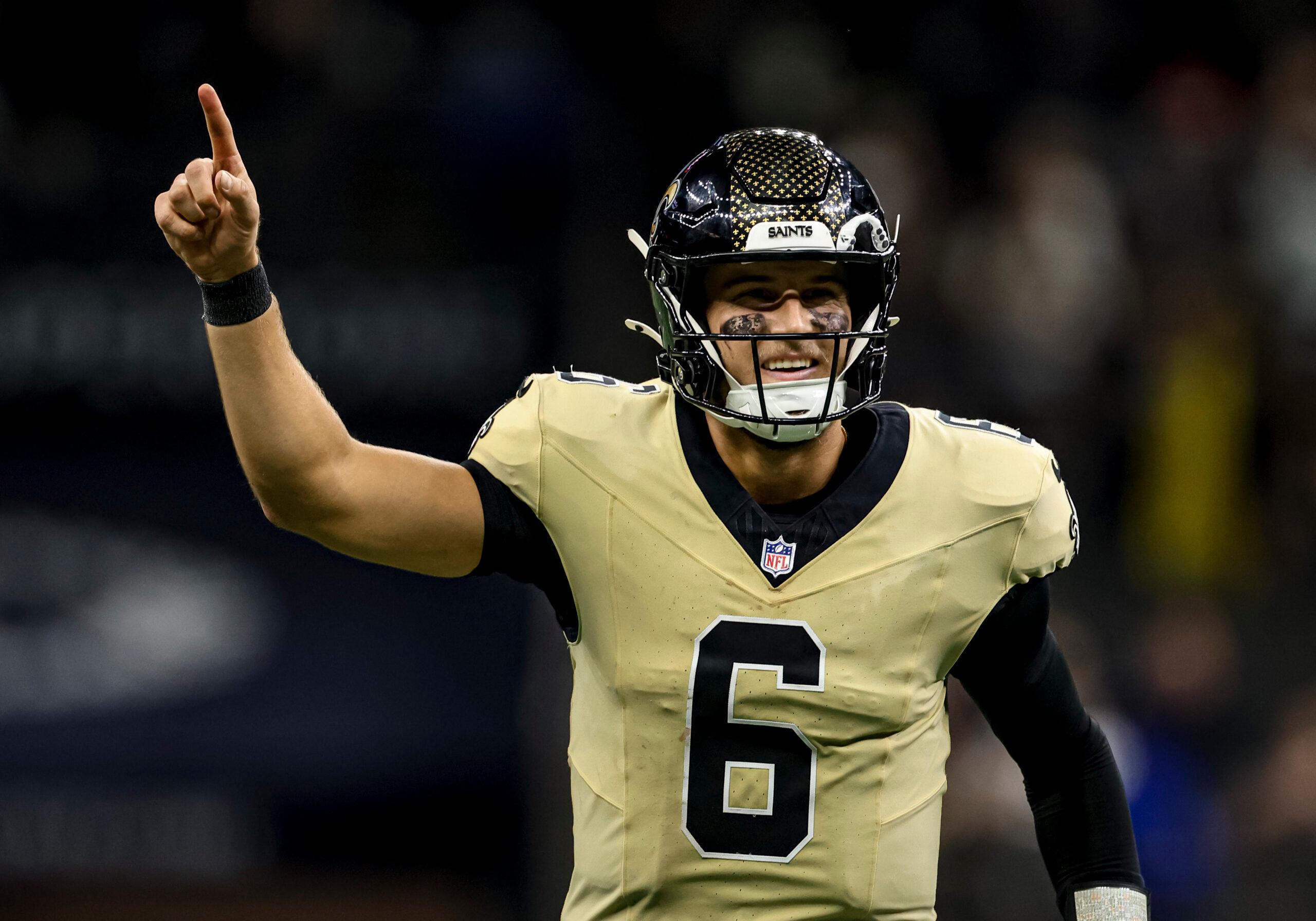
Last season was ultimately a success for New Orleans. The Saints found a starting-caliber quarterback in Tyler Shough and fielded a good defense in spite of all their dead cap issues. Just as important, the team did not dig itself deeper into a financial hole, which will help it make the moves necessary to complete a rebuild in the future.
The Saints continued their string of wise moves this offseason by adding a pair of rookie receivers, Jordyn Tyson and Bryce Lance—two players who can get separation and take advantage of the space created by star receiver Chris Olave. New Orleans also found a long-term successor for running back Alvin Kamara in Travis Etienne. Shough has the pieces he needs this year, and the Saints might be ready to take a big leap forward if he can avoid sacks and be more efficient about finding easy completions.
27
Tennessee Titans
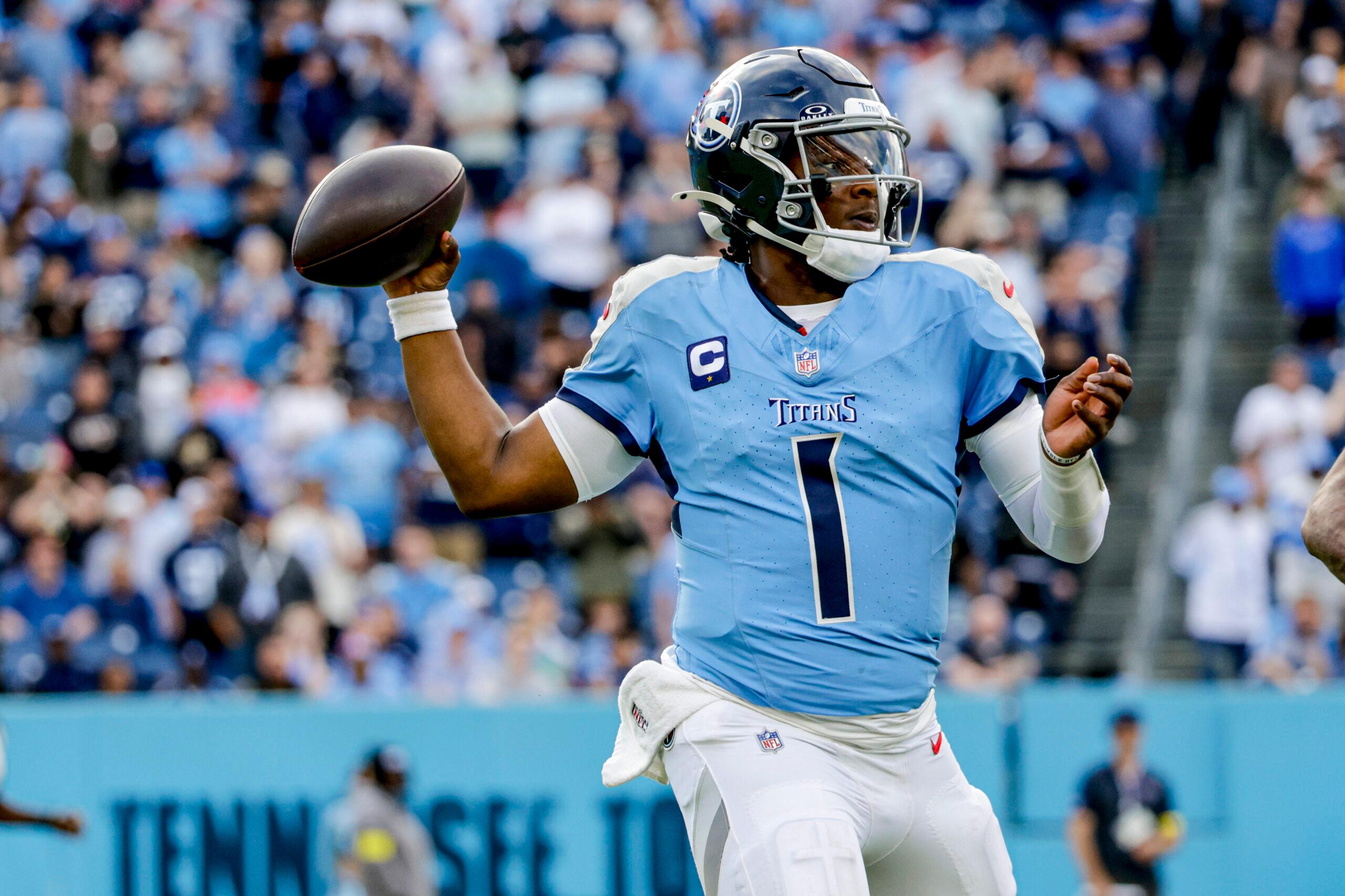
We have seen head coach Robert Saleh build dominant defenses in both San Francisco and New York. What he and the Titans need now is for new offensive coordinator Brian Daboll to turn Cam Ward into the league's next rising star. Daboll got one great year out of Josh Allen in Buffalo and then one good year out of Daniel Jones with the Giants. Daboll leveraged their athletic gifts as runners and emphasized a quick passing game that kept both quarterbacks from holding the ball too long.
Ward is clearly talented, but he’s a different kind of quarterback than Allen or Jones. Ward can extend plays, but you don't want him to factor into the run game. He will have to be proficient in distributing the ball to new receivers Wan’Dale Robinson and Carnell Tate, and he cannot make reckless mistakes when he’s in the pocket. If Ward can hone his game in Daboll’s scheme, I still think he could reach a Dak Prescott–esque ceiling.
28
Las Vegas Raiders
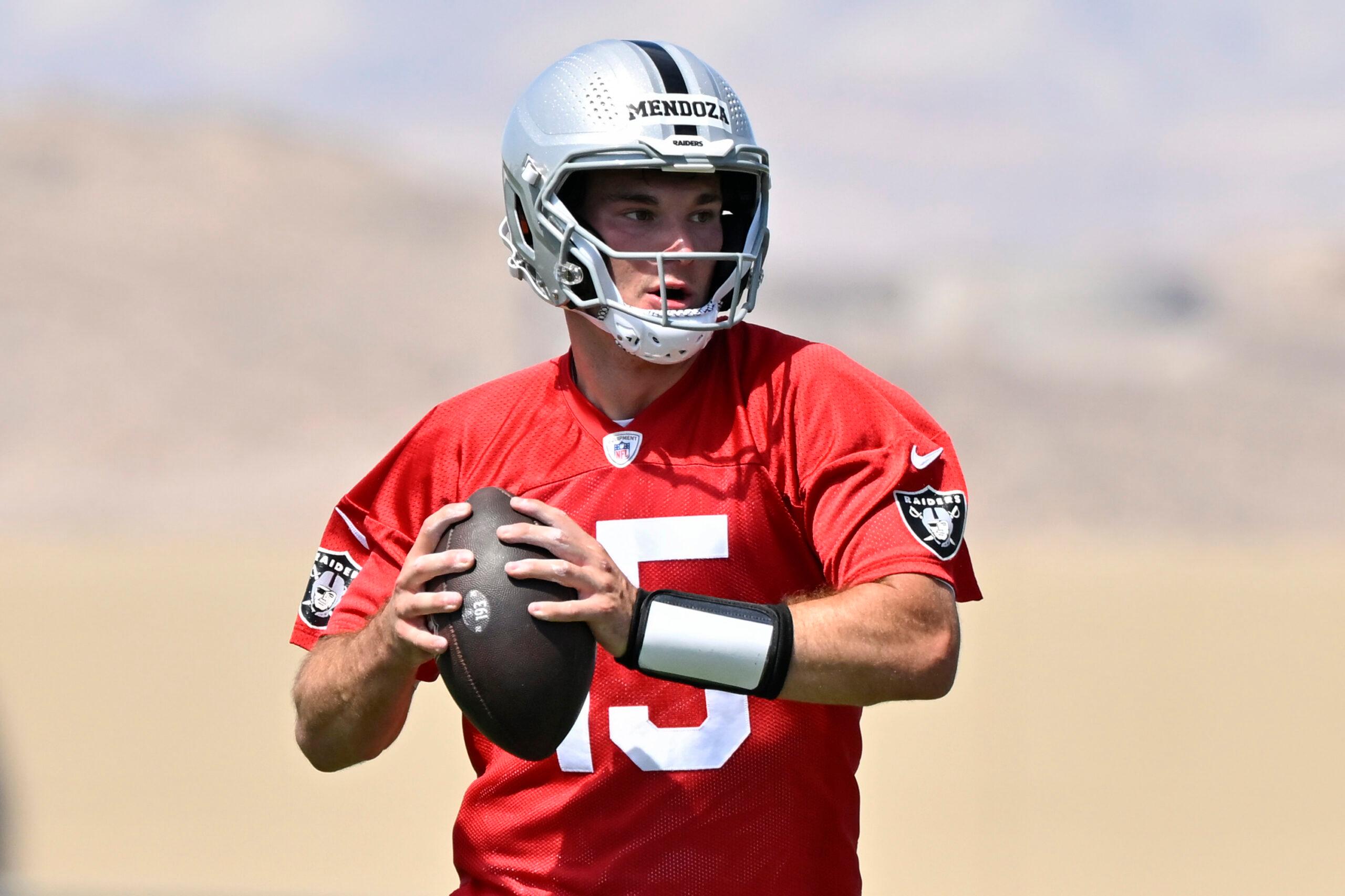
There's a wide gap between the Raiders and the rest of the AFC West. Even though Las Vegas handed out a league-high $235 million in contract guarantees in free agency, that barely moves the needle for this team’s immediate future. Rookie quarterback Fernando Mendoza will be playing behind an average offensive line and without a true no. 1 wide receiver to target (tight end Brock Bowers is the team’s best pass catcher), and he’ll be running an offensive system that needs him to be aggressive. Mendoza was efficient and accurate at Indiana, but we haven’t seen him play with the kind of unbridled confidence that’s made quarterbacks like Sam Darnold, Brock Purdy, Jordan Love, and Matthew Stafford shine in schemes similar to what first-year head coach Klint Kubiak is running.
Kubiak was a creative play caller for the Super Bowl champion Seahawks, and now he's the man in charge of leading a storied franchise that’s been trapped in a loop of rebuilds. He’s never had to craft an offense around an unknown commodity at quarterback. I’m interested in seeing what he can do for Mendoza’s development and whether he can give running back Ashton Jeanty the explosive plays the offense was missing last season.
29
Arizona Cardinals
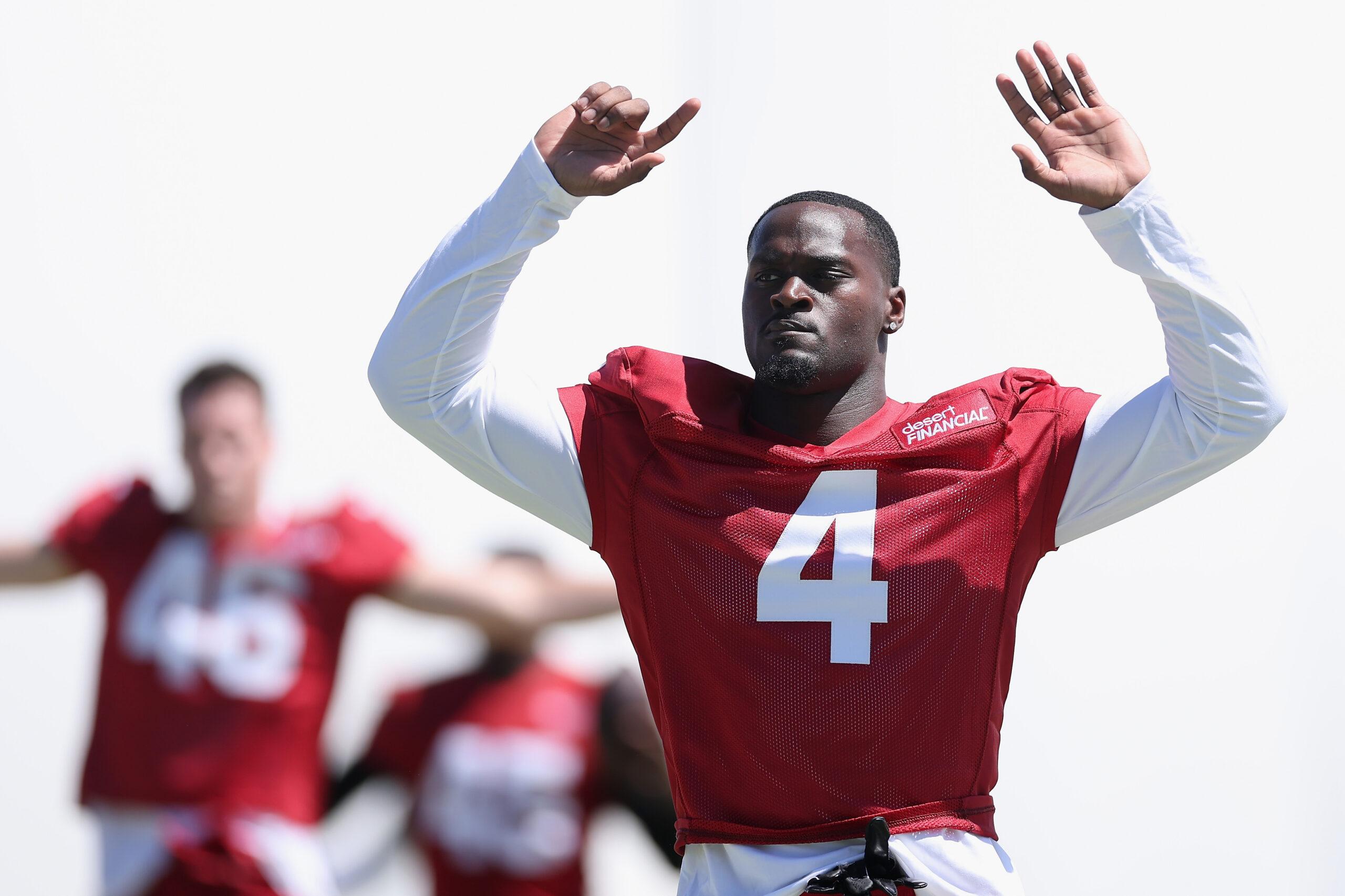
Rookie running back Jeremiyah Love should watch old clips of Adrian Peterson to prepare for the stacked boxes that defenses will throw at the Cardinals offense this season. The most dependable lineman that Love is playing behind might be guard Isaac Seumalo, and the Cardinals don’t have enough talent at receiver or quarterback to take any attention away from Love. It’s been awhile since NFL teams were OK with giving a running back 250-plus carries of 3.5 yards per attempt, but that might be the heartbeat of Arizona’s offense this year.
New head coach Mike LaFleur was one of the last guys picked in the hiring cycle, and he will need to be an exceptional play caller to maximize this roster. At the very least, fantasy owners would appreciate it if he funnels targets to tight end Trey McBride and receiver Michael Wilson.
30
Miami Dolphins
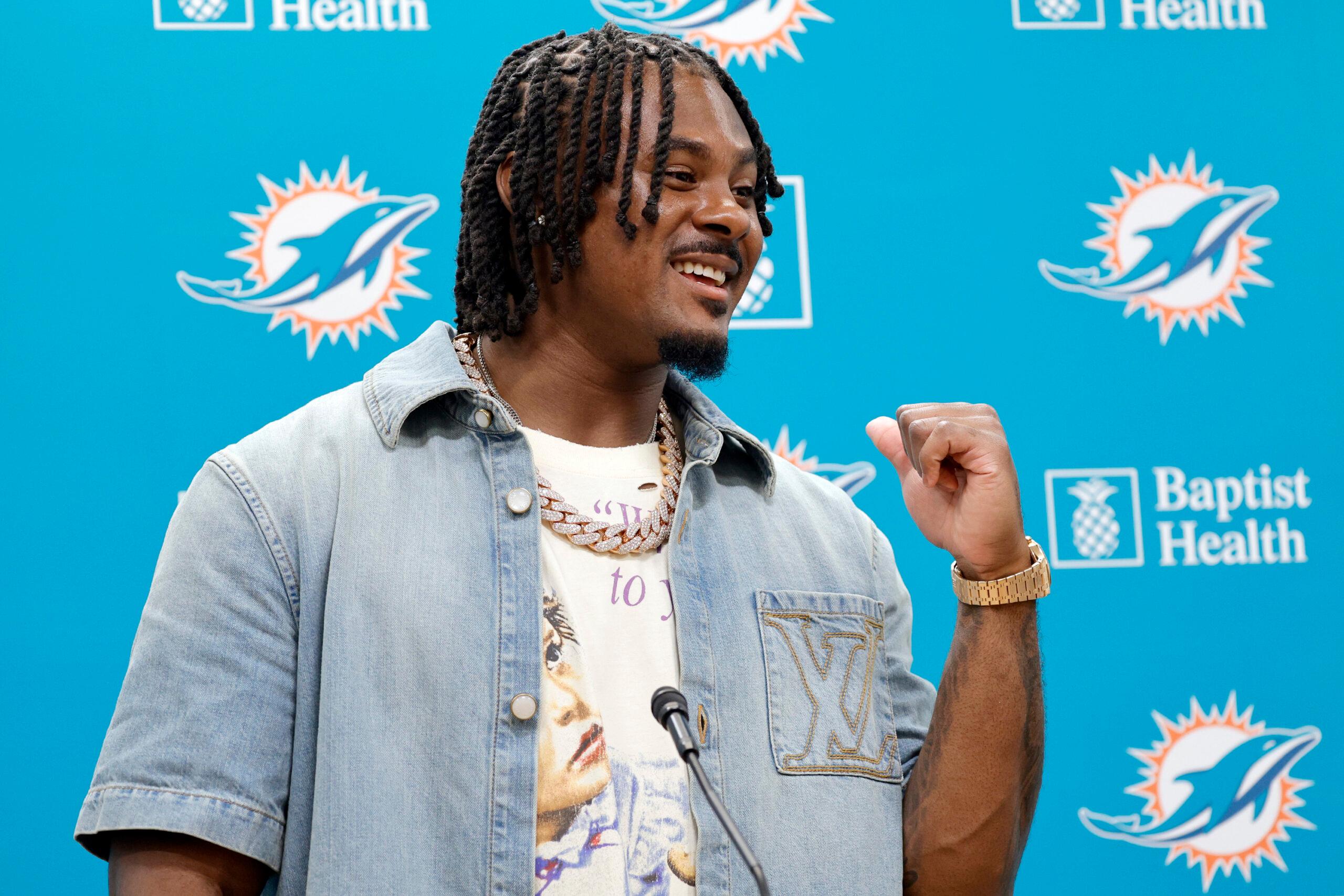
I feel for the young football fans who decided they’d root for the Dolphins in the early 2020s because of receivers like Jaylen Waddle and Tyreek Hill, who thrived in Mike McDaniel’s creative offense. Now the team is in the midst of a rebuild under new head coach Jeff Hafley, whose personality is supposed to be the polar opposite of McDaniel’s. And new offensive coordinator Bobby Slowik was run out of Houston because he didn’t have enough depth in his scheme to mask the roster’s talent deficiencies. New quarterback Malik Willis flashed some promise in limited action for the Packers over the past two seasons. In the best-case scenario, he’ll become the next Jalen Hurts. But that’s a lofty expectation for a player who was never considered a potential starter before he hit free agency.
The three best players on the roster might be running back De’Von Achane, defensive tackle Zach Sieler, and linebacker Jordyn Brooks. That’s not nearly enough top-end talent to strike fear in teams across the league. Even if everything goes right, this team might squeeze out only four wins because of its youth and lack of playmaking talent.
31
Cleveland Browns
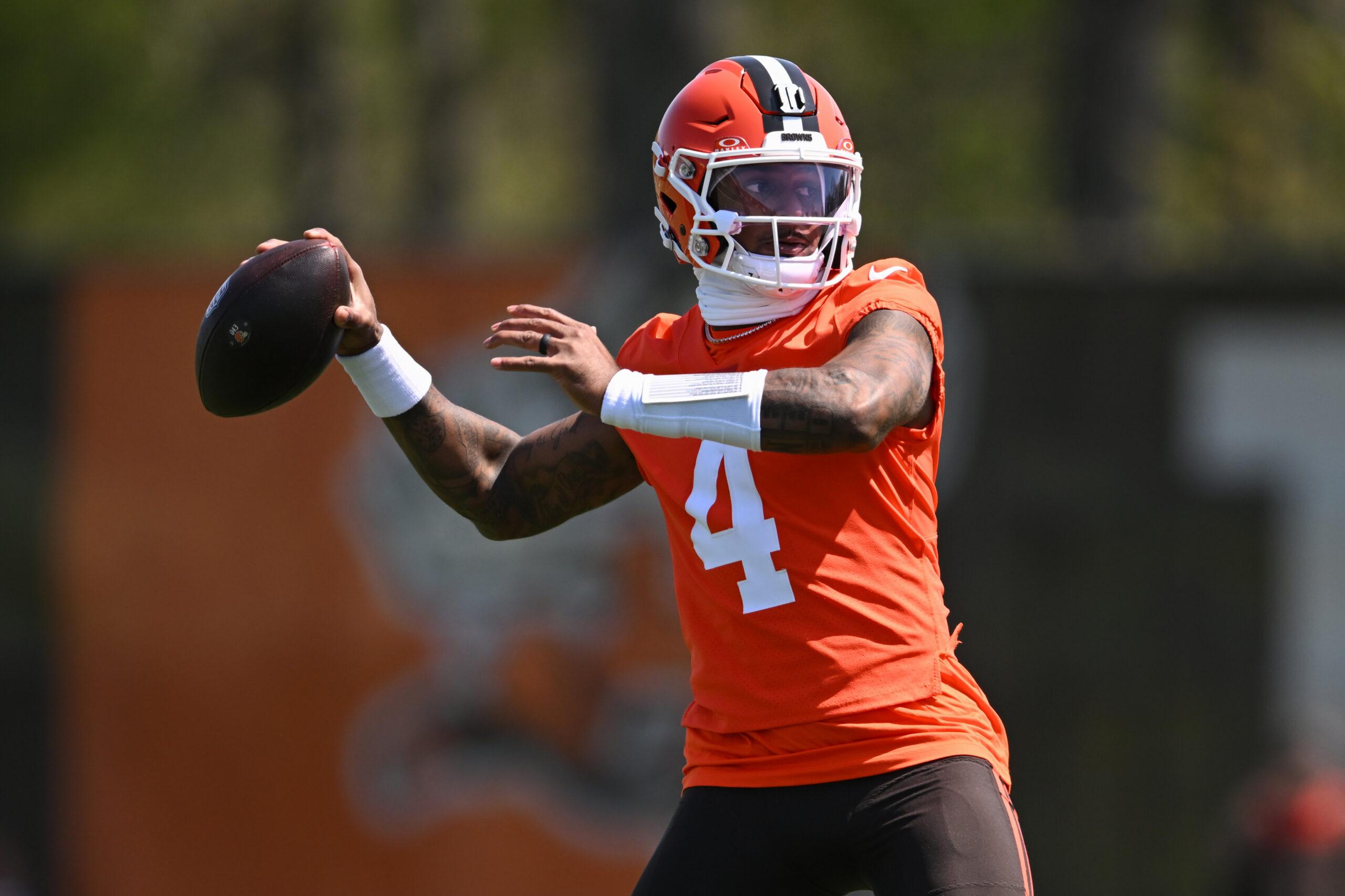
Quarterback Deshaun Watson could be Cleveland’s starter this year. That sad statement alone should be enough to tell you how awful the Browns’ quarterback vibes are. Watson was one of the league’s worst quarterbacks when he last played in 2024, and now he’s competing with Shedeur Sanders, who was barely watchable last year but is probably still a more intriguing option. If Watson wins the job, it will feel like a deliberate tank job, with the goal of drafting a new QB high next year. Whoever wins the job this season will be playing behind a totally remade offensive line—including players like center Elgton Jenkins and guard Zion Johnson, who were not very good in 2025. The Browns will also be starting two rookie receivers, KC Concepcion and Denzel Boston—who are both talented but are entering the league with questions about how dependable they’ll be as pros. Concepcion had an issue with drops in college, and Boston is a big-bodied receiver who doesn’t separate well enough to run a full route tree.
I’m crossing my fingers that Cleveland’s defense will be dominant again in 2026; otherwise, new head coach Todd Monken could find himself out of a job next spring.
32
New York Jets
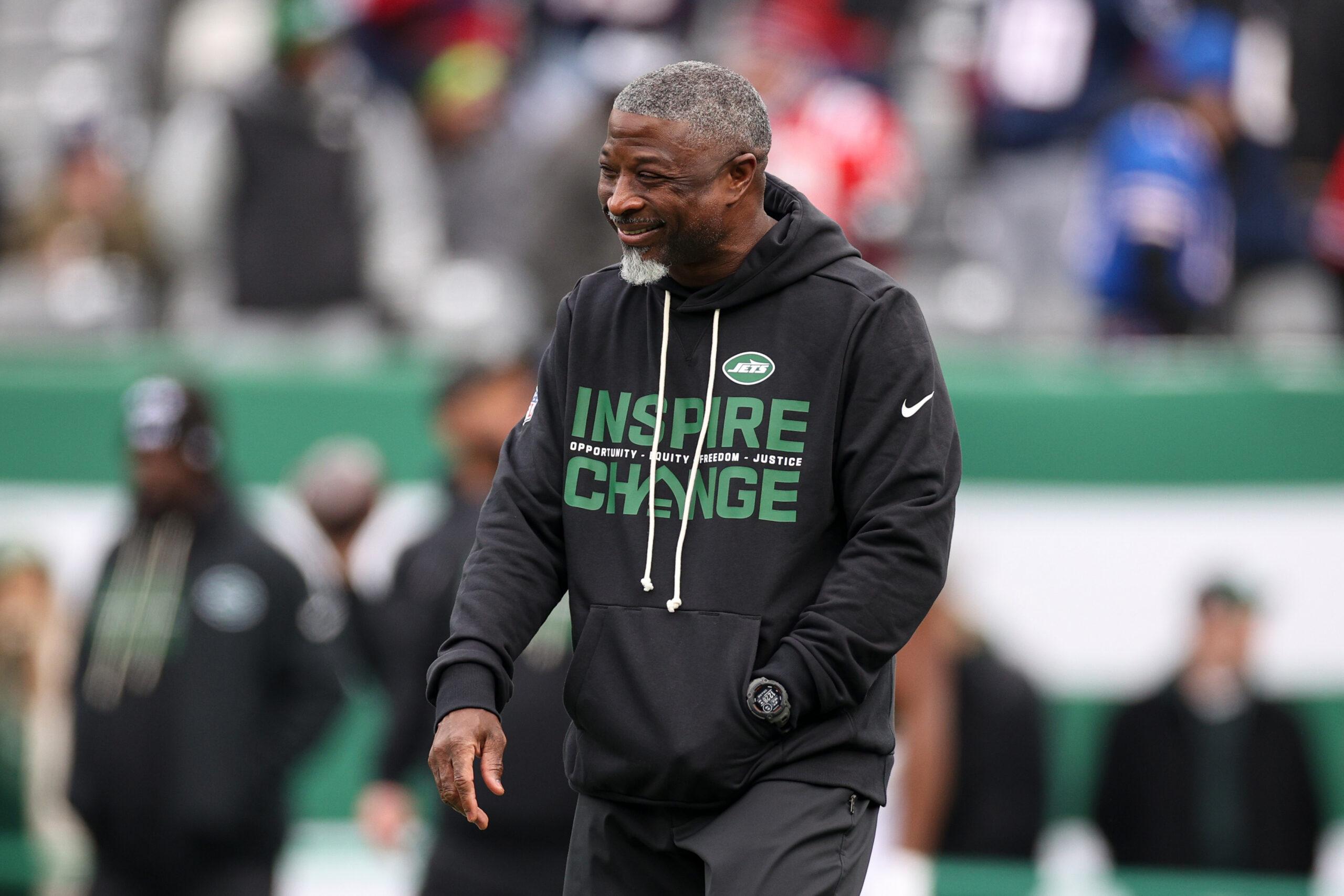
If we were ranking based only on the results of the 2026 NFL draft, New York wouldn’t be at the bottom. The Jets made a couple of surprising moves, taking edge rusher David Bailey second (instead of edge-linebacker hybrid Arvell Reese); drafting tight end Kenyon Sadiq with the no. 16 pick, a year after selecting Mason Taylor in the top 100; and then trading back up into the first round to get receiver Omar Cooper Jr. at no. 30. Each of these players should be an immediate starter and can contribute to this rebuild, setting up a better landing spot for the next rookie (or veteran) quarterback the Jets add in 2027.
But we’re not giving New York points for what might happen in the future. Geno Smith might be an upgrade over Justin Fields at quarterback, but Smith was still one of the five worst starters in the league in 2025, when he was with the Raiders. Aaron Glenn’s defense also added a bunch of aging or underwhelming veterans to an already bad unit, which is an early candidate to be the worst in football. Success for this team would be getting the no. 1 pick in 2027, which makes it deserving of the 32nd spot in these rankings.