The Light From the Dark Side of the Moon
NASA’s Artemis II mission sent four astronauts deeper into space than any human beings have gone before. It revealed what’s still possible, in every sense.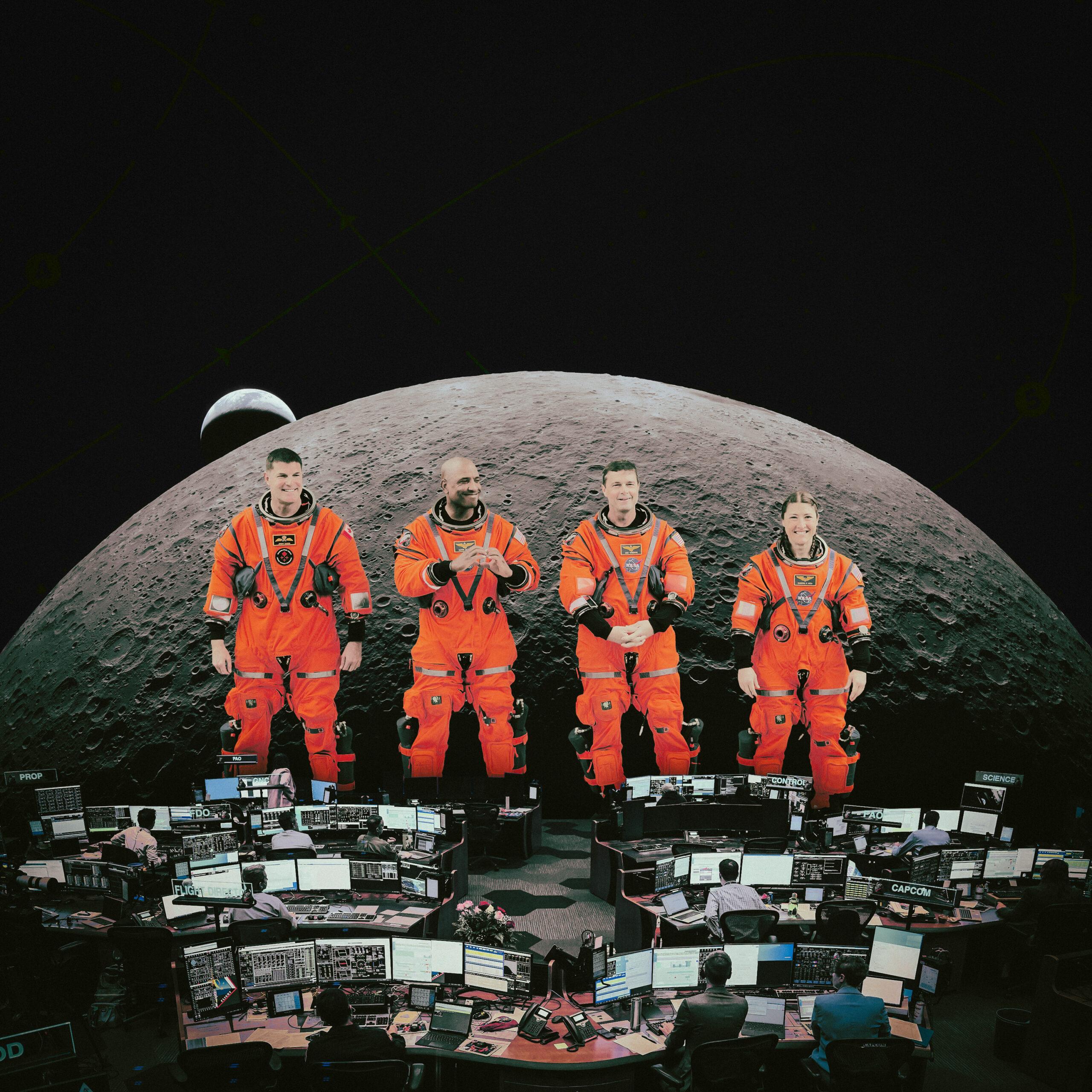

On Monday, the four astronauts of NASA’s Artemis II mission traveled deeper into space than humans have ever gone before. Integrity, their Orion-class spacecraft, reached a point 252,756 miles from Earth, surpassing Apollo 13’s record, set in 1970, by more than 4,000 miles. The mission, a test flight conducted as part of NASA’s preparations for returning astronauts to the lunar surface, will continue until around April 10, when Integrity is scheduled to reenter the Earth’s atmosphere at approximately 25,000 miles per hour before splashing down in the Pacific Ocean near San Diego.
What follows is a thoroughly calm, reasonable, and objective analysis of this historic accomplishment.
There are people?? In space??? Right now????
There are people!! In space!!! Right now!!!!
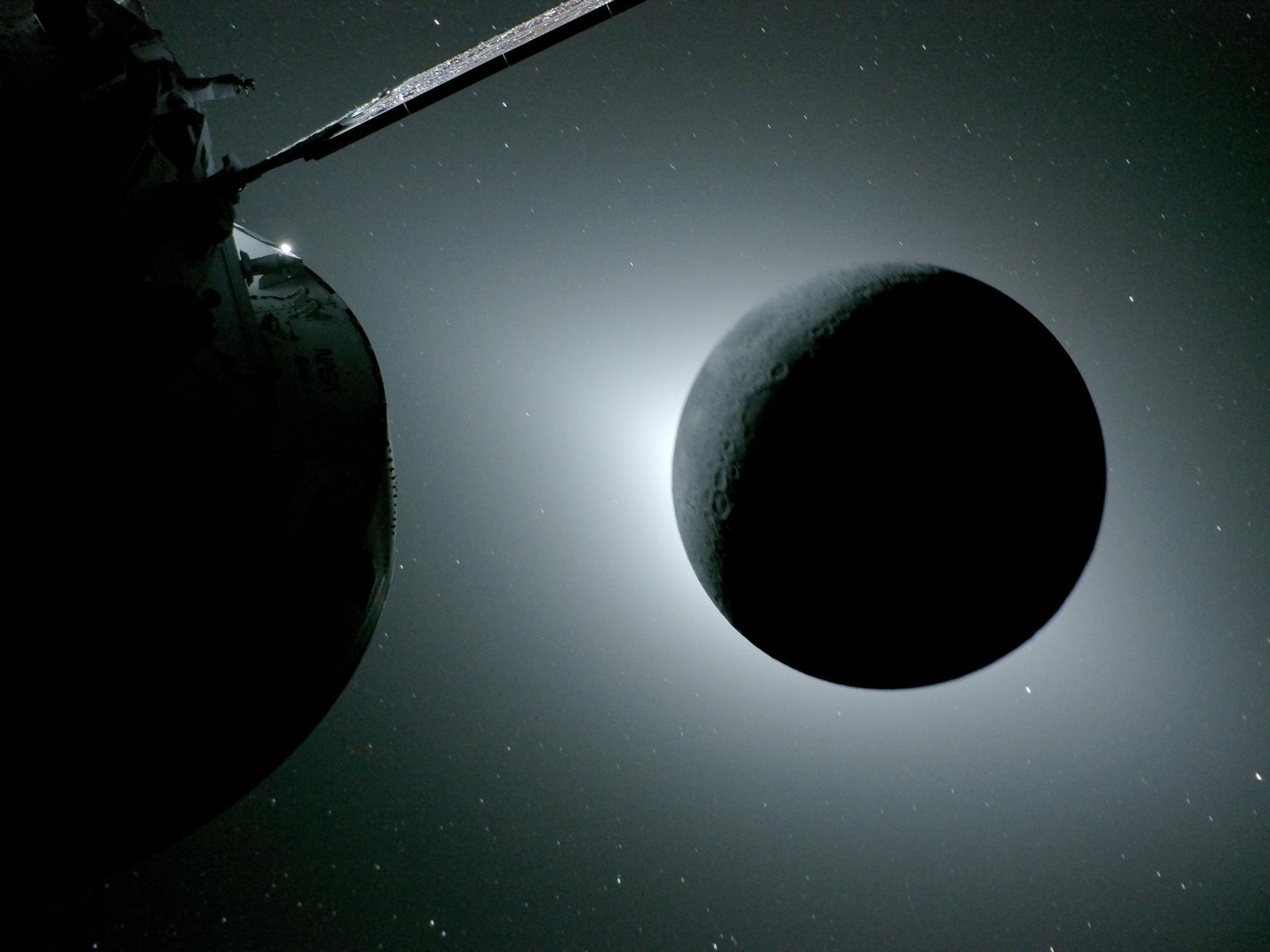
This is so beautiful and inspiring?
It is simply so beautiful and inspiring!
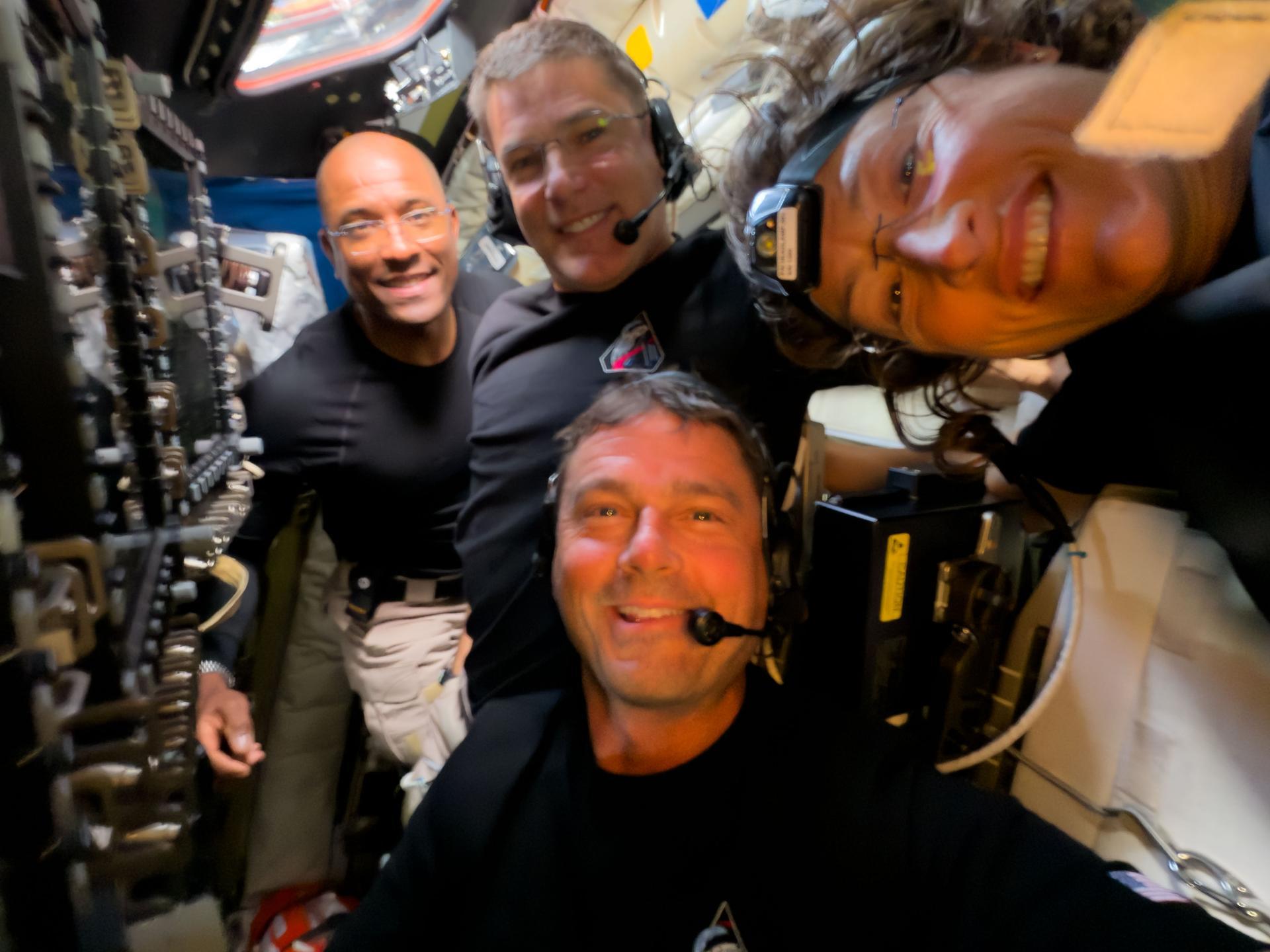
Who are the astronauts?
The mission commander is Reid Wiseman, a 50-year-old former Navy pilot from Baltimore; you might have heard about him because the crew requested to name a newly discovered lunar crater after his late wife, Carroll, who died from cancer in 2020.
The pilot is Victor Glover, a 49-year-old who grew up near Los Angeles; Glover used to fly F/A-18s, and on this mission, he became the first Black astronaut to travel around the moon.
The first mission specialist is Christina Koch, a 47-year-old engineer and NASA veteran who grew up in North Carolina. Koch spent 328 days aboard the International Space Station in 2019 and 2020, during which time she made the first edit to Wikipedia from space. With Artemis II, she became the first woman to travel around the moon.
The second mission specialist is Jeremy Hansen, a 50-year-old Canadian astronaut who grew up on a farm in Ontario; on this mission, he became the first Canadian to travel around the moon.

Wait, speaking of the International Space Station, aren’t there actually people in space, like … all the time?
Technically, yes. But really, and I mean no disrespect to the ISS here, it is not the same thing at all. The ISS is in low Earth orbit, about 250 miles above the planet. Integrity traveled more than one thousand times farther into space. It’s actually hard to process how far it went! You look up at the moon, and it seems like it’s just sort of … right there. Like, if there were a road running into the sky, you could drive to the moon in some reasonable number of hours. In my heart, the moon generally seems about as far away as Cleveland.
Believe me when I assure you that the moon is farther away than Cleveland. Here are two ways to think about how far the Artemis astronauts went.
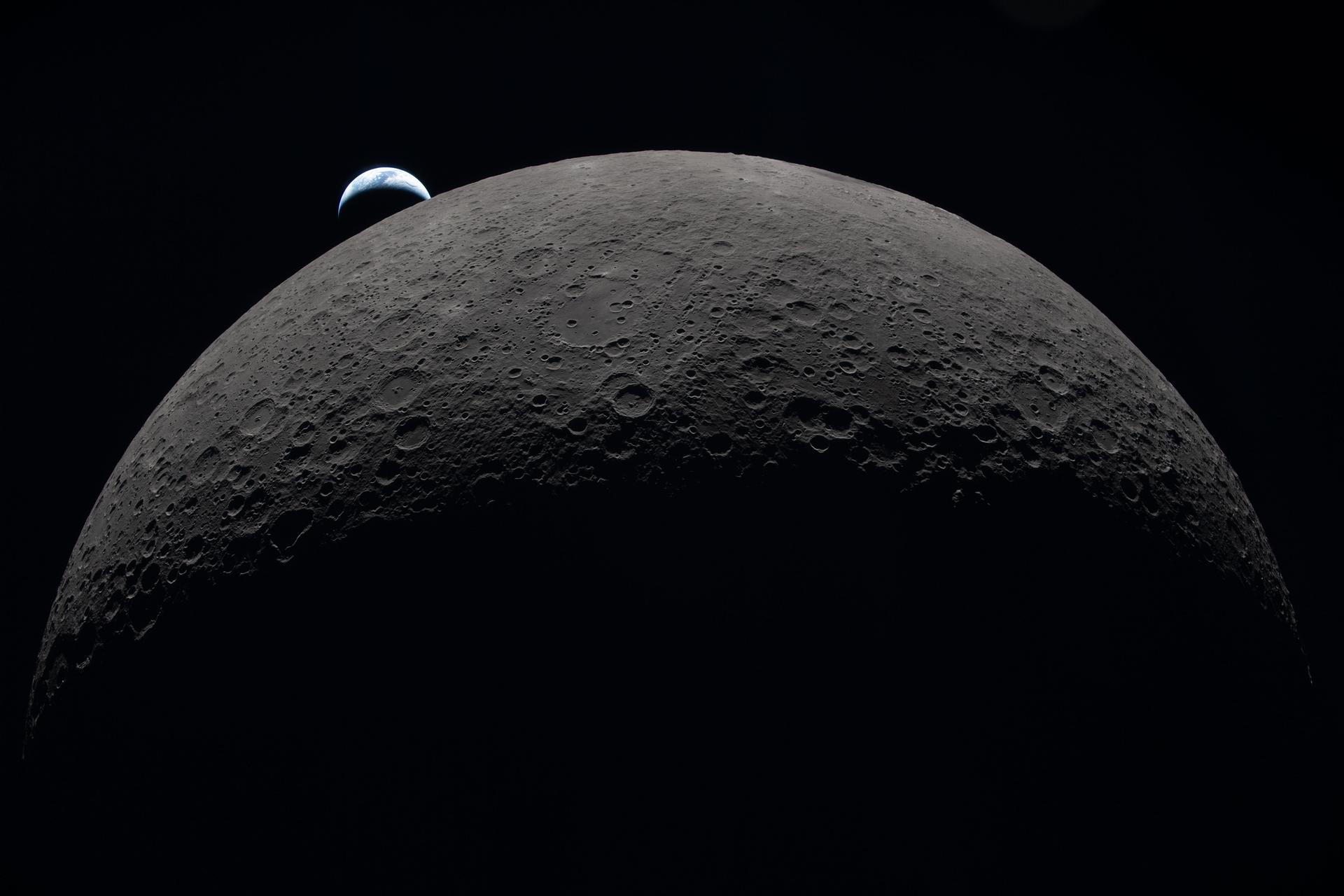
One: Earth has a diameter of about 8,000 miles. You would have to line up 31 entire Earths, side by side, to span the 250,000 miles between our planet and the farthest point Integrity reached.
Two: Imagine a basketball court. Take a basketball and put it on the ground directly beneath one of the nets. The basketball is Earth. The International Space Station is less than half an inch from the ball. Now walk out to the top of the 3-point line and put a tennis ball about a foot outside it. That’s the moon. And again, the Artemis crew traveled beyond the moon—4,000 miles beyond it, into what scientists sometimes refer to as the “cosmic Steph Curry zone.”
Using this metaphor, all human space exploration during the past five decades has taken place in the tiny zone of a few millimeters around the basketball. No one has made it out to the 3-point line since the 1970s. And no one has ever made it as far as the Artemis crew just did.
As cool as that is, why are we sending people to the moon right now? Didn’t NASA stop doing moon stuff in, like, Elvis’s jumpsuit era?
NASA stopped landing astronauts on the moon more than 50 years ago, after the Apollo 17 mission in 1972. The reasons for this are complex, but basically it comes down to budget cuts, politics, and some very high-profile disasters in the space shuttle program—the Challenger explosion in 1986, the Columbia explosion in 2003—that set back NASA’s progress and weakened its influence.
The U.S. now wants to return to manned lunar missions because China is getting ready to land its own astronauts on the moon.
Oh, so it’s a new space race?
Yes.
Is that why the Trump administration is backing this, despite carrying out a full-scale assault on American science almost everywhere else?
Precisely. China, whose space program is less advanced than that of the U.S. but also less subject to sudden shifts in political winds, says it will land astronauts on the moon by 2030. President Trump wants to land Americans there in 2028, before his second term ends. NASA chief Jared Isaacman, a billionaire businessman and Elon Musk ally whom Trump nominated to lead the space agency last year, is under pressure to make it happen.
The reasons for this are partly symbolic: The 12 Americans who have walked on the moon are the only humans ever to have done so, and the U.S. would lose unquantifiable world-superpower status points if China took its space supremacy corner. Trump would also presumably get a massive ego boost if he could claim to have masterminded the triumphant return to the Buzz Aldrin and Neil Armstrong glory days.
But the reasons are also partly strategic: Both China and the U.S. are interested in establishing a long-term lunar presence, and whoever gets there first will have a lot of power to shape the moon’s future. They’ll also be able to lay claim to the most desirable territory, at the moon’s south pole, where the deep craters are cold enough to hold ice. This ice could conceivably be used for everything from supplying moon colonists with drinking water to making rocket fuel, though no one knows how much ice is there.




More From Brian Phillips
What does “a long-term lunar presence” look like? Why do the U.S. and China want moon bases all of a sudden?
Well, there’s no concrete plan for establishing a long-term moon colony, so what it would look like is anyone’s guess. But the countries’ reasons for wanting to establish such a thing are varied. The chance to expand scientific knowledge is probably what animates most people who work for NASA. As for the politicians and bureaucrats, it’s worth noting that many private companies are interested in commercializing the moon, mostly by mining its resources, and in an administration as driven by cronyism as this one, that probably counts for a lot. So does the fact that tech oligarchs are currently indulging in doomsday fantasies about building themselves kingdoms on Mars, a project in which a lunar base could be some sort of waypoint.
My sense, though, is that the U.S. and China have mostly decided that the moon is important and can’t let the other have it. (This is how my dogs approach stuffed bunnies.)
Ugh, so is this mission secretly bad? Why does everything have to be bad now?
Are you kidding? Artemis II is not bad! The context in which it’s happening could be better. Our political leadership is dire. It sucks that the head of NASA is a billionaire crony who has close ties to Musk and wants the agency to subcontract more of its work to SpaceX and the private spaceflight industry. And a struggle for lunar supremacy between two terrestrial nations is a grim prospect. On the other hand …
Astronauts just traveled 4,000 miles beyond the moon!!!!!!
Yes! They did! And I’m sorry, but in 2026 I will take a voyage of scientific discovery conducted by brilliantly competent NASA experts working in the public interest (and not for SpaceX, but you knew that because the launch succeeded) as a measure of what humanity is capable of at its best and as an antidote to … well, pretty much everything else that’s going on.
What are the astronauts doing while they’re up there?
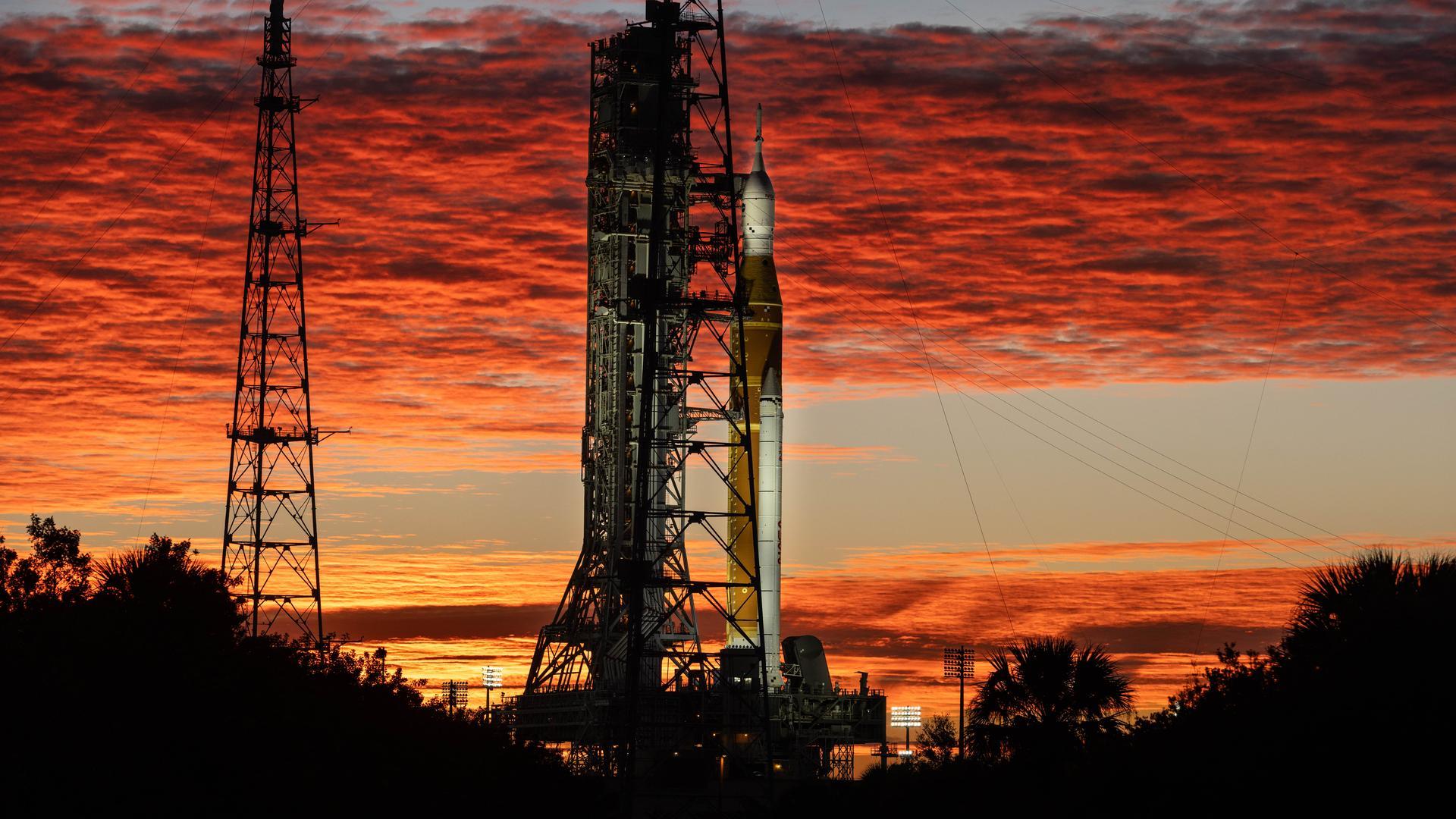
The biggest thing is testing how the ship works, which is a helpful thing to know if you plan on using it to land on a celestial object. Artemis II is the first crewed mission using NASA’s Space Launch System rocket, the 322-foot-tall launch vehicle responsible for blasting the Orion spacecraft beyond Earth’s orbit. Prior to Artemis, every manned mission into lunar space relied on the Saturn V rocket, designed for the Apollo program. (The space shuttles many of us know from our childhoods were never capable of going to the moon; they were designed only to reach low Earth orbit, or about 0.2 percent of the distance traveled by the Artemis crew this week.)
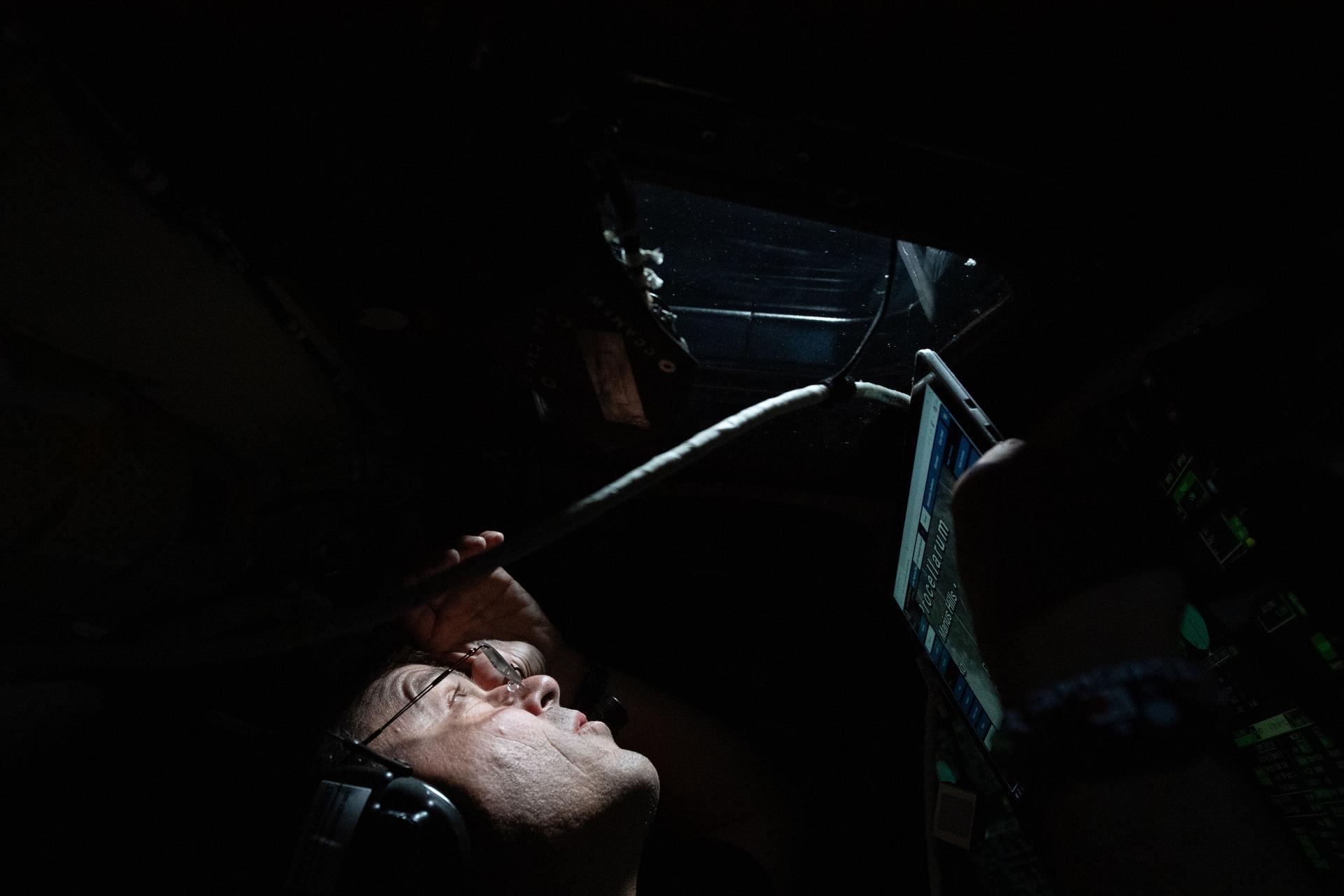
So the Artemis astronauts are testing out all the flight systems of the SLS and the Integrity module. They’re testing the communications system, which uses literal laser beams to transmit messages back to Earth. They’re testing the life support systems. They’re testing the toilet. (They actually had multiple problems with the toilet and at one point had to unfreeze urine that had stuck in the ship’s vent lines by tilting the spacecraft toward the sun.) They’re testing thruster control modules and space suits. They’re testing the effects of radiation and microgravity on health.
They are taking awe-inspiring photos, and they’re looking at the dark side of the moon (!!!), and they’re contemplating life, as people tend to do when they view the Earth from space.
So this isn’t even the real mission? They’re just getting stuff ready for the real mission?
Anytime you travel a quarter of a million miles into space, what you are doing is the real mission. It is as real as a mission can get.
Why is it that Artemis II feels so inspiring, even by the standards of a NASA spaceflight?
One day after the crew broke the record for the deepest flight into space in human history, Trump issued a nakedly genocidal threat to destroy Iran’s “whole civilization,” as evil a public utterance, in my opinion, as an American president has ever made. Republicans at the federal, state, and local levels are defunding science and the arts, rewriting history, and butchering education (both higher and lower, and Democrats are all too keen to help). The MAGA movement’s attack on wokeness has returned explicit racism and misogyny to a central place in American politics.
Meanwhile, the AI industry has imperiled the American economy while making us cognitively weaker and straining our already damaged relationship with the truth. The vision of the future emanating from both Washington and Silicon Valley is one of ignorance, confusion, and subservience, sustained by manufactured grievance and the theater of violence. Big tech, which at one time seemed to have inherited the space program’s promise of a utopian sci-fi future, now seems hell-bent on making us accept a world where everything feels bad and nothing works. Microsoft Outlook is installed aboard Artemis II; it failed twice on the first day of the mission.
Microsoft aside, though, Artemis shows us an alternative to every horror on the above list: a diverse, multinational crew of astronauts, performing an unbelievably complex mission grounded in empirical science and presenting a vision of the future that—whatever Trump and Isaacman think—feels 250,000 miles removed from the one in Sam Altman’s brain. One thing about flying to the moon is that you can’t bullshit, grift, or hallucinate your way there. You are launching a tiny object across an astonishing distance toward an only somewhat less tiny object, with almost no margin for error; in those circumstances, you can’t dismiss or overwrite reality because it makes you feel bad or because it’s inconvenient. You can’t assert your own version of facts or say the truth doesn’t matter. You have to know what you’re doing. You have to operate within the reality that’s actually in front of you, and you have to work together, and when you do it—because it can be done!—you get to understand the world in a new way.
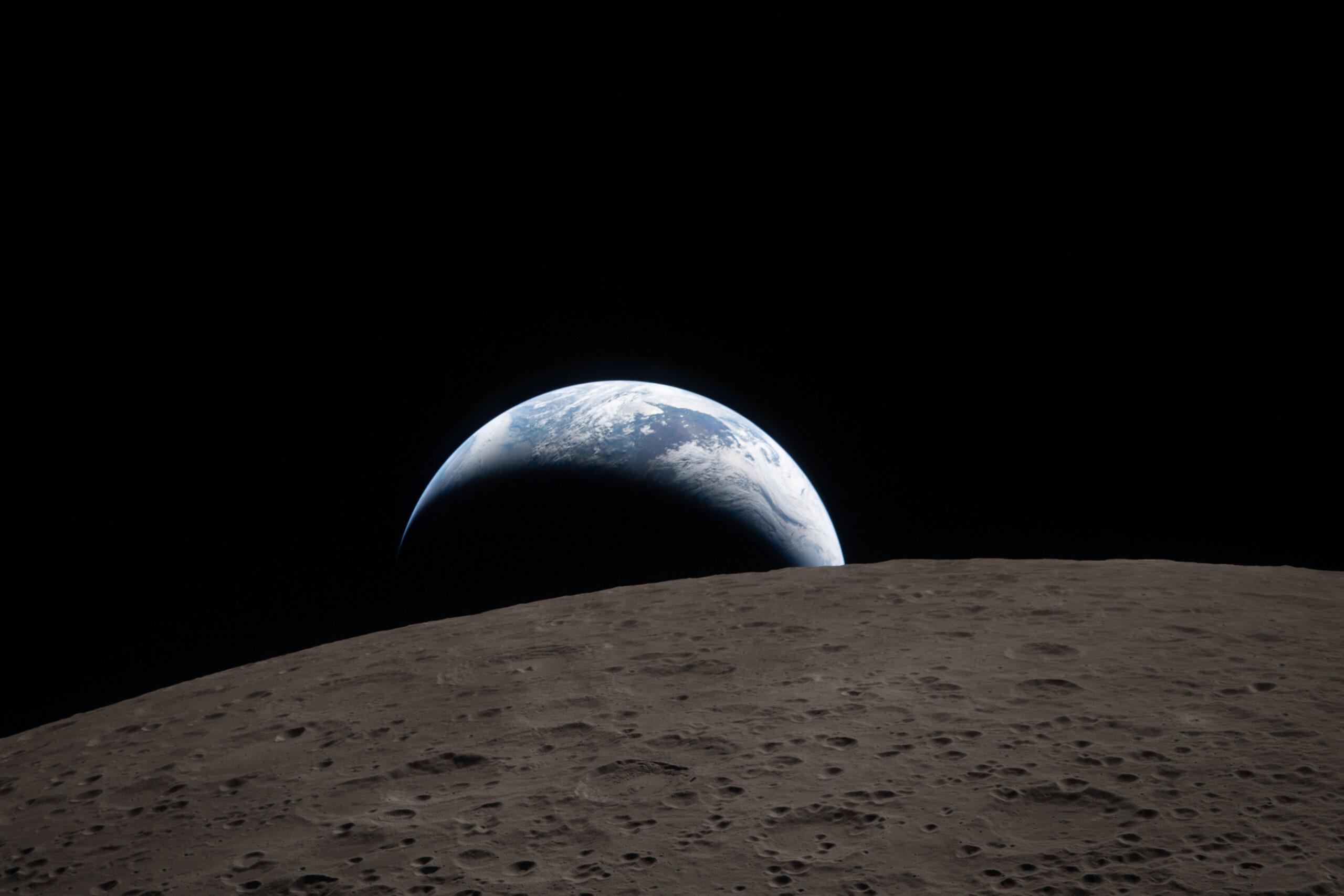
Maybe it would seem corny if I tried to describe this all from my office in Pennsylvania, but since it’s not possible to be corny when you’re outside Earth’s orbit, I’ll leave it to Glover, Integrity’s pilot, who said this on Sunday, which happened to be Easter:
In all of this emptiness—this is a whole bunch of nothing, this thing we call the universe—you have this oasis, this beautiful place that we get to exist together. I think, as we go into Easter Sunday, thinking about all the cultures all around the world, whether you celebrate it or not, whether you believe in God or not, this is an opportunity for us to remember where we are, who we are, and that we are the same thing, and that we’ve gotta get through this together.
That’s why I think Artemis II has struck such a chord with people. It’s a brief, unexpected, utterly beautiful reminder that what we’re going through now, as bad as it is, is not inevitable. Other lives are possible.
Also, because—you guys!—astronauts just traveled 4,000 miles beyond the moon.
So when are we gonna land on the moon, then?
Artemis IV is currently scheduled for launch in early 2028. NASA missions do have a tendency to get pushed back, however. Stay tuned!