

The 2025 NBA draft class has lived up to its billing in ways both projected and unforeseen. There are potential superstars, historic shooters, and game-changing big men in our midst, and even a couple undrafted free agents who have emerged from the shadows and altered the rotational trajectory of their respective squads. These are the most important and impactful rookies at the midway point of the season. Let’s call them the Freshman 15.
Kon Knueppel
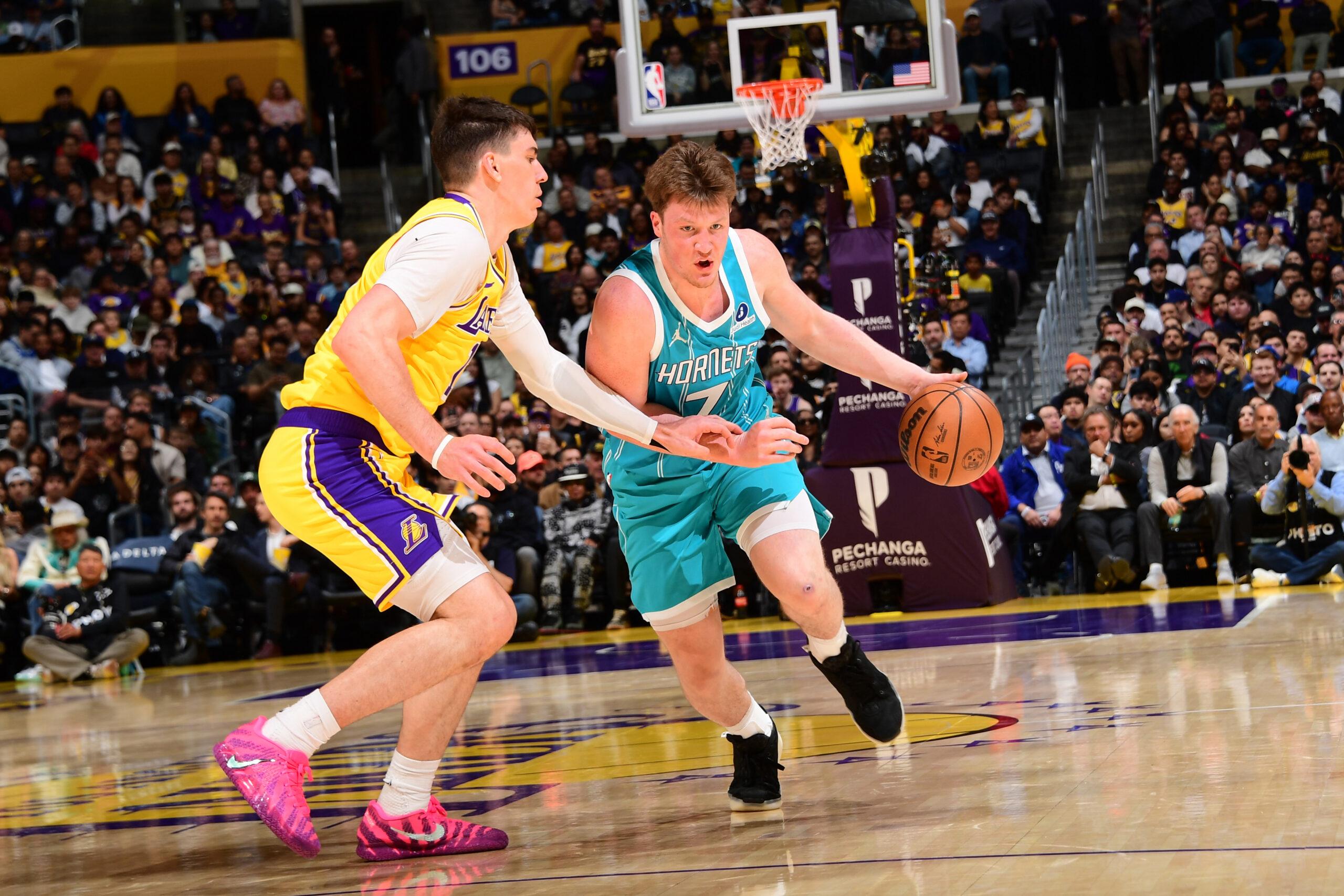
Let’s start with a fact: Knueppel—as a rookie!—is having as efficient a season shooting the ball as Steph Curry in the twilight of the Warriors’ dynastic years at the end of the 2010s. He’s on the sort of trajectory that would easily place him as one of the greatest shooters of all time. He is the actual, blushing manifestation of how Sacramento Kings owner Vivek Ranadive had described Nik Stauskas back in 2014, in what now reads like a lazy AI-assisted build-a-player prompt: “He shoots like Steph, and he’s big like Klay.”
The layers upon layers to Knueppel’s game reveal themselves with every possession until you realize he’s integrated himself into every fiber of the Charlotte Hornets offense. The natural impulse at Duke was to think of Knueppel in a Corey Kispert or Isaiah Joe mold at the NBA level; by the end of the season, it became clear he possessed a latent dynamism that was more akin to a bigger, broader Desmond Bane. That optimist’s view of Knueppel’s game has materialized in the league. Almost from the jump, the fourth overall pick has become an organizing principle of a once haphazard offense.


There is infinite mileage for the Hornets to get out of Kon slipping a screen and darting into wide-open space behind the arc, or flashing into the paint, where he’s shooting 60.6 percent in the short midrange. Charlotte also leverages his supreme off-ball shooting and snap decision-making by turning him into a downhill driver out of zoom actions, having him run a parabolic arc off a down screen straight into a dribble handoff. With an advantage created, at .75x speed, the world is his oyster: a lob, a pull-up, a last-second spray out to the corner, a Romanesque driving layup that would’ve felt right at home in the 1950s. It would’ve been enough if Knueppel were just an awesome shooter, but he can force a defense to overleverage itself in so many different ways.
Within the NBA’s pace and space, Knueppel is legitimately a player you can build an offense around, a piece that makes other pieces make sense. His Hornets have had the best offensive efficiency in the NBA since mid-December, coinciding with Brandon Miller and LaMelo Ball returning from injury. Charlotte is scoring a blistering 128 points per 100 possessions when the trio of Knueppel, Ball, and Miller share the floor, the highest net rating of any non-Nuggets three-player lineup in the league that has played at least 250 minutes together. Knueppel has been one of the biggest revelations of the season. There’s only one person that could keep him from resoundingly winning Rookie of the Year: his former teammate.
Cooper Flagg
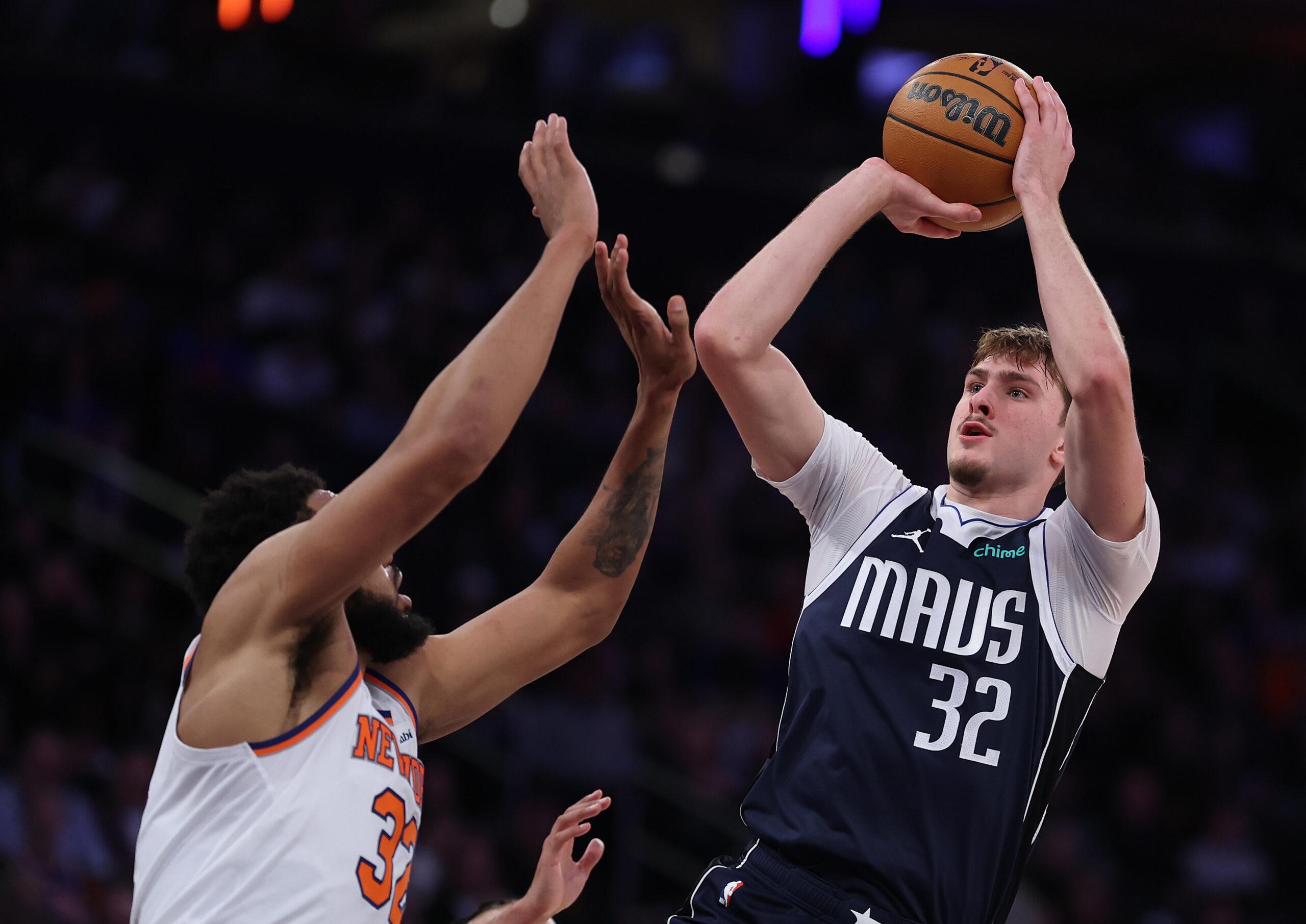
Flagg’s superpower might well be his near-infinite capacity. How many other teenagers across time could handle the burden of being a unanimous no. 1 prospect, nonetheless one selected by a Dallas Mavericks team haunted by the shadow of one of the worst front-office decisions in NBA history? Or how about getting thrown into the role of lead creator on day one? And serving as a steeling presence in crunch time for a team that has strangely played more minutes in clutch situations than any other team in the league—all while seemingly demanding more weight?
Yet Flagg has been able to scale up his metabolism and face all of the challenges the NBA has thrown at him at every new plateau. Dallas has only just reached the halfway mark in the season, yet Flagg is top 10 in the league in minutes played, having surpassed his career minutes total at Duke before the end of 2025. He was the best player in college basketball at 18 years old; one year later, with eerily similar statistical averages, he’s putting up one of the most impressive NBA rookie campaigns of the past two decades. The Rookie of the Year race between Kon Knueppel and Flagg has been tighter than anyone could have imagined, but there is a runway for Flagg over these final three months of the season to level up with Anthony Davis likely out of the picture. He’s already making the ascent:
It looks different because it is different. It’s evident to everyone that Flagg doesn’t possess the tightest handle, or the cleanest jump shot, but his habitus on the floor consistently matches the moment in front of him. There is already nothing that he can’t do, yet there is also little that he isn’t getting incrementally better at, game by game. When he lurks in the shadows on defense, timing his steps in the paint for a weakside rejection, his shoulders splayed and his arms fully extended outward—he looks massive. When he goes mismatch hunting to take a smaller defender off the dribble, he gets low, sinking his enormous shoulders to a level below the defense, minimizing his surface area to both reduce drag and grant a wider range of steering on his drives to the rim.


We haven’t seen a rookie given as much self-creation responsibility since Cade Cunningham in 2021—Cade was 20 years old in his NBA debut, Cooper was 18. That’s an important distinction. It’s impossible not to bring up the age curve with Flagg’s development. What he’s done at his age means every milestone is potentially historic. He is shaping a trajectory that few players in the sport have ever had access to—and really, we’re just talking about LeBron James, when you factor in the age in which they were given the keys to a franchise. This isn’t the kind of talent that you downplay. This is a player worth championing at the ground floor.
V.J. Edgecombe
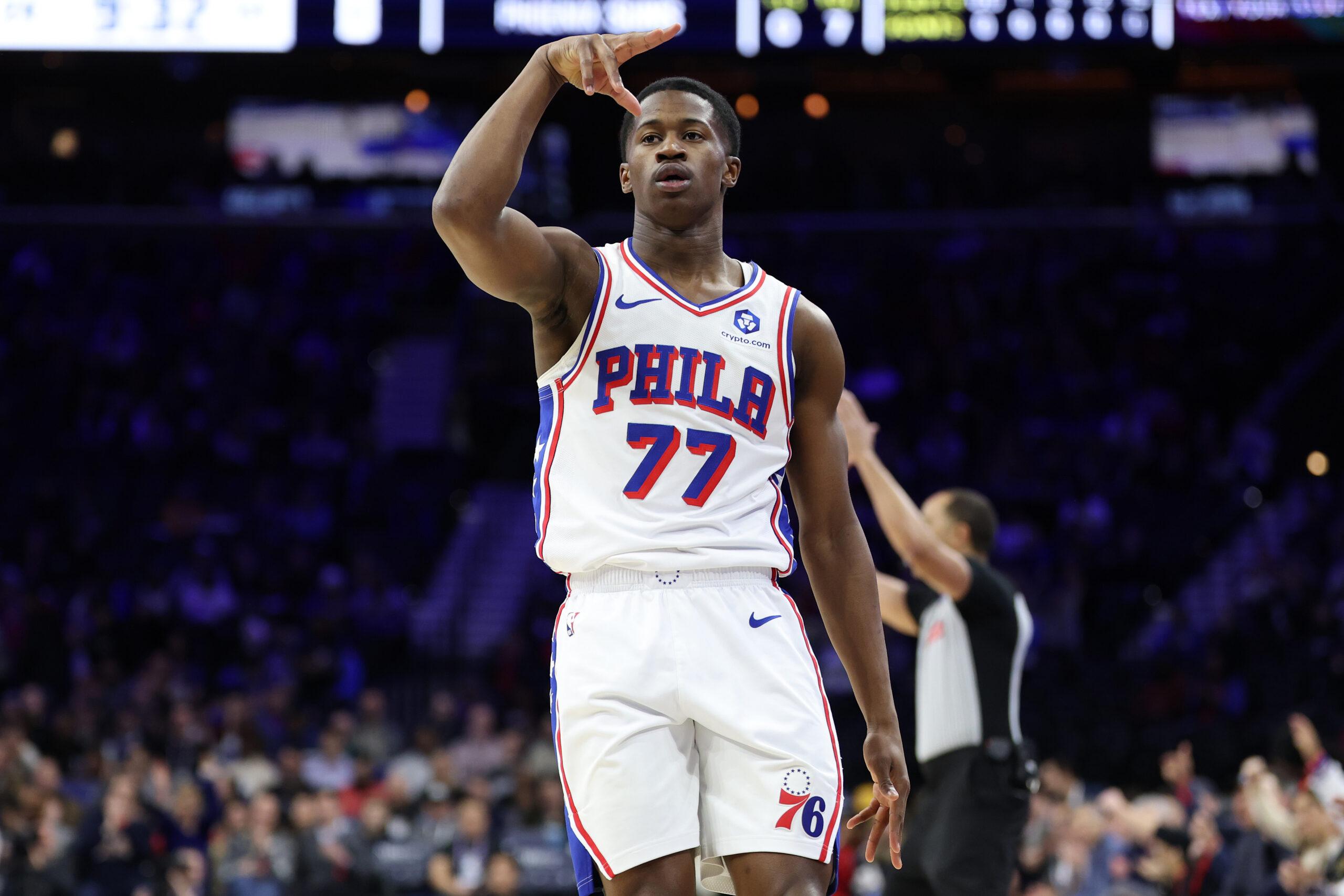
There’s this term in the U.K. and Australia—“moreish”—often used in food competition shows (you’ve no doubt heard Paul and Prue utter it a few times on Bake Off) that sounds like exactly what it means: a dish that sinks its teeth into you, something you just want more of. It’s how I’d imagine Sixers fans and brass feel about Edgecombe’s rookie season. It’d be more than enough if he were just a star in his role as a high-intensity defender and spot-up shooter. But that energy has kept him on the floor (he leads all rookies in minutes per game), and the trust that Sixers coach Nick Nurse already has in him has allowed Edgecombe to tap into some of his all-around upside way ahead of schedule.
Befitting the space he’s already claimed in the hierarchy of the Sixers, Edgecombe has one of the best on/off net rating differentials on the team. When he and Tyrese Maxey share the court, Philly is outscoring teams at a rate of 5.2 points per 100 possessions, the kind of net rating a top-five team in the league would exhibit. The synergy of Edgecombe and Maxey has aptly come fast and furious. The threat of their collective athleticism puts defenses in a double-bind, especially when they’re running actions in tandem. Edgecombe’s overall shooting profile was a pressure point coming into the season, but he had sterling catch-and-shoot 3-point numbers at Baylor, which have translated seamlessly to the NBA. The Sixers have highlighted that by involving him as a guard screener for Maxey, where Edgecombe can slip into open space on the wings with all the attention that Maxey commands on the drive. V.J. is shooting a blistering 62.5 percent from 3 as the screener on pick-and-pops, according to Synergy Sports.
His efficiency as a pick-and-roll handler hasn’t been as good, but the flashes are unmistakably star-caliber. Hell, the fact that we’re even talking about his self-creation feels like a cherry on top given how elite Maxey has become in that regard. Plus, Edgecombe has done more than enough on both ends of the floor to warrant more reps and experimentation: Maybe punting a possession on offense for the interest of science would be more wasteful if Edgecombe wasn’t already the team’s most galvanizing defender. He has the instincts and competitive makeup to enter the Jrue Holiday and Herb Jones class of defender, but how many of those hellhounds have this kind of vertical pop?
If there is an area that still needs a bit of refinement, it’s his touch around the basket—which ought to come with time (his backcourt mate has some of the best in the league). Edgecombe hasn’t quite found his sweet spot on runners and floaters in the lane, which is an imperative skill to have at his size. His athleticism is more graceful than it is violent. Derrick Rose’s patented jump-stop floater was probably the worst thing he could have possibly done to his knees, but that explosive hop-step served as a ballast keeping himself aligned and on balance. Edgecombe’s old habits reemerge in that intermediate range—there is an internal impulse to leap early, knowing he can stay in the air longer than everyone around him, but it throws off the timing of his release and invites secondary defenders to enter the picture.
V.J. entered the league facing the uber-athlete’s conundrum: His outlier physical gifts allowed him to be cavalier with the more precision-based aspects of the game, but those underdeveloped skills can get you eaten alive at the NBA level. Edgecombe set the record straight, literally from Game 1 of his career. There is marked functional improvement in just about every aspect of his game. His shooting mechanics are more fluid, his handle is tighter, the spatial awareness is starting to align more evenly with his jet propulsion. His development is way ahead of schedule, and it’s remapped the entire franchise’s path forward. Joel Embiid is regaining some of his dominant offensive form, and Maxey’s ascension is one of the great storylines of the season. Edgecombe being as good as he’s been in his rookie year has allowed the franchise to embrace the present rather than lament lost opportunities in the past.
Derik Queen
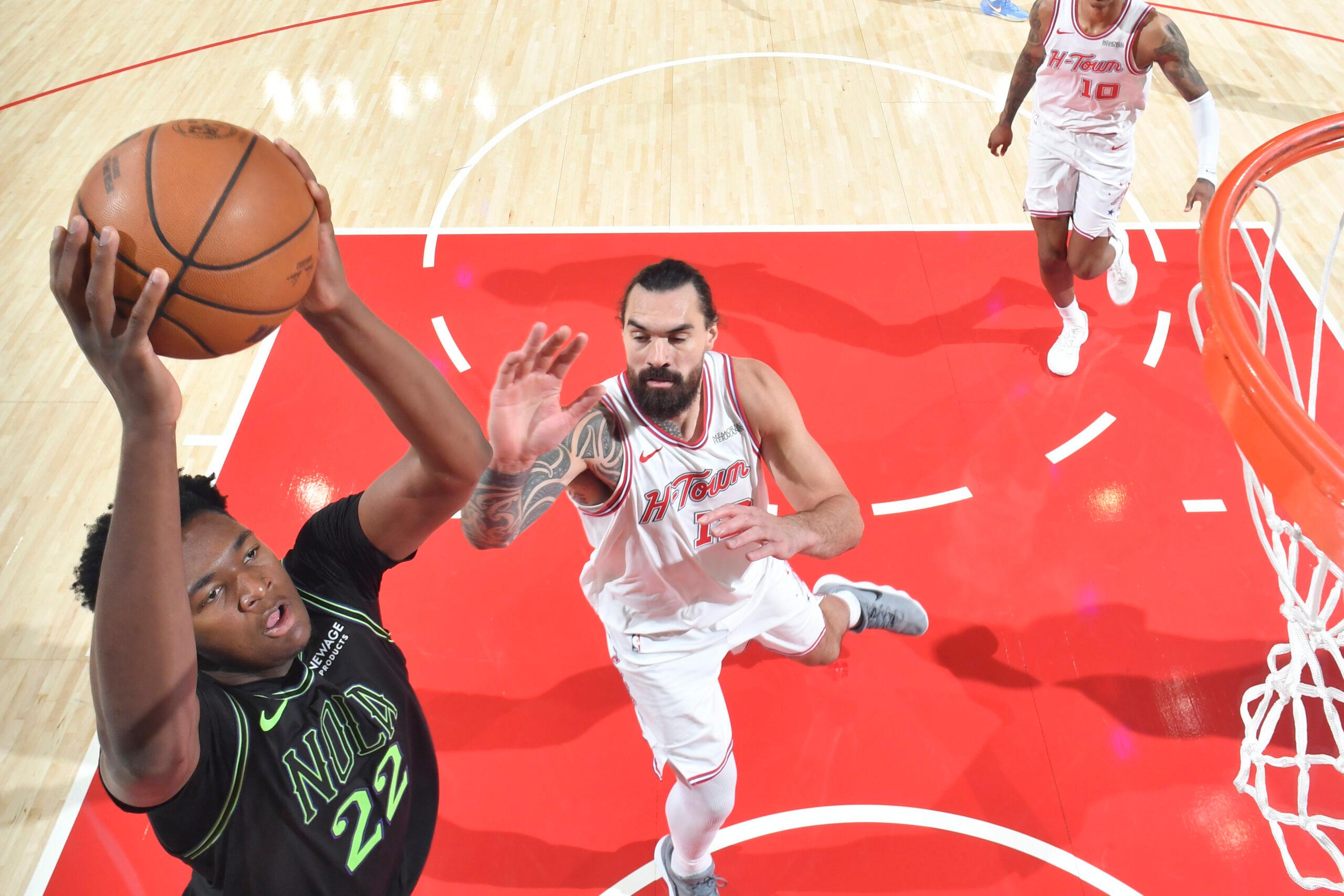
The jovial, big-kid energy Queen exudes underlies the magic he creates on the court. The Pelicans big man is the rookie leader in assists on the season, and it’s no fluke. At his size and vantage point, he has access to every window and trajectory in the book, but he also has the touch to usher his visions into reality. No one else has both the skills and the precognition to flick a crosscourt skip pass over the top of an entire defense to the weakside corner before the shooter even gets to his spot, with enough loftiness for it to land in the shooter’s pocket at the perfect moment to rise and fire. No one in this class throws a better lob pass—just ask Trey Murphy III.
At this rate, Queen will be just the fifth rookie center in NBA history to average at least four assists per game—and the first in 50 years. He’d join a cohort of Kareem Abdul-Jabbar, Bill Walton, Alvan Adams, and Maurice Stokes—three of which won Rookie of the Year, three of which are Hall of Famers. This all suggests a high level of clarity from Queen, that the processing power he showed at Maryland has not suffered one bit at the next level. He’s proved he belongs. When you’re comfortable with your own standing, it becomes easier to help others.
Queen is quickly establishing himself in the phylum of big men who serve as inverted pick-and-roll hubs, already logging two triple-doubles this season. Queen has classic bullyball strength, but does much of his damage downhill off of ball screens by varying his speed and stride in off-kilter combinations. A snappy crossover turns into a boom-laying shoulder bump; a shoulder bump turns into a quick spin move; a spin is offset by a glacially paced Euro-step. The bulk of Queen’s field goals come from within 10 feet; as is the case with Alperen Sengun, a growing comfort with his outside shot would only fortify Queen’s two greatest areas of strength.
Defensively, you take the good with the bad. Pelicans coach James Borrego has talked about simplifying pick-and-roll coverages for Queen at this stage in his development, wanting him to be more aggressive pressuring the ballhandler out in space. That was something Queen did well at the college level, making use of his quick hands and sneaky lateral agility. There are lapses in attention and judgment that come with the territory, but he isn’t the zero on defense that his offensive archetype might insinuate. Queen’s steal and block rates in the NBA are better than his teammate Zion Williamson’s—whose defensive playmaking upside was damn near gamebreaking at Duke.
Given how New Orleans acquired him, Queen has arguably had the most pressure to succeed early of any rookie this side of Flagg. He’s shown enough to prove the team right in believing in him, though there is nothing he can personally do to rectify the front office’s process. The Pelicans are still figuring out who they want to be and who they want leading them into the future, but it’s becoming impossible to see that vision through without Queen as part of the core.
Collin Murray-Boyles
Back in November, Draymond Green reminisced on his podcast about a late-December practice in 2014 that changed his life forever. Draymond had been filling in for an injured David Lee, the incumbent starting power forward for the Golden State Warriors. The team had gone 21-3 in the games Lee missed. Head coach Steve Kerr called upon the starters to walk through plays for the upcoming game. Green, who knew that Lee was set to return, had walked off the court before Kerr shouted, No, no, no, the way we’ve been starting. Green wasn’t going back to the bench. The shift to Draymond—and the myriad ways he impacted the game as a driver, screener, passer, and hybrid perimeter and interior defender—would unlock the dynastic potential of a Warriors team that, to that point, was still hilariously seen as a gimmick.
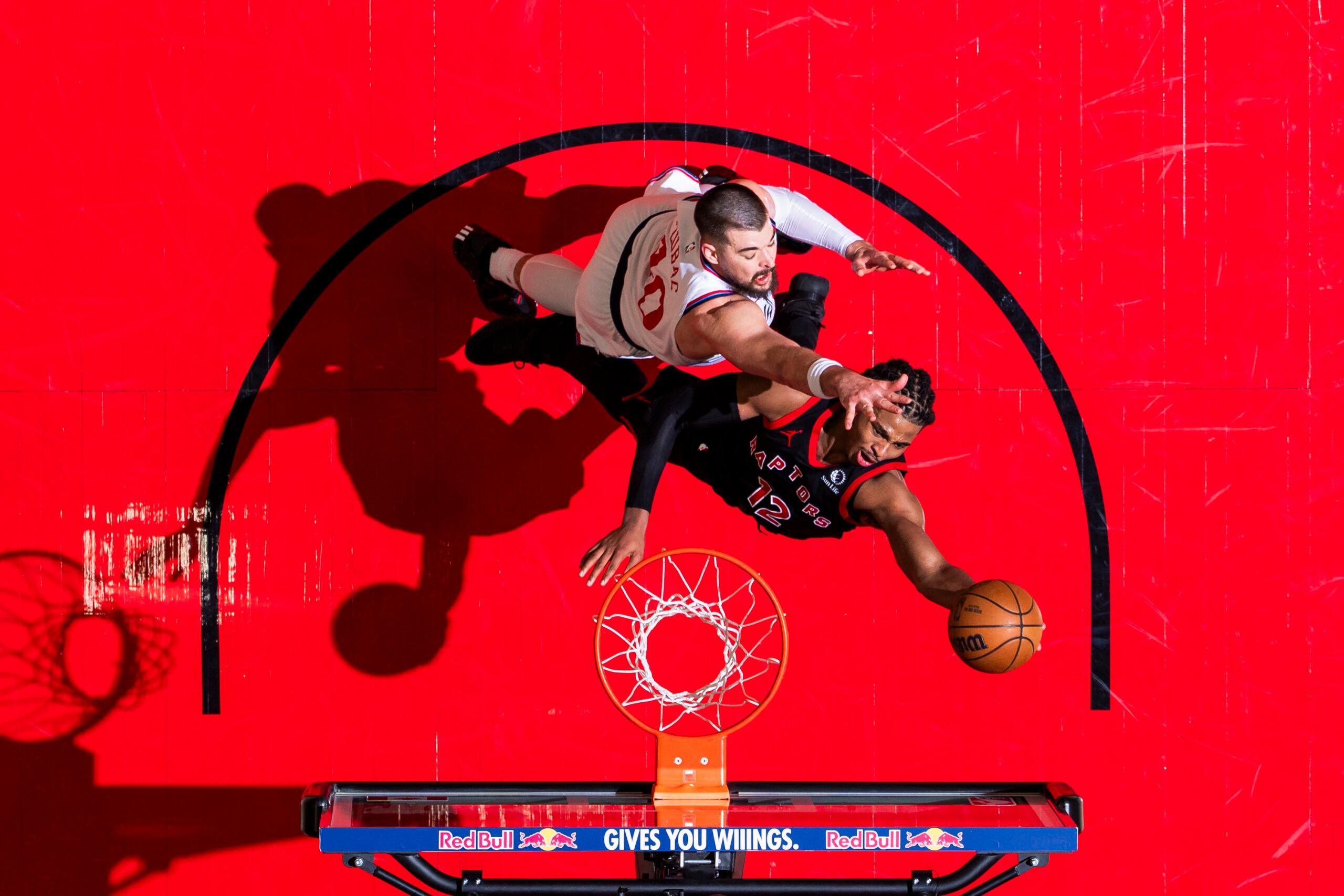
I’ve been thinking about that moment often during Raptors games lately. Out of necessity, the Raptors have been starting Murray-Boyles, the ninth selection, at center in place of Jakob Poeltl, who has been dealing with recurring back issues. At 6-foot-7 and 245 pounds, CMB is no one’s model center, but Toronto is embracing difference with its rookie, whose two-way versatility casts a wider net with each passing game.
On defense, Murray-Boyles does a lot of everything. The Raptors are a franchise that knows a thing or two about prioritizing versatile defenders; there is a chance CMB is the best the team has ever developed in-house. On any given possession, he can and will body a ball handler at the point of attack, hustle furiously into the paint to deny the middle, jump out on the perimeter to close on the corners, and emerge out of the blue to meet any drivers who mistake the Raptors’ lack of positional size for a complete void of rim protection. Murray-Boyles’s hands are a natural wonder, befitting his nebulous place on the positional spectrum. They are nearly 2 inches wider than they are long. His hand length was similar to that of the 6-foot Jase Richardson at the predraft combine; his hand width was similar to that of the 7-foot-2 Khaman Maluach. The real anomaly here is how quickly his mitts can alternate between soft skill and hard labor. Any pass made in his relative vicinity is at risk of being deflected in midair; a loose dribble is liable to be ripped away cleanly. There are 27 players this season who have logged at least 500 minutes with steal and block rates of at least 2 percent. CMB, just 20 years old, is the youngest of the lot, and the only rookie.
On offense, you can almost hear his internal processor whirring. He is Toronto’s best offensive rebounder, and it’s not particularly close—it’s a talent born of CMB’s most distinguishable qualities: hustle and intuition. The Raptors already trust him to make the correct read from the elbows and instantly find the open man on the perimeter out of the short roll. A player with his punishing physical profile rarely possesses the touch and coordination to fire passes with the craft he exhibits. CMB’s comfort with self-creation is a work in progress, and he hasn’t hit a 3 since 2025, but he’s already made himself invaluable by doing the little things.
Cedric Coward
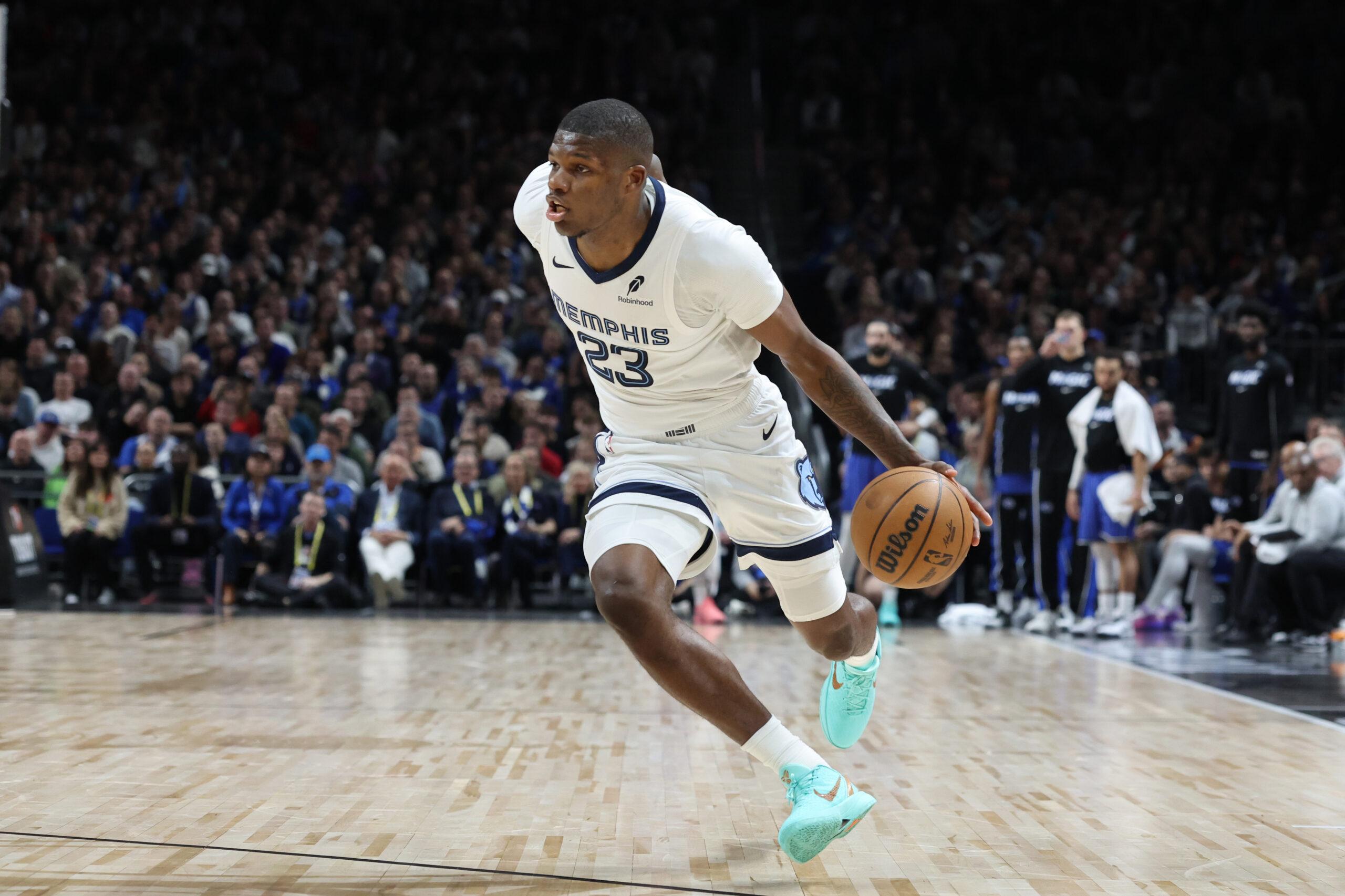
Coward looks (and sounds) like such a natural on the NBA stage that it’s easy to forget there are alternate universes in which he’s starring alongside Cameron Boozer at Duke right now as a transfer from Washington State—part of an even longer, more winding college basketball journey that started at Division III Willamette in 2021. Coward plays basketball with an intuitive understanding of systems: Certain levers allow for certain outcomes, certain gears need elbow grease to begin moving at their proper rate. And he’s more than happy to be the one who ensures the train runs on time. He’s quickly become an essential off-ball mover for the Grizzlies, seamlessly flowing through actions to get open from deep off screens or finding his way into a handoff to attack a tilted defense.
It all starts with what might be an ideal frame for a modern NBA wing: 6-foot-5 with a 7-foot-2 wingspan, a truly anomalous positive ratio. But what has always intrigued me the most about Coward is his lower-body flexibility, which adds uncommon dimensions to a player who under normal circumstances would be a paint-by-numbers 3-and-D athlete. This is what makes Shai Gilgeous-Alexander an athletic outlier; this is the athleticism that doesn’t play out in video clips but in freeze-frames. The threshold-busting bend in his ankles, the ability to swivel his positioning such that his shins are almost parallel to the floor—that extra range of motion allows for more dramatic feints and an easier time getting to his spots. Coward’s ballhandling bag isn’t all that deep, nor is it all that precise at this stage in his career, but it doesn’t have to be. His straight-line drives move in curlicues, and his more advanced maneuvers take unique forms that can flummox defenses all the same. His rocker step—a bit of deception perfected by the likes of Jimmy Butler and Kobe Bryant—isn’t the sudden and explosive lateral fake that’s typically seen; it’s far more protracted in its execution:
It’s essentially the same mechanism that Coward uses to dislodge himself from a flare screen for an open 3. Getting a step on the defense isn’t purely about explosiveness; it’s about understanding how to sell your body movements in ways they aren’t prepared for. Coward naturally has that skill down pat. Memphis’s choice to use him off the ball at this point in his career has been a smart way of getting the most out of his movement skills without putting too much pressure on him too early.
But Coward looks most in his element turning defense into offense. Memphis has thrown Coward into the deep end on defense against some of the best perimeter players in the game, and he’s met the challenge. He’s made some eye-opening stops as a weakside helper, taking advantage of his length and athleticism. Players are shooting 8.2 percentage points worse from within 6 feet of the basket when defended by Coward. With a 7-foot-2 wingspan and one of the best vertical leaps in the class, he ostensibly has all the defensive affordances of a 7-footer at just 6-foot-5. This has also made him an ideal grab-and-go threat in transition. He has the second-highest defensive rebounding rate among Grizzlies rotation players, behind only Zach Edey (whose figure would rank top three in the league if he qualified for minutes).
Memphis is at a crossroads in this lead-up to the trade deadline. Ja Morant’s finally looking like himself—but the team’s saga with him as their franchise player seems to be coming to an end. Coward’s emergence is a salve for uncertain times. You know exactly what you’re getting out of him. He may not be a star you build around, but he’s quickly become someone you can’t build without.
Egor Demin
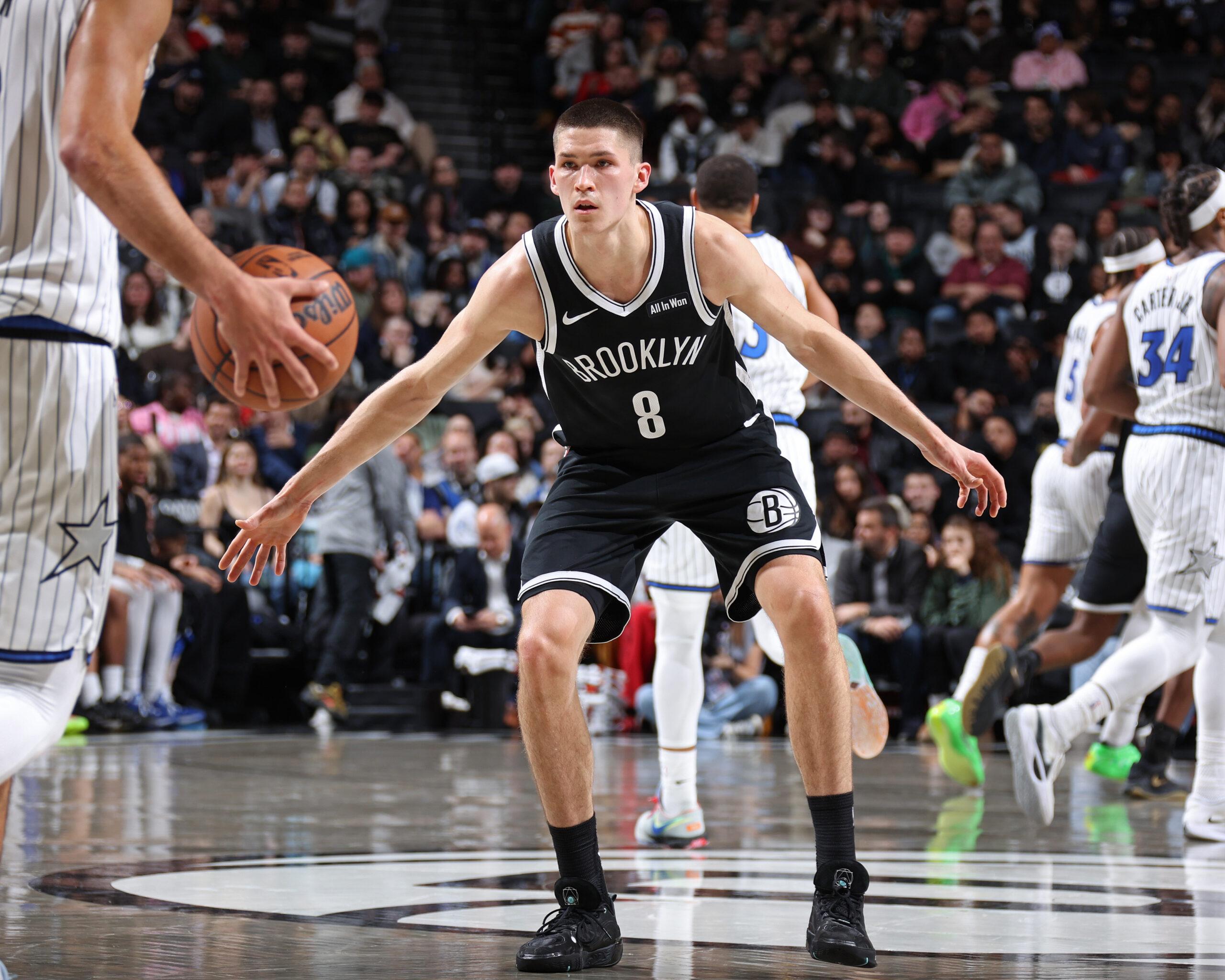
The book on Demin coming into the league had been written. He was arguably the best passer in his class. He had the vantage point, the arm angles, the one-handed skips in motion. He had the kind of touch on his lobs that kept the ball suspended at its apex for way longer than seemed possible, long enough for the recipient to choose how they wanted to guide the ball through the hoop. The question was whether he’d ever have full access to his repertoire with his lack of NBA-caliber shooting ability. What followed has been one of the more impressive skill development stories in recent memory.
There have only been three rookies 6-foot-8 or taller in NBA history who have averaged at least six 3-point attempts per game, with at least 60 percent of their total field goal attempts coming from behind the arc: Saddiq Bey, Keegan Murray, and Demin. It made sense for the first two: Bey was fourth in the entire nation in 3-point percentage at Villanova the season before he declared; Murray had dramatically improved in his sophomore year at Iowa, shooting nearly 40 percent. Prior to getting drafted, Demin, across NCAA and international play, netted out in the high 20s, low 30s.
But a shift occurred over the summer. Demin was lights-out at the Las Vegas summer league, drilling 43.5 percent of his 3s; 23 of his 27 summer league field goal attempts came from distance. He spent the rest of the summer rehabbing a torn plantar fascia, and his basketball work was reduced to refining his shooting mechanics. It’s paid off beyond belief. Demin’s form never really looked bad before. But now it’s instinctive, synaptic. He is confidently pulling up out of a high pick-and-roll in ways he didn’t consistently show at BYU. Hell, he’s confidently pulling up in the clutch in ways that point toward impending stardom:
It was a necessary improvement for both his ceiling and floor in the NBA, because the challenges that Demin faced at the NCAA level have grown manifold at the next level. With little in the way of burst or shiftiness in his movements, he’s struggled mightily to get to his spots within the arc (and hasn’t done much once he gets there), and it shows in his anemic free throw attempt rate. The hope is that Demin’s inevitable strength gains, combined with his shooting gravity, will help unlock his on-ball game as a self-creator down the road. Because his current offensive diet and usage reflect those of a role player, not a star. But that’s an awfully promising start for one of the youngest players in the league who has already upended expectations for the kind of player he could become. In year one, Demin has seemingly transformed himself into a 19-year-old version of 33-year-old Joe Ingles. IYKYK.
Jeremiah Fears
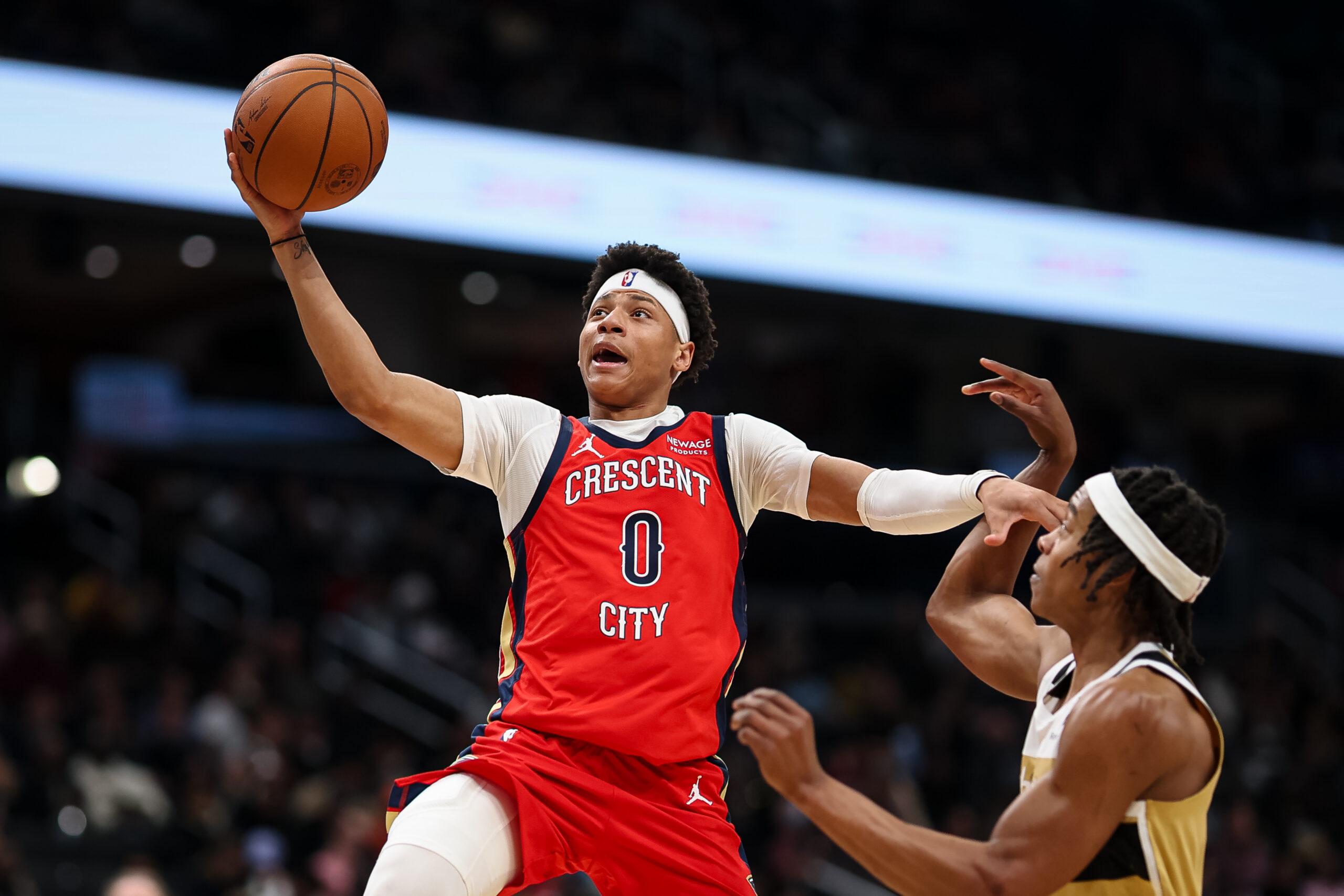
There is an irrepressibility to Fears’s game that plays out both on film and in the numbers. He is who he is, no matter the level of competition. Just as he was the highest-usage freshman in the nation among high-major teams, he’s the rookie leader in usage rate as a full-time starter on the Pelicans. He is every bit the speedy nightmare he was at Oklahoma, zooming past defenders with his combination of first-step quickness and top-of-class ballhandling ability. He’s still picking pockets with active hands, behind only Edgecombe in total deflections by a rookie. He’s still confidently pulling up from deep (and they’re still not going in as much as anyone would like).
Maybe most pivotally, he’s still getting into the paint a ton. The most important facet of his development will be how he improves what he does once he gets there. As was the case at Oklahoma, the sheer momentum that he generates on drives is awesome, but it also sweeps him off his feet in ways that leave him off-balance. At the NBA level, the best drivers win by manipulation more than outright speed. Fears hasn’t yet mastered the art of deceleration or shifting gears, and it’s led to blown layups where the velocity of his movement overrides the touch he’s trying to impart on the ball.
For a player lacking the strength to take bumps in the lane, developing a reliable, giant-slaying floater is essential. Fears’s is a work in progress. In Norman, his runners would often smack hard off the backboard, an attempt at using the glass to deaden the impact rather than his own touch. His technique has gotten better in the NBA, but the velocity at which he’s attempting the shots remains an issue. When he’s slowed down and gathered his footwork, his floaters have been beautiful, but oftentimes he’s leaping off one foot at full speed, effectively turning the attempt into a one-armed fling. Luckily, he has youth on his side and a franchise committed to giving him all the reps he needs. The strength will come in time, but for right now, speed is killing his efficiency.
Dylan Harper
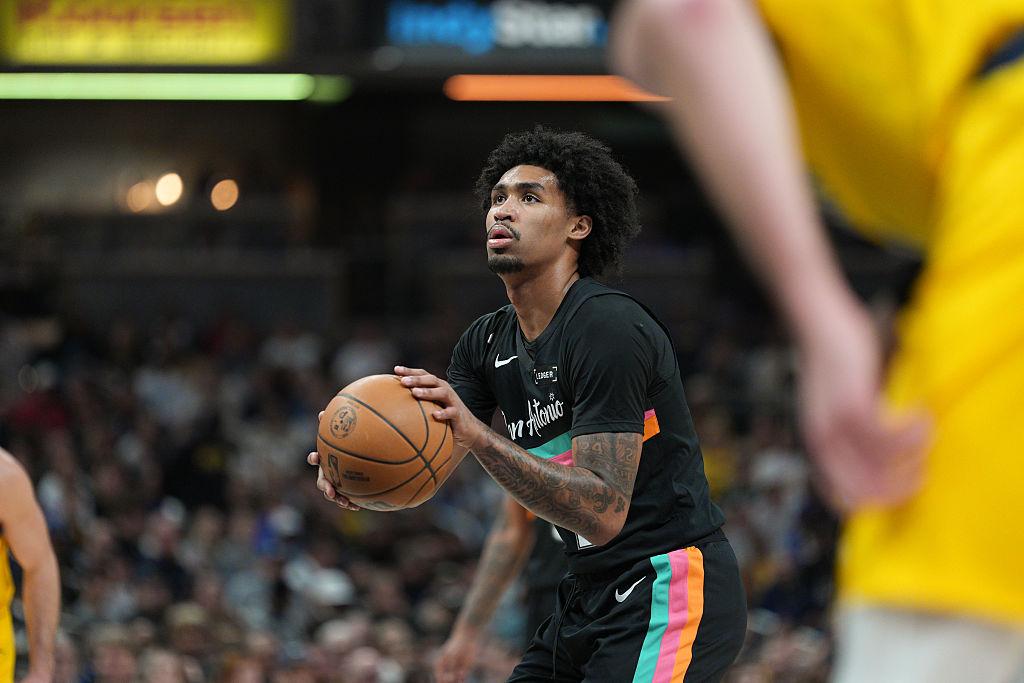
Harper’s performance thus far is very much in the eye of the beholder. On one hand, he might already be one of the most technically gifted drivers in all of basketball, capitalizing on a supreme sense of balance and prodigious footwork to get into the painted area at will. It’s balletic in a literal sense: Harper intuitively spins on the very tips of his toes, creating the sharpest turn radius possible, allowing for instant accelerative force on the spin while staying delicate and light with his foot placement to ensure he has the stability to instantly decelerate, reorient, and elevate. It’s art. It’s science. It’s mesmerizing.
But on the other hand, Harper’s shooting numbers from every level of the court have been deeply disappointing. Defenses have sagged way off of Harper since his return from a calf injury in late November, and he’s fed into the strategy by shooting 22.4 percent from 3 in that span. And while Harper’s craft, nuance, and latent athletic genius have made getting into the paint a breeze even at the NBA level, his remarkable at-rim finishing numbers at Rutgers have regressed now that he’s in the league. When it all clicks, the flashes Harper has shown are up there with any ascending star guard we’ve seen in the past decade. When it doesn’t, it’s hard not to wonder whether San Antonio’s team construction is too muddy to prioritize either Harper’s development or the team’s growth as a whole. Harper’s putrid percentages are one thing, but they’re compounded by De’Aaron Fox’s steep regression from 3 and Stephon Castle struggling just as much from distance as Harper.
Having three possible lead ball handlers all unable to consistently punish players as shooters is untenable, even if the thesis of their collective upside is sound. Time will tell whether the Spurs are making the right call. Despite his lofty predraft hype, Harper doesn’t come particularly close to cracking the top 10 in minutes played per game among rookies. There is obvious friction between Harper’s talent and the limited runway he’s given to demonstrate it—it calls to mind the first two seasons of Kobe Bryant’s career, which he spent as a backup to Eddie Jones, a two-time All-Star for the Lakers. For a Spurs team uniquely caught between the present and future with Victor Wembanyama, the only thing to do is, erm, trust the process.
Tre Johnson
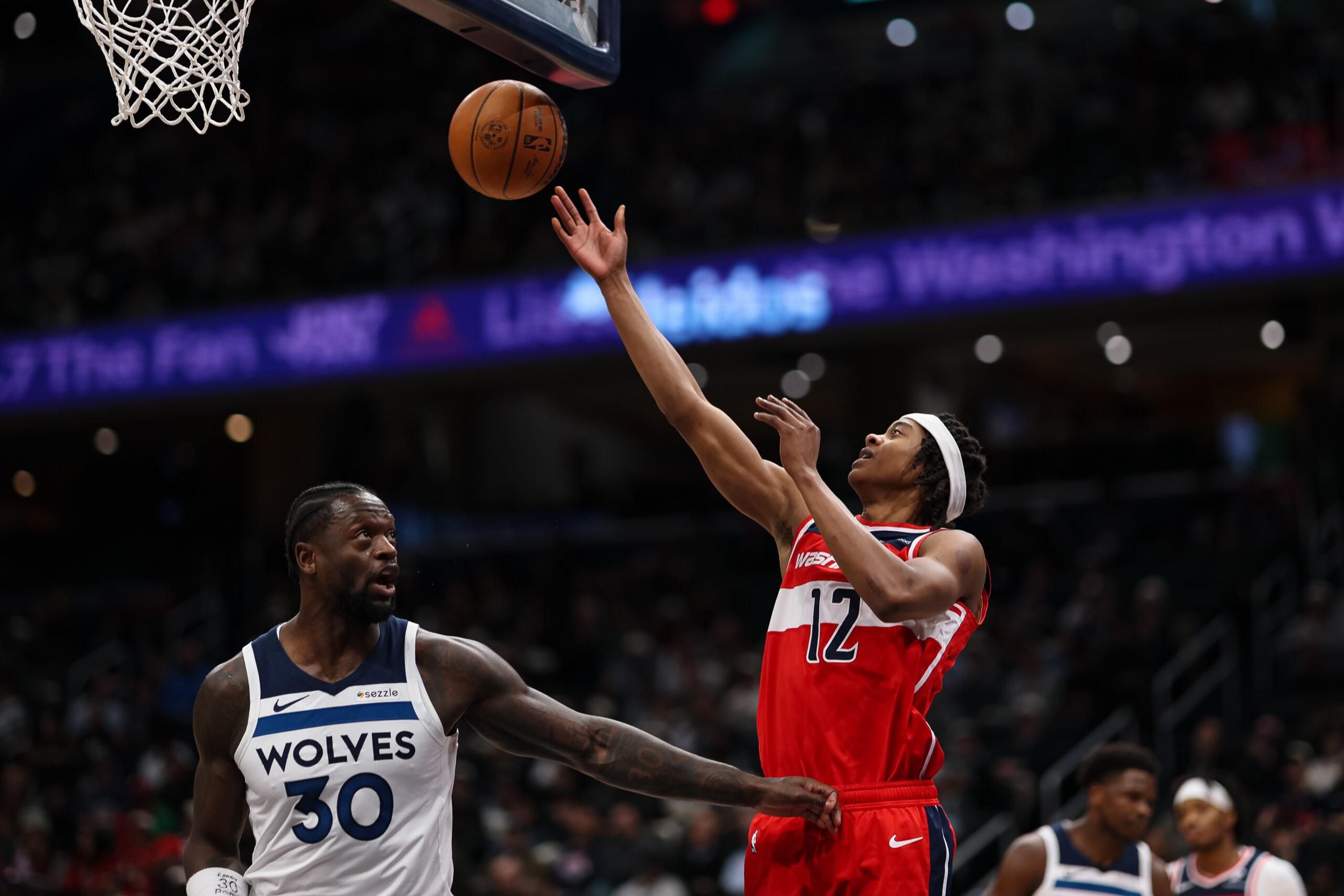
In a draft class with a handful of potentially transformational 3-point shooters, the Washington Wizards rookie stands alone as the player whose sheer audacity can set entire game plans on fire. Everyone wants a player who can impose anticipatory stress on a defense the way Steph Curry or Damian Lillard—or even a red-hot Buddy Hield—does, but few guys can sustain themselves on volume year in and year out. Johnson has a real chance to be that kind of shooter, the kind that makes the most of every inch of the frontcourt as both a pull-up and movement threat. The league’s average 3-point percentage this season currently stands at 35.9 percent. Johnson is shooting 36.8 percent on attempts from at least 30 feet from the basket alone—and he’s made nearly as many from that range (seven) as Knueppel and Demin have attempted combined (10).
It’s a gravity that, over time, warps defenses like the shoulders of a wool sweater you shouldn’t have been putting on a hanger all these years. It’s a constant mental stressor. And—also like wool—the off-ball attention he commands has given him all the insulation he needs to show off more of his playmaking:
There are still concerns about his strength as a driver, but he’s already delivering on his most bankable NBA skill as an elite movement shooter. Everything else can come in time. There have been countless young players over the past decade who have dared to shoot from deep off the dribble and off wild movement, and historically, players who have shot with poor efficiency but with a high degree of difficulty have been given some grace. Over a longer term, the cost-benefit analysis usually tanks because the percentages ultimately net out so poorly. But for as difficult as Johnson’s shot diet is, he’s still hovering around the 40 percent gold standard from 3, just as he did in college. That’s a rare, rare talent the Wizards have in their possession.
Ryan Kalkbrenner
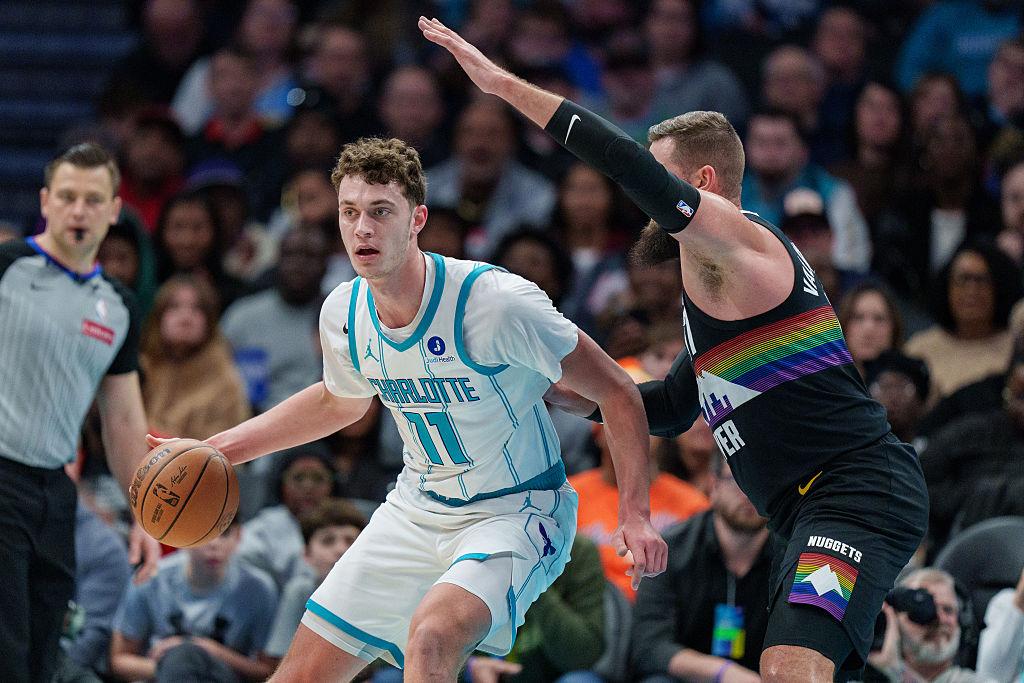
The Hornets’ hard pivot back to “Let’s just draft guys who really know how to play basketball” has served them extremely well this time around. Knueppel has been historically good out of the gate; so has Kalkbrenner. It’s hard to imagine a more encouraging rookie season for a classic, meat-and-potatoes drop big. The 7-foot-1 256-pounder is on pace to shatter the record for the highest single-season field goal percentage in league history (with a minimum of 150 attempts). On a team full of creators, Kalkbrenner fully embraces his role as a means to an end and not much more—as a result, it’s hard to imagine his field goal percentage tanking. There are flashes of good instincts and decision-making passing out of the short roll, but even if there weren’t, Kalkbrenner has effectively replicated the Dereck Lively II rookie-season base model and made it even more efficient.
On defense, Kalkbrenner has a nuanced understanding of his role in the two-man game and possesses nimble enough feet to maximize his ground coverage when backpedaling toward the rim. He has the kind of size that deters players from challenging him in the paint, with a block rate comparable to Rudy Gobert’s career figure. When it all comes together, it’s picturesque:
Kalkbrenner has all the tools to be a perfectly cromulent starting-level center in the league—he just happens to be backing up Moussa Diabaté, who plays with a level of dynamism and fervor that is hard to embrace and harder to keep off the floor. Luckily, that suits Kalkbrenner just fine. He’s just there to do his job and do it well when called upon. His future as a lob threat for LaMelo may be cloudy, but a rookie-to-rookie connection was forged from the jump: Nearly a fourth of all of Kalkbrenner’s assisted buckets have come from Knueppel.
Ace Bailey
There were a lot of bad vibes in Bailey’s predraft and immediate post-draft process. Most of that stemmed from poor representation, which Ace divested from back in September. If there are any maturity issues with Bailey these days, it’s got less to do with red flags and more to do with his wide-eyed earnestness. “His willingness to pour into the team has been what’s most impressive,” Jazz teammate Georges Niang said in an interview on FanDuel’s Run It Back. “He got all these labels and all these knocks coming out of the draft, and the kid is such an unbelievable kid. Like, so many times, we’ll be sitting down, and he’ll just like, ‘Can you believe we’re in the NBA?’”
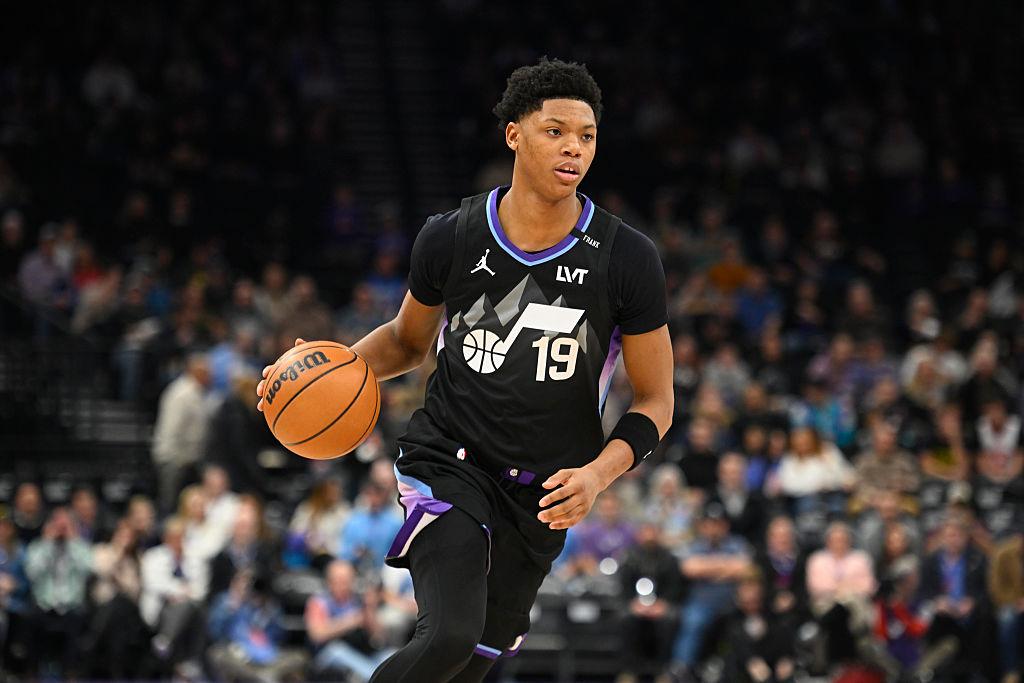
Utah is building Bailey from the ground up. It has both the time and the means to do so. Bailey, this past spring’s fifth pick, has played almost entirely off-ball for the Jazz, developing his instincts and timing off screens and sharp cuts to the basket, using his length and quick leaping ability to fight for second-chance opportunities, and, yes, working his way open so that he can have a one-dribble pull-up, as a treat. He barely cracks the top 20 in total touches by a rookie, but he leads all rookies in points per touch. There are centers in this draft class that hold on to the ball longer than Bailey does.
It’s a bit of holistic reprogramming similar to what Minnesota had worked on with Jaden McDaniels—though, naturally, there is a stark difference in expectations for the fifth overall pick and the 28th. Still, there are worthwhile parallels here. McDaniels was a similar jumbo wing prospect who had a real affinity for pull-up long 2s as a college freshman. The negatives on his scouting report back in 2020 were eerily similar to Bailey’s, but the Wolves saw the length and lateral mobility on defense and sought to magnify those qualities. Bailey’s done an admirable job fitting into the Jazz offense by making quick decisions, but lately, his defense has created a new pathway to increased playing time. Bailey’s ability to get extremely low in his stance, navigate screens, and explode vertically when contesting drives is a recipe for positional versatility. He looked at ease against one of the best bucket getters in the game:
At Rutgers, a college team that likely had mandates to wring as much as it could out of the school’s two highest-profile basketball recruits ever, Bailey leaned into the sky-high expectations for him. A snapshot of a hero-ball artist with poor decision-making was taken and run with. But the Jazz didn’t draft Bailey to make him their be-all and end-all. They drafted him to reset the foundation for one of the most talented players in the class. He’s logged the most minutes per game of his career since returning from a hip injury earlier this month, a trend that ought to continue into the second half of the season. It’s been a slow and steady molding process, but the fireworks might be coming soon.
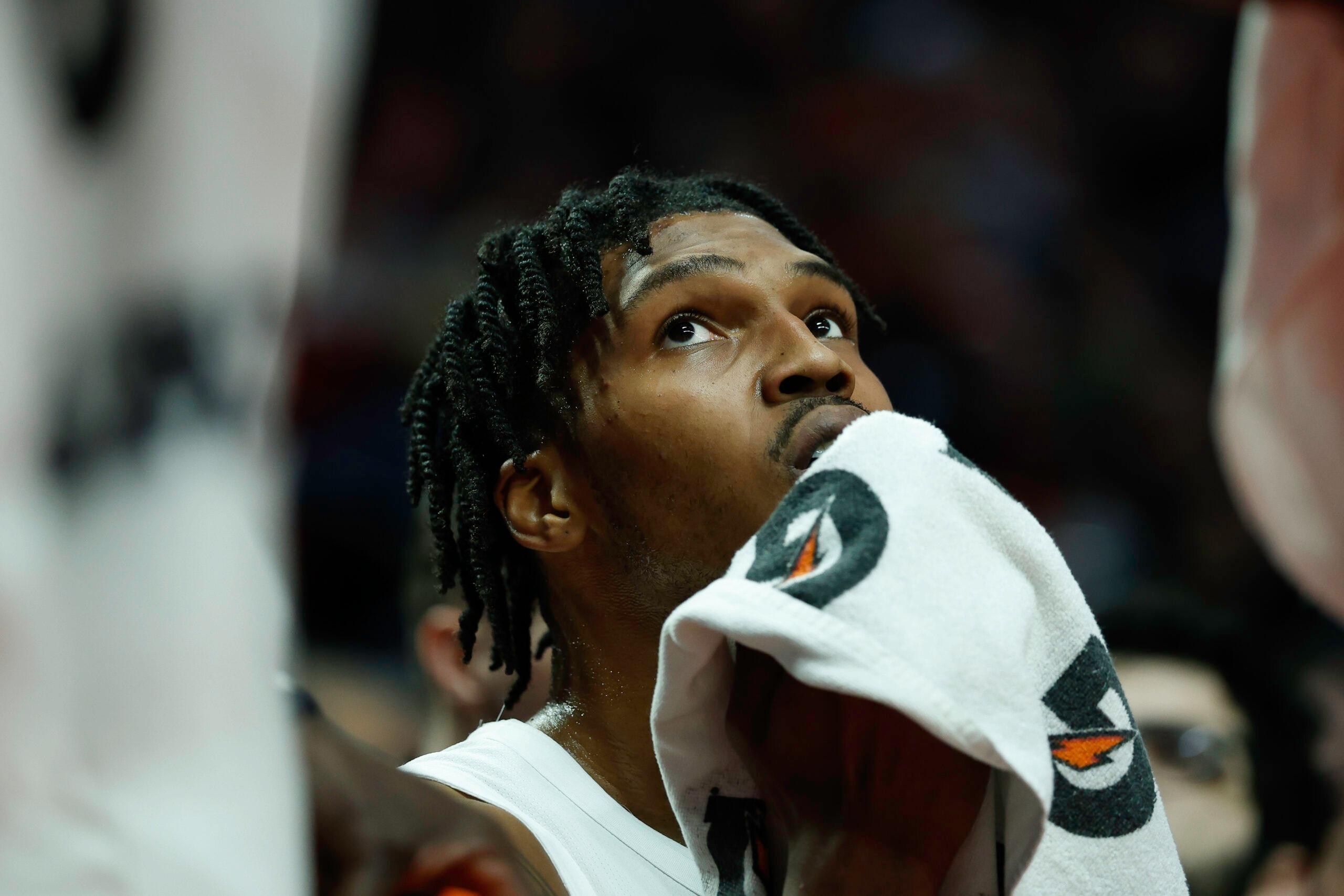
Caleb Love
It’s hard to make sense of who Love really is. He is a two-way player for the Portland Trail Blazers, an undrafted 24-year-old free agent who wasn’t even invited to the 2025 draft combine. He had a career 38 percent field goal percentage over the course of five college seasons at North Carolina and Arizona. He shot 35 percent in five NBA summer league games. He shot 33 percent from the field in his first 21 regular-season games. Simply put, there is a large sample of Love being an eager but woefully inefficient shooter.
But then what are we to make of the 14-game stretch in which Love looked like Damian Lillard reincarnate, stepping up for a Blazers squad decimated by backcourt injuries? For about a month from late December to mid-January, Love went on one of the most impressive and improbable hot streaks of any player this season, averaging 16.8 points per game almost exclusively off the bench and shooting 45.5 percent from the field and 40.7 percent from 3 (on 8.4 attempts!).
Assuming Love averages out somewhere between the two poles of this season’s performance, he’ll still be a useful rotation player. He is a dead ringer basketball-wise for Eric Gordon: They’re almost identical in their burly builds, right down to the massive wingspan relative to their 6-foot-3 frames. Gordon was far more explosive at his athletic peak, but Love has the more natural comportment as a shooter, both off movement and off the dribble. The bulk of Gordon’s 19-year career has been built on his reliability as a high-volume shooter who can serve as a secondary or tertiary creator in a pinch while holding his ground on defense. Love has already shattered expectations for his NBA career; even if this blistering run peters out, he has a perfect blueprint for longevity.
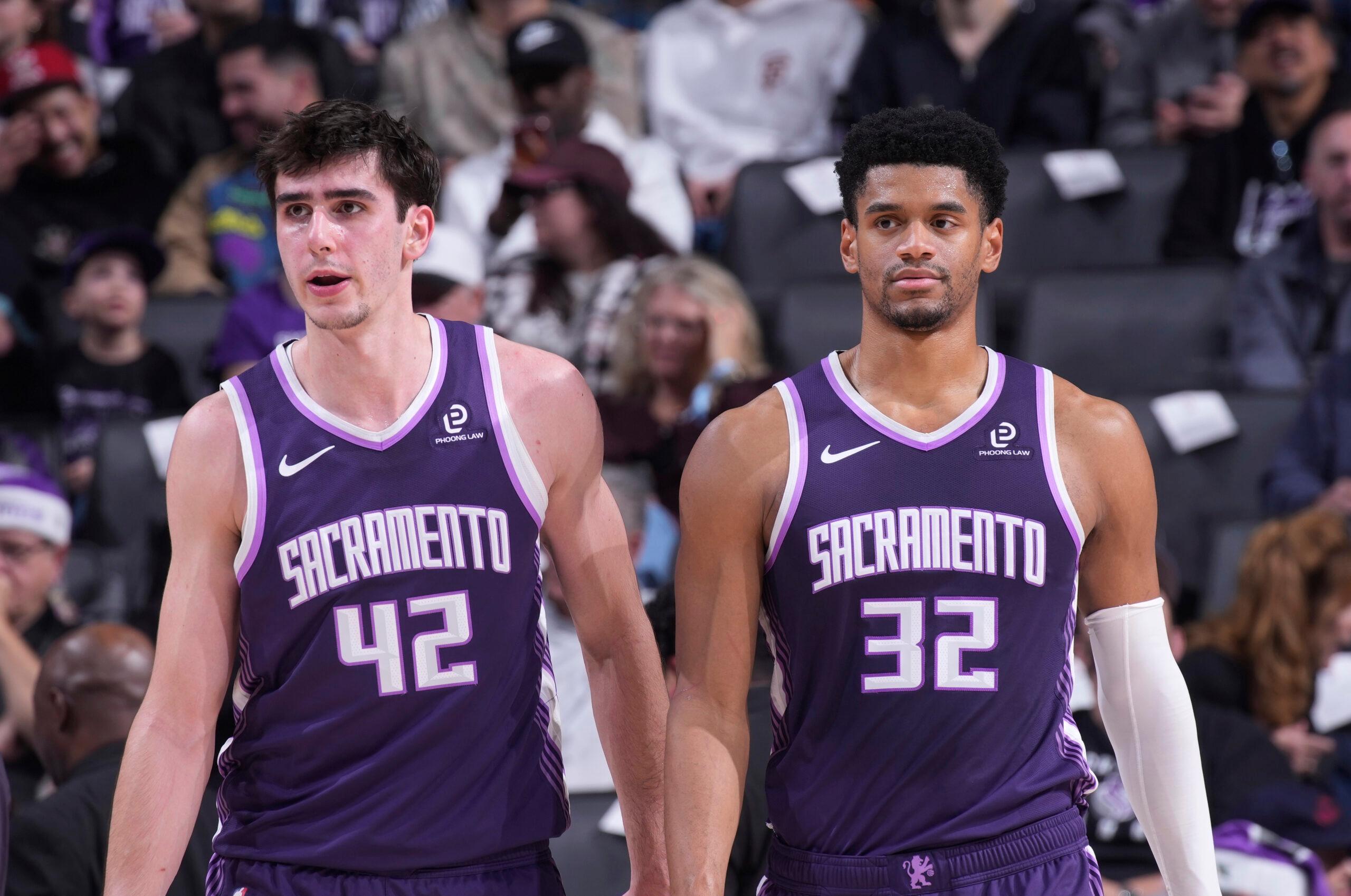
Maxime Raynaud and Dylan Cardwell
Raynaud and Cardwell aren’t the only teammates on this list, and their skill sets don’t particularly overlap, but there’s a reason they’re sharing space here. Together, they present a vision of the Sacramento Kings frontcourt beyond the strange, purgatorial build that the front office has assembled this season. They represent a sort of safety net should Domantas Sabonis (who has returned from a 27-game absence due to a left meniscus tear) be moved at the trade deadline.
Raynaud, the 42nd overall pick, has the sexier skill set of the two: He’s a rangy 7-footer with excellent touch and playmaking fluidity—his best weapon right now is a quick-release, one-handed push shot that he can spring on his defender from just about anywhere below the free throw line. His ability to score on the move with touch makes him an unorthodox pick-and-roll partner for his size: He wins not with explosiveness but with smooth strides and finishing craft with either hand. The flashes of a quality NBA player haven’t been consistent, but Raynaud has already had two games of at least 25 points.
Cardwell, an undrafted rookie, has arguably been an even bigger revelation and has filled an immediate, almost existential need. More than anything, the Kings were desperate for a rim protector to give the defense some semblance of structure. Enter Cardwell, who is the only player on the entire roster with a positive on-court net rating. The Kings allow 13.4 fewer points per 100 possessions when Cardwell is on the floor than when he’s off—a massive differential that you could comfortably nest the Oklahoma City Thunder’s historic 12.7 net rating within. The undrafted big man is smaller in both height and wingspan than Raynaud, but it doesn’t feel like that’s true. Cardwell, who is both chiseled in build and explosive in his verticality, kinda looks like a floating football goalpost defending the rim, and he’s been dominant sitting in the dunker spot. He was an immaculate vibes guy for top-ranked Auburn last year, and that’s translated to Sacramento. The team hasn’t had this much positive energy from a backup center since … Scot Pollard?
This is a team saddled with veterans who would probably prefer to be elsewhere. Maybe Raynaud and Cardwell are the signal the team needs to finally push the eject button. This is a team yearning for a youth movement. Give it the Beam Boys and free its soul.