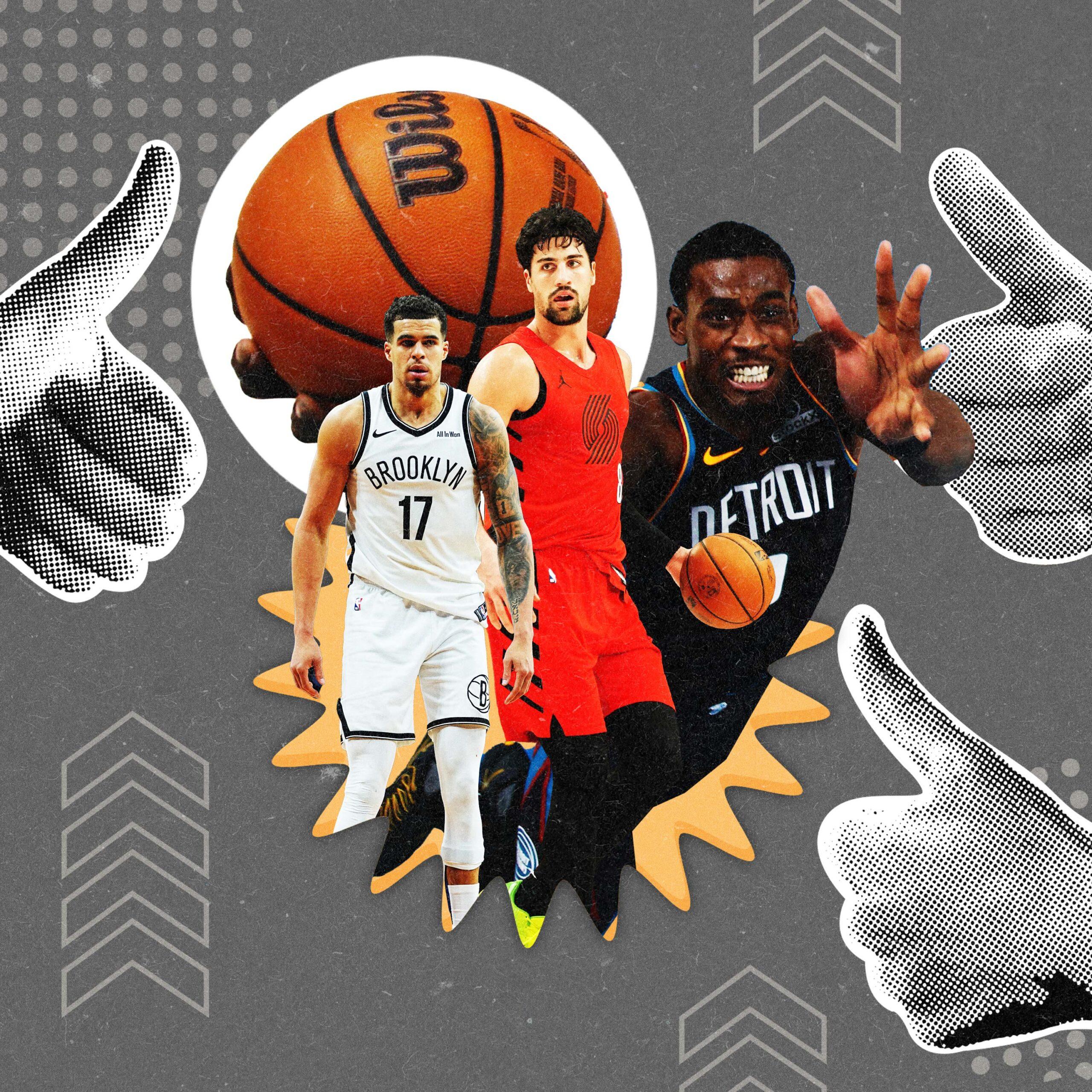

As the calendar flips to 2026, enough NBA games have been played for us to know which players have gotten meaningfully better this season. It’s a constructive exercise, identifying who has changed their team’s fortunes in real time by either making the most of a new opportunity or exceeding whatever expectations had been set a few months ago by the bulk of NBA observers.
What follows is a look at eight of the most significant leaps we’ve seen so far, from abrupt star turns to talents who’ve benefited from a change of scenery. Everyone on this list has been in the NBA for at least three full seasons, so relative newcomers who deserve Most Improved Player votes (like Keyonte George, Stephon Castle, Reed Sheppard, Ajay Mitchell, Collin Gillespie, Cam Spencer, Anthony Black, Alex Sarr, Kyshawn George, and Jaime Jaquez Jr.) will not appear.
Instead, we are looking for players who’ve noticeably improved beyond the natural arc of a young career. It’s more fun that way. Let’s take a look.
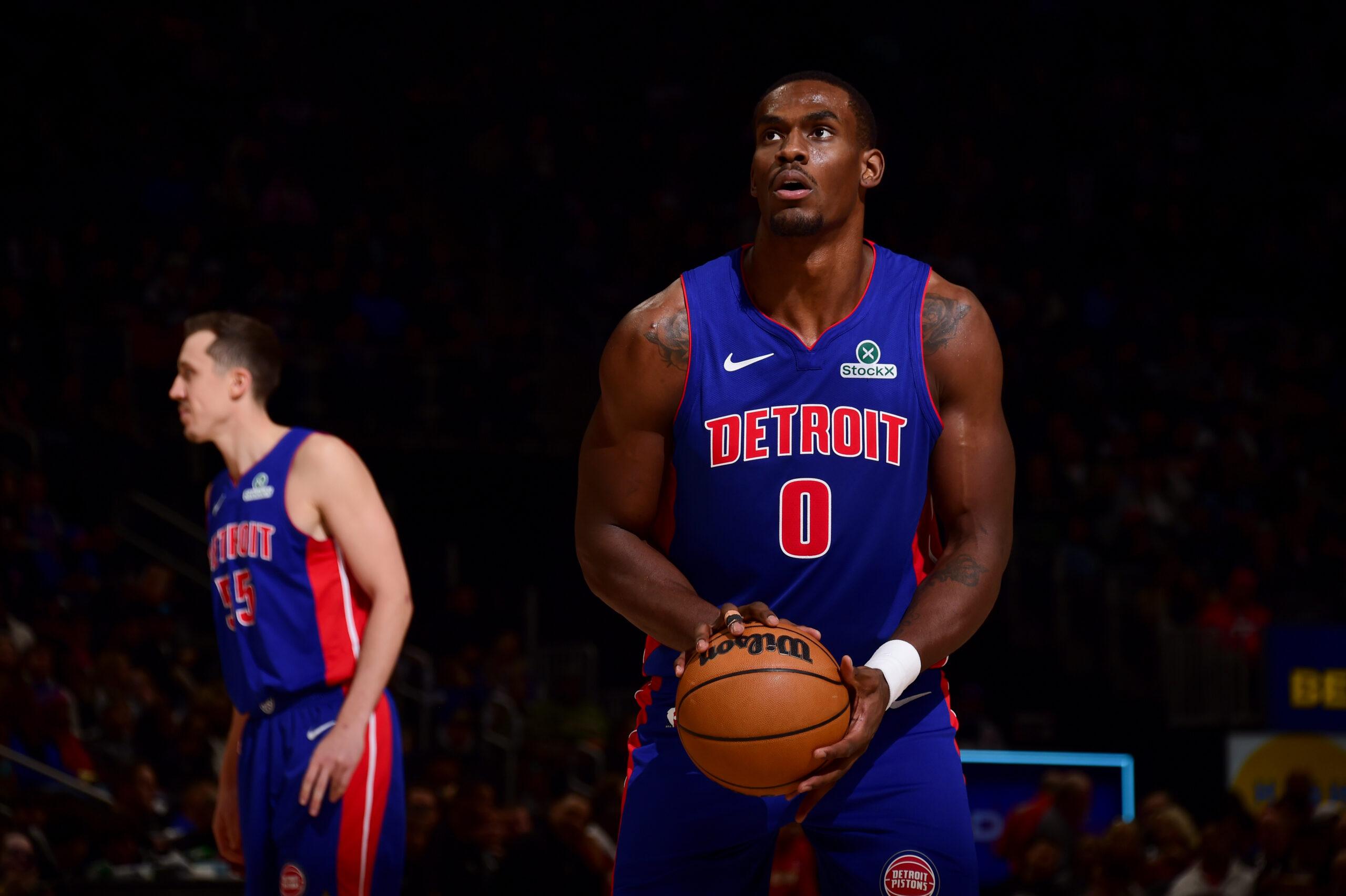
Jalen Duren, Detroit Pistons
Duren’s had a cut-from-granite appearance since he entered the NBA in 2022. But this season, it’s often felt like the fourth-year center has been regulated by someone else’s nervous system. The play below, which is entirely improvised, says it all. Duren directs action on the weak side—to keep help defenders honest—and then explodes off Cade Cunningham’s Gortat screen to finish at the basket. If you traveled back to 2023 and showed this play to any Detroit Pistons fan, their eyes would water.
It’s ethereal, and just the tip of an iceberg that opposing teams are in no rush to discover. Duren can still be clunky, but the uncompromising nature of his game has turned him into an All-Star candidate. He’s averaging 6.1 more points per game than last season, and his quicker decisions and more inventive shot creation have been franchise-altering developments for the Pistons. Duren can drill an elbow jumper. He can go between the legs, cross over, and then barge his way to the rim. He averaged 1.9 drives per game last season. This season, that’s up to 4.2, and Duren ranks in the 94th percentile in points per chance on those plays, according to Sportradar.
On a team that’s starved for spacing, Duren’s ability to do stuff with the ball is a boon. It takes weight off Cunningham’s shoulders and forces opposing bigs to step out and guard Duren on the perimeter—something they definitely don’t want to do. Throw in more disciplined rim protection and polished pick-and-roll defense, and you have one of the most exciting 22-year-olds (not a misprint) in the NBA.
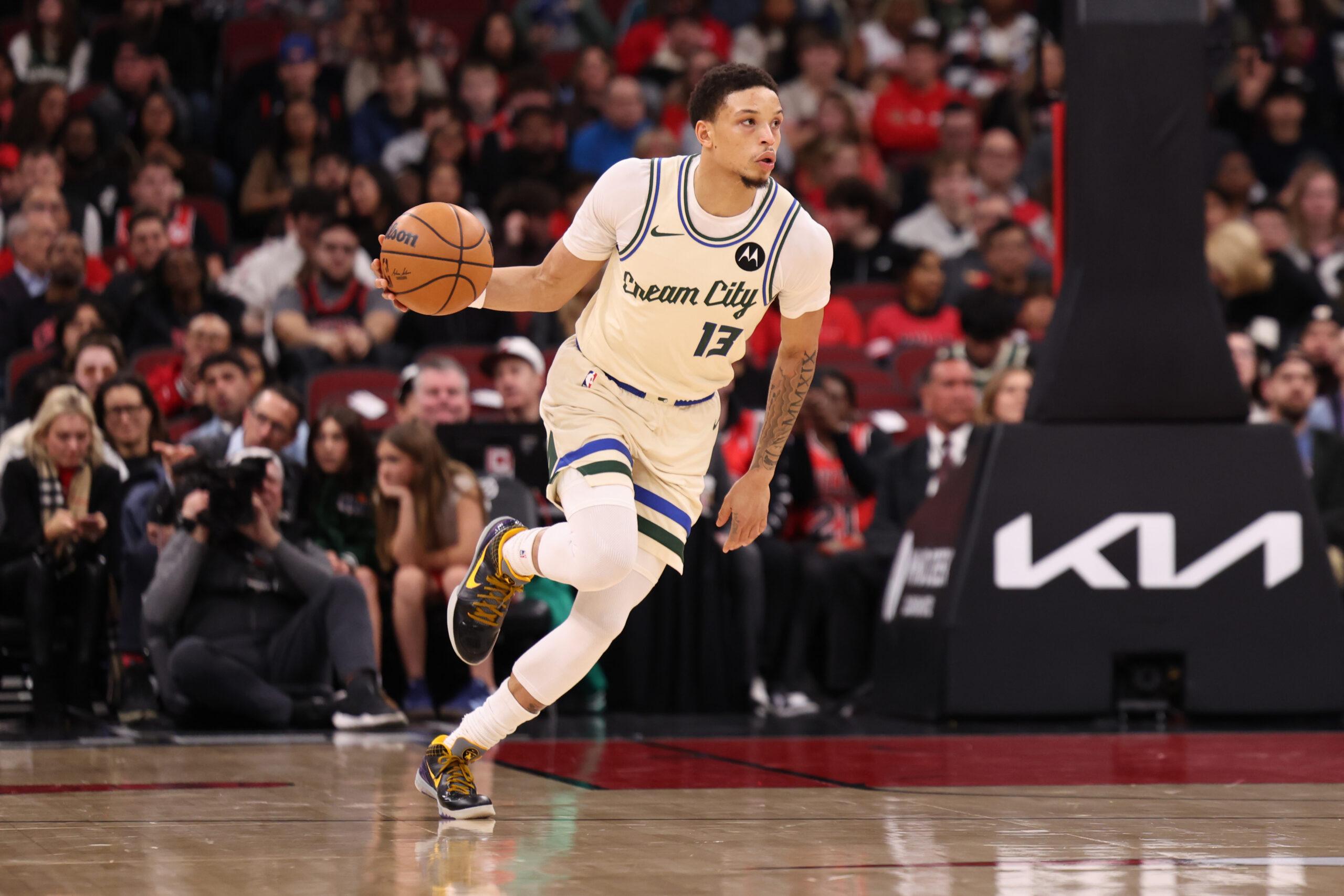
Ryan Rollins, Milwaukee Bucks
A few weeks ago, when Doc Rivers decided to bring Rollins off the bench against the Toronto Raptors, I received multiple incredulous texts wondering, only half-jokingly, whether Rivers was trying to get fired. That’s how good Rollins has been this season. I’ve gone hard at Bucks general manager Jon Horst for trying to salvage an unsalvageable situation in ways that will cripple the organization he’s supposed to shepherd for years to come. But the Rollins signing was a grand slam: $12 million over three years (with a player option in 2027). That’s 2.59 percent of the cap this season and 2.41 percent of the cap next season. Highway robbery. Last season, Rollins averaged 6.2 points and 1.9 assists in 14.6 minutes per game. As of Saturday, he led the Bucks in total minutes, shots, assists, and steals and was tied in points with Giannis Antetokounmpo. Not even Milwaukee saw this coming.
Now in his fourth year and first real turn as a full-time starter, Rollins has stepped up as the platonic ideal of what the Bucks need: a self-reliant knockdown shooter who can more than hold his own on the other end. Rollins is a fine ball handler who creates for others, knocks down 3s, gets off tough 2s, attacks the rim, and clogs passing lanes. He leads the NBA in deflections while regularly guarding the opposing team’s best player. He's become a star in a very important role.



The Latest in the NBA
With far more responsibility in lineups that have been starved for playmaking whenever Giannis can’t play, Rollins has managed to sustain an effective field goal percentage that currently sits in the 93rd percentile at his position. His true usage rate is up a whopping 11.5 percentage points from last season, per BBall Index, and the percentage of his shots that are assisted has plummeted. Some of the numbers are startling: There are 31 players who’ve launched at least 75 pull-up 3s this season, and just four have been more accurate than Rollins. On top of that, there are 82 players who’ve logged at least 100 direct pick-and-rolls as a ball handler this season; only Jaylen Brown and Austin Reaves have been more efficient than Rollins, per Sportradar.
It’s all the more incredible watching Rollins cook under the exacting limelight of Antetokounmpo’s melodrama. And because we can’t really put anything past a front office that’s acted irrationally for a couple of years, it’s worth mentioning that Rollins becomes trade eligible on January 15. If Milwaukee is serious about being a buyer at the deadline, he’d be by far its most valuable asset. For the record, though, moving Rollins would be gross malpractice.
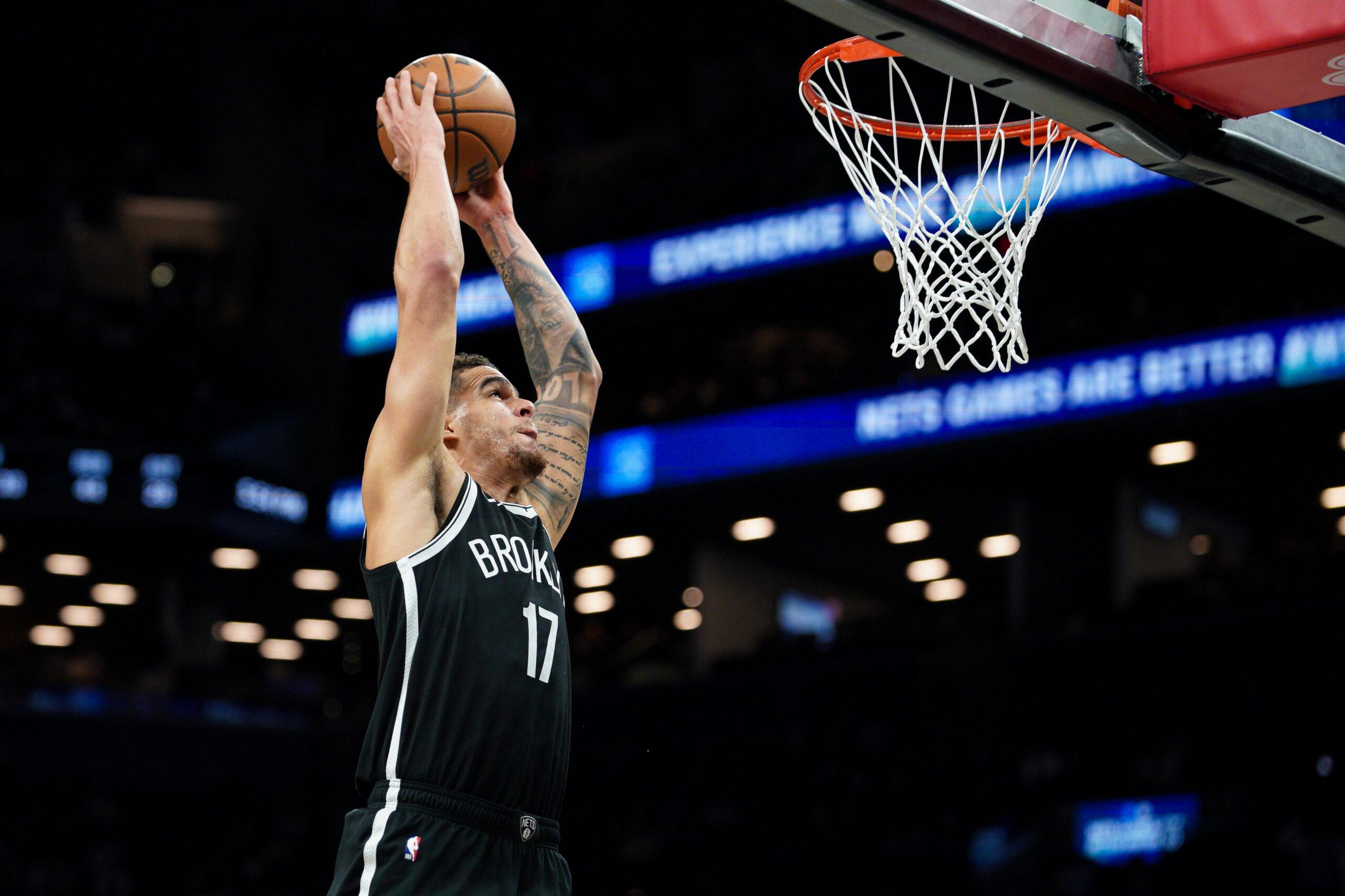
Michael Porter Jr., Brooklyn Nets
I wrote in-depth about Porter in my second installment of While You Were Scrolling a couple of weeks ago, so I won’t go into much detail here. But in an exercise that’s supposed to analyze players who’ve shown the most growth, Porter’s statistical bump in Brooklyn brings up an essential question: Did he actually get better, or is the improvement we’ve seen a by-product of his expanded role on one of the league’s youngest rosters?
Porter didn’t have to take advantage of the increased opportunity provided by Brooklyn’s offense. His efficiency could’ve crumbled. His turnovers could’ve ballooned. His defense could’ve fallen apart. He could’ve checked out of a hopeless situation and waited for a contender to throw him a life raft in February. But no! When you watch the Nets play, it’s evident that Porter genuinely cares. He cuts hard, passes the ball, and calls out teammates when they make a mistake. The talent that has bloomed over the past couple of months was never a given. Kudos to him for making it work.
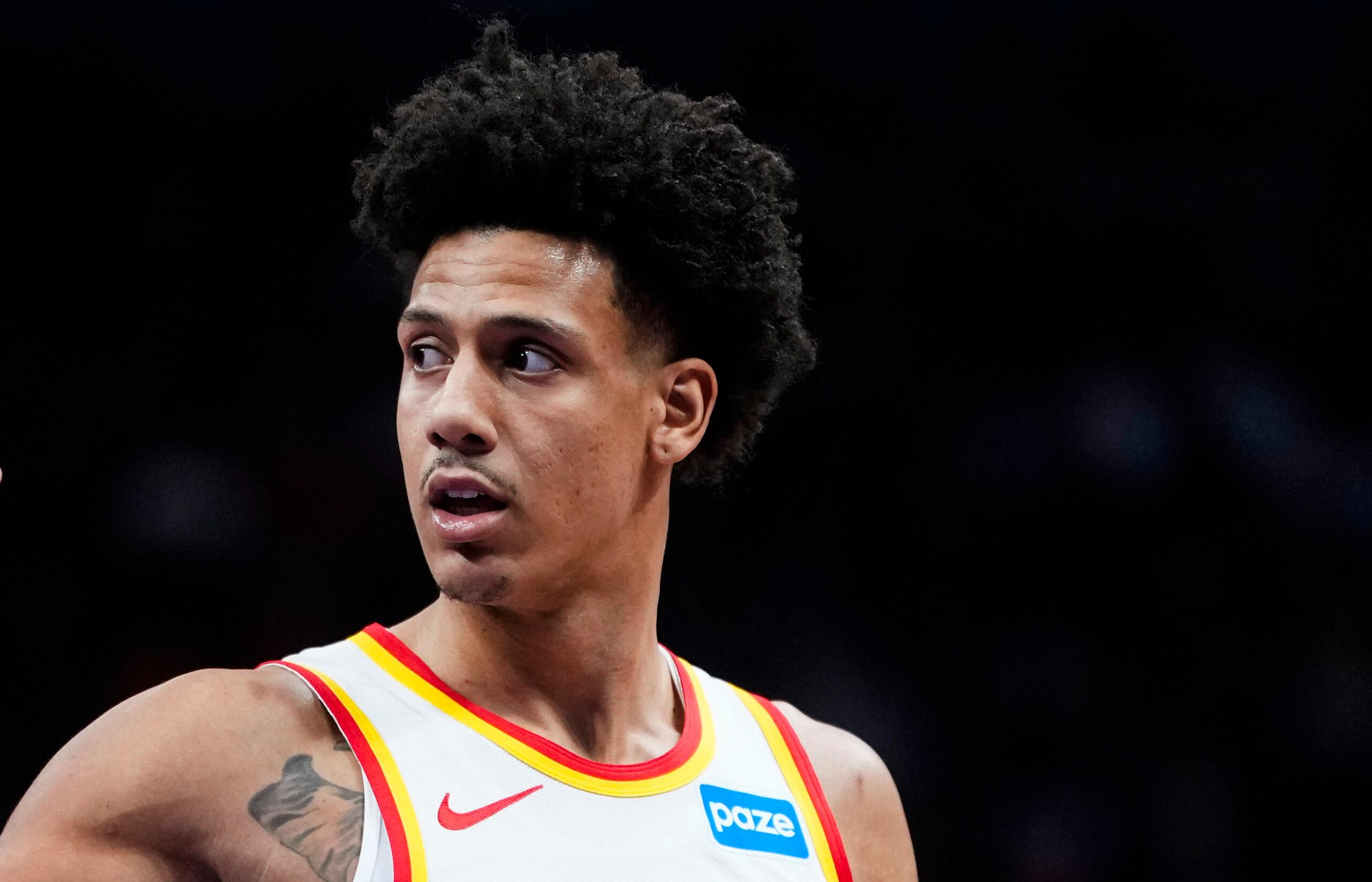
Jalen Johnson, Atlanta Hawks
To go from a tantalizing, athletic marvel who grew up studying Magic Johnson to an obvious All-Star who should absolutely not be included in a trade for Giannis Antetokounmpo is some kind of leap. Before he suffered a season-ending shoulder injury last year, Johnson’s all-around skill set radiated in a Hawks system that was forced to reorient itself around all the ways he impacts winning.
Johnson is a free-flowing, cerebral player who’s at his best rippling through random offense in the open floor. This season, he has polished his shotmaking in more organized spots, become a more potent scorer in isolation, seen his pick-and-roll volume balloon, and displayed supreme confidence shooting the ball from all three levels without eroding any of the pass-first mentality that makes him so special. Johnson was awesome last season, but he rarely put up shots like this without hesitation:
Trae Young’s absence in over 70 percent of Atlanta’s games has helped boost a bunch of Johnson’s individual numbers (his scoring average has gone from 18.9 to 24.0, and his assist rate has jumped from 20.3 percent to 34.8 percent), but that alone doesn’t explain his improved efficiency. Typically, players who see their usage go way up see a dip in their true shooting. Not Johnson, who’s never been better in either category. He averaged 114.4 points per shot last season, good for the 51st percentile at his position. That’s now 125.1, which is all the way up to the 81st percentile. He’s simply one of the brightest young stars in the NBA, a nightly triple-double threat who’s also, clearly, Atlanta’s new franchise player.
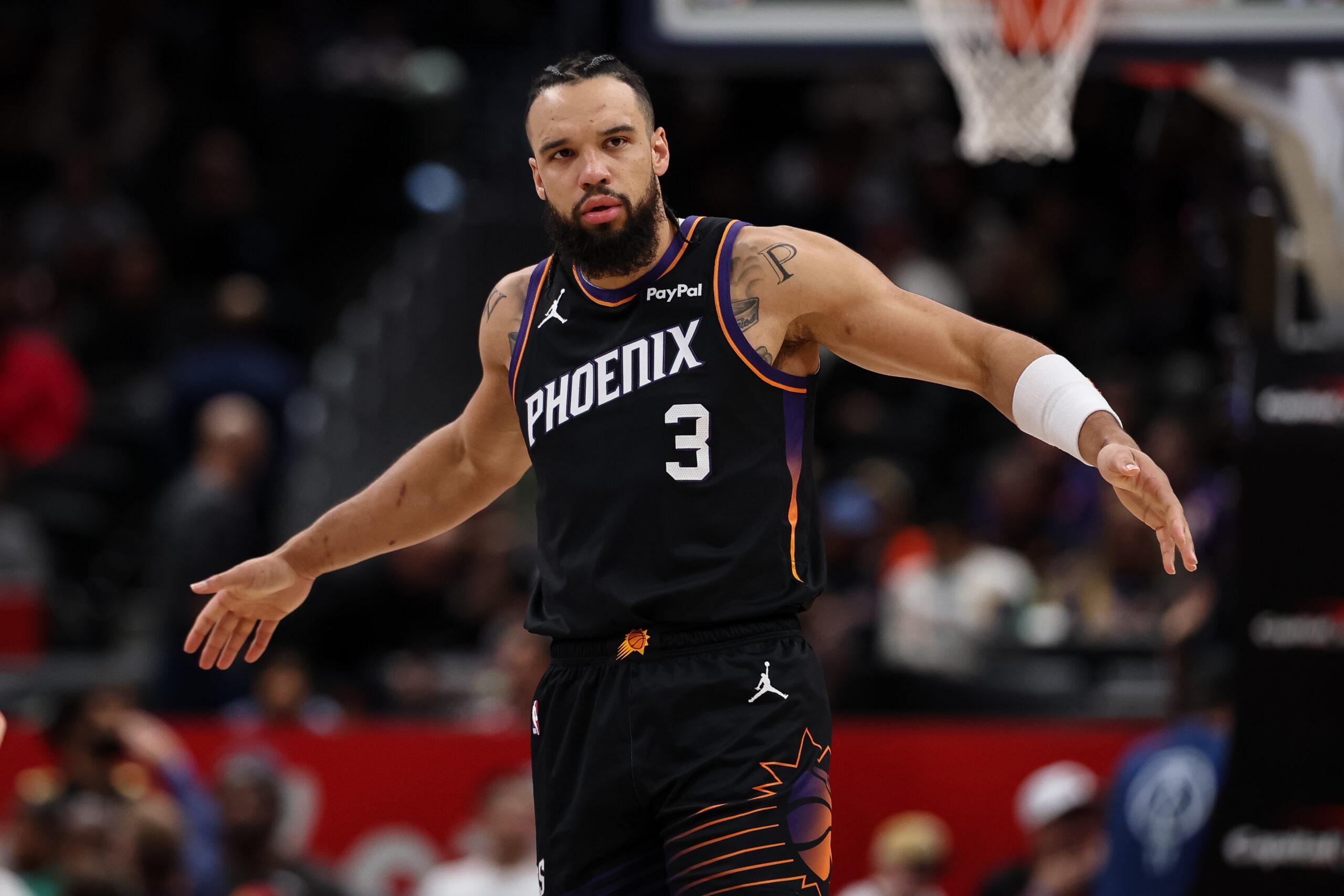
Dillon Brooks, Phoenix Suns
You know what most role players can’t do? Crank their game’s volume up to 11 without frying any speakers. But apparently, Brooks can. After spending the past two years embracing a more efficient shot profile with the Houston Rockets—i.e., pretty please quash your contested midrange jumpers with 17 seconds on the shot clock—the 29-year-old has magnified and (somehow) optimized the on-court qualities that nearly ended his NBA career.
Brooks is a huge reason why the Phoenix Suns are such a pleasant surprise. Before he wore out his welcome in Memphis, we saw how it looked when Brooks became a little too obsessed with his own jump shot. He was, for lack of a better word, a chucker. Now, there are two fundamental differences: One, he plays on a team that really needs independent shot creation, and two, he’s actually converting enough of them to justify his volume. Brooks is not Steph Curry, but he’s been damn good from the midrange while drawing more fouls than ever before.
Brooks’s true usage is 11.68 percentage points higher than it was last season—the fifth-largest increase in the league, per BBall Index, and right around his career high. It’s notable, considering he’s been more efficient after taking on so much more responsibility. He’s running significantly more pick-and-rolls and, after years of essentially turning isolation plays into a black hole, is currently a decent one-on-one scorer. He’s physical, he’s calm, he gets to his spots, and he’s hitting jumpers at an efficient clip.
If you told anyone several months ago that come January, Brooks would be averaging more field goal attempts per 100 possessions than James Harden, Cade Cunningham, and his own teammate Devin Booker, their natural assumption would be that the Suns’ season had imploded on takeoff. Instead, they’re 20-14 with a top-six seed in their sights.
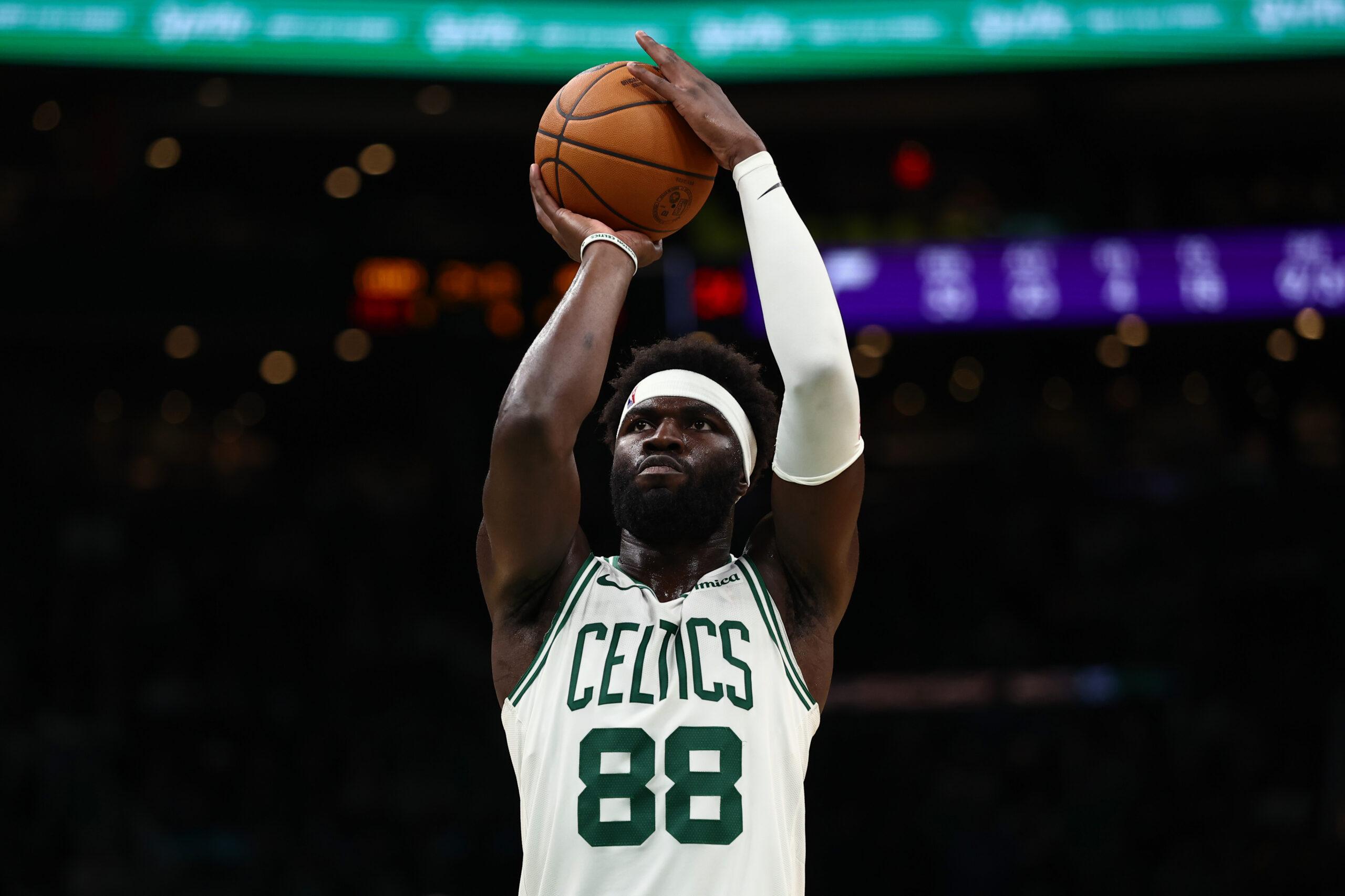
Neemias Queta, Boston Celtics
If you thought the Celtics would be really good this season, congratulations, you are way smarter than I am. And if one of the fundamental tenets of your argument was “Neemias Queta will become a reliable two-way center who does way more than run the floor, protect the rim, and somehow avoid persistent foul trouble,” my compliments: You are a basketball prophet.
Despite not having Jayson Tatum, Kristaps Porzingis, Jrue Holiday, Al Horford, and Luke Kornet, Boston is only 3.5 games back of first place in the East with the NBA’s third-highest net rating. Jaylen Brown could’ve easily cracked this article and is nearly a lock to finish top five in the MVP race if he stays healthy. Absolutely bonkers level up from him in just about every way.
But what Queta has done in a dramatically expanded role is even more surprising and consequential. After sitting behind Porzingis, Horford, and Kornet in a stacked frontcourt that didn’t allow any substantive opportunities, Queta is now averaging nearly 20 more touches per game than he did last season—by far the biggest jump among centers. Only two players—Ryan Rollins and Reed Sheppard—have seen a bigger jump in minutes per game.
Queta’s impact earlier this season was kind of astonishing, and among all Celtics who’ve played at least 500 minutes, he still has the highest net rating and largest positive point differential on defense. Watching him function within Boston’s offense has been a revelation. Let’s start with the shotmaking. Queta doesn’t just stand in the dunker spot and wait for teammates to draw help and spoon-feed him the ball. He isn’t solely a dive man who melts into a puddle catching a pass on the move. The 1.25 points per chance he generates when directly involved in a half-court possession are fourth best out of 225 players who’ve logged at least 160 plays, per Sportradar. Plays don’t die when defenses take away Boston’s first option and force the ball into Queta’s hands.
Look at the two examples in the clip below.
In the first, Brown is forced into a jump pass down to Queta on the block. Queta fakes a dribble handoff to Brown, gets middle, spins back, and finishes at the basket. In the second, you have to ask yourself: What more can Donovan Clingan do? His cat-and-mouse defense against this empty corner action is on point, single-handedly negating Payton Pritchard’s penetration and Queta’s roll. So Pritchard dumps it down to the post, and against one of the best rim protectors in the league, Queta makes a tough shot through contact.
He’s also managed to make himself useful on the perimeter, whether he’s setting a bevy of rock-solid screens (on and off the ball, often multiple times on the same possession) or triggering a dribble handoff that forces his man to scramble up into an uncomfortable space. Not every screen setter can suck the soul out of a defender who’s desperate to stay attached to the ball. Queta does, and makes deep drop coverage a nonstarter:
Considering their lack of depth at his position and how important his size and ancillary shot creation are to how they operate on both ends, the Celtics would probably be a .500 team if Queta weren’t able to handle all this increased responsibility. The fact that he can deserves recognition.
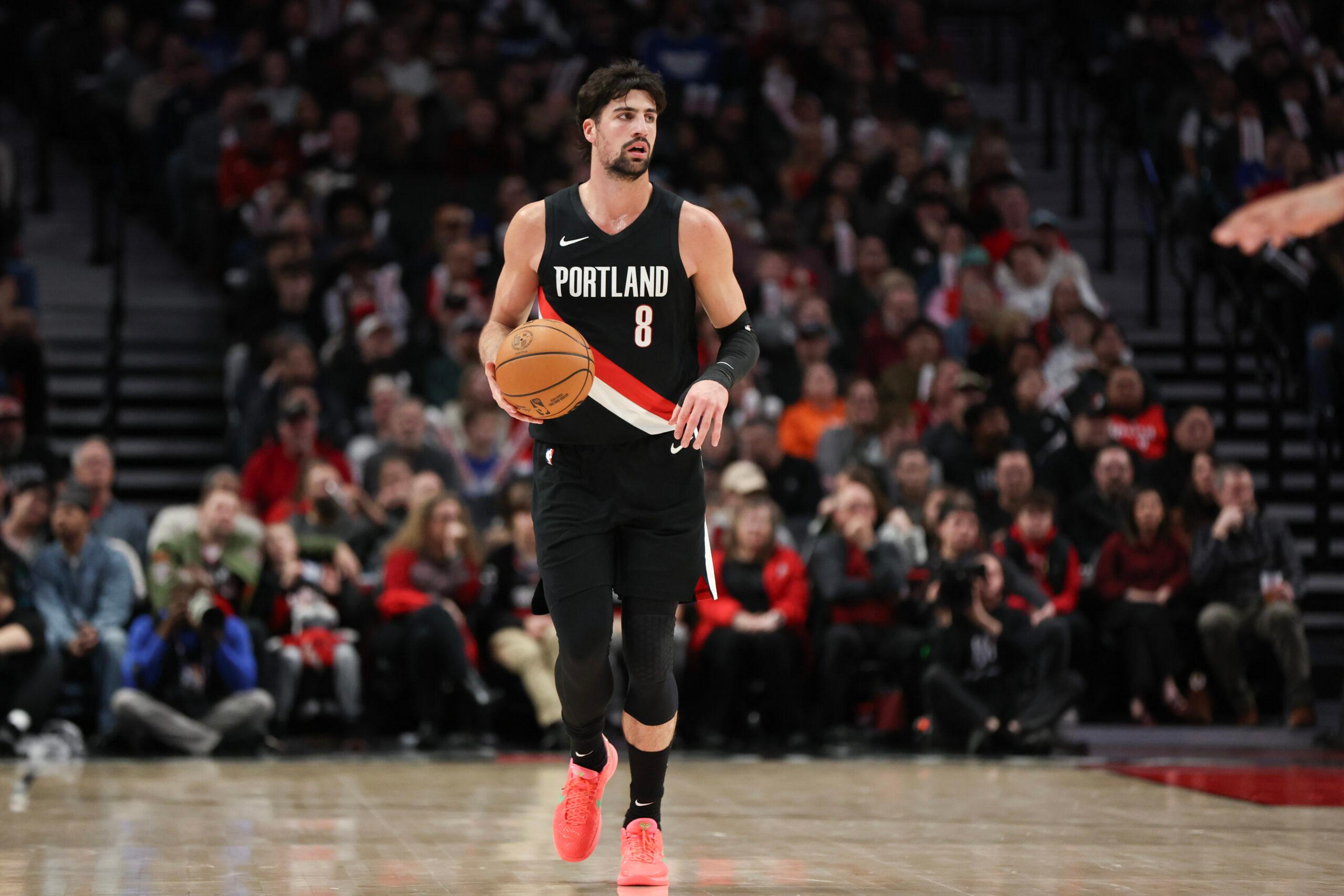
Deni Avdija, Portland Trail Blazers
I mean, duh. Avdija was my pick to win Most Improved Player at the quarter-season mark, and the award remains his to lose. I don’t really care what Portland’s record is. He’s an All-Star, full stop, averaging 25.7 points, 7.3 rebounds, and 7.1 assists per game. Ridiculous. There are only two players who’ve had a more positive impact on their team’s offense this season: Nikola Jokic and Giannis Antetokounmpo. Absurd. His free throw rate has spiked, and, still the shocking league leader in drives, he has seen the largest increase in drives per 75 possessions compared to his output last season. When he gets downhill, Avdija is an excellent passer. He not only leads the league in assists off those drives, but the gap between him and every other player is insurmountable.
Don’t take my word for it, though. All validation comes from opposing coaches who’ve treated him like prime James Harden. Just look at this play in crunch time of a recent win over the San Antonio Spurs. With Stephon Castle (a beast who doesn’t need help) picking Avdija up at midcourt in a one-possession game, Mitch Johnson instructs Julian Champagnie to spring a random double off Toumani Camara. Portland’s engine responds with a shrug, makes the obvious pass, and watches his teammate knock down a wide-open 3:
This type of growth is beyond rare. Avdija personifies what I want a Most Improved Player to be. The specific ways he’s gotten better have fundamentally altered his franchise’s trajectory and possible team-building strategy. Not to be that guy, but this would probably be one of the five most commonly discussed NBA developments if it were happening in a larger market.
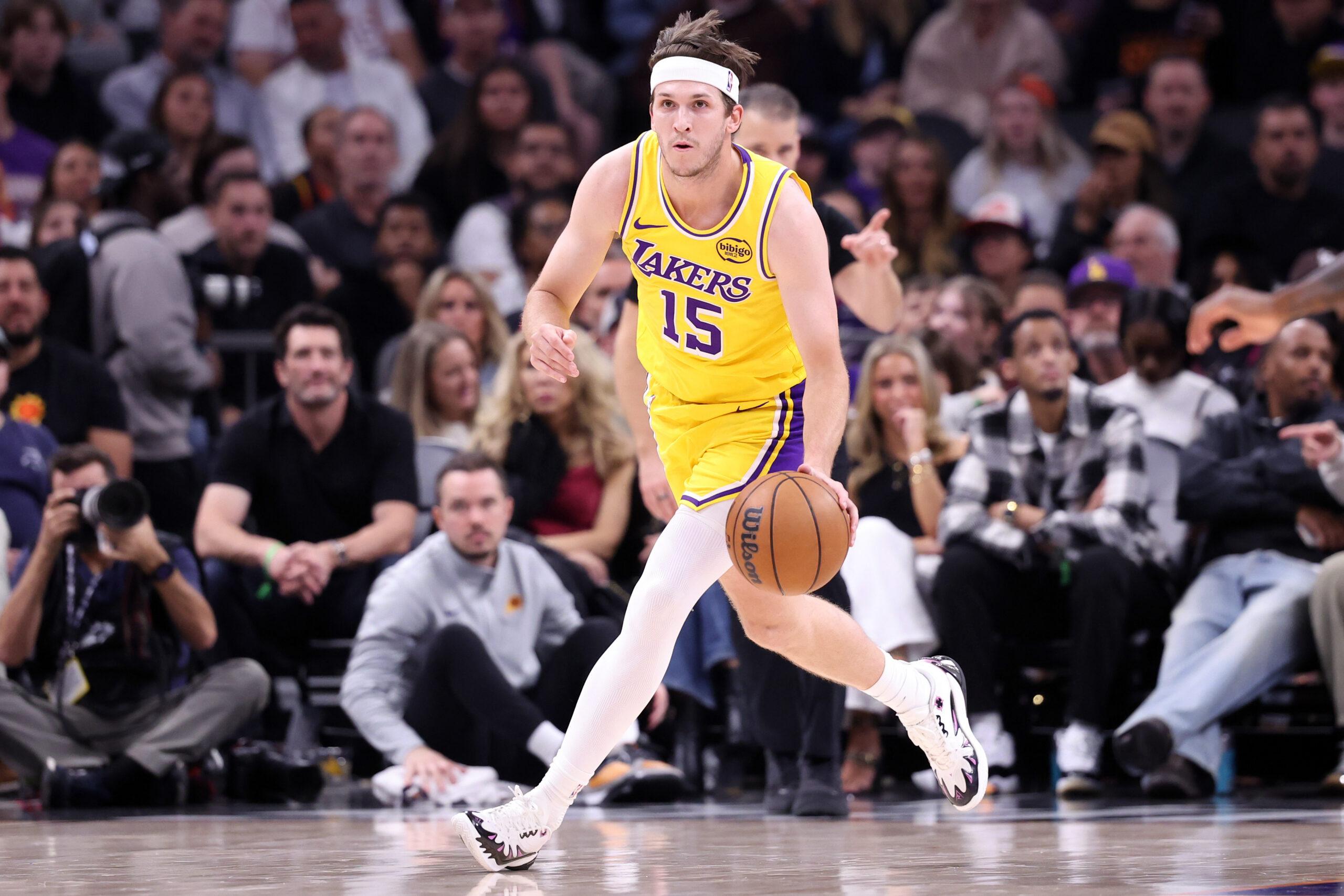
Austin Reaves, Los Angeles Lakers
[Taps chest, raises hand.] This one’s on me. Not in a million years did I think Reaves would ever be good enough to earn a max contract without any caveats. But here we are, in the year of our lord 2026, and I no longer care about his defensive shortcomings or how challenging it will be for the Lakers to build a top-10 defense around him and Luka Doncic.
Related to that point: Going back to last season, in 1,119 minutes with Doncic and Reaves on the court, the Lakers’ defensive rating has been 0.7 percentage points better than league average. They have not benefited from 3-point luck, either. This season, those two have played 312 minutes without LeBron James, who doesn’t figure to be on the team next year. Over that span, the Lakers defense has allowed 6.1 fewer points per 100 possessions than league average.
All right, let’s quit burying the lede. Reaves is one of the most efficient and productive high-usage players in the NBA. Before he suffered a calf strain last month, the 27-year-old was averaging 26.6 points, 6.3 assists, and 5.2 rebounds per game. These are Devin Booker, James Harden, obvious All-Star numbers that could be even better if he weren’t functioning beside the league’s usage leader. (Reaves’s usage rate is 12.4 percentage points higher without Luka; his true shooting percentage is 4.3 points higher.) Compared to last season, only two players have seen their on-ball gravity—a stat that measures how much attention every player receives with the ball—increase more than Reaves’s.
I can sit here all day and give you numbers that I’m sure Reaves’s agency will feature in the PowerPoint presentation it shows L.A. (and other teams?) this summer. But here’s the one it should lead with: There are six players in the league who generate at least 1.3 points per shot with a usage rate above 25 percent: Giannis Antetokounmpo, Shai Gilgeous-Alexander, Stephen Curry, Kevin Durant, Nikola Jokic, and … Reaves. Pay this man, and worry about the rest later.
Honorable mentions: Tyrese Maxey, Jaylen Brown, Jamal Murray, Josh Giddey, Marvin Bagley III, Nickeil Alexander-Walker, Dominick Barlow, Isaiah Stewart