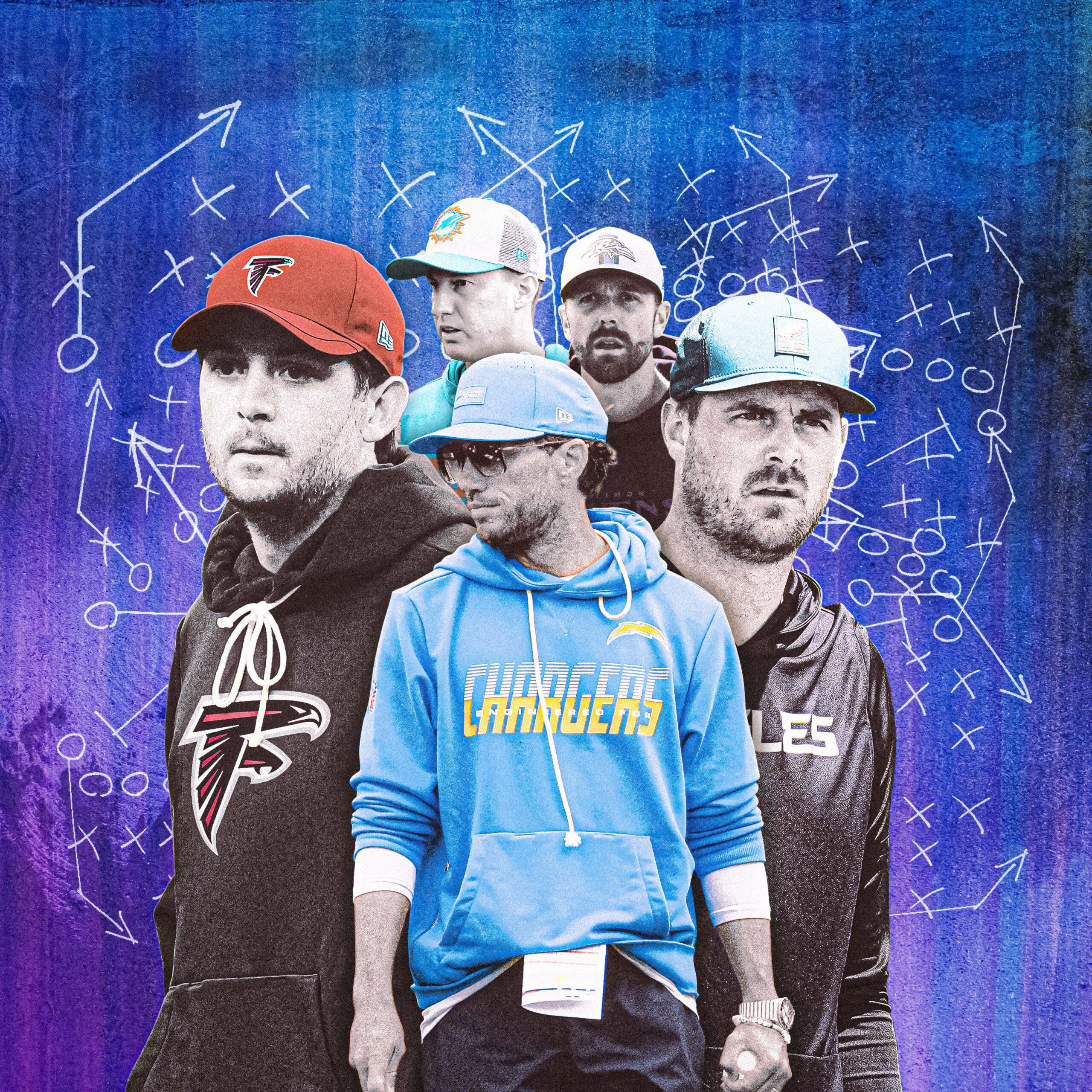


There isn’t a more transient coaching position in the NFL right now than a play calling offensive coordinator. OCs who show any promise in their first year on the job get poached for head coaching positions, and those who don’t are immediately run out of town and replaced by other young coaching prospects. Consider this: As we enter the 2026 season, there are only two play calling offensive coordinators who held the same position in 2025—New England’s Josh McDaniels (who’s essentially unhirable as a head coach after his stint in Las Vegas) and Houston’s Nick Caley (who won’t be getting to a third year if the Texans offense plays as poorly it did in his first).
Rams coach Sean McVay recently told The Ringer that he was surprised by that OC stat, but he should have been wearing the hot dog suit from I Think You Should Leave. McVay is the guy who started all of this. His instant success in Los Angeles sent coach-needy teams on a search to find their own McVays. And because NFL teams are incapable of coming up with original ideas, they just started hiring away McVay’s staff—or anyone who had ever shared a room with the Rams coach. As naive as that approach may have seemed at the time, it’s yielded good results—for the most part. There have certainly been some duds, but former McVay assistants have found success around the league. Zac Taylor led the Bengals to a Super Bowl, Matt LaFleur has won multiple divisional titles in Green Bay (while reviving Aaron Rodgers’s career and developing Jordan Love into a star), and Kevin O’Connell has a .632 winning percentage despite the Vikings’ revolving door at quarterback.
McVay and his former colleague turned NFC West rival Kyle Shanahan are coming up on their 10th seasons as head coaches, and their collective stranglehold on the NFL isn’t getting any weaker. As their coaching trees have expanded across the league, their offensive philosophies have also spread. Condensed sets, under-center formations, pre-snap motion, and play-action passing are no longer only markers of a McVay or Shanahan system. They’ve become the foundation on which nearly every offense in the league is built. That becomes glaringly obvious when you step back and look at leaguewide trends. In 2016, the season before McVay and Shanahan were hired as head coaches, offenses lined up in condensed formations on only 11 percent of snaps, per Next Gen Stats. In 2025, that number was up to 38.5 percent. Next Gen Stats has been tracking pre-snap motion since 2018, and the usage rate has jumped from 46.2 percent that year to 63.3 percent in 2025.
After the 2026 coach hiring cycle, those rates will almost certainly keep rising, and offenses across the league will continue to homogenize. There will be 17 teams with a new play caller this season, and nearly all of them have a strong tie to McVay, Shanahan, or Sean Payton. Some retreads fall outside those ranks—like Frank Reich (Jets), Matt Nagy (Giants), and Mike McCarthy (Steelers)—but the fresh hires can all trace their play calling lineage back to one of those three coaches.
Even the ones with weaker links to McVay, Shanahan, and Payton, like Washington’s first-year offensive coordinator, David Blough, will employ a similar offensive philosophy. Blough worked for two years on Kliff Kingsbury’s Commanders staff before getting his promotion this offseason, but Washington’s offense could be in for a dramatic makeover. Kingsbury’s system operated out of shotgun and lined up in spread sets. One of the first things Dan Quinn mentioned at Blough’s introductory press conference was a shift toward more under-center formations and bootleg opportunities for Jayden Daniels. The new offensive coordinator confirmed that would be the approach, and in Washington’s first preseason game, the team’s quarterbacks were in the gun on 46.5 percent of the snaps, per TruMedia. Compare that with last preseason, when that number was a league-high 98.8 percent.
We’ll see a similar change in Philadelphia, where Nick Sirianni finally gave up on his brand of offense and hired Sean Mannion away from LaFleur’s Packers. The Eagles had a shotgun spread/RPO offense for all of Sirianni’s tenure but will now have more of a McVay/Shanahan-style scheme. The same is true in Baltimore, where Declan Doyle was brought in from Ben Johnson’s staff in Chicago. Johnson isn’t an official member of the McVay/Shanahan tree, but he’s got ties to Payton and has borrowed some foundational ideas from all of those coaches. The Chargers are getting their own version of the Shanahan offense with Mike McDaniel taking over for Greg Roman as offensive coordinator. And McVay’s tree sprouted another branch when the Cardinals hired his offensive coordinator Mike LaFleur.
There’s an obvious downside here: A lot of the offenses around the league will look the same this season, which can be a bit boring. But as these young coaches crawl out of the shadows of the guys who spawned all of this, they’ll be able to put their own spin on their offenses, which will lead to more variety down the road. Or, I guess, there’s always the possibility that they’ll fall flat on their faces, get fired, and retreat right back into those shadows as lowly assistants once again.
So let’s take a look at all 17 of the new play callers this season to get a sense of where NFL offenses may be headed next. For each coach—even familiar faces like Reich and Nagy—we’ll be looking at their background and schematic philosophy before posing one big question they’ll have to answer in 2026.
First-Time Play Callers
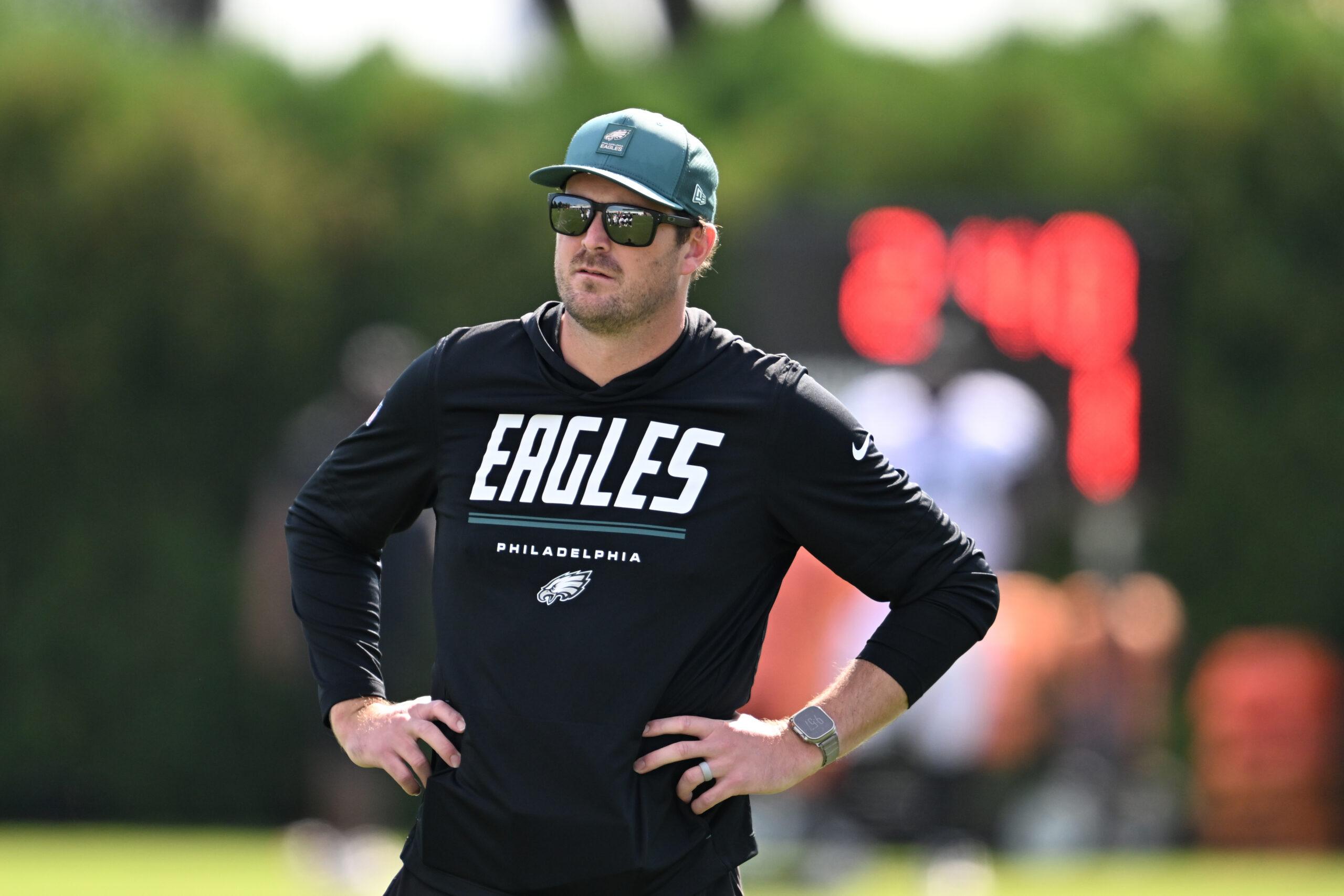
Sean Mannion, Philadelphia Eagles Offensive Coordinator
Age: 34
Play calling experience: None
Coaching influence: Matt LaFleur
Past jobs: Packers offensive assistant (2024), Packers QB coach (2025)
Scheme background: After striking out on their preferred OC candidates this offseason, the Eagles settled on the inexperienced Mannion, who was still on an NFL roster as recently as 2023. The 34-year-old had spent the past two seasons on the Packers staff working under Matt LaFleur. And while little is known about Mannion’s schematic preferences, many assume he’ll be bringing his version of LaFleur’s offense to Philadelphia.
During Mannion’s time in Green Bay, there were two versions of that offense. There was the Jordan Love offense, which featured more under-center formations, condensed sets, and bigger personnel groupings. Then there was the Malik Willis offense, which was built around more three-receiver sets, spread concepts, and pre-snap motion. Green Bay’s use of pistol formations more than doubled with Willis under center, which allowed LaFleur to maintain the backfield symmetry needed for a wide-zone run scheme while also allowing for option reads to be built in. With Mannion now coaching another mobile quarterback, Jalen Hurts, one would expect his offense to resemble what we saw with Willis over the past two seasons.
One big question for 2026: Can Mannion get Hurts to throw to the middle of the field?
Hurts’s aversion to middle-of-the-field throws is well documented, but that isn’t the result of a physical (or mental) inability to throw to that area. We have video evidence that he can do it. But most of those throws come against man coverage, where Hurts can read the leverage his receiver has on a defender and lead his guy to a spot. The no-throws come against zone coverage, where Hurts is forced to make anticipatory throws before his receiver arrives in a certain window. If Mannion is the “evil genius” Eagles lineman Jordan Mailata says he is, the rookie play caller should be able to force opposing defenses into man coverage and scheme up plays that pry open zone windows over the middle. This offense doesn’t really work without those throws, and the best coaches in the “Piss Boys” tree have helped lesser quarterbacks make them with regularity.
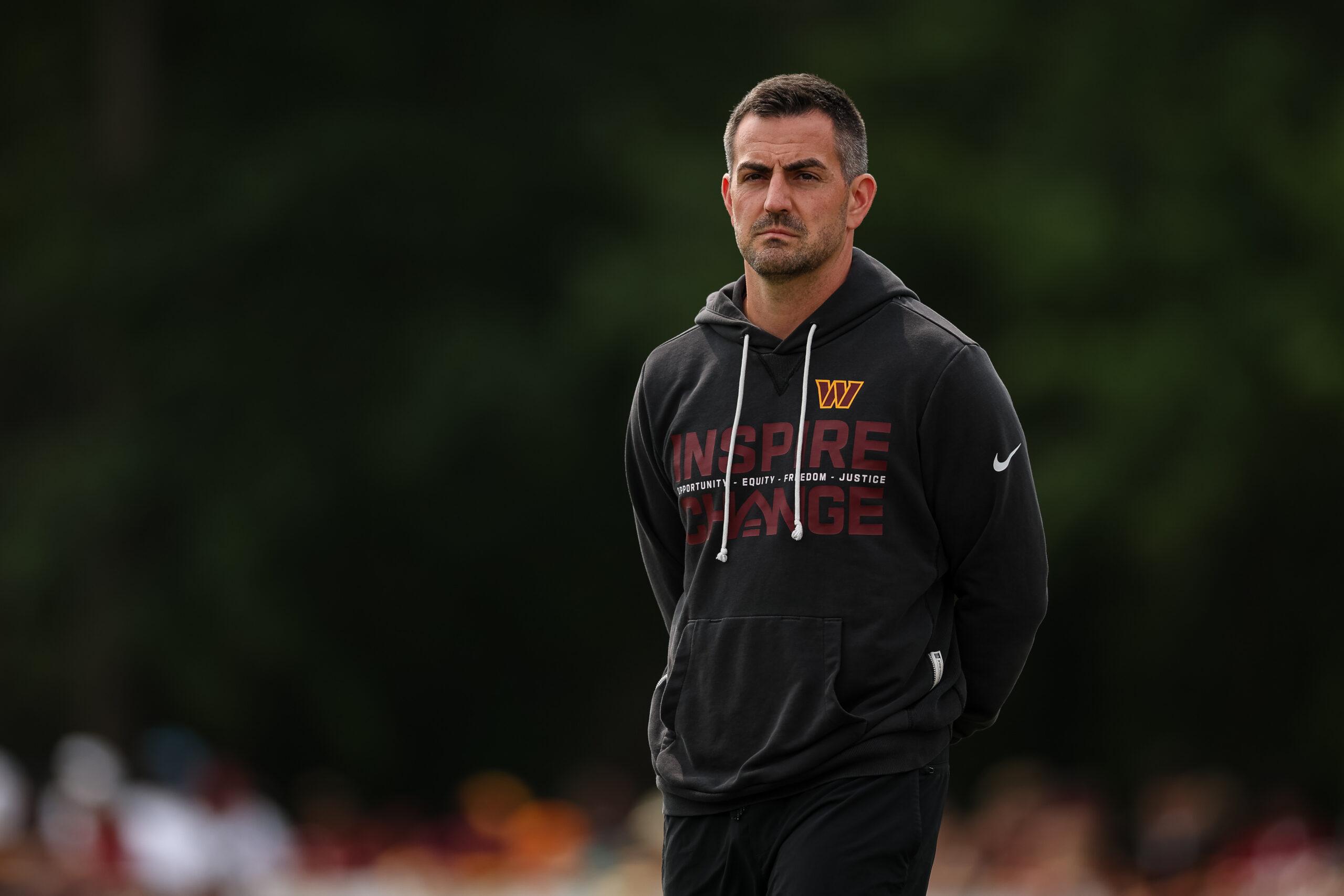
David Blough, Washington Commanders Offensive Coordinator
Age: 31
Play calling experience: None
Coaching influences: Kliff Kingsbury, Ben Johnson
Past jobs: Commanders assistant QB coach (2024-25)
Scheme background: Since he retired as a player following the 2023 NFL season, Blough has worked under one offensive coach. Kliff Kingsbury brought Blough to Washington after coaching the 31-year-old for a season in Arizona. And on Kingsbury’s watch, the Commanders ran an up-tempo, shotgun-based offense built around zone-read concepts and run-pass options. The passing game mostly consisted of quick, short passes that took advantage of Jayden Daniels’s precision underneath. You would expect Blough to run it back with a similar approach, but things will actually look a lot different in Washington under the first-year offensive coordinator.
The Commanders will operate under center far more often, which will naturally lead to fundamental changes across the scheme. There will be fewer option runs and quick throws. Daniels will be holding the ball longer than he did in his first two seasons, and he’ll likely be making more ambitious throws down the field. While Blough has only two years of coaching experience, he has played for coaches like Ben Johnson and Kevin O’Connell, who have clearly left a mark on the 31-year-old. Expect his offense to look more like what we’ve seen out of Chicago, Detroit, and Minnesota in recent seasons and less like the Air Raid style that Washington ran over Daniels’s first two seasons in the league.
One big question for 2026: Can Blough protect Daniels?
“Daniels will be holding the ball longer than he did in his first two seasons” may sound like a red flag given his injury history and smaller frame, but this version of the Commanders offense should offer him more schematic protection. Daniels will almost certainly have a higher time to throw, but he should also have a higher play-action rate, which slows down the opposing pass rush and keeps pockets clean. There will be fewer designed QB runs, and if Blough is doing his job correctly and getting receivers open downfield off play-action, there will be fewer scrambles. That means fewer hits. Daniels has played in the gun for his entire pro and college careers, so there will be some growing pains. How Blough guides his young quarterback through them will tell us everything we need to know about the up-and-coming coach.
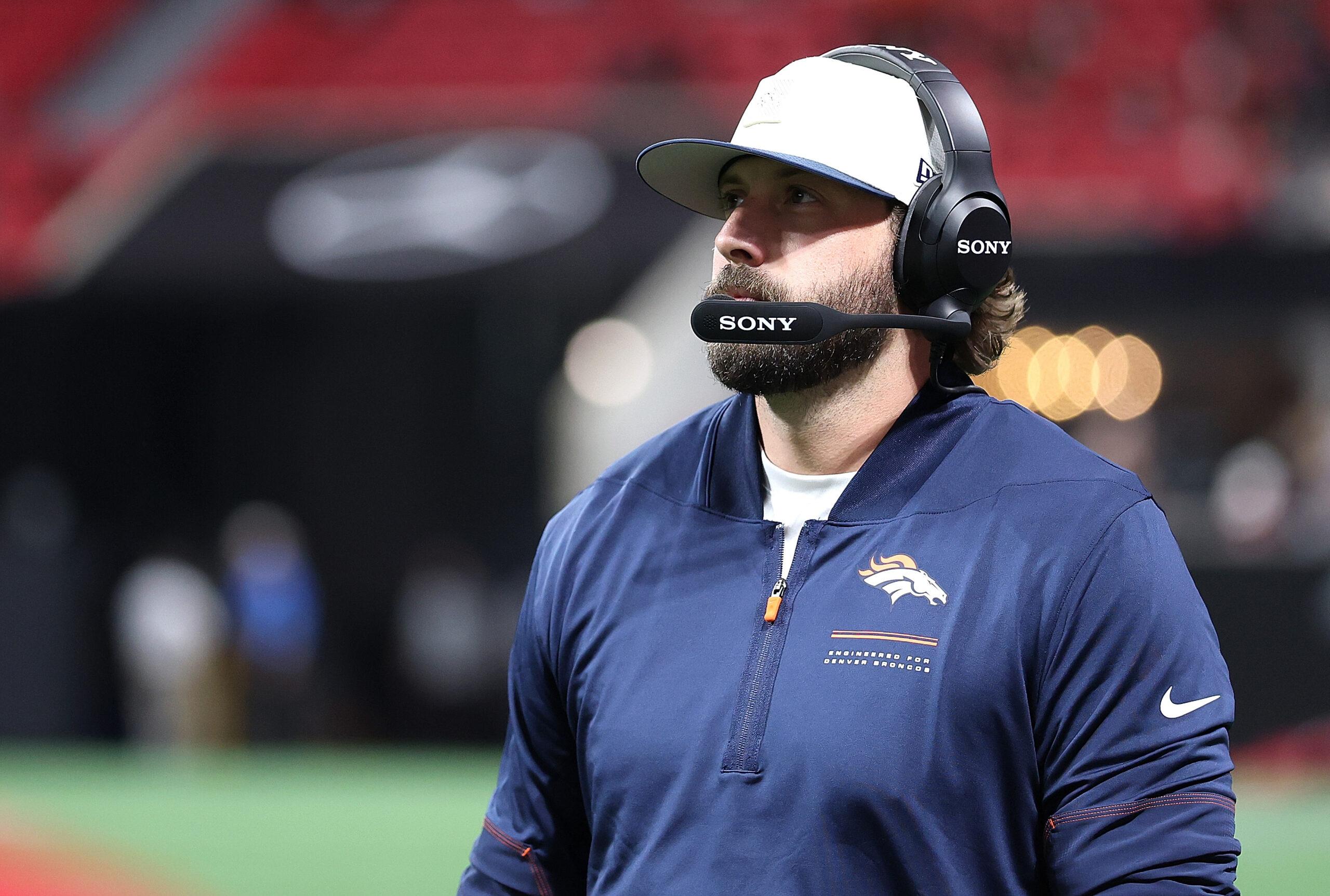
Davis Webb, Denver Broncos Offensive Coordinator
Age: 31
Play calling experience: None
Coaching influence: Sean Payton
Past jobs: Broncos QB coach (2023-24), Broncos pass game coordinator and QB coach (2025)
Scheme background: Webb has had a steep rise through the coaching ranks since his retirement in 2022. He immediately joined Sean Payton’s staff in Denver. And after two seasons of coaching quarterbacks, Webb was named offensive coordinator ahead of the 2025 season. He must have done a good job behind the scenes because for the first time ever in his 19 seasons as a head coach, Payton is giving up play calling duties to one of his assistants. Payton will still be heavily involved, so don’t expect any significant changes to Denver’s scheme. The Broncos will use multiple personnel groupings—with fullbacks, tight ends, and extra offensive linemen trading spots from down to down—and downhill runs that help set up downfield shots.
One big question for 2026: Can Webb put his mark on Payton’s offense?
Payton has built successful offenses for the past three decades, but unlike other offensive geniuses, his top OCs have never been poached for head coaching jobs. Webb is on the fast track to change that, having interviewed for multiple head coaching jobs this past offseason. But standing out in Payton’s shadow could be challenging. The good news is that Payton’s offensive staples are so well known at this point that it won’t be hard to pick out the wrinkles Webb adds. Based on what we’ve seen out of Broncos camp, an increase in tempo could be one of those wrinkles. Bo Nix seemed to play his best last season when Denver was in hurry-up mode, and fans clamored for more of it from Payton. It appears they’ll get their wish with Webb at the helm. And there’s more good news: Denver’s offense has been slightly better than mediocre under Payton. So if Webb can get this talented offense into the top 10 in efficiency, he’ll be able to claim that he one-upped one of the NFL’s preeminent scheme lords.

Declan Doyle, Baltimore Ravens Offensive Coordinator
Age: 30
Play calling experience: None
Coaching influences: Sean Payton, Ben Johnson
Past jobs: Saints offensive assistant (2019-22), Broncos TE coach (2023-24), Bears offensive coordinator (2025)
Scheme background: Doyle is the youngest member of this list, but he’s already got a decade of coaching experience, having joined Iowa’s staff as a student assistant in his sophomore year of college. After graduation, he joined Payton’s staff in New Orleans, then followed the veteran coach to Denver, where he coached tight ends for a couple of seasons. Ben Johnson, who has a connection with Payton’s coaching tree through Dan Campbell, picked Doyle as his first OC in Chicago without ever having worked with him. There are a lot of similarities between Johnson’s and Payton’s offenses, with a key difference being the foundational run play. Johnson, who’s drawn inspiration from Sean McVay’s offenses in Los Angeles, prefers to stretch the defense horizontally with outside zone runs. Payton prefers to run downhill with a run play known as “duo.” We’ve seen plenty of successful offenses feature both run schemes at the same time, so Doyle won’t have to choose.
One big question for 2026: Can Derrick Henry stiff-arm Father Time once again?
Henry’s Titans teams of the late 2010s and early 2020s blended both styles of run. And those ultra-successful units could be the model for Baltimore’s offense in 2026. Tennessee pounded the football and opened up space over the middle for downfield shots off play-action. And it did it mostly from under center, rather than from the shotgun. Quarterback Ryan Tannehill, who enjoyed a career resurgence with Henry in the backfield, wasn’t much of a runner or scrambler, so that will be a major difference. But with Lamar Jackson creeping toward his 30s, the Ravens will likely want to cut back on his designed runs. If Doyle can build a dominant run game that isn’t dependent on Jackson’s exceptional run threat, teams will be lining up to make him the youngest head coach in NFL history.
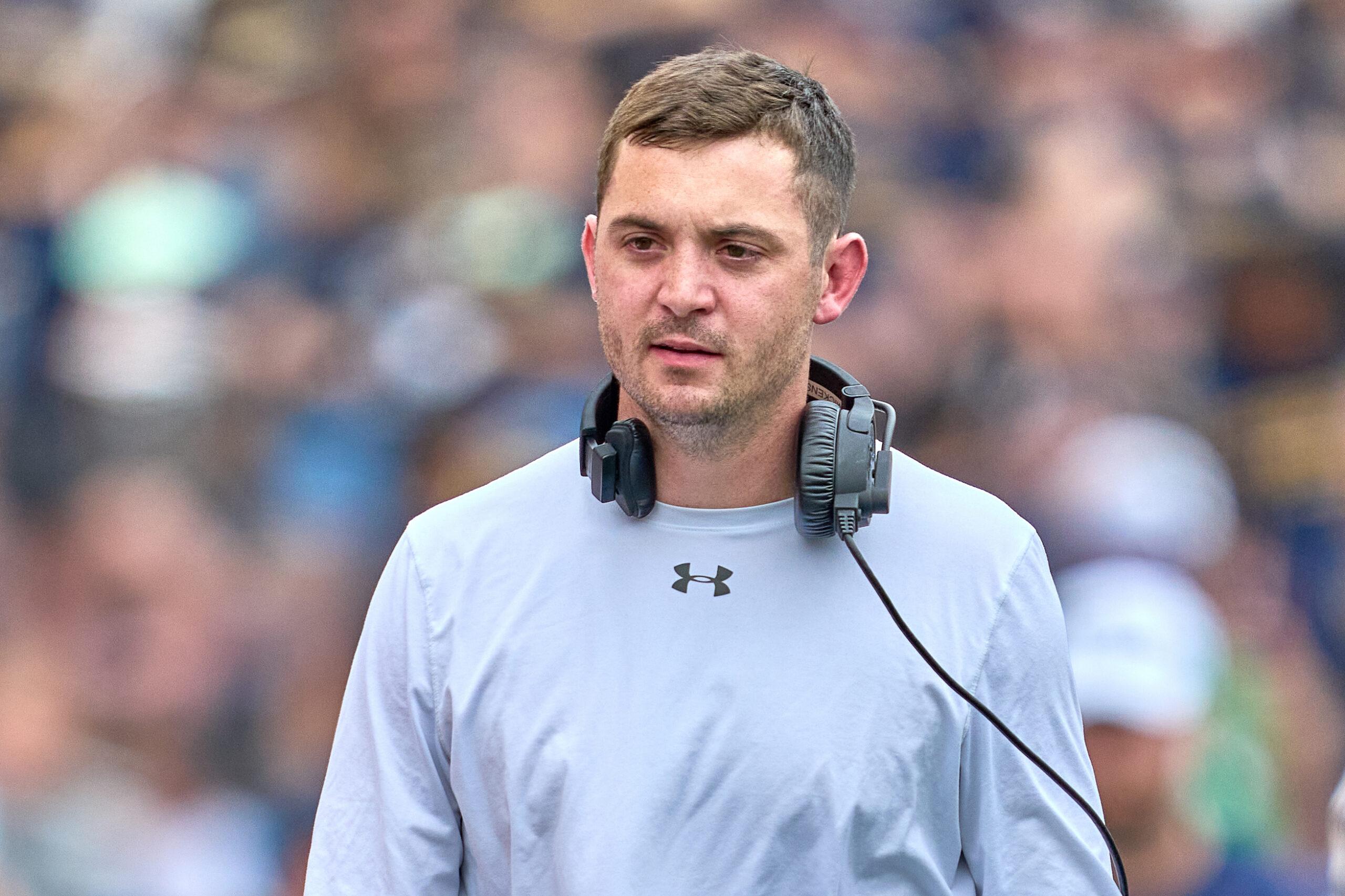
Tommy Rees, Atlanta Falcons Offensive Coordinator
Age: 34
Play calling experience: Served as the Browns’ interim play caller for the final eight weeks of the 2025 season and called plays for Alabama in 2023
Coaching influences: Kevin Stefanski, Ken Whisenhunt
Past jobs: Chargers offensive assistant (2016), Browns pass game specialist and TE coach (2024), Browns offensive coordinator (2025)
Scheme background: Having never been a full-time play caller in the NFL, Rees still belongs in this group. But compared with his peers here, he’s got some significant experience. Rees called plays for Nick Saban in Saban’s final season with Alabama and then inherited Cleveland’s play calling duties—or was stuck with them, depending on how you look at it—on an interim basis at the end of last season. Kevin Stefanski must have been impressed with Rees’s work because he’s brought the young coordinator with him to Atlanta and entrusted him with full-time play calling responsibilities. Rees came up in the Air Coryell/Norv Turner coaching tree, which Stefanski is keeping alive. So the Falcons offense will have Stefanski’s fingerprints all over it, even if Rees is calling the plays. Expect a lot of 11 and 12 personnel, a diverse run game with plenty of pulling guards, and a vertical passing game.
One big question for 2026: Can Rees get the most out of Atlanta’s skill players despite glaring QB issues?
Rees hasn’t been blessed with good quarterback play thus far in his play calling career, and that won’t change in Atlanta, where Tua Tagovailoa and Michael Penix Jr. are in a mid-off for the Falcons’ QB1 spot. In all likelihood, we’ll see both Tagovailoa and Penix start games this season, which will make Rees’s job even tougher. The former is a soft tosser who rarely strays outside the numbers with his throws. The latter attacks the perimeter but lacks the touch to do it consistently. Rees will have to build out two completely different passing games depending on who gets the call at quarterback. But he will have Bijan Robinson, Drake London, and Kyle Pitts at his disposal, which makes things a bit easier. While the quarterback problem is keeping expectations lower for Atlanta’s offense, those guys will still be expected to find success no matter who’s taking snaps under center.
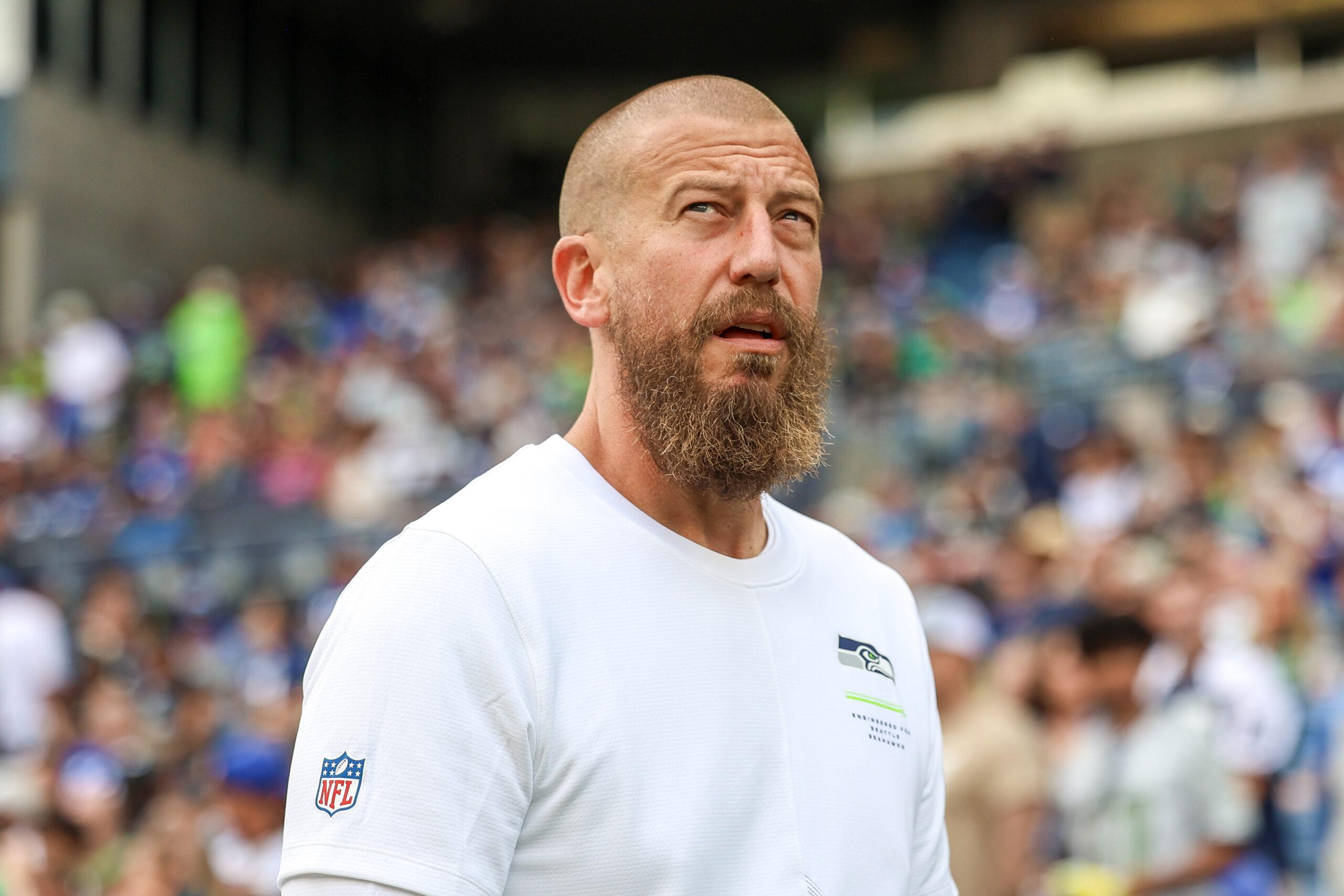
Brian Fleury, Seattle Seahawks Offensive Coordinator
Age: 46
Play calling experience: None
Coaching influence: Kyle Shanahan
Past jobs: Browns assistant LB coach (2014), Browns OLB coach (2015), 49ers defensive quality control (2019), 49ers offensive quality control (2020-21), 49ers TE coach (2022-24), 49ers run game coordinator and TE coach (2025)
Scheme background: Take another look at Fleury’s job history. He spent the first eight seasons of his pro coaching career on the defensive side of the ball, so he’s had both the longest and strangest path to an offensive play calling job of anyone on this list. He’d coached tight ends for the 49ers since 2022 and inherited the run game coordinator title last season. He didn't make many changes to San Francisco’s run-concept usage. There was a slight decrease in outside zone rate compared with the previous season, but it was still in line with most of Shanahan’s offenses, and the usage rate for other concepts barely budged. That’s not a bad thing. Shanahan’s run scheme is one of the best in the league, and if Fleury can replicate it in Seattle, as Klint Kubiak did in 2025, the Seahawks offense will remain mostly the same.
One big question for 2026: Can Fleury maintain Seattle’s explosive play rate?
If Fleury is going to replicate the results Kubiak delivered in Seattle’s Super Bowl–winning campaign, he’ll need to keep the explosive plays flowing. Those big gains powered the Seahawks offense to a significant degree; per TruMedia, Seattle scored only five touchdowns on drives that did not produce at least one 20-plus-yard gain. Only Houston scored fewer. Fortunately, thanks to Kenneth Walker’s running, Sam Darnold’s big arm, and Jaxon Smith-Njigba’s deep route running, generating explosive plays wasn’t an issue. And while Walker’s gone to Kansas City now, all of the key pieces in the passing game are returning, so Fleury has that going for him. Seattle also used a first-round pick on running back Jadarian Price in April, so the first-year play caller should have everything he needs to keep the big plays flowing. And if he can make Seattle’s offense a bit more consistent, that will be a plus.
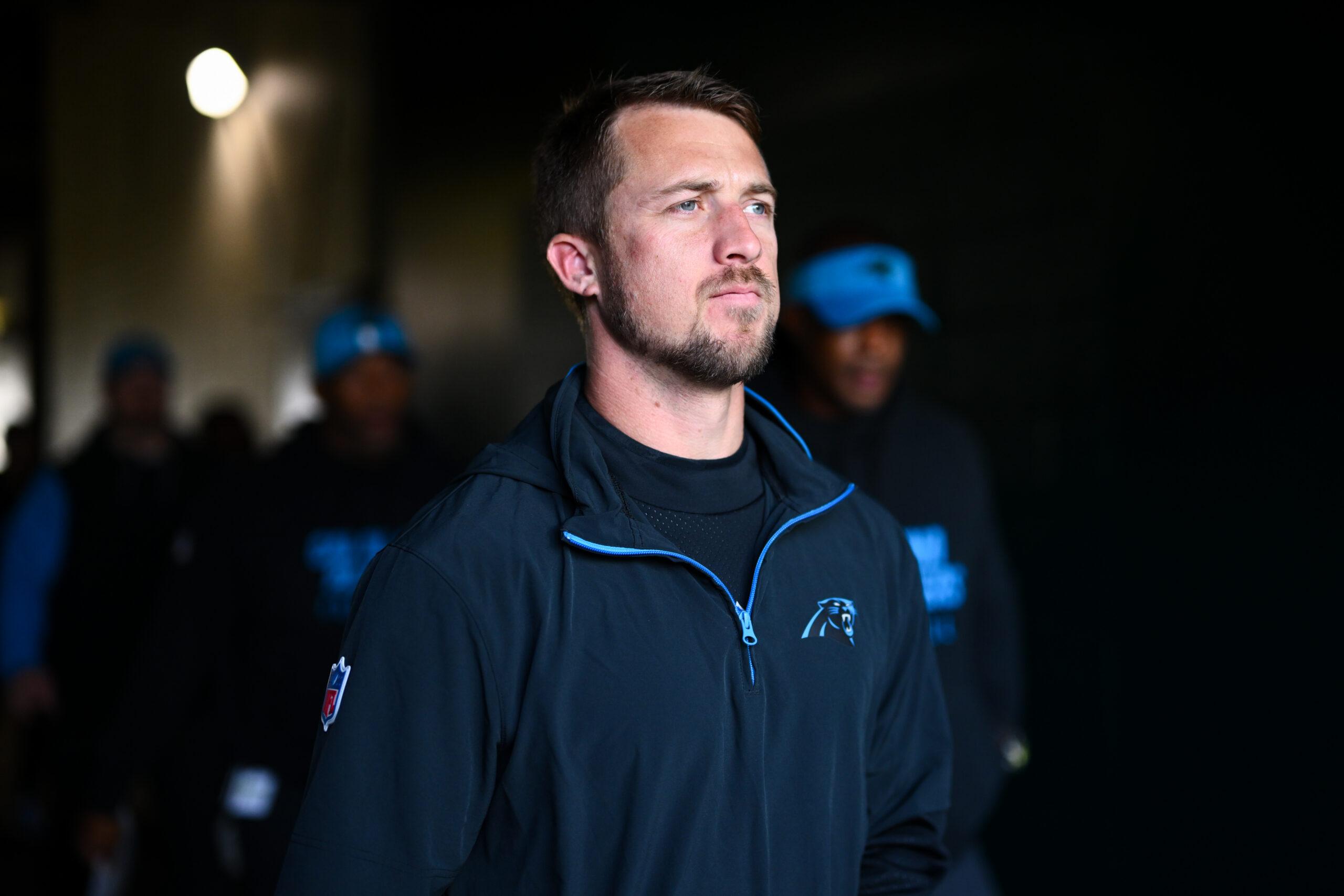
Brad Idzik, Carolina Panthers Offensive Coordinator
Age: 34
Play calling experience: None
Coaching influences: Sean Payton, Ben Johnson
Past jobs: Seahawks assistant WR coach (2019-20), Seahawks assistant QB coach and offensive quality control (2021), Seahawks assistant WR coach (2022), Buccaneers WR coach (2023)
Scheme background: Idzik has been an NFL coach for seven seasons, and he’s worked with Panthers head coach Dave Canales that whole time. Now the eighth season of this partnership will be the first time Idzik has play calling powers. Canales, and therefore Idzik, have an interesting coaching lineage. Both started their NFL journeys working under Brian Schottenheimer, an Air Coryell disciple, in Seattle. And both were retained when Shane Waldron, a former Sean McVay assistant, took over as Seahawks offensive coordinator in 2021. You can see the influences of both schemes in Carolina’s offense. But having the diminutive Bryce Young at quarterback presents a unique challenge. Young is at his best when making vertical throws to the perimeter. And in Tetairoa McMillan and Jalen Coker, the Panthers have two receivers who can bring those balls down. So Canales and Idzik have built a sturdy run game that should keep teams in single-high coverages and give Young, McMillan, and Coker the one-on-one opportunities they require.
One big question for 2026: Can Idzik elevate Young’s game?
If Young is going to take the next step in his development, we’ll need to see more variety in his downfield throws. Like most shorter quarterbacks, Young struggles when attacking the middle of the field. Vision is an obvious issue, and Young lacks the top-end arm strength needed to make throws after his receivers come out of their breaks. That makes those passes a dicey proposition. While Canales has done a good job of making the passing game viable, he hasn’t found a way to mitigate that issue for his young, ascending quarterback. If Idzik is able to unlock that piece of the offense, he’ll get his due credit.
Fresh-Start Play Callers
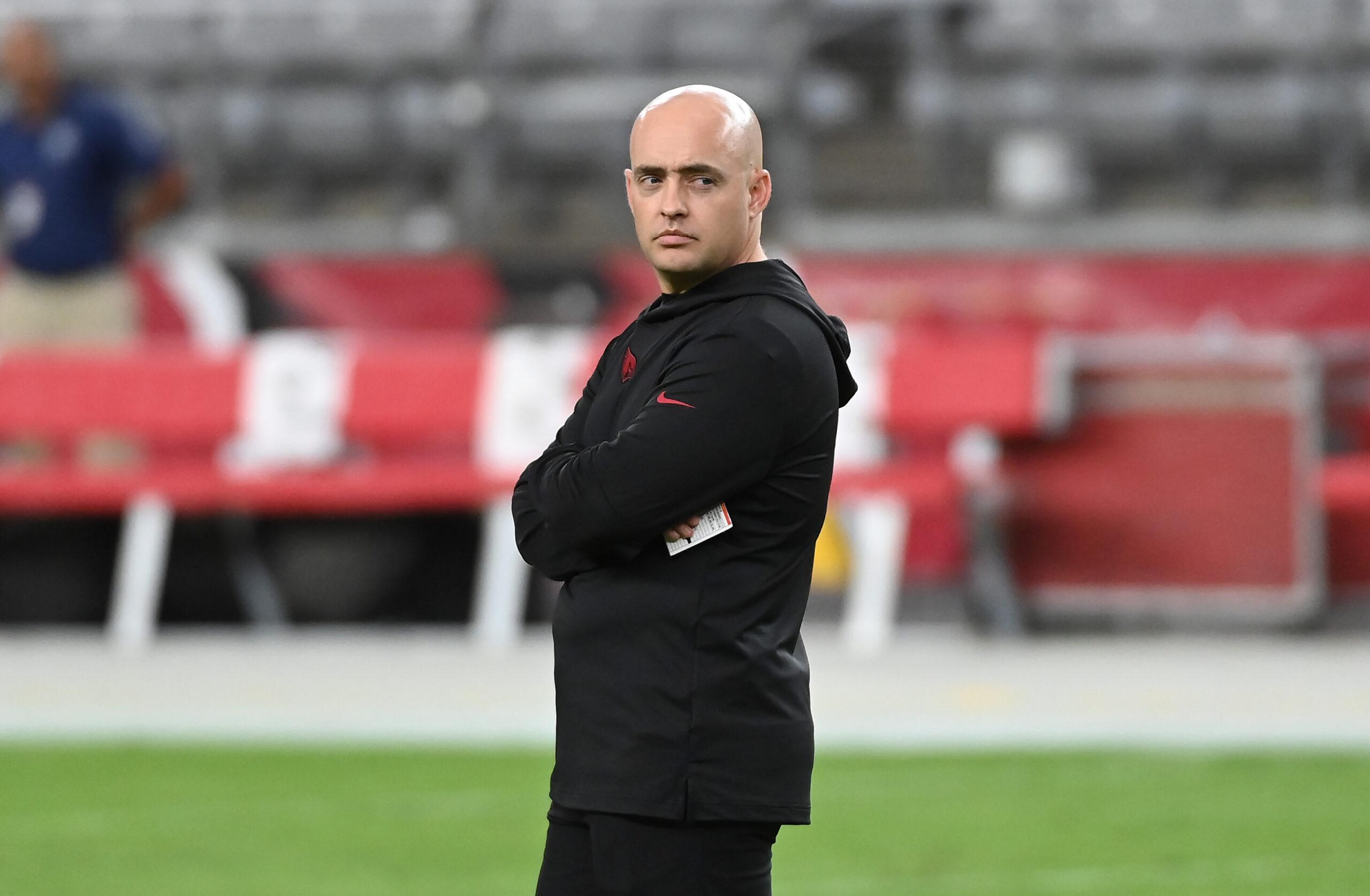
Drew Petzing, Detroit Lions Offensive Coordinator
Age: 39
Play calling experience: Three seasons as the Cardinals’ offensive coordinator (2023-25)
Coaching influences: Norv Turner, Kevin Stefanski
Past jobs: Vikings offensive assistant (2014-15), Vikings assistant WR coach (2016-17), Vikings assistant QB coach (2018), Vikings WR coach (2019), Browns TE coach (2020-21), Browns QB coach (2022), Cardinals offensive coordinator (2023-25)
Scheme background: The Lions are taking an inspired swing with offensive coordinator Drew Petzing, zagging away from the Shanahan-McVay coaching tree in the hopes that he can breathe new life into an offense that was good but underwhelming last season. Petzing is a branch off of Norv Turner’s coaching tree, a descendant of the Air Coryell offensive system. That scheme birthed the Greatest Show on Turf under Mike Martz, but it’s essentially defunct in today’s game. Offenses are more committed to rapidly getting the ball out of the quarterback's hands and into those of receivers who can create after the catch, while Air Coryell’s approach is based on deep passing. Petzing’s offense has adapted to fit the times, but there’s still no way to know what it will look like in Detroit—quarterback Jared Goff is worlds different from Petzing’s former Cardinals quarterback, Kyler Murray. At its core, Petzing’s offense is designed to use a power-rushing attack to set up vertical passes, which is similar to the way Detroit was able to win under former coordinator Ben Johnson.
One big question for 2026: Will Petzing’s offensive identity satisfy Dan Campbell?
Petzing isn’t the first coach from the Air Coryell tree to land in Detroit. His predecessor (John Morton) worked under Turner as well, and he lost play calling duties because Goff was getting hit far too often. Some of that is because the Lions’ offensive line took a step back in 2025, but I’m not sure that Petzing’s play calling will be safer for Goff, transformative for this offensive line, or satisfactory for Campbell. We have never seen Petzing call plays for an immobile quarterback like Goff either; the QB won’t be able to extend plays or scramble to get out of trouble. That means there’ll be more pressure on Petzing to adjust his more shotgun-based approach from Arizona to better fit Goff, who works well under center. And he’ll have to do that under the watchful eye of Campbell, who has more coordinator-fired-after-one-season examples than he does success stories.
Bobby Slowik, Miami Dolphins Offensive Coordinator
Age: 39
Play calling experience: Two seasons as the Texans’ offensive coordinator (2023-24)
Coaching influence: Kyle Shanahan
Past jobs: Washington defensive assistant (2011-13), 49ers defensive quality control (2017-18), 49ers offensive assistant (2019-20), 49ers pass game specialist (2021), 49ers pass game coordinator (2022), Texans offensive coordinator (2023-24)
Scheme background: Miami is in year one of a teardown, and offensive coordinator Bobby Slowik is in year one of a reputational makeover. This is a match made in heaven, as both parties have nothing to lose right now. From 2023 to 2024, Slowik went from being the next hotshot off of Kyle Shanahan’s coaching tree to being blamed for Houston’s offensive shortcomings, and now he has to prove he can build a winning offense on his own. Slowik’s only exposure to NFL offensive schemes comes from Shanahan, so he’s a tried-and-true outside zone and West Coast offense guy. He believes in running the ball on early downs and pushing the ball downfield in the passing game: During his time in Houston, the Texans had the fifth-most under-center runs on first and second downs and the third-highest air yards per attempt.
One big question for 2026: Can Slowik make this offense his own?
It probably wasn’t fair for me to roll my eyes as hard as I did when Slowik was named Miami’s offensive coordinator, because it's possible that he simply had too much foisted upon him early in his career and will eventually be a successful play caller. But after watching him try and fail to replicate the 49ers offense in Houston—which had one of the league’s worst offensive lines and no running backs in the same galaxy as Christian McCaffrey—I can’t shake the idea that he might not have the juice to create his own iteration of this scheme. He spent the past year in Miami as a senior assistant, and maybe that was enough time to absorb some run game ingenuity from former Dolphins head coach Mike McDaniel. But McDaniel is with the Chargers now (as is former offensive line coach Butch Barry), and former Dolphins offensive coordinator Frank Smith is in Minnesota. That trio was responsible for the schematic and personnel development of Miami’s run game, and none of them will be around to serve as a guide for Slowik in his second shot as a play caller. With an offensive roster pretty bereft of talent, Slowik can change the narrative of his career only by proving that his time with McDaniel transformed him into the offensive coordinator the Texans thought they had a few seasons ago.
Zac Robinson, Tampa Bay Buccaneers Offensive Coordinator
Age: 39
Play calling experience: Two seasons as the Falcons’ offensive coordinator (2024-25)
Coaching influence: Sean McVay
Past jobs: Rams assistant QB coach (2019, 2021), Rams assistant WR coach (2020), Rams pass game coordinator and QB coach (2022-23), Falcons offensive coordinator (2024-25)
Scheme background: Robinson and Dolphins coordinator Bobby Slowik are on parallel career tracks. Both are under-40 coaches who saw their profiles rise under elite offensive play callers (Kyle Shanahan for Slowik, Sean McVay for Robinson) and received play calling duties early in their careers despite being relatively unproven. The Falcons handed Robinson a talented offensive group in his first coordinator stint, but his results underwhelmed thanks to a fluid quarterback situation. Ultimately, his inability to balance opportunities for playmakers like Drake London, Kyle Pitts, and Bijan Robinson cost him his gig. Now in Tampa Bay, Robinson needs to take what he learned schematically under McVay and apply it to a team that’s already experienced success with this system via former OC Liam Coen. This system is based chiefly on outside zone runs and play-action passes, using multiple personnel groupings and pre-snap motion to keep linebackers and safeties one step behind the offense. Robinson tried a quick passing approach with quarterbacks Kirk Cousins and Michael Penix Jr. in Atlanta; with those two QBs, the Falcons had the fifth-fastest time to throw in the league over the past two years. That approach will work well with Bucs quarterback Baker Mayfield, who’s at his best when he’s not holding the ball or trying to force plays downfield.
One big question for 2026: Can Robinson revive Tampa Bay’s run game?
Tampa Bay’s yards per rush on first and second downs dropped from 5.2 in 2024 to 3.9 last season, going from the 98th percentile to the 10th. 2025 offensive coordinator Josh Grizzard simply couldn’t match the ingenuity Coen had in the run game two years ago. Robinson doesn’t have to get eye-popping numbers from this backfield, but he needs to find something more stable on the ground than what Tampa Bay had last season. His offenses averaged over 4.5 yards on early-down runs last season, but he had one of football’s best running backs to lean on. I’m fascinated in what kind of run game he develops around Bucky Irving, a player who’s clearly better at running on the perimeter than between the tackles. If Tampa’s offense becomes predictable because Irving isn’t able to do what he does best, that’ll put more pressure on Mayfield and the passing game to keep the offense on schedule—and that was a major reason why the Bucs faltered in the second half of last season.
Todd Monken, Cleveland Browns Head Coach
Age: 60
Play calling experience: Several seasons as a collegiate play caller, three seasons as the Ravens’ offensive coordinator (2023-25)
Coaching influence: Dirk Koetter
Past jobs: Jaguars WR coach (2007-10), Buccaneers WR coach (2016-17), Buccaneers offensive coordinator (2016-18), Browns offensive coordinator (2019), Ravens offensive coordinator (2023-25)
Scheme background: Monken has been waiting a long time to get his shot as an NFL head coach, with 35 years of experience in the college and pro ranks. He’s coached in several different systems over the past three decades, making it hard to trace his offense back to any one specific system. But he seems to draw most of his influence from his time under former college and NFL coordinator Dirk Koetter, whose roots are in the Air Coryell system. That offense is designed to be multiple and aggressive through the air. In Baltimore, Monken used heavier personnel than the rest of the league, using three-receiver sets just 35 percent of the time, compared with the 60 percent NFL average. And in spite of the heavier personnel usage, the Ravens still pushed the ball downfield, ranking fifth in air yards per attempt in two-back or two–tight end sets in 2023-25. In Cleveland, I’d expect him to use a healthy mix of spread personnel and two-back sets to get the most out of the Browns’ young receivers and retooled offensive line.
One big question for 2026: What constitutes success for Cleveland’s offense?
I trust Monken as a play caller, and I’m excited about Cleveland’s young skill-position players, but the Browns have one of the worst quarterback situations in recent history. Monken will start his head coaching career with either Deshaun Watson, who was bad for Cleveland before tearing his Achilles tendon in 2024 (not to mention the off-field issues), or Shedeur Sanders, who was statistically awful in his rookie campaign and came into the league with concerns about whether his physical traits and bad habits in the pocket would translate. Either quarterback will be a tough watch, so I’ll be focusing instead on what Monken can get out of rookie receivers KC Concepcion and Denzel Boston. If those two are near the top of the leaderboard in rookie receiver production this year, that alone would be enough to call this season a win for Monken and the Browns offense.
Mike LaFleur, Arizona Cardinals Head Coach
Age: 39
Play calling experience: Two seasons as the Jets’ offensive coordinator (2021-22)
Coaching influences: Kyle Shanahan, Sean McVay
Past jobs: Browns intern (2014), Falcons offensive assistant (2015-16), 49ers WR coach (2017-18), 49ers pass game coordinator (2017-20), Jets offensive coordinator (2021-22), Rams offensive coordinator (2023-25)
Scheme background: I’ve learned about “negative aura” from Gen Z football fans, and that’s the best way I can describe Cardinals head coach Mike LaFleur, whose hiring came with a distinct lack of buzz. He’s a first-time head coach, and even though he was hired off McVay’s staff in L.A. after helping Matthew Stafford win MVP, there are almost zero expectations that his team will be competitive right away. As the younger brother of Packers head coach Matt LaFleur, Mike has been around the Shanahan-McVay system for a little under a decade, but it’s unclear exactly what his calling card will be as a head coach and play caller. His only real play calling experience was for the doomed Zach Wilson–era Jets, and we have never seen him attempt to develop a quarterback. His reputation is similar to that of Dolphins coordinator Bobby Slowik; he needs to prove he has more to his game than just running the same plays as his coaching mentors.
One big question for 2026: How will LaFleur use the run game to open up this offense?
Arizona enters the season with questions at quarterback and offensive line, but its skill-position group should be able to line up against anyone and find success, especially if the Cardinals can establish a respectable run game. When rookie first-round running back Jeremiyah Love returns from his ankle injury, this offense should be able to put defenses in a bind as they decide whether they want to focus on stopping players like tight end Trey McBride and receiver Michael Wilson or stack the box to get more eyeballs on Love. I’m fascinated in whether LaFleur will borrow more from McVay or Shanahan in terms of how he views his lead running back’s role in this offense. When McVay had Todd Gurley in Los Angeles, he used motion, play-action, a no-huddle tempo, and condensed formations to force defenses into softer, more vanilla looks, which gave Gurley easy holes to run into as the focal point of the offense. Shanahan instead leans on feeding running back Christian McCaffrey to draw attention away from other players, and then he uses his playmakers to take advantage of the manufactured one-on-one matchups. Either way, this Cardinals offense could be a fun watch even in losses.
Former Head Coaches
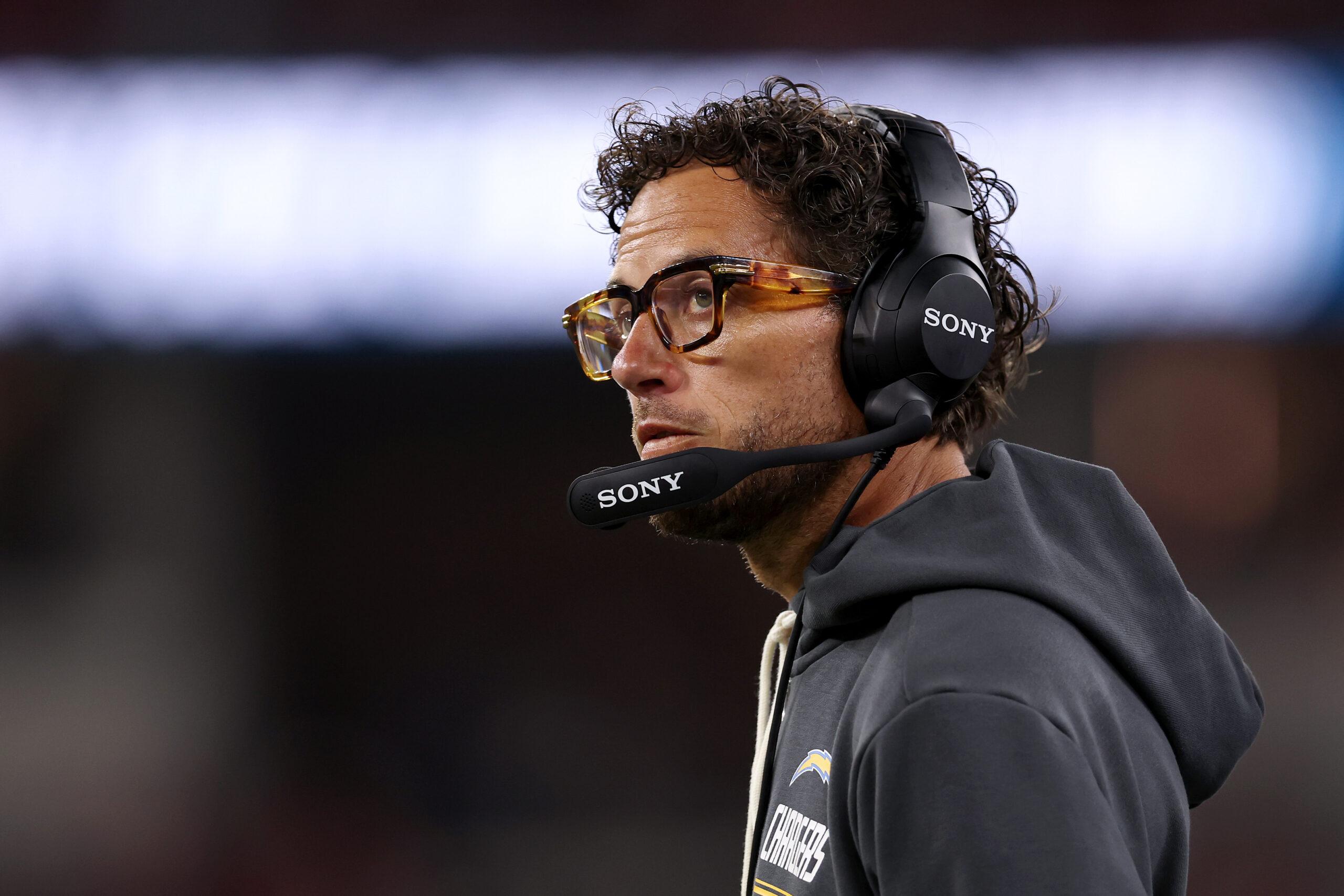
Mike McDaniel, Los Angeles Chargers Offensive Coordinator
Age: 43
Play calling experience: Four seasons as the Dolphins’ head coach (2022-25)
Coaching influences: Mike and Kyle Shanahan
Past jobs: Broncos intern (2005), Texans offensive assistant (2006-08), Washington offensive assistant (2011-12), Washington WR coach (2013), Browns WR coach (2014), Falcons offensive assistant (2015-16), 49ers run game specialist (2017), 49ers run game coordinator (2018-20), 49ers offensive coordinator (2021), Dolphins head coach (2022-25)
Scheme background: McDaniel is as unique a branch off the Shanahan-McVay tree as you’ll find. Of all the head coaches and coordinators under age 50 with ties to this system, nobody but Kyle Shanahan himself has spent as much time coaching this style of offense. Those roots are most evident when you watch McDaniel’s offenses run the ball: The versatility, ingenuity, and commitment to breaking defenses with explosive gains are second to none. McDaniel’s 2023 Dolphins had the highest early-down explosive run rate of any offense in the league from 2022 to 2025. Last year, Miami’s offense ranked fifth despite poor quarterback play. Now in L.A., McDaniel is importing the core tenets of the run game to a team led by a physically gifted quarterback. McDaniel’s offense will feature outside zone runs, gap schemes, and a mix of run plays from shotgun and under center, making the RPO and play-action games a nightmare to defend. This is the ultimate millennial adaptation of an iconic scheme, and if it works, the Chargers will look like they’re playing a different sport than their competitors most weeks.
One big question for 2026: What will McDaniel do with a quarterback like Justin Herbert?
I won’t disparage McDaniel’s old quarterback, Tua Tagovailoa, to compliment Herbert, but I can’t imagine two players who are more different. Over the past four seasons, the Dolphins ranked 24th in early-down dropbacks outside the pocket, surprisingly low for an offensive system designed to make life easy on its quarterback using things like bootlegs to move the pocket. There’s an opportunity this season to get the far more athletic Herbert easy completions outside the pocket. If defenses have to worry about the design of McDaniel’s run game, the threat of Herbert as a scrambler, and the quick passing game, they’ll become vulnerable to deep passes. In a perfect world, we’ll see Herbert uncork a few long throws every game because defenses are too close to the line of scrimmage.
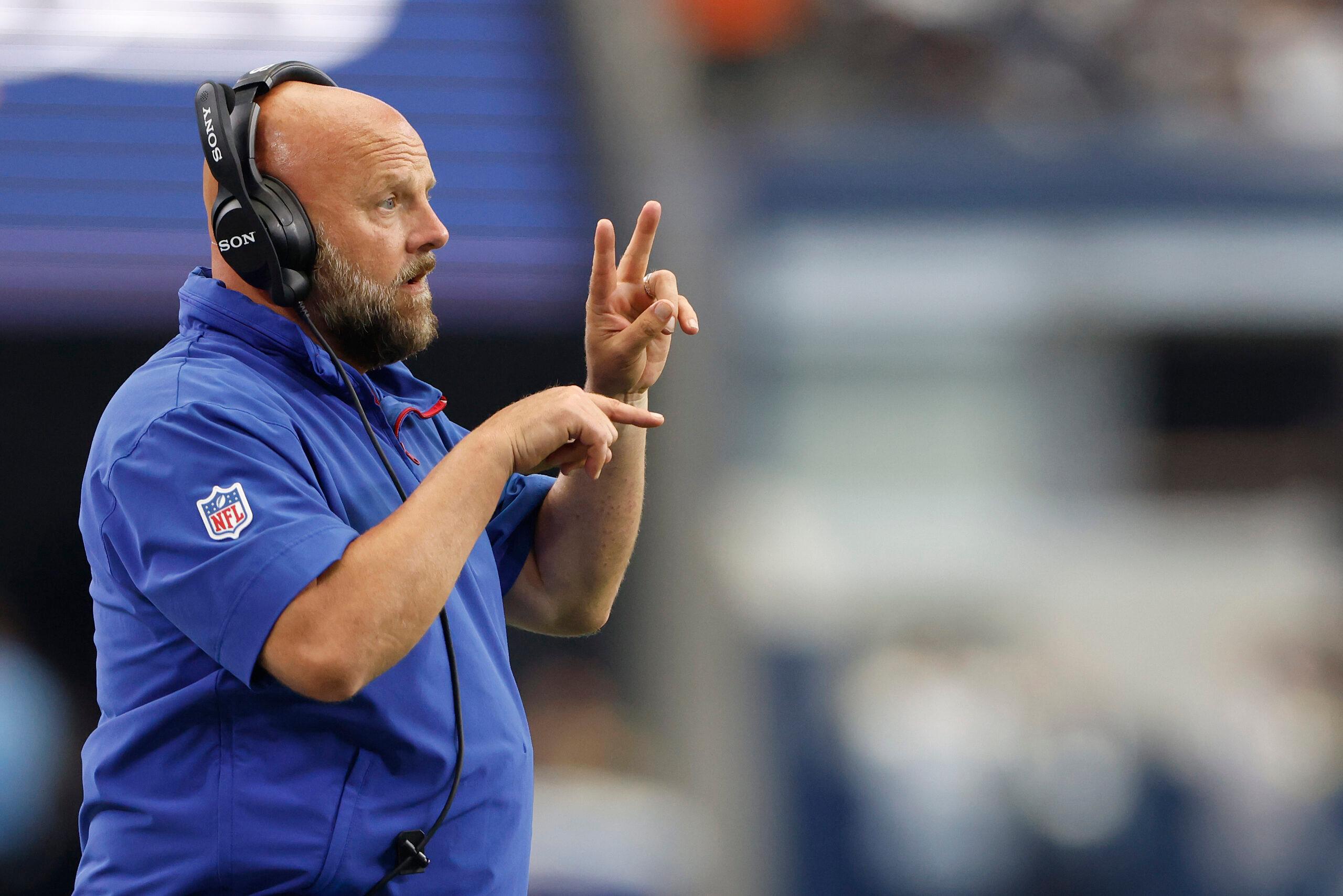
Brian Daboll, Tennessee Titans Offensive Coordinator
Age: 51
Play calling experience: Four seasons as the Bills’ offensive coordinator (2018-21), one season as the Giants’ head coach (2024)
Coaching influences: Bill Belichick, Charlie Weis
Past jobs: Patriots WR coach (2002-06), Jets QB coach (2007-08), Browns offensive coordinator (2009-10), Dolphins offensive coordinator (2011), Chiefs offensive coordinator (2012), Patriots TE coach (2013-16), Bills offensive coordinator (2018-21), Giants head coach (2022-25)
Scheme background: Daboll’s best years as a coordinator came with the Bills in 2020 and 2021, when quarterback Josh Allen developed into a superstar. Under Daboll, the Bills offense averaged more than 28 points per game those two seasons. Daboll’s Giants made the playoffs in 2022, when Daniel Jones stayed healthy and the team effectively used him as a rusher, but outside of that season, things never really clicked for the coach or quarterback. Daboll wound up giving up play calling duties to Matt Nagy and then tried to wrestle them back before he was fired midway through last season. The foundation of Daboll’s scheme comes from the Erhardt-Perkins system, famously run by coaches like Chan Gailey and Marty Schottenheimer. The system uses a diverse set of passing concepts and multiple personnel groupings to keep defenses from building game plans to stop the offense’s best players. Daboll uses this system to run a spread-out attack. His offenses ranked in the top 10 in shotgun snaps per game in each of his last two years with the Bills and in all four of his seasons as the Giants’ head coach. Daboll’s best rushing attacks have featured the quarterback—Allen in 2020 and 2021 and Jones in 2022—as a key ballcarrier, and his passing game is built to manufacture underneath throws. This style of offense is at its best with a dependable slot receiver and true receiving threats at running back and tight end who help the QB find holes in zone coverages.
One big question for 2026: Does this offense work without a true star at QB?
My biggest concern about how Daboll will do in Tennessee goes beyond who he is as a play caller. There is little evidence that the type of offense he wants to run is the best fit for today’s game. The Erhardt-Perkins offense has been effective in the past, but we haven’t seen this system thrive lately without an incredible talent at quarterback, like Daboll had in Buffalo with Allen. Because the system is more about mastering concepts and option routes than fitting plays to specific players’ skills and talents, to run it successfully, all cogs of the offensive machine must be in perfect sync—or the team must have a quarterback good enough to make plays when things break down. Allen was able to do that for Buffalo’s offense, shaking off sacks and extending plays to push the ball downfield. For the most part, Jones was not. Daboll is taking over play calling for a young passer in 2025 no. 1 pick Cam Ward. Ward is intriguing because of his arm talent, mobility, and penchant for extending plays—even though that risky style sometimes costs his offense. That sounds similar to Allen in his younger years, and it's possible that Ward will rise similarly, but Allen’s breakthrough came after he got better at making quick and decisive throws when his receivers were open. I’d like to believe Daboll’s style of offense will be good for Ward, but there’s plenty of evidence of his system stalling out, especially if it’s not being implemented for star players. If the Titans’ receivers can’t consistently get separation or handle the big responsibility of executing different routes from multiple alignments, Ward will have to find success by being excellent at diagnosing coverages and being precise—something that he hasn’t yet accomplished.
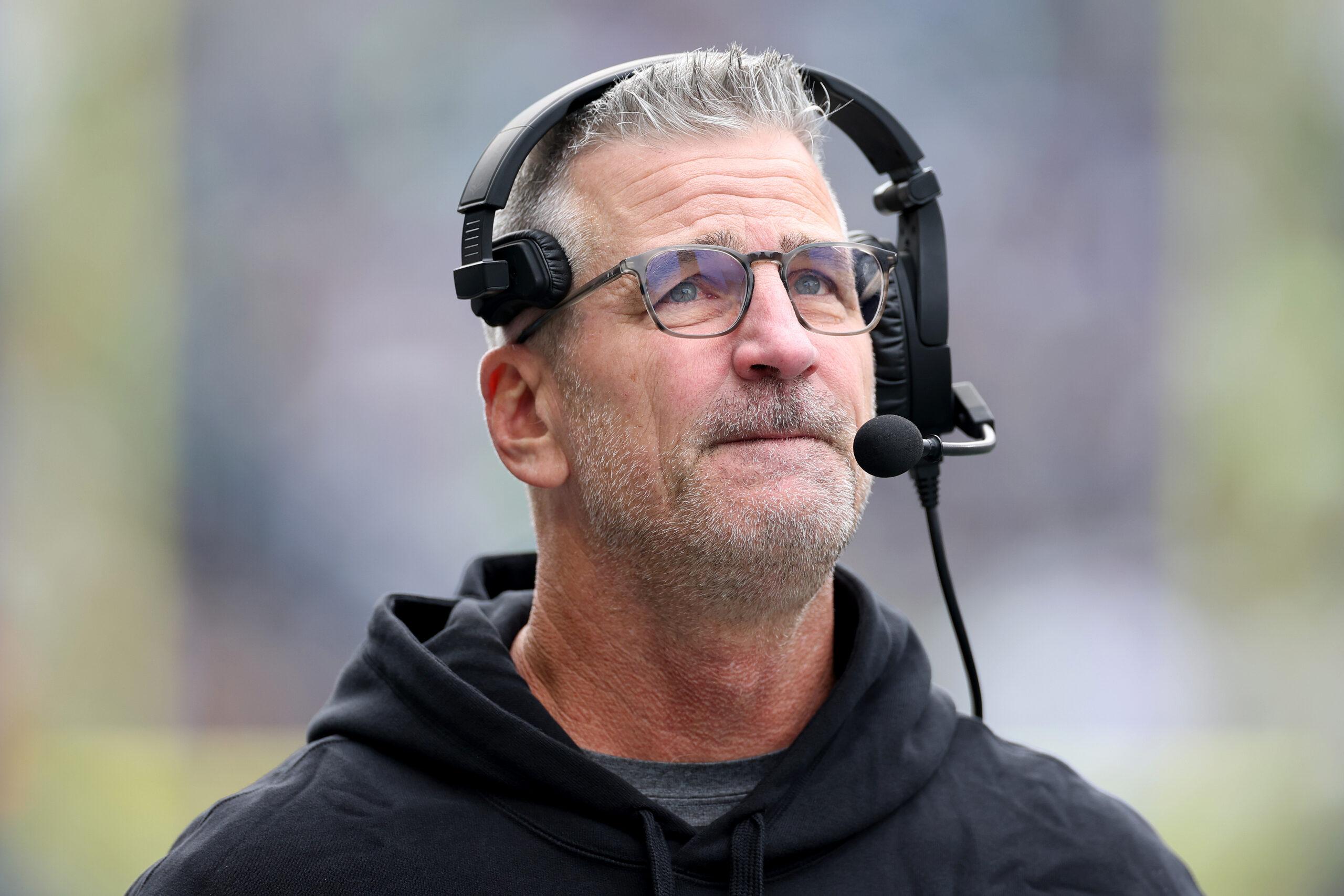
Frank Reich, New York Jets Offensive Coordinator
Age: 64
Play calling experience: Two seasons as the Chargers’ offensive coordinator (2014-15), five seasons as the Colts’ head coach (2018-22), one season as the Panthers’ head coach (2023)
Coaching influences: Doug Pederson, Ken Whisenhunt
Past jobs: Cardinals WR coach (2012), Chargers QB coach (2013), Chargers offensive coordinator (2014-15), Eagles offensive coordinator (2016-17), Colts head coach (2018-22), Panthers head coach (2023)
Scheme background: When college-style spread offense started trickling into the NFL in the 2010s, coaches like Reich found an advantage by adapting core tenets of the classic West Coast scheme for spread offenses that operated out of the shotgun. Reich, particularly while working for Doug Pederson in Philadelphia in 2017, used quick passes, RPOs, and a simplified rushing attack out of three-receiver sets to attack nickel defenses. As the league found better defenders to play in the slot, played more zone coverage, and found creative ways to blitz, Reich’s effectiveness as a play caller dropped significantly. In his first year as the Colts’ head coach, Indianapolis’s passing success rate was 51.7 percent. By 2022, that fell to 41.3 percent. His job was made harder by Andrew Luck’s retirement and the subsequent revolving door at quarterback (Philip Rivers, Carson Wentz, and Matt Ryan). His time in Carolina was meant to be a fresh start with a rookie quarterback in Bryce Young, but he was fired after Young took 40 sacks in 10 games and averaged less than 5 yards per pass attempt five separate times.
One big question for 2026: Does Reich have any new tricks up his sleeve, or are the Jets doomed?
Reich hasn’t coached since he was fired 11 games into his first season in Carolina, in large part because of his team’s dreadful offensive performance. He is 64 and doesn’t have some blossoming tree of young coaches under his tutelage to keep him abreast of all the newest ways to construct a good offense. In New York, he’s got 35-year-old Geno Smith, who is fresh off the worst season of his career, at quarterback. And Reich is working under Aaron Glenn, who has already fired one offensive coordinator and might have the hottest seat in the NFL. Maybe Reich can turn running back Breece Hall into the next must-watch offensive star behind a talented, young offensive line, but everything about the Jets’ situation makes me feel like Reich’s return to the NFL will be short-lived.
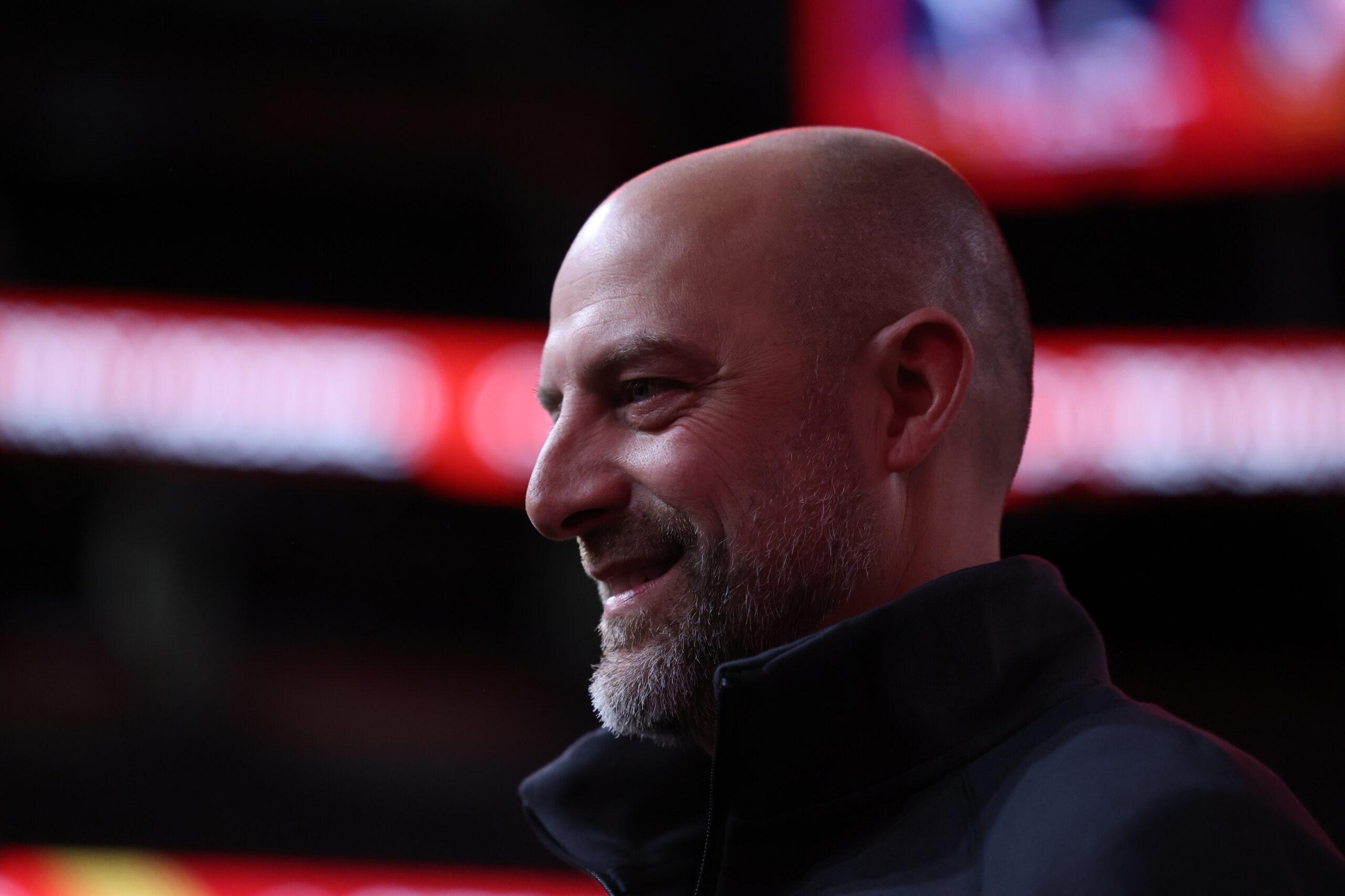
Matt Nagy, New York Giants Offensive Coordinator
Age: 48
Play calling experience: Four seasons as the Bears’ head coach (2018-21)
Coaching influence: Andy Reid
Past jobs: Eagles intern (2008-09), Eagles coaches’ assistant (2010), Eagles offensive quality control (2011-12), Chiefs QB coach (2013-15), Chiefs offensive coordinator (2016-17, 2023-25), Bears head coach (2018-21), Chiefs senior assistant and QB coach (2022)
Scheme background: Outside of Doug Pederson’s championship run in 2017, the Andy Reid coaching tree hasn’t borne much fruit in the past decade. Nagy was once propped up as the brightest young mind on Reid’s staff when the Chiefs offense was overachieving with quarterback Alex Smith. He landed the Chicago head coaching job in 2018 without any NFL play calling experience. We’ve seen this trajectory work in recent years for several coaches off the Shanahan-McVay tree, but most of those success stories (Liam Coen, Mike McDaniel, Matt LaFleur) either had an identifiable impact on the schemes they coached under McVay or Shanahan or had stepped outside the coaching tree to prove themselves as offensive minds first. That’s not the case for Nagy, who was a player and then a coach under Reid, whose roots are in Mike Holmgren’s version of the West Coast offense. Reid (and Nagy, by extension), unlike some of his West Coast peers, leans heavily on the shotgun and quick throws behind the line of scrimmage. The system is designed to make defenses work horizontally, force light boxes with its wide-open formations, and allow the offensive line to create run lanes through one-on-one blocking.
One big question for 2026: Can Nagy’s offense help rein in Jaxson Dart?
When I think about the Chiefs’ disappointing offense in 2025, I visualize quarterback Patrick Mahomes having to be a superhero, dodging pass rushers, and trying to find just enough space to make a pass outside the pocket or use his legs to scramble for a first down. If Nagy tries to run a copy-and-paste version of Reid’s offense in New York, Jaxson Dart will continue to take a beating in the pocket, and this stint with the Giants will end as poorly as his time in Chicago did. Dart needs the kind of play calling that doesn’t ask him to shoulder the load of keeping the offense on schedule to maximize his ability and limit his exposure to unnecessary hits. New York allowed a quarterback hit rate of 18.6 percent last season—the seventh highest in the league—and that statistic can’t capture all the vicious hits Dart took that sent him into the medical tent during his 12 starts as a rookie. We’ve seen the Giants use a decent number of under-center looks this preseason, and that needs to remain a staple for this team to protect Dart from his own worst instincts.
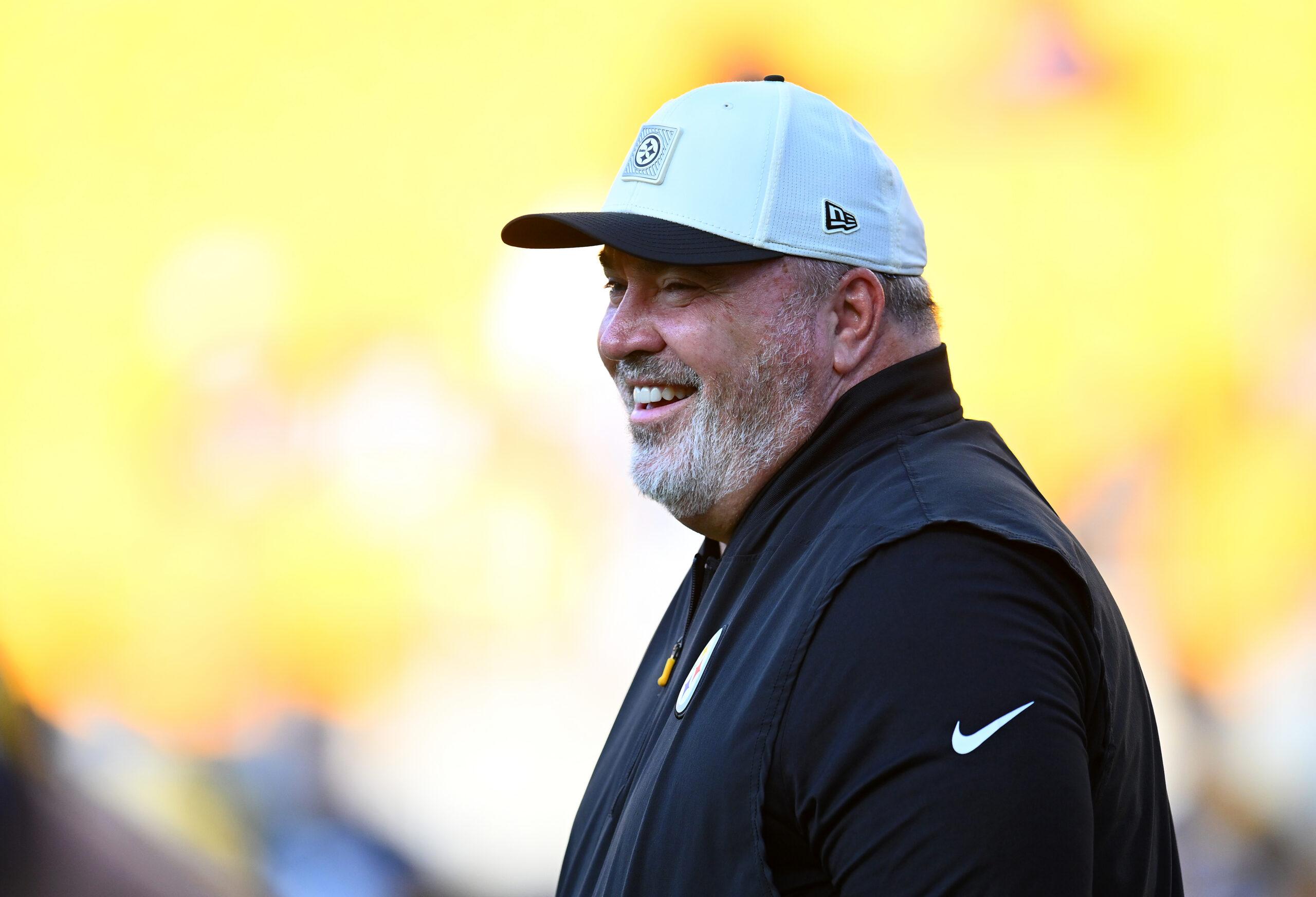
Mike McCarthy, Pittsburgh Steelers Head Coach
Age: 62
Play calling experience: 24 total seasons as the play calling coordinator or head coach across four different teams
Coaching influences: Marty Schottenheimer, Paul Hackett
Past jobs: Chiefs offensive quality control (1993-94), Chiefs QB coach (1995-98), Packers QB coach (1999), Saints offensive coordinator (2000-4), 49ers offensive coordinator (2005), Packers head coach (2006-18), Cowboys head coach (2020-24)
Scheme background: McCarthy is a good example of how someone’s coaching philosophy can be formed before they reach the NFL. McCarthy’s first NFL job came under Marty Schottenheimer, whose offensive system falls somewhere between the Air Coryell and Erhardt-Perkins trees. But McCarthy’s coaching career began at the University of Pittsburgh under Paul Hackett, who learned the West Coast offense under Bill Walsh. McCarthy has spent nearly a quarter century in the league, and he helped fit the old concepts Walsh applied in the 1980s to a more shotgun-based approach when he became head coach of the Packers. When I think of a McCarthy offense, I see slants, curls, quick throws out to the flat, and a system built to put the decision-making in the quarterback’s hands—allowing him to change plays and the pass protection as he sees fit.
One big question for 2026: Should McCarthy run some Marty-ball in Pittsburgh?
You can’t tell the history of the West Coast offense without mentioning McCarthy’s time in Green Bay, but I think he needs to let go of his preferred style of play and embrace Schottenheimer’s style. Pittsburgh has a young, tough offensive line that’s much better built to run the ball between the tackles than it is to protect a quarterback on 40 dropbacks a game. Plus, quarterback Aaron Rodgers is simply too old to be asked to play like he did when he and McCarthy were together in Green Bay. If the Steelers can use their multiple tight ends to control the line of scrimmage on early downs, the game will get much easier for Rodgers, and he can use play-action to push the ball deep. Receivers DK Metcalf and Michael Pittman Jr. are big-bodied and can make tough catches downfield, and they would be much better used in a run-heavy approach than in McCarthy’s usual offensive scheme.