
The English Premier League never truly stops, but this summer it most definitely hit the reset button.
Half of the league enters the 2026-27 season with a new manager. Pep Guardiola is gone. So are Eddie Howe and Marco Silva. Oliver Glasner and Andoni Iraola are beginning new chapters. Enzo Maresca is back. Roberto De Zerbi and Michael Carrick are entering their first full seasons in charge.
On the pitch, Newcastle dismantled the core that was supposed to turn them into a Champions League mainstay. Tottenham responded to a relegation scare by spending hundreds of millions of pounds on multiple starters. Arsenal will defend their title with several of their most important players already injured from an exhausting World Cup. The long Mo Salah era and the short Arne Slot era in Liverpool are over. Meanwhile, at the bottom of the table, Hull City reached the Premier League despite underlying numbers suggesting they should have been relegated to League One.
Trying to project any of this is a fool's errand, but I'm going to try anyway. That uncertainty is part of the point (and the fun). From the newly promoted squads to the morass in the middle to the clear top five, here are The Ringer’s 2026-27 Premier League rankings, along with one defining question for each club.
20
Hull City
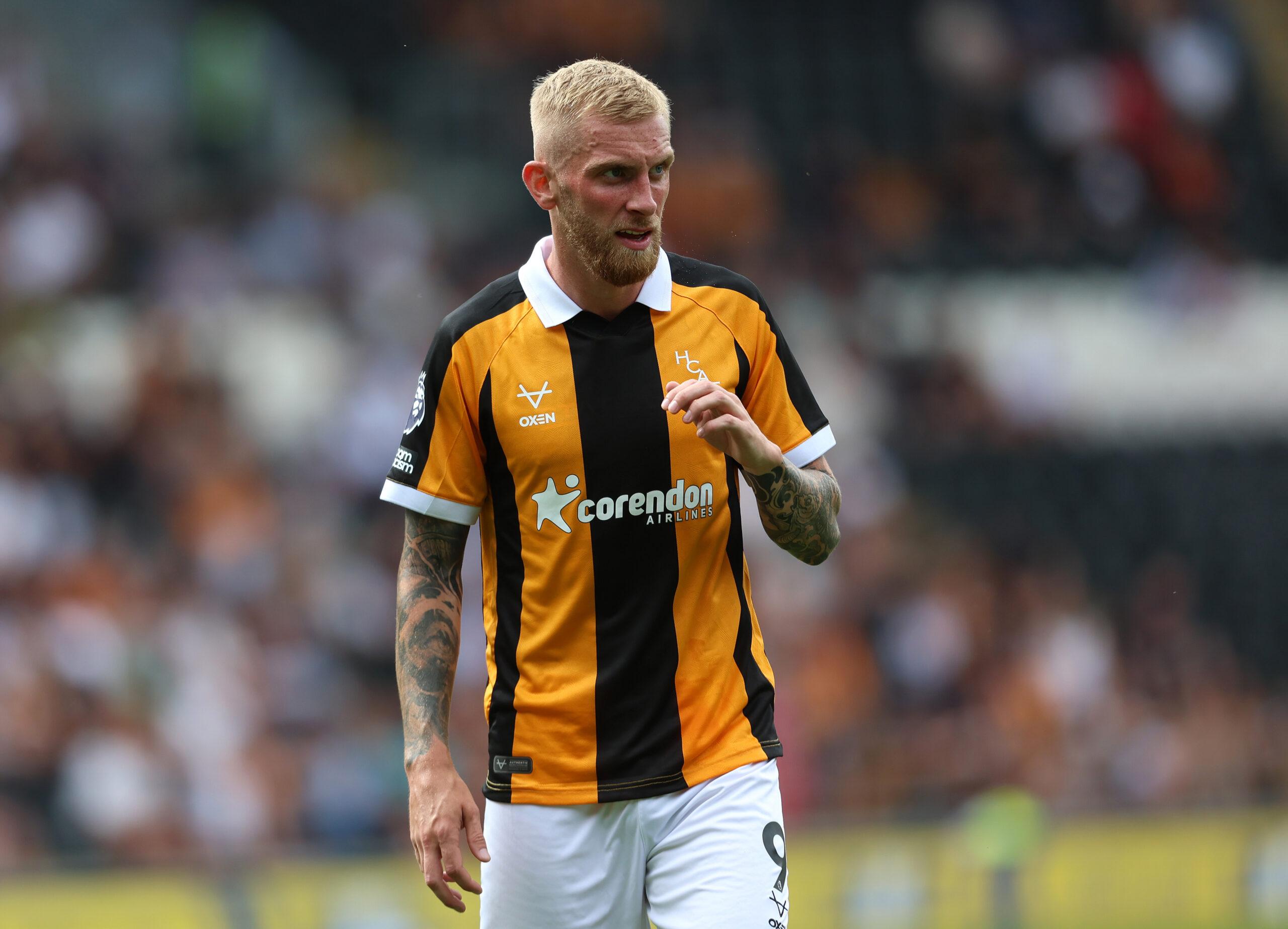
Defining question: Could Hull be the worst Premier League team of all time?
The worst Premier League season ever belongs to Derby County in 2007-8, when they won just one match and finished with a record-low 11 points. Comparisons to that Derby squad get thrown around way too often when it comes to bad teams, but in the case of Hull City, they may be justified.
Hull finished sixth in the Championship last season, with a plus-four goal differential, to earn a promotion to the Premier League for the first time since 2016-17. The problem is, under the surface, Hull had a minus-20 expected goal difference, which was second worst in the entire league—already the second division of English soccer. Think about that. Based on many of the advanced numbers, Hull would be more at home in League One right now than in the Premier League. And it’s not as if last season were a blip on the radar. The year prior, Hull was 13th in expected goal differential in the Championship. Hull has not been a particularly impressive team at any point in the past two years, and there are real questions about how they’re going to win any games in a top flight that is much, much deeper than it was in 2008, when Derby set the (low) bar.
19
Ipswich Town
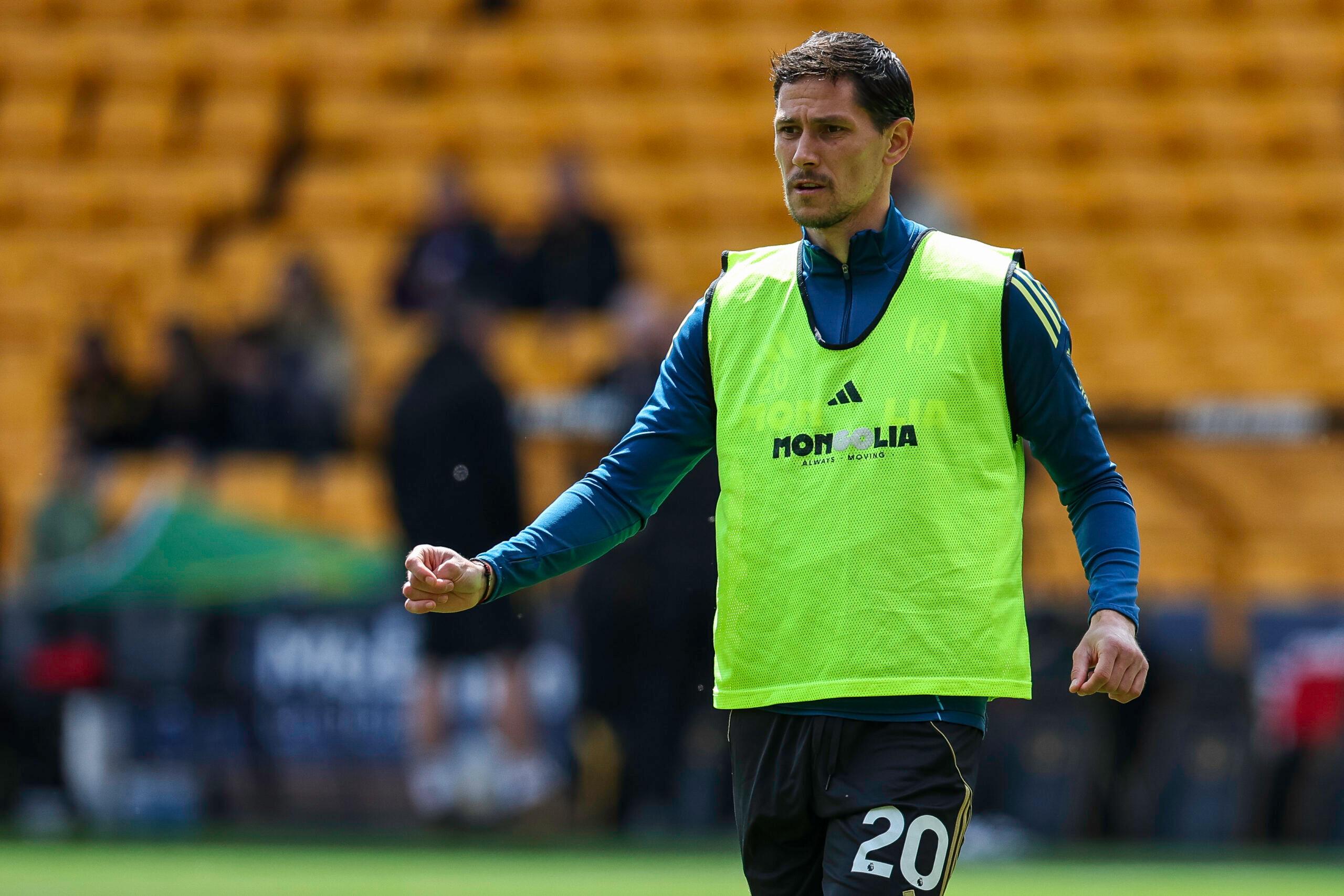
Defining question: Did Ipswich learn enough from their first Premier League failure?
Ipswich’s first promotion under former coach Kieran McKenna came almost too quickly. The Tractor Boys had back-to-back promotions, first from League One to the Championship for the 2023-24 season and then to the Premier League for 2024-25. They arrived in the top league with a squad and infrastructure that had barely even adjusted to the Championship. They finished 19th in the 2024-25 season and were relegated, but they were considerably more competitive than their record suggests. Ipswich lost a ton of points from winning positions and consistently found themselves on the verge of points before late-game variance doomed them.
Heading into 2026-27 following an immediate promotion, Ipswich have a deeper squad of players with more experience surviving the difficulties of the top league than they did in their last go-around. Since their relegation, they have attempted to replace the lost production of now-Chelsea striker Liam Delap’s goals by committee. The Tractor Boys signed forwards Emersonn and Abdul Fatawu to play alongside Jack Clarke. Clarke scored 16 goals in the Championship last season. Florentino Luís and former Fulham man Sasa Lukic should give the midfield more control, while Issa Diop adds the Premier League experience that was missing from the defense two years ago. Ipswich made some solid moves to add experienced and aging Premier League regulars. If it worked for Sunderland with Granit Xhaka last year, maybe it will work for Ipswich with Lukic and Diop now.
18
Coventry City
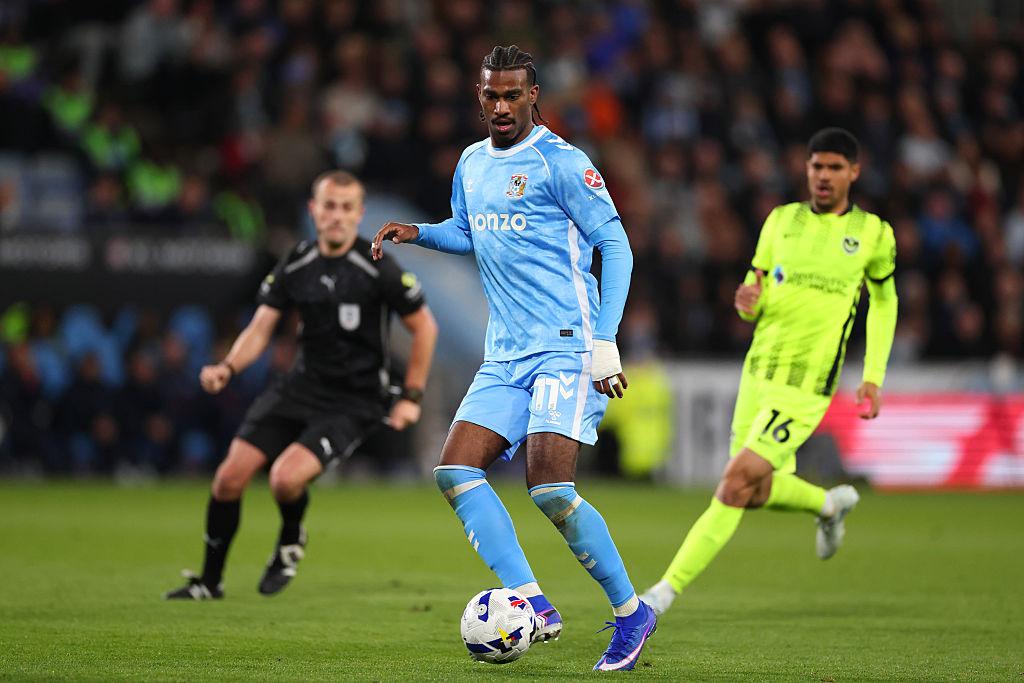
Defining question: Will Coventry’s Championship dominance translate to the top division?
After they flirted with promotion two years ago, Coventry have now entered the PL with the profile of a team that could stay there. Not only did they win the second division by 11 points last season, but Coventry had a massive plus-52 goal differential. While they weren’t quite as dominant as Leeds were two years ago, Coventry scored more goals last year than any team in the top four divisions of English soccer. Set pieces were a major reason why, and that underlying strength could prove to be a difference maker even against stiffer competition.
Coventry have spent a lot of money to overhaul their squad and position themselves for this opportunity. They signed midfielder Caleb Yirenkyi to a club-record contract and brought in goalkeeper Carl Rushworth, center back Aurèle Amenda, and winger Loum Tchaouna in an effort to get younger, faster, and better equipped for the physicality of the Premier League. They also brought back Gustavo Hamer and added Frank Onyeka and Taiwo Awoniyi, giving manager Frank Lampard considerably more top-flight experience than the previous squad had. In the EPL, they won’t be able to control games nearly as well as they could in the second division, but their ability to scrap goals from dead-ball situations makes them the most likely newly promoted team to remain in the league for more than a year.
17
Sunderland
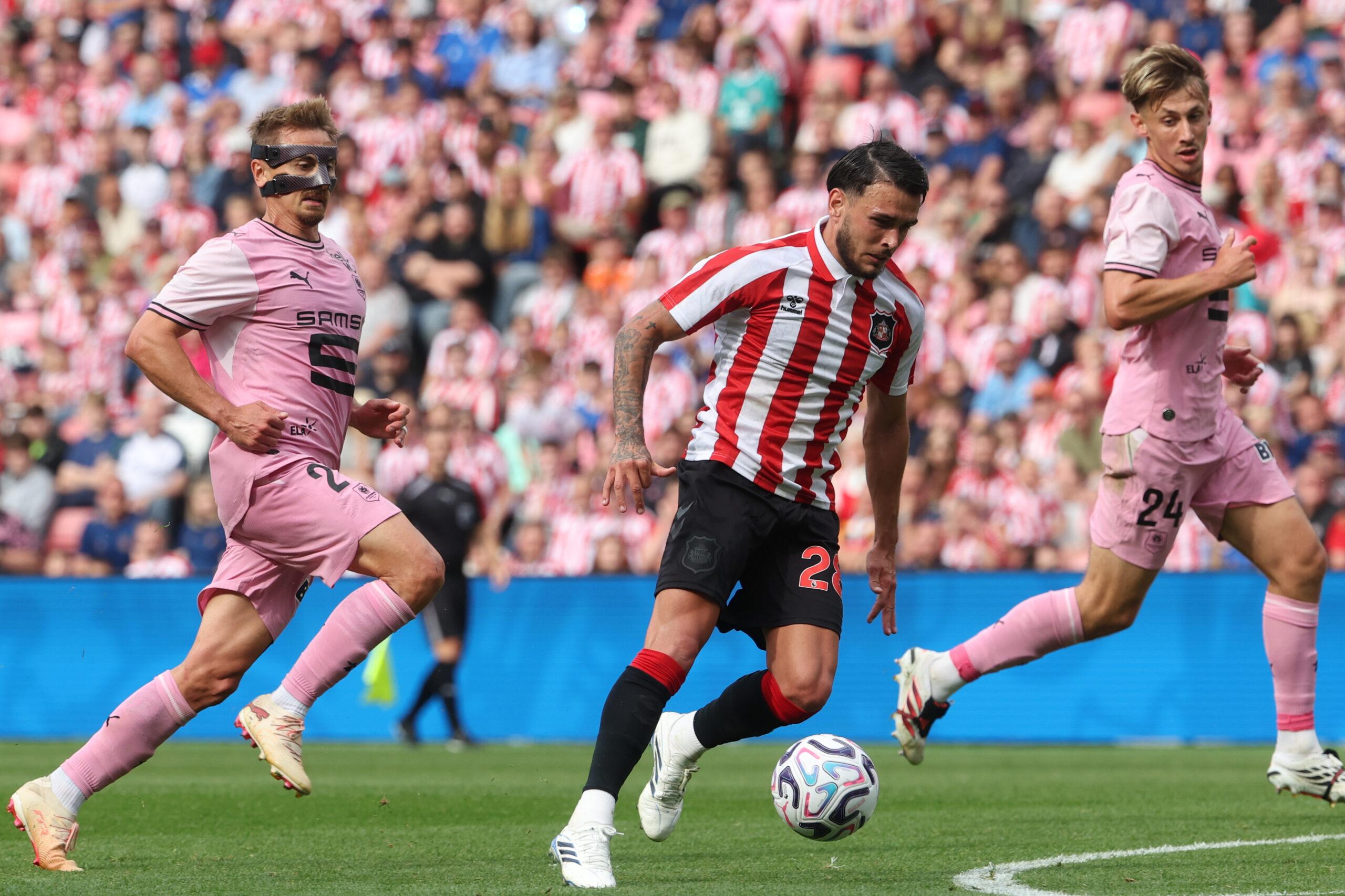
Defining question: Is regression coming?
Sunderland produced one of the most remarkable debut seasons in recent Premier League history. The Black Cats went from winning the Championship playoff final to finishing seventh in the PL, qualifying for the Europa League, and completing a league double over Newcastle. They were comeback kings—manager Régis Le Bris built one of the league’s toughest, most resilient, and most disciplined teams.
With all of that being said, they were very fortunate last season. Despite finishing seventh, Sunderland had a minus-15.6 expected goal difference. That ranked 18th, worse than relegated West Ham. On Earth 2, where the bounces didn’t quite go their way, Sunderland would have been in the drop zone in the final weeks alongside Spurs, Wolves, Burnley, and West Ham.
Last year’s success was driven by factors that are extremely vulnerable to year-over-year variance. Sunderland consistently won close matches and relied heavily on comebacks. They survived long stretches without the ball because their goalkeeper, defensive structure, and late-game execution repeatedly bailed them out. And Sunderland have done little this summer to protect themselves against any impending regression. Right back Thomas Meunier is the only significant senior arrival, while three squad players—Eliezer Mayenda, Anthony Patterson, and Dan Neil—have departed. They go into a European campaign with less depth than last season, and more questions about their true quality.
16
Fulham
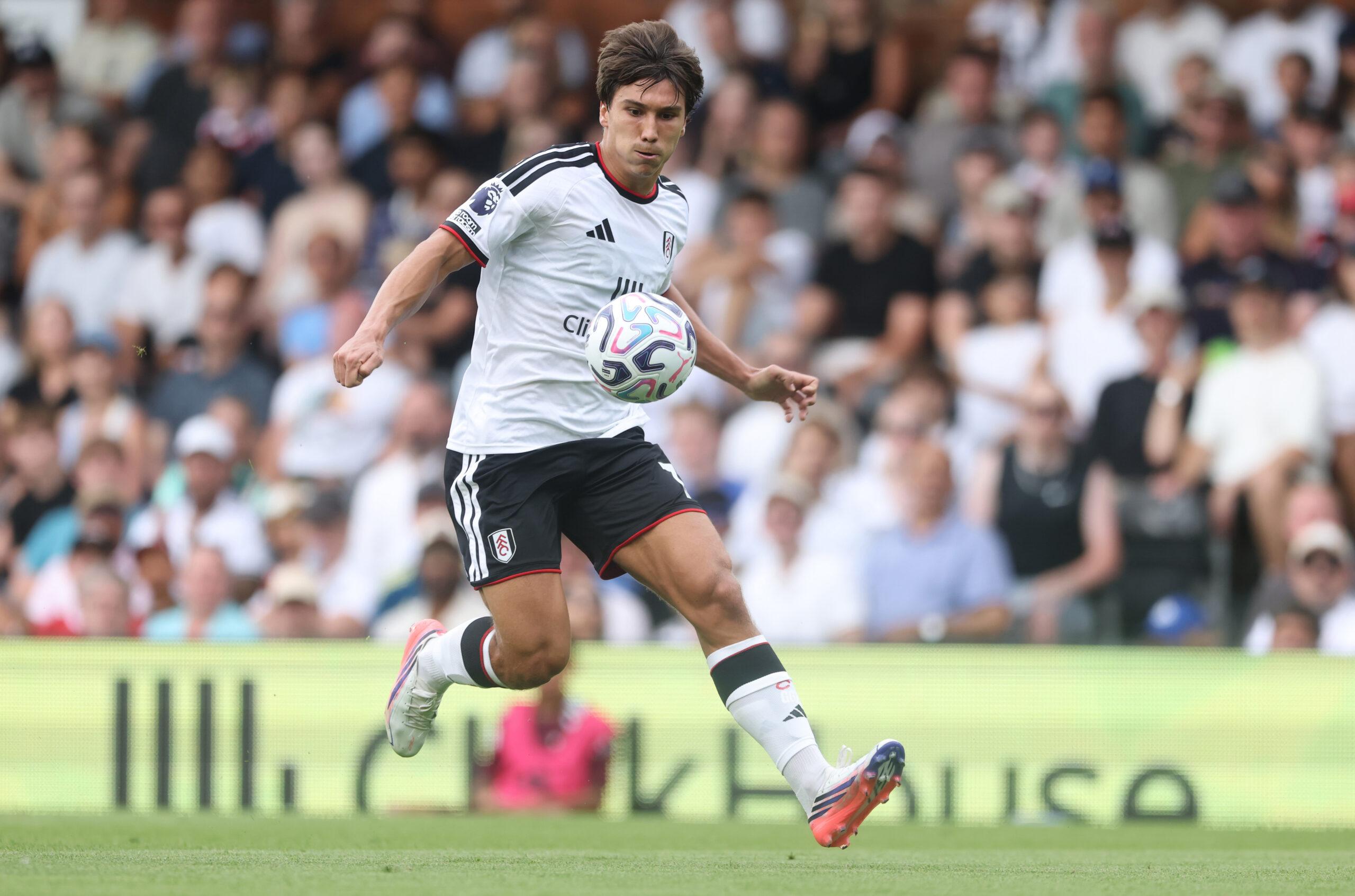
Defining question: Will Fulham’s reset lead to a step back or a step forward?
Fulham was the oldest team in the Premier League last season. Manager Marco Silva made the most of an aging roster; he established a reliable floor and maximized the experience of his players to keep the Cottagers clear of the relegation fight without requiring the club to spend like a European contender. So while the Cottagers once again finished comfortably in the mid-table, it was time for them to pivot to a new core. Fulham lost Silva this summer as well as the players responsible for more than half of the team's goals last season.
Raúl Jiménez, Harry Wilson, Sasa Lukic, and Issa Diop were all regular starters who have left for other PL and Championship clubs. The younger players brought in to replace them may ultimately provide more dynamism and resale value, but development is rarely linear. All four players Fulham have spent money on this summer are 22 or younger. That group is headlined by striker Gonzalo García from Real Madrid. If he hits the ground running, Fulham could be better than 16th, but it appears this will be a transition season.
15
Leeds United
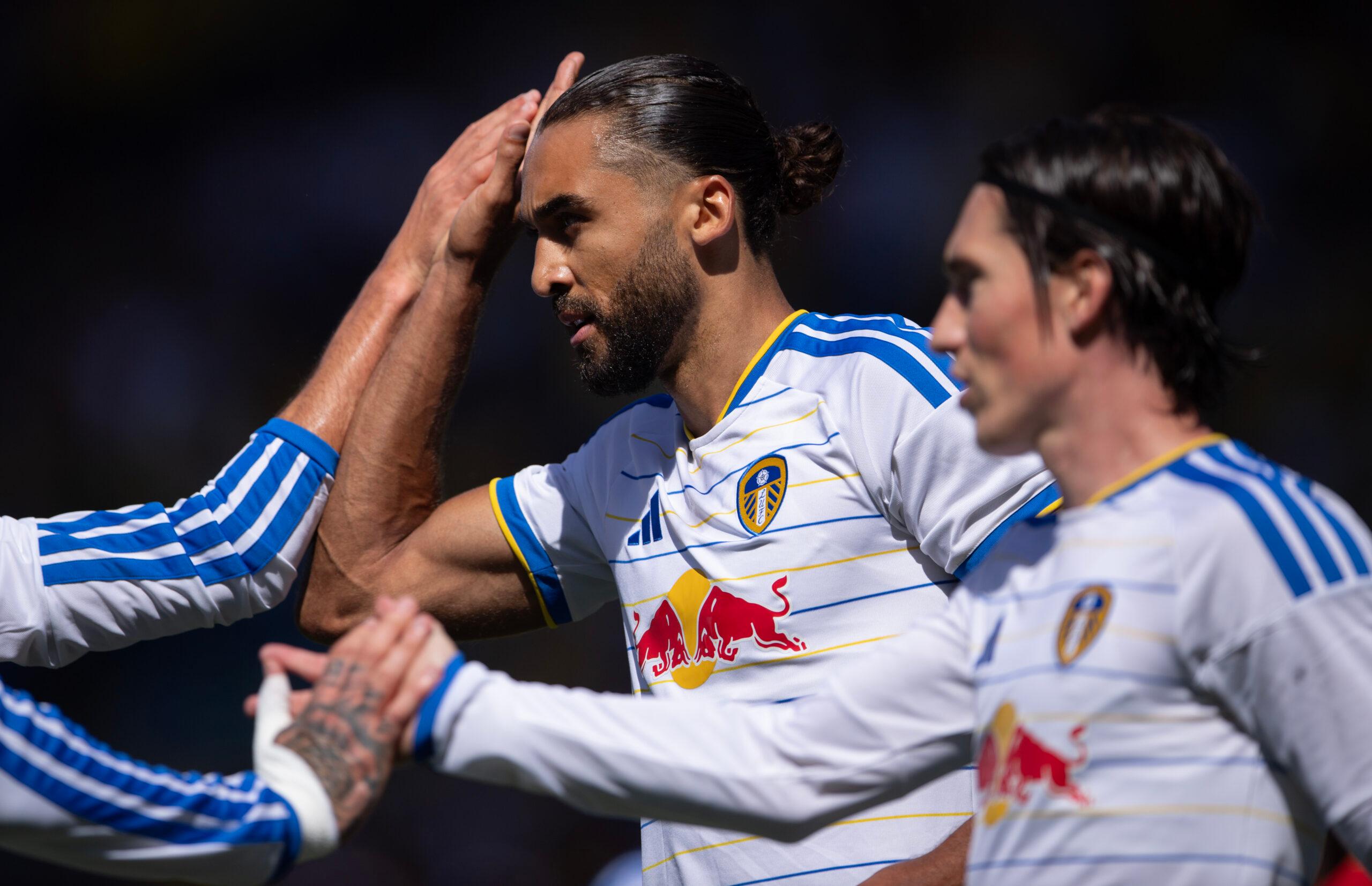
Defining question: Can Leeds count on Dominic Calvert-Lewin?
Leeds looked like a potential relegation candidate early last season, but their midseason switch to a 3-5-2 formation (plus some better finishing luck) changed the trajectory of their campaign. That structure protected a defense that had looked too open, and even more importantly, Dominic Calvert-Lewin stayed healthy enough to score 14 league goals. Leeds finished the season 14th with 47 points, but over the second half, they performed more like a top-half team than a relegation battler. They had a roughly even expected goal difference over the course of 38 matches.
Leeds’s activity this summer suggests the club wants to raise expectations. Leeds broke its transfer record for former top prospect goalkeeper James Trafford, brought in center back Tarik Muharemovic, and added Harry Wilson after he produced one of the best creative seasons of his career at Fulham. Those moves addressed obvious weaknesses, but Leeds’s attack remains dependent on Calvert-Lewin. That’s a dicey proposition: Calvert-Lewin recorded his highest goals-per-90 rate since the 2020-21 season, but his health has been an annual question, and Leeds still lacks a proven replacement if he misses significant time.
Another relegation fight would be disappointing for a team that invested so much in its squad. But it’s also hard to see the upside when the attack is so limited and the team is so reliant on a player whose career has been defined as much by his injuries as his successes. A consolidation year for Leeds wouldn’t be the worst thing in the medium term, but it would be a bummer after the encouraging end to last season.
14
Everton
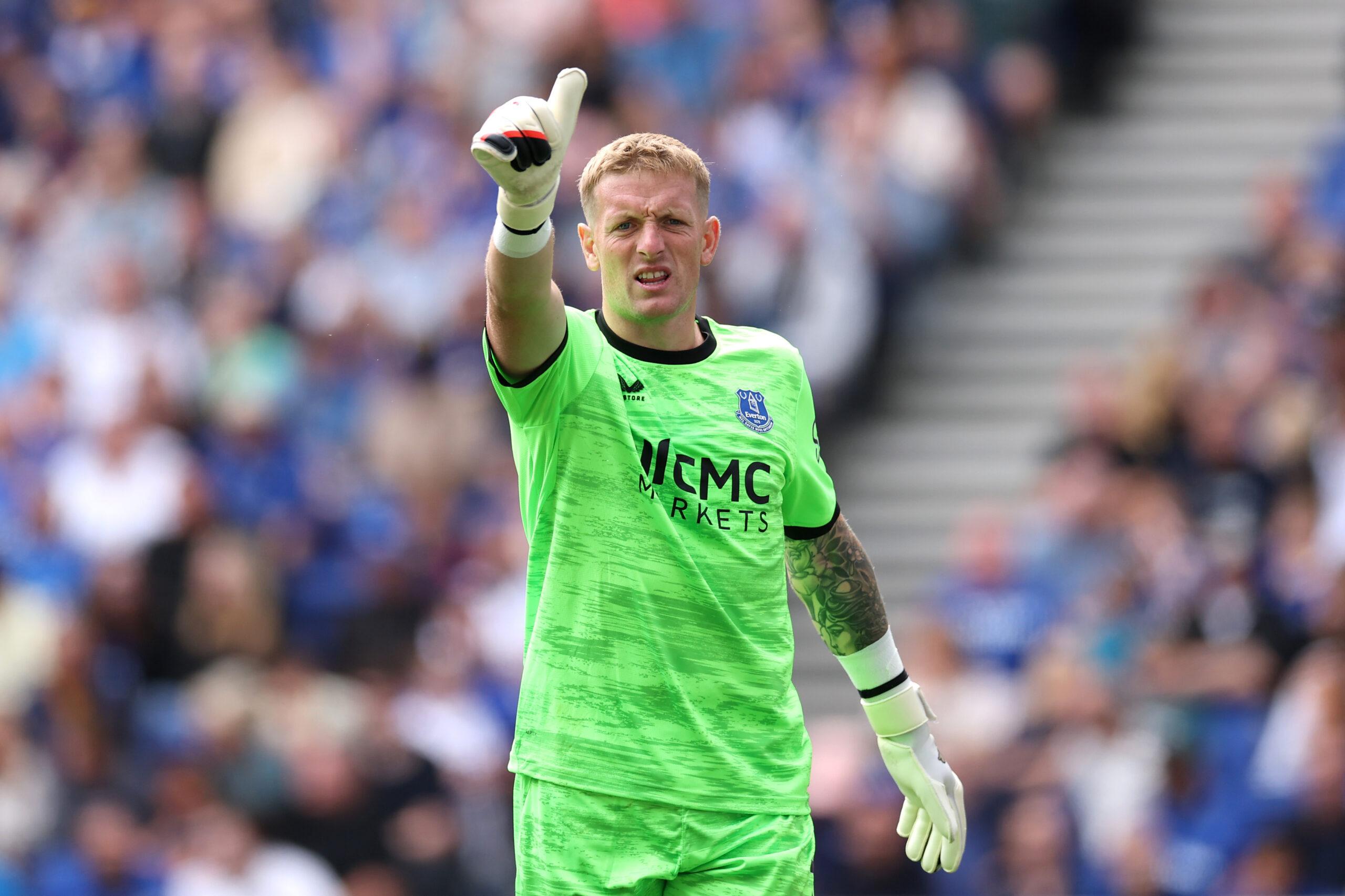
Defining question: Can Everton fix their defense by rebuilding their midfield?
Everton is one of the few teams in the mid-table with no managerial turnover. They’ll stick with David Moyes, while the next four teams in these rankings have new managers. Moyes’s reputation is built on defensive organization, but Everton’s defense declined considerably as last season progressed. Center back James Tarkowski turned 33, defender Jarrad Branthwaite was asked to cover too much space, and goalkeeper Jordan Pickford faced more shots than Moyes wanted. The problems weren’t solely attributable to the back four. Once opponents played through Everton’s initial pressure, they could attack the defense without much resistance from the midfield.
Everton responded by rebuilding the middle of the pitch. Idrissa Gana Gueye departed for Saudi Arabia, but the club signed Championship Player of the Season Hayden Hackney and brought Christian Norgaard from Arsenal to shore up the defensive midfield. Hackney is an analytics darling who could prove to be one of the smartest under-the-radar signings of the summer—he can progress the ball and receive under pressure—while Norgaard offers positional solidity, even though he’s aging out of being a defensive stalwart.
The new group should also help Everton keep the ball instead of constantly asking their defense to survive without it. Moyes has enough midfield depth to restore Everton’s defensive baseline. Whether that improvement is enough to push the club toward a top-half finish will depend on an attack that still lacks a reliable source of goals.
13
Newcastle United
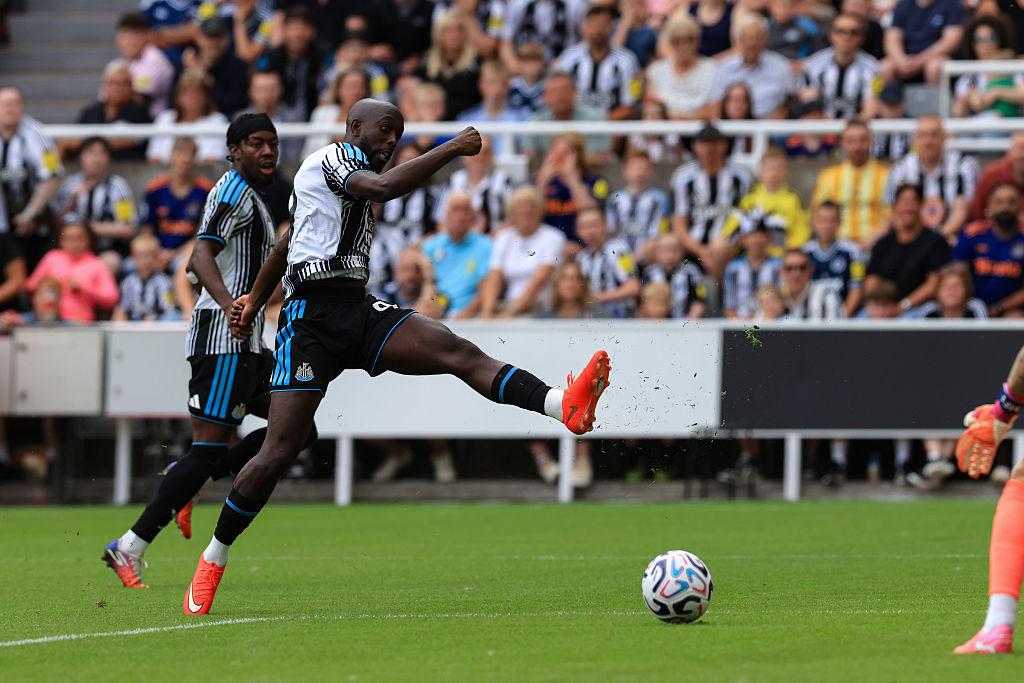
Defining question: What happens when the money stops flowing?
Newcastle’s rise was supposed to be permanent. A Saudi-led ownership group and a massive infusion of money transformed a club that had been conditioned to survive in the lower part of the table into one expecting Champions League–caliber football. The club brought in Alexander Isak, Bruno Guimarães, Anthony Gordon, and Sandro Tonali, forming the spine of a team that could challenge England’s elite. Newcastle finished fourth, seventh, and fifth in three of the past four seasons. But after that initial push, the league’s financial restrictions and the ownership group’s apparent reluctance to keep injecting money slowed the project down. And then this summer happened.
This transfer window represented a complete reversal of Newcastle’s original pitch. The club sold most of its core players. Gordon to Barcelona. Tonali to Spurs. Guimarães to Arsenal. All of a sudden, a squad built to compete in Europe was broken apart. Eddie Howe, their reliable and long-tenured manager, left the club.
Now, Newcastle is the hardest team to project. Their talent level, manager, and ambitions have changed all at once. They’ve brought in a lot of players for the future, but it’s not immediately clear that any of them are ready to contribute as PL regulars. There is still too much institutional and residual strength for Newcastle to collapse completely. But new manager Matthias Jaissle now has to establish an identity while managing expectations created by a completely different version of Newcastle. A mid-table finish might represent competent work with this diminished squad, but it would feel like a profound failure relative to the promises of the era. And if the Saudi money continues to dry up, Newcastle will have real medium- and long-term questions for the first time since the ownership changed in 2021.
12
Crystal Palace
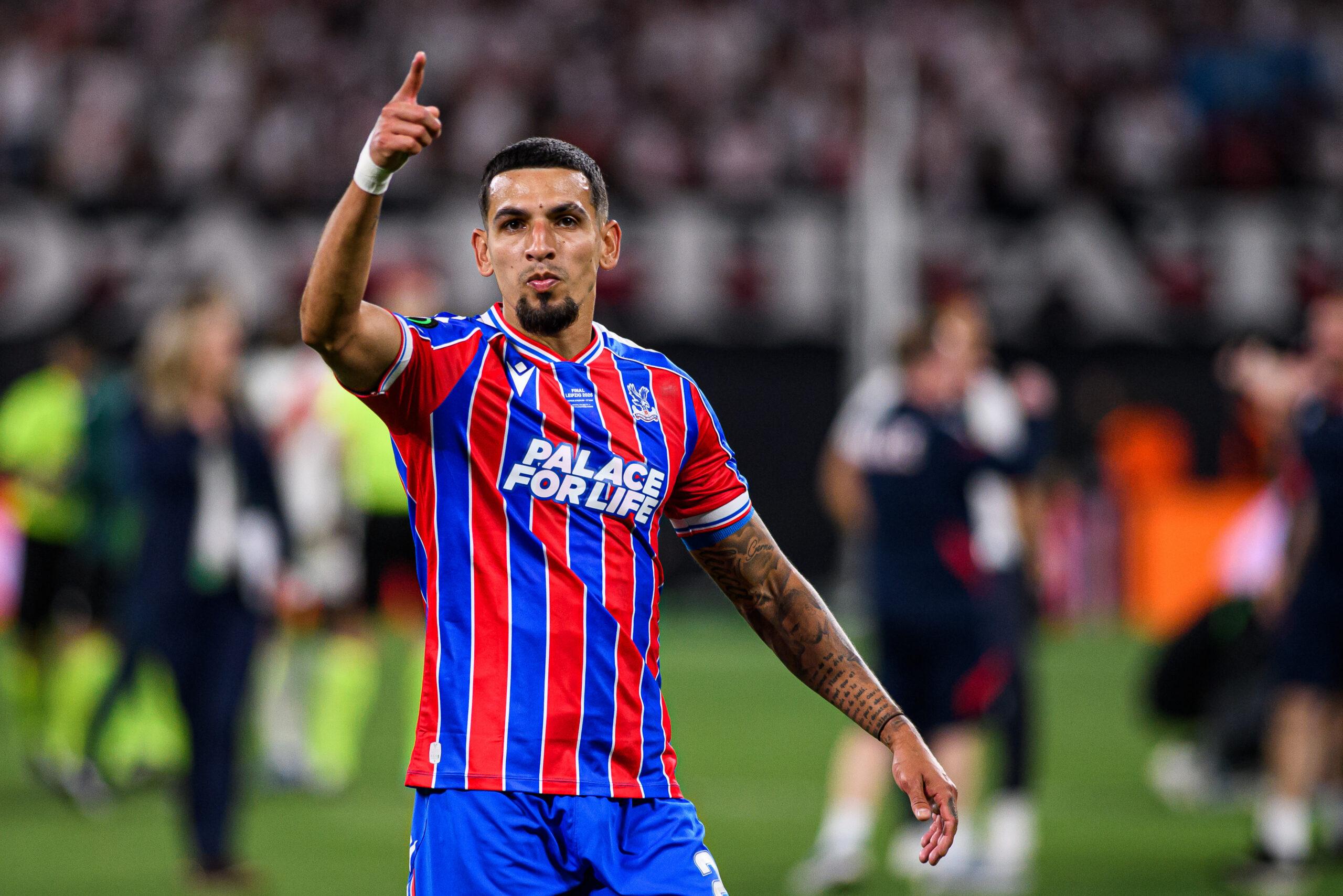
Defining question: Can Crystal Palace unearth more top-end talent?
Few clubs in England have enjoyed a better run of talent identification than Crystal Palace. Michael Olise, Eberechi Eze, Marc Guéhi, Adam Wharton, and Jean-Philippe Mateta all arrived without much fanfare and have developed into some of the most exciting prospects in Europe. Many of them featured prominently at the World Cup this summer and are now wanted by the continent’s biggest teams. Even after the departure of some of those top talents, Palace assembled a coherent team that won multiple trophies under manager Oliver Glasner. The Eagles are soaring into the Europa League this year, and they’ve built a new identity.
The successors to the golden generation of Palace might already be in the building, but none of them are a sure thing. Winger Yéremy Pino flashed potential during the Conference League run but still has to prove it in the PL. Jaydee Canvot is only 20 but now has an opportunity to play alongside American Chris Richards and help anchor a defense that lost two key contributors this summer in Guéhi and Maxence Lacroix. Club-record signing Jorgen Strand Larsen must justify his lofty price tag, while 19-year-old American Zavier Gozo represents another swing on an emerging talent. New manager Pierre Sage’s use of a 3-4-2-1 formation should make the transition smoother, but Palace is asking this new group to inherit unprecedented expectations.
11
Nottingham Forest
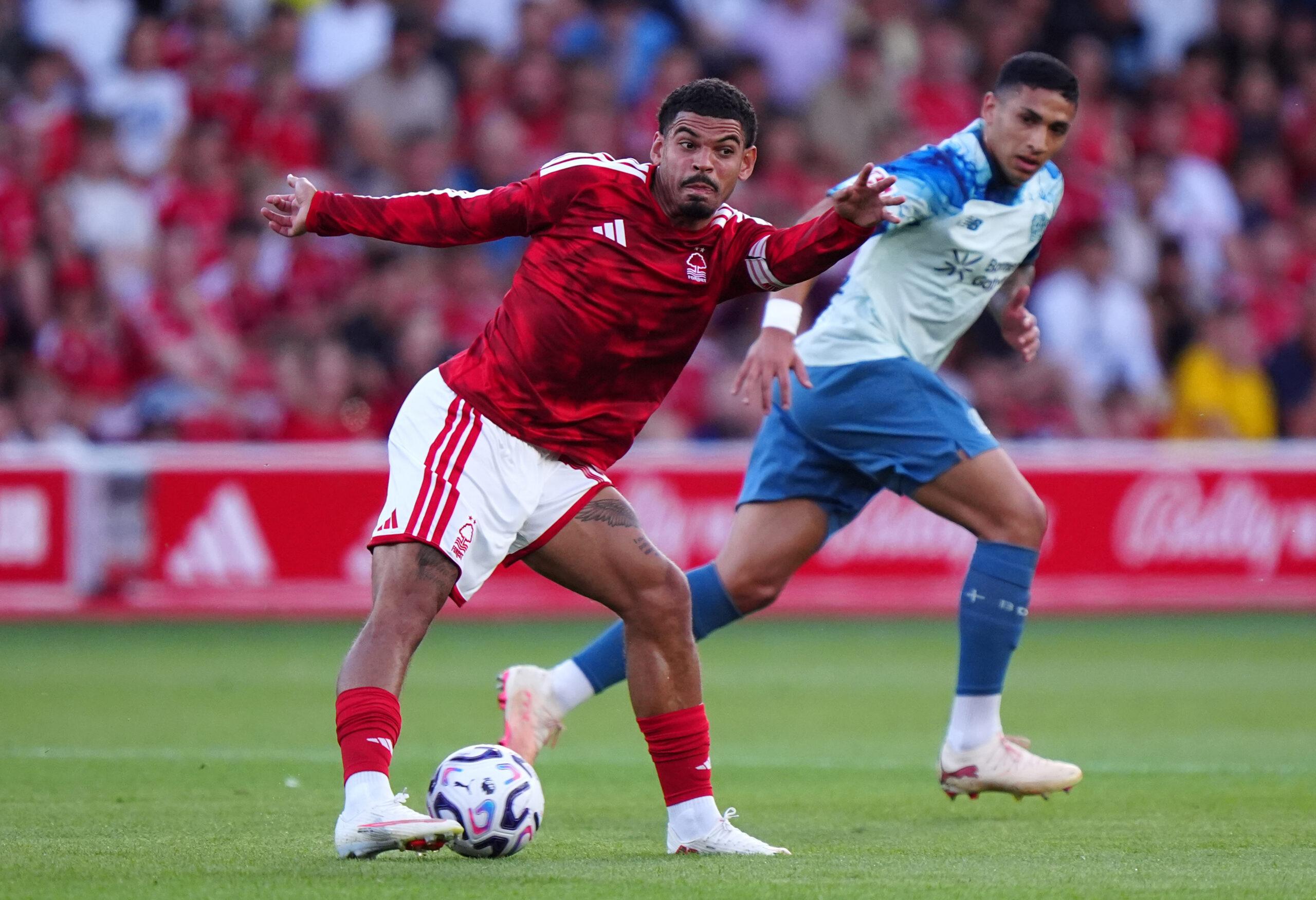
Defining question: Will there ever be any stability at the City Ground?
Nottingham Forest burned through four managers last season. Nuno Espírito Santo lasted three league matches, Ange Postecoglou went winless in eight, Sean Dyche survived 114 days, and Vítor Pereira was dismissed despite ultimately keeping the club up. All told, Forest finished 16th in the final standings, one year after qualifying for Europe.
Oliver Glasner will be the latest manager to try to tame the impatience of club owner Evangelos Marinakis. He has already taken over a talented but inconsistent Premier League team in Crystal Palace and quickly given it a clear structure. He won the FA Cup and Europa Conference League trophies in back-to-back seasons in South London. Glasner also won the Europa League at Eintracht Frankfurt in 2022. His back-three system fits Nottingham’s talent well and will give star man Morgan Gibbs-White more freedom to operate behind the striker. Forest already has natural wingbacks who can push forward.
But Forest’s greatest challenge will be replacing one of the best all-around midfielders in the Premier League, Elliot Anderson, who left for Manchester City. Adding Ousmane Diomande gives them more defensive range in the backline, but Forest does not have an obvious player who can replicate Anderson’s ball carrying, defensive work, and ability to progress possession. Will Glasner receive enough time to work through the inevitable poor stretches, or will he be fired at the first sign of trouble?
10
Bournemouth
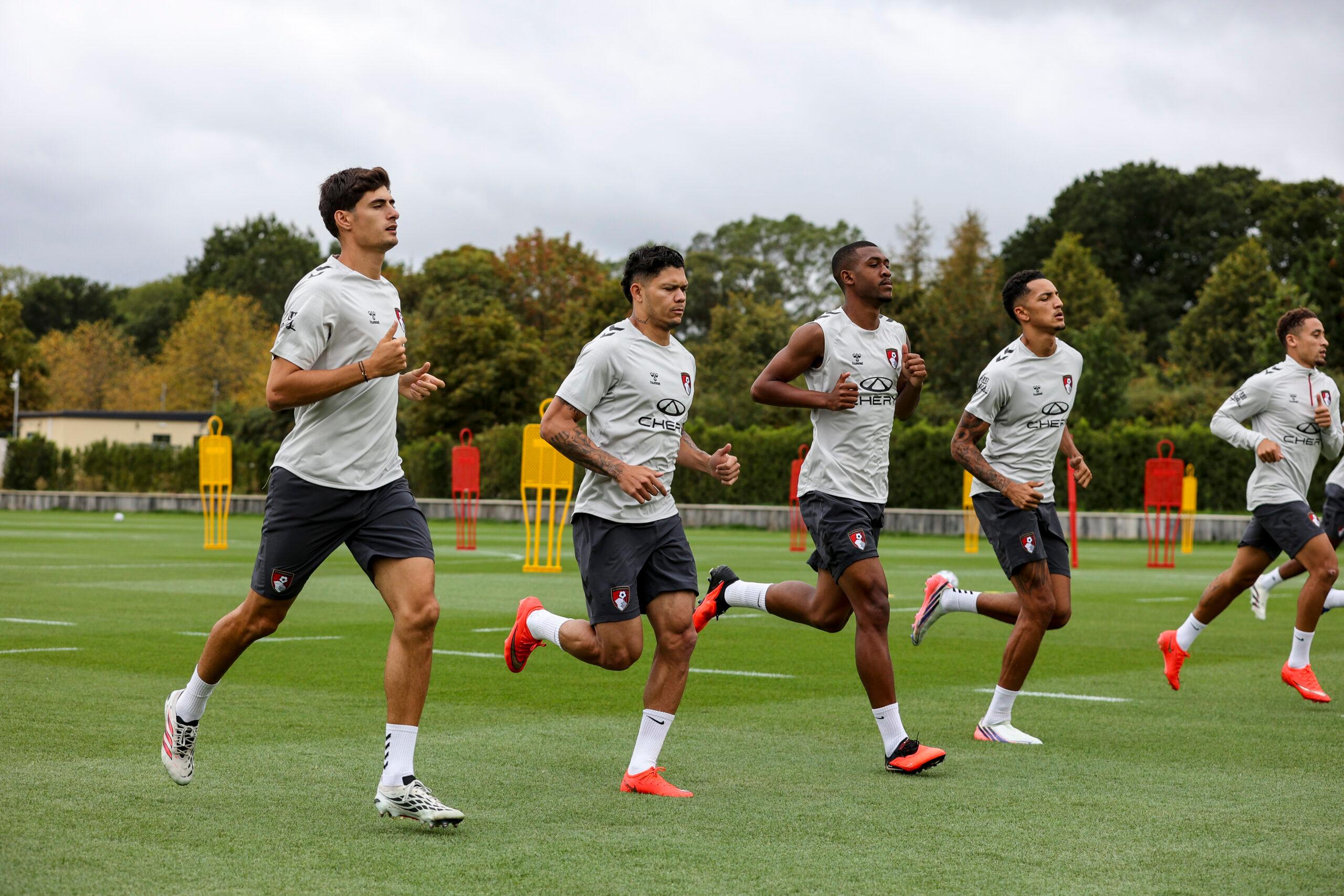
Defining question: Can Bournemouth keep their identity with so many new faces?
Bournemouth enters this offseason in a place similar to where Brentford was last summer. They’ve lost multiple key players to bigger clubs since January, and they’ve now lost their manager to Liverpool. Is Bournemouth’s recent success a product of those individuals or the overall system? Bournemouth’s rise under Andoni Iraola was one of the best stories in the Premier League. The Cherries pressed relentlessly, played without fear, and earned European qualification for the first time in club history last season. But when Antoine Semenyo left for Manchester City in the winter, it might have signaled the end of the good old days. Cue Andy Bernard.
The Cherries are no longer in the Iraola-Semenyo heyday, but manager Marco Rose is a sensible succession plan. His pressing system—organized pressure followed by quick, vertical attacks—is more typical of the Bundesliga than Iraola’s hybrid man-to-man approach. He has a solid track record in Germany. Bournemouth should still play quickly and aggressively, even if the underlying pressing system changes.
The club has also retained talent and depth: Midfielders Alex Scott and Junior Kroupi are still around, and António Silva, Álvaro Rodríguez, and Juanlu will add more depth to challenge across multiple competitions. Bournemouth may have found reasonable replacements for nearly everyone they lost. The question is whether they can replicate the chemistry and tactics that made the last two seasons special.
9
Aston Villa
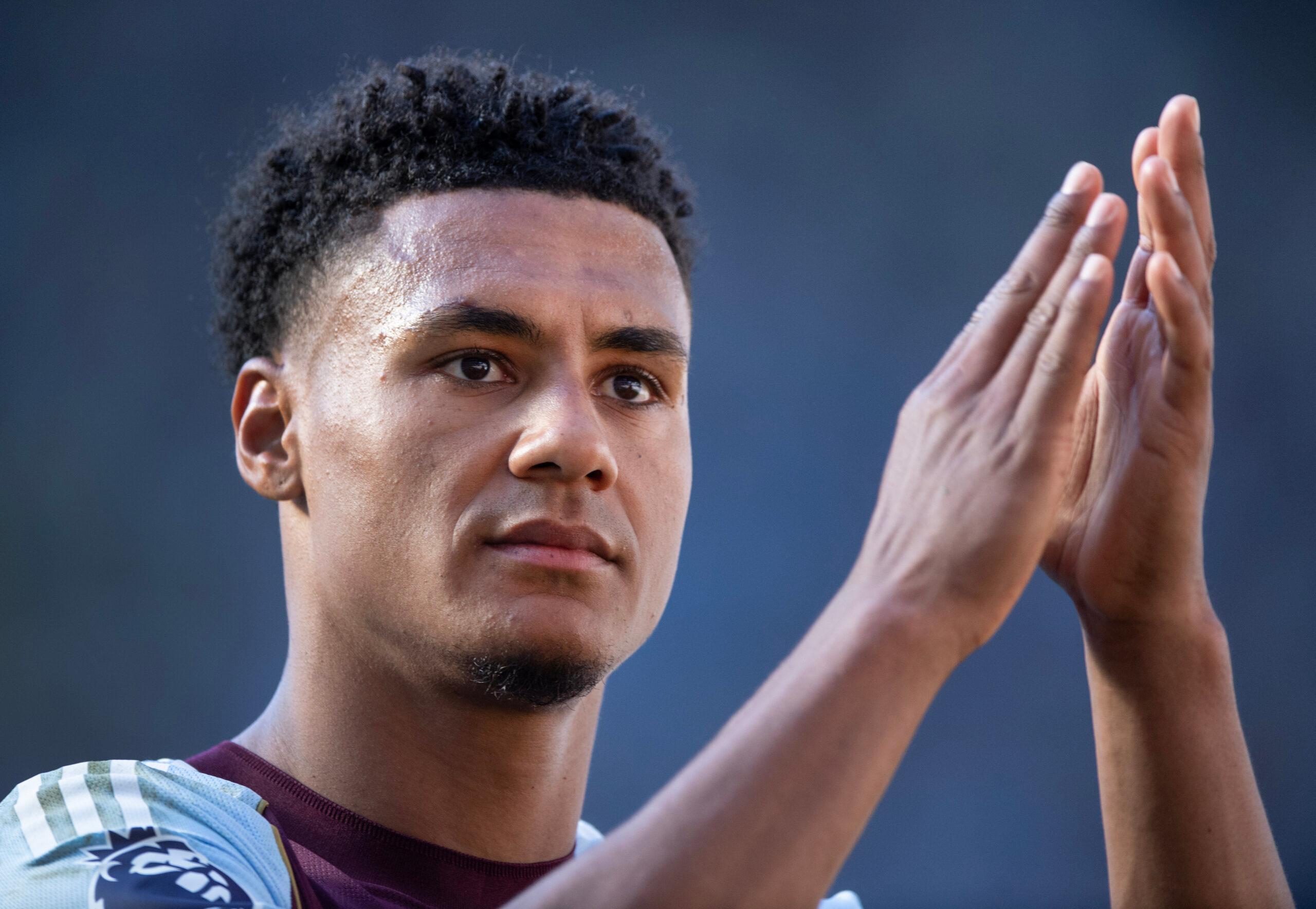
Defining question: Will an aging and turned-over roster finally catch up with Villa?
Manager Unai Emery has repeatedly made Aston Villa greater than the sum of its parts. Villa followed their Champions League breakthrough two seasons ago with a Europa League win last season, even as financial restrictions limited the club’s ability to refresh the squad. Emery’s tactical flexibility and ability to prepare for individual opponents have kept Villa in the clear second tier of the league for years, but the foundation is beginning to look fragile. Villa was the second-oldest team in the PL last year and will now have to balance playing in the Champions League, too.
Ollie Watkins, John McGinn, Emiliano Martínez, Lucas Digne, and Youri Tielemans all played major roles in Villa’s rise, but that core was broken apart this summer, and the remaining pieces are aging. It may have been smart to sell high on Morgan Rogers after a massive season, but that’s still a lot of production to replace—to say nothing of Tielemans, who joined Manchester United, and Digne and Ezri Konsa, who moved to PSG and Arsenal, respectively. Villa lost a lot of players who had proved they could navigate multiple competitions.
The club has begun the rebuild. World Cup breakout star Johan Manzambi is an exciting midfield/attacking tweener prospect and is the exact kind of player who has historically excelled under Emery. Goalkeeper Zion Suzuki and left back Matteo Ruggeri should inject some youth into the defense. But replacing so many established contributors at once is difficult. Emery will need immediate production from players who were signed partly with the future in mind.
Villa have outperformed expectations so consistently under Emery that a top-six finish feels like the default. It shouldn’t. At some point, they will run out of adjustments. This could be the season when Villa’s unbalanced age profile finally catches up with them.
8
Brentford
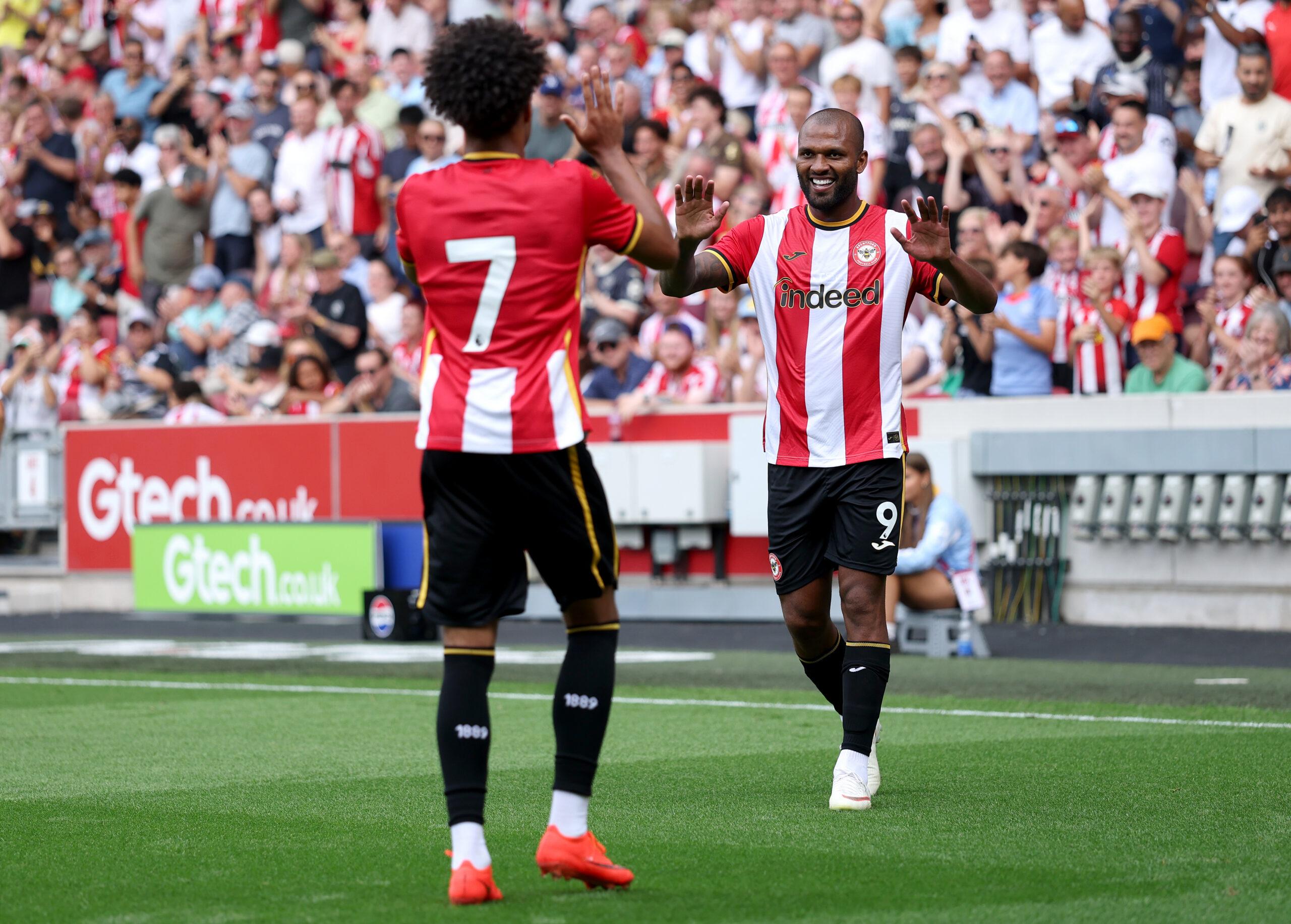
Defining question: Can manager Keith Andrews prove that last season was more than a one-year surprise?
This time last summer, Brentford looked like a potential relegation candidate. Manager Thomas Frank had left after seven years in charge, while players Bryan Mbeumo, Yoane Wissa, and Christian Norgaard followed him out the door. The club replaced Frank with Keith Andrews, who had never managed a senior team before. But instead of collapsing, Brentford finished ninth and remained alive in the race for Europe until the final day of the season.
Igor Thiago’s emergence made the transition much easier. After injuries ruined his first season in England, he stayed healthy and scored 22 league goals last year. Brentford mainstay Kevin Schade and the newly signed Dango Ouattara provided plenty of speed around Thiago, and Andrews retained much of the directness and intensity that defined the team under Frank.
This is the Brentford way. There’s no club in the PL that has punched above its weight more in the 2020s. It’s not about any one manager or any one player. It’s not a tactical gimmick, either. The Bees have been consistently excellent on set pieces—especially throw-ins last year—but they really just operate more efficiently than everyone else.
This summer has been notably quiet. Brentford kept Thiago despite outside interest and broke its transfer record to sign Mamadou Sangaré, an aggressive ball-winner who should fit perfectly into Andrews’s midfield. Callum Wilson and Jaidon Anthony also arrived to provide more attacking depth. There was nothing flukey about Brentford’s season last year, and they should once again be a contender for a top-eight finish.
7
Tottenham Hotspur
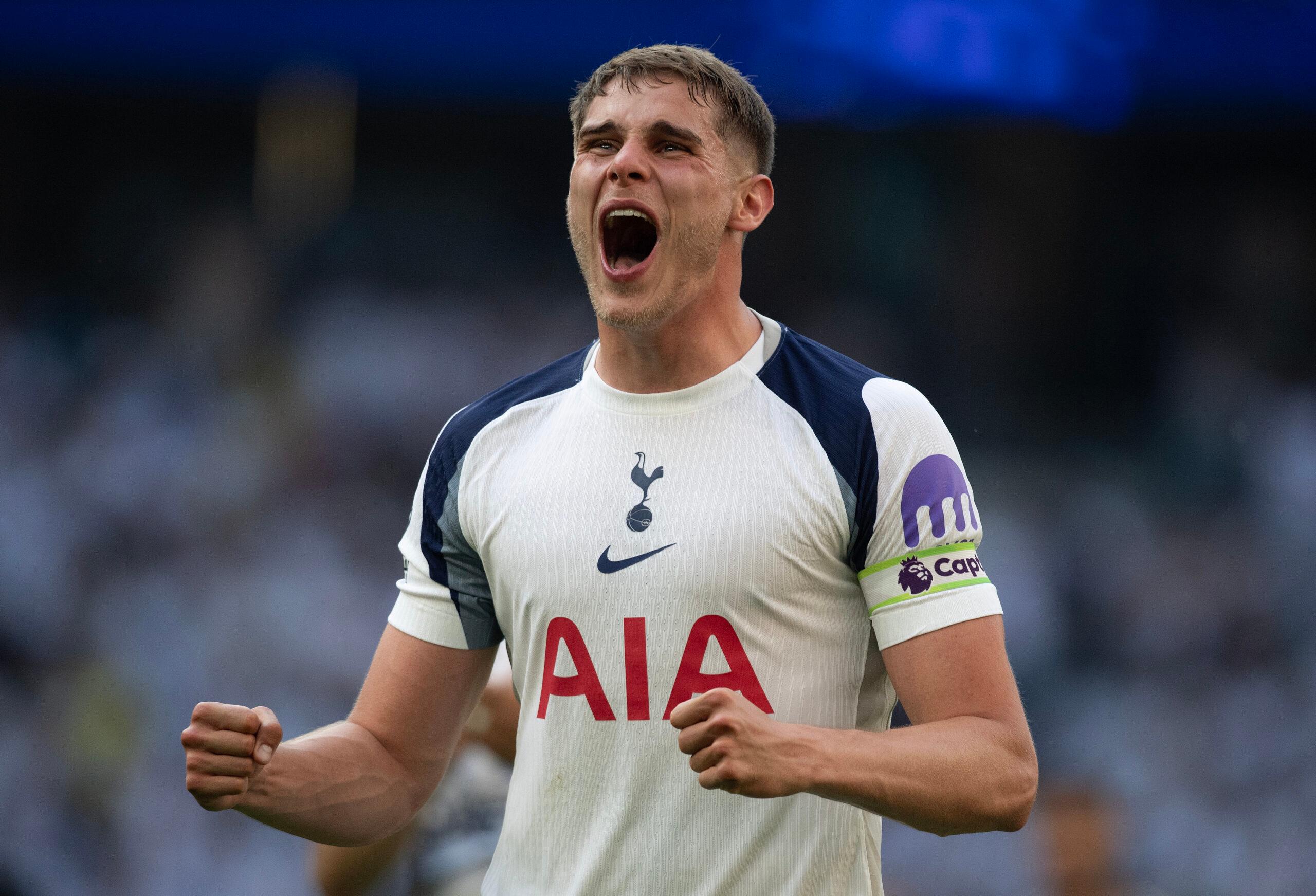
Defining question: Can Spurs turn an expensive rebuild into a coherent team?
After earning a European trophy at the end of the 2024-25 season, Tottenham spent last season learning about life at the other end of the food chain. Spurs cycled through three managers, slipped into the relegation zone in April, and did not secure survival until the final day of the season. Roberto De Zerbi collected 11 points from the final seven matches and improved the Spurs’ defensive structure just enough to save them from relegation.
Spurs have backed De Zerbi emphatically ahead of his first full season in charge. They broke their transfer record twice to sign midfielders Sandro Tonali and Mateus Fernandes, then added Jan Paul van Hecke, Andy Robertson, and Marcos Senesi to overhaul the backbone of the team. Spurs have lacked passing quality in the midfield and defense for multiple seasons now, and this summer was the start of a rebuild centered around that skill.
Tottenham didn’t stop at just fixing the spine of the team, though. They are reportedly very close to adding both Savinho and Omar Marmoush from Manchester City before the end of the summer transfer window. Savinho is 22 years old and would immediately give Spurs an elite dribbler, but his shooting and finishing skills are still developing. Marmoush doesn’t have the most natural position in the modern game, as he’s a bit of a tweener between a true forward and an inverted winger. He’s already 27, too, but he would help cover for Tottenham’s general lack of goal scoring.
Whatever the final roster looks like, De Zerbi will provide a recognizable identity. His teams invite pressure during buildup, manipulate opponents out of position, and progress the ball quickly up the pitch to create transition opportunities. At Brighton, that approach produced the best Premier League finish in club history. But it has also proved fragile when opponents refuse to press, when his midfielders lose the ball in dangerous areas, or when players struggle to execute his buildup play.
Tottenham just had back-to-back years with major injury crises. And so while that’s unlikely to happen again, you have to wonder whether their returning players—namely, James Maddison and Dejan Kulusevski—will find their pre-injury form.
6
Brighton
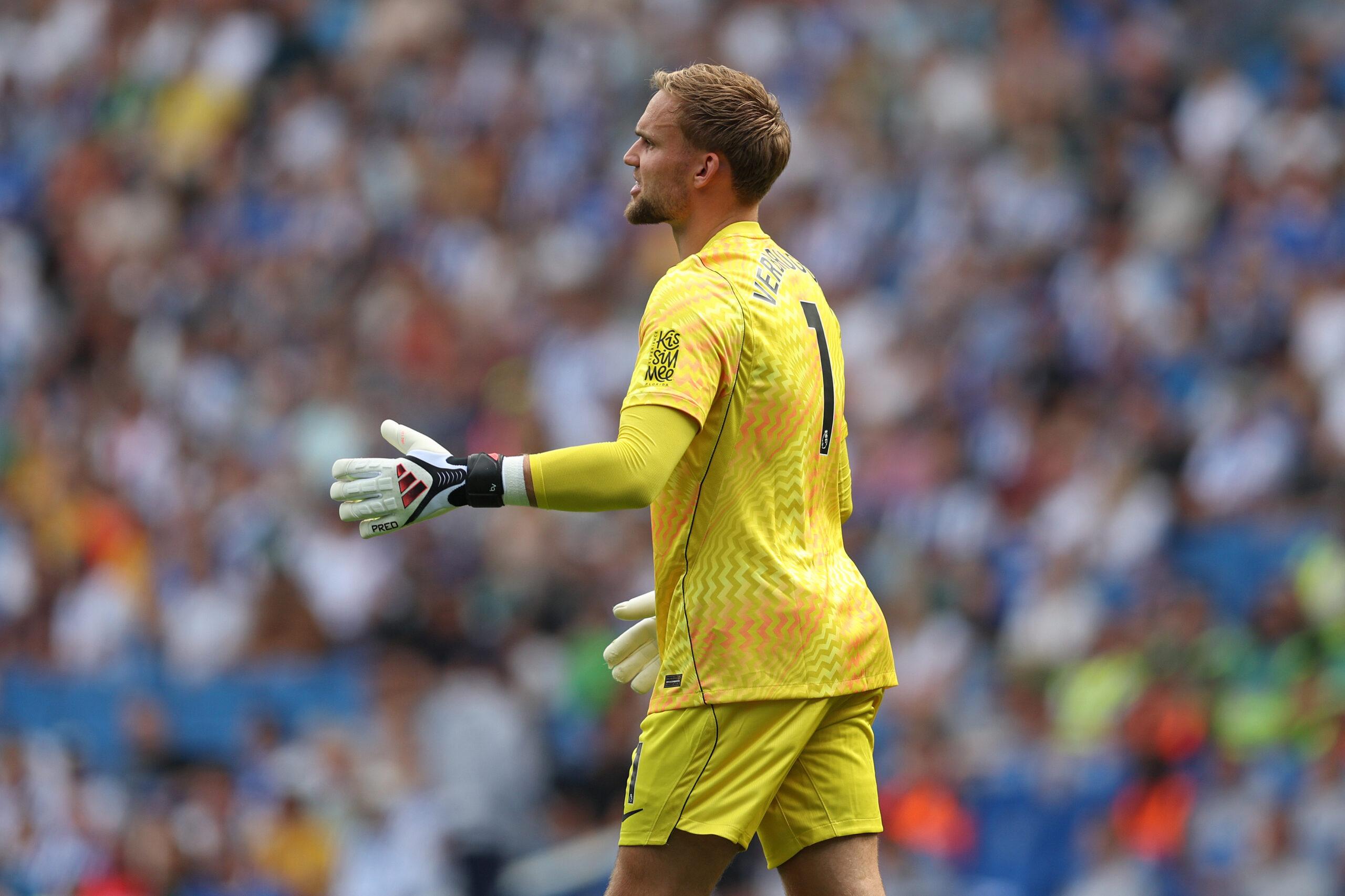
Defining question: Does Brighton have enough goal scoring to break into the top six?
Brighton lost three of their final four matches to end last season and stumbled into eighth place despite underlying expected goal metrics that suggested they were a top-six team. The Seagulls are likely to be in the Europa Conference League, the third-tier European competition, this year. That could also mean that their focus shifts away from the league in the spring as they try to win a European trophy. But the Seagulls have more immediate questions since they sold Danny Welbeck and his team-leading 13 goals to Chelsea earlier in August. Kaoru Mitoma and Yankuba Minteh, two of their best wingers, are both currently out injured. This club seriously lacks goal scoring right now and probably needs to make a move for an attacker before the window closes at the end of the month.
Brighton’s current best hope is Georginio Rutter. He’s a 24-year-old forward who has had limited goal-scoring output since joining Brighton from Leeds before the 2024-25 season but has been a highly touted talent with all of the skills to flourish. We know that the Seagulls will maintain their extremely aggressive press and lean on their youth to outrun teams and press them into mistakes. The ceiling to contend for the Champions League is there for them if they’re able to add one more goal scorer. If they don’t, then Brighton will probably not be the team that emerges from the pack chasing the top five.
5
Liverpool
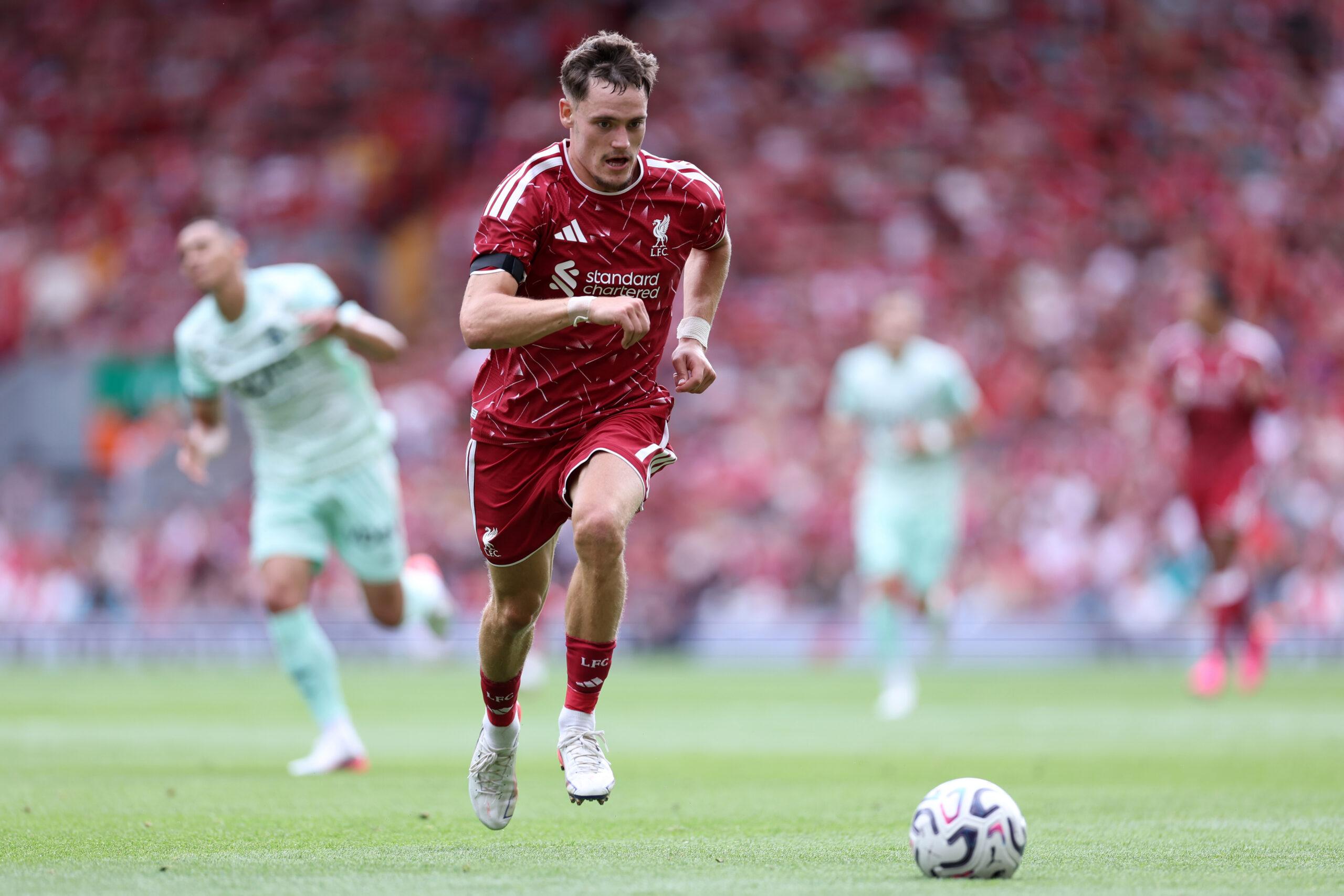
Defining question: Will Andoni Iraola’s chaotic style scale up at one of England’s elite clubs?
Under Andoni Iraola, Bournemouth was consistently one of the Premier League’s most aggressive pressing teams. After succeeding at both Rayo Vallecano and Bournemouth, Iraola now takes a considerable step up at Liverpool. His Bournemouth sides played a frenetic man-to-man pressing style that allowed them to win the ball high up the pitch and attack before opponents could reset. But once the initial press was broken, Bournemouth was often vulnerable to conceding high-quality chances at the other end.
Iraola’s teams routinely won the shot-volume battle, but they often exchanged a barrage of lower-quality attempts for the occasional clear chance inside their own penalty area. That trade-off should sound familiar to Liverpool fans. The Reds experienced many of the same defensive problems last season under Arne Slot. They conceded more goals than every other team in the top half except Bournemouth, and world-class goalkeeper Alisson could no longer erase those breakdowns as consistently as he once did. Formerly one of the best shot stoppers in the world, Alisson’s numbers declined last season, and he is now 33 years old.
Iraola’s arrival should push Liverpool back toward the aggressive out-of-possession identity of Jurgen Klopp’s teams. But pressing has never been the primary tactical challenge for an elite club—Liverpool’s talent edge should allow it to overwhelm plenty of opponents through pressure and transition. The bigger question is what happens when inferior teams simply concede possession, retreat into a compact defensive block, and dare Liverpool to create against an organized defense. Iraola’s Bournemouth was built to thrive without the ball, but Liverpool will rarely have that luxury. To succeed at Liverpool, Iraola must demonstrate that his team can create when games are more orderly, without exposing a defense that was already far too vulnerable last season.
4
Manchester United
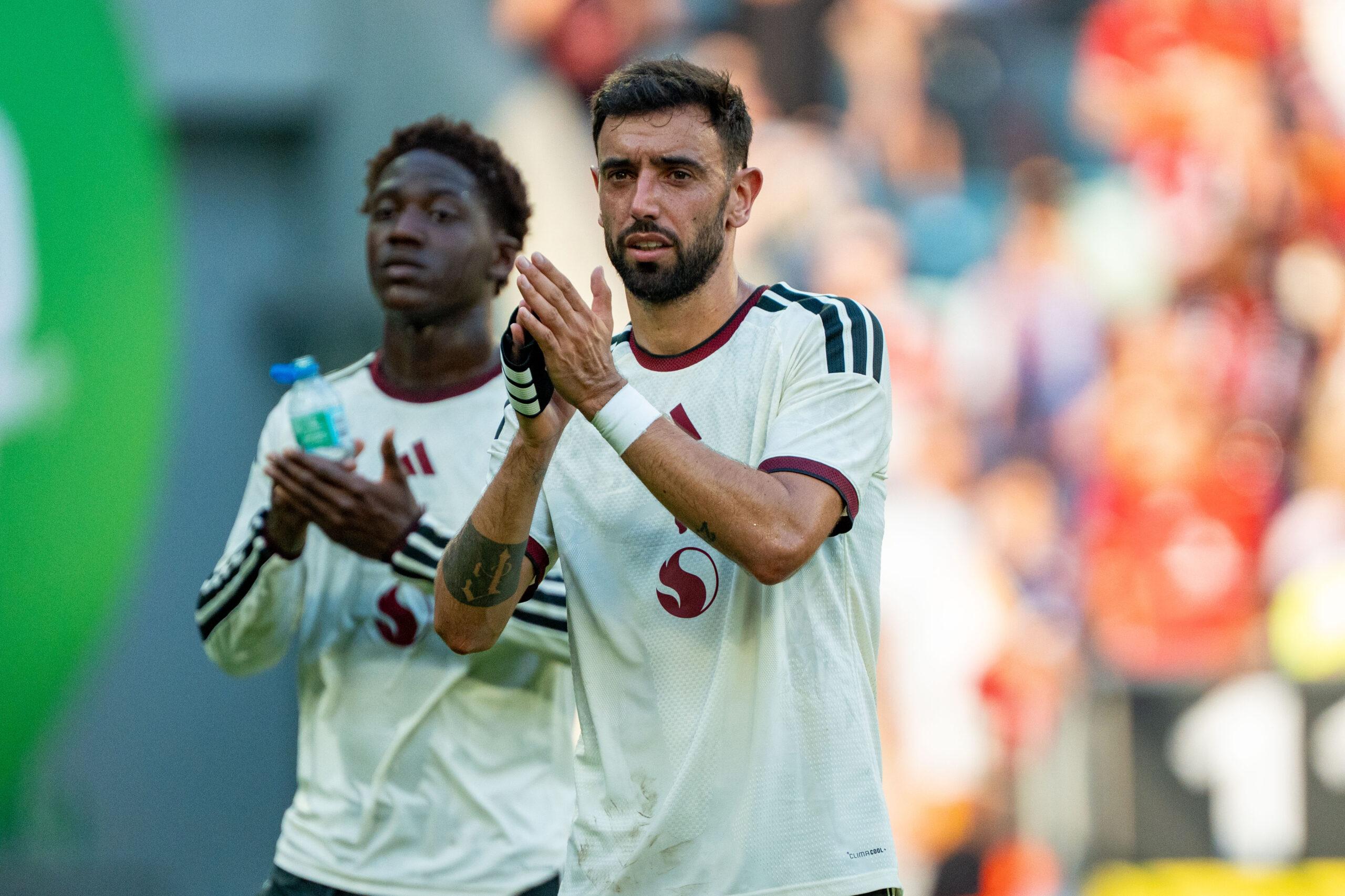
Defining question: How real was Man U’s finishing kick last season?
After Michael Carrick was appointed United’s interim manager on January 13, no team in the Premier League took more points across the final 17 matches. That’s a significant sample in which the Red Devils outpaced Arsenal and Manchester City, and it’s the primary source for unbridled optimism surrounding this team entering the new year. But how much of it was real?
United’s plus-9 expected goal differential in that stretch is basically the exact same as their xG difference in the 21 league matches before Carrick was hired (plus-10.4). That piece of data tells a different story of how United’s season went and informs any projections for their ceiling in 2026-27. Version A of events is that Carrick turned them into a better team, and now with a full offseason and some new signings, United can sustain that improvement and challenge for a PL title. That’s the bull case for United pushing on beyond the top four.
But Version B of events is more convincing to me personally. In that interpretation, United were quite unlucky in the first half of the year, and that bad variance—plus Ruben Amorim’s clash with his superiors—got him fired. United didn’t actually play noticeably better in the second half; they just had more bounces go their way. And as a result, Carrick deserves less credit for "improving Manchester United” than he received.
Still, it was an excellent summer for Manchester United, who shored up their midfield with a win-now player in Youri Tielemans to help shoulder the extreme creative load Bruno Fernandes carried last season. They made an upside bet on 22-year-old midfielder Andrey Santos from Chelsea. And the potential addition of Brighton’s Carlos Baleba before transfer close could help form the best young midfield in the league alongside academy product Kobbie Mainoo. Even if this year isn’t the full-scale breakout many are expecting, United is trending in the proper direction in the medium term for the first time in many years.
3
Chelsea
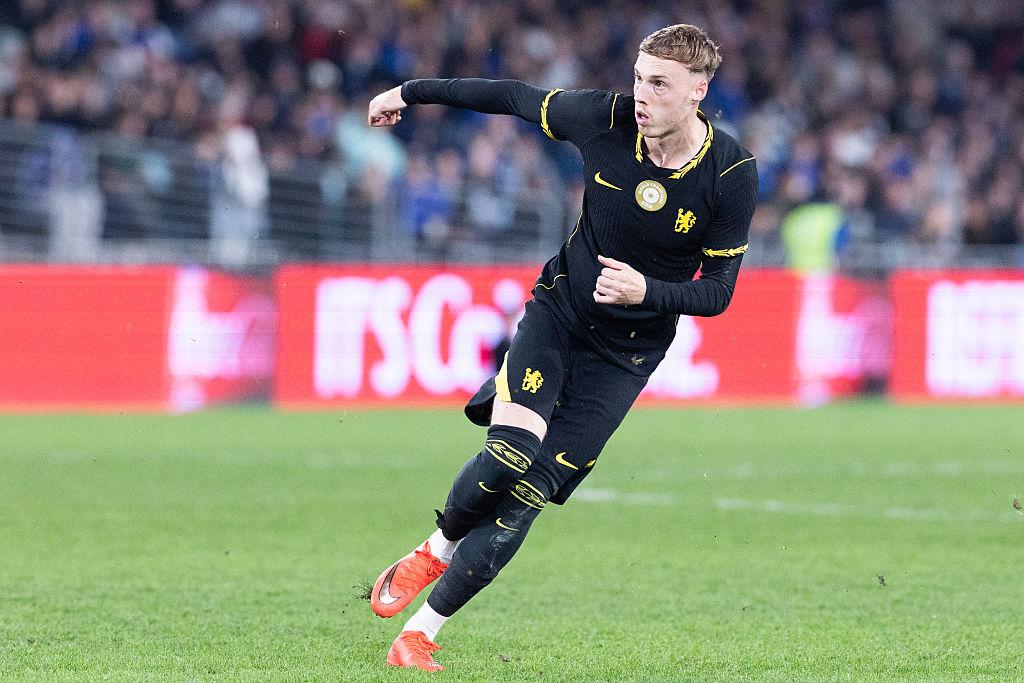
Defining question: Which version of Cole Palmer will we see in 2026-27?
Chelsea is once again undergoing a ton of change to the entire club structure, from their manager to their roster to maybe even their ownership group. Chelsea hired Xabi Alonso, who proved himself to be an excellent tactician when he had an unbeaten season at Bayer Leverkusen and won the Bundesliga. Chelsea signed midfielder Morgan Rogers from Aston Villa to play next to Palmer in one of the biggest moves of the summer. Meanwhile, Chelsea continues to shuffle players back and forth to Strasbourg. You could write an entire book on Chelsea’s audacious transfer strategy, but the hinge point of their season is still the health and performance of Palmer.
After two consecutive superstar seasons at Chelsea in 2023-24 and 2024-25 with 56 combined goal involvements, last season was a massive down year for Palmer. Chelsea’s most important creator totaled five non-penalty goals and one assist while playing nearly 2,000 minutes.
When you compare his underlying data profile, his entire game fell off last season. Between a freak broken toe and a groin issue, it’s fair to wonder whether Palmer was ever actually healthy last season.
Palmer dribbled less, received fewer dangerous passes, and produced fewer chances in and around the penalty area. But despite the down year from their best player, Chelsea finished fifth in expected goal difference. If Palmer returns to his prior form, Chelsea will return to the top four again, even if challenging for a title is probably a step too far.
2
Manchester City
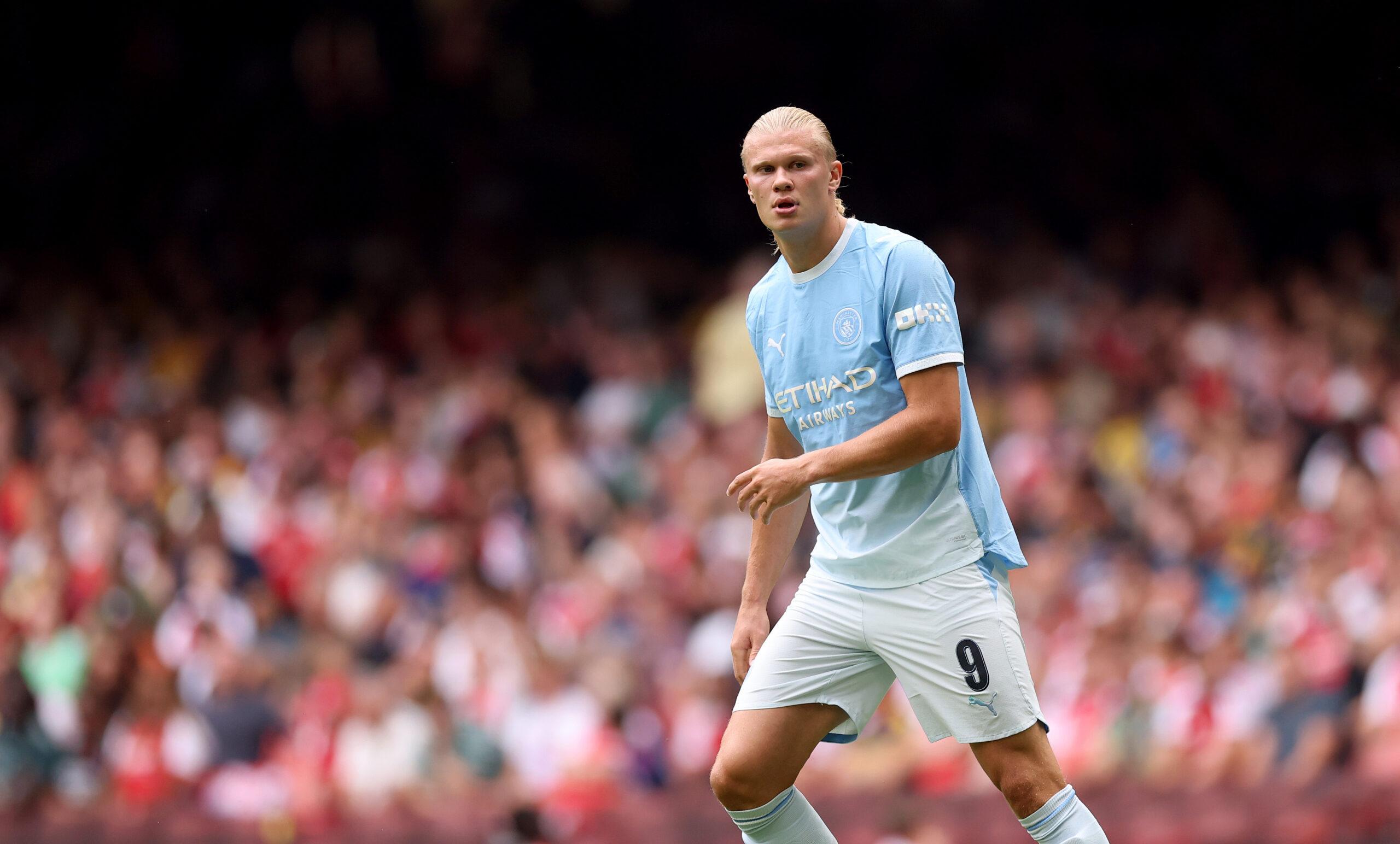
Defining question: How do you replace a legend like Pep Guardiola?
There is no blueprint for replacing one of the greatest managers in Premier League history. City need only look across Manchester at United to understand how difficult that type of succession can be. During Pep Guardiola’s decade in charge of City, he won six league titles and changed how soccer is played throughout England. Even in his final season, City finished second and won both domestic cups. A leaky defense ultimately cost them in the title race, particularly when they dropped points against Everton and Bournemouth during the run-in. But Guardiola’s swan song still saw City play roughly even with Arsenal by expected points over the second half of the season.
Enzo Maresca is the obvious continuity candidate to step in as manager. He worked as one of Guardiola’s first-team assistants and shares his preference for patient possession and positional control. His previous jobs at Leicester and Chelsea gave him experience implementing those ideas for clubs that didn’t enjoy City’s overwhelming talent advantage. But Maresca cannot merely replicate Guardiola tactically, especially because Guardiola’s approach is no longer the Premier League’s prevailing trend. The era of patient possession and extreme control has given way to new ideas. Opponents have become more comfortable defending and are now too athletic and dangerous in transition to be contained once they win the ball.
Over time, City’s problems in defensive transition increased. They were especially damaging last season, when Rodri looked a step slower while recovering from a torn ACL. Those spaces will become even more difficult to cover now that he has departed for Barcelona. City began its midfield rebuild by signing budding superstar Elliot Anderson from Nottingham Forest, who possesses virtually everything required of an all-action modern midfielder. Manchester City remains talented enough to raise its level and overtake the no. 1 team on this list. But for the first time in a decade, City enters a season with a considerably lower floor, too.
1
Arsenal
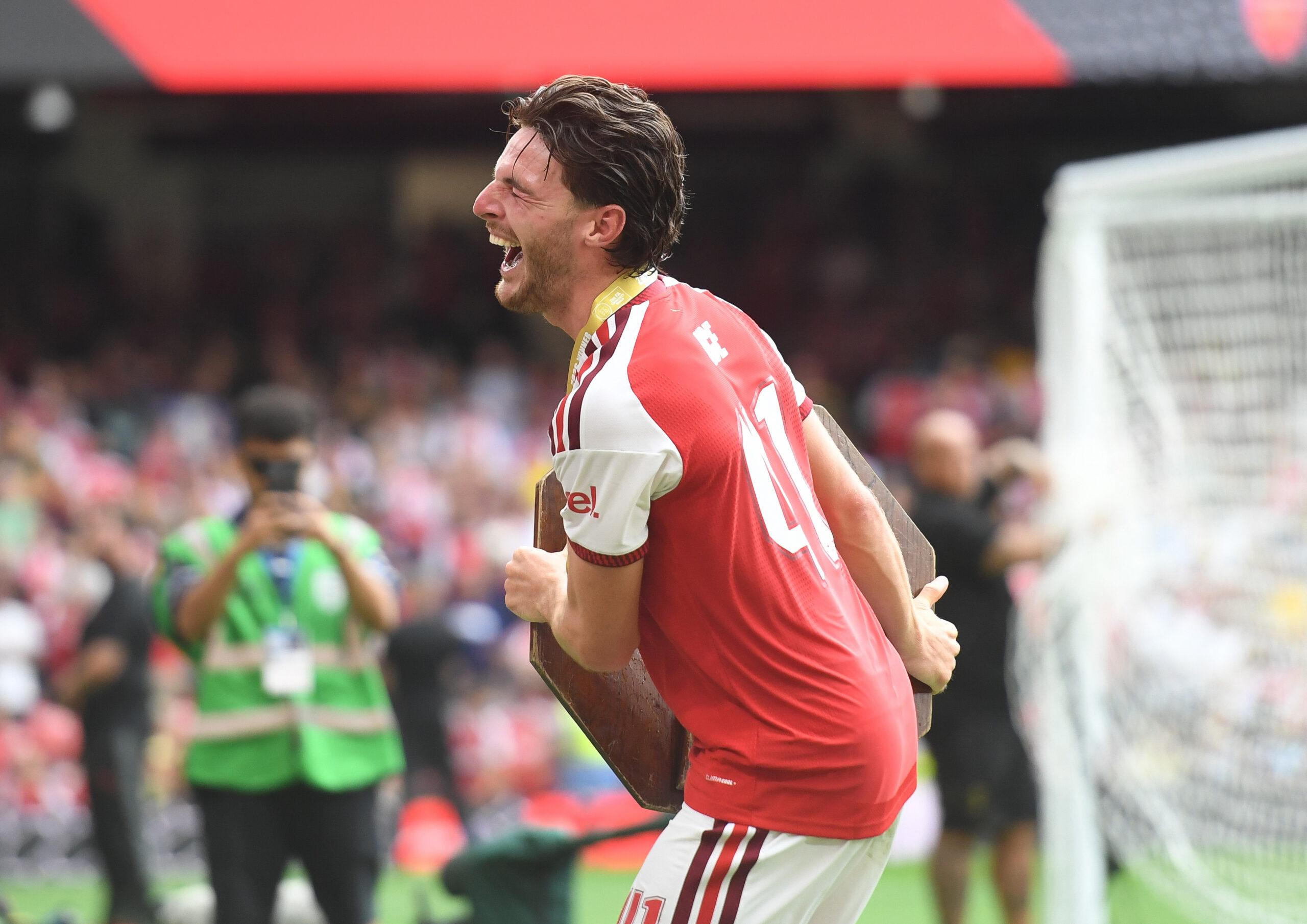
Defining question: Can Arsenal survive the war of attrition?
Arsenal finally completed its 22-year journey back to the top of the Premier League last season, vanquishing Manchester City and grinding its way to the title. But the demands of Arsenal’s intensely physical style, combined with a summer World Cup that prominently featured many of its load-bearing players, are sure to weigh on this season.
Center back William Saliba won’t require surgery but will miss multiple months while recovering from the back injury that sidelined him during the World Cup semifinal. Declan Rice played as much soccer as virtually anyone in the world over the past year, making 63 appearances across the club season and World Cup, and looked completely exhausted by the end of the summer tournament. Bukayo Saka featured throughout England’s run but rarely appeared to be operating at full speed. Along with Martin Odegaard, those players form the spine of Arsenal’s success—and each enters the title defense with some degree of uncertainty surrounding his health or workload.
The Gunners attempted to address those concerns by adding depth across the squad. Center back Ezri Konsa arrived from Aston Villa to cover for Saliba, while all-action midfielder Bruno Guimarães can absorb some of Rice’s minutes following his move from Newcastle. Christos Tzolis offers another source of chance creation. He isn’t a like-for-like replacement for Saka, but his versatility and set-piece ability should give manager Mikel Arteta another way to manufacture goals.
Both Guimarães and Konsa are 28-year-old peak-age additions—a further indication that Arsenal intends to maximize its current championship window. In a Premier League filled with managerial uncertainty among its leading challengers, Arsenal is well positioned to claim more silverware and capitalize on a historically dominant multiyear defensive run. The question is whether Arteta can protect his indispensable players without sacrificing the intensity that made Arsenal champions.