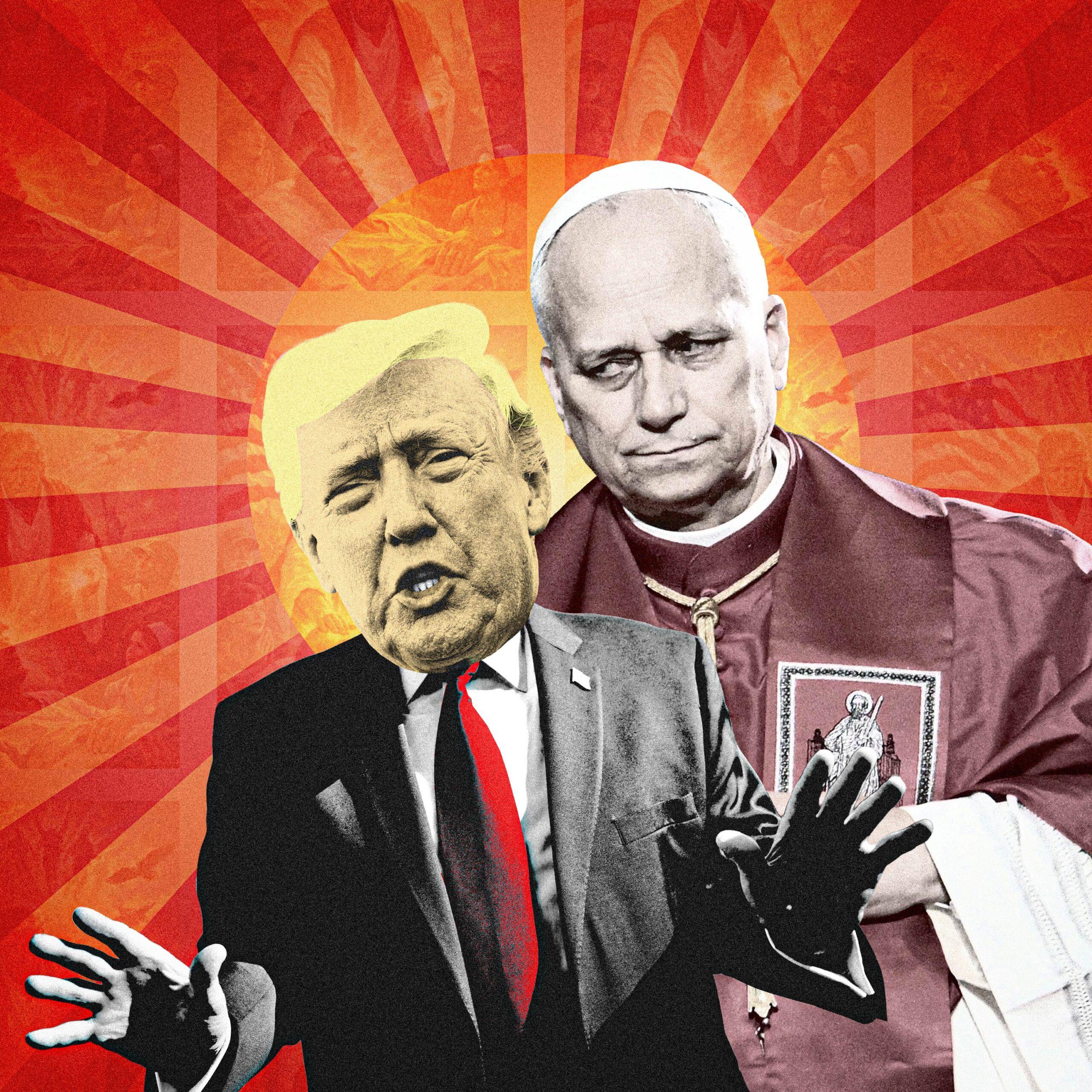

On Sunday, April 12, in the middle of the night, the president of the United States, Donald Trump, posted an AI-generated image to his Truth Social account. On the face of it, this was not an unusual act—the president often posts into the small hours and often shares AI slop—but this particular image was surprising even for Trump. In the words of various media outlets, it depicted him “seemingly in the role of Jesus Christ” (Yahoo), “as a Christ-like savior” (NBC), “seemingly … as Jesus” (Bloomberg), “as a Christ-like figure” (USA Today), “as a Jesus-like figure” (The Guardian, The New York Times), and “apparently as Jesus” (Reuters). The post followed Trump’s sustained social media attack on Pope Leo XIV, who has angered the president by speaking out against the war in Iran, and it was widely taken as another salvo against the pontiff.
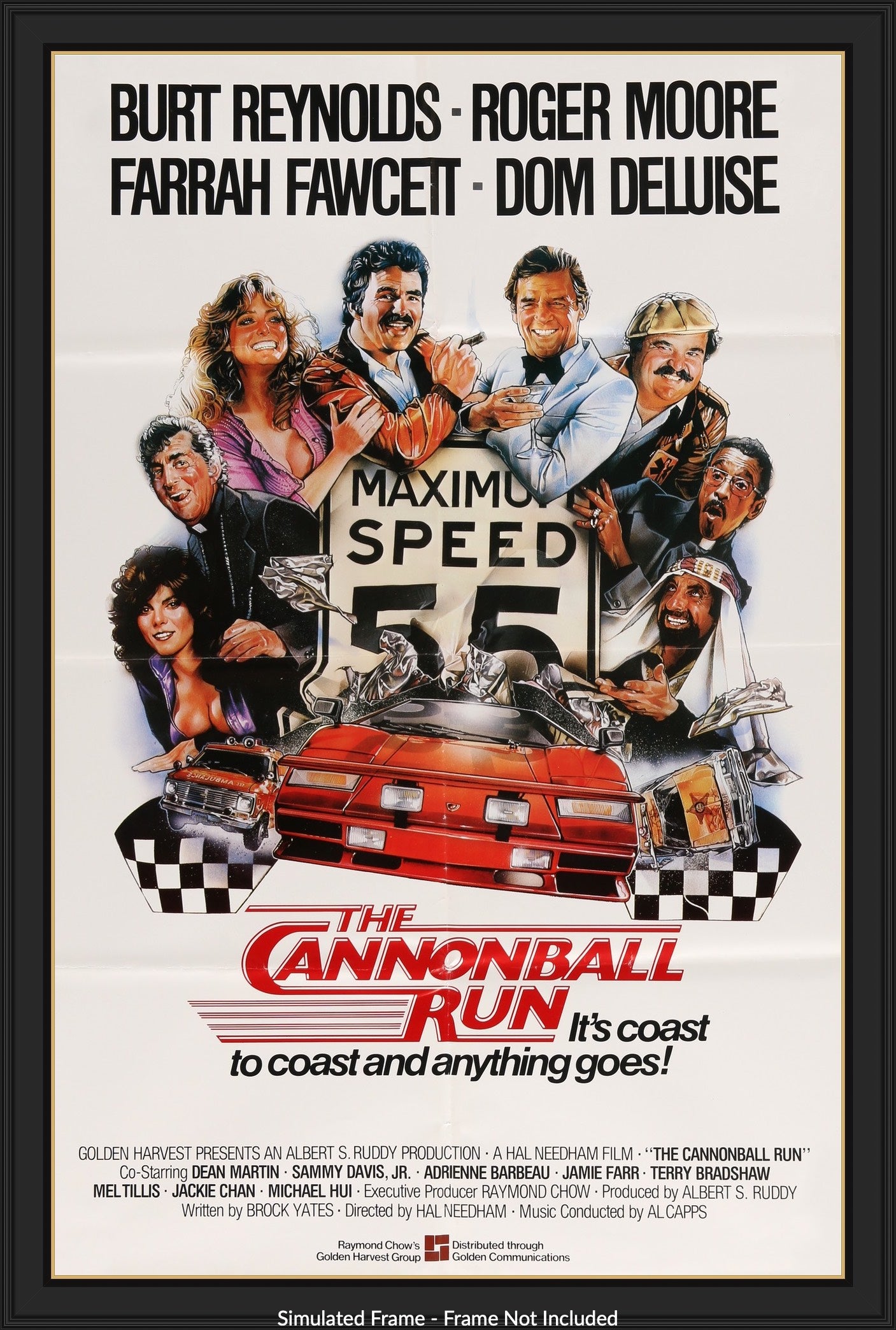
In the image, which has that hazy, spray-tanned ’70s movie-poster quality common to AI imitations of oil paintings—the prompt always seems to be “Cannonball Run, but wetter”—Trump is wearing flowing white robes and a red mantle. A blaze of divine light shines forth from his left hand. His right hand rests on the forehead of a man in a hospital bed. More light emanates from the man’s head, as if he’s being cured by Trump’s holy touch. The man looks kind of like Jeffrey Epstein. Either this is a coincidence, or you and I have just stumbled on a conspiracy theory that’s going to absolutely ruin our lives.
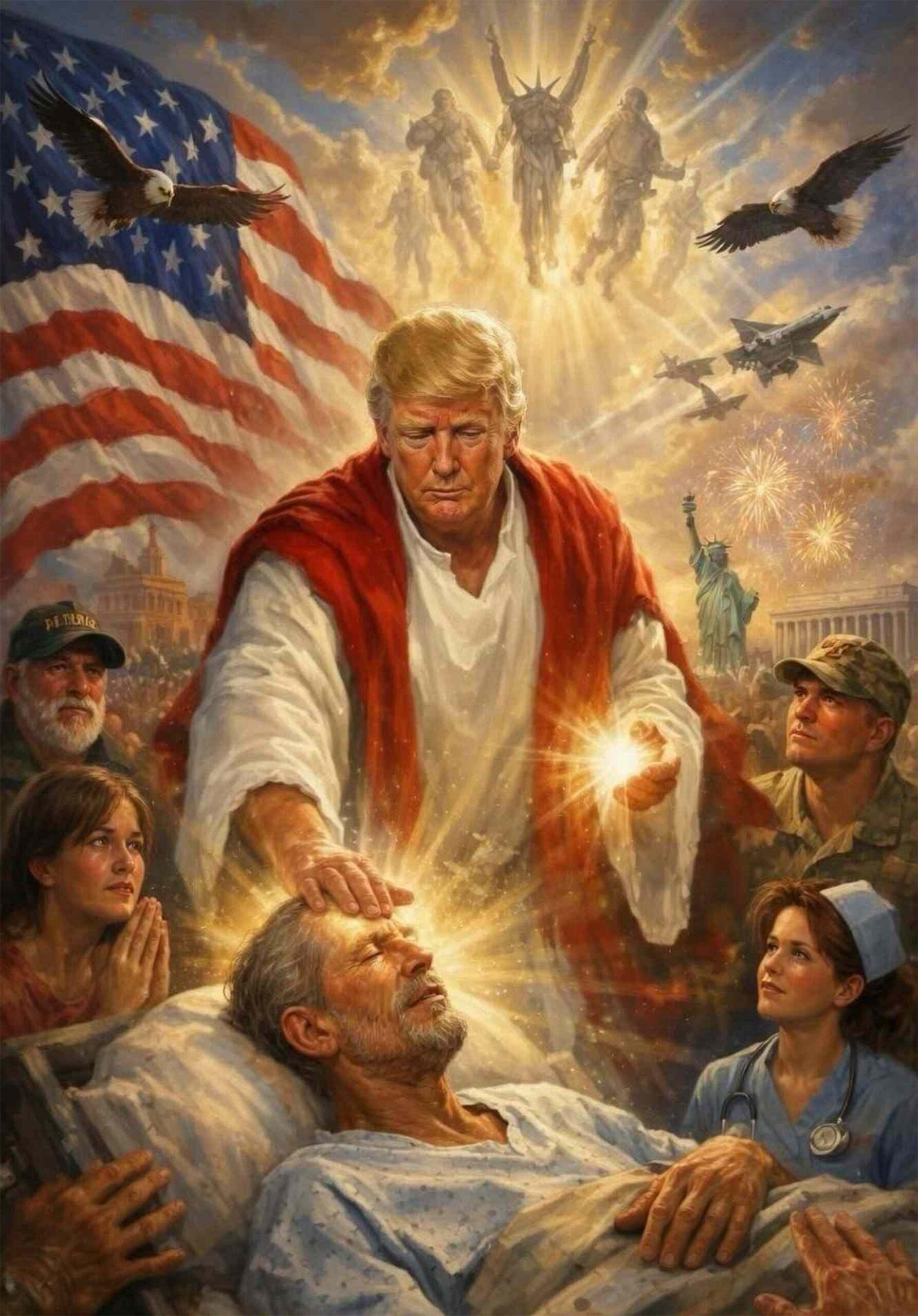
Can I draw your attention to the sky above Trump’s head? What the hell—sorry, I’m breaking media rules; that should read, “What the seemingly hell-like space?”—is going on up there? Ghostly soldiers, including one who appears to be some sort of kaiju (?) in a Statue of Liberty crown (??), float before a cloudburst. Not one but two bald eagles soar over a glitter of fireworks and a vast American flag, a rippling—perhaps too rippling; it looks like it’s made of Kleenex—Old Glory that swallows the entire top-left quadrant of the image. Fighter jet–esque forms dart over the actual Statue of Liberty. I’m no aeronautics engineer, but I do not believe that these aircrafts would be physically capable of liftoff. At ground level, a cluster of adoring onlookers—a nurse, a praying woman, a bearded man whose hat appears to say PLBURSCF—gazes up at Trump. Behind them are two structures. One is the Lincoln Memorial. The other looks a bit like the Église Saint-Sulpice in Paris, although when I tried to do a reverse image search on the AI building, Google pointed me toward the architecture of the planet Chulak, from the Stargate universe.
The post ignited a furious backlash from Christians of all political stripes, including among Trump’s allies and former allies on the right. Riley Gaines was mad. The cardinal of Newark was mad. Candace Owens said that the president was “very clearly under demonic influence.” Marjorie Taylor Greene tweeted that the image revealed “an Antichrist spirit.” By Monday morning, Trump had deleted the post. He later told reporters that the image was never intended to make him look like Jesus. It was intended, he said, to make him look like “a doctor.”
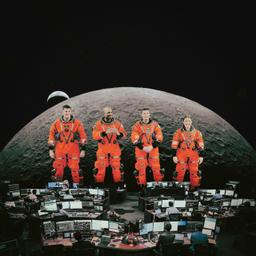
Which totally makes sense. Doctors always wear long, white pastoral robes with red coverings and walk around with their bodies conspicuously emanating pure light. Let’s pull some other pictures of doctors and compare them to the figure in Trump’s post.
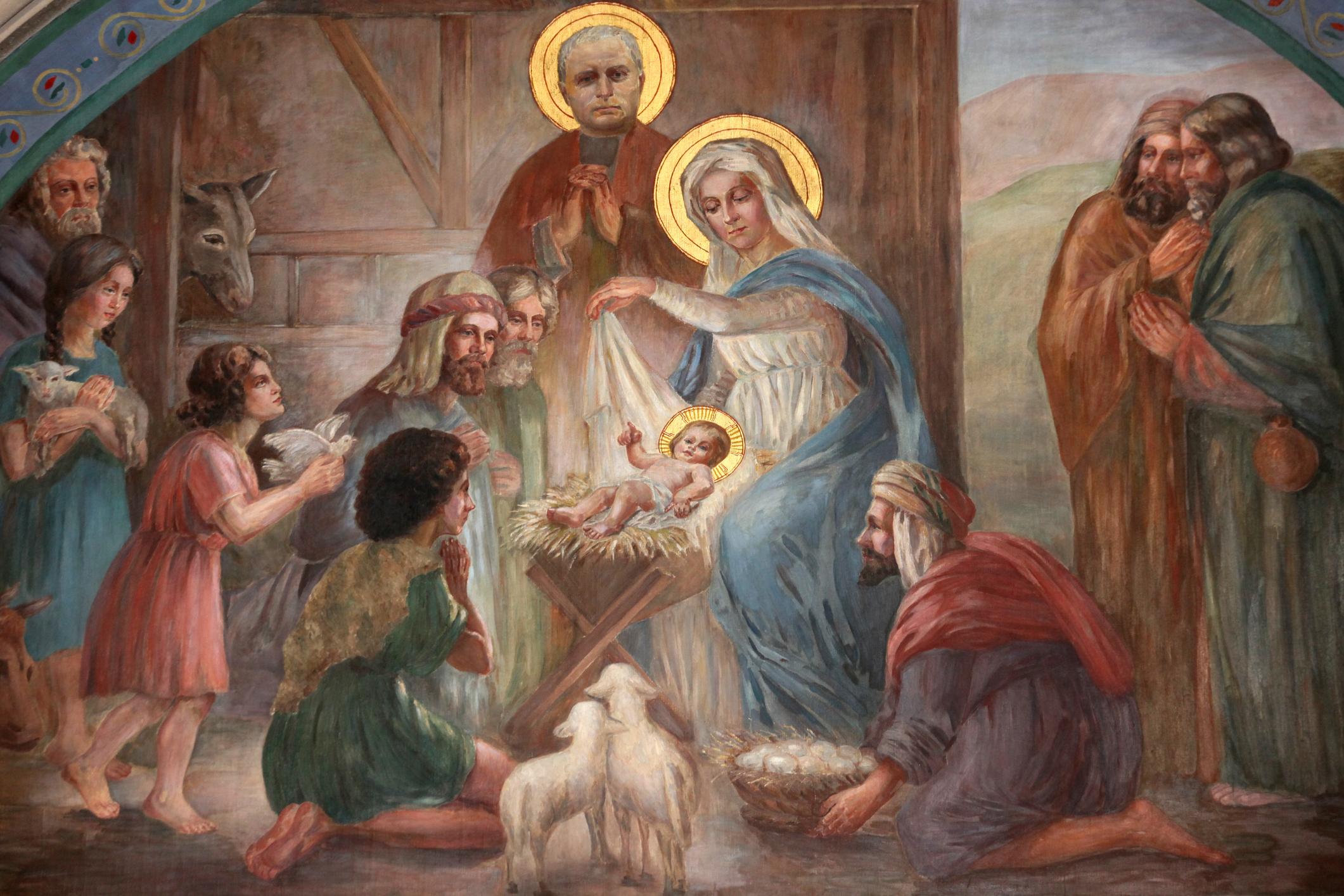
Larry Westfeld, gastroenterologist
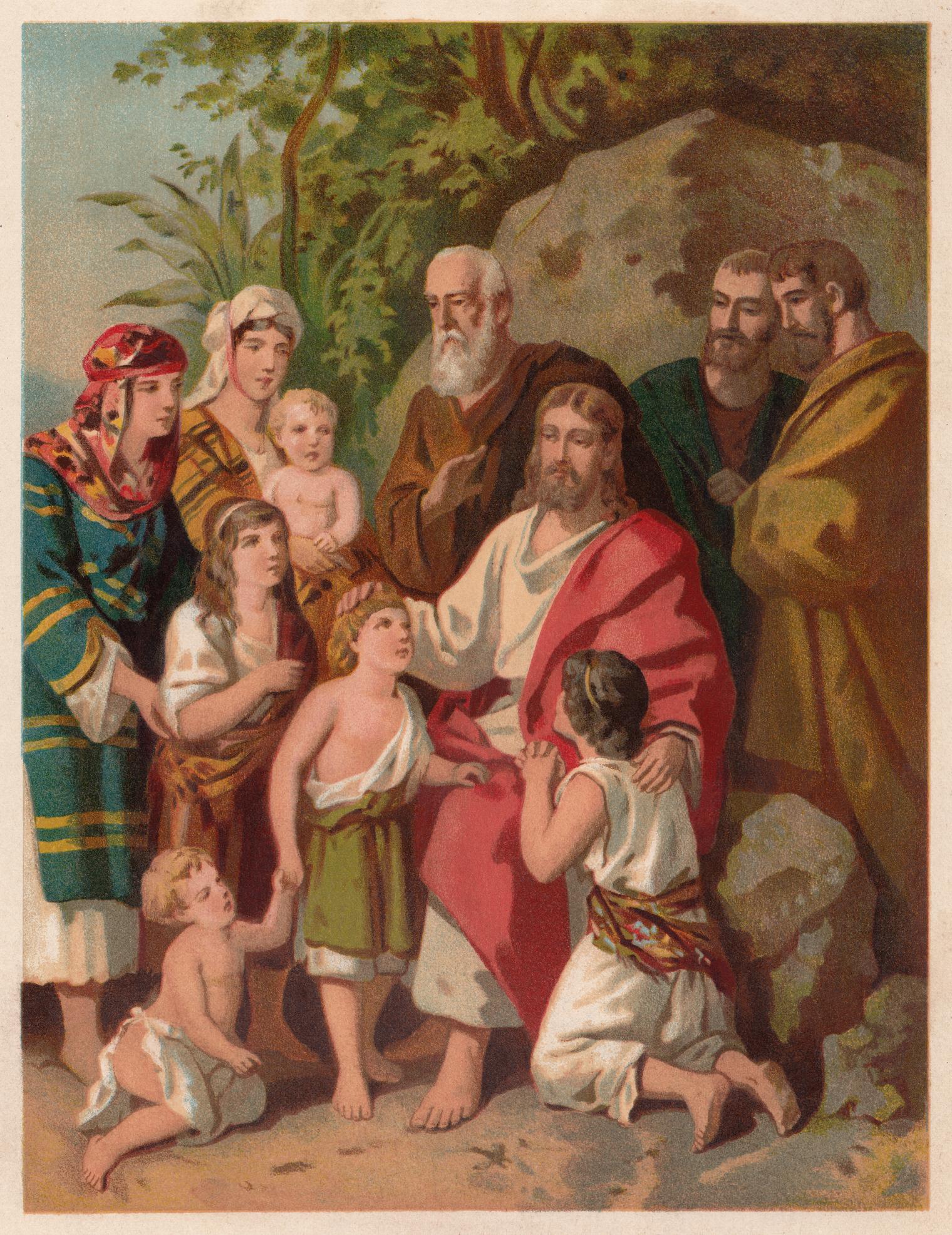
Barry O’Malley, abdominal imaging radiologist
Darren Fibble, vascular surgeon
Montana Greene, dermatologist
Trump’s deletion of the post did little to quiet the questions it raised—very real, very urgent questions such as: Why do things have to be this way? Why am I always so tired? Does the backlash to this post reveal meaningful cracks in the conservative Christian coalition, or is it just another blip in the discourse? Is God speaking to me through my proctologist?
Let’s join our weirdly glowing hands and take this point by point.
You mentioned the pope. What does this have to do with the pope?
What doesn’t it have to do with the pope? The image that (media rules again) seemingly appeared to depict Trump in a role not without similarities to a Christ-adjacent figure came a few hours after the president’s Truth Social rant against Pope Leo, whom Trump accused of being “Weak on Crime” and “catering to the Radical Left” (capitalization sic). Trump has been attacking the pope publicly and privately for weeks, but the rant represented a dramatic escalation in tone—an escalation that’s continued into this week.
That timing strongly supported the idea that Trump’s portrayal of himself as the son of God was intended as a jab at the bishop of Rome. Right-wing discourse has been so captured by edgelord aesthetics that shitposting is now a form of theological argument. You may be the pope, Trump seemed to be saying, but I’m the higher spiritual authority. Behold the Slop Messiah!
Why is Trump so mad at the pope? I thought everyone loved the Chicago pope!
Because the pope called for peace in Iran. You’ll remember that the U.S. and Israel launched a military assault on Iran on February 28. During Holy Week, Leo expressed his hope that Trump would end the fighting. When Pete Hegseth, the secretary of defense, claimed that the U.S. had attacked Iran in Jesus’s name, the pontiff spoke out to say that military violence is “entirely foreign to the way of Jesus Christ.”
Then, last week, Trump posted a (seemingly!) genocide-curious threat against the Iranian people, saying that “a whole civilization will die tonight” unless Iran met his deadline for agreeing to a deal. Leo called the post “truly unacceptable” and renewed his calls for the conflict to stop.
The pope has consistently refused to allow political leaders to justify war on religious grounds. Trump seems to be deeply irked by the idea of being corrected by a moral authority he can’t bully and doesn’t control.
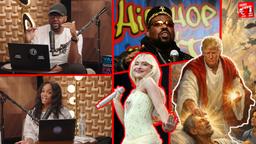
More in Politics
Wait, did Trump really call the pope “weak on crime”? Are popes … supposed to be tough on crime?
It’s, uh, not part of the job description as I’ve ever understood it. That deliriously weird line probably referred to the pope’s remarks about Trump’s attack on Venezuela earlier this year. Trump’s (false) justification for that action was that Venezuelan cartels were flooding American cities with illegal drugs. Leo called on the U.S. to act in the best interest of the Venezuelan people, “respecting the human and civil rights of each and every person, and working together to build a peaceful future of cooperation.”
This, in Trump’s view, makes him weak on crime.
So the whole thing comes down to the pope denying that Jesus was pro-war? Is this why I keep seeing reports that Leo and Trump are “feuding”?
Yes, but that framing, which is all over the media, is totally wrong. Leo and Trump aren’t “feuding,” and Trump did not “hit back,” “strike back,” or “return fire” against the pope. Trump has repeatedly launched unprovoked military actions that he and his lieutenants have attempted to cloak in the language of Christian righteousness. The pope has said that Christian righteousness is incompatible with unprovoked war. Trump has publicly mocked, derided, and attacked the pope; the pope hasn’t attacked Trump at all.
A feud requires the participation of two people. If you say, “We should respect the sovereignty of each individual, for we are all children of God,” and I say, “Fuck you, you dirty hippie,” what we have is not a feud. What we have is a principled person trying to have a conversation with an asshole.
Is everyone making too much of this AI Jesus thing? Surely Trump was joking?
He was joking, I think! But he was joking in the very specific way that MAGA posters joke these days. That is, the joke wraps an extreme idea in a form that allows its taboo implications to be denied if the poster is explicitly confronted with them but that preserves their implicit emotional force. I was just kidding, so you can’t be mad! And if you are mad, it only proves that you’re uptight! At the same time, the joke invites anyone who likes its message to respond as if it were serious, even as its unseriousness allows the response to feel safe. And each time the process is repeated, the thing becomes a little less taboo; what was unsayable becomes a little more sayable, and people become a little bolder about adopting the extreme position outright. Irony, in contemporary politics, is sincerity’s Trojan horse.
Over the past decade, we’ve seen this play out to foment racism and misogyny, so that some number of people who were once hiding behind alt-right frog memes are now openly calling for American concentration camps. We’re a long way from widespread acceptance of Trump as the messiah, but I think that the underlying message of the post—Trump as the ultimate authority, superseding the church as well as the state—was meant to resonate with his followers in a way that elevated him in their eyes. I should add a few seeminglies in there, but come on.
In this case, he miscalculated; the post backfired to such a degree that Trump couldn’t undo the damage by saying he was kidding—as he did, for instance, after he called himself “the chosen one” in 2019. So he deleted the image and came up with the frankly surreal explanation that he was picturing himself as a doctor. And because the legacy media still feels unable to call out Trump’s dishonesty without first solving the other minds problem—we can’t know he was lying, because lying requires intent, and we can’t see inside another human consciousness—he’s largely able to get away with this kind of thing, even when everyone can plainly see that it’s bullshit.
Has he apologized for posting the photo?
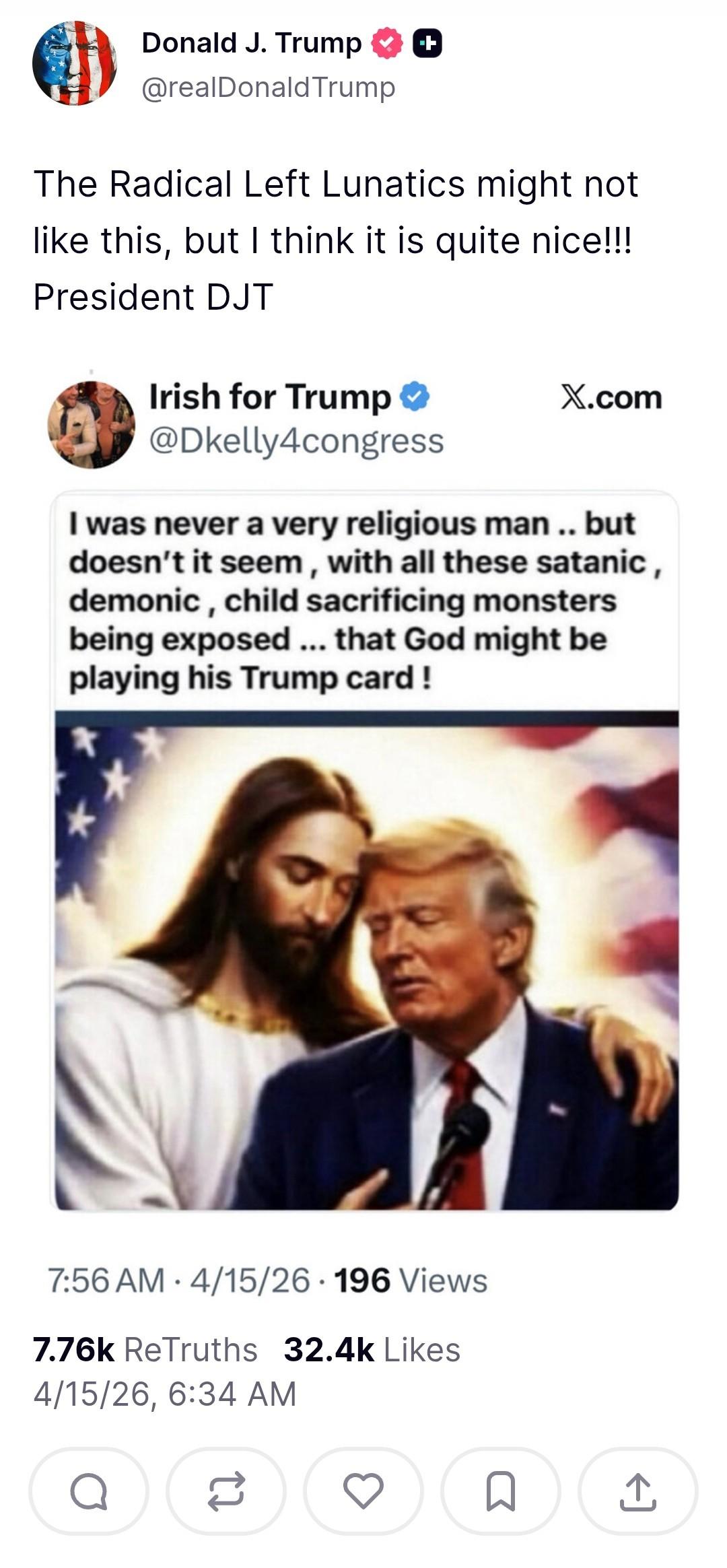
No. What he has done is cancel $11 million in aid to a Catholic charity for migrant children. And also … whatever this is:
Didn’t Trump already post an AI-generated photo of himself as the pope?
Yes, last year, when the current pope was being elected. Trump also claimed that he’d like to be the next pope himself. Then he said he was joking.
Isn’t JD Vance, the vice president, an adult convert to Catholicism?
Yes, famously. Communion: Finding My Way Back to Faith, his new book about his journey to the religion, is set to publish in June. The timing of Trump’s attack is great for Vance. Vance simply cannot stop winning.
Wow, so Vance must have been one of the allies who criticized Trump’s blasphemy?
Guess again! Vance defended the post. And you’ll never guess how he did it. He said Trump was joking.
Was that all he said?
It was not. Vance then tried to correct the pope—who is, I repeat, the pope—on matters of Catholic theology.
He what?
Yes. It turns out that God, in Vance’s exegesis, does love the Iran war because of just war theory. Vance, speaking at a sparsely attended Turning Point USA event in Athens, Georgia, attempted to explain this to the literal pope. (Who has, as it turns out, heard of it.) Men will meet a professional sportswriter and be unable to restrain themselves from explaining what a catch is. “Vance Says the Pope Should Be More Careful When Talking About Theology” may quietly be one of the funniest New York Times headlines of all time.
In any case, the doctrine committee of the U.S. Conference of Catholic Bishops issued a sweeping correction to Vance’s interpretation of just war theory on Wednesday, one that rebutted Vance’s theological argument before adding, “When Pope Leo XIV speaks as supreme pastor of the universal Church, he is not merely offering opinions on theology, he is preaching the Gospel and exercising his ministry as the Vicar of Christ.” If the bishops had laid a gentle hand on Vance’s shoulder and said, “Son, you don’t have the game to play in this league,” it would have been about equally humiliating.
Can Vance’s part in this story be summed up by any old viral tweets?
I’m sorry, but the only way this tweet could be more JD Vance is if no one had liked it.
So where does the Slop Messiah scandal leave Trump with religious voters? Aren’t Catholics an important electoral bloc?
Catholics are the largest bloc of religious swing voters in America, and the Catholic vote was critical to Trump’s win over Kamala Harris in 2024. In the 2020 election, which Trump lost, Catholics split their votes almost evenly between Trump and Joe Biden. In 2024, Catholics went for Trump by 12 points.
There are, of course, hardline conservative Catholics who don’t like the current pope. But generally speaking—and please, don’t attempt political analysis on this level at home; remember, I’m a professional—attacking the pope is not a good way to make Catholic voters like you. If that’s what Trump is trying to do, it isn’t working.
Religious voters more broadly are harder to parse because many groups fall under that heading, and those groups have varying priorities. There are differences even among white evangelicals, by far the most important faction in the MAGA coalition—there are about 56 million white evangelicals in the U.S., and 81 percent of white evangelical voters backed Trump in 2024. Some within this group surely see Trump’s Jesus portrait as blasphemy; others, used to a steady diet of prosperity theology and Christian nationalism, undoubtedly love it.
But surely the pope’s message that Christianity is a religion of peace is pretty uncontroversial?
You’d be surprised! While few evangelical leaders would argue that Jesus loved violence for its own sake, it’s always so easy to find exceptions. The history of religion is bursting with messages like, “Of course God wants us to love everyone … but he didn’t mean those guys.”
And interpretation of scripture aside, the religious right—the political movement, not evangelicalism writ large—is not exactly oriented toward loving tolerance. Its preferred origin story is that evangelical Christians first coalesced into an organized voting bloc to oppose abortion in the aftermath of Roe v. Wade. Its real origins, however, lie in the fight against desegregation during the civil rights era. White supremacy and misogyny were baked into the movement from the beginning.
Subsequent waves of evangelical theology have frequently positioned religion either as a means of preserving entrenched social hierarchies through culture war (God wants you to be subservient to your husband; God wants you to obey the patriarchy) or as a tool for justifying personal aggrandizement (God wants you to be rich; God rewards good people with material blessings in this life). It’s not hard to see how this sort of thinking, pushed by religious leaders such as James Dobson and Joel Osteen, led to a movement that venerates Trump, has no problem with imperialist aggression, and thinks that the pope is woke.
OK, but even if we assume that’s true, how are evangelicals actually reacting in this case?
Great question. In fact, many evangelical leaders and evangelical-adjacent podcast-grifter types are speaking out against Trump. Some are now arguing that he’s the Antichrist.
Why can’t we just have a normal week for once? Just one normal week!
Also a great question. I can only report the facts. The facts are these. On Sunday, Joel Webbon, a far-right pastor in Texas, delivered a livestream called “Is Donald Trump the Anti-Christ?” (On the same day, Webbon also tweeted, “I genuinely believe Trump is currently demon possessed.”) The host of the far-right Liberty Lockdown podcast, Clint Russell, tweeted, “In 18 months I went from hesitantly voting for Trump to thinking there’s a decent chance he’s the antichrist. Whew, what a ride.”
Most prominently, there’s Tucker Carlson, whose career-driven pivot from youthful William F. Buckley impersonator to unhinged tabloid revival-tent sideshow has been both extremely funny and deeply unnerving to watch. In recent years, Carlson has claimed that he was physically attacked by demons and argued that the Episcopal Church—notionally his own denomination—is actually a “pagan” organization run by “dreadfully unhappy middle-aged lesbians.” A longtime Trump supporter, Carlson has recently broken with the president over the Iran war; on his show last week, Carlson delivered a 43-minute opening monologue in which he, too, strongly implied that Trump is the Antichrist. (He did not say, “Whew, what a ride,” unfortunately.) That occurred even before the Dr. Jesus image.

It’s probably most useful to view many of these comments as an indication of where right-wing influencers think the wind is blowing rather than as a sign of true conviction. Like Greene and Owens, Carlson is likely breaking with Trump less from principled disagreement than out of self-interest and a sense that the old man is cooked. Trump’s poll numbers are just so bad; no one wants to go down with the ship. The religious right may be entering a chaotic period as it negotiates its separation from Trump.
Or maybe it’s not. The numbers say that Trump’s approval rating has been falling among rank-and-file evangelicals for months, but plenty of voices in the movement are still doing their biblical good-vs.-evil thing about the Iran war, and it seems unlikely that a little tiff with the pope will make them reconsider. What’s a little blasphemy among friends? The loyalties of the religious right may be more unsettled than they’ve been in years, but they could still resolve in Trump’s favor. I’m sure he’s praying earnestly on it every night.
Anyway, I’d love to ask Jesus what he thinks of the whole AI religious slop situation, but he has yet to descend from the kaiju-infested sky and lay his glowing hand on my forehead. He’s also pretty expensive to chat with at $1.99 per minute.