

When Survivor returned from a pandemic-induced hiatus in 2021 with Season 41, host Jeff Probst insisted that cast members and audiences “drop the four, keep the one” because this would be a whole new version of the show. Thus, the “new era” of the series was born. Production introduced a bevy of changes, from new advantages for players to changes in the broadcast. Seasons were shortened but featured lengthened episodes. It’s still Survivor, but it’s definitely different.
Season 50, with its supersize cast, returning players, and celebrity cameos, feels like it could be the end of this “new era” and the dawn of an even newer era (the “new new era”?). Thus, it’s a good time to look back at what worked and what didn’t from the last nine seasons of Survivor. Here is a complete ranking—including grades—for every single change to the show during the new era:
1. 90-Minute Episodes: A+
Seasons 45 to present
This has been the single best change to Survivor since the hidden immunity idol was introduced in 2005. At the start of the new era and well before it, as the show introduced more twists and turns and players enacted more complicated game moves, the traditional 60-minute running time (which is more like 44 minutes on broadcast TV) became suffocating. Episodes have always had to make time for tribal council and at least one challenge, if not two challenges, but with more and more idol hunts, journeys, and other game mechanics gradually added, there was little time for anything else. It even became something of a game to identify the winner of a season based on the player’s “edit,” as the show almost always had to give excess shine to the winner.
Enter: an extra half hour. Some of the pre-merge episodes can drag just a bit in the 90-minute era, but for the most part, we are getting more strategy talk, relationship-building, and just good ol’ camp life. With more running time to go around, fewer contestants are getting “purpled,” or basically pushed out of the show. Winners have been more well-rounded in their edits and less predictable. It’s an across-the-board improvement.
Ninety-minute episodes have been such a breath of fresh air that it makes you want to demand they go back and re-cut old seasons with the additional running time. What would Micronesia, Heroes vs. Villains, or even Borneo look like with another 50 percent of content? I’d pay a premium to find out.


2. Amended Sitout Rules: A
Seasons 45 to present
It used to be that a Survivor contestant was not allowed to sit out back-to-back challenges if those challenges took place in a single episode. So whomever your team sidelined in a reward challenge would have to compete in an immunity challenge. But the new era has fewer episodes with both a reward and an immunity challenge, opening the door for a player to sit out again and again and again. Claire Rafson sat out three consecutive immunity challenges in Season 44, so the show went ahead and changed the rule starting the following season—now players cannot sit out back-to-back challenges period, regardless of when they occur.
This isn’t that impactful of a change, but it’s a good one all the same. It forces tribes to be a bit more strategic about who they sit out—they can’t just bench the weakest player every time. And it gives the tribes struggling for a win a better chance to pull out a victory.

3. Journeys: B+
Seasons 41 to present
Since Survivor 41, the show has featured frequent “journeys,” where each tribe sends one contestant off-island to participate in some sort of group activity, challenge, or prisoner’s-dilemma-like game. Contestants have a chance to win an advantage for themselves—but also often risk losing their vote, too.
I enjoyed these most when they took on that prisoner’s-dilemma format. Players had to decide how best to work together with the people they just met, but if they all got greedy, they’d all lose their votes. Increasingly, journeys just present mini challenges to the castmates. They still risk losing their vote, but the social dynamic isn’t at play—they just have to stack some blocks or whatever to get it back.
Regardless of exactly what the contestants do on these journeys—or what advantages they earn or don’t earn—they also have the opportunity to lie about it when they return to their tribes. And if they do lose their vote, much of the tribe will assume they’re lying and that they received an advantage anyway. It’s a fun little dynamic.
4. Knowledge Is Power: B+
Seasons 41, 42, 43, 48, and 49
Conceptually, I’ve long been skeptical of the Knowledge Is Power advantage. It feels overpowered. A contestant with the advantage can, at tribal council, ask any other contestant one of two questions: “Do you have an idol?” or “Do you have an advantage?” That contestant cannot lie, and if the answer to either question is yes, then they must hand over their idol or advantage to the player wielding Knowledge Is Power. It’s the only advantage that allows a player to steal an idol or advantage from another player. And the “cannot lie” element irks me—Survivor is a game built around lying! I don’t think players should ever be put in a position where the game forces them to tell the truth.
But in five seasons with it in play, not one contestant has ever used Knowledge Is Power correctly. Three times, players have asked their question incorrectly at tribal council, asking someone without an idol or an advantage. Twice, the advantage was never used by the person holding it before they themselves were voted out, and once the player who found it opted against taking it. Those players who asked incorrectly essentially blew up their games with the miss, too, embarrassing themselves in front of the jury and their fellow contestants.
So I have to give this advantage some props. Knowledge is power on Survivor, and so far no one has amassed both this advantage and the knowledge to correctly play it. It’s clearly more difficult to pull off than it may appear. Knowledge Is Power shouldn’t be an every-season staple, but as an occasional wrinkle, it works.


5. Advantage Amulet: B
Seasons 42, 45, and 47
Three players are given an advantage that they must share. In Seasons 42 and 45, the amulet grew in power if and when those holding it were removed from the game. With three amulets left, the amulets constituted a block-a-vote. With two, the advantage became a steal-a-vote. And once just one player was left with an amulet, it became a full-power immunity idol.
The show simplified things for Season 47, making the amulet always have the power of an immunity idol, but still requiring that all pieces of it are played together. The incentive is the same: While the players with the amulet are nominally working together, they all have a massive incentive to vote each other out and increase their own power. In Season 45, Austin went out of his way to vote off the two people he shared an amulet with, giving himself an idol. But in 47, the contestants with the amulet quickly played it at tribal council, essentially throwing it in the trash to get the target off their own backs.
So it’s been a bust so far. With some tweaking, this could work. Perhaps it could be introduced after the merge, and given to one player who has to choose who to give the other two amulets to. This would increase the chance that the players with the amulets trust each other. But so far, this advantage has come with so many strings attached that it is treated as a disadvantage.
6. Choose Your Champion: B
Season 43
I am a bit surprised this advantage has not made a reappearance. It’s a poor man’s immunity idol, with a twist. The person who gets this advantage has the opportunity to secretly predict who will win the upcoming immunity challenge. They have to present the advantage before the immunity challenge, however, so their tribemates know that it is in play. But they don’t have to reveal who they wagered on. If they predict correctly, they earn immunity for themselves—but this won’t be revealed to the rest of the players until after the votes are cast. In Season 43, Cody Assenmacher found this advantage and predicted correctly … only for no votes to be cast against him.
It’s kinda hokey, but this advantage provides a lot of interesting decisions to make as well as some bluffing opportunities. It could be fun! In Season 43 it was used at the Final 7, which felt too late in the season—it was a small pool of players and everyone reacted as if Cody was off the board as a potential vote-out. It was as if he had immunity regardless. There are some potential tweaks that would improve this twist, like introducing this advantage earlier in the game, and potentially revealing whether the player had predicted correctly or not before the vote. Another idea: If you pick wrong, you lose your vote. There is potential here.
7. Beware Advantages: B
Seasons 41 to 43, 45 to present
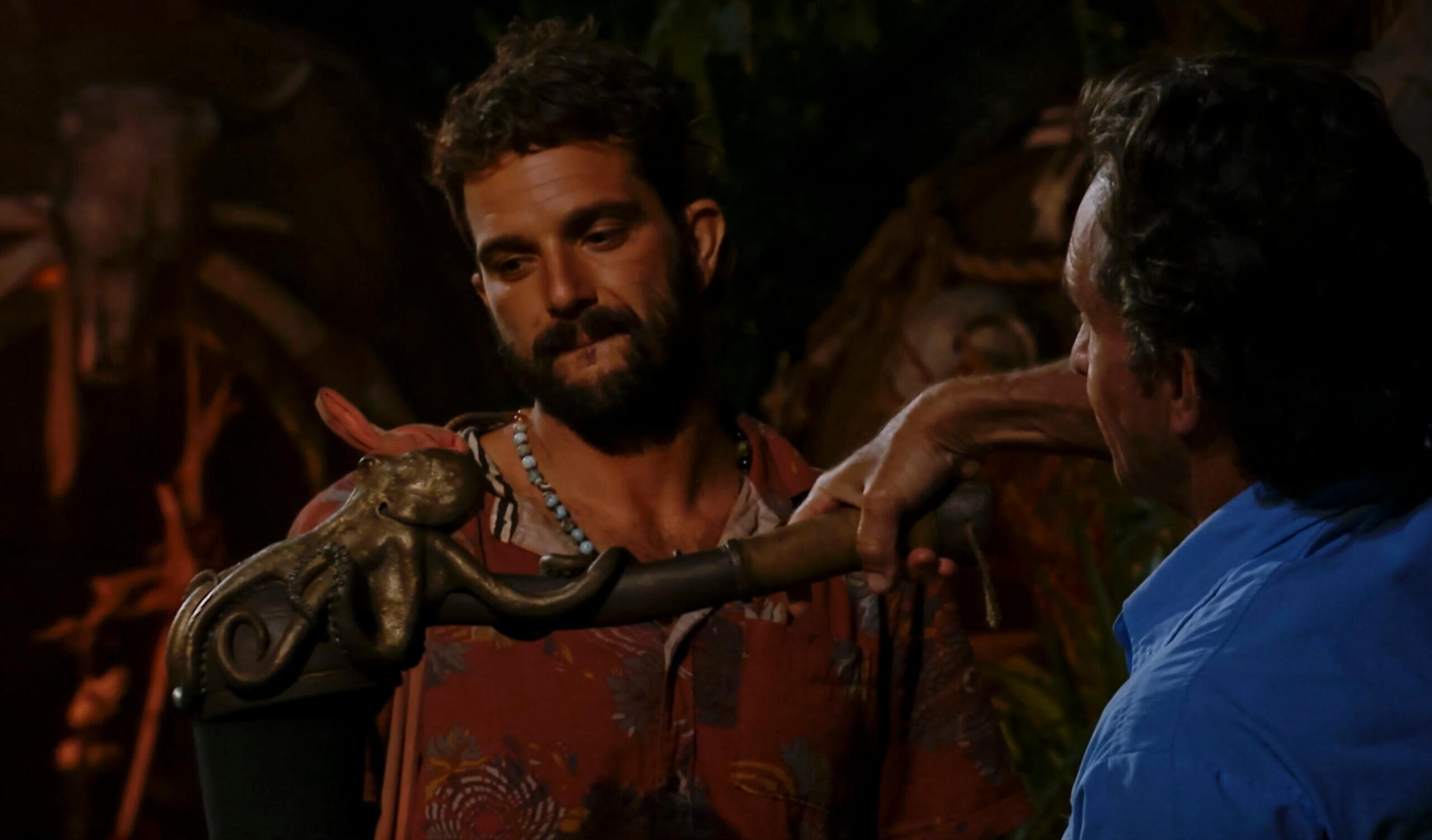
It used to be that contestants could just find idols or other advantages in the jungle, and that was that. But now, advantages found in or around camp almost always come with conditions, and the player loses their vote until those conditions are met. The conditions have varied—to unlock their advantage, contestants have had to do things like complete scavenger hunts, sneak out of camp at night, and say funny phrases at camp.
The idea here was to introduce “danger” to the game, and make players think twice about grabbing an advantage. The problem? They virtually always meet the conditions without much issue. Contestants have found 32 beware advantages on Survivor, and have successfully unlocked their powers 30 times. It’s beginning to feel stale, like the show is making contestants jump through hoops just for the sake of it.
8. The Rice Negotiation: B
Seasons 41 to 49 … and maybe 50?
This change, which saw Probst offer rice to the remaining players in exchange for a certain number of them choosing to sit out of an immunity challenge, has probably run its course. Probst quickly abandoned the negotiation in Season 49 after contestants didn’t immediately indicate some willingness to meet his terms. Probst himself has stated that this twist is up in the air for future seasons. “It’s undecided,” he said on his podcast in December. So we’ll see if it returns for 50 or if it’s been retired.
But it did produce some fun moments. The Season 46 cast giving up their Shot in the Dark for rice was creative and fun, but the apex for this twist was in Season 45, when Probst out of nowhere pulled a knife from his pocket and stabbed the bag of rice, causing it to begin emptying and creating instant urgency among the players. Honestly, iconic.
9. No Starting Bag of Rice: B-
Seasons 41 to 49 … and maybe 50?
This is another effort to try to make the game more difficult for the contestants despite the shorter, 26-day schedule. And it’s whatever. I don’t think this really affects the experience as a viewer much at all. Though Jeff Probst disagrees. He told Entertainment Weekly last year that he would never give players rice because “I think having your cognitive ability start to decline quickly makes it more interesting because people can't remember what lie they told.” Whether the players would start with rice or not was something the fans voted on for Season 50, though we don’t know the result of that vote yet.
10. Auction 2.0: C+
Seasons 45 and 47
The auction returning is great. But, in classic new era fashion, it is reintroduced with some twists. First is that, before the auction, the show has contestants scramble into the jungle to earn money, ensuring the players have varying bankrolls by the start of the auction. That’s fine. The problem is the other twist: The player with the most money left at the end of the auction loses their vote. Players don’t know how many items will be available for purchase, resulting in a boring procession of cast members bidding all their money on items so that they aren’t caught holding the hot potato when the music stops. It’s a twist that essentially breaks the auction, making you wonder at home why they even brought it back to begin with.
11. Flashback Packages: C+
Seasons 41 to present
I didn’t hate them at first, but then flashbacks pretty much took over the show. In some of those seasons early in the new era, there was a flashback to a player’s backstory pretty much every episode. Often more than one. It got to the point where if a contestant had not had their flashback package yet, you knew that they were safe heading into tribal council.
It also started to feel like every player had to have a sob story in order to make the cast. On our podcast, The Pod Has Spoken, we have joked that my cohost and four-time player Tyson Apostol would never have been able to make the cast in this era, because he didn’t come with any kind of unique hardship or tear-jerker backstory.
It started to make Survivor feel like a daytime talk show. The flashbacks aren’t necessarily bad, but sad stories aren’t why I or many other fans started watching the show. And in previous eras, I appreciated when they came up organically—like in Millennials vs. Gen X, when Adam shared with Jay that his mother was deep into a terminal cancer diagnosis. When contestants are sharing their tragic backstory in a confessional, it feels inorganic—like a producer put them up to it. “All right, now tell us again about the worst day of your life.” At times, it even felt a bit gross.
Production seems to have figured this out, as they’ve deployed the flashback packages with a more even hand in recent seasons. You no longer get them for every single player on the island. I’d still prefer these stories to come out more naturally, but at least they aren’t so intrusive anymore.
12. Shot in the Dark: C
Seasons 41 to present
Every player now starts the game with a die in their pocket that gives them a 1-in-6 chance of safety at tribal council, at the cost of their vote at that tribal. The idea here was to add an exciting new decision for players to make, as well as to encourage more blindsides. In prior seasons of the show, if you had enough votes and knew your target didn’t have an advantage or idol to save them, you could be pretty open about your intentions. In the new era, you pretty much have to backstab everyone. Fun, right?
The problem is that the Shot in the Dark creates some negative ripple effects. One is that true blindsides are no longer special—when every vote is a blindside, they no longer devastate the person going home or wow the audience. Next, the Shot in the Dark is partially to blame for why tribal council has become a slog of metaphors and platitudes. No one can say anything interesting at the risk of alerting their target and prompting a potentially game-changing dice roll. Third, an open vote where players more or less tell someone they are toast is fun! I don’t mind a bit of mean spiritedness or more straightforward gameplay—there’s a charm to it.
Worst of all, it stifles gameplay. Having the Shot in the Dark as a fallback option reduces creativity from players because they always have a dice roll in their pocket in a moment of desperation. But what they should do in those moments is look for a more compelling way out. Let me put it this way: Season 47’s famous Operation: Italy occurred in part because all the players had given up their Shot in the Dark. Had, say, Genevieve still had hers, it probably wouldn’t have been possible for Andy and Sam to plan this dramatic vote-split with her—they would’ve felt it too likely that she uses the die and loses her vote, negating the plan. You need less uncertainty, not more, to create these iconic moves.
Finally, it just feels like it goes against the spirit of Survivor. Random chance should be an element we seek to eliminate from the game, not increase. If the votes are already on you, you have multiple outs—you can win the immunity challenge, find an idol, or, of course, convince some players to flip. If you can’t do any of those things, you deserve to go home. This is what Survivor is! Winning a dice roll to stay in the game doesn’t feel earned, it’s just dumb luck.
13. Three Tribes of Six: C
Seasons 41 to 49
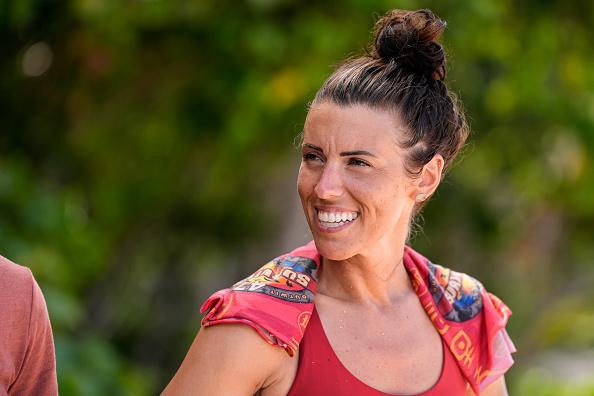
It seems the reduction to a 26-day season means Survivor is locked into 18 players, which also locks them into three tribes of six. The producers don’t want to do two tribes of nine because it would create a gender imbalance, and I’m guessing they don’t want to bump it up to two tribes of 10 because it would make the schedule chaotic.
There is nothing necessarily wrong with three tribes of six, but opting for it nine times in a row has become monotonous. Players expect it, and you watch them shuffle into four-person alliances so quickly that half of each tribe almost doesn’t mind if they lose the immunity challenge—they already know who is on the bottom. Probst has said “we like tribes of six because there's nowhere to hide,” but I think the opposite is true—larger tribes create more uncertain dynamics for the players and more scrambling. At any rate, variety would be best.
14. The Sanctuary: C
Seasons 41 to present
The sanctuary itself is fine, I guess, but it’s become symbolic of how creatively bankrupt the rewards are on modern Survivor. Jeff Probst’s comically bizarre sexy seduction voice, which he uses to describe milquetoast rewards like pasta, wraps, or tacos, has become a staple of the new era. It was a bit funny at first, but I think it’s time to retire it. Long gone are the days when Survivor would send its contestants to the Great Wall of China or at least on a helicopter ride. I understand that the show wants the rewards to be relatively understated in order to make up for some of the difficulty lost with the shorter seasons, but just a touch more creativity would go a long way here.
15. The End of Themes: C
Seasons 41 to 49
I have to classify this one as a wash. On the one hand, the show was clearly scraping the bottom of the barrel as it approached Season 40 with themes like “Healers vs. Heroes vs. Hustlers” and “Island of the Idols.” Eventually you just run out of ideas, right? But on the other hand, the new era blurs together in a way no other era of the show has. It is genuinely difficult to remember who was on which season, even for people who watch every episode closely and podcast about it each week. New locations would solve this issue, but the show is never going to leave Fiji (and there are good reasons it shouldn’t). I don’t have a solution here—it’s a true conundrum.


16. Sweat vs. Savvy: C
Seasons 41 to 46
There were some good ideas here. The two tribes that lost the opening immunity challenge had to choose to complete another task—either some very difficult physical labor or a brain-bending puzzle—to earn their camp supplies. Often, these challenges also required that only two players on the tribe attempt the task, and that they be separated from the group while doing so, meaning they would sacrifice critical early bonding time. There is some tension in these decisions that should’ve made for good TV.
The problem is Survivor did this every season for the first six seasons of the new era, and it got stale. Especially because they couldn’t get the difficulty correct—players from every tribe successfully completed these challenges for the first four seasons, then both tribes failed in Seasons 45 and 46. Survivor ditched this format for Season 47, and it seems unlikely to return.
17. Goodwill Advantage: C
Season 45
This advantage appeared in Season 45, when Kaleb earned it through a reward challenge. He had to give it to a player from a different tribe, though, hence the “goodwill.” This challenge allows a player to restore a lost vote. Since losing votes is incredibly common in the new era, having this in your pocket could encourage more aggressive gameplay from players. Take that beware advantage we mentioned earlier, go on that journey! With the goodwill advantage in tow, you don’t have much to risk.
The only problem is the players already take those risks almost all the time. So this advantage isn’t likely to change player behavior all that much. Plus, it has a very narrow path to a payoff.
18. Inheritance Advantage: C-
Season 44
In Season 44, Sarah Wade went on a journey on Day 2 where she received the inheritance advantage. This advantage would allow her to pocket any advantages played at a tribal council. She never got a chance to use it, as she was voted out on Day 9 (after another player played an idol), and it’s never reappeared—so how this advantage could affect a game of Survivor exists as theory only.
But I have to think it’s a bit overpowered. A player can inherit all of the advantages played at a tribal council? Some coordination among a well-run alliance could have one player gobble up an unprecedented number of advantages. Could you play an advantage yourself and get it right back? The rules to the inheritance advantage Sarah got never specified.
It feels like the reason we haven’t seen this one return must be because production thought through how this could play out after Season 44, and realized that it’s close to being a game-breaker.
19. Control the Vote: C-
Season 44
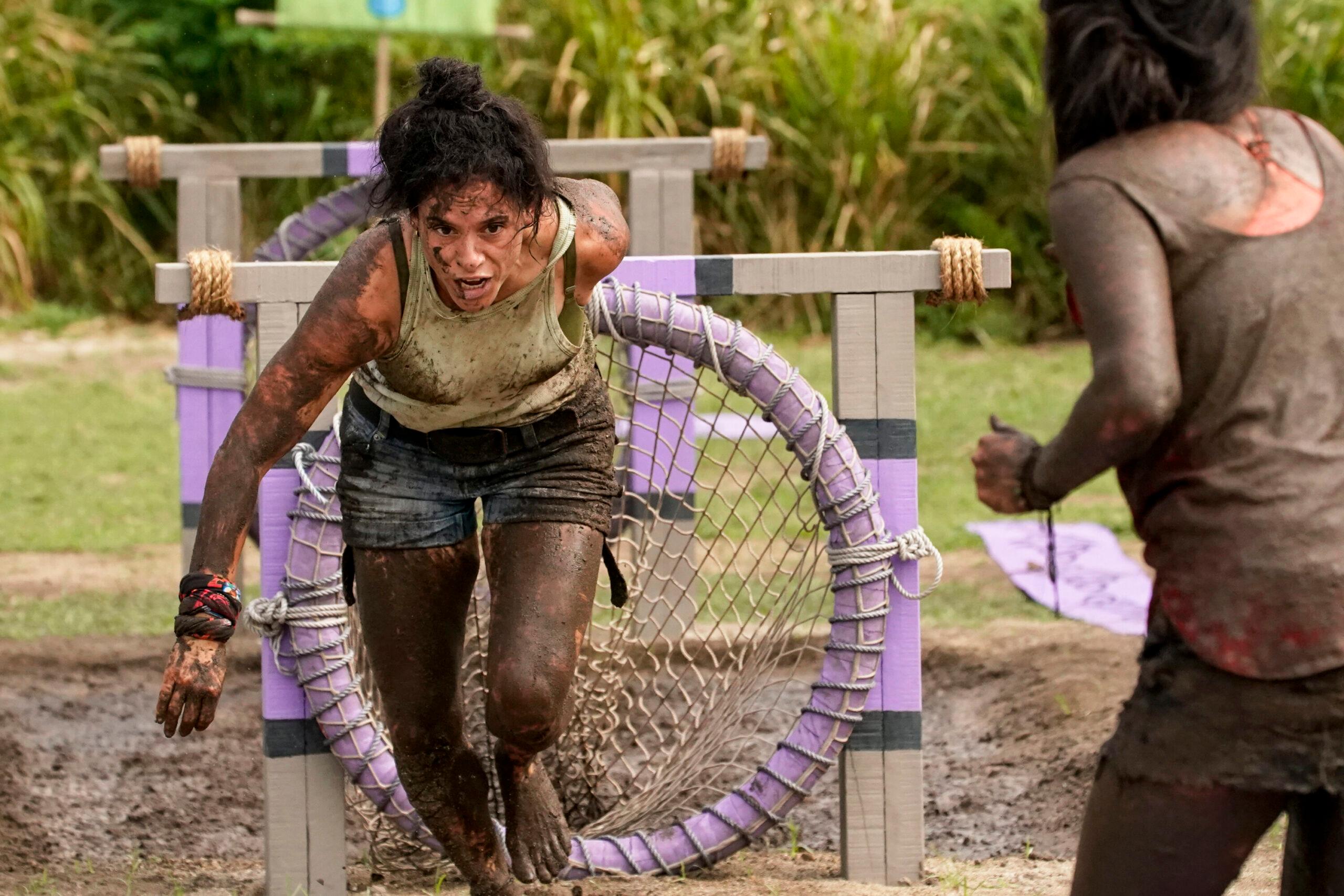
After the merge in Season 44, the newly consolidated tribe was immediately split in two at the immunity challenge, with the winning group earning the right to skip tribal council. They’d all get immunity, but also wouldn’t get to participate. They also got a reward (peanut butter and jelly sandwiches). During the reward, Heidi Lagares-Greenblatt found a new “control the vote” advantage that allowed her to dictate the vote of any one member of the losing group. It’s essentially a steal-a-vote by another name, though this one has to be played publicly at tribal council before anyone else has voted. Heidi forced Lauren to vote for Yam Yam, but the other side had the numbers and Heidi’s ally Matt went home anyway. So it was not very impactful. This is just too many hoops to jump through for an advantage that is unlikely to result in a big payoff.
20. The Final 5 Restart: C-
Seasons 41 to 45
Yet another way to up the difficulty, Survivor started sending the Final 5 to a new beach to restart for the last few days of the game. It never really added much to the show, and the Season 44 cast gamed it by bringing their camp supplies to tribal council so they could also haul them to the next beach. Survivor only stuck with the twist for one more season before killing it, and it seems like it's probably done for good.
21. Losing Flint for Losing Challenges: D+
Seasons 41 to present
If you like seeing a disaster tribe—one tribe that loses almost every challenge early and quickly dwindles to just two or three contestants—then this has been a boon for you. But it feels unbalanced. Think about how the NFL works: The teams that do the worst get the highest draft picks. They also have easier schedules and fewer expensive players to re-sign. We still see dynasties, but things are set up to make sure no one team is too bad for too long (at least in theory).
Probst’s taking the flint from the tribe that lost the immunity challenge is the exact opposite of this. It punishes the tribe that most needs the help! As a result, I’d say six of the nine new-era seasons had a bona fide disaster tribe: 49 (Kele, which lost the first three challenges), 48 (Vula, losers of the first three), 46 (Yanu, losers of three of the first four), 45 (Lulu, losers of the first three), 44 (Tika, losers of three of five), and 41 (Ua, losers of four of six). I enjoy the occasional disaster tribe, but this is too much.
22. Earn the Merge: D
Seasons 41 to 48
Survivor had slowly but surely been moving away from this, and finally did away with it entirely for Season 49. Since the show’s inception, the merge has served as a midseason event, when players from different tribes finally meet and interact extensively and the game shifts from a tribe-based format to a true individual game. Why dilute that with this weird twist, which jumbled all the players from all tribes together and then randomly split them into two groups that would compete for immunity and reward, with half the remaining cast then vulnerable at the subsequent tribal council while the other half enjoyed immunity? It was convoluted and destroyed one of Survivor’s best traditions just in an attempt to make the game more “dangerous.” Let’s hope it’s gone for good.
23. 26-Day Seasons: D
Seasons 41 to present
Because of COVID-era restrictions, Survivor had to shorten Seasons 41 and 42 by 13 days to allow for a two-week quarantine for the cast and crew before filming began. That toothpaste can never go back in the tube. Once 41 and 42 were relatively successful, it was inevitable that 26-day seasons would become permanent. CBS doesn’t want to pay for an extra two weeks, the crew doesn’t want to work an extra two weeks, and the contestants don’t want to starve for an extra two weeks. We’re never going back.
But it does affect the show. Many old-school guests on The Pod Has Spoken have remarked that the conditions of the game didn’t really start to affect their decision-making until after about a month. The shortened season also leaves less time for players to maneuver—less time between tribal councils to recover from a blunder or deepen a relationship.
Season 50 will be the first time we see contestants who experienced 39-day seasons play the new 26-day game. Survivor did go to some lengths to make the 26-day version more difficult, with less food and fewer amenities, but we have yet to get a proper test. That’ll soon change.


24. Do or Die: D-
Seasons 41 and 42
This twist appeared at the final eight of each of the first two seasons of the new era. The contestant who finished last in that week’s immunity challenge would face a game of chance at tribal council that would eliminate them on the spot if they lost. (Players were also given the chance to sit out the immunity challenge to avoid the possibility of finishing last.) The game of chance turned out to be a Monty Hall problem—and somehow both players that were subject to this game selected the correct box and were safe at their tribal council.
After overwhelmingly negative feedback from fans, this twist was quietly retired. I actually don’t hate the idea of punishing last-place finishers a bit and creating an interesting decision where contestants have to weigh whether the chance of getting last makes it worth it to sit out entirely. They could bring back that element with a change: The punishment is that you lose your vote or something similar. But games of chance have no place in Survivor—this competition is plenty luck-based as is.
25. The Hourglass: F
Seasons 41 and 42
At the dawn of the new era, Survivor introduced a new twist. After the “earn the merge” challenge, in which half of the remaining contestants earn immunity and half are vulnerable for the upcoming vote, one contestant—the outlier who didn’t get to compete in the challenge—has the opportunity to smash an hourglass and “reverse history,” making the winners now the vulnerable players and the losers now safe. Smashing the hourglass also grants immunity to that player who smashes it so … what would you do? Take an absolutely no-downside free pass through tribal council or not?
Somehow, Survivor thought this decision provided such incredible drama that they made it the cliffhanger to an entire episode, giving us a rare week with no player elimination. It was horrible. A completely tensionless dilemma that retroactively made winners into losers through no fault of their own and gave us an episode without a vote-out. Survivor tweaked the hourglass for Season 42, but it was still a bust. It has since been retired.
26. On-Island Aftershow: F-
Seasons 41 to 49
The reveal of the final vote and subsequent reunion show used to be an event. Seeing the cast in their normal clothes … the live crowd … Jeff Probst on a Jet Ski!
Since the pandemic, Probst has read the final votes right there on the island, and jumped into a clunky “aftershow” within seconds of revealing the winner. The vibes are way off. It has often felt downright uncomfortable as a viewer to watch some of the runner-up contestants process their losses in real time, as Probst needles them with questions and they get pizza and champagne pushed in their faces.
While theoretically the contestants were having the winner “revealed” for them in the live-finale era as well, they often knew well in advance who had won, and as a result were much more collected about it. Plus, the entire cast had a chance to watch themselves—and their tribemates—on TV and see how the season played out, leading to interesting discussions about their perspectives on the island. Now, they don’t even get a chance to shower before being asked to contextualize their experiences. It’s just a massive, massive downgrade.
Luckily, we’re getting a live finale and reunion for Season 50. Let’s hope that’s here to stay.