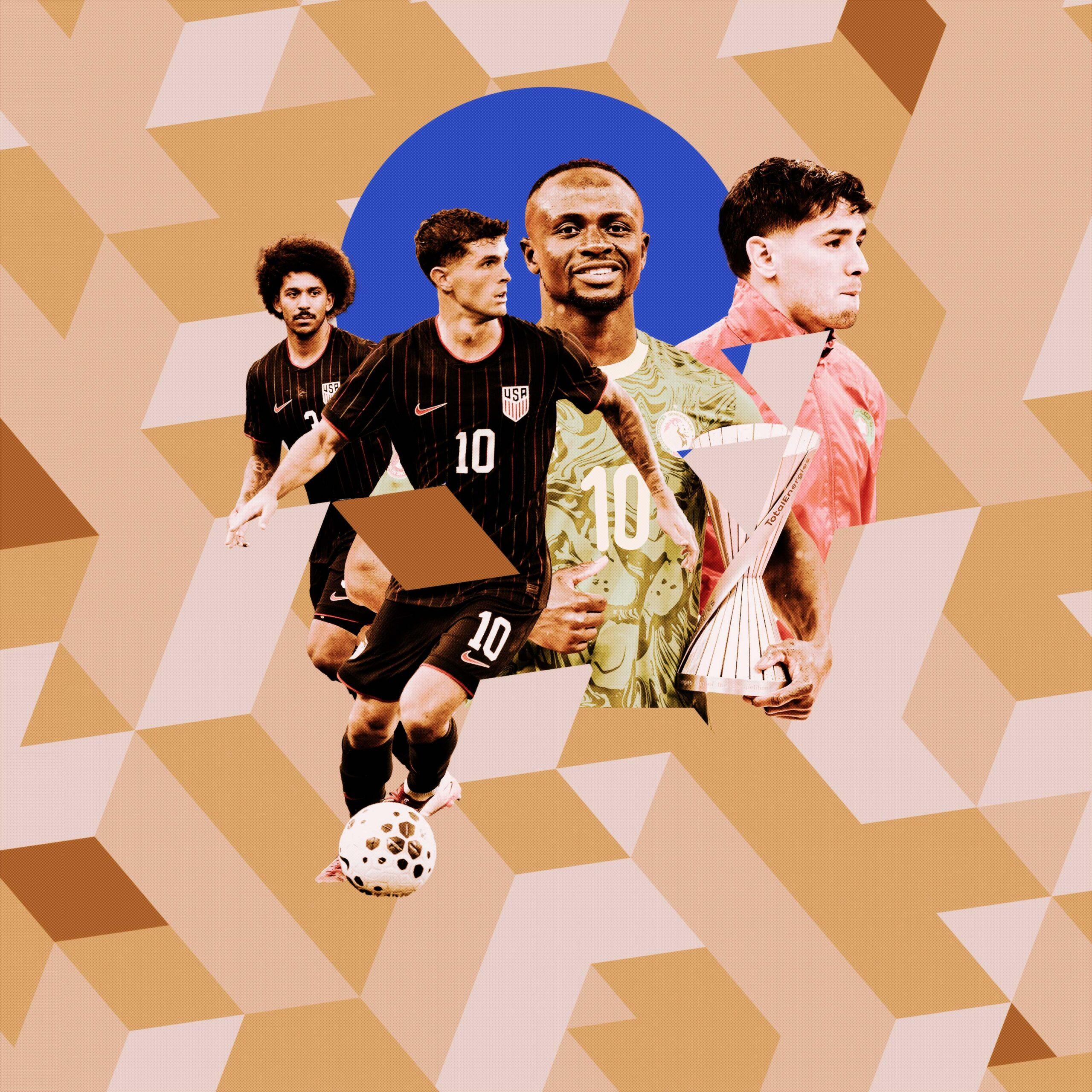

Welcome back to World Cup Countdown—The Ringer’s monthly column previewing the 2026 World Cup, which will be hosted in the United States, Canada, and Mexico. Each month, we’ll cover everything shaping the tournament, from the U.S. men’s national team to the stars and story lines abroad that will define qualifying and the buildup to the opening match. Here’s where we stand 140 days before kickoff.
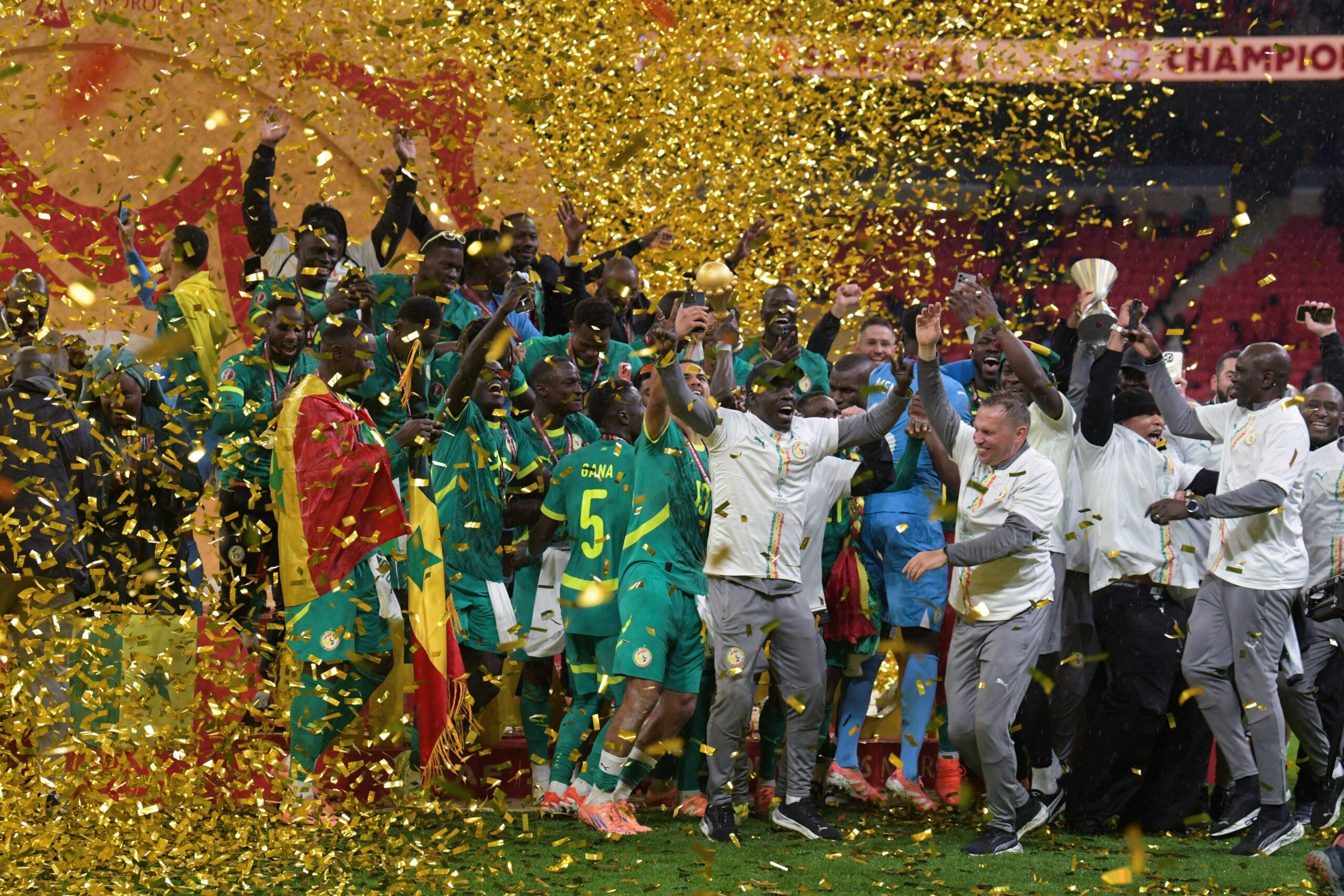
The Senegal players after winning the AFCON final on January 18
The Big Thing
Senegal’s Wild AFCON Title Victory
Near the end of Sunday’s Africa Cup of Nations final, all decorum seemed to leave Prince Moulay Abdellah Stadium in Rabat, Morocco. For 14 minutes of Sunday’s title match between Senegal and host Morocco, Rabat was plunged into a state of pure chaos. A controversial VAR review deep in stoppage time awarded Morocco a contentious penalty with the score tied 0-0. The ensuing Senegalese protest stretched into the crowd, entered the media section, and led to the Senegalese players leaving the field in protest.
When they finally returned to the pitch after 14 minutes, all the pressure was on Moroccan star Brahim Díaz. The Real Madrid attacker had a golden opportunity to make Moroccan history if he converted his penalty with essentially the final kick of the game, and it seemed like the AFCON hosts were about to receive their storybook ending after all. Morocco hadn’t won Africa’s top soccer prize since 1976, and the eager home fans in Rabat were waiting to erupt. Instead, Senegal’s extended protest seemingly iced the kicker. For reasons that we may never fully comprehend, Díaz tried a Panenka penalty. Senegal goalkeeper Édouard Mendy didn’t flinch, easily catching the weak attempt and sending the game to extra time. Senegal’s Pape Gueye scored four minutes into the extra period, and the Lions of Teranga won their second AFCON title in three tries.
You won’t find a soccer tournament that’s more consistently competitive and exhilarating than the one AFCON puts on every two years—although it looks like that frequency could be changing. In 2023, Ivory Coast fired its coach mid-tournament before going on to win it. In 2015, Ivorian goalkeeper Boubacar “Barry Copa” Barry not only saved two penalties but also converted the winning kick in a 22-attempt shoot-out against Ghana. Sunday’s final is another chapter in incredible AFCON lore, even if the scenes in Rabat weren’t the most sportsmanlike.
As much as we all love the week-to-week grind of league soccer, the drama gets smoothed out over the course of months. AFCON was a reminder that when you concentrate all that energy into a single-elimination international event, one moment can tilt the trajectory of an entire country’s sporting year.


Senegal and Morocco are the two highest-ranked African teams in the FIFA rankings. They are also the top two African teams if you rate each squad by average Transfermarkt value. At the last World Cup, they were the only two from the continent to advance out of the group stages. The North Africans made it all the way to the semifinal—the furthest any African side has ever gotten—and many will expect Morocco to advance out of its World Cup group, which also includes Brazil, Haiti, and Scotland. But Senegal has a much tougher challenge. The Lions of Teranga will face off against both France and Norway in their group, which is unquestionably the most difficult on paper. Sadio Mané said that this was his final AFCON tournament, which will also likely make 2026 his World Cup send-off for the national team.
After those two sides and the Ivory Coast, there is a drop-off in the overall talent level of the next tier of African contenders. Because fourth- and fifth-ranked (by squad value) Cameroon and Nigeria failed to qualify for this summer’s tournament, the second tier of African World Cup contenders will start with Algeria, Ghana, and Egypt. Egypt will go as far as Mo Salah and Omar Marmoush can carry it, while Algeria and Ghana have proved in past generations that they can compete with some of the world’s top heavyweights.
And getting more time with their national teammates could prove to be an advantage for the seven African teams that got a trial run at tournament soccer before the World Cup in four months.
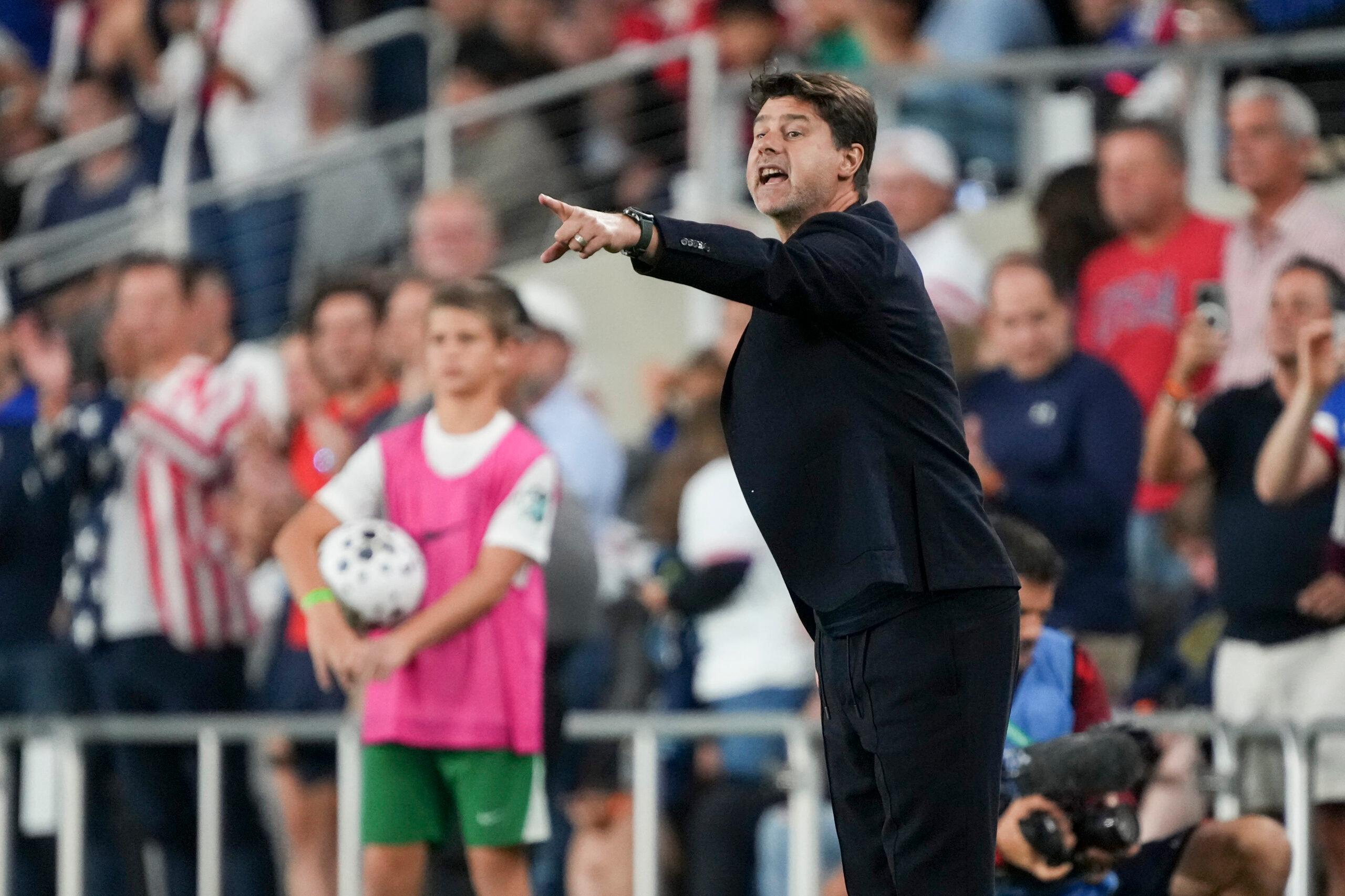
Mauricio Pochettino voicing directions to his players during an international friendly game between Japan and the USMNT
State of the States
This section focuses on the United States men’s national team as it prepares to host the World Cup.
The United States men’s national team will play only four matches between now and the start of the 2026 World Cup. And there are just two contests—against Belgium and Portugal in March—before Mauricio Pochettino has to pick his squad.
Over the past year, the former Tottenham manager has treated the USMNT like a laboratory. He’s shifted and challenged reputations, he’s pushed back against the idea of an A team, and he’s waved away the confusing and occasionally lackluster results of his experiments. Now, the tinkering phase is nearly over.
There are a handful of players who should rightfully be seen as locks, but the starting XI remains murky. Here are my best predictions on the starters for the June 12 World Cup opener against Paraguay:
Goalkeeper: Matt Freese
Freese has started the past 12 games in goal for the USMNT and has established himself as one of the top keepers in MLS. The starting goalkeeper job is his to lose now. His heroics in goal for NYCFC last season helped lead the New Yorkers to the MLS Cup conference finals, so American fans shouldn’t expect another keeper to supplant him in the USMNT’s rotation before June. His only real competition is expected to be Matt Turner, who didn’t even make the November roster and has been struggling to find consistent minutes under Pochettino.
Center Backs: Chris Richards, Tim Ream, and Miles Robinson
Pochettino tested out a back three formation on multiple occasions in the second half of 2025. And operating with only three defenders does seem to better fit the tactical strengths of some of his personnel, freeing up his more creative wide players to attack more as wingbacks instead of sitting back like more traditionally conservative fullbacks. However, playing three at the back also increases the risk that 38-year-old Tim Ream’s lack of athleticism will be exposed as he gets dragged out wide to cover the space left by his roaming teammates.
Center back remains one of the thinnest parts of the American squad. Chris Richards—a mainstay at the heart of the Crystal Palace defense, which has never finished lower than ninth in the league in any season he’s been there—is one of the first names on the team sheet at this point. Finding a suitable partner who will play to his level might be difficult, but Mark McKenzie, Ream, or Miles Robinson could be called on to compete alongside him in that back three.
Wingbacks: Antonee Robinson and Sergiño Dest
Antonee Robinson returned from injury in December and has started seven consecutive league games for Fulham. He hasn’t played for the USMNT since October 2024 due to various injuries, but he remains the clear best option for the Americans here. Robinson’s crossing ability was among the best in the Premier League in the last two seasons he was healthy (in 2023-24 and 2024-25), and he’s an incredibly active defender.
Both Alex Freeman and Max Arfsten have had various standout moments filling in for Sergiño Dest and Robinson, but Dest—who has been solid for PSV Eindhoven when healthy—and Robinson provide the most forward thrust and attacking quality from the wingback position.
Central Midfielders: Tyler Adams and Weston McKennie
Tyler Adams’s recovery from a torn MCL is one of the most important developments between now and the start of the World Cup. He suffered the injury in Bournemouth’s game against Manchester United in mid-December and was expected to miss three months, which should give him more than enough time to get into top fitness before the tournament. However, given Adams’s extensive injury history, his health is far from a certainty.
The USMNT has tried different players in the central midfield role in his absence, but none have come close to matching his defensive tenacity and ball-winning ability. Cristian Roldan seems to be one of Pochettino’s favorites; the Seattle Sounders stalwart started three of the USMNT’s five friendlies to conclude 2025. But Weston McKennie's pedigree and ceiling could ultimately convince Pochettino to start him in the World Cup. The USMNT veteran has appeared in 20 of 21 games for Juventus this year—the real question may be what his best role is with the American squad and whether he’s more suited to playing farther forward.
Attacking Midfielders: Timothy Weah and Christian Pulisic
The only person who’s scored more goals than Pulisic in Serie A this season is Lautaro Martinez, and the former remains one of the most vital members of this USMNT squad. The spot next to him is more uncertain. Pochettino really seemed to like Malik Tillman’s pressing intensity and energy at the Gold Cup last summer. But if the Argentine is set on playing a back three, he’ll want an attacking midfielder who can complement Dest. Given that, the best choice is probably Weah. In the past, Weah has played as a winger, fullback, and wingback for the USMNT and Juventus, and his versatility has earned him a lot of minutes at Marseille this year.
Striker: Folarin Balogun
Balogun has always passed the eye test as the Americans’ best striking option. Now he’s also putting up the goals to prove it. He scored three times in his three fall starts for the USMNT and has seven goals combined in Ligue 1 and the Champions League this season.
Stock Watch
This section focuses on the shifting fortunes of players, managers, characters, and nations who could play a significant role next summer.
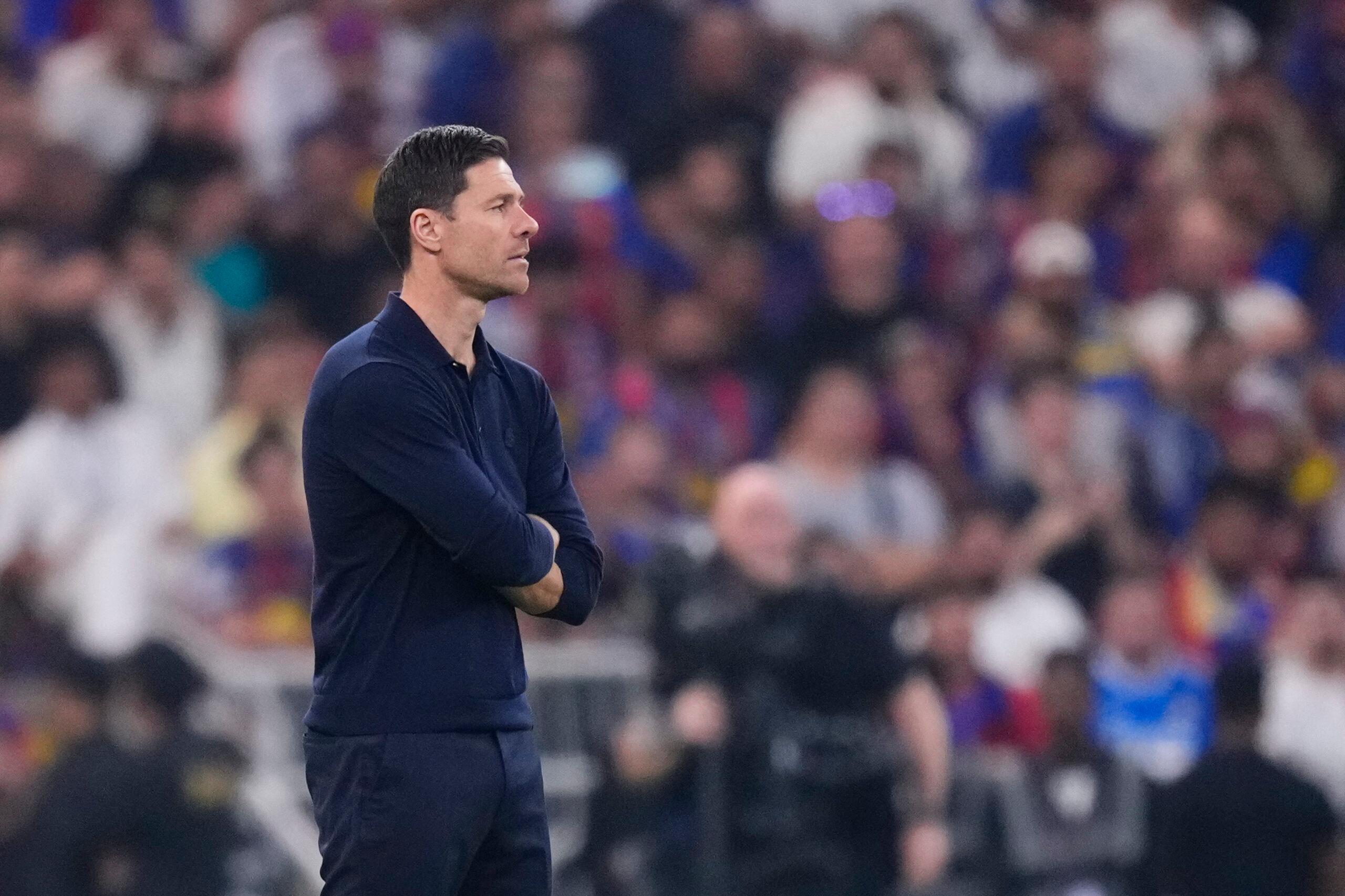
Xabi Alonso during the Spanish Super Cup final between FC Barcelona and Real Madrid
Stock Up: Carlo Ancelotti and Zinedine Zidane
Stock Down: Xabi Alonso
Online tacticos, analytics nerds, and soccer commentators alike have been plenty critical of former Real Madrid managers Carlo Ancelotti and Zinedine Zidane for their lack of tactical acumen while managing the team. But Xabi Alonso flamed out of the job in 233 days, maybe proving that Zidane’s and Ancelotti’s skills as managers and leaders of soccer’s biggest megastars were underrated after all. Alonso struggled to get the dressing room to believe in his vision, and players reportedly described him as “distant and unapproachable.” Alonso’s run at Bayer Leverkusen—including an undefeated season in the Bundesliga—was extremely impressive, but it’s a much different challenge stepping up to manage one of the most successful clubs in the world. Now that the job is open, it will be interesting to see the direction Florentino Pérez and Real Madrid go. Will a new hire happen before this summer’s tournament? Would Ancelotti come back after managing Brazil at the World Cup? And since Zidane is reportedly eyeing managerial duties for his native France when Didier Deschamps leaves his post, could Madrid still be searching for their man in August? Only time will tell.
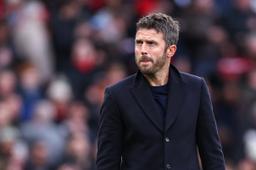
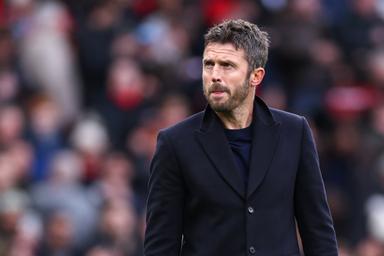
Stock Down: Soccer Data Lovers
The soccer analytics community lost a valued resource this week when Sports Reference announced that “the provider of our advanced soccer data sent us a letter terminating our access to their data feeds.” FBref has long been one of the most abundant and accessible data sources in the sporting world. It’s provided an invaluable resource for anyone interested in learning the game and finding new ways to understand soccer beyond what’s visible on the pitch, and speaking personally, it’s been the most informative soccer resource on the internet. It truly feels like the end of an era—and a significant loss for analysts, writers, and fans alike. FBref has done incredible work to help the layperson better understand a sport that is notoriously complex and difficult to quantify and will be sorely missed.
Awards Spotlight
Each month, the World Cup Countdown selection committee (me) will highlight some of the best, worst, and strangest moments in the sport.
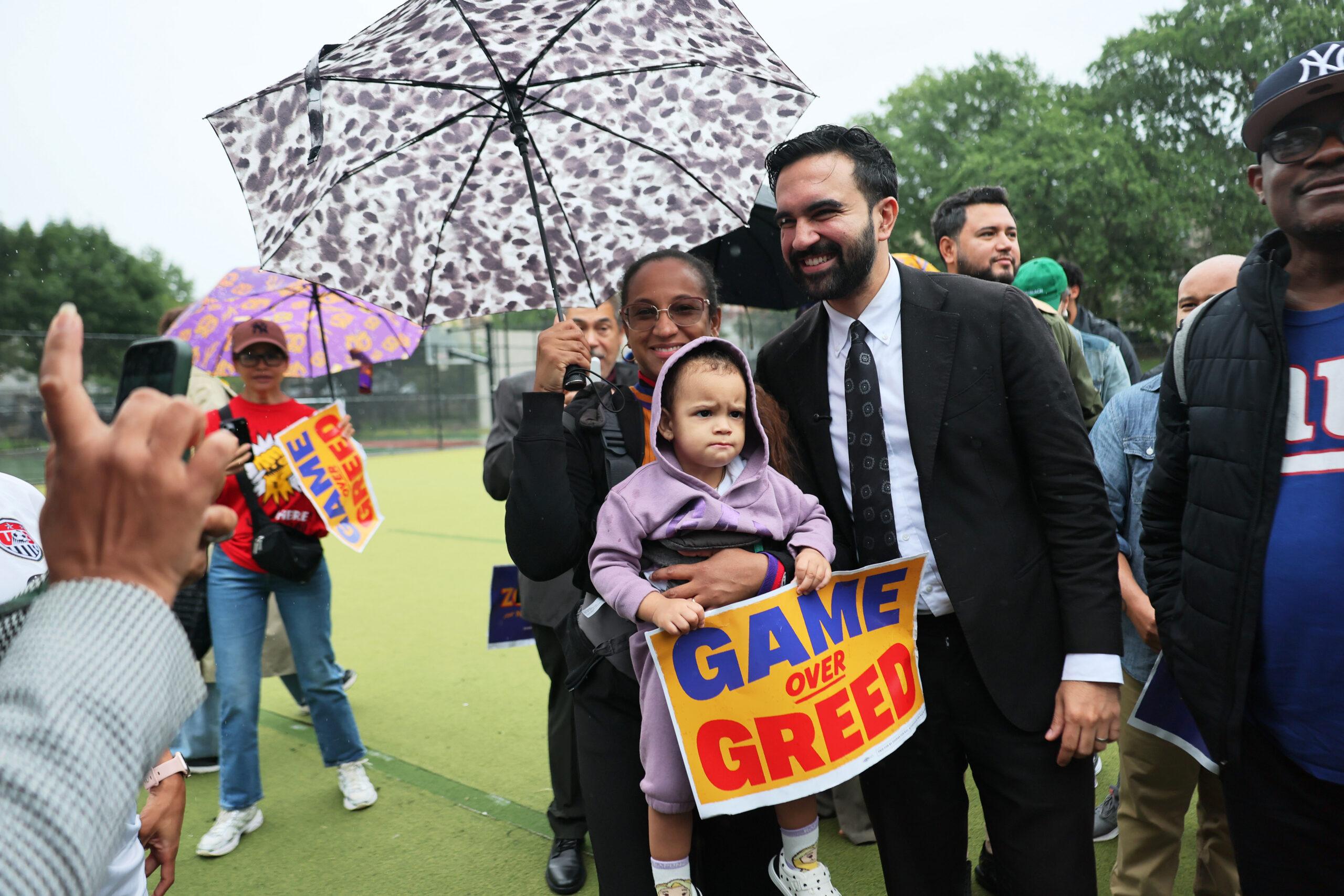
Zohran Mamdani after a press conference announcing his petition urging FIFA to drop dynamic ticket pricing for next summer’s World Cup
The “Ball Knower” Award: Zohran Mamdani
New York City mayor Zohran Mamdani did something rare for an American politician: He’s actually demonstrated elite ball knowledge. Mamdani hosted a watch party on Sunday in Manhattan’s Surrogate’s Court for the wild AFCON final between Senegal and Morocco. He’s also made the World Cup a major focus of his first year in office.
Not only has Mamdani said that he intends to ask President Donald Trump to reconsider travel bans, but he’s also vowed to appoint a “World Cup czar” in an attempt to lower ticket prices for fans attending games. And when CBS Sports interviewed him on his wisdom of the game, he surpassed expectations with deep-cut references to famous African soccer icons. Perhaps we shouldn’t have expected anything less from the guy who grew up playing soccer on the Upper West Side and who gained the affection of his Brooklyn recreational soccer league teammates before being elected mayor.
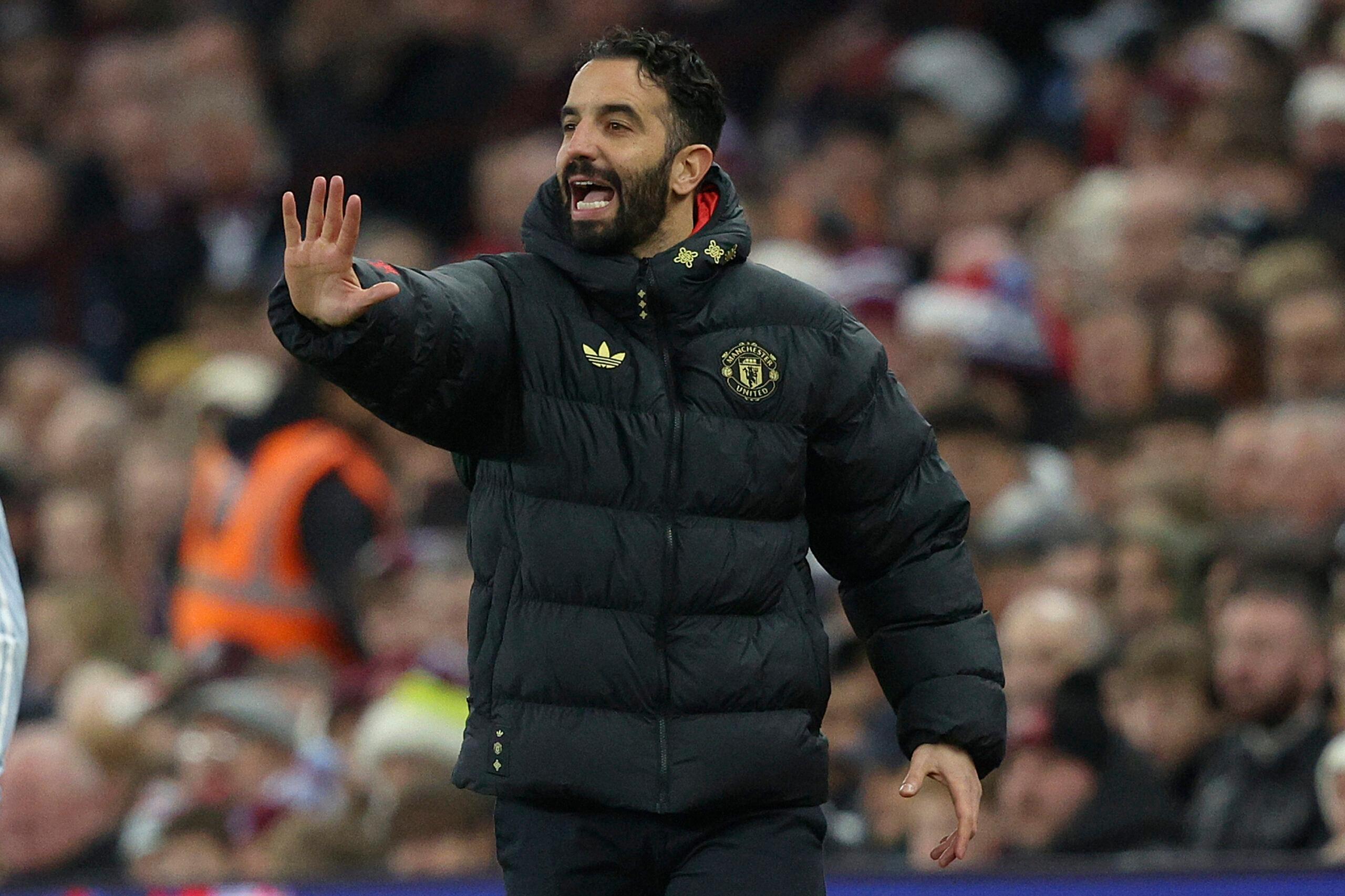
Ruben Amorim on the sideline during a Premier League match between Aston Villa and Manchester United
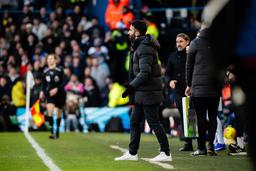
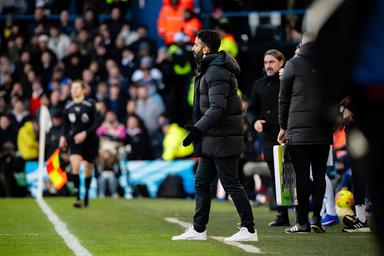
The “Loud Quitting” Award: Ruben Amorim
The Ruben Amorim era in Manchester United ended on January 5 in a move that could best be described as “loud quitting.” As the COVID-19 pandemic led to an era in workplace culture in which employees quietly did the bare minimum and tried to reevaluate their work-life balance, Amorim’s public callout of the people above him was the equivalent of a dare. He said, “I came here to be the manager of Manchester United, not to be the coach of Manchester United and that is clear” in a press conference on January 4.
Then, he later added, “I will do my job and every department—the scouting department, the sporting director—needs to do their job.”
He was fired the next day. Amorim took a page out of the Antonio Conte Tottenham playbook of getting yourself fired. The last image fans had of Amorim was him smiling wide and dapping up a member of the paparazzi as he left his home. If his replacement, club favorite Michael Carrick, can keep the vibes high at United, Amorim won’t be the only one cheesing in Manchester.
Extra Time
- The Champions League league phase concludes next week with 18 concurrent matches on Wednesday. UEFA debuted the new format last year, and it provided a full two-hour information overload of soccer watching. It’s a fun challenge to see how many matches you can keep tabs on, or you can just choose to veg out and watch CBS’s Golazo Show. Think of it like a midweek special edition of NFL RedZone.
- One of the joys of the World Cup is the watch parties that form for major games around the country. In the most 2026 thing possible, even watch parties are going online. Comedian Trevor Noah will be hosting virtual watch parties on YouTube during 25 matches in the tournament.
- The State Department is now scheduling interviews for the “FIFA Pass” to enable international fans to leverage their purchased World Cup tickets into priority interviews and admission into the United States for the tournament.