

Some filmmakers find comfort in familiarity, frequently working with the same actors, cinematographers, composers, editors, and so on. The results speak for themselves: A Martin Scorsese–Robert De Niro collaboration is always treated like a capital-E Event, and rightfully so. But there’s a more unique variant of this kind of artistic endeavor that doesn’t get as much attention: when an actor takes on a role in which they bear a striking resemblance to the director. This sprang to mind when I first watched the trailer for Is This Thing On?, the new dramedy from emerging auteur Bradley Cooper about a soon-to-be divorcé finding an unlikely calling in stand-up comedy. Fittingly, the lead is played by an actual comedian, Will Arnett, but it was hard to shake the feeling that he’d been intentionally styled to look like B-Coop.
To quote the hyper-paranoid protagonist of Mr. Robot, PLEASE TELL ME YOU’RE SEEING THIS TOO:
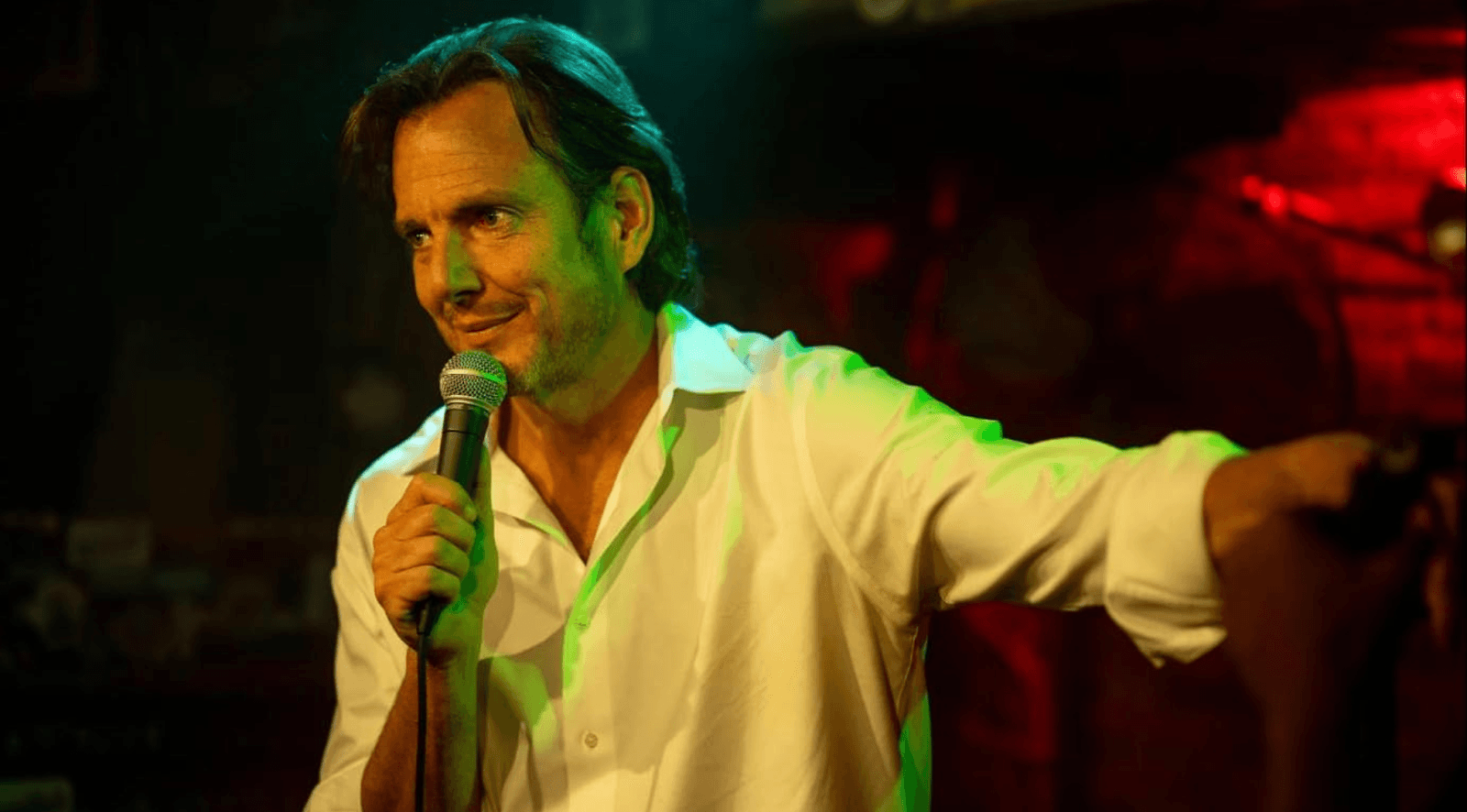
Now, I don’t point this out to make light of (presumably) Cooper’s intention to direct an on-screen look-alike. A self-insert can impart more personal significance to a movie, whether the events are pulled from a filmmaker’s actual experiences or the filmmaker can relate to whatever the protagonist is dealing with. It’s in these intimate spaces that some of the best art is forged. At the same time, when you notice one director-actor look-alike, you also become Roddy Piper in They Live: It’s a new way of viewing the world, and you can’t unsee it.
So, in honor of Is This Thing On?, I’ve combed through countless films to create the Director-Actor Look-Alike Canon, a collection of the most noteworthy projects with some uncanny resemblances between the stars and the folks behind the camera. Most of these movies will feature actors playing someone roughly the same age as the filmmaker, but in some cases we’ll highlight instances where a protagonist is modeled as a younger version of them. Let’s dive in.
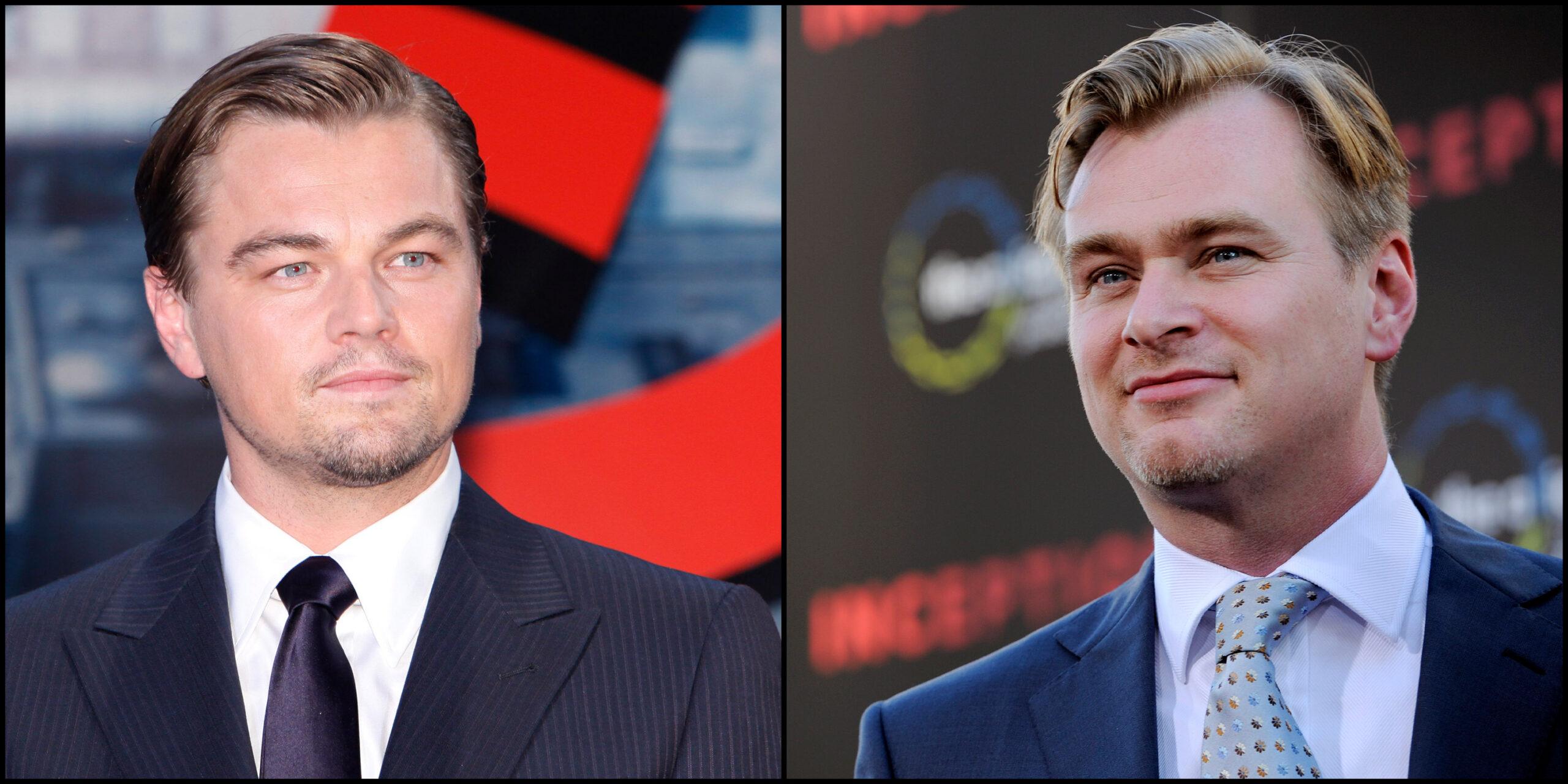
Leonardo DiCaprio and Christopher Nolan: Inception
Back in 2014, Vulture did an all-encompassing Christopher Nolan primer that included tips on how to mimic the director’s signature gentleman’s haircut. Fast-forward 11 years, and Nolan is still rocking the same swept-back, ash-blond coif—and his movie characters are constantly adopting his style. But of all the potential Nolan self-inserts, none feel as transparent as Inception’s Dom Cobb. As played by Leonardo DiCaprio, Cobb is an expert thief of the subconscious, infiltrating targets by constructing elaborate worlds within their dreams. Like Nolan, Cobb borders on the obsessive in his quest to manipulate time and reality. In other words, more than just being a Nolan look-alike, Cobb is essentially a filmmaker himself: building dreamscapes the way that Nolan builds cinematic worlds, and the only limit is what his imagination can conceive. As a Nolan stand-in, he isn’t afraid to dream a little bigger, darling.

Diane Keaton and Nancy Meyers: Something’s Gotta Give
Over the past year, my girlfriend has introduced me to the joys of the Nancy Meyers Cinematic Universe, a world where everyone has enviable careers (e.g., owning a bookstore or a bakery) and the kitchens are absolutely divine. Settling in for a Nancy Meyers movie is as soothing as stepping into a warm bath at the end of a long day, and in my view, her masterpiece is Something’s Gotta Give, a rom-com in which an aging bachelor (Jack Nicholson) falls in love with a divorced playwright (Diane Keaton). Is it merely a happy coincidence that Meyers resembles one of the best actors of her generation? Perhaps, but when Meyers has been so candid about how her 21st-century output was inspired by her own divorce with filmmaker Charles Shyer—and Keaton’s ex in the movie just so happened to direct her plays—you can’t help but see Something’s Gotta Give as art imitating life.
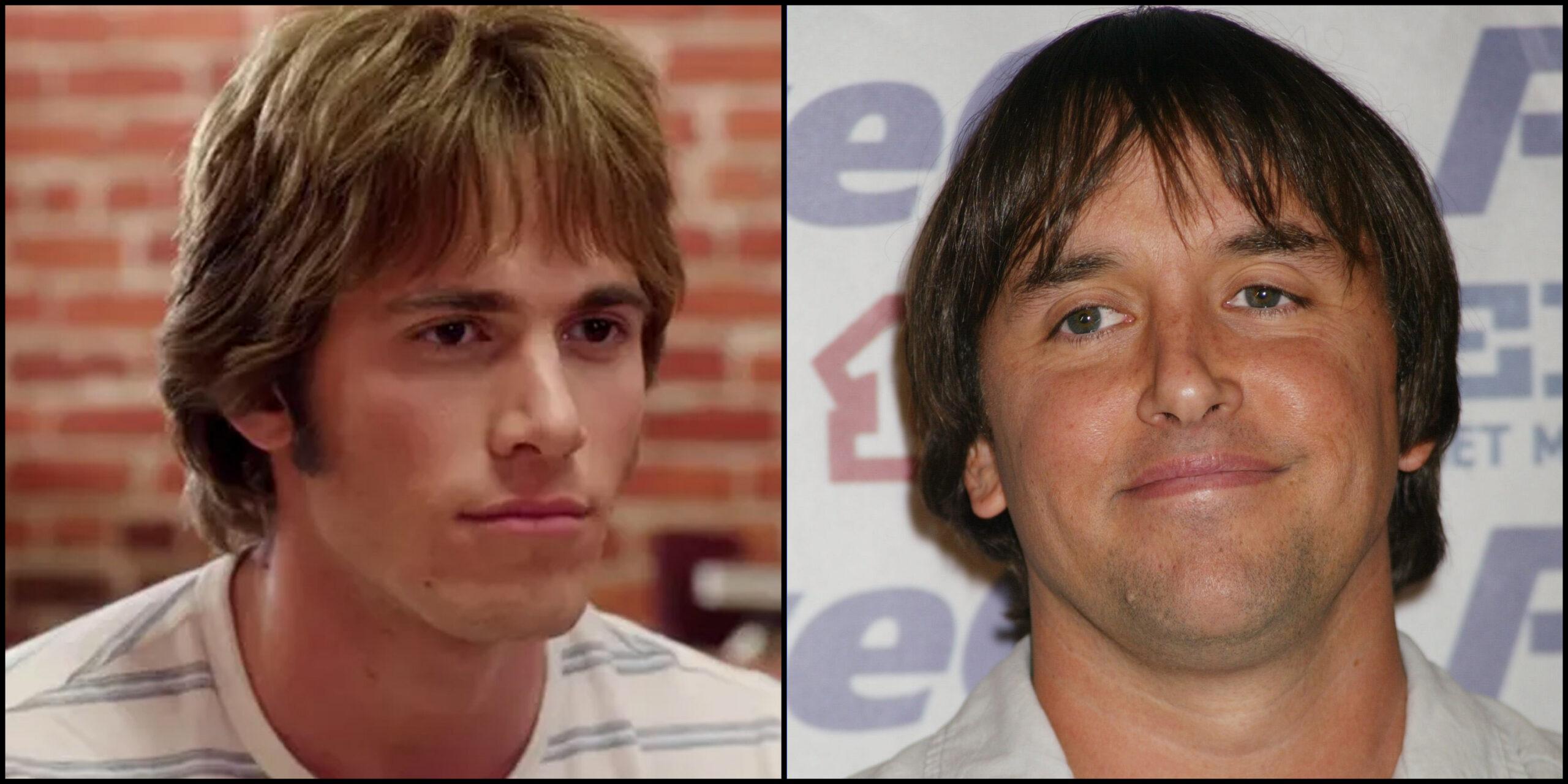
Blake Jenner and Richard Linklater: Everybody Wants Some!!
Yes, Ethan Hawke is Richard Linklater’s longtime muse, having collaborated with the acclaimed indie director on nine films, including the Before trilogy. But if there’s a single character who captures Linklater at a formative moment in his life, I don’t think anyone fits the bill more than Blake Jenner’s Jake Bradford in Everybody Wants Some!! A spiritual sequel to Dazed and Confused, the film is classic Linklater, a slice-of-life comedy following an ’80s collegiate baseball team before the start of a new semester. Setting aside that Jake has the same floppy bangs that Linklater has rocked for much of his life, the director also played baseball at Sam Houston State. “When you’re a team, you practically live together,” Linklater wrote in Texas Monthly. “You care about each other. You like some members more than others, but you accept everybody. You’re a platoon.” As far as capturing your younger self on-screen goes, Everybody Wants Some!! was a home run.

Adam Driver and Noah Baumbach: Marriage Story
With Marriage Story, Noah Baumbach draws directly from his own divorce from Jennifer Jason Leigh: A director (Adam Driver) and his actor wife (Scarlett Johansson) navigate their impending separation through a bicoastal custody battle. Just as we commend Baumbach for handling such personal material with nuance and sensitivity, we can also point out that he was kind of feeling himself. As Charlie Barber, Driver is a handsome proxy—his tall, dark-haired, slightly rumpled energy feels unmistakably Baumbach-coded. What’s more, Charlie receives a MacArthur genius grant, and there are several instances in the film where other characters stress that he’s a genius. (The word “genius” comes up eight times in Baumbach’s script, all in reference to Charlie.) Repeatedly patting yourself on the back and getting six Oscar nominations to show for it? Honestly, Baumbach might be a genius for that.

Saoirse Ronan and Greta Gerwig: Lady Bird
Greta Gerwig played her own alter ego in Frances Ha—directed by Baumbach, her now-husband—but being an ultra-talented multi-hyphenate doesn’t count in this exercise. Instead, let’s appreciate what Gerwig achieved with another emotionally autobiographical project, Lady Bird, an aughts coming-of-age dramedy set in Gerwig’s hometown of Sacramento. Her younger stand-in—in the TITULAR ROLE—is Irish actor Saoirse Ronan, who seamlessly embodies an angsty, restless teen. At first glance, the actor and director might not look that alike, but I’d submit Gerwig’s 20th Century Women dye job as a decent approximation of what Ronan pulls off here. Call it resemblance or—forgive me, father—resurrection, but Ronan captures something true to life: a director shining a mirror onto the trials and tribulations of their youth.
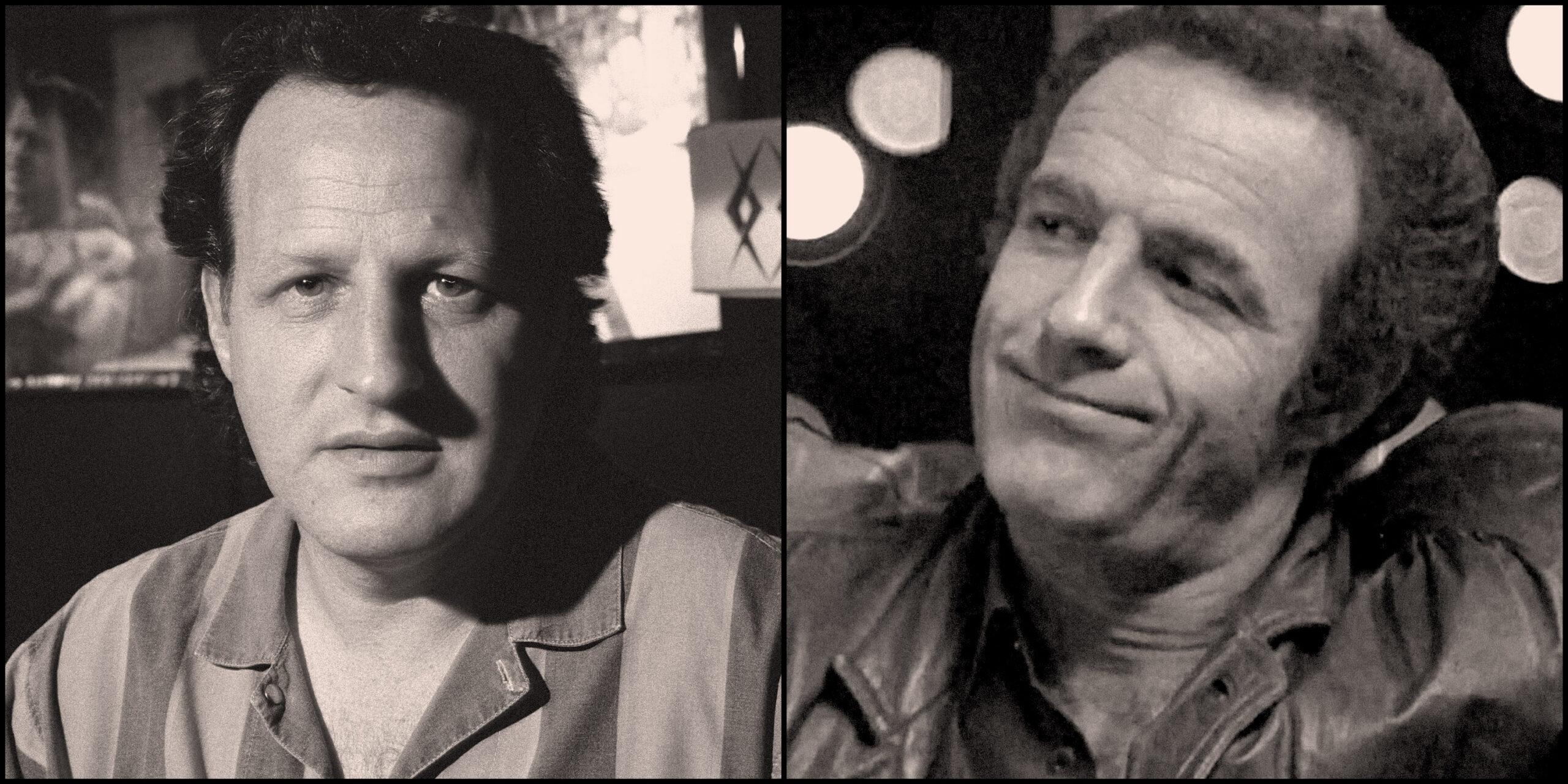
Michael Mann and James Caan: Thief
In Michael Mann’s feature directorial debut, Thief, my GOAT’s style arrives fully formed. Like so many of his films, Thief is about a lone wolf with a rigid moral code, a haunted inner life, and a downright obsessive dedication to his craft. (Also very Mann: the yearning for connection that comes in the form of a beautiful woman.) The added wrinkle here is that, more than any other Mann protagonist, James Caan’s Frank looks like an idealized version of the filmmaker, with a sharp jawline and rugged features that make it seem like he’s Been Through Some Shit. I maintain that films like Heat and Miami Vice are a step above Thief, but there’s no denying that, in appearance and demeanor, Caan is the ultimate Mann’s man.
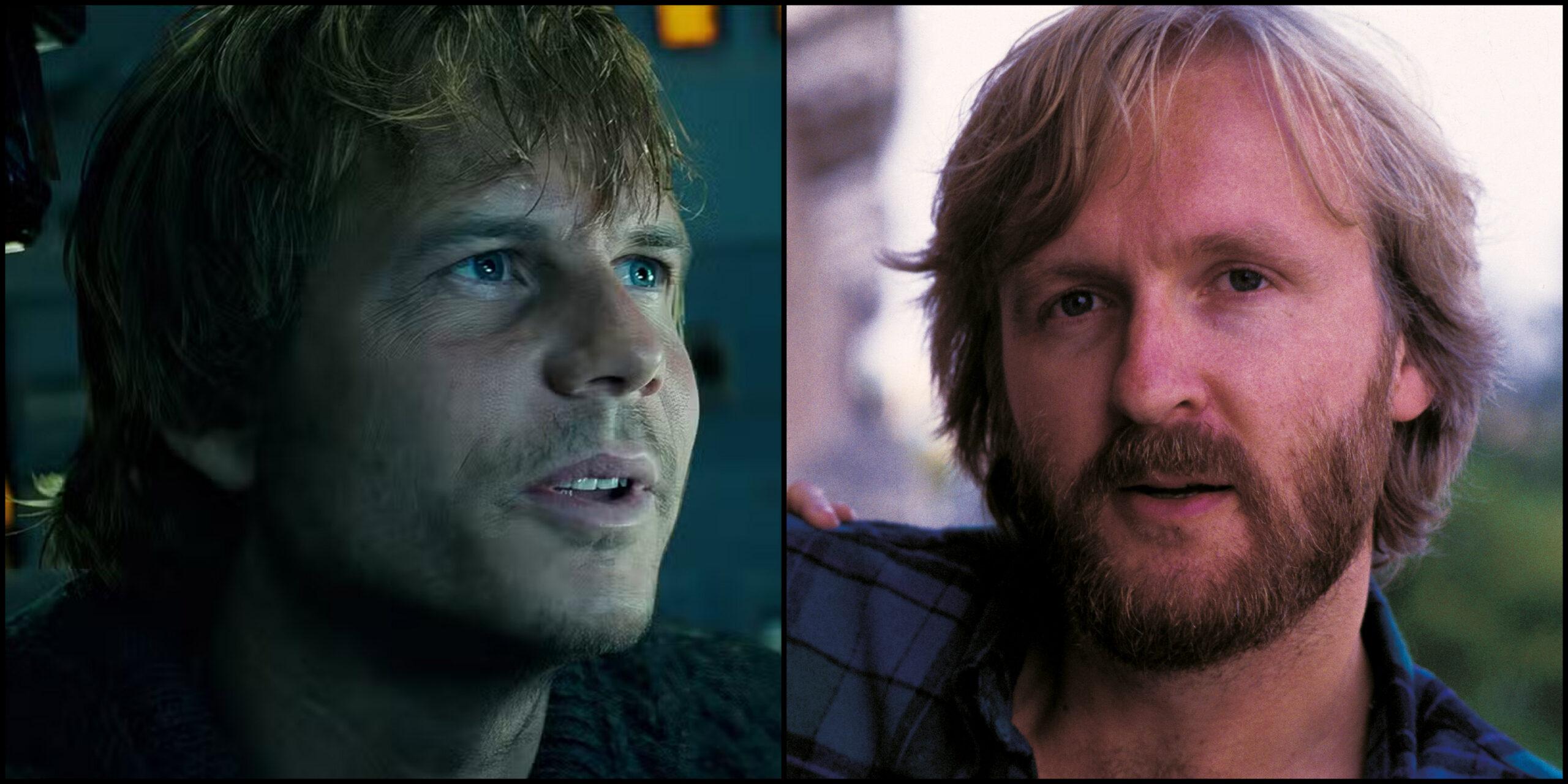
Bill Paxton and James Cameron: Titanic
With a filmography centering badass women (Sarah Connor, Ellen Ripley) and the Na’vi, James Cameron clearly hasn’t made it a priority to incorporate himself into his work. Then there’s Titanic. Before embarking on a tale of young love aboard an ill-fated cruise liner, the film is concerned with an oceanic expedition led by Bill Paxton’s Brock Lovett to search the wreckage of the RMS Titanic for the Heart of the Ocean, a 56-carat blue diamond necklace. Like Brock, Cameron is a genuine deep-sea explorer; he became the first person to make a solo descent into the Mariana Trench. But the icing on the cake is Brock flirting with Rose’s granddaughter, Lizzy Calvert, played by the actor who would go on to become Cameron’s fifth(!) wife. Brock never gets his hands on the Heart of the Ocean, but Cameron found something even more priceless on the Titanic set: true love.
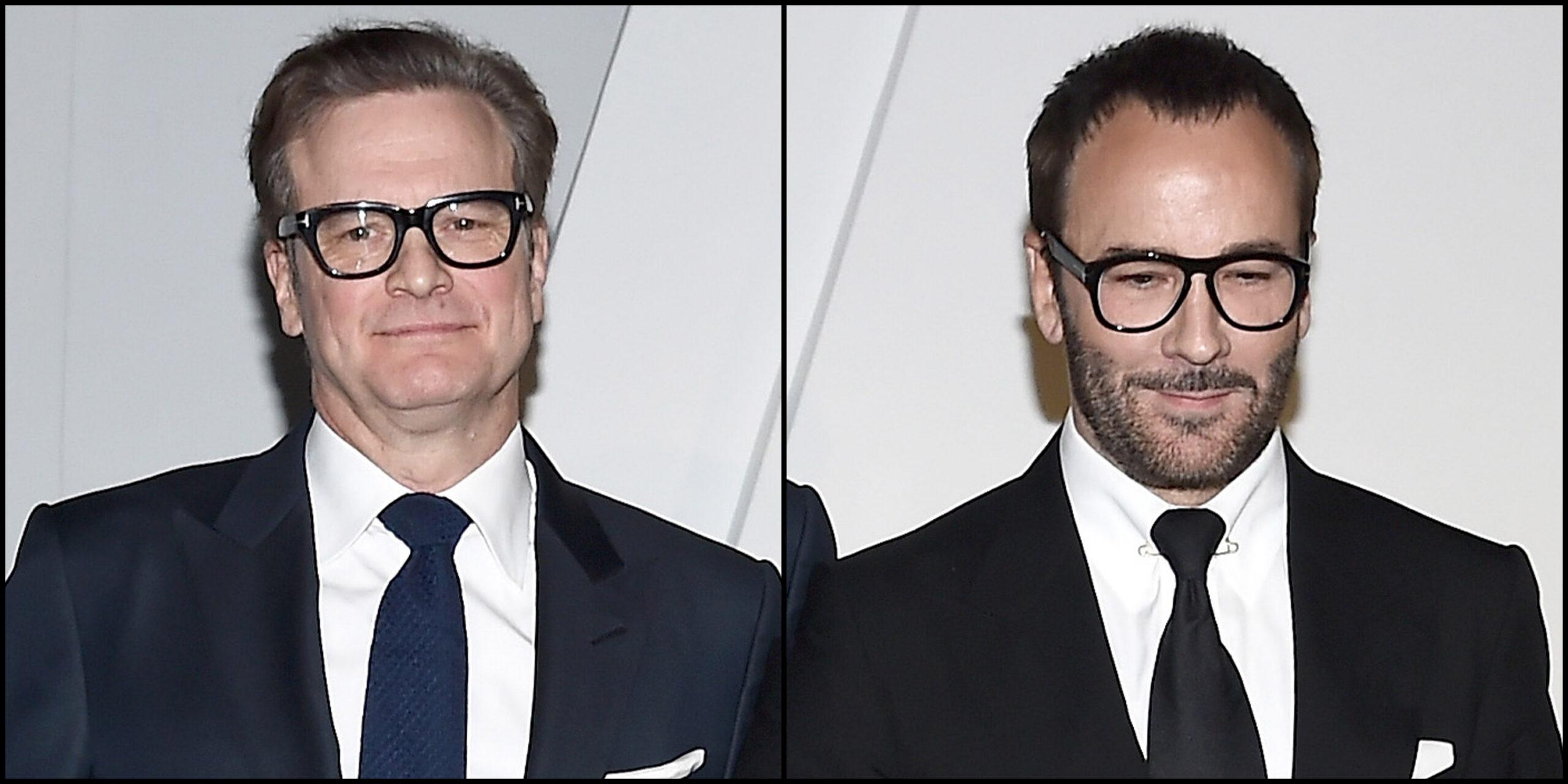
Colin Firth and Tom Ford: A Single Man
Given that he’s a longtime fashion designer, it tracks that Tom Ford’s first foray into filmmaking, A Single Man, has an abundance of style. Set in 1962 during the Cuban missile crisis, the movie has intention behind every little detail in its costuming and set design, and that extends to Colin Firth’s George Falconer. With a polished appearance and thick, black-framed glasses that mirror the exact aesthetic that Ford’s own brand has popularized, George is an unmistakable avatar for the director. Likewise, George is reckoning with the death of his partner, just as Ford mourned the loss of Ian Falconer, whom he’s stated in interviews was his first lover. It’s a confident directorial debut, and further proof that grief, beauty, and identity often find their clearest expression through an on-screen surrogate.

Scarlett Johansson and Sofia Coppola: Lost in Translation
A Hollywood nepo baby of the highest order, Sofia Coppola got inspiration for her best film, Lost in Translation, from her experiences in Tokyo in her 20s and the dissolution of her relationship with her then-husband, Spike Jonze. To capture those feelings on-screen, Coppola turned to a young Scarlett Johansson to play Charlotte, a recent college graduate who’s neglected by her workaholic husband. While Johansson had few credits at the time, it’s easy to see how she’d become a household name, as she adeptly evoked the loneliness, curiosity, and longing that Charlotte cycles through. As for Coppola, she couldn’t deny that Johansson’s resemblance to her made the actor an appealing muse. “It’s narcissistic,” Coppola said in an interview with Filmmaker Magazine. “I relate to her. I liked her demeanor; she’s understated, not extroverted and hyper. There’s a part of me in that character.” With Coppola winning an Oscar for Best Original Screenplay, it’s safe to say that Lost in Translation’s greatness was communicated perfectly.
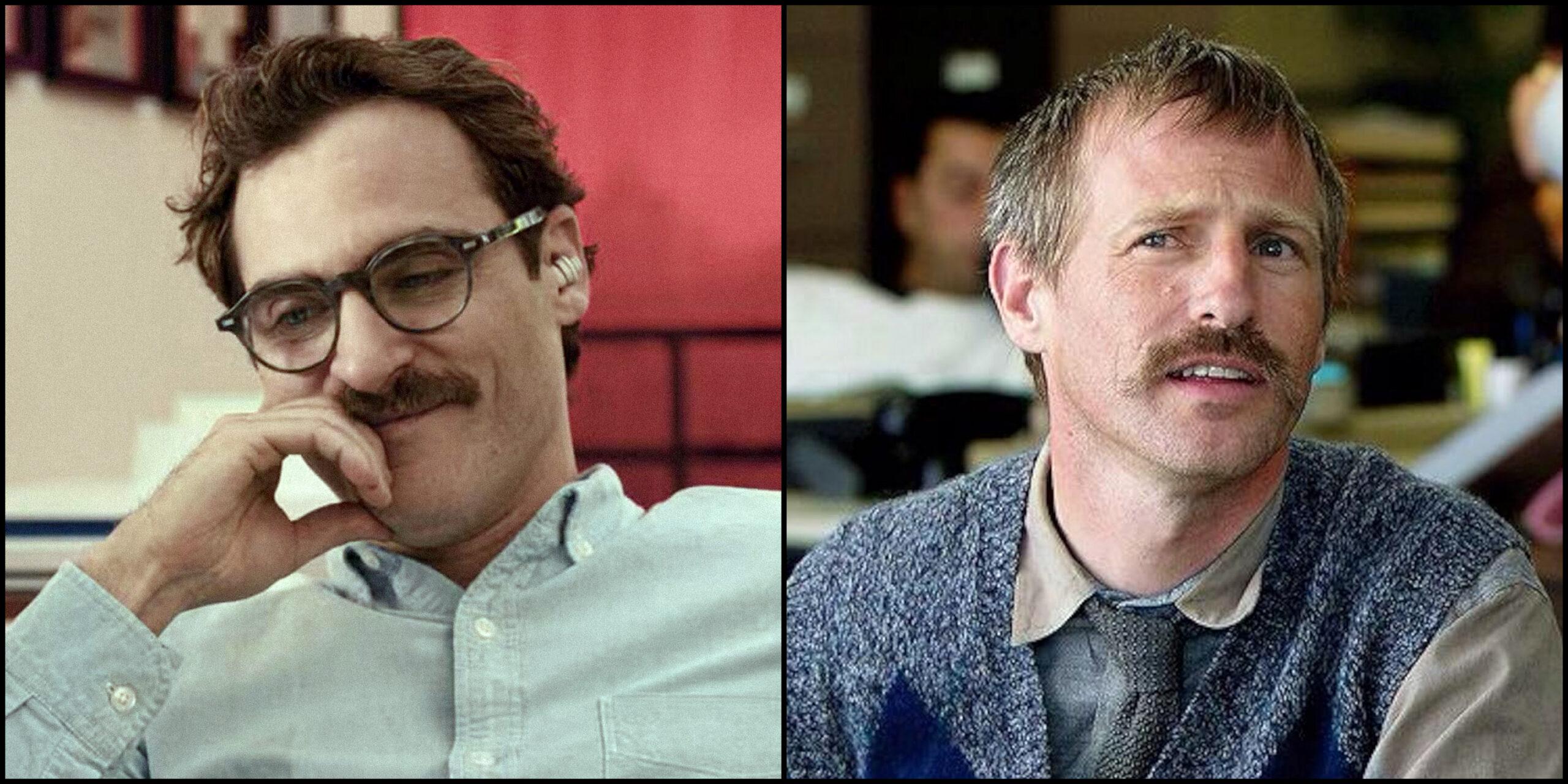
Joaquin Phoenix and Spike Jonze: Her
Not to be outdone by his ex-wife, Spike Jonze made his own film that many have interpreted as a means to process his divorce from Coppola. In Her, Joaquin Phoenix plays Theodore Twombly, a lonely man who forms a relationship with an AI operating system. The fact that the AI is voiced by none other than ScarJo surely isn’t a coincidence, nor is Phoenix’s character bearing a likeness to Jonze during his mustache era. (Also spicy: Coppola has never watched the film.) Theodore reflects how Jonze sees himself: shy, sensitive, and insecure about his capacity to be loved. As fate would have it, Her also won the Oscar for Best Original Screenplay, proving that, with the right approach, Hollywood doesn’t mind hearing both sides of a breakup.

Literally Any Woody Allen Movie
For decades, Woody Allen played a version of himself on-screen: a compulsive, fast-talking New Yorker navigating the complexities of love. Over time, though, the filmmaker began casting Allen-like stand-ins who not only inhabit the same anxieties but even adopt his mannerisms and speech patterns. Examples include Kenneth Branagh (Celebrity), John Cusack (Shadow and Fog, Bullets Over Broadway), and Jesse Eisenberg (To Rome With Love, Cafe Society), who is, respectfully, one of the most neurotic-looking actors I’ve ever come across and perhaps the closest any actor has come to capturing Allen’s vibe. However, given all the accounts of sexual abuse by Allen, those cinematic self-inserts now play less like charming neurotics and more like unsettling reflections of a man whose off-screen controversies forever altered how his work is perceived.
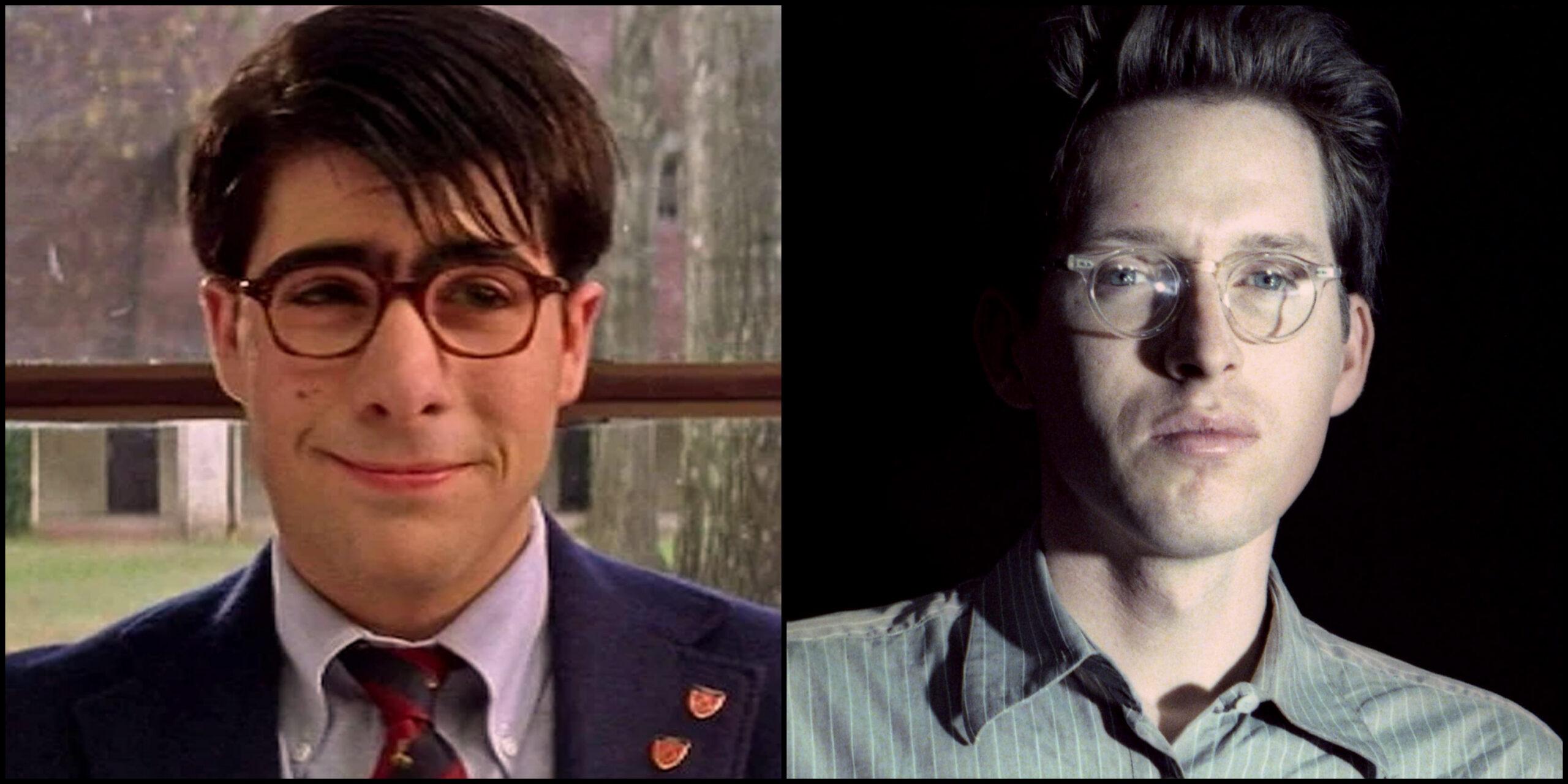
Jason Schwartzman and Wes Anderson: Rushmore
Like Nolan, Wes Anderson has the kind of filmography where you can consistently spot a character doing an impression of the director. If we were to single out one performance as the most Anderson-esque, though, I’d nominate Jason Schwartzman in Rushmore. As Max Fischer, a scholarship student who falls in love with the new first-grade teacher (Olivia Williams) at his prep school, Schwartzman channels the deadpan expressions and precociousness that are hallmarks of Anderson’s projects. (Not too shabby for an actor making his film debut.) Beyond any specific mannerisms, though, Schwartzman truly looks the part: With a tweed-heavy wardrobe and thick-framed glasses, he wouldn’t feel out of place in an Urban Outfitters catalog. Which is to say: As an Anderson analogue, Schwartzman nailed the assignment.

Duncan Jones and Travis Fimmel: Warcraft
He might be David Bowie’s son, but filmmaker Duncan Jones doesn’t give off Ziggy Stardust energy as much as he looks like a bespectacled Viking. It’s only fitting, then, that when casting the lead of his World of Warcraft movie, Jones went for an actor from Vikings. Travis Fimmel is one of those guys who feels like he stepped straight out of the Middle Ages, so it makes sense that he’s routinely cast in historical dramas or, in the case of Warcraft, a fantasy film that cosplays The Lord of the Rings. For Jones, putting Fimmel in the lead role comes across like wish fulfillment: a brawnier version of himself leading the human race into battle against otherworldly monsters. What’s more RPG-coded than that?
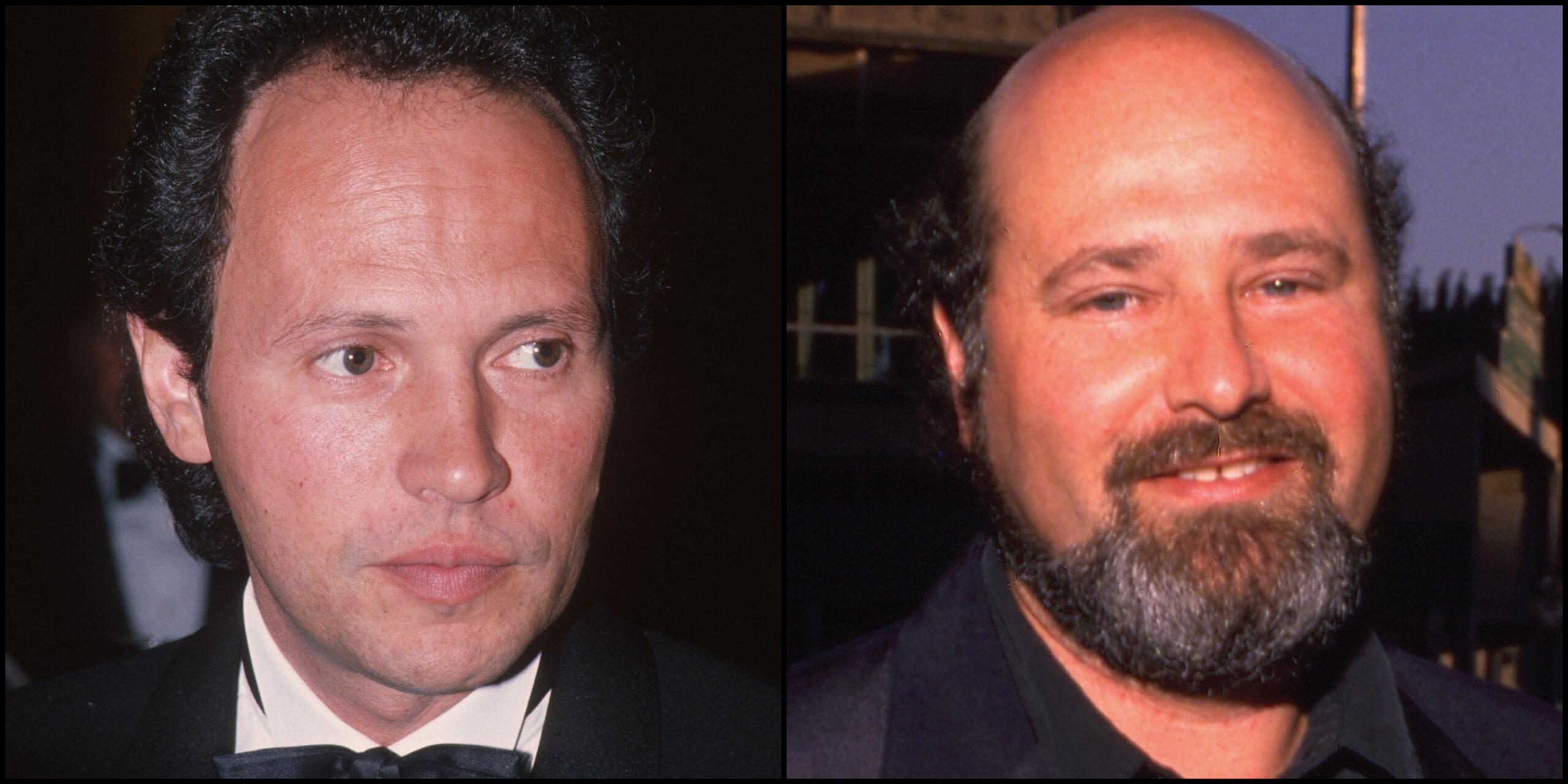
Billy Crystal and Rob Reiner: When Harry Met Sally
In light of Rob Reiner’s and Michele Singer Reiner’s tragic deaths this week, I’ve been thinking about all the great movies he gifted us with, including what may be the greatest rom-com of all time: When Harry Met Sally. Reiner didn’t just direct the film; Nora Ephron was inspired by Reiner in crafting Harry Burns, a sassy yet lovable cynic. Many things that Reiner said to Ephron—including that men and women are incapable of being friends because sex will always get in the way—made their way into the script. In finding the perfect Harry, Reiner turned to his friend Billy Crystal, who, admittedly, doesn’t bear the strongest resemblance to the filmmaker. (For starters, in the ’80s, Crystal was the only one among them with a full head of hair.) But the duo is unmistakably cut from the same cloth: dry, acerbic, and more than a little neurotic. This director-actor connection proves that you can perfectly mimic someone if you’ve known them long enough. Close your eyes and listen to Reiner give an interview about When Harry Met Sally, and you’ll appreciate how well Crystal matched his cadence. In the end, it had to be him.
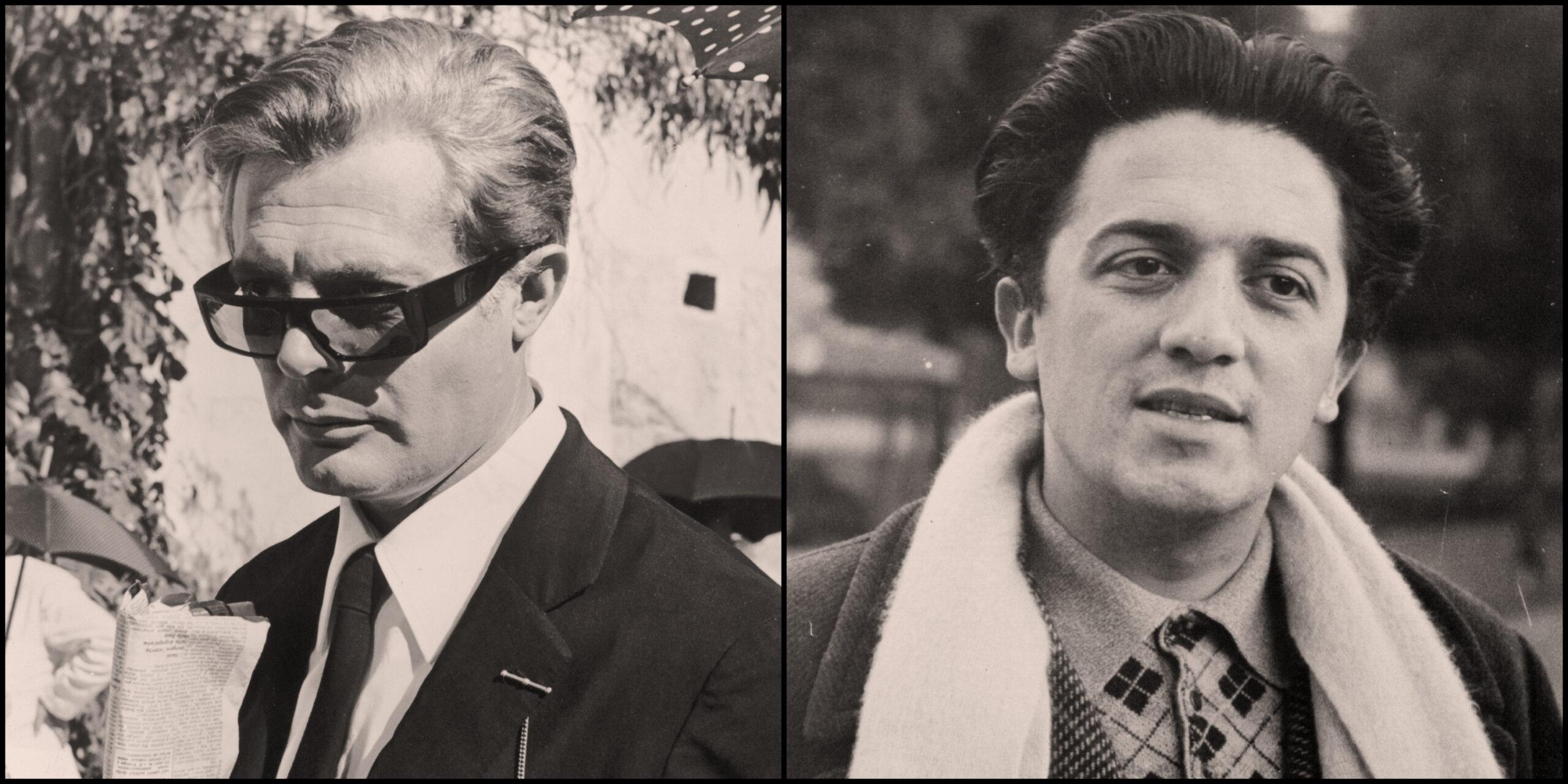
Marcello Mastroianni and Federico Fellini: 8½
The gold standard of the Director-Actor Look-Alike Canon, Federico Fellini’s 8½ is a metafictional masterpiece about a famous Italian director dealing with artist’s block while attempting to make a science-fiction film. As the on-screen filmmaker, Marcello Mastroianni is Fellini: the sunglasses, the overcoat, the wavy hair, the smoke, the existential malaise. (Having one of Italy’s most iconic actors as your cinematic alter ego is the ultimate flex.) Through Mastroianni, Fellini captured a man he knew better than anyone: himself, searching for meaning from behind the camera.