
Hosts
 Derek Thompson
 Derek Thompson
About the episode
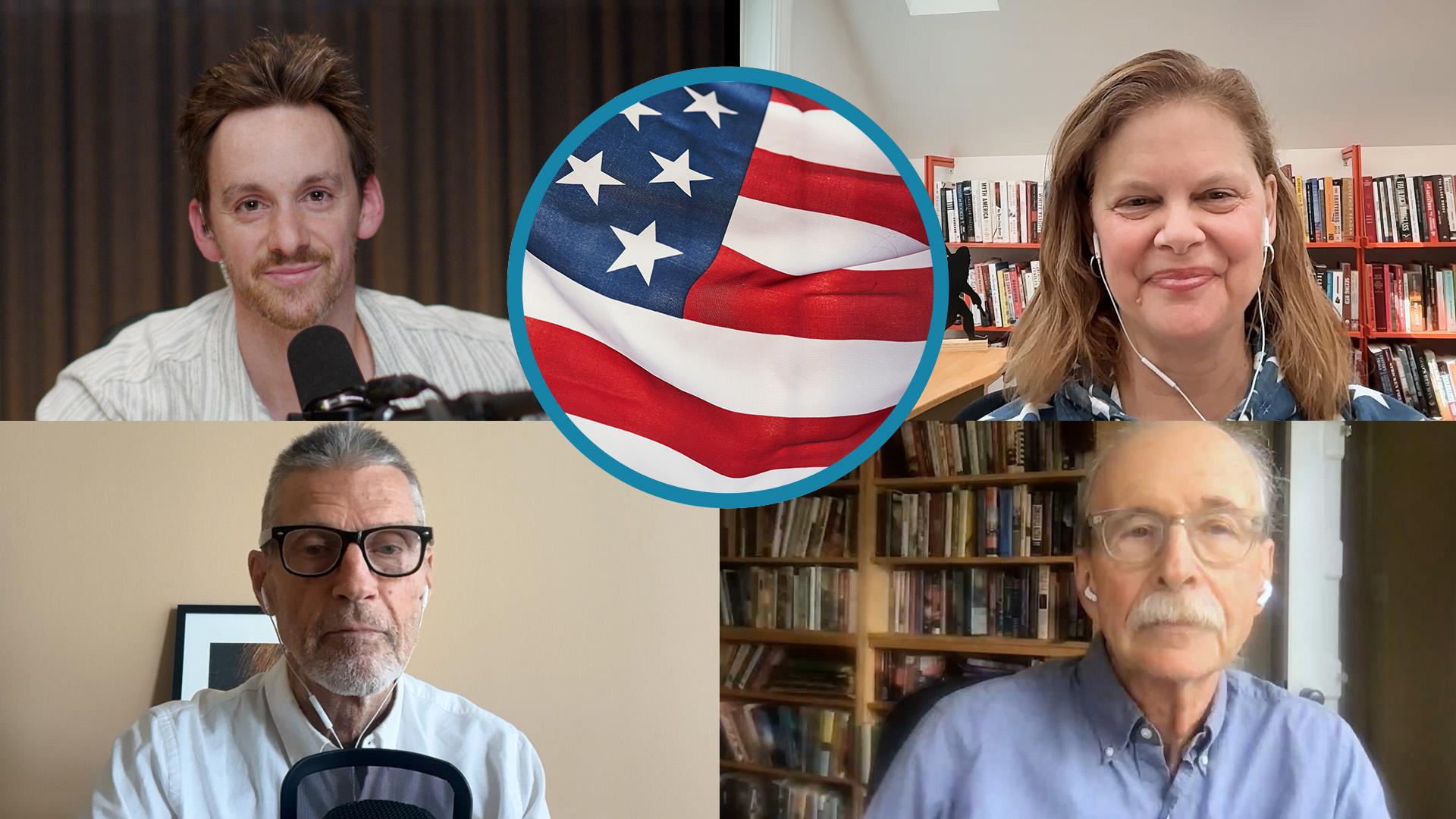
To celebrate America’s 250th birthday, Derek is joined for a history draft by three of the country’s leading historians: Beverly Gage, H.W. (Bill) Brands, and Richard White. The goal isn’t to revisit the familiar stories everyone learned in school. It’s to uncover the people, events, and ideas that deserve far more attention.
The historians make their picks for the most underrated president, the most overrated American, the historical figure who ought to be a textbook star, and the dark-horse event that changed the course of the country. Along the way, they debate what we get wrong about the American story, why some figures become legends while others are forgotten, and history’s most overlooked chapters.
Subscribe to our YouTube channel here.
If you have questions, observations, or ideas for future episodes, email us at PlainEnglish@Spotify.com.
In the following excerpt, Derek introduces his American history draft, and Beverly Gage makes the first pick.
Derek Thompson: So I cannot be more excited for the next hour to hour-plus that we’re going to spend together. I hope everyone has a really fantastic time. I want to go over the rules of what we’re doing, and then we’ll hop right into history raconteur time. There are four categories before us to celebrate America’s 250th. These are not your standard American history trivia categories. I did not want to make this the 10,000th podcast that asked historians to rank the presidents. This is all about surprise. These categories are about overturning our expectations. And I’m leaning on you to give us an uncommon view of American history, where listeners can come away thinking, “Wow, I never realized how important that person or how overrated that person or event was to the flowering of our republic.”
The categories are as follows: No. 1, most underrated president who’s gotten the short end of the stick, reputationally speaking, that we should know more about. Category no. 2, most overrated American. Not just president, most overrated American. Who do we hear all about in history class who gets too much praise or too much attention? No. 3, what event caused or changed the course of American history? And I think I told you all on the email that in this category I’m looking for under-heralded events. So if what I get is no. 1, the founding; no. 2, Civil War; no. 3, end of World War II, that’s fine. I promise I won’t cry, but I’m hoping we can lean on something that is ever so slightly more esoteric, a little bit more off the beaten path.
And finally, no. 4 is a grab-bag category, the one moment or fact or person that you think each student ought to learn about in history class, high school or college, but too often doesn’t. And at the end of this, each of you will have a team, so to speak, of four selections. And maybe I’ll go away and decide for myself who I think has the coolest team. But this is not so much about competition. This is about having a good time. So, as long as there are no objections to this what I hope incredibly entertaining and easy game, I think we should get started with the first category of most underrated president in American history. Beverly, you are first up. And your selection is?
Beverly Gage: My selection is … I’m going to go with Richard Nixon.
Thompson: Wow.
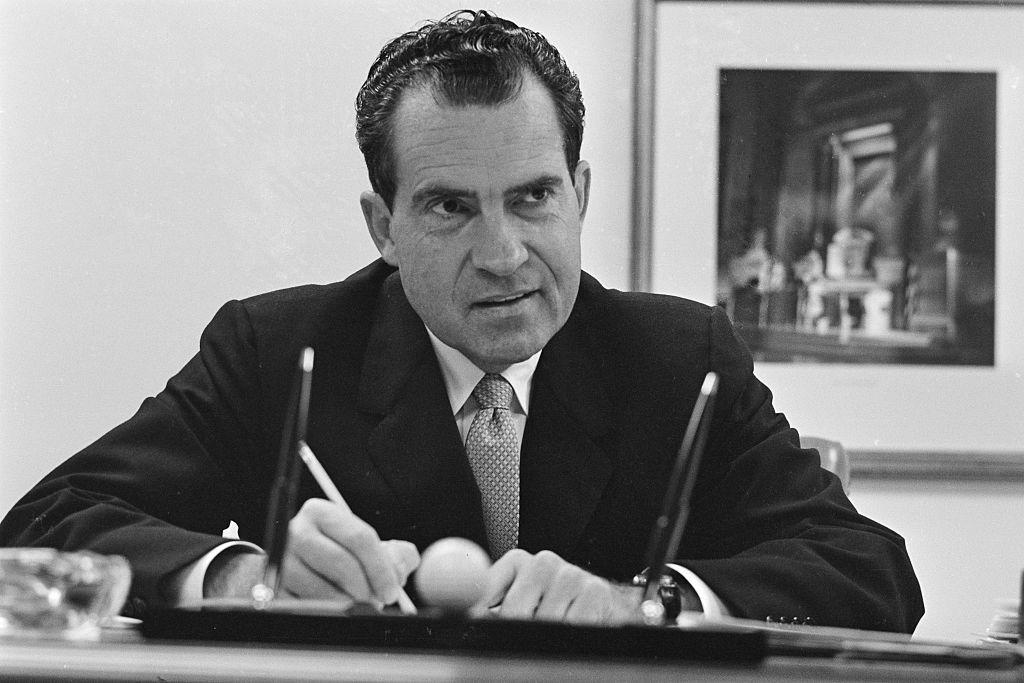
Gage: So Nixon often ranks pretty low in those famous and strange polls that you talked about of presidents. And of course, his legacy is overwhelmed by Watergate, and rightly so. So this is not an attempt to say that Richard Nixon ought to be a great American hero. But it is an argument that Nixon did a lot of really, really important things that were subsequently overshadowed by the drama of Watergate, for which he deserves credit. A lot of those are in the foreign policy realm, the opening to China, above all arms-limitation talks. But also, in domestic policy, it was during the Nixon years that the EPA was created. These were the years in which Title IX came into force. I think the most interesting Nixon piece that almost happened was that he was sort of a fan of or interested in UBI and in something that I think he called the Family Assistance Plan.
So, in funny ways, Nixon acted as a policy liberal. And then I would also say, if we’re just talking about influence, Nixon really is the president who put the map out for the kind of populist, somewhat reactionary Southern strategy mode that has been so central to the Republican Party ever since. So, anyway, that’s my bid for Richard Nixon. I don’t want to make him a hero, but I think he’s a lot more important than where he often ends up, which is as a punch line in our rankings of who really screwed up as president.
This excerpt has been edited and condensed.
Host: Derek Thompson
Guests: Beverly Gage, H.W. Brands, and Richard White
Producer: Devon Baroldi
Additional Production Support: Ben Glicksman