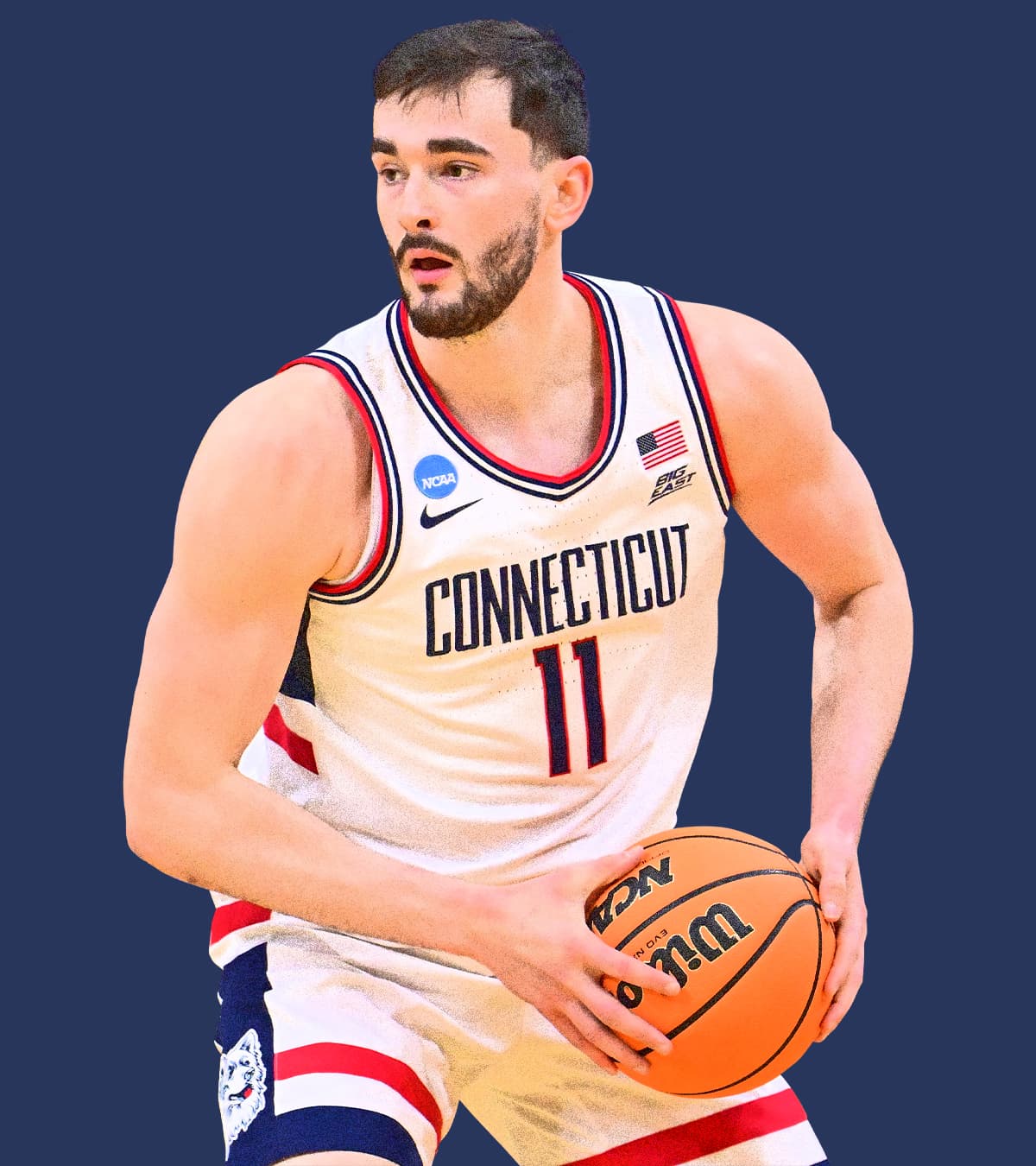
You’re reading J. Kyle Mann’s final mock draft of the 2026 cycle, projecting every first-round pick one day before names are officially called. For more draft coverage, check out our Big Board, featuring detailed analysis on Mann’s top 50 prospects as well as player comps from Danny Chau.

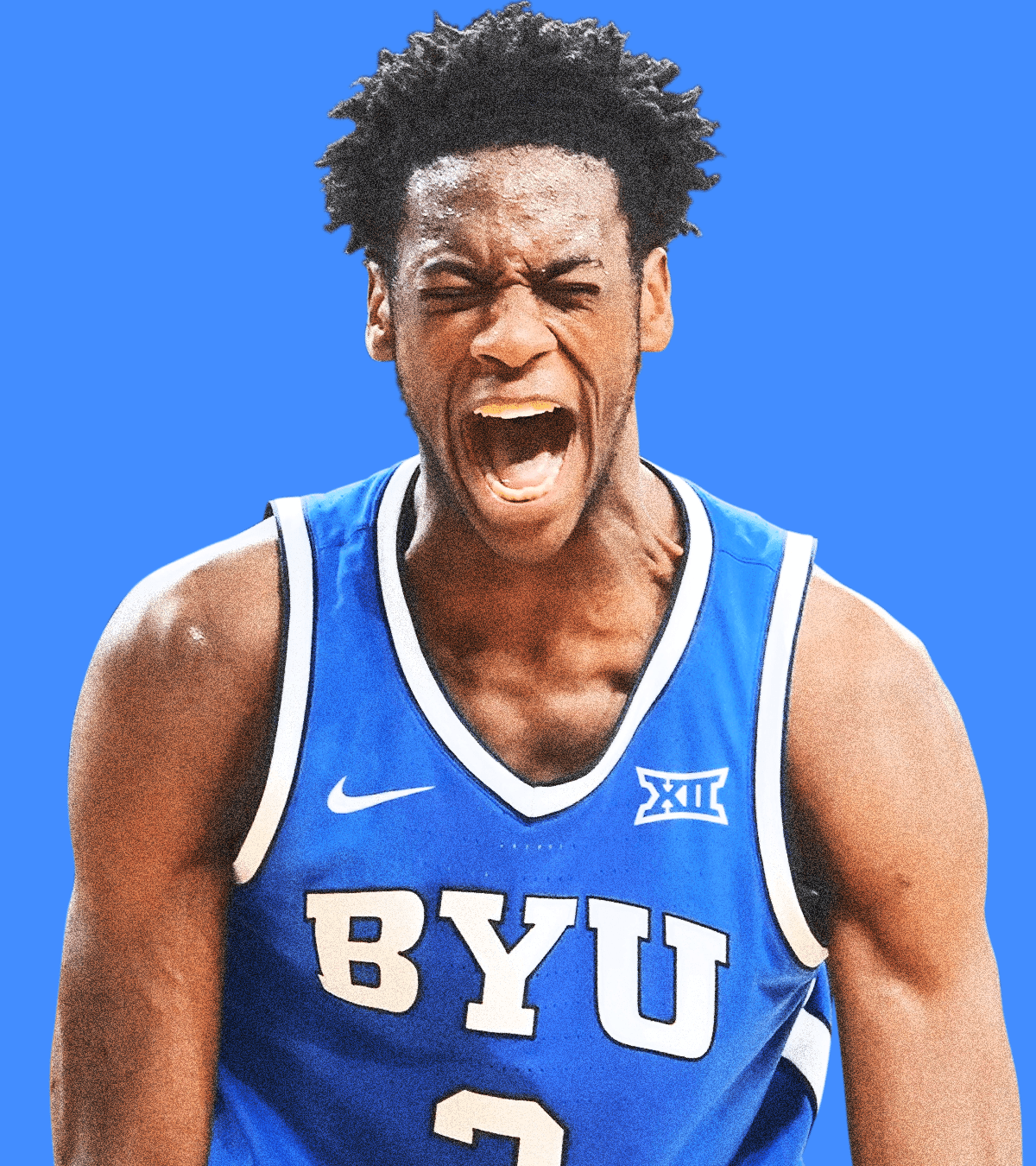
AJDybantsa
We’re a day away from the NBA draft, and there’s still a good argument for any of the top three prospects at no. 1: Cam Boozer, AJ Dybantsa, and Darryn Peterson. These are playoff-level primary offensive options that three rudderless (to varying degrees) franchises could build around. (And it’s possible that Caleb Wilson or even Keaton Wagler will eventually get on that level, too.) The posturing between the Dybantsa and Peterson camps over the past few days has been amusing, reminding me of a dating show where the bachelor/bachelorette finds real chemistry with a contestant, only for another to turn up the flirty pressure and request a one-on-one to win the contest. Peterson’s talent is certainly distracting. He’s the most talented offensive player in this class—I think he could’ve averaged double figures in the NBA this past season. But if I’m making the decision in Washington, and I’m considering the muddled history of the franchise, I’m feeling pretty queasy about the idea of taking a player with so much volatility around them.
After tracking these players on a daily basis for months, I’ve decided that Boozer would be my pick because he’s both a star talent and someone who can bolster the competitive integrity of my organization. I think his versatility on both ends of the floor is wildly underrated, he’s incredibly malleable in the roles that he can play, and he brings a hyper-focused professionalism that impacts whatever setting he’s in.
But I think Dybantsa will be the pick. And he’s hardly a consolation prize. He’s a stony-eyed competitor, understated as a vocal leader, and obsessive in how he goes about his business. The Wizards have done well to accumulate what I like to call “orbiting” talent despite the shitty lottery luck they’ve been handed the past few drafts. They have solid players but no central, gravity-warping talent. Alex Sarr (if he can overcome a recent broken foot) looks like a high-impact defensive big. Tre Johnson, while streaky, is someone I expect to be an elite dynamic shooter. Kyshawn George has nights when he looks like a potential All-Star. Will Riley will probably outperform his draft slot, and Bub Carrington is on track to be a great role player. With Dybantsa on board, I expect that all of those celestial basketball bodies will find their orbits.
Bottom line: Dybantsa is an abnormally gifted ball handler for a wing of his size and build. There are details to nitpick, to be sure—the reliability of his 3-ball, his tools as a playmaker—but he has all the equipment, between body and mind, to become a top-10 player in the NBA.

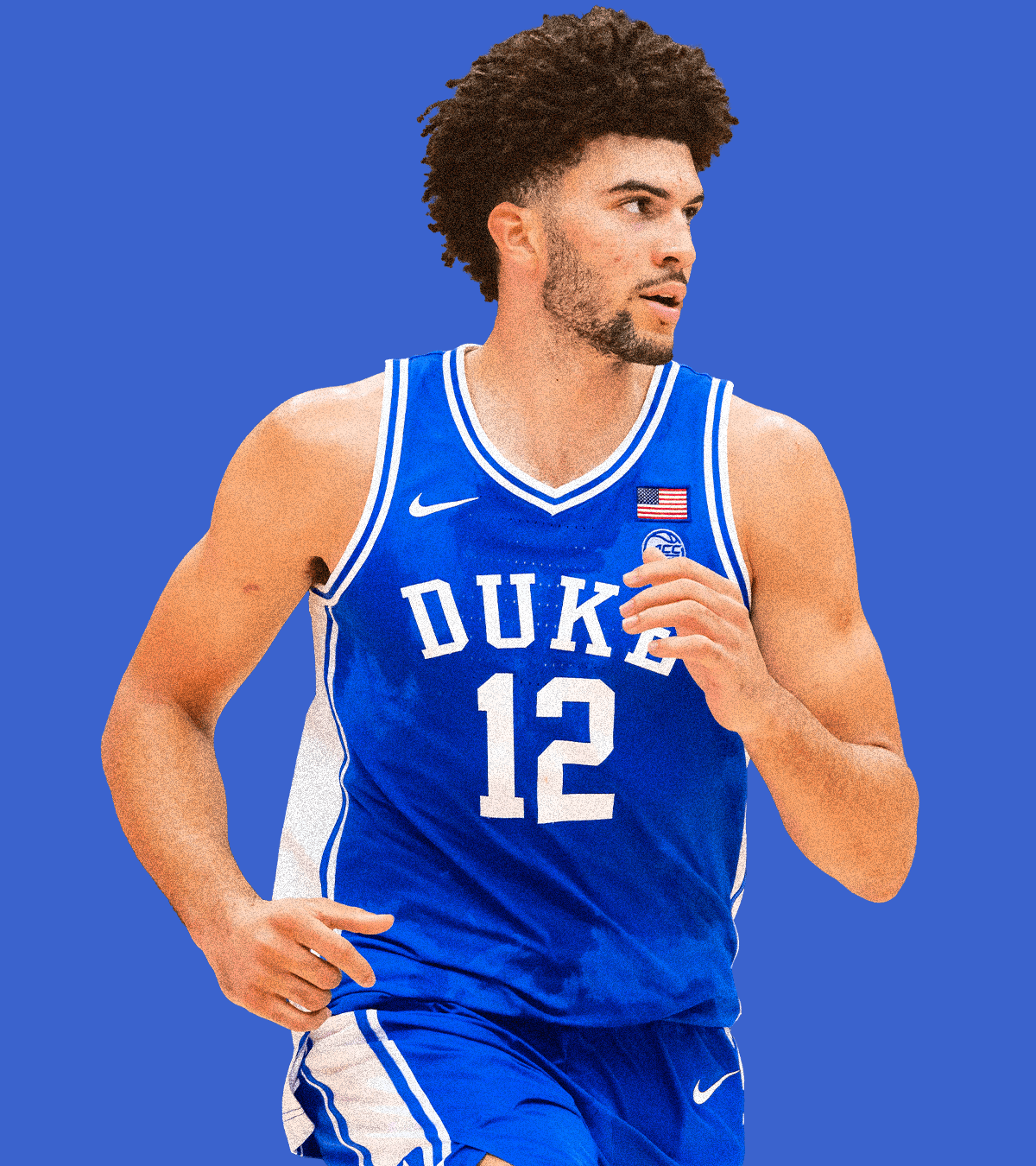
CamBoozer
Nothing would surprise me at this spot. I think taking Peterson would necessitate fewer follow-up moves, considering Utah seemingly has a starting spot open in the backcourt but not the frontcourt, as well as create a functional offense more or less right out of the box. But I’d take a closer look at the fit concerns. Yes, it’s true that you already have a 3/4/5 rotation featuring Ace Bailey, Lauri Markkanen, Jaren Jackson Jr. (professionally miffed but spiritually chilling), Walker Kessler, and Kyle Filipowski. But just because you already have pieces that can fit doesn’t mean you should overlook the best possibility.
Boozer is a more dynamic offensive talent than any of the Jazz’s current bigs, and I think he could make them even bigger and switchier on defense while also helping them fully own the glass. They could unleash some pain-in-the-ass scenarios for defenses by playing through Boozer as a hub on offense and allowing Keyonte George, Bailey, and Markkanen—all terrific movement shooters—to operate away from the ball together, similar to the way the Knicks tortured teams in the playoffs with their KAT-centric looks. Boozer would also allow George, who’s coming off a breakout third season, to settle into a comfier role by alleviating some of his playmaking duties and allowing him to focus more on scoring.

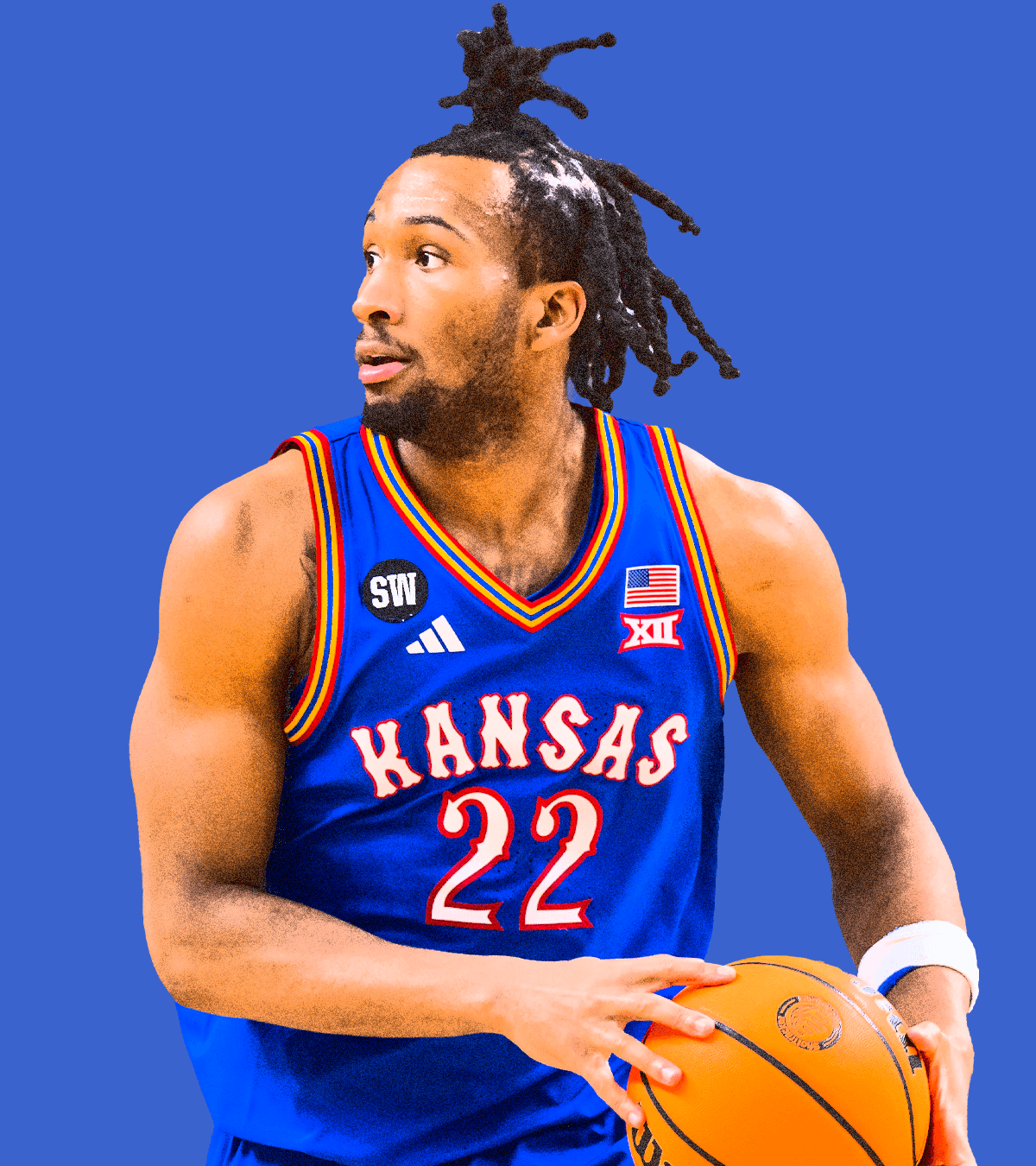
DarrynPeterson
How many drafts have there been where an offensive talent like Peterson could feasibly slip to no. 3? He’s arguably the most talented shotmaking guard prospect to come through the American system since Kobe Bryant, so I think it’s safe to assume: very few! So even if the Grizzlies’ previous era was incinerated by the messy relationship with their last superstar, this would be too big an opportunity to pass on.
Peterson and Cedric Coward would be a promising two-way tandem and would give Memphis a road map. And while drafting Peterson would likely signal the eventual departure of Ja Morant, it’d be entertaining if the Grizz pivoted from conventional wisdom; said, “Surprise, motherfuckers”; and rolled out a Morant-Peterson-Coward perimeter group that immediately reestablished the Grizzlies as League Pass darlings. It might have more hotels, but let’s see Nashville’s aspiring-to-be-cosmopolitan-ass city come up with an attraction that thrilling.

CalebWilson
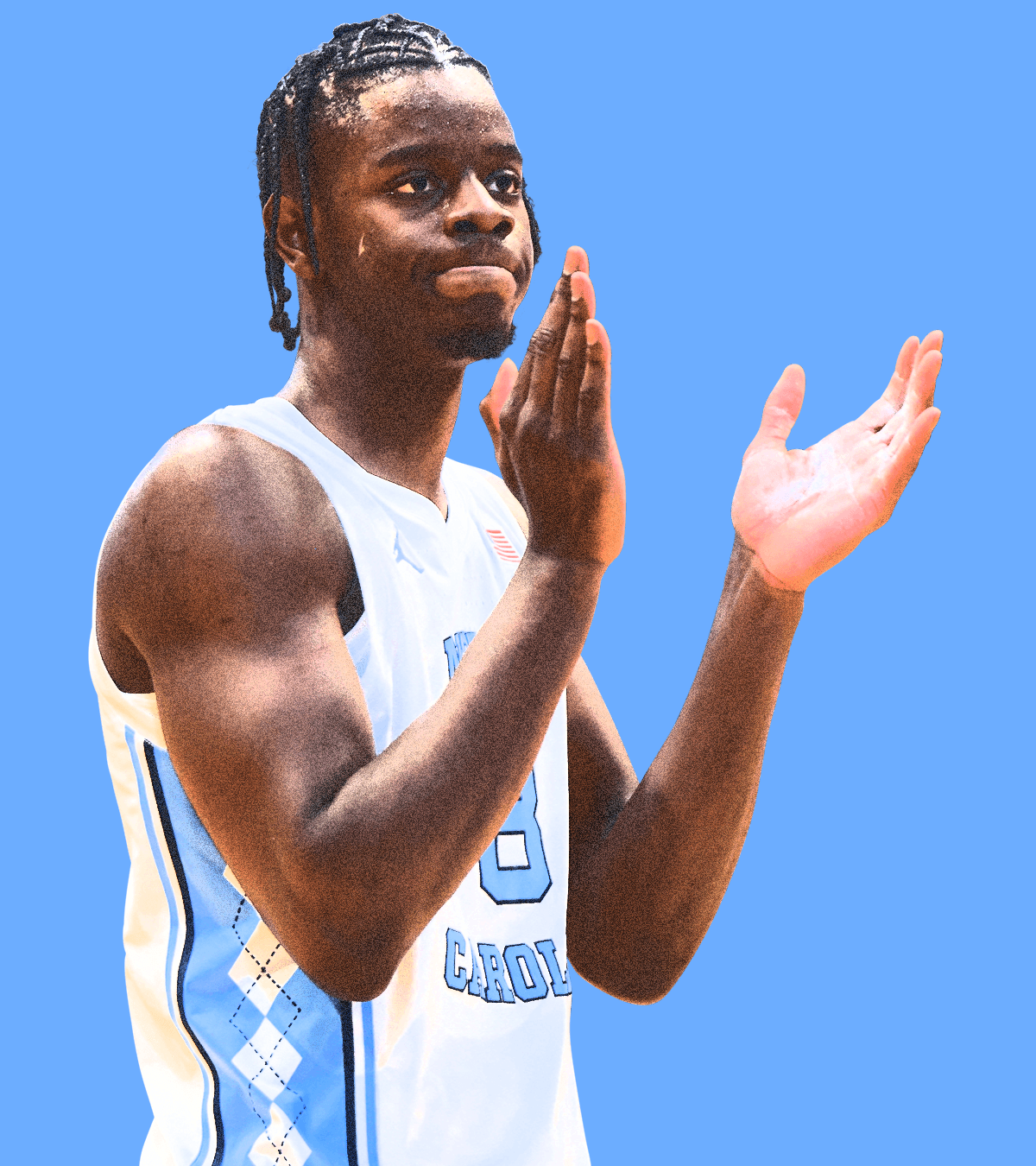
To me, the Bulls are like that part in Watchmen where Jon Osterman, not yet Doctor Manhattan, hasn’t fully taken on a physical form but briefly appears partially whole and then disappears. Pieces of a thing, but never a full thing. This roster has components that independently make sense. Matas Buzelis has a high approval rating across the league despite unanswered questions about what level of player he might become. Josh Giddey, complicated as it is to optimize him, has undeniable gifts. Aside from that, it’s a shoulder shrug. The rest of the roster feels small and defensively challenged or long, bouncy, and offensively unrefined. Nothing is going, and thus there’s nothing to go on. The Bulls’ two picks in this draft, this one and 15, feel like a chance to start down the road toward some kind of vision. Wilson is a classic locker-room chemist—by all accounts, he’s an excellent hang. He also has the tools to be a defensive star and feast offensively on the easy buckets that’ll come from playing alongside Giddey.

KeatonWagler
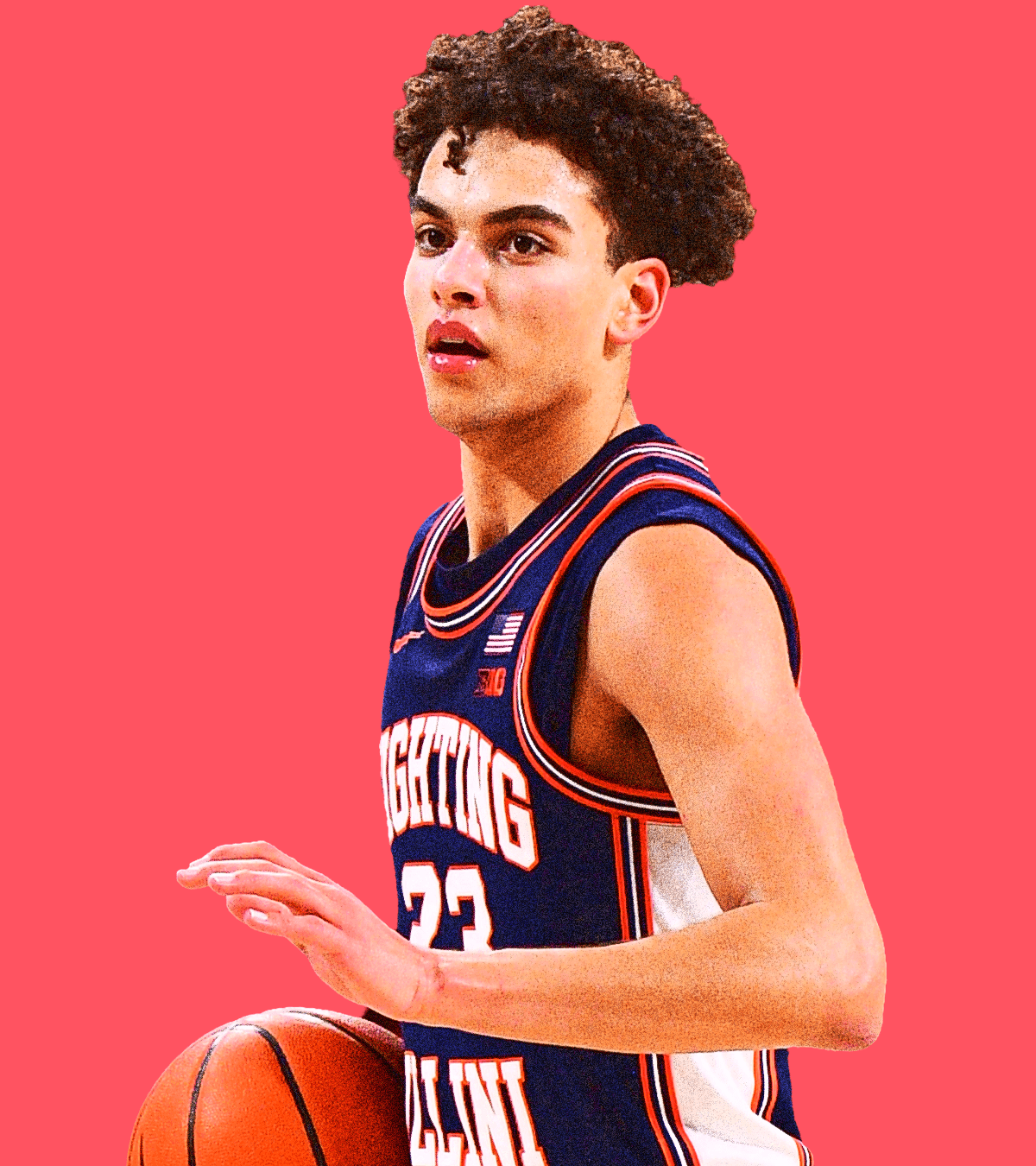
After the top four, as many as six teams in a row could be in the market for a guard. The Clippers could use some backcourt help, but they’ll need to be more discerning than the other teams in this group because they can’t afford to pair the defensively challenged Darius Garland with a player with similar issues. There have been reports that they’ve worked out Arizona’s Brayden Burries (whom I have at sixth on my board) and Louisville’s Mikel Brown Jr. (12th), but Wagler’s combination of slo-mo on-ball exactitude and off-ball shooting potency would mesh beautifully with Garland’s darting, rapid style. Together, I think they’d divide the focus required to slow down Kawhi Leonard—if the Clippers decide to keep the veteran, who is entering the final year of his contract.

MikelBrown Jr.
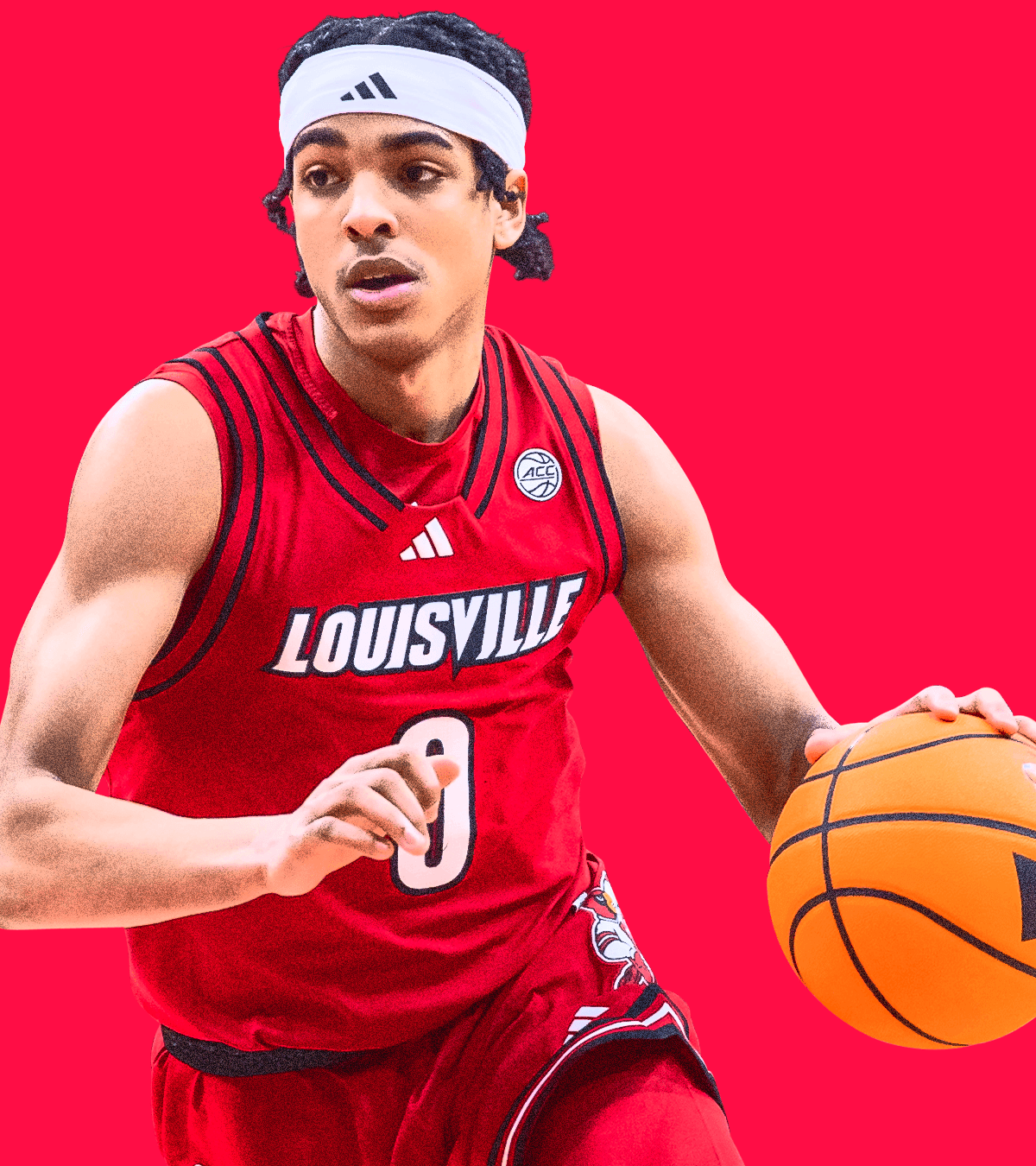
Brown’s predicament heading into the draft is similar to Peterson’s in that his lone college season was bumpy when it came to availability. The guard missed 14 of Louisville’s 35 games due to injury, clouding an otherwise productive freshman outing in which he flashed enough glimpses of impressive on-ball juice to still justify lottery consideration. While he’s in line with Brooklyn’s 2025 draft approach of prioritizing creators with LITERALLY EVERY PICK, Brown differs from that pass-heavy five-pack in that he can really put the ball in the damn basket. I’ve had my concerns about how Brown’s physique will impact his offense inside the arc and how it might also make him a target on defense, but he’s one of the few remaining legitimate star bets in the class once you get out of the top four. He and Egor Demin (last year’s no. 8 pick) would make for a wafer-thin defensive tandem, but they could feed off each other in an instantly fun offensive backcourt.

DariusAcuff Jr.
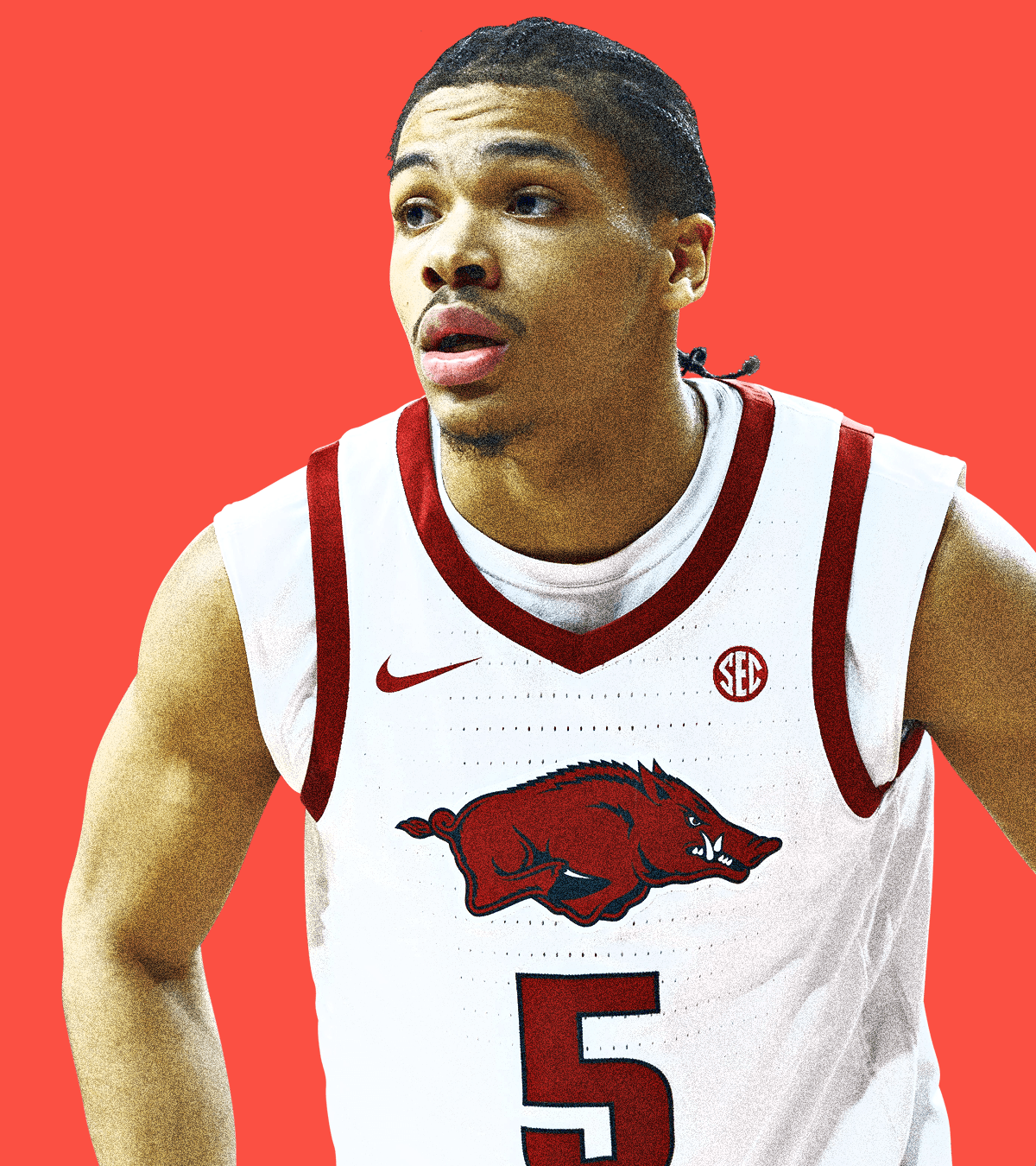
It’s wild to think that only three years ago the Kings were ascendant, coming off their first playoff appearance in 16 years. Their retooling blew up in their face, leaving them with an expensive, old roster full of pieces that don’t make any sense. Now, it’s imperative that they come away from this draft with a high-level handler who can steady the ship, and in this range, they’ll likely be picking between Brown, Acuff, and Kingston Flemings, depending on who is still on the board. I could see Flemings working here for a number of reasons—he’d make an impact on the team’s culture, he’s mature in how he chooses his spots as a scorer and playmaker, and he could be highly productive on this team. It’s just that Acuff has been linked to the Kings for months, both because of family ties (his dad, Darius Sr., played for Kings GM Scott Perry at Eastern Kentucky) and because he fits the bill of what they’re looking for. Acuff is a classic PG1—he understands the psychology of what it takes to steady and propel a basketball team. He’s also absolutely money from beyond the arc. The concerns about his defense are legitimate, but his wry-smiling confidence would help guide Sacramento’s inert roster through whatever lies ahead.

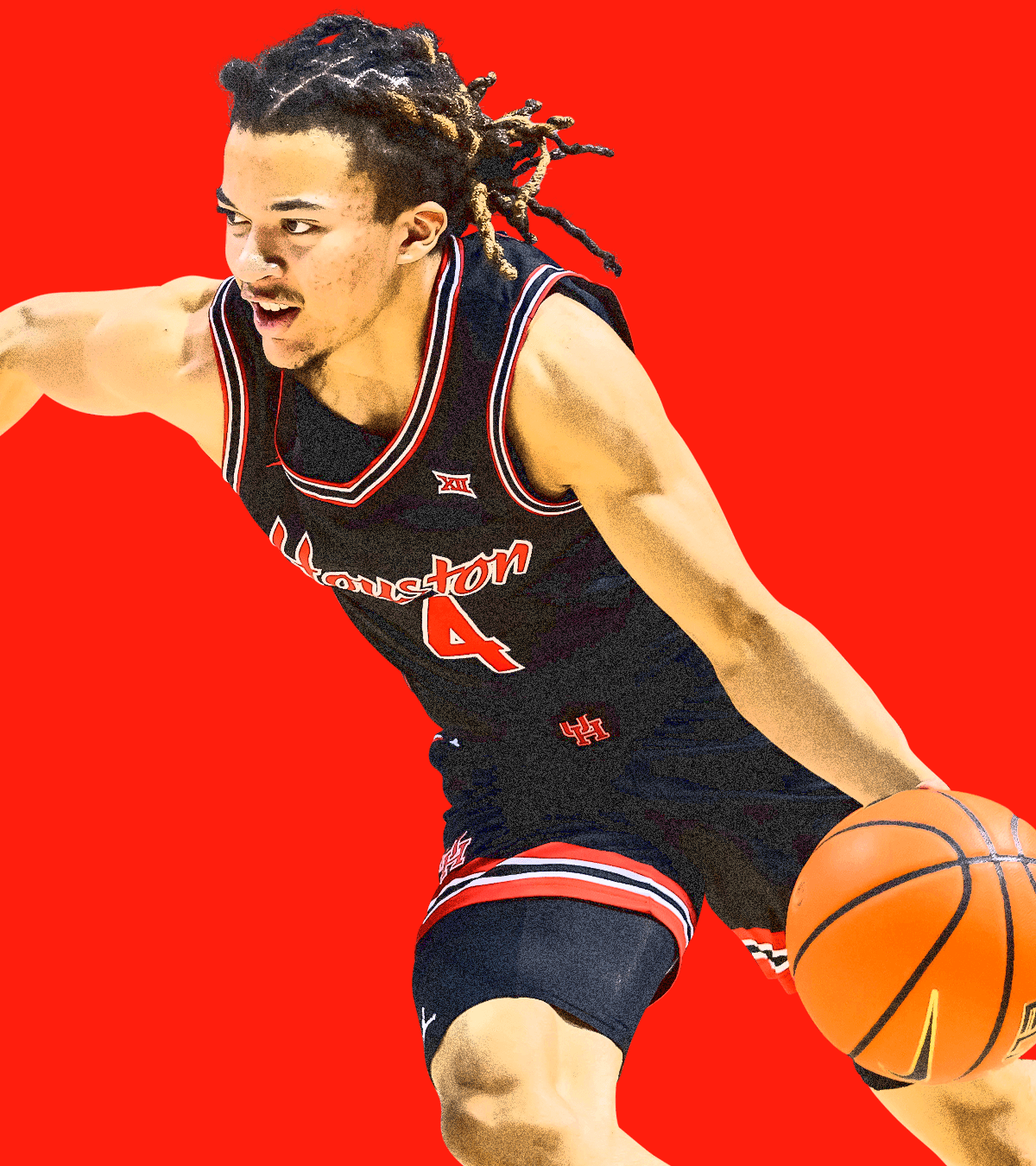
KingstonFlemings
The Hawks could use a true 5 with legitimate size to anchor their defense, but as appealing as Aday Mara may be, questions about how his offense will fare in the playoffs and about how durable he can be playing big minutes make him a risky proposition with a pick this high. Atlanta could find a big in other ways this offseason and use the draft to address another major need: a defense-warping ball handler who can mobilize the incredible collection of skilled wings/forwards that it has. Hawks fans might grind their teeth thinking about another commitment to a small guard, but Kingston is very different than Trae Young: He would eagerly empower Jalen Johnson and Nickeil Alexander-Walker whenever possible, and he’s competitive as all hell on defense despite his size. He’d also make this already great transition team one of the fastest and most athletic in the league. I can just picture Kingston in a Hawks jersey. Does that count for anything? It doesn’t? Gotcha.

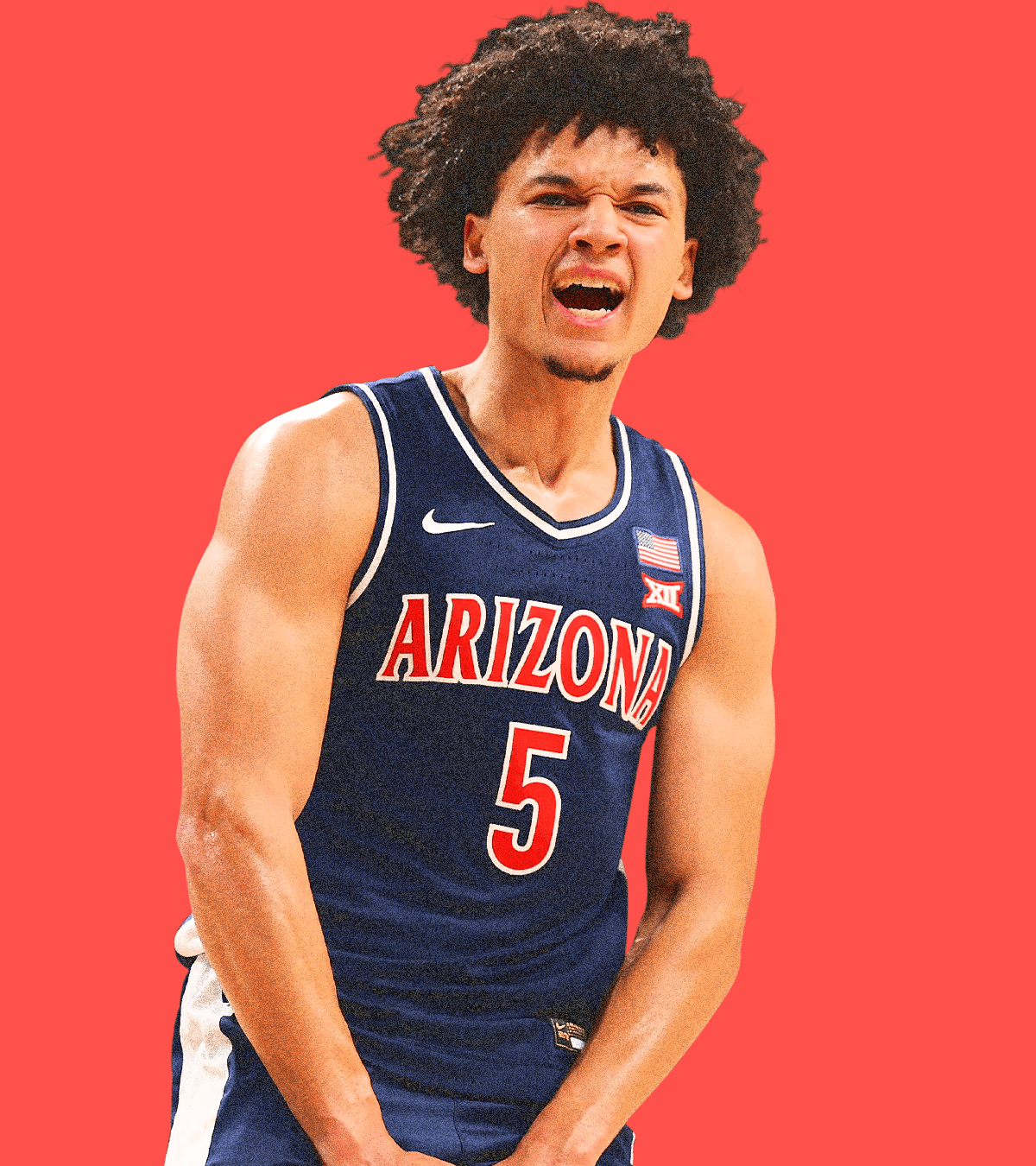
BraydenBurries
The “offensive upside” guard buffet has been picked over in this scenario, but it could be a blessing in disguise for the Mavericks. Burries might not have the eye-popping self-creation traits of Acuff, Brown, and Flemings, yet he’s easily the most capable defender of the guards at the top of this class, and he’s no slouch on offense either. He’ll need some polish off the dribble and as a passer, but he was right at 40 percent on both dribble 3s and catch-and-shoot 3s last season, on credible volume. He’d also make a great pairing with Cooper Flagg. Have you ever been in a situation where two people from your separate friend groups meet and instantly hit it off? That’s what I expect would happen with Burries and Flagg, who have the winning mentalities and dynamic skill sets to become one of the more intriguing two-way duos in the West. If you’re building culture from the ground up the way the Mavs are, you want players like Brayden Burries. Plain and simple.

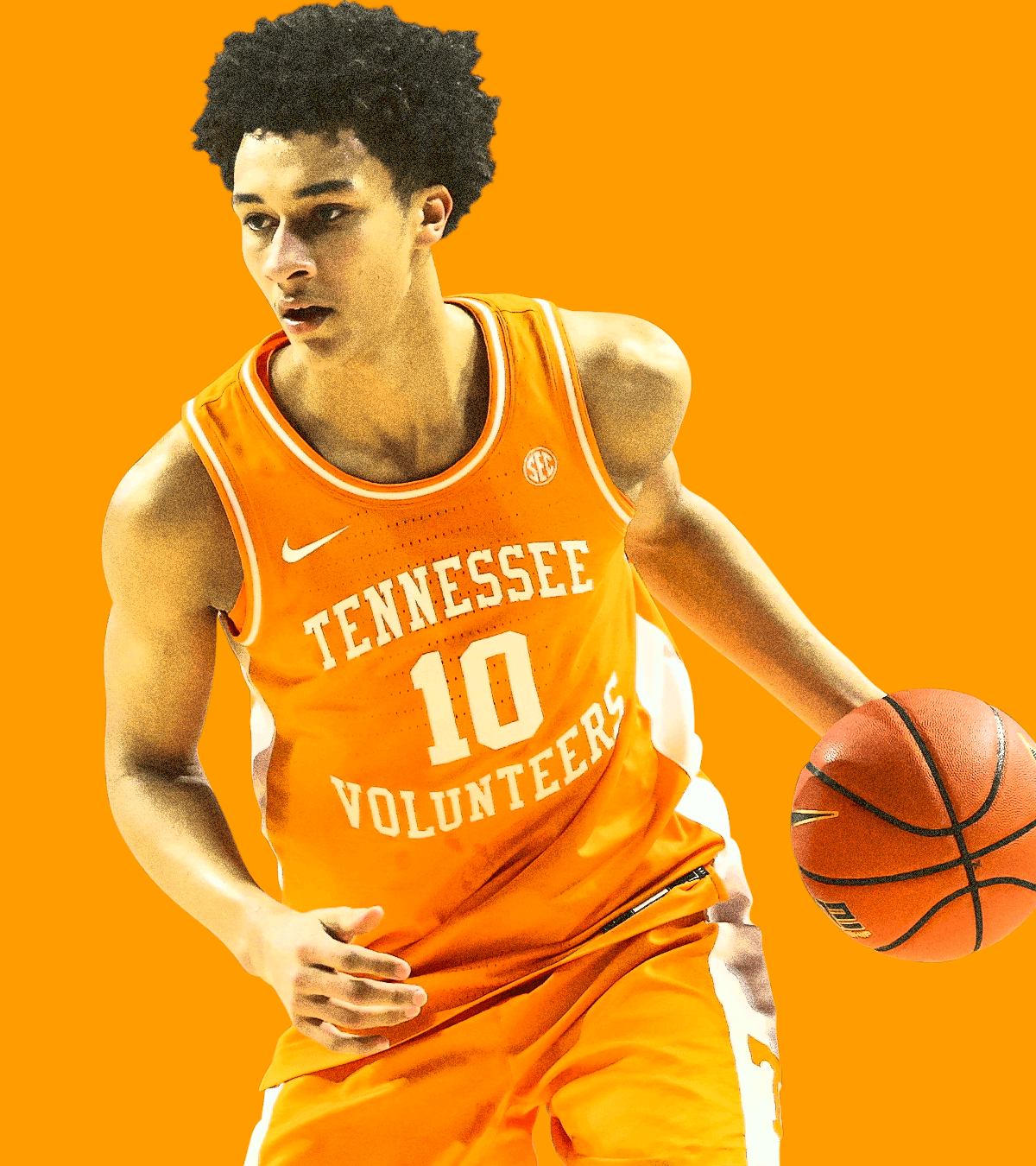
NateAment
The Bucks remind me of Everett, Pete, and Delmar, pinned in a burning barn as the bill comes due on all of their … we’ll call it “recent activity”: They’re in a tight spot. Cast blame however you’d like, but the fact of the matter is that the Giannis era was not effectively extended, and barring a huge haul in a trade involving the two-time MVP, there’s not a ton of draft capital lying around to reinvigorate this franchise. With this pick, the Bucks could focus on taking a high-quality role player who would work with whatever young talent comes their way in an Antetokounmpo trade. But Ament is one of the few real upside plays left on the board, and Milwaukee seems motivated to make the most of the opportunity. I don’t like rolling the dice on Ament’s particular challenges this high—he’s no. 20 on my board—but even if he doesn’t tap into his star potential, there’s a chance he could roll those flashes of self-creation into a supplemental role.

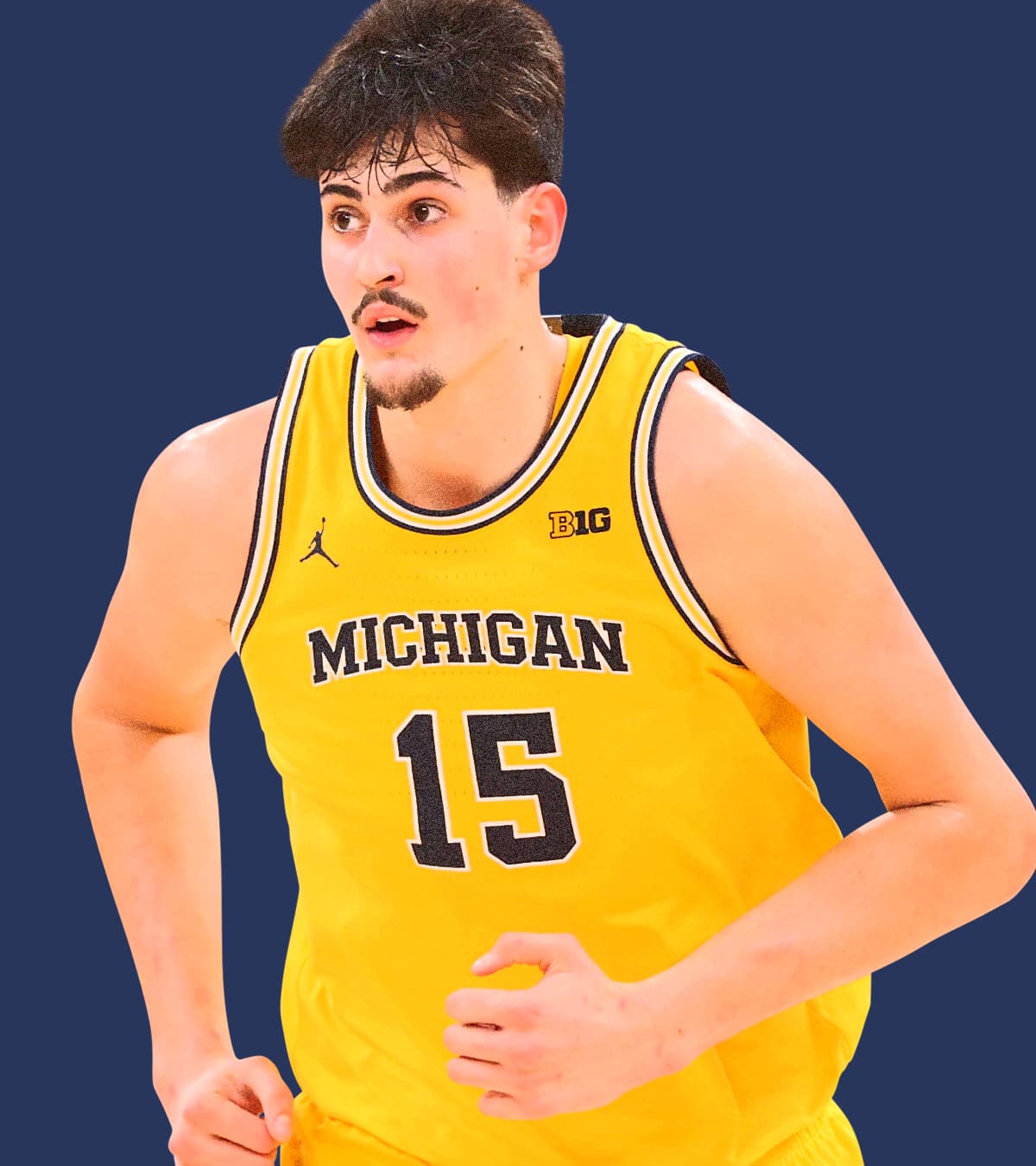
AdayMara
I would have paid a decent amount of money to eavesdrop on the conversations unfolding among the Warriors staff and players as they watched the playoffs. Were they dismissive of the young talent ruling the West bracket, thinking their experience would win out? Were they daunted by the speed, ball pressure, and physicality? Four of Golden State’s five most integral players are over 35 years old (assuming Al Horford opts in for next year), and I’m not trying to wish the guy’s life away by rounding up, but Stephen Curry is bearing down on 40. The player chosen here needs to be able to jump in and help these uncs this season while also being a bridge to whatever comes next. The reality is that if you want to succeed in the West now, there’s no avoiding the 7-foot-4 French guy in San Antonio. That’s why Mara makes sense. He’s gigantic, moves well, and should at least be a rotation-level rim protector for a long time. He would be a good backup for the often-unavailable Kristaps Porzingis, should the Warriors decide to bring back the unrestricted free agent, and give them a wealth of real size without sacrificing their preferred style.

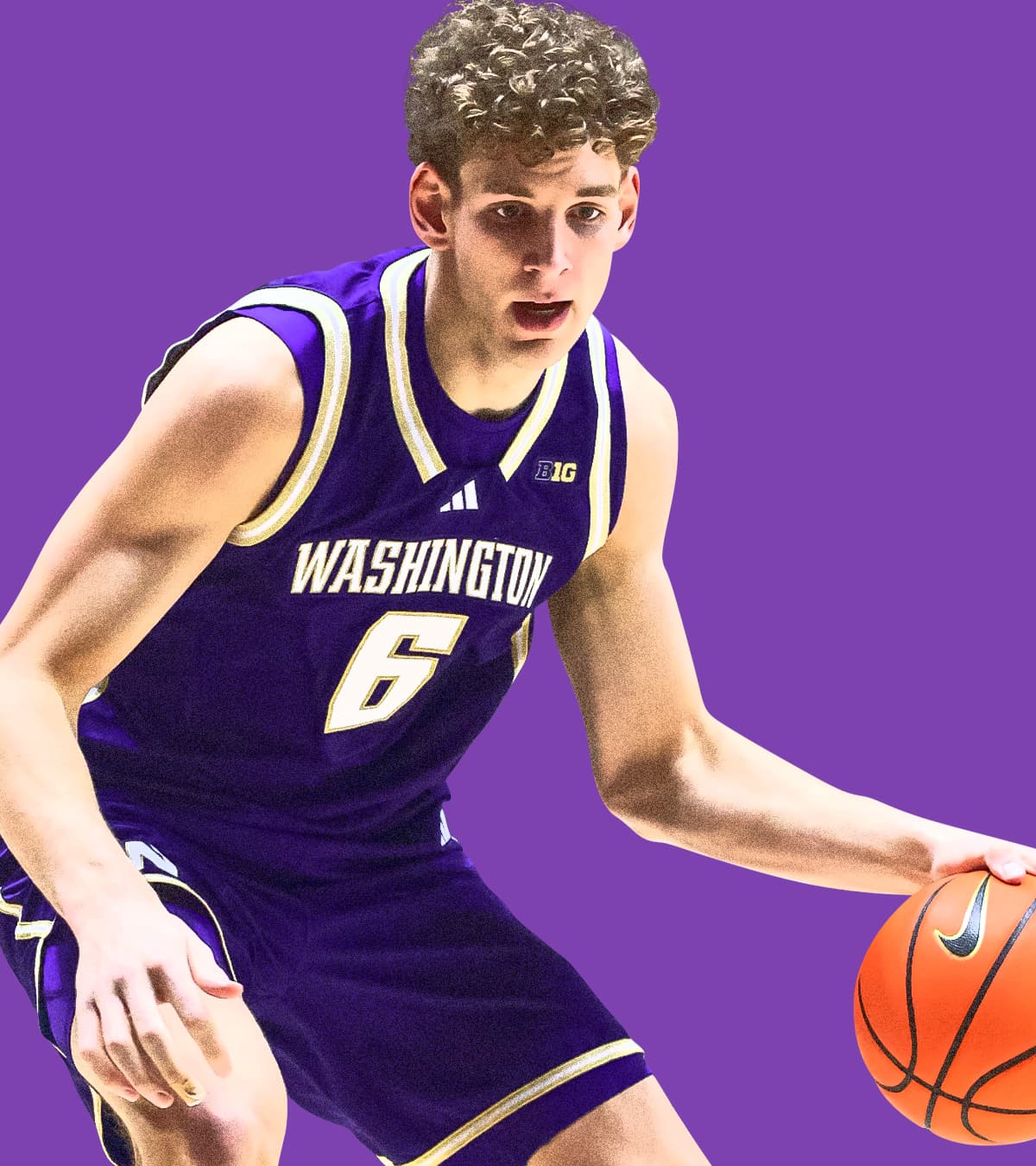
HannesSteinbach
The Thunder are in a truly unique situation in this modern era of basketball, where success has created a pretty complicated decision tree. While some teams are desperate to get their hands on one asset, OKC is spinning dozens of plates at the same time, prepping its fledgling talent while deciding which mature talent it can afford to keep around. That’s why the Thunder’s management of picks 12 and 17 will be one of the more fascinating story lines to track in this draft. It feels unlikely to me that they’d continue to pile up rotation-type role players when they already have so many young guys to keep developing: Ajay Mitchell, Cason Wallace, and Jared McCain could all expand beyond their current roles, and Nikola Topic and Thomas Sorber need to play. So while Steinbach’s hands are an event horizon where all rebounds must go once in his vicinity, and his general physicality fits their style, he probably wouldn’t even play. He’s expected to go somewhere from no. 8 to no. 12, and whoever does business with the Thunder would likely love to have him.

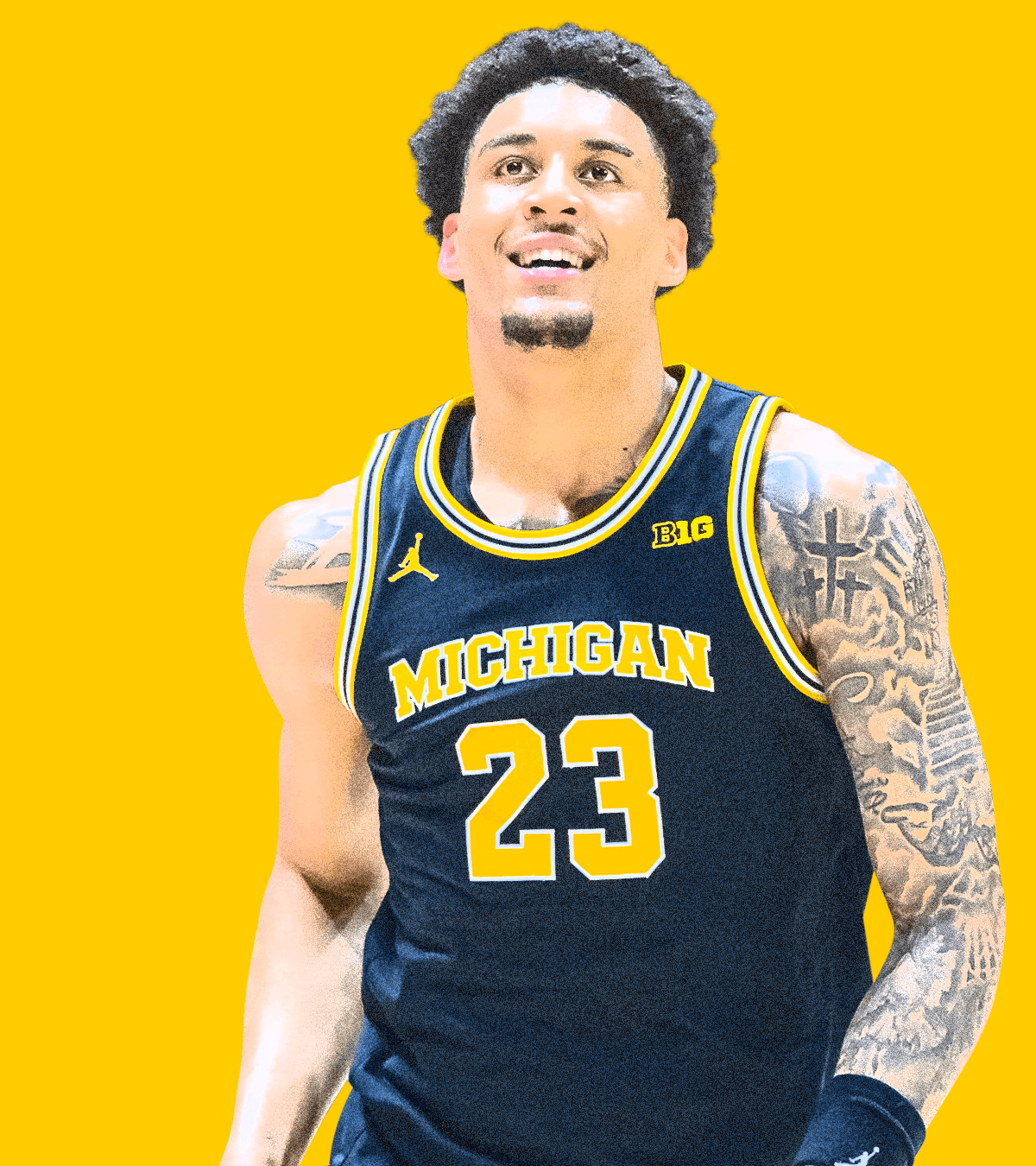
YaxelLendeborg
Lendeborg was one of the most versatile two-way players in all of college basketball this past season, doing everything from ball-hawking small guards for 94 feet to splashing 3s to operating the pick-and-roll. The only real dings are off-court and seemingly contradictory: his age (23, but he’s still on an upward developmental arc) and questions about his maturity. If the Heat don’t trade this pick in a Giannis deal, this would feel like a classic early-teens Miami swoop-in. Two years ago, they managed to nab Kel’el Ware, a talented prospect with similar off-court issues, at no. 15. Lendeborg is a year older than Ware is now, but his ultrawide range of offerings could help him become an excellent role player in the NBA.

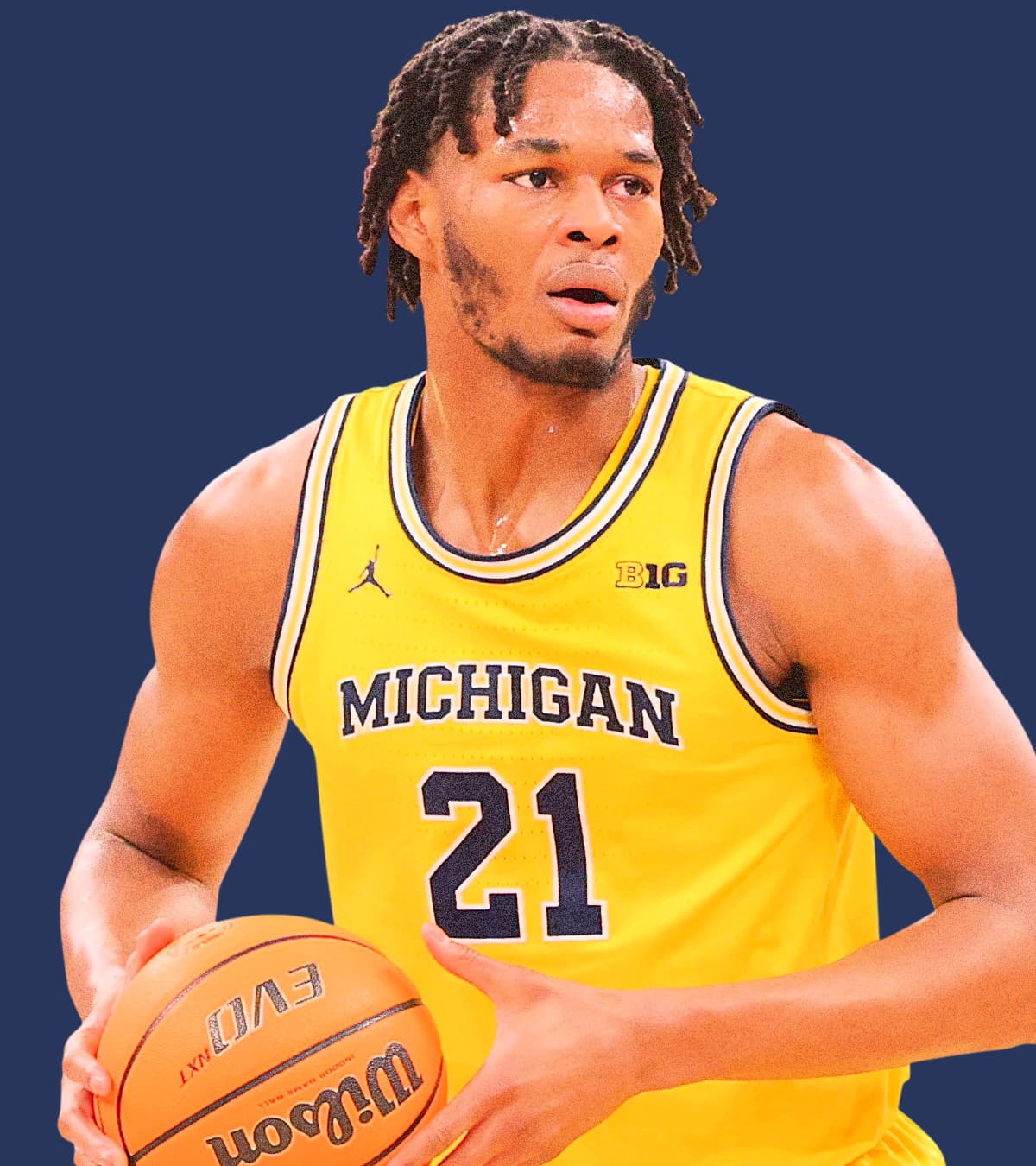
MorezJohnson
Johnson’s agents had to be watching the playoffs and doing freeze-frame high fives like they were in some ’80s sitcom. He’s the type of high-motored, multipurpose defender who projects to strengthen whatever scheme he’s put into, and his uncomplicated offense would be a great addition to an already-established attack like Charlotte’s. The Hornets have clearly hit on something with the size and skill of their perimeter core, but last season, they routinely ran up against bullies who were sick of hearing their media buzz (not sorry) and shoved them in a locker. Morez might very well be off the board by this pick, because the chatter surrounding his workouts has been immensely positive. But if he’s still here, he’d be the type of physical force the Hornets need to fight back.
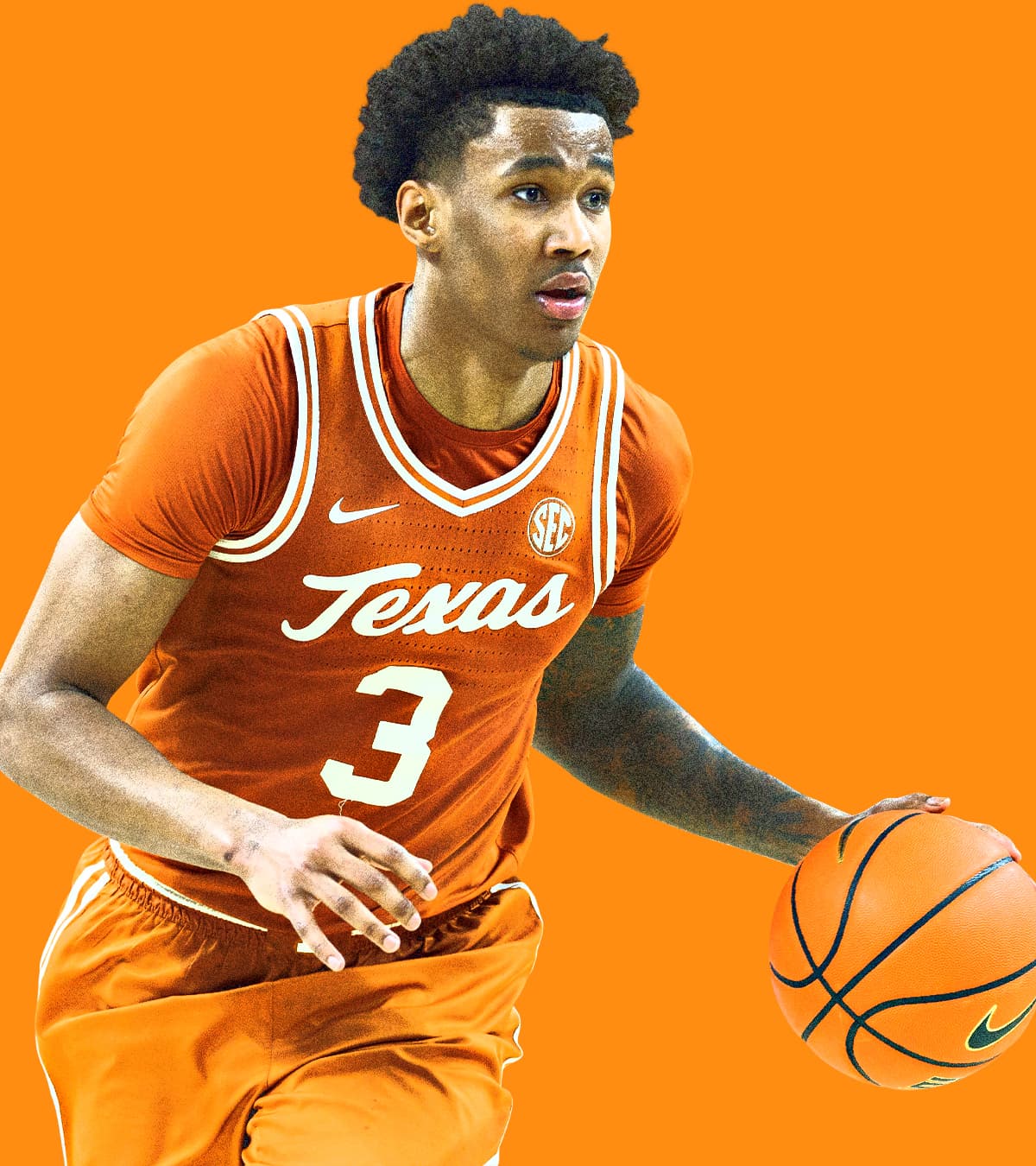
DailynSwain
If the Bulls end up with Caleb Wilson at four, Swain would be another big push in the direction of athletic rim pressure and defensive disruption. This would be a worthy “grab the talent and figure it out” move for Chicago. Shooting is a looming question for Swain, but he is an underrated playmaker with legitimate positional size and the ability to handle the ball. He is one of the real under-the-radar upside bets of the first round.
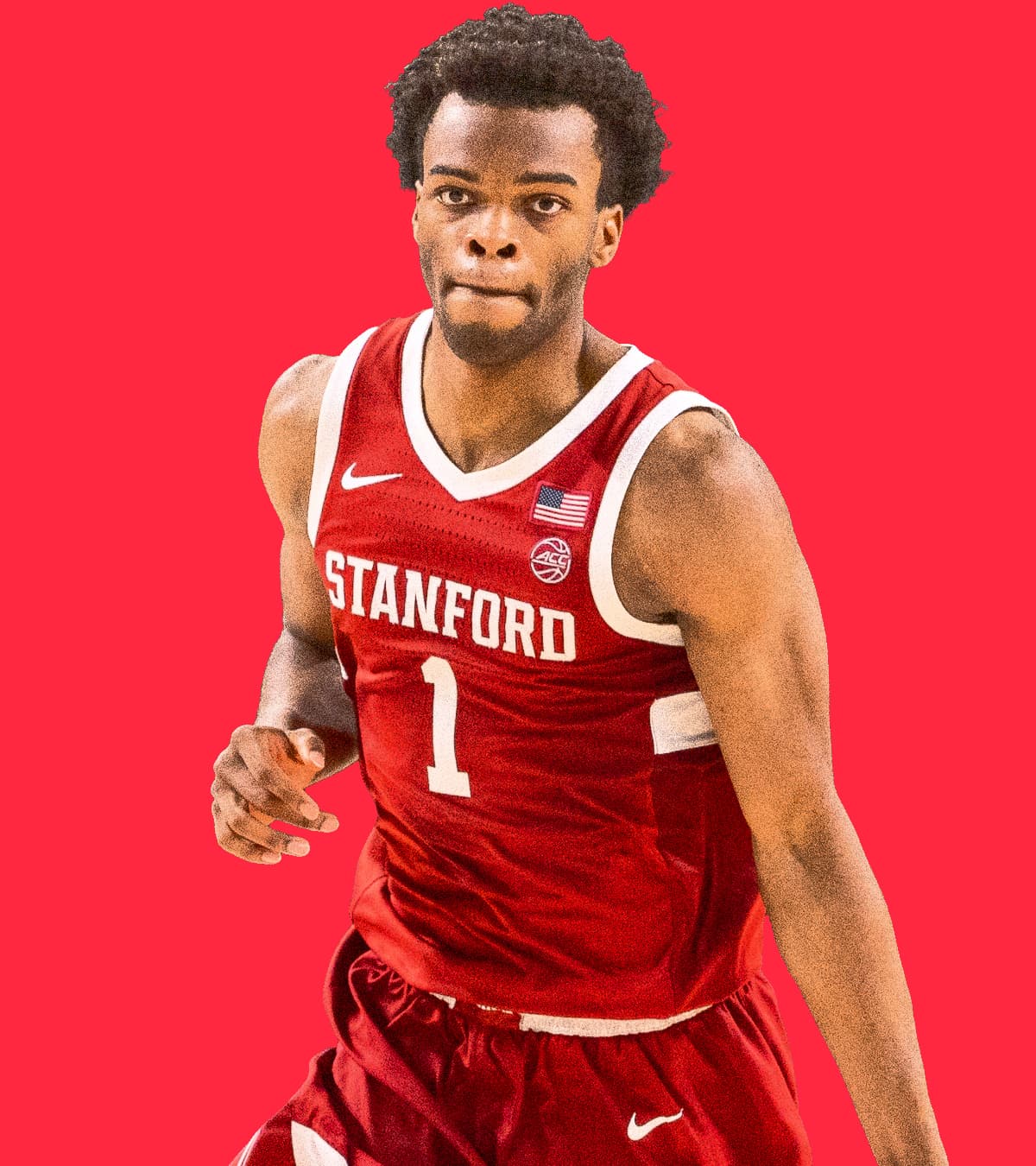
EbukaOkorie
I had fun earlier in this mock imagining what the Grizzlies could look like if they kept Ja around, but a clean slate feels like the more sensible approach. While he’s nowhere near the player Morant was coming out of college, Okorie would provide a similar downhill electricity with the ball in his hands, only without the implied touches that would eat into Darryn Peterson’s developmental runway. Ten players in all of Division I averaged 20 or more paint touches per game last season, and Okorie—at 6 feet, 1 1/4 inches tall with a wingspan of 6 feet, 7 3/4 inches—was the most efficient of all of them on those plays.
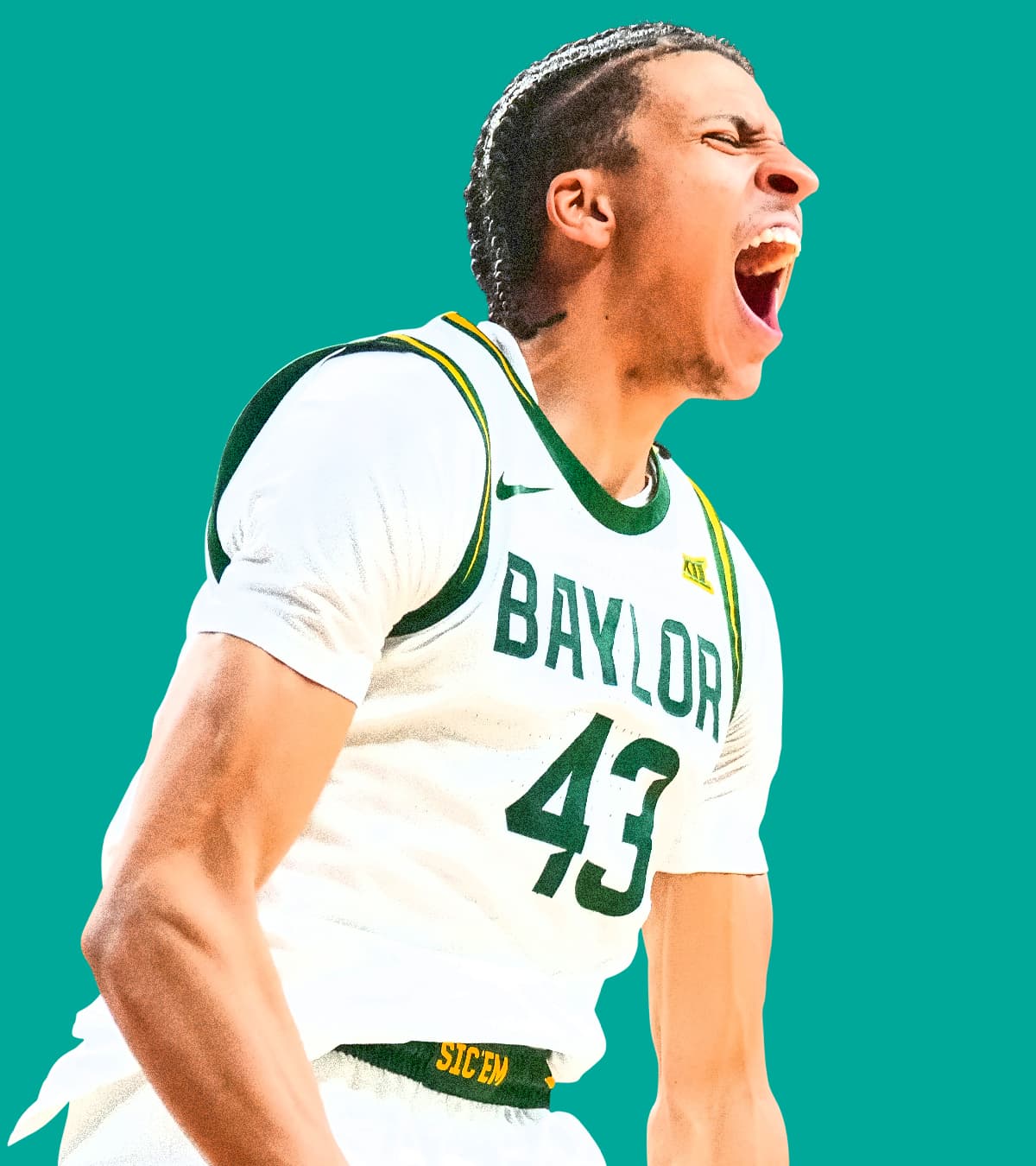
CameronCarr
Carr’s life as a prospect has been up-and-down. He barely played his freshman year at Tennessee, but he transferred to Baylor and suddenly became one of the most compelling two-way wings in college basketball. He continued to gain momentum after the combine, where he measured well, shot the shit out of the ball in drills, and then played fantastically in the scrimmages, but it’s tough to get a clear read on his range—did he do enough in Chicago to climb closer to the 10th pick, or will he stay in the mid-teens? Luckily for him, the tape speaks clearly. It remains to be seen whether the Thunder will be picking here, but Carr is the kind of long and athletic floor spacer who could help any team.
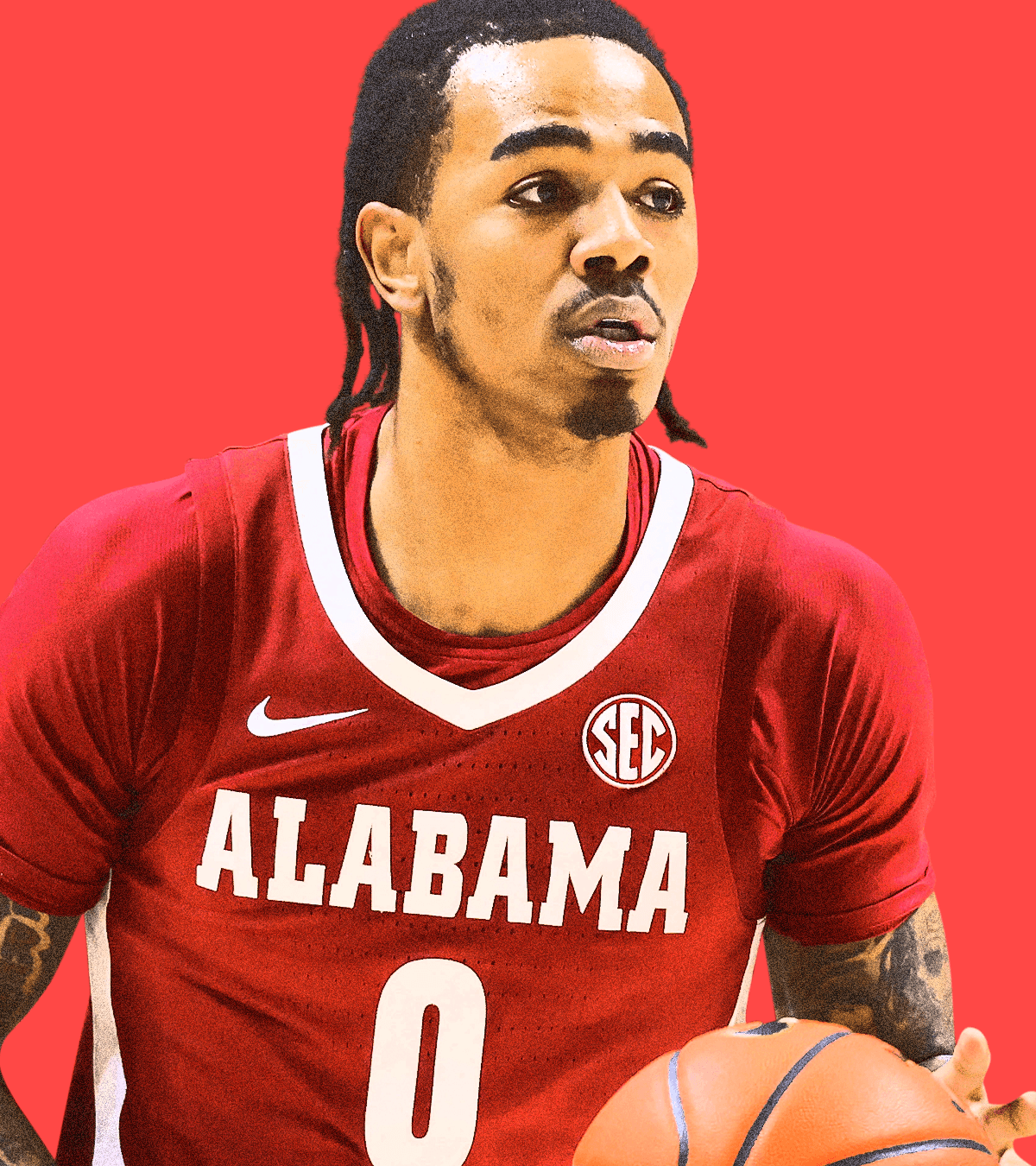
LabaronPhilon Jr.
Philon is one of the tougher players to pin down when talking to people around the league. You rarely find someone who doesn’t like him, yet there’s a chance he’ll fall into the late teens if front offices aren’t sold that he has starter-level upside. The teams in this range are crossing their fingers that he falls, because all of his best attributes—a blend of aggressiveness and steadiness in the half court, scoring chops proved over an excellent sophomore season at Alabama, and overall feel—can still be impactful when scaled down into a supplemental role. If this scenario does come to fruition and the Hornets land Labaron and Morez Johnson Jr., I’m throwing a parade. Philon would give Charlotte some real flexibility in its rotation as a table setter. He could come off the bench and play behind or alongside Coby White (assuming he returns in free agency), who prefers to be a scorer, while also having the capability to play with some combination of the starters. He, like Johnson, would add some needed grit to the team.

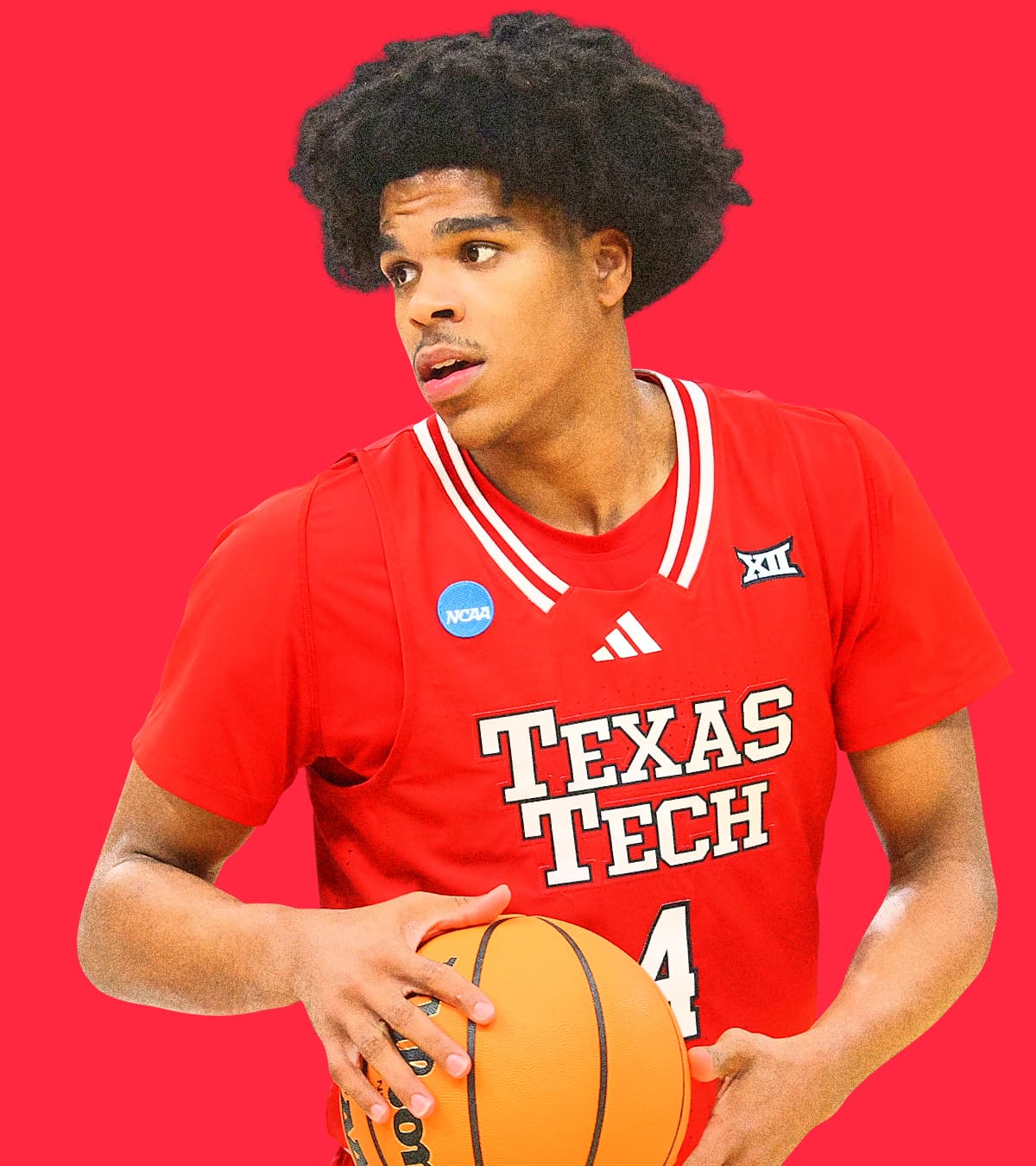
ChristianAnderson
The Raptors checked one box in their attempt to steady their franchise, putting all of their lanky athletes to use on the defensive end and vaulting to fifth in the league in defensive rating last season. But Toronto still does not have the requisite level of shooting talent to create spacing on the offensive end. Anderson is unlikely to radically overhaul this team’s identity, but he would add very helpful shooting gravity, with or without the ball.

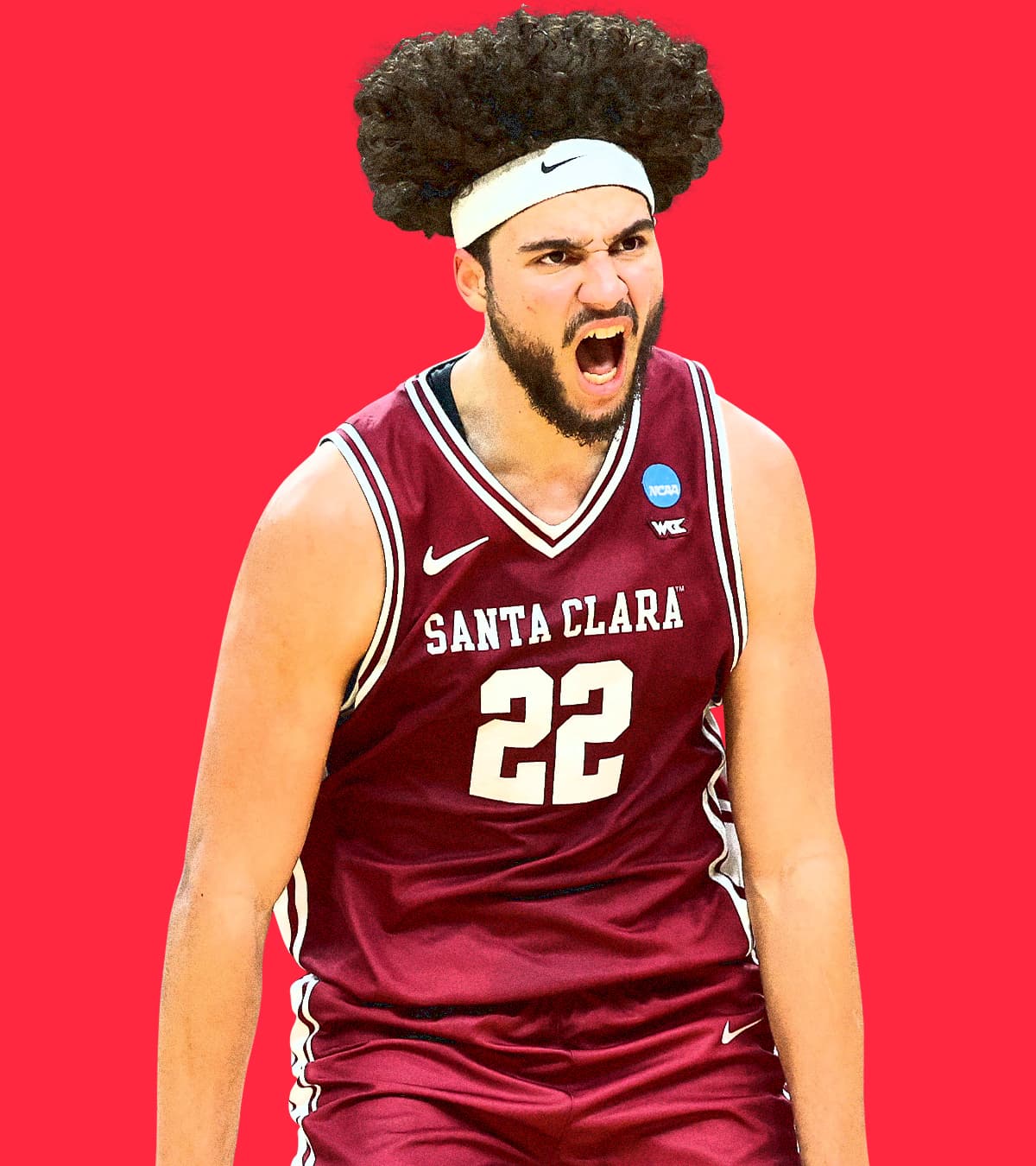
AllenGraves
Graves’s decision to stay in the draft and only work out for teams in the top 20 has led many to believe that he has a firm promise somewhere in that range. The Spurs are one of the teams linked to Graves, and I’d have to imagine their interest only increased as they advanced in the playoffs. Graves could eventually pair with ascending rookie Carter Bryant to shore up San Antonio’s frontcourt in the likely event that Harrison Barnes leaves in unrestricted free agency. Bryant is a vastly superior defender in every respect, but Graves is a more dependable stationary shooter and a better connective passer at this point.

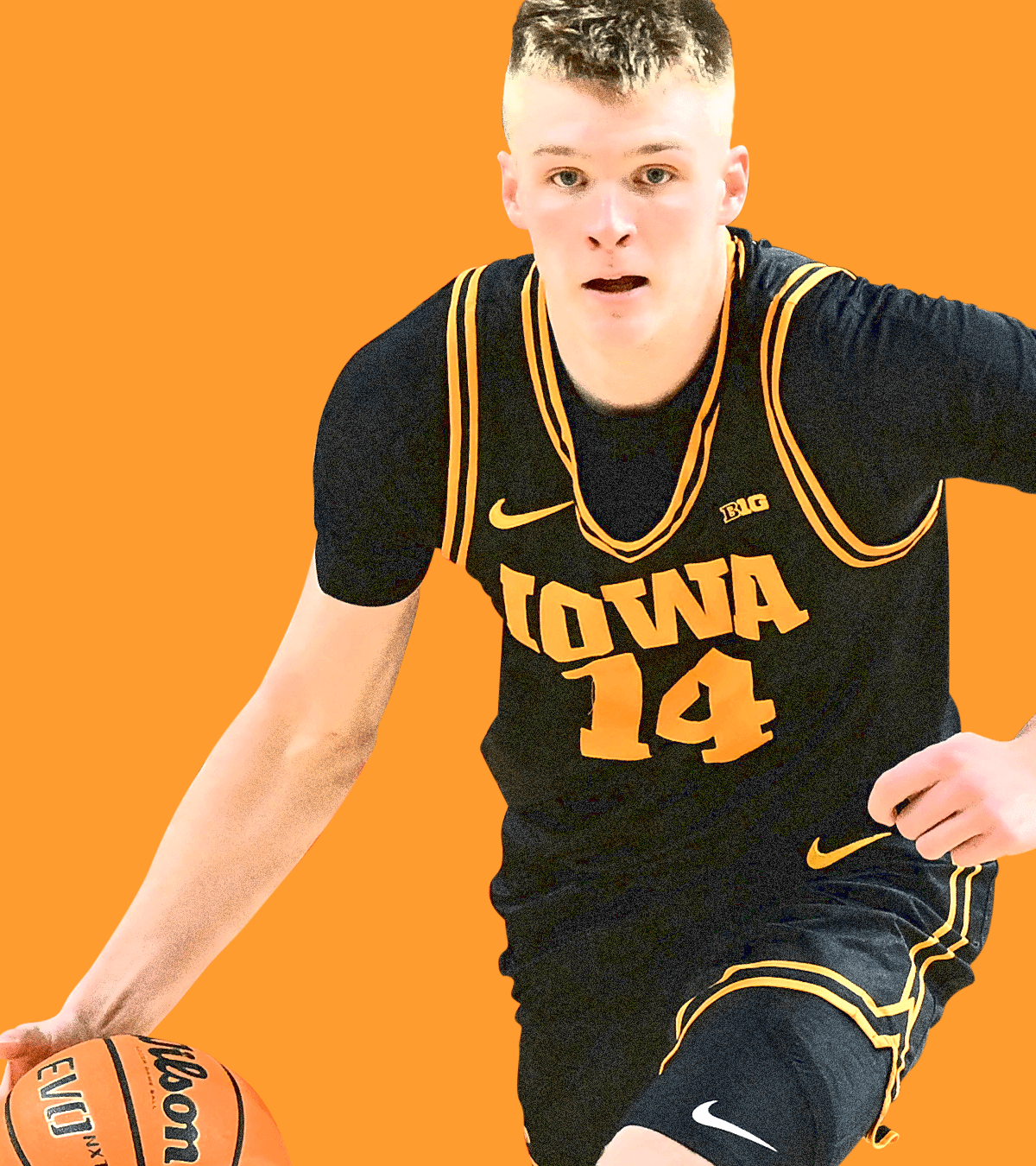
BennettStirtz
If anyone can feel Cade Cunningham’s pain as a heavily burdened ball-screen operator with little to no relief, it’s Stirtz, who had a similar role this past season at Iowa (and every level he’s played at, if we’re being honest). So the two of them teaming up is one of my favorite hypotheticals in the draft. But despite Stirtz’s long stint running the show, he should perform well in a Cade-centric offense. His dynamic shooting would give Cunningham needed breathing room, and he could be a steady set of hands to take the wheel when Detroit’s star is not on the floor. The synergy goes both ways, too: If any team is equipped to protect Stirtz with length, athleticism, and physicality, it’s the Pistons.

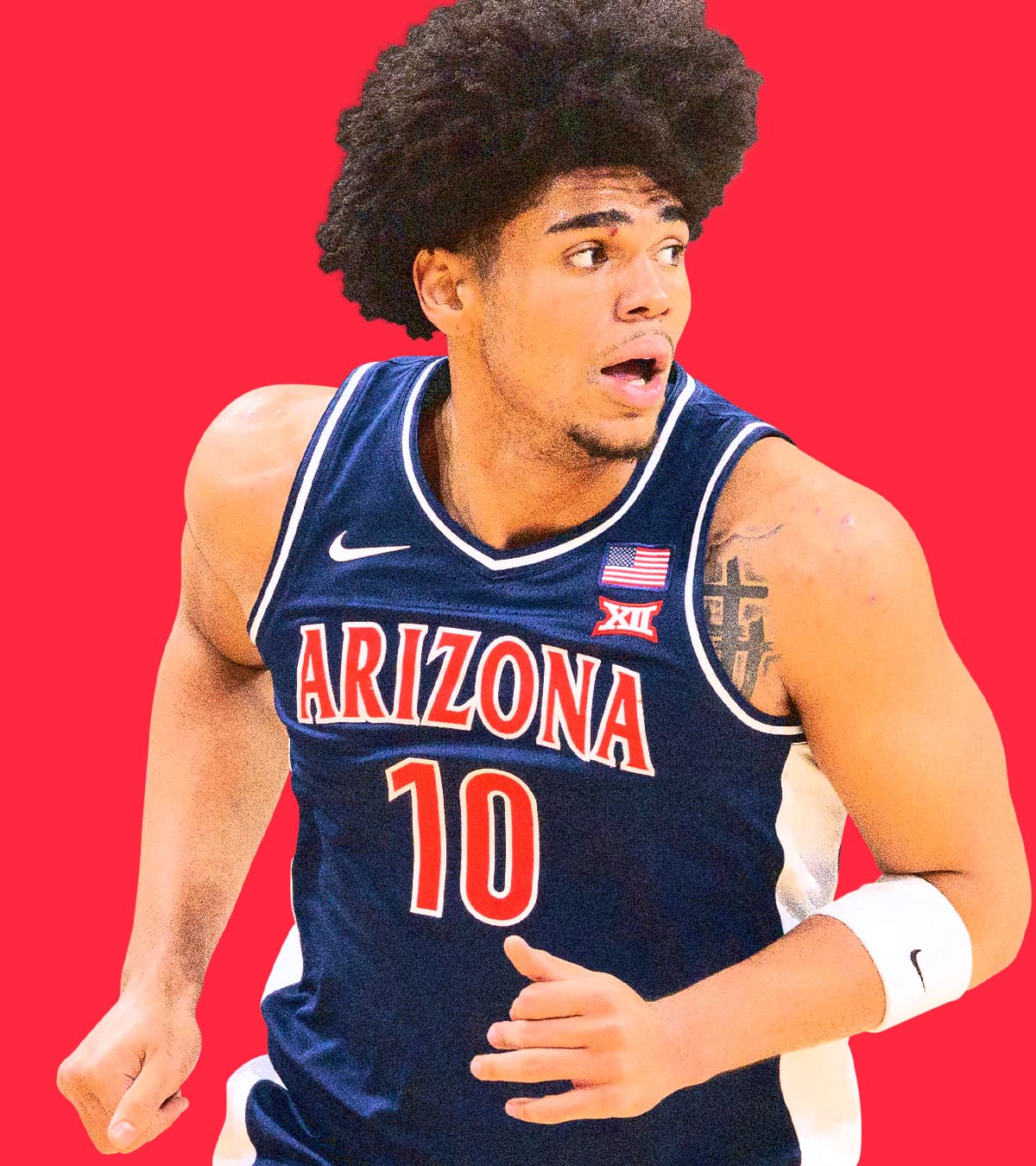
KoaPeat
The Sixers are in the unique situation of having a dominant center who likes to score near the rim sometimes and doesn’t have an appetite for the grittier work in the paint. So I get the sense that they are looking for a convergence of exceptional physicality, the ability to create offense in the paint and near the rim, and skill and versatility at the 4. Luckily, there are a number of candidates who can help them with that at this stage of the draft. Peat has an unusual cross section of lateral quickness and brute strength on the defensive end, and he’s also a pretty terrific passer once he’s caught the ball on the move inside the arc.
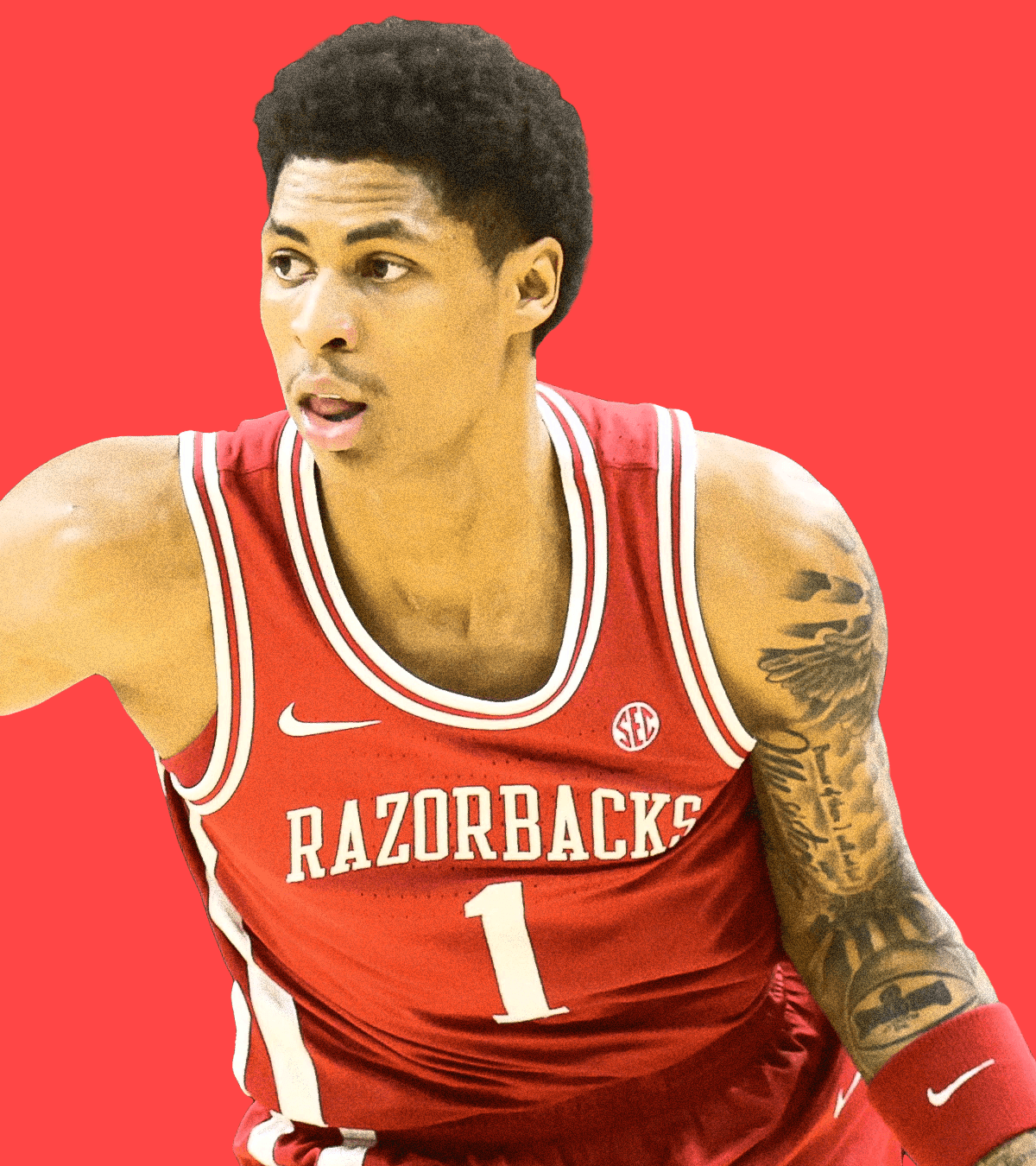
MeleekThomas
Thomas is a plus offensive NBA role player hiding in plain sight. He’s quietly one of the best shooters in this draft, and if the Hawks decide to take Kingston Flemings with their first pick, Thomas would really mesh with Flemings’ kinetic style—possibly even more than he did with the methodical Darius Acuff Jr. this past season at Arkansas. Thomas will have to work on his physicality and handle if he ever wants to evolve into a consistent on-ball threat, but placed next to Atlanta’s speed and athleticism, Meleek’s ability to accumulate offense without needing his number called could be a real thorn in defenses’ sides.

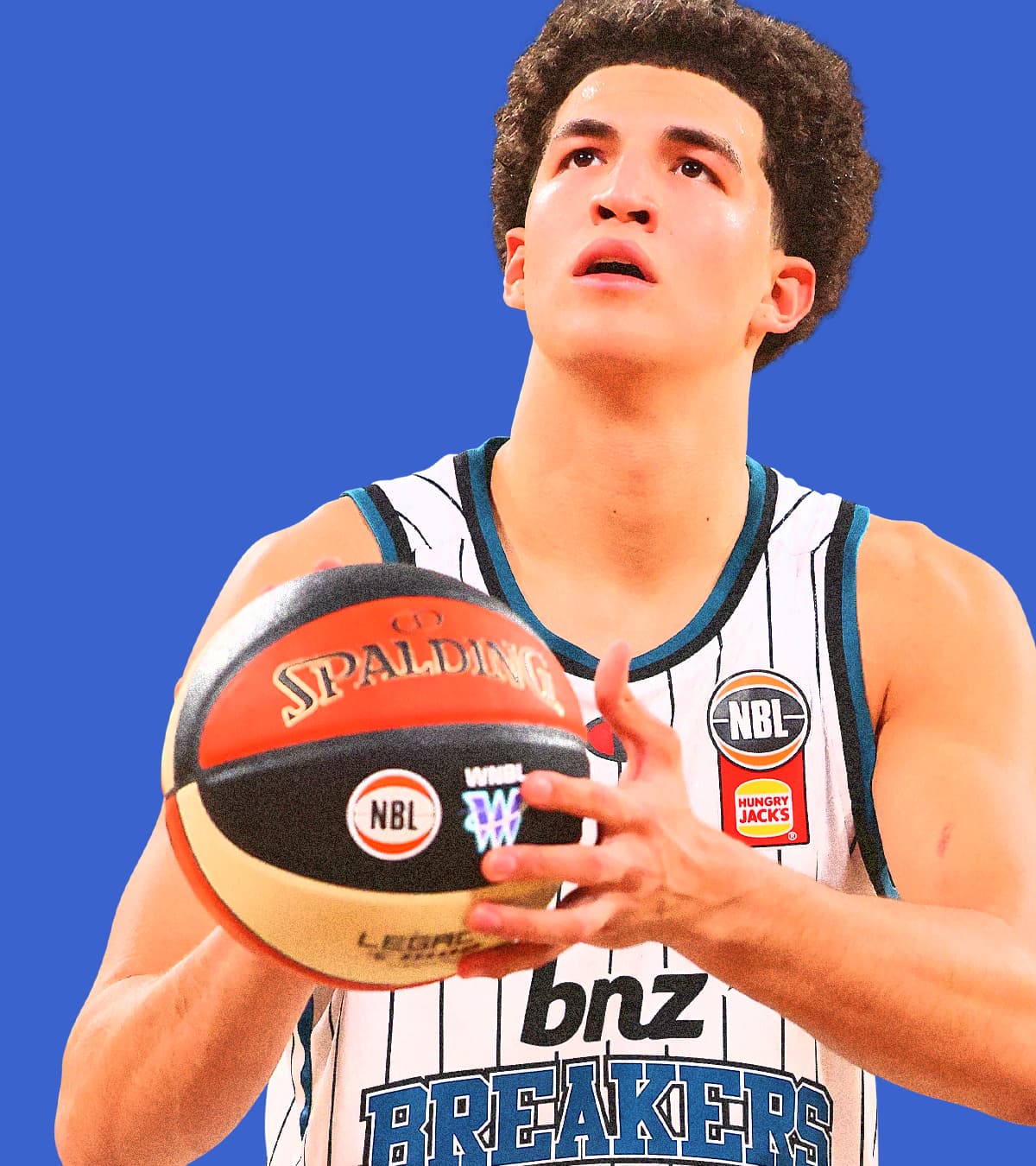
KarimLopez
The Knicks are rumored to be interested in moving this pick and keeping only their selection at the top of the second round in order to land a cheaper/older player who could help keep the costs down on their very expensive roster. If they do keep it, this would be a good opportunity to intercept a high-upside player like López, who could go well before this. López has one of the wider ranges in this class, according to evaluators that I talk to. He’ll need some time to grow his skill level, regardless of where he’s taken, but he’s a truck of a wing forward and a player who flashes some downhill ability and a feel for the game.

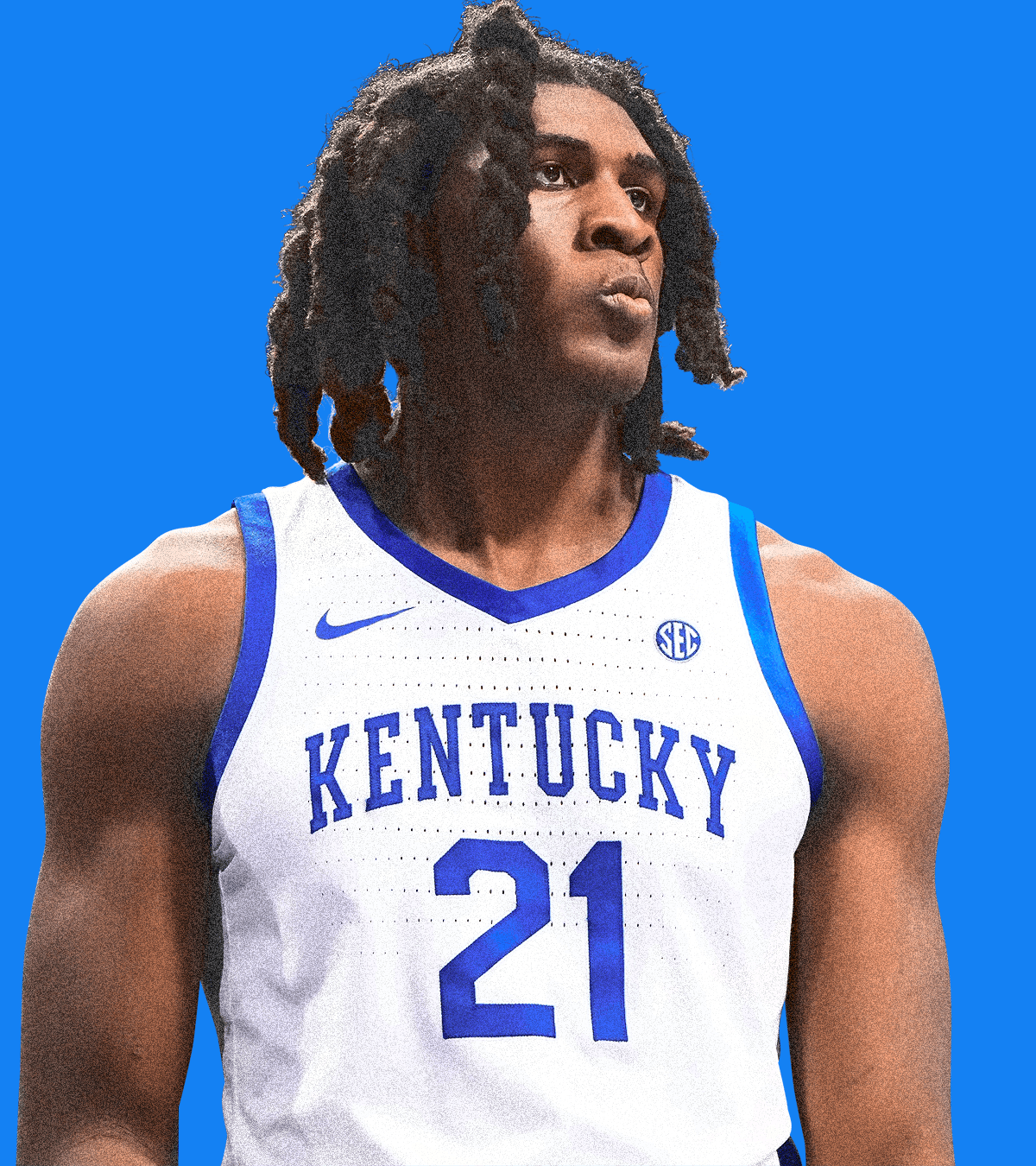
JaydenQuaintance
Life with Luka Doncic can be tricky for guys who have grand aspirations or ideas about who they are as players. But for some, life gets simpler in a glorious way around Doncic, and Quaintance fits that bill to a T. If you’re focusing on Quaintance’s choppy and ridiculously brief tenure at Kentucky due to his injury recovery, you’re not going to come away with a clear picture of who this guy could become. Watching his tape from Arizona State a season prior is the way to go. I think he’s an All-Defense-level prospect on one end and the type of powerhouse who can punctuate Luka pick-and-rolls 10 to 15 times a game on the other. It comes down to health for Quaintance, but at pick no. 25, he is more than worth the risk.

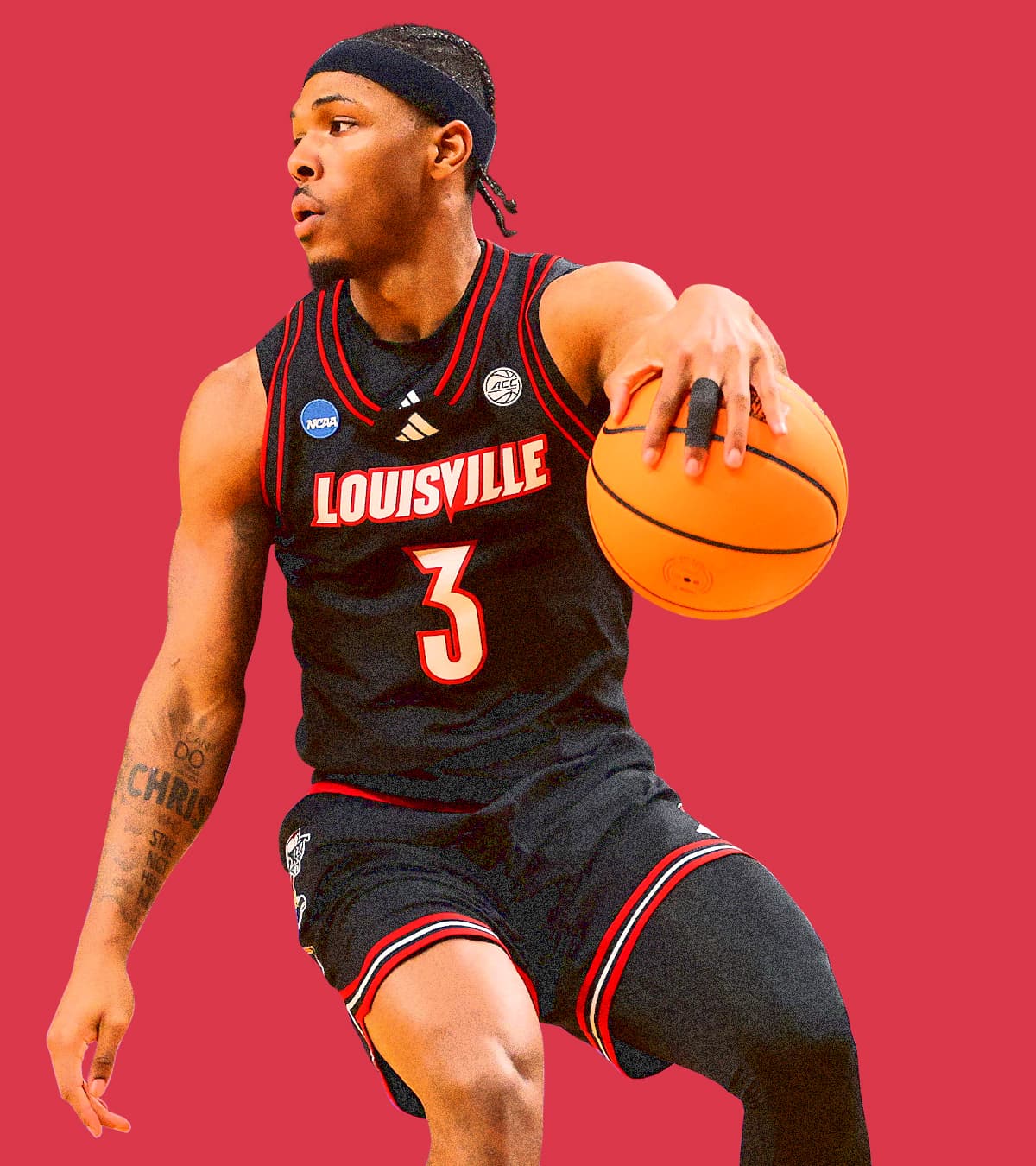
RyanConwell
This spot may seem high for Conwell, but his name has come up consistently in hypotheticals where the defensive-leaning rotation bigs are off the table. So I could see the Nuggets taking the sturdily built and skilled guard who fits their system perfectly. He’s a quick-triggered movement shooter from 3, as well as an exceptional cutter. Conwell also played in offenses that ran through talented passing big men at every stop of his college career, so he’s practically lab-designed to be a role player for Nikola Jokic.

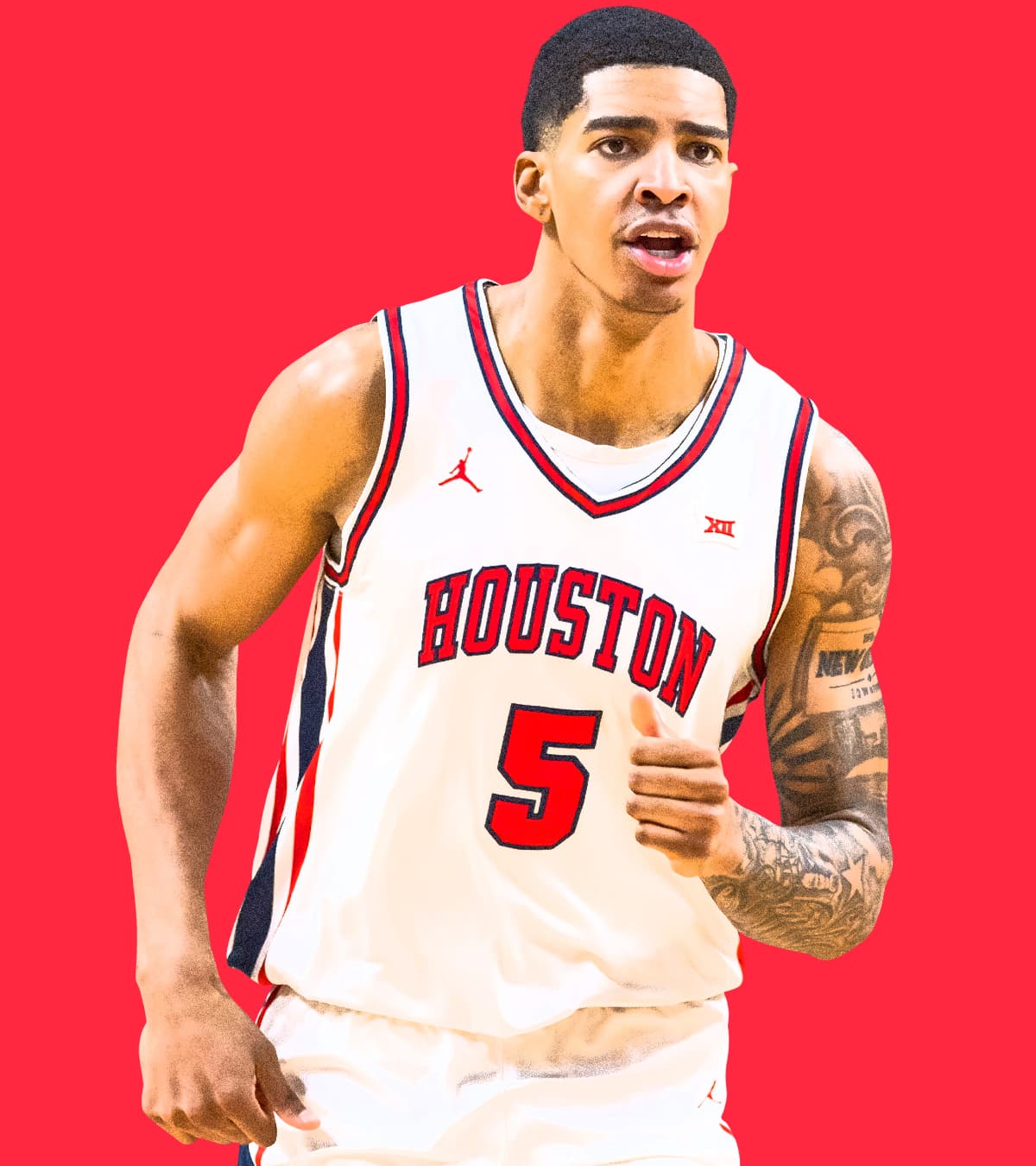
ChrisCenac
Big scoring forwards who supposedly stretch the floor yet seem averse to attacking the rim make me really nervous because they often net out somewhere in an inefficient middle ground that teams just can’t afford to have on the floor. For that reason, Cenac would be a stay-away prospect for me earlier in the draft, but he has some redeeming, minable traits that the right organization in this range could unearth. His size, motor, and mobility give him a chance to have an impact on the defensive end. If he can feng shui those troublesome deep 2s out of his life, he could become a worthwhile project for a competitive team like Boston.


SergioDe Larrea
It wouldn’t shock me at all if this pick is moved. (In fact, all of these picks in the 25-30 range could move.) If it doesn’t, De Larrea makes sense. He may not be the proactive ballhandling catalyst that Minnesota could really use, but he’s a big and steady decision-maker who can shift his creation skills to playing off the catch. Factor in that he’s been a consistently good shooter from 3, and you can see how this fit could be attractive for Minnesota.

HenriVeesaar
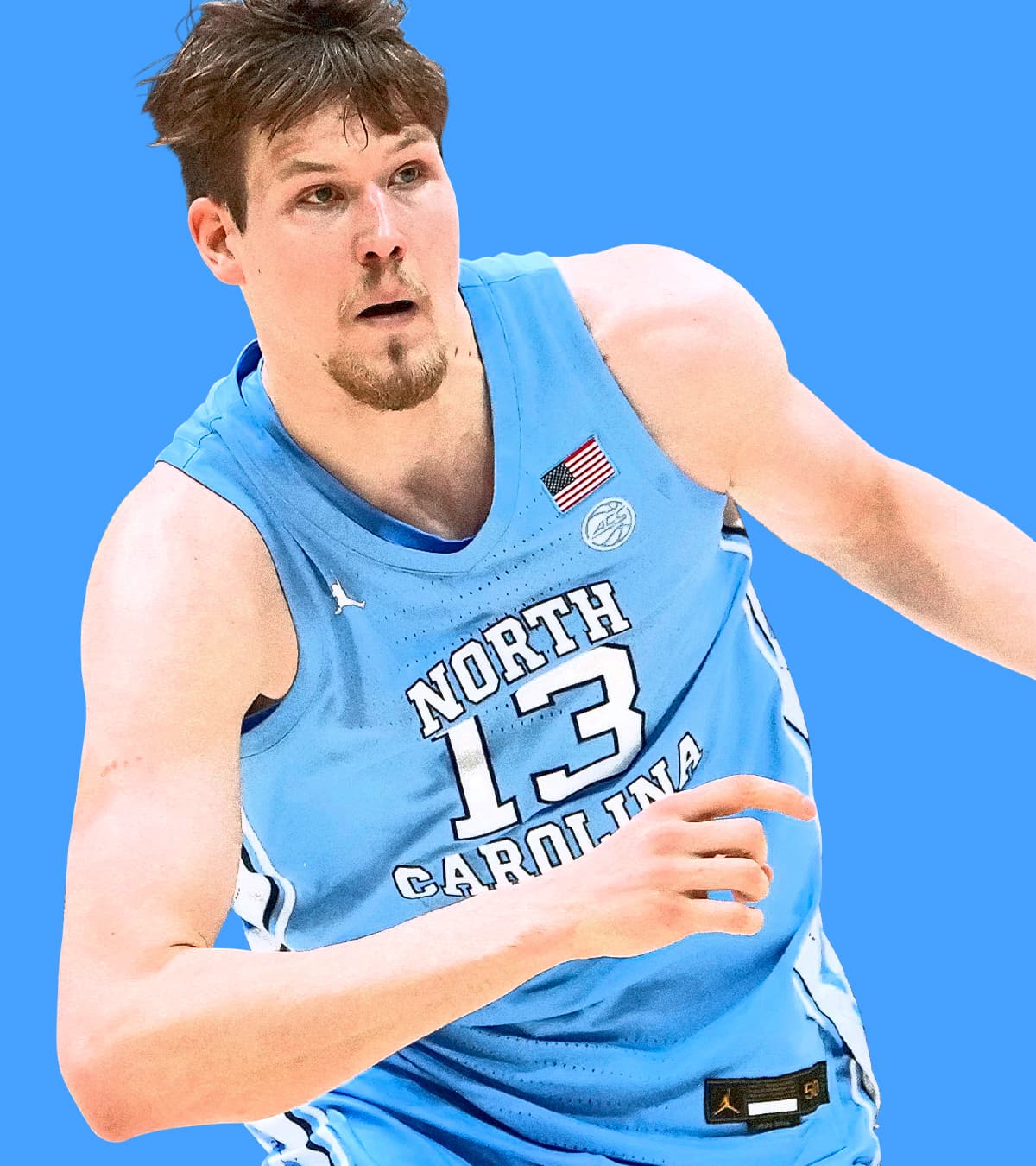
I’m sure you’ve pondered this question at some point or another: What if Quinten Post could put it on the floor a little bit and dunked everything? Well, the answer you’ve been waiting for is Henri Veesaar. So if the (very expensive) Cavs stand pat and make this pick for themselves, Veesaar would be a solid option. He’s the type of versatile big who could provide some spacing at the 4 next to Evan Mobley or Jarrett Allen.
IsaiahEvans
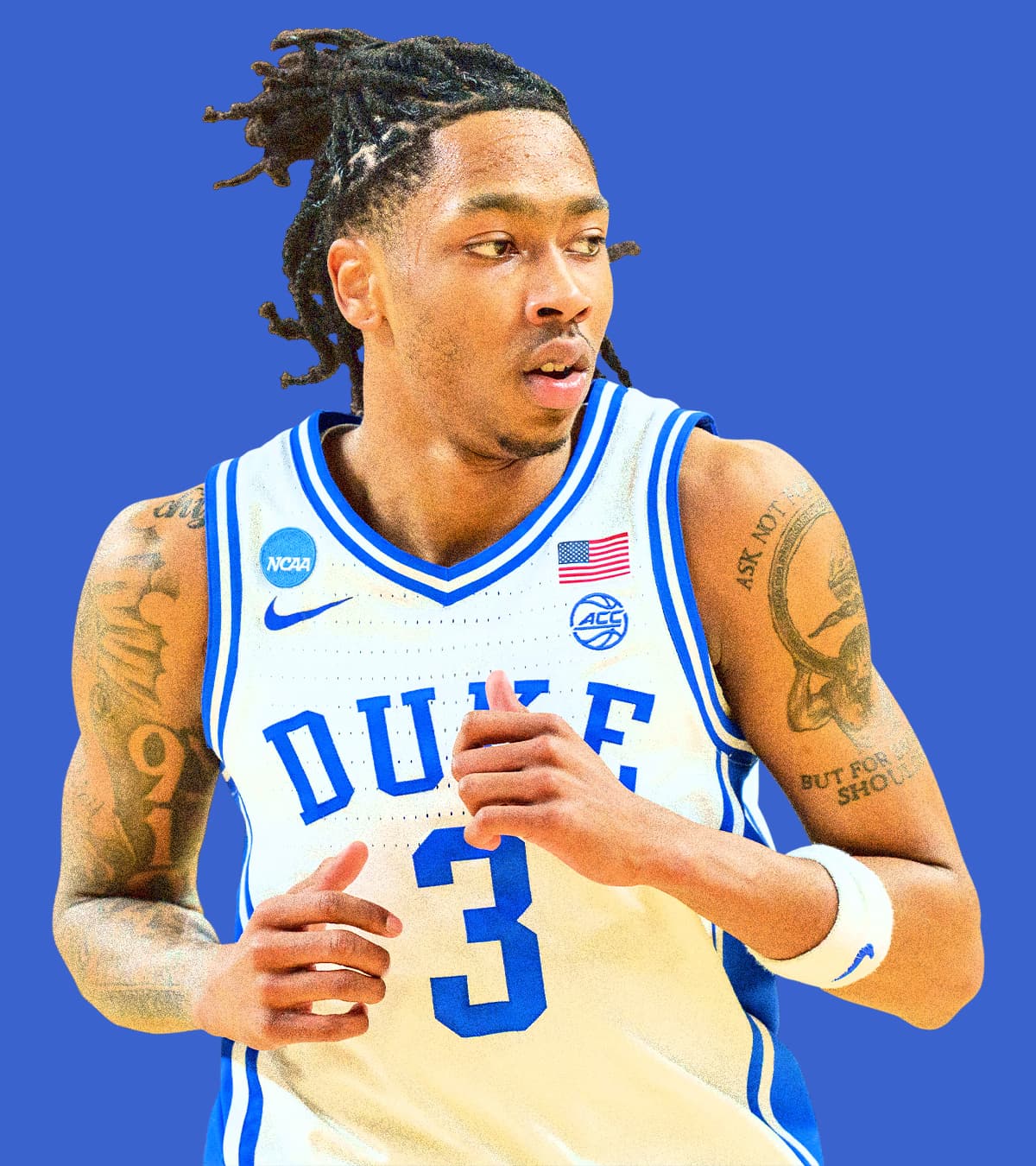
The Mavs were one of the least prolific and least efficient catch-and-shoot teams from 3-point territory last season, so adding Evans, a versatile perimeter threat who can also make an impact on defense, to their earlier pick of Brayden Burries would be a nice way to end the first round. Evans is an off-ball merchant who can really get hot and light it up from 3. And as an added bonus, the Duke sophomore has some experience playing with Cooper Flagg.