Kyle Mann graded every first-round pick in the 2026 NBA draft. How did your team fare?


AJDybantsa
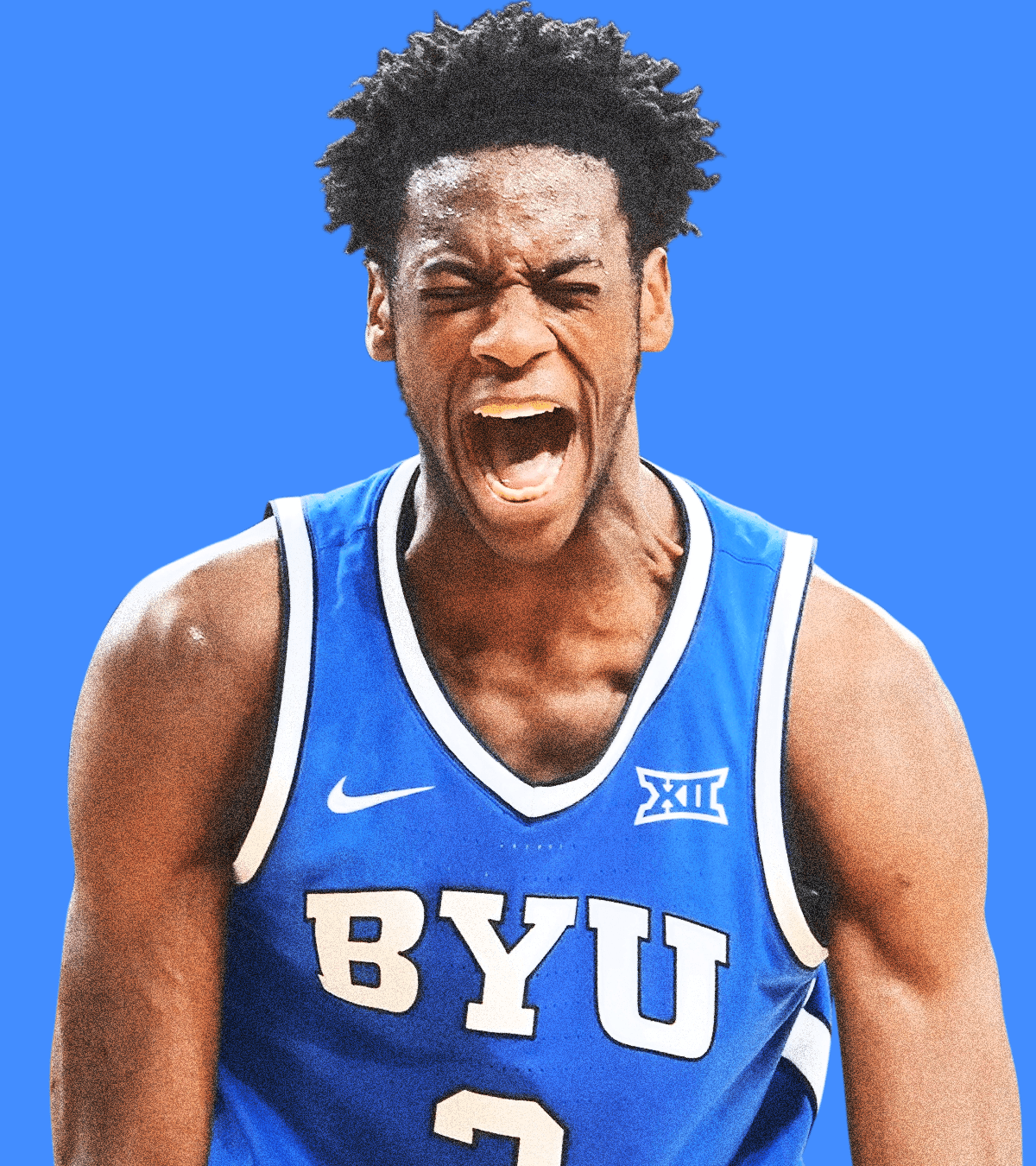
It’s a new day in Washington. For the first time since landing John Wall 16 years ago, Washington lucked into the top pick, and with it comes renewed hope and a new superstar talent. It would’ve been hard for the Wizards to not get an A grade here, but Dybantsa’s chances of being the best player in this class are great. If he maxes out all of his tremendous physical gifts, he could become one of the most dominant three-level scorers in the league (but especially in the midrange and at the rim), while also being a high-impact defender. Becoming a regular first-team All-NBA-caliber guy is well within his reach.
As an added bonus, this might be the perfect time for a 6-foot-9 perimeter scorer to arrive at the NBA level. Dybantsa is athletic, sure, but his superpower is his blend of grace and technique at his size, which he utilizes to attack the lane. For all of the fawning that’s gone on about pull-up shooting and spacing the floor, downhill potency is very much en vogue, and being rewarded more and more by the way games are officiated. And Dybantsa isn’t your average big forward. Eleven players averaged 20 or more paint touches per game in college basketball this past season. Ebuka Okorie and Darius Acuff Jr., both hovering in the 6-1 to 6-2 zone, were first and second on that list in efficiency. Dybantsa, who is gargantuan by comparison, was third.


DarrynPeterson
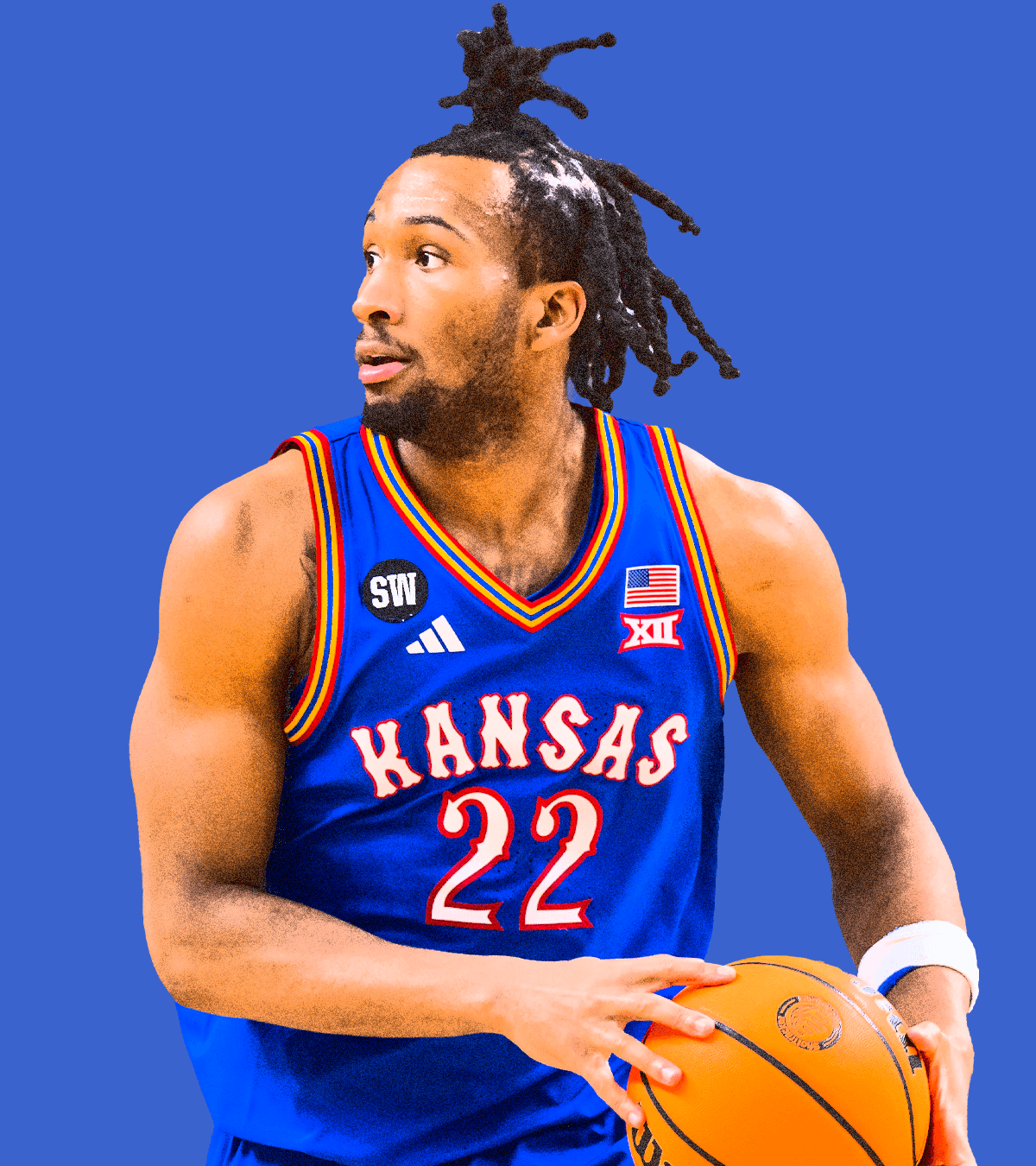
The Ainges will not be dissuaded from grabbing elite talent when given the opportunity. So we should’ve known that they and the Jazz wouldn’t pass up on Peterson, an elite offensive talent who was no. 1 on many boards, due to his messy freshman season at Kansas. Utah’s roster is now stocked with exceptional size and skill at the 3/4/5 spots with Ace Bailey, Lauri Markkanen, and Jaren Jackson Jr., all of whom can score from the perimeter and finish at the rim. Adding Peterson’s offensive creativity to that mix is going to cause the Jazz to not just skyrocket in terms of watchability, but also lead them to real, competitive basketball for the first time in years.
The only remaining question will be Peterson’s fit with Keyonte George, as both guards are slighter-framed, slippery off-the-bounce creators. But it would behoove both to work together to generate continuous circuits of ball movement by attacking, relocating, and then starting over, all at a rapid pace. Peterson is just as effective playing off the catch as off the dribble. He shot well from 3 and on non-rim paint 2s. Many have pointed to his lack of free throw generation and playmaking, but I saw his freshman season at Kansas as aberrational to what we’ve seen in the past: Those holes in his production were the result of him being unable to attack downhill for the first time possibly in his basketball career.


CamBoozer
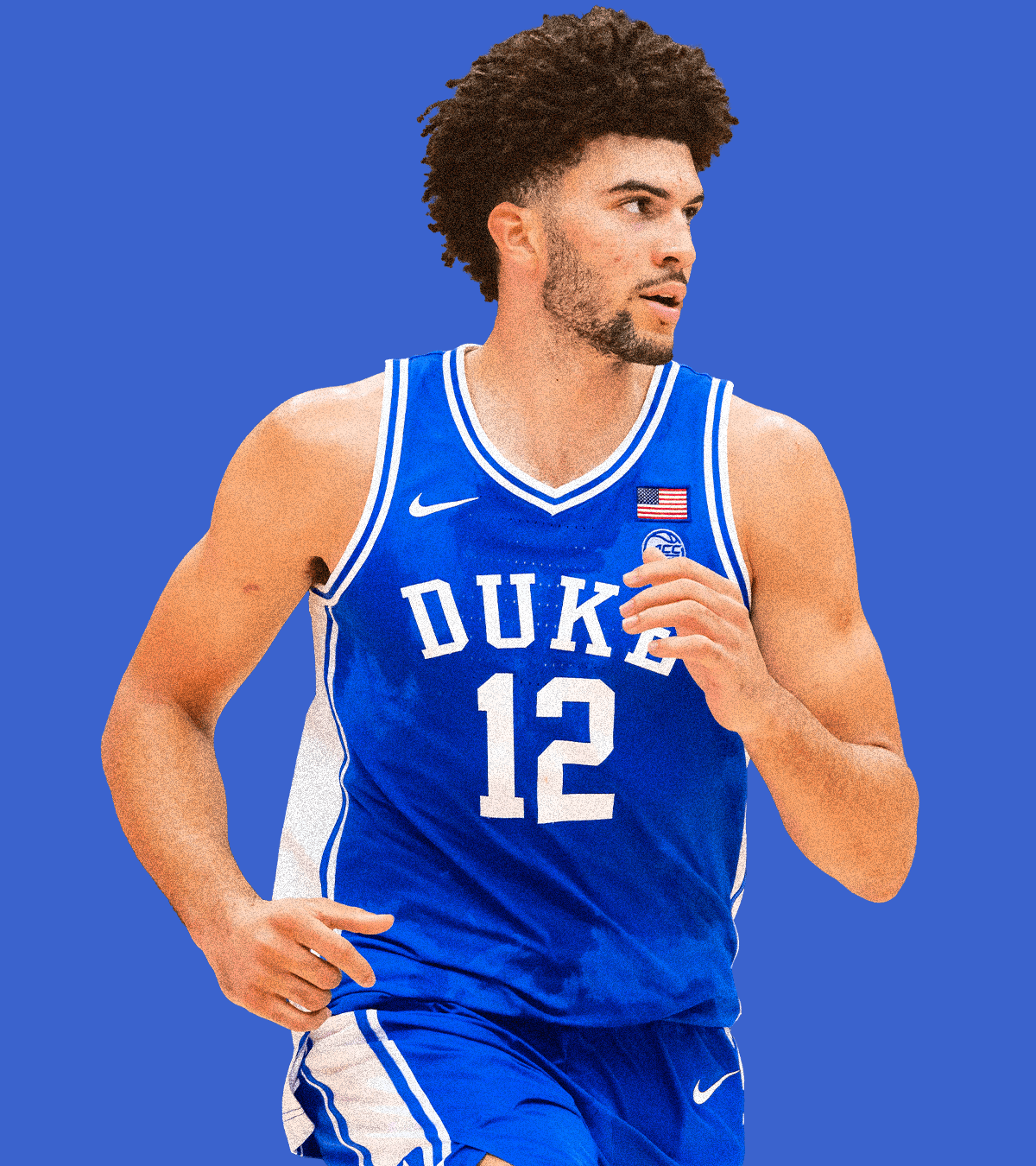
Everybody in the top three is getting an A+. It’s the easiest grading I’ve ever done, because any of these three guys could be a top pick in another class. Boozer ended at no. 1 on my board because of the range of things that he does on a basketball court—it’s as wide as a Vegas breakfast buffet, only without the dehydration and the regret. He’s a punishing force of physicality in the paint whose footwork and technique at the rim terrorized defenders, but he’s also grown into a spot-up threat from 3, and someone who can drive a straight-line closeout and bury that defender if he likes the matchup. He’s also an elite rebounder, the kind of screener that guards dream to be paired with, and one of the best passers in the entire class, regardless of position. His skillful unselfishness will take some playmaking pressure off Cedric Coward and Cam Spencer after most everyone on Memphis’s roster spent some time moonlighting out of position.
Now the Grizz can pivot away from their recent frustration and moonwalk into a new era where the anchoring player for their organization is a quietly (but immensely) confident player whose ruthless efficiency as a decision-maker and ever-burning fire as a competitor has produced winning at every stop of his young basketball career. “Grit and Grind” is a mantra that suggests relentless physicality over everything, perhaps even skill; but Boozer does both, and he does it all the damn time.


CalebWilson
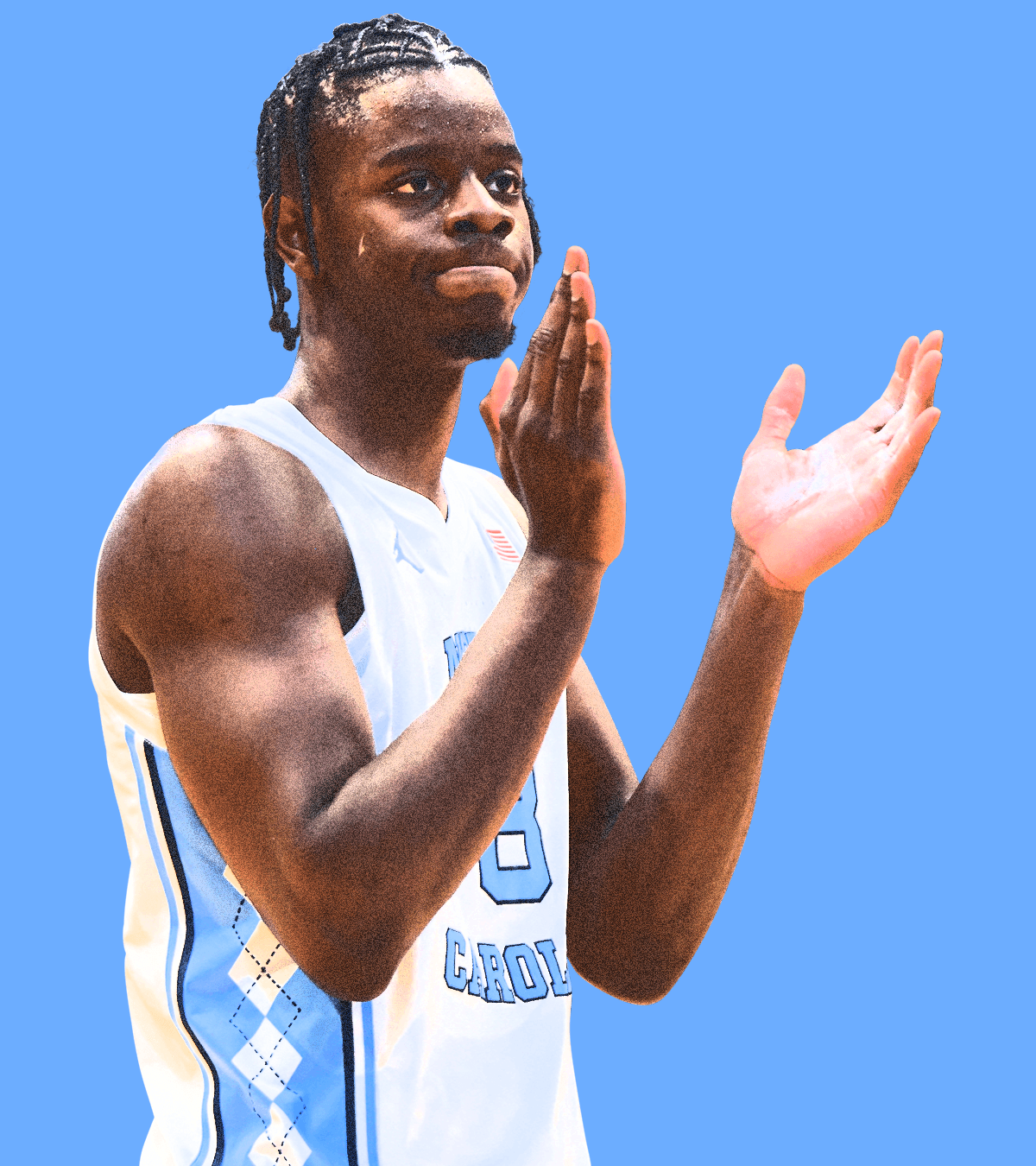
Wilson differs from the top three players taken in this draft because the intrigue about his game is driven less by the consistent things that we’ve seen and more about the glimpses of things that we’ve seen only in fits and starts. Caleb’s lanky high-wire act this past season stirred memories of sledgehammer-handed beanpoles like Giannis Antetokounmpo and Anthony Davis—rare players that can contort through spaces that normal bigger forwards can’t access, and then, somehow, weather the chaos at the rim and stay balanced enough to punch it on every person in the vicinity. Once Wilson gets some strength to help navigate those situations, hold on to your fuckin’ hat. And he’s a reasonable bet to sharpen more skills to add to that uncanny athleticism, including catch-and-shoot 3-pointers, playmaking, and special defensive versatility.
Given their recent front office regime change, I’m not all that concerned with what Chicago’s roster looks like at this point. It’s all about Wilson and Matas Buzelis for now. They grabbed arguably the highest-upside bet in the draft. Wilson is not a sure thing, but he’s a risk you take every single time.

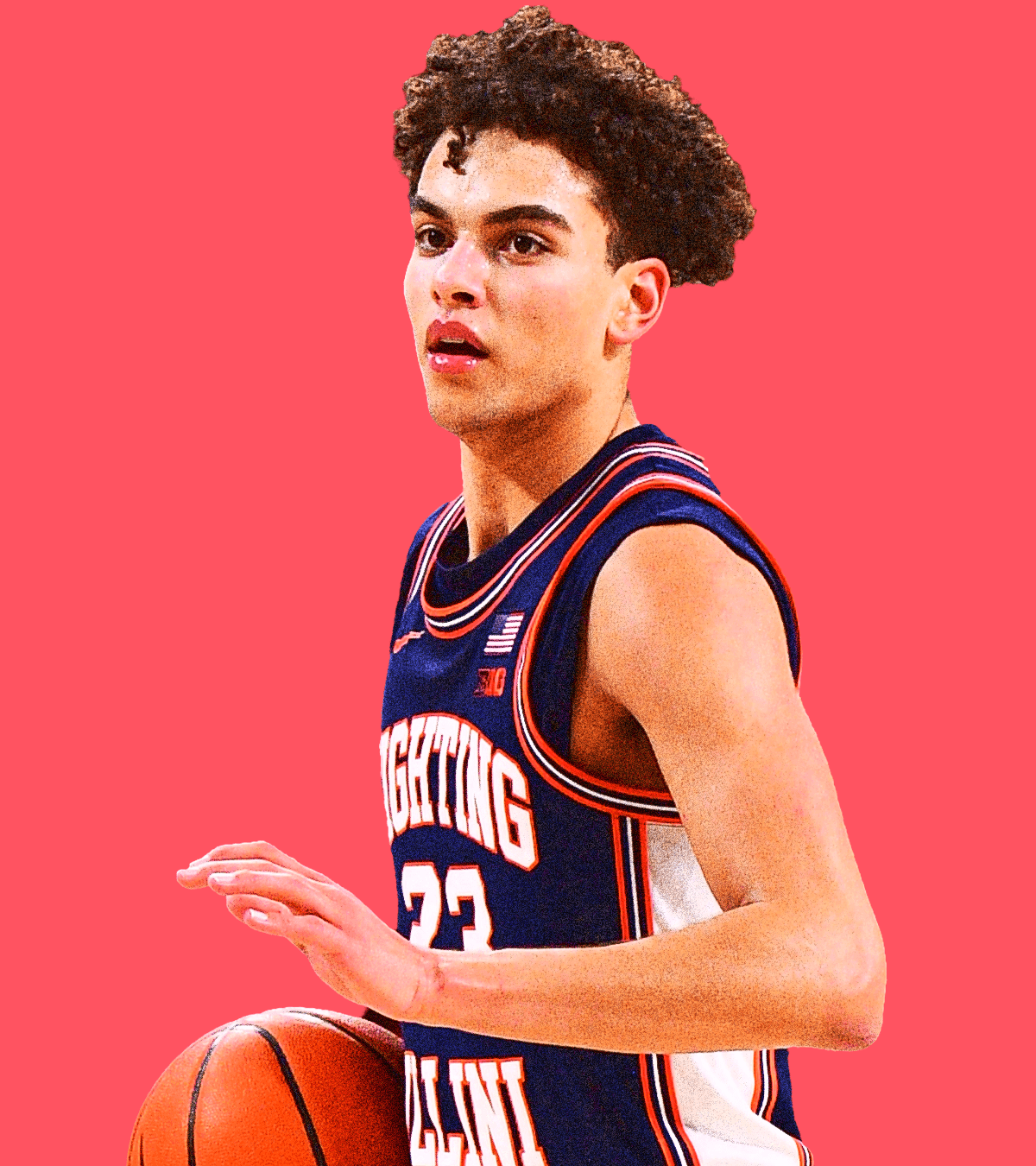

KeatonWagler
Lest we forget that it’s a minor miracle that the Clippers are here at all. The lottery balls that they got from the Pacers crawled through shit-smelling foulness that I can’t even imagine, and as a result, they snag a talent like Wagler. The 6-5 guard is compatible with most any situation in the NBA. He plays with an exacting pace with the ball in his hands, has effortless shooting touch from distance, and he’s a true universal donor who can connect the ball within any offense. The only looming concerns for Wagler will be how his skinny frame and general lack of power fit on the defensive end of the floor, especially when playing next to Darius Garland.
Wagler carried a gigantic pick-and-roll load at Illinois this past season and his overall efficiency was still really strong. Whether the Clippers decide to throw him out there as an extra creator with their starting talent immediately or bring him along slowly to get volume reps with the second unit, Wagler is capable of being integral to their future and additive to their present.

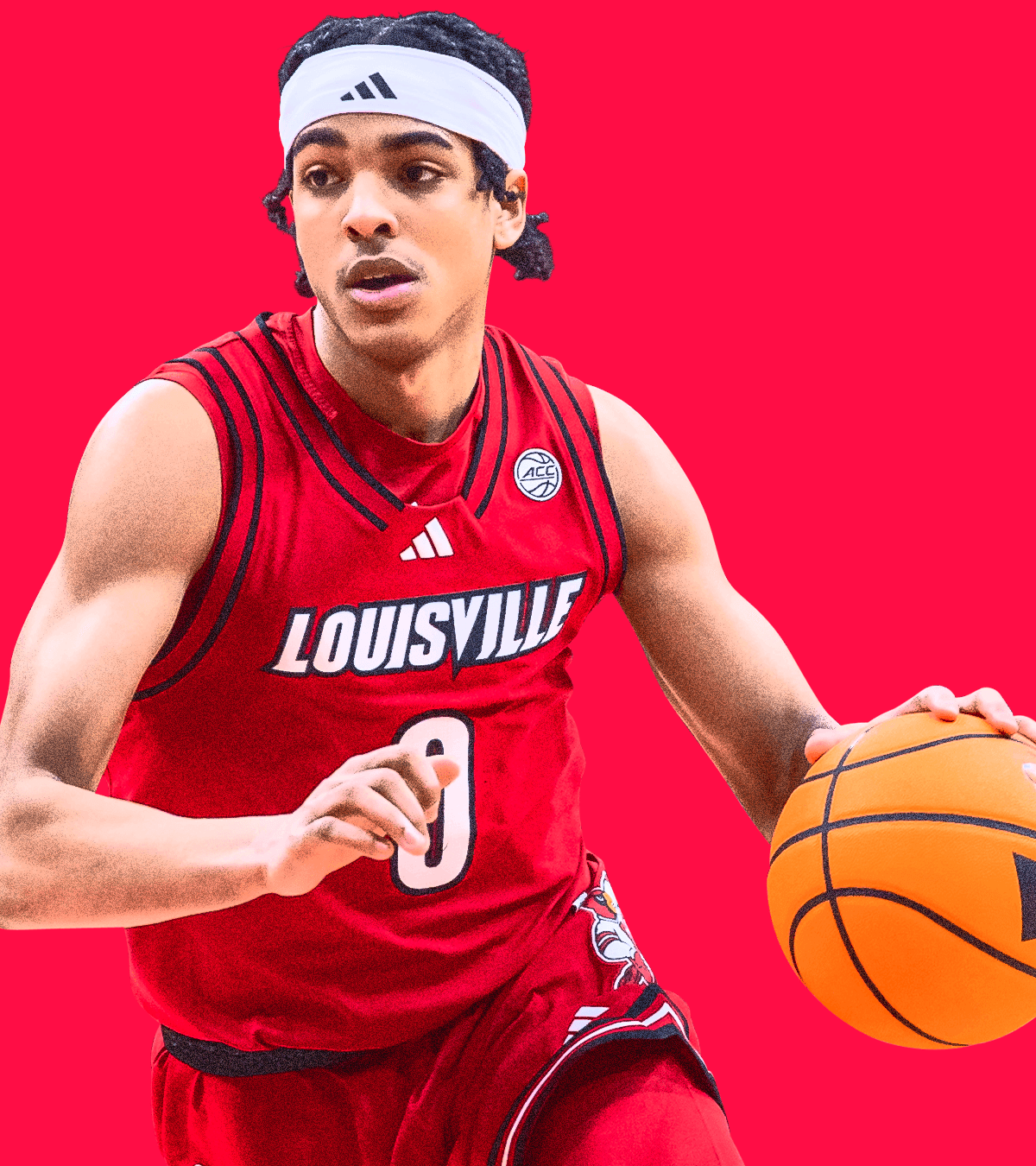

MikelBrown Jr.
Brown is a mixed bag of a prospect. He has really enticing upside: He operates fluidly with a live dribble while creating shots for himself and others, and he was electric from 3 this past season, commanding a high pickup point to stop him from launching it. But there were also some worrisome erratic stretches where his drives seemed somewhat aimless and he struggled to consistently keep the train on the tracks. The glass feels more half-empty to me because of those concerns, but Brooklyn doesn’t have a prospect on their roster that even comes close to showing the scoring chops that Mikel does, so I understand them taking the chance here.

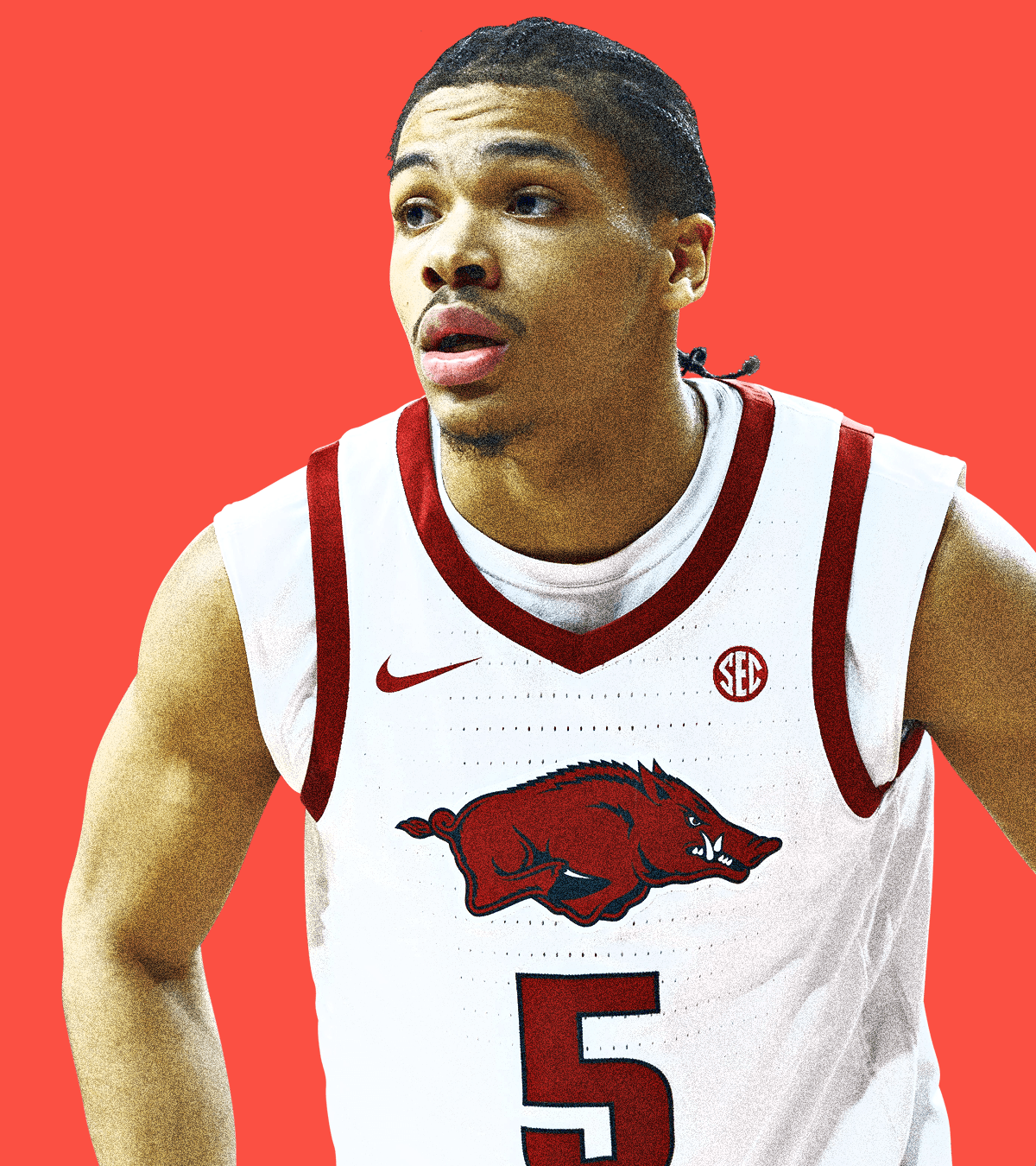

DariusAcuff Jr.
The Scott Perry prophecy is fulfilled! Acuff has been linked to the Kings here for months because of family ties (his dad played for the Sacramento GM in college), but even if he was a total stranger, his mentality and presence on the court would bring a combination of stability and talent that the Kings haven’t had since trading De’Aaron Fox last year. Acuff’s critics will point to the fact that he was hunted nonstop on defense in every important game that Arkansas played and that he always played with the ball in his hands. Time will certainly tell how much he works to improve the former and how flexible he is about scaling down into a lower-usage role, but Acuff’s talent is undeniable. He could become one of the mastermind game managers in the league.

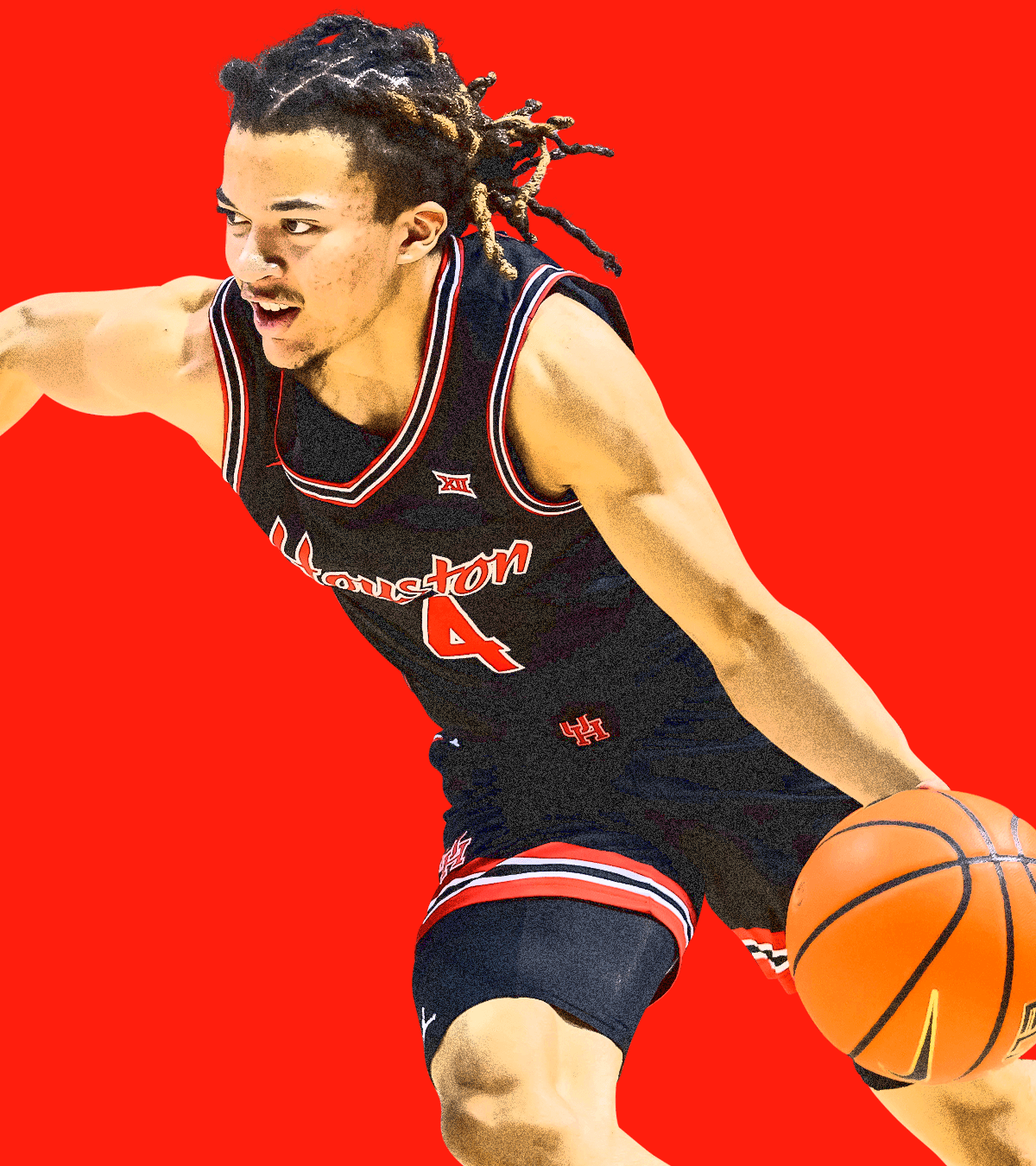

KingstonFlemings
Love this fit! Flemings is a screaming banshee of a point guard—fastest in the class in open space but headier and craftier in how he manages his gears than players with ridiculous speed typically are. He can score but doesn’t have a sabotaging appetite for it, and he’s an underrated ball mover in the half court who will tee up Atlanta’s rangy and physical wings. The Hawks are already a punishing team in transition, and Flemings will only pump oxygen into that fire with his ability to access the entire floor as a passer and pierce the initial line of the defense. This pick is still a risk because Atlanta wants to become a more serious playoff team, yet it just added a potential defensive target. Kingston will need some protection there as he learns the NBA game, but he has a good track record of being a fast study.

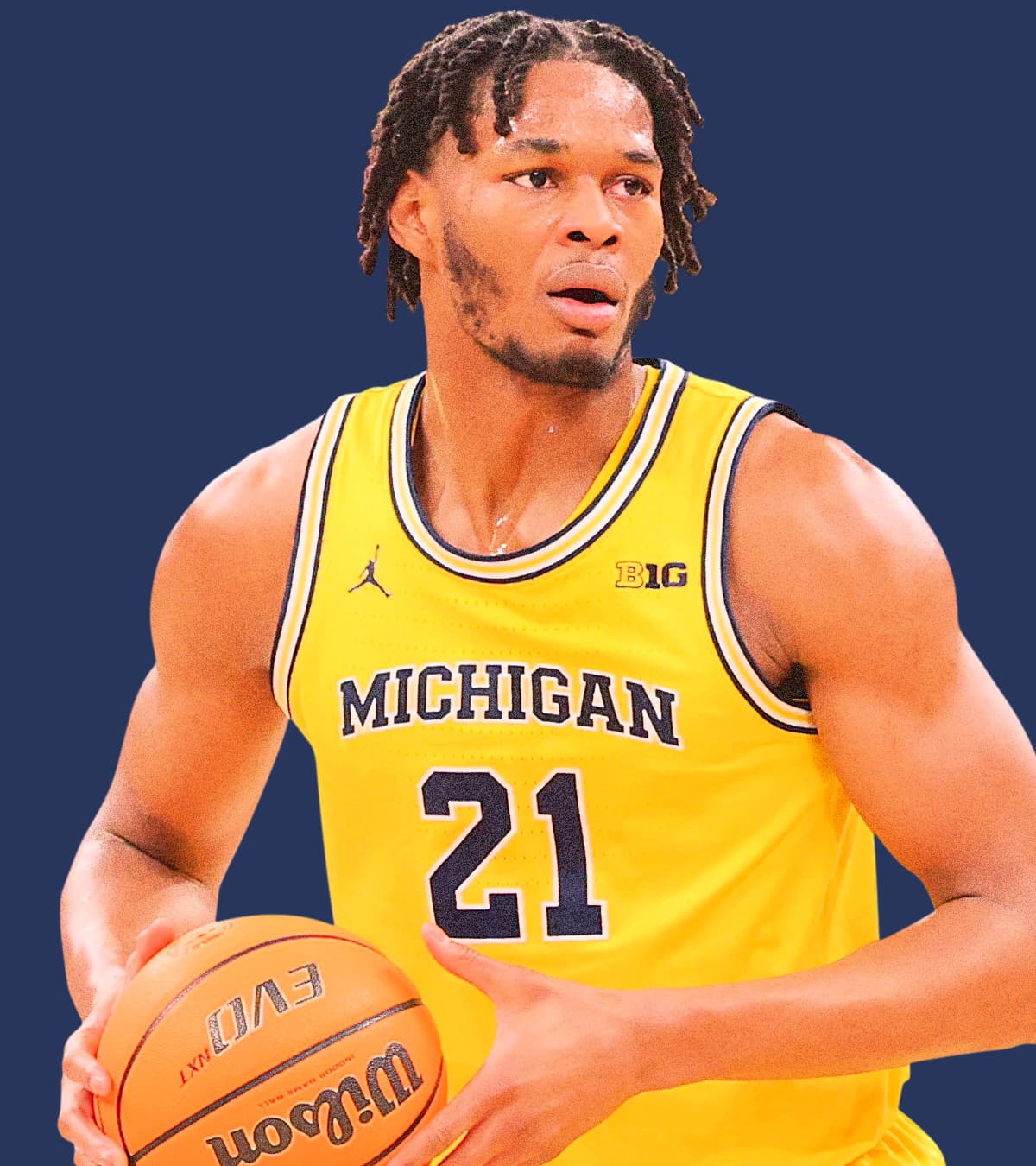

MorezJohnson
Dusty May’s influence felt immediately? One of the real luxuries of having Cooper Flagg as the center of your franchise is that his pliability on both ends opens all sorts of options in terms of personnel. The assumption here was that Dallas, even with May coming over from Michigan, would go with someone who could bring dynamism to its half-court offense, but Flagg’s amazing (yet expected) growth as a facilitator during year one and the imminent return of Kyrie Irving likely lightened the urgency to go in that direction. Johnson’s offensive role will be simple in the short term, but his immense defensive impact should be felt immediately. He’s versatile enough to shuttle with perimeter scorers and can lay the wood to bigs on the inside.

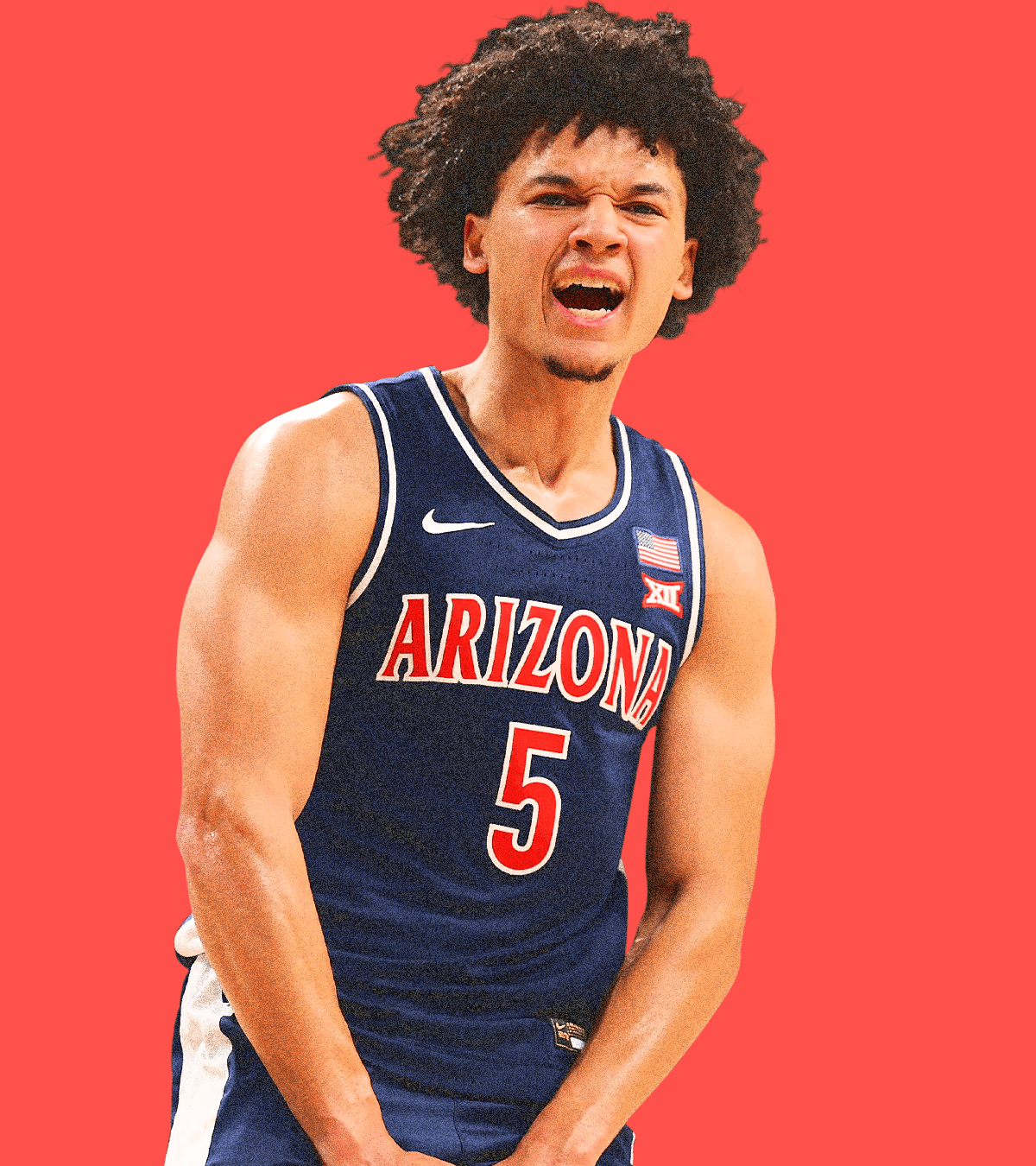

BraydenBurries
Burries is one of the most ready-to-roll postseason players in this draft. He takes the defensive side of the floor seriously, relishing the challenge of difficult assignments and working tirelessly to pressure the ball. He’s a credit on offense, too: Last season at Arizona, he was useful away from the ball as a screener while also creating some gravity with his shooting, and he even showed some signs that he could become a serviceable pick-and-roll threat down the line. In the wake of Giannis’s departure, as the Bucks formulate a path forward without really knowing who their next centerpiece might be, they need high-quality role players more than wild upswing plays, and Burries is definitely the former.
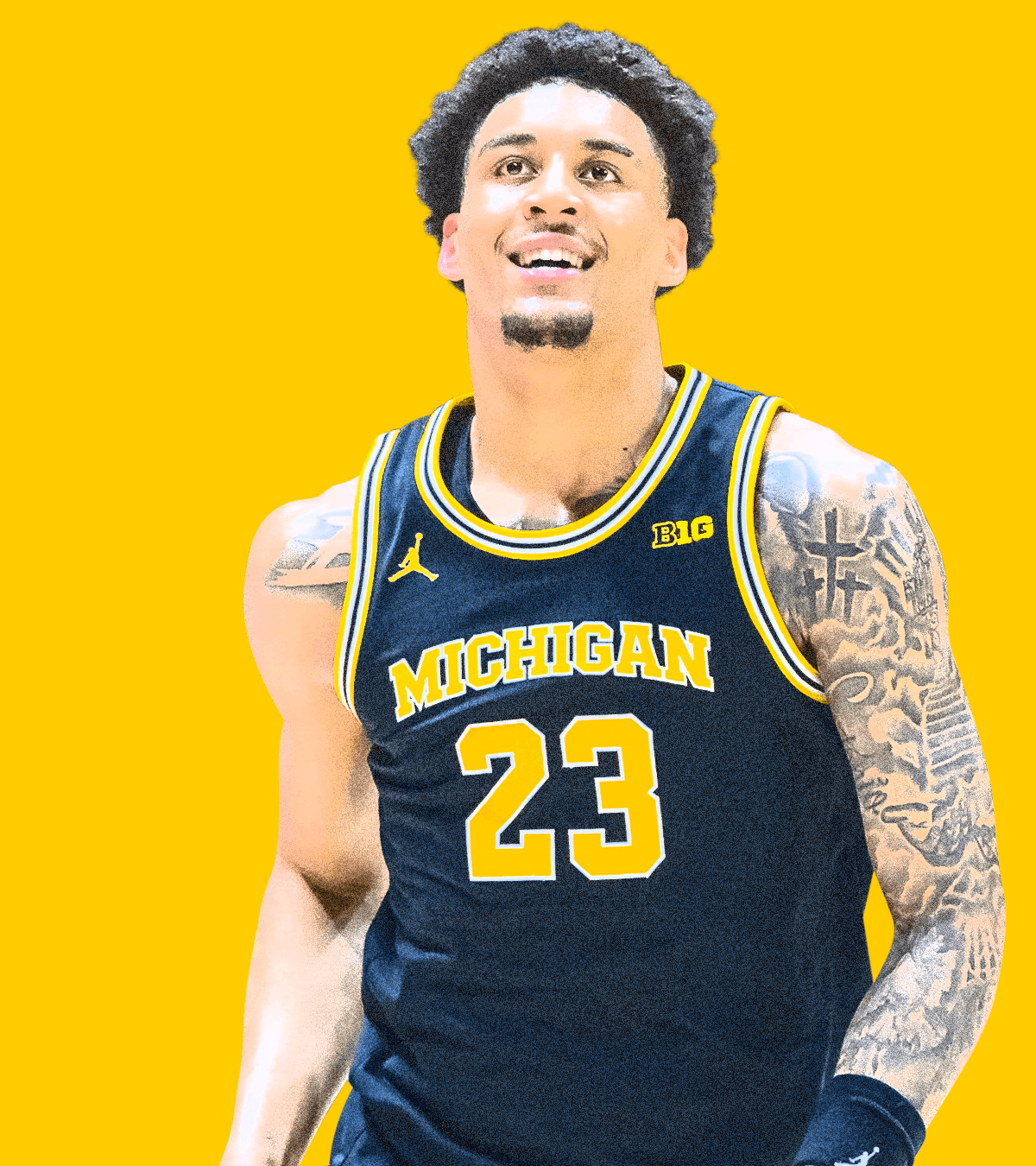

YaxelLendeborg
The recipe for success for Yaxel, given his age and the chatter around the league suggesting that his interview process left teams less than motivated to swing on him with a higher pick, was to land in a situation with a rock-solid veteran foundation and a firm identity. And he’ll get just that in Golden State. Based on talent and versatility, Lendeborg rates higher than the 11th-best player in this draft. With the Warriors, he will have an opportunity to show a little bit of everything: fledgling ball-screen chops, some passing out of the high post, and some catch-and-shoot 3s. I think he’s very capable of doing all of those things, all while being able to switch 1 through 4 on defense. He should be a great depth piece who will allow Golden State to hold its own if any of its aging forwards miss time.
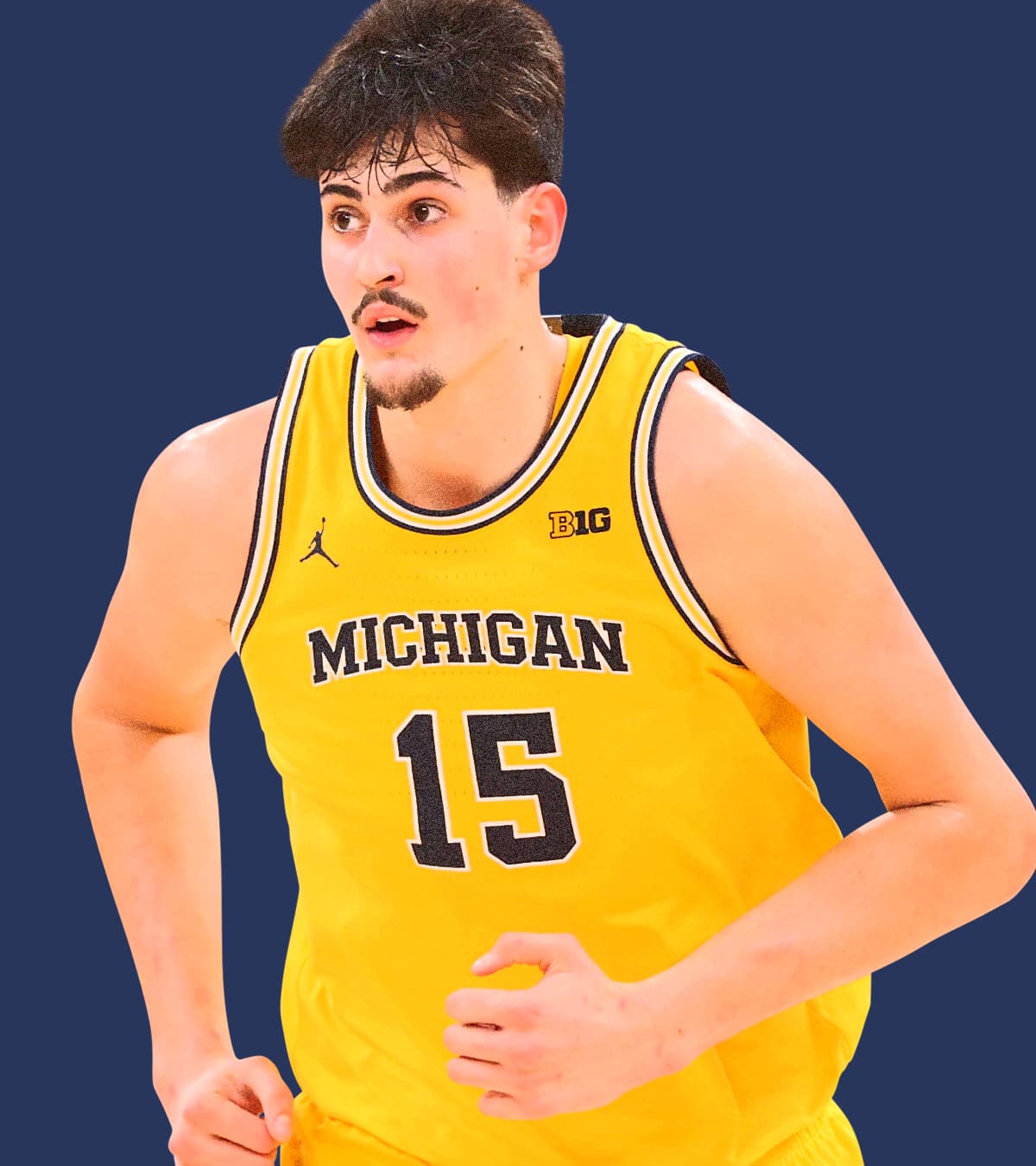
AdayMara
This is right around where I had Mara going, because it’s the range where his obvious positives start to outweigh the risks. Mara will have to prove that he’s able to log big minutes, but when he does play, he is straight up kaiju huge and mobile. He could end up being a nice counter option if/when the Thunder see the Spurs in the playoffs again. There’s more to him than just size, though. Mara could feasibly become one of the best passers on OKC’s roster and instantly add a new wrinkle to their approach as a playmaking hub if movement shooters like Jared McCain, Isaiah Joe, and Jaylin Williams are on the floor with him.

NateAment
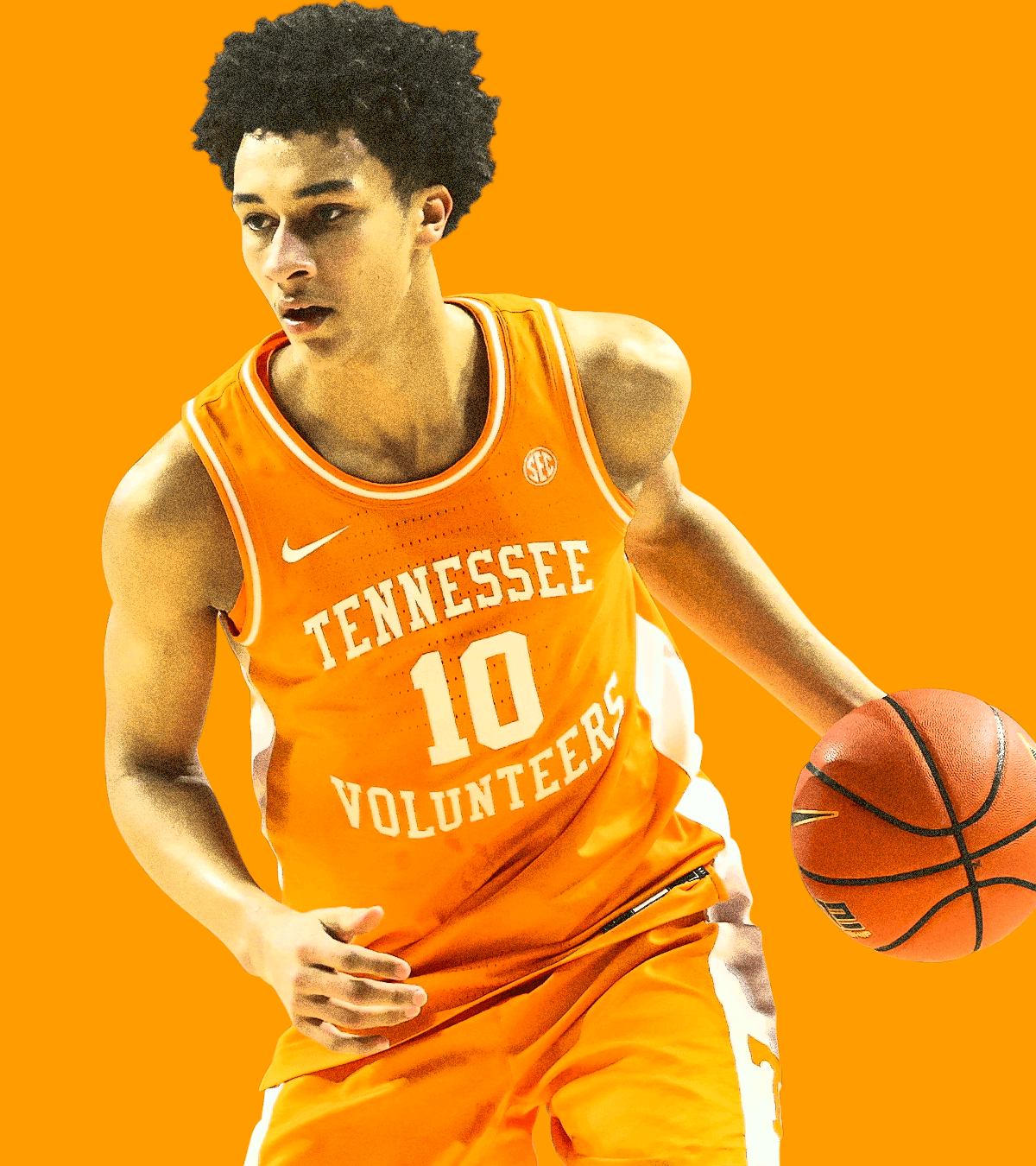
After taking a surefire proposition in Burries at no. 10, nabbing a player with the upside of Ament makes sense here. Honestly, it’s better for Ament, too: If he had been thrown the car keys of an NBA offense as a high lottery pick, I’m not sure that would’ve been healthy for his developmental path. Ament is an exceptionally fluid mover for his size and has shown that he can tap into his potential. He’s more of a here-again, gone-again shotmaker than a pure shooter, and he’ll have to get both stronger and more comfortable inside the paint. So there are just as many “meh” outcomes as there are magnificent ones. It’s still a risk, but at least Milwaukee hedged its bet earlier before taking this flier.

HannesSteinbach
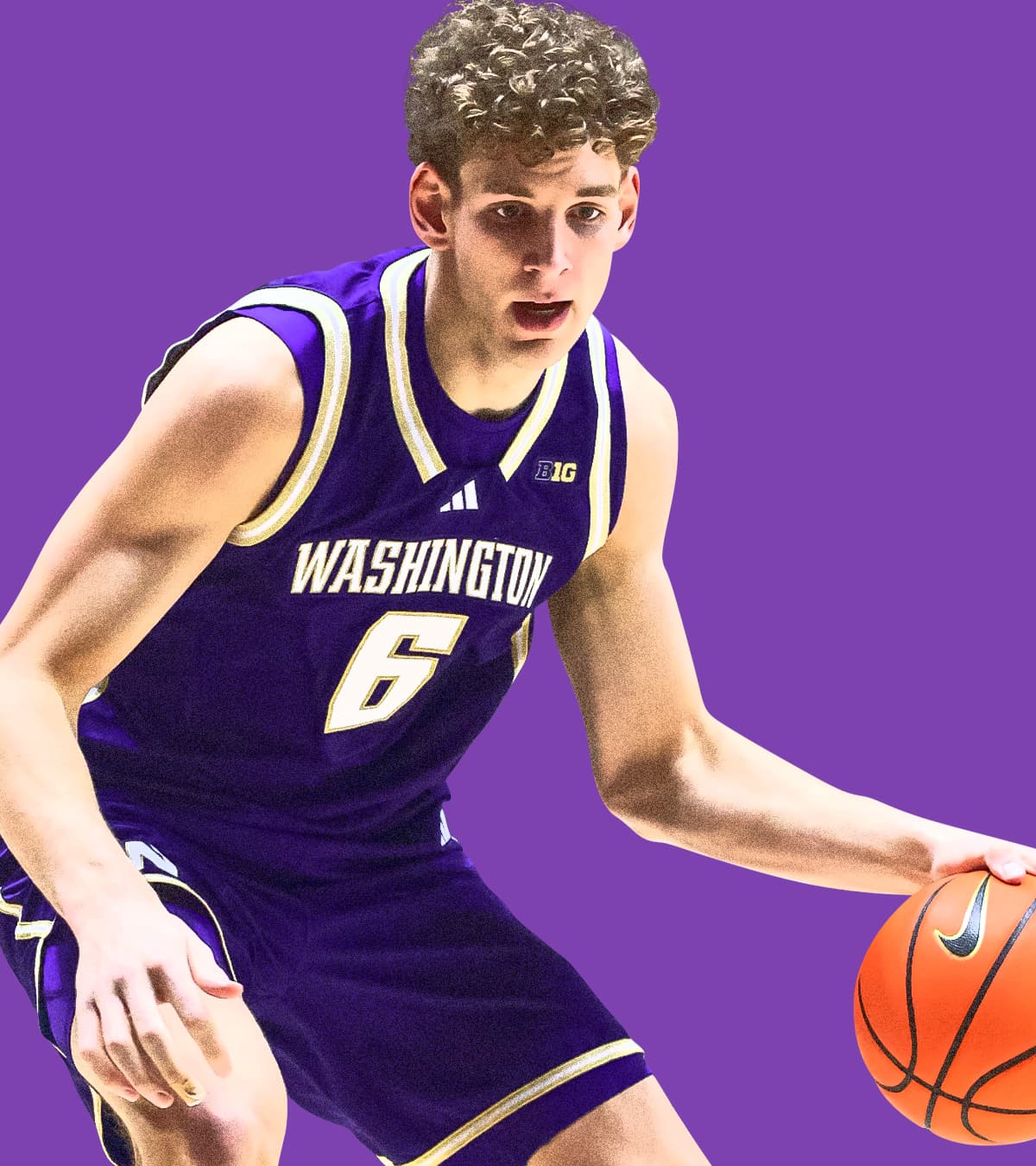
I used to play pickup with this guy named Kenny who was roughly 5-foot-7 and built like a snowmobile. Hand to God, he was the best rebounder I’ve ever been around. And as someone who always wanted to shoot 3s, I loved playing with Kenny because he would grab nearly all of my misses and walk them back out to me so we could try again. Steinbach is a fair bit better (and bigger) than Kenny, but the on-court synergy will be just as seamless between Hannes and the run-and-gun Hornets. Steinbach’s hands are where defensive possessions go to die. He’s an absolute nuisance to move in the paint. Even better: Steinbach is no simpleton skill-wise with the ball in his hands. He has also shown some prowess as a floor spacer (he’s shot well from the foul line) and can make a simple move near the rim. He’s not much of a playmaker, but when you’re inhaling possessions the way that he does, it doesn’t matter.

DailynSwain
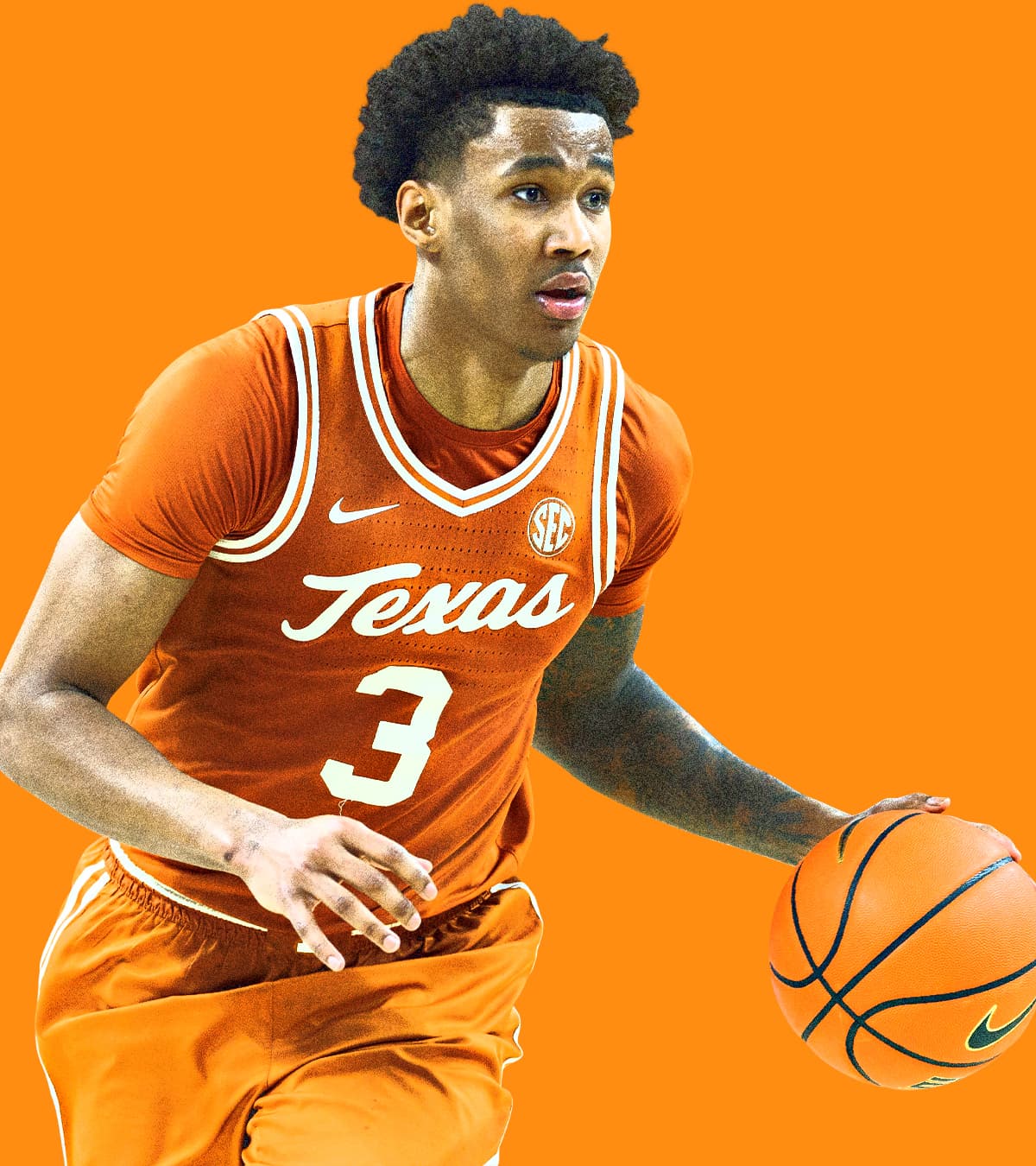
Swain is one of the last remaining star upside bets in the draft. He is roughly 6-foot-7 in shoes and has some of the nastiest dribble separation in the entire class. When you combine that with his appetite for rim finishing and his playmaking creativity, you could almost see him as a more athletic version of Josh Giddey, only with some defensive disruption as well. The shot is slow and hitchy, and he’ll be dared to shoot throughout his career, but adding Swain and Caleb Wilson to your team is acknowledging the importance of getting downhill in today’s NBA. I like it.

BennettStirtz
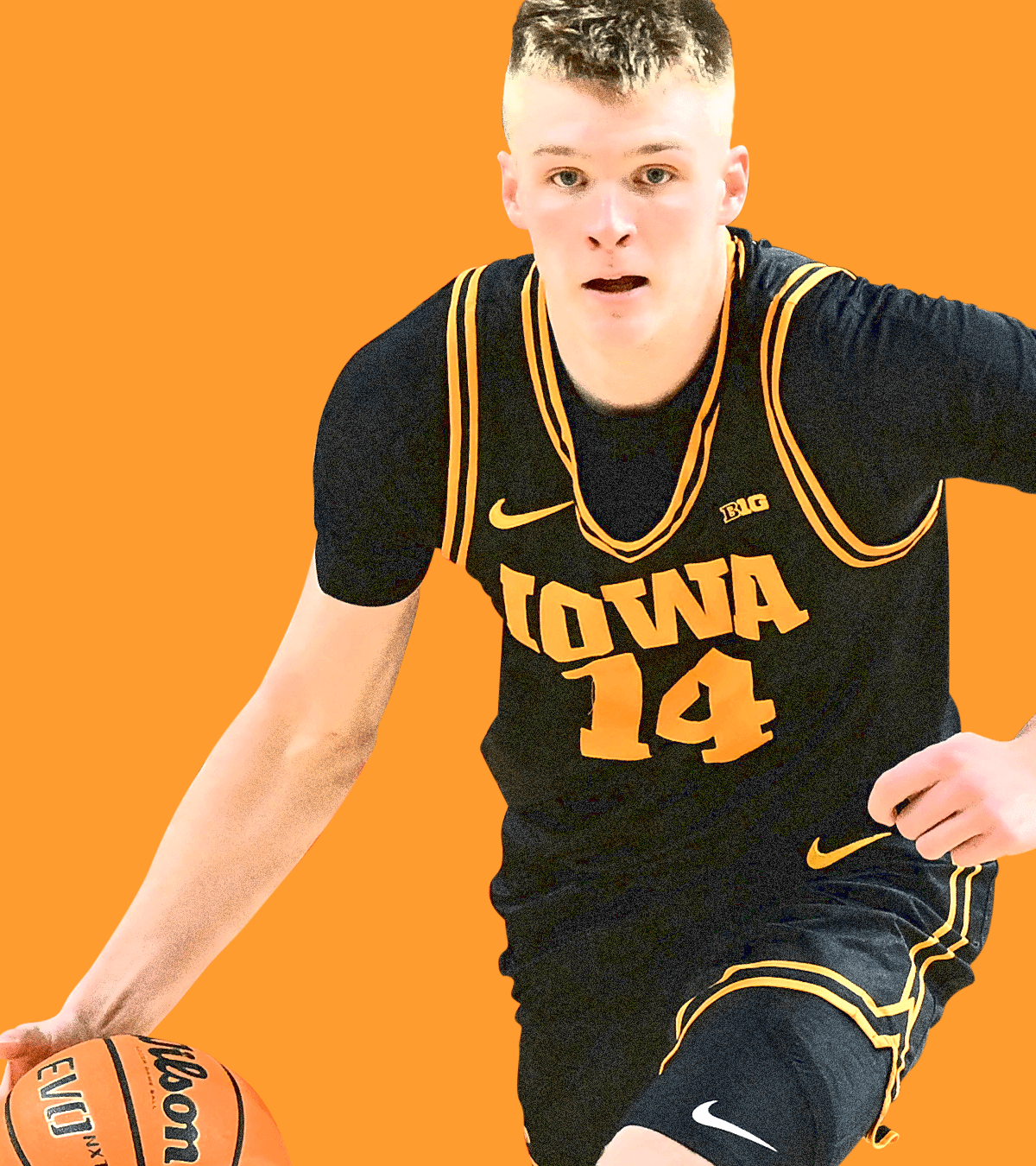
Stirtz was mocked to OKC in our first mock draft for a number of reasons. For one, he fits their archetype of bigger combo guards who can easily shift from high-quality on-ball decision-making to credible off-ball gravity. His terrific pace with the ball will also aid him in being a pretty remarkable finisher, despite largely playing below the rim. He also aligns with the franchise’s preference for understated but fiercely competitive personalities—and he grew up a Thunder fan, to boot. Stirtz to OKC is one of the biggest “well, obviously” fits in this draft.


EbukaOkorie
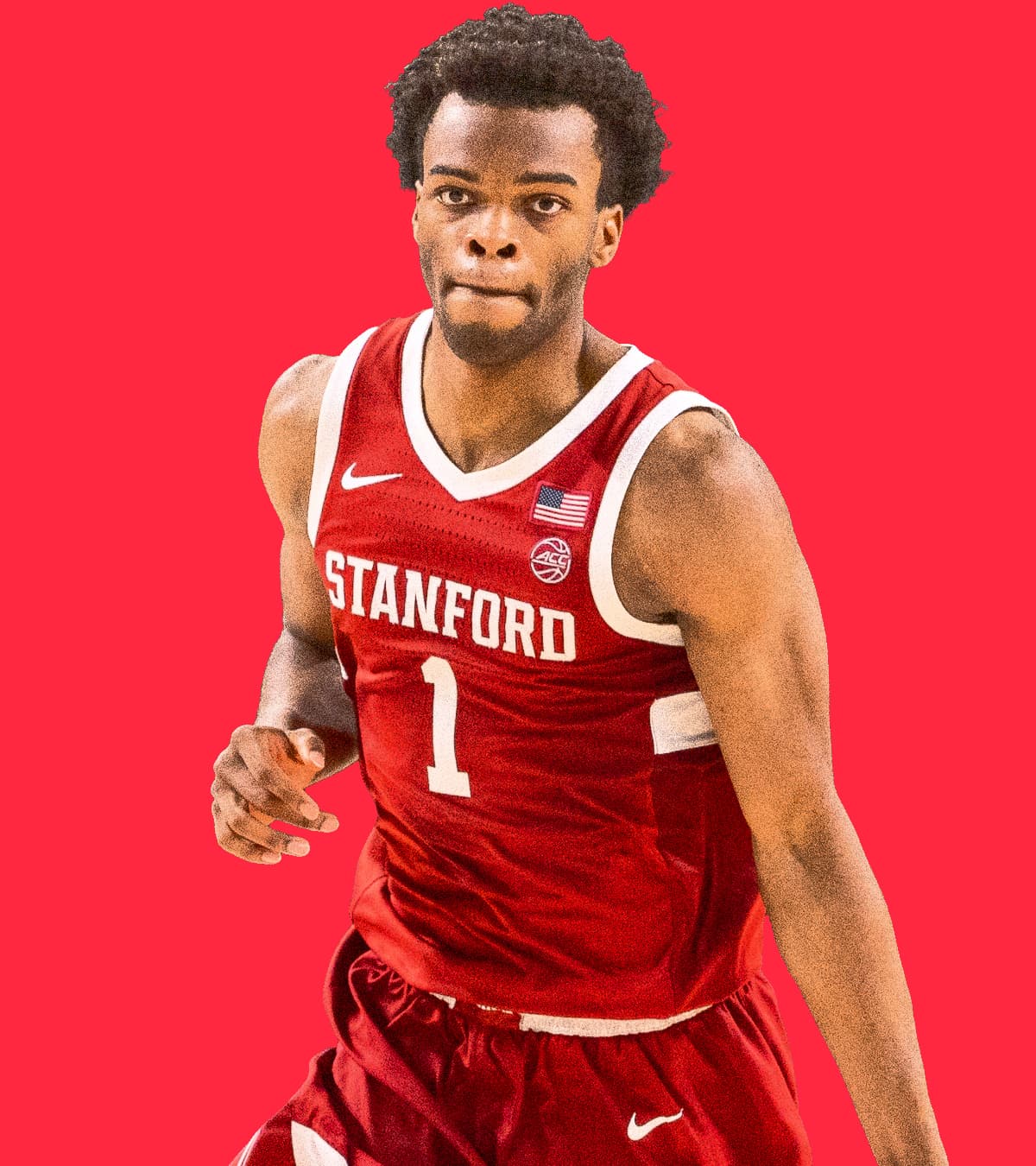
This pick feels like a swing at getting back what Dennis Schröder provided the Pistons during the 2025 playoffs: an ultra-confident downhill force who checks into the game and irks everyone on the floor because wrangling him is like trying to catch a sweat bee with a pair of tweezers. Dailyn Swain might have the most violent dribble separation, but Okorie’s is downright vicious, too. Smaller guards are always a risk, but if he’s on the floor with Cade Cunningham, it will be absolutely maddening to keep this guy out of the paint.

ChristianAnderson
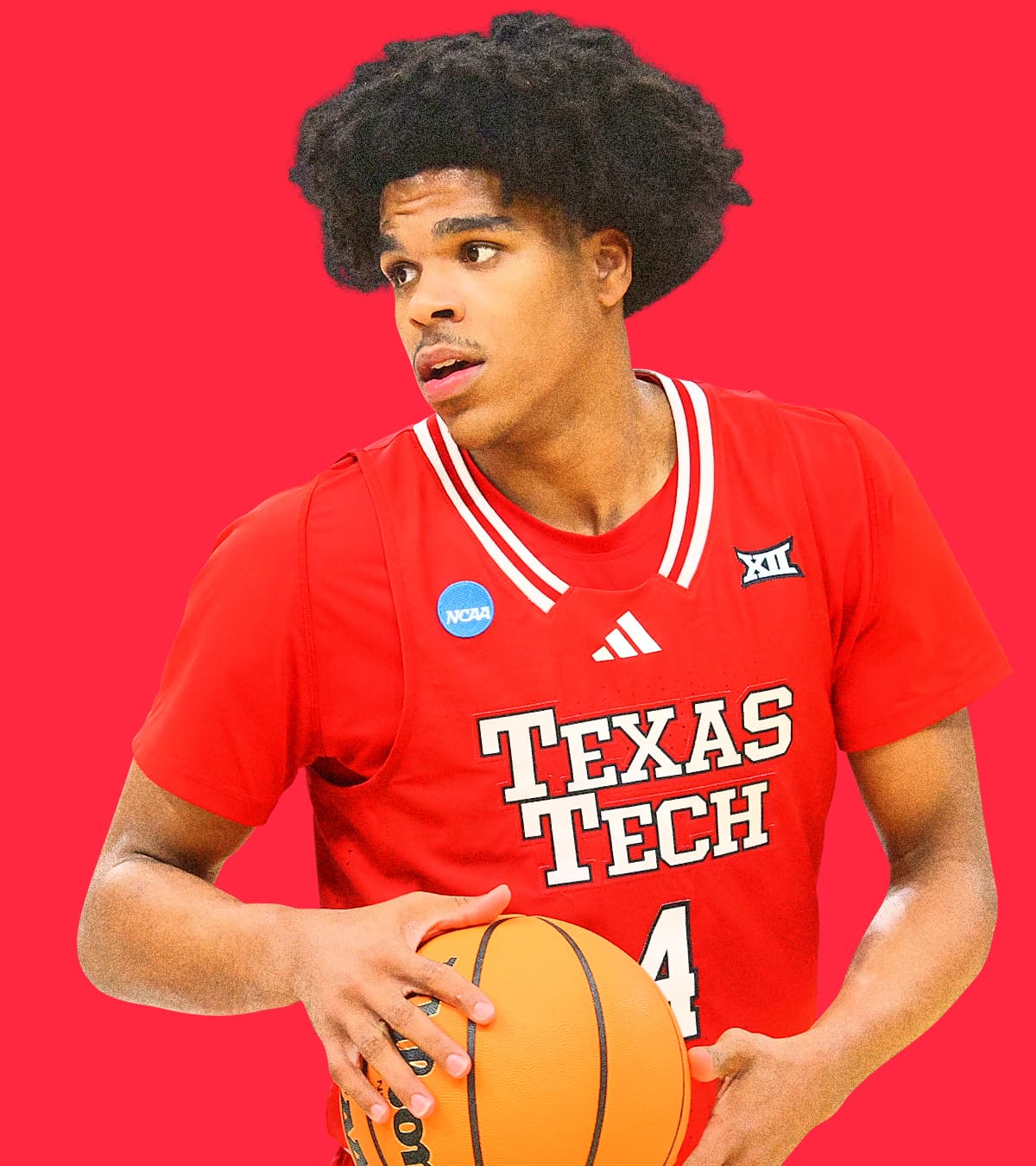
The “take a big with the early pick and a guard with the later pick” pattern seemed like the way to go for the Hornets, and with Steinbach already on board, they used their next selection on Anderson, who is about as in line with Charlotte’s identity as any guard in this draft. Among the point guards in this class, Anderson is easily the most effective pull-up shooter, and he’s had some moments where you might mistake him for Darius Garland. Anderson will have to work to keep his head above water defensively, and I’m skeptical that he’ll ever have even a neutral impact on that end of the floor, but he should add some nice, on-brand depth for the Hornets.

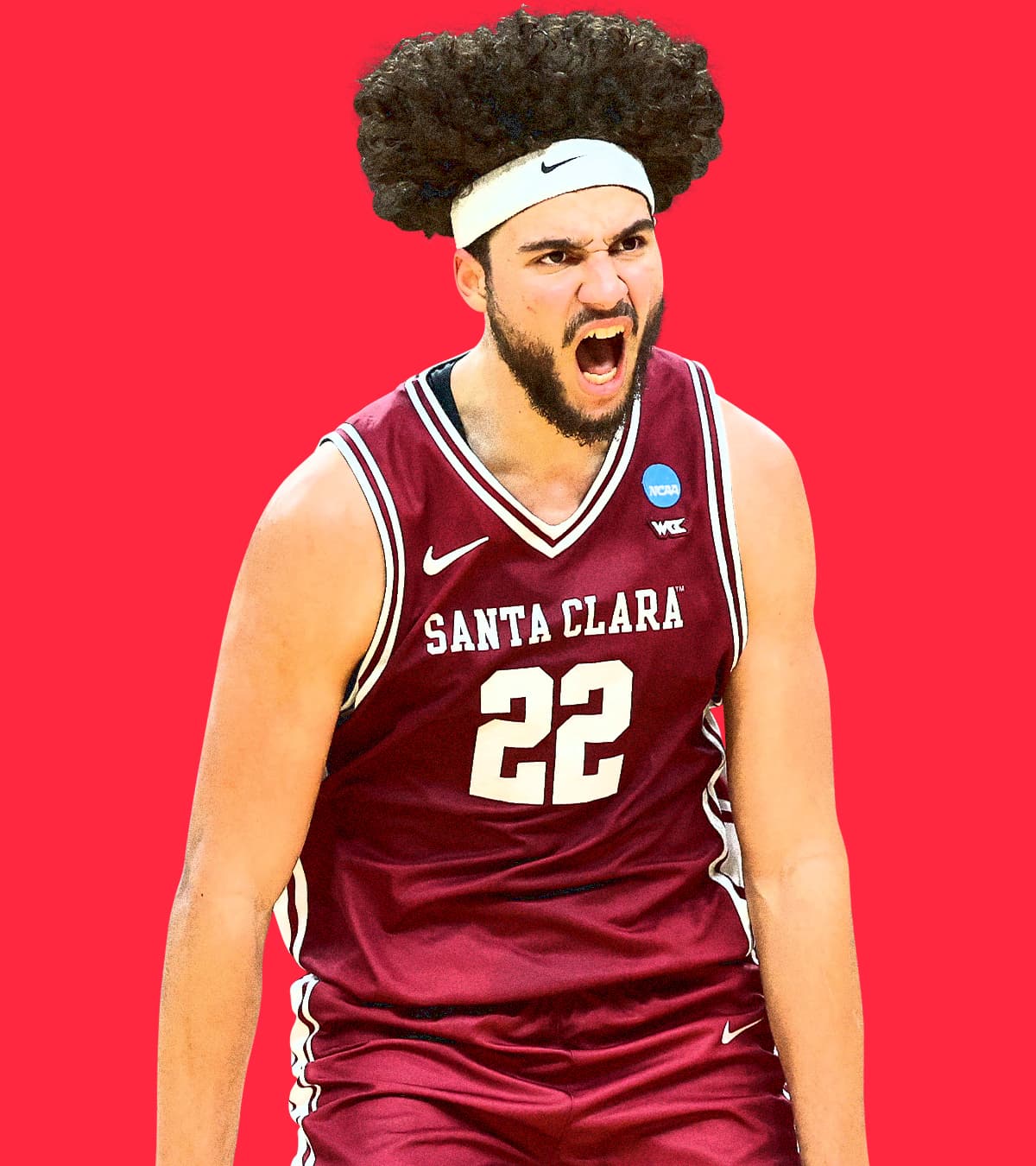

AllenGraves
Graves is an odd prospect in that he redshirted as a freshman and then didn’t start the following season on an OK Santa Clara team. He didn’t even have the kind of crazy production that we’ve seen from Bronco prospects in the past, like Jalen Williams and Brandin Podziemski. His selection here is driven more by a breadcrumb trail of strong analytics—most notably his high steal percentage—as well as his connective playmaking and some enticing shooting prowess for a power forward. He’ll need to level up his physicality to get to Toronto’s frenzied level on defense, but the Raptors need the kind of space and decision-making that Graves can bring to the floor.

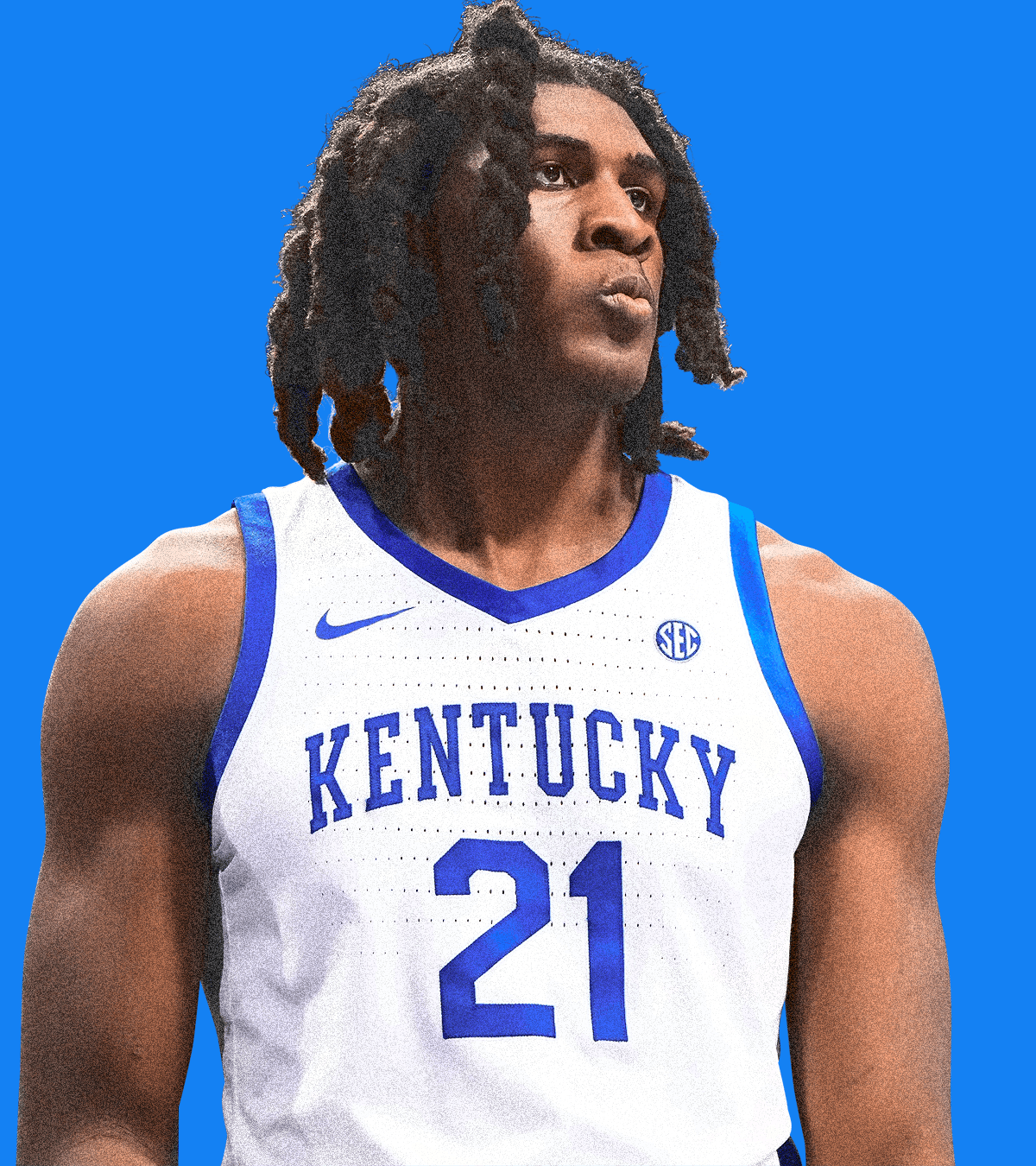
JaydenQuaintance
Wondered if this one might happen. I had mocked Quaintance to the Spurs in one of our previous mock drafts based on zero intel; I was going purely on what I saw of his personality behind the scenes at Kentucky and what I saw on tape when he was healthy at Arizona State, where he dominated the Big 12 defensively as a 17-year-old. After the Spurs lost to the Knicks, the need for some second-unit defensive nastiness only increased. Quaintance’s injury history makes this a risk—he not only suffered an ACL tear to end his first season, but he lasted only a few games at UK before going out again, leading many to wonder whether this would be a lingering issue. But if Quaintance stays healthy, he could end up a top-five player from this draft. He’s that versatile of a defensive talent. For a team that just went to the Finals, that would be quite the coup.

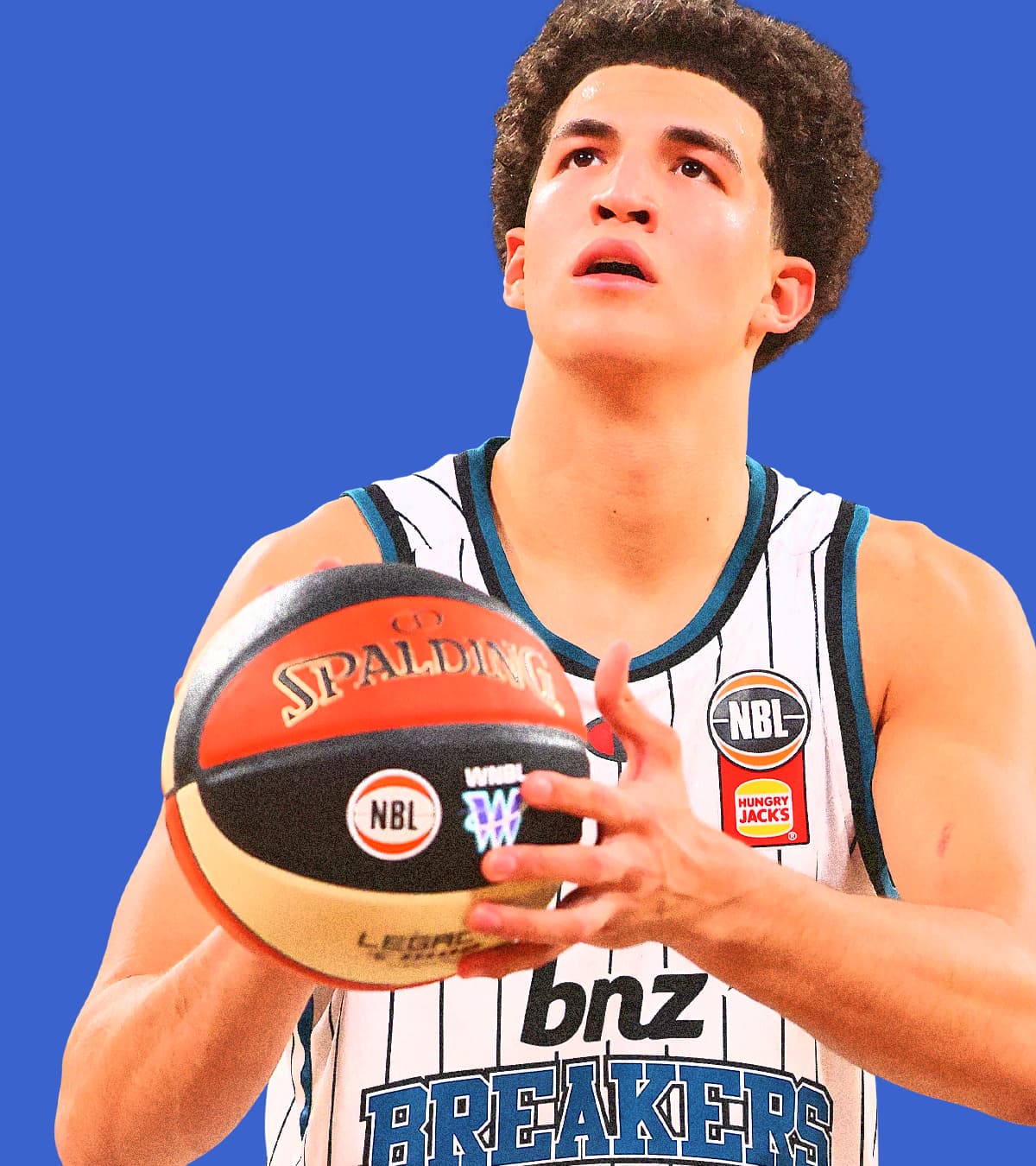
KarimLopez
The Grizzlies are turning a page on their previous era, so taking a developmental bet like Lopez makes sense. The overseas forward is still young, having just recently turned 19. He also fits their identity: He’s big, strong, and has the kind of physicality that Memphis fans are used to in their frontcourt. I had him 36th on my board—much lower than some—but he’s worth the risk for a team that has plenty of time to figure out what he is in the NBA.

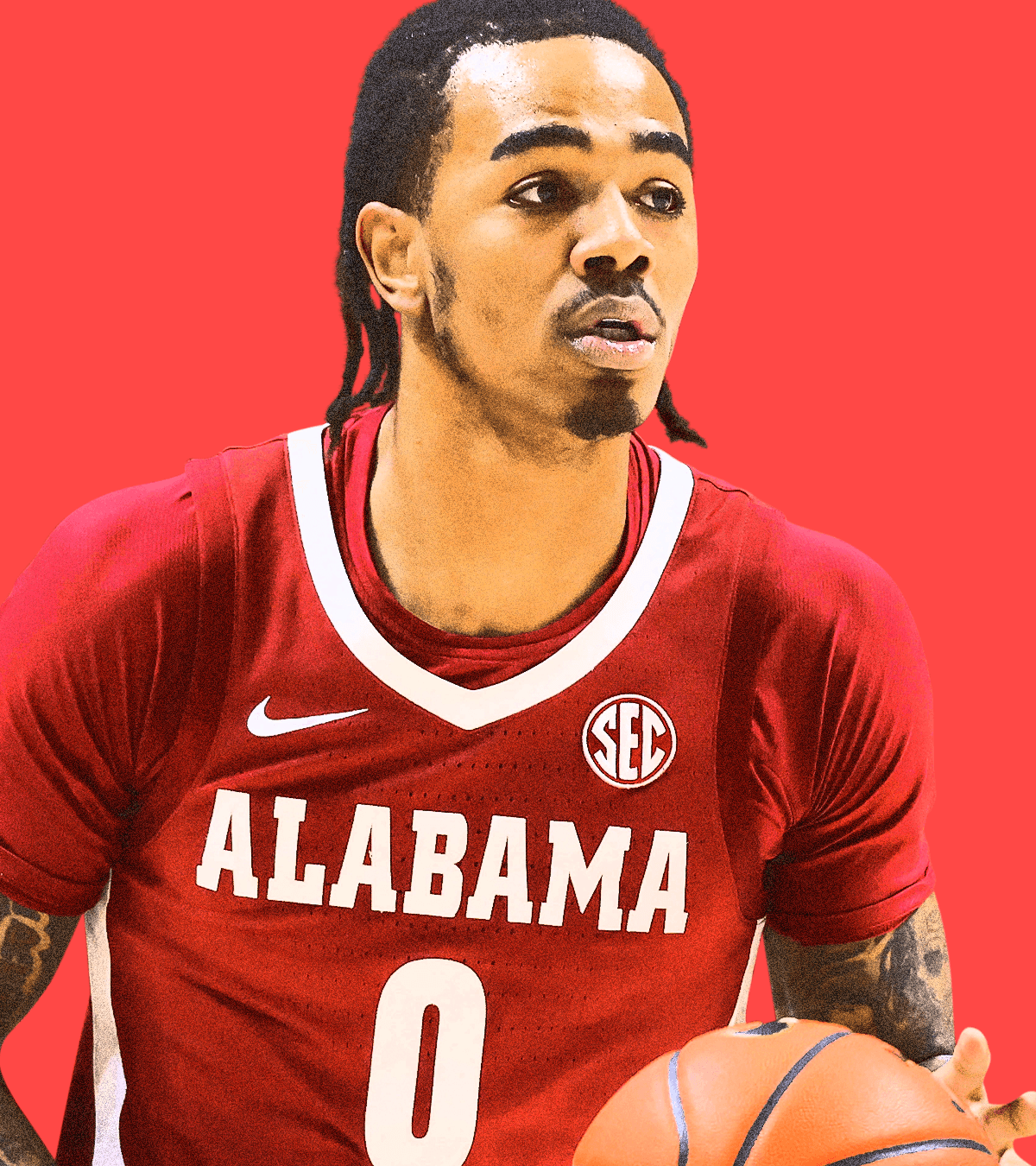

LabaronPhilon Jr.
The Sixers liked Philon a lot last year, when the then-Alabama freshman declared for the draft, only to return to school for his sophomore season. I don’t think they thought he would be available here—and neither, apparently, did Philon, who seemed emotional on the broadcast as he waited for his name to be called. So while I thought Philly would look to a quality 4 to fill out its frontcourt, the value was too good here to pass up.

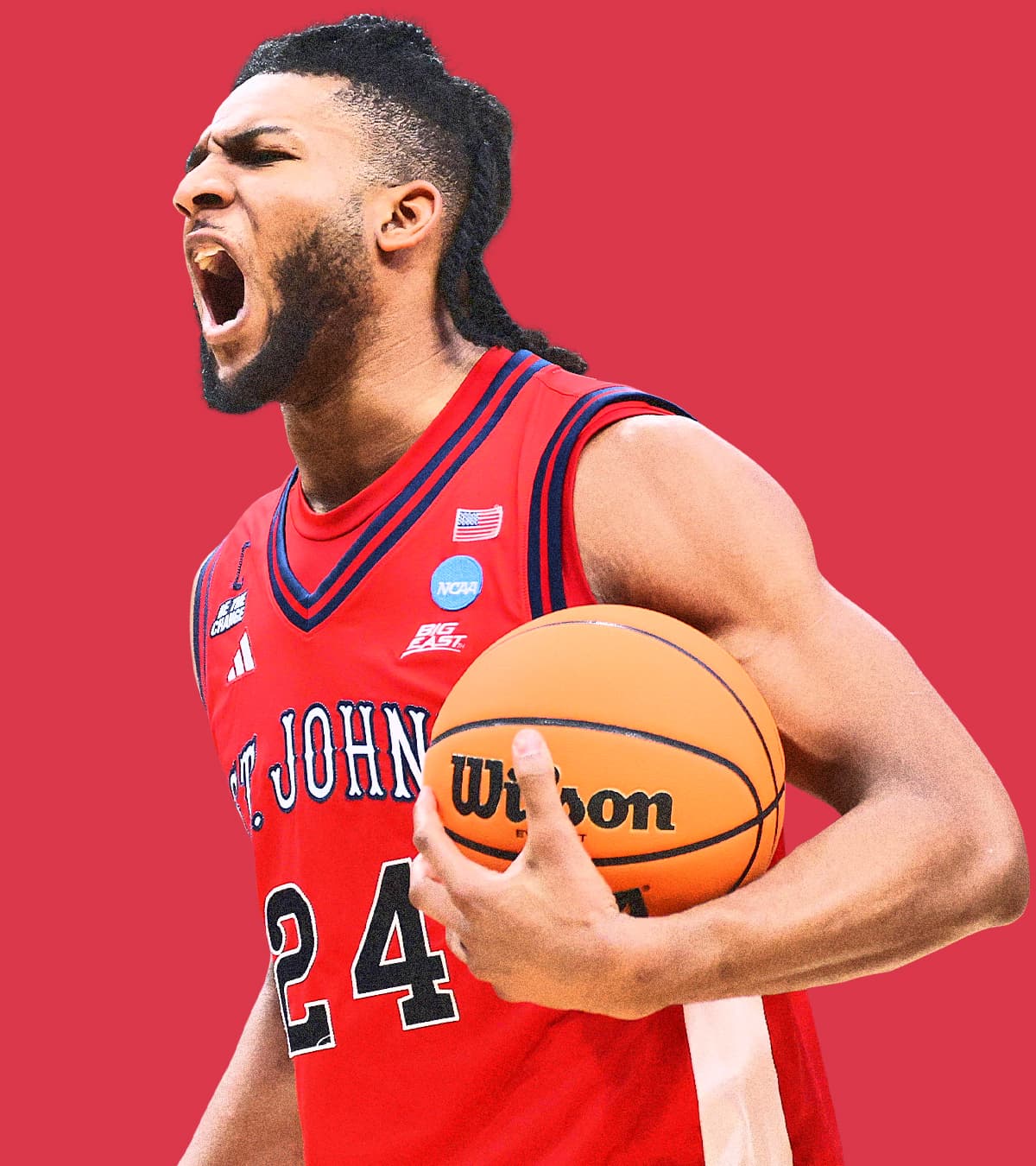
ZubyEjiofor
This one was a bit of a surprise, given that the Hawks drafted Asa Newell, a younger upside bet, at 23 just last year, and have a fair amount of size at forward overall. Zuby’s high-level passing distinguishes his game from some of what they already have, and he has a great motor. I like Ejiofor overall, but there were some higher-upside developmental players still on the board at this point who were younger and provide similar traits.

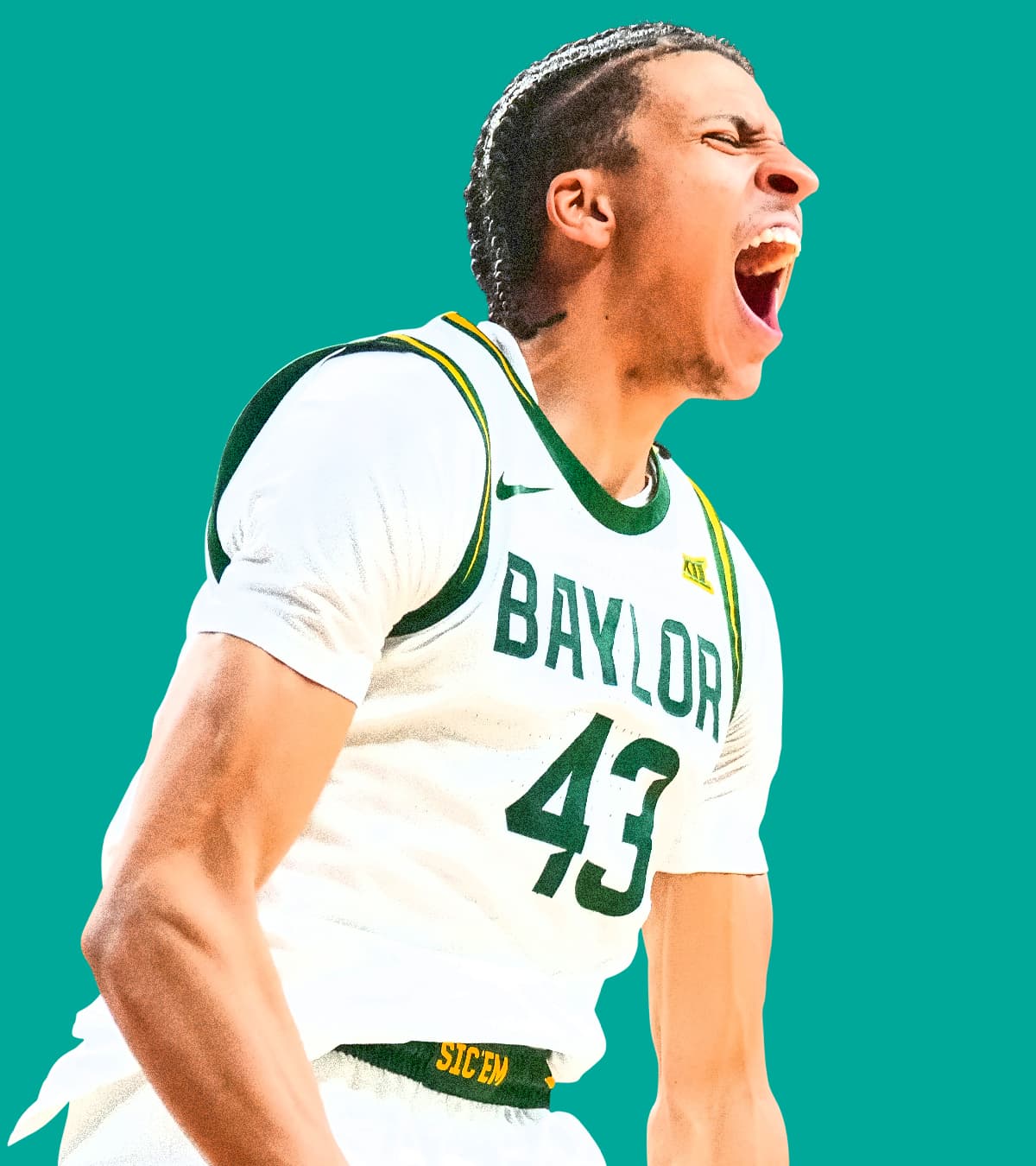
CameronCarr
Carr was reportedly projected to go as high as 14, and the lowest I’d heard he could slide to was 19. But this could end up being a blessing in disguise. Luka streamlines the games of the players around him, and he’ll give Carr more catch-and-shoot 3-point opportunities than he can handle. The Lakers need perimeter depth—they’re currently composed mostly of guards and beefier wings like Rui Hachimura, who’s an unrestricted free agent—so trading up a spot to grab a player they didn’t expect to be available was a nice piece of business.


SergioDe Larrea
The Mavs need backcourt depth, which is why I thought they’d target Brayden Burries with their first pick. Instead, they picked Morez Johnson Jr., reteaming him with his college coach, and waited until later in the draft to land a quality ball handler. Sergio isn’t an elite athlete, but he has good size and great feel. He should be able to hold down a role running pick-and-roll in controlled doses and spacing the floor for Cooper Flagg and Kyrie Irving.

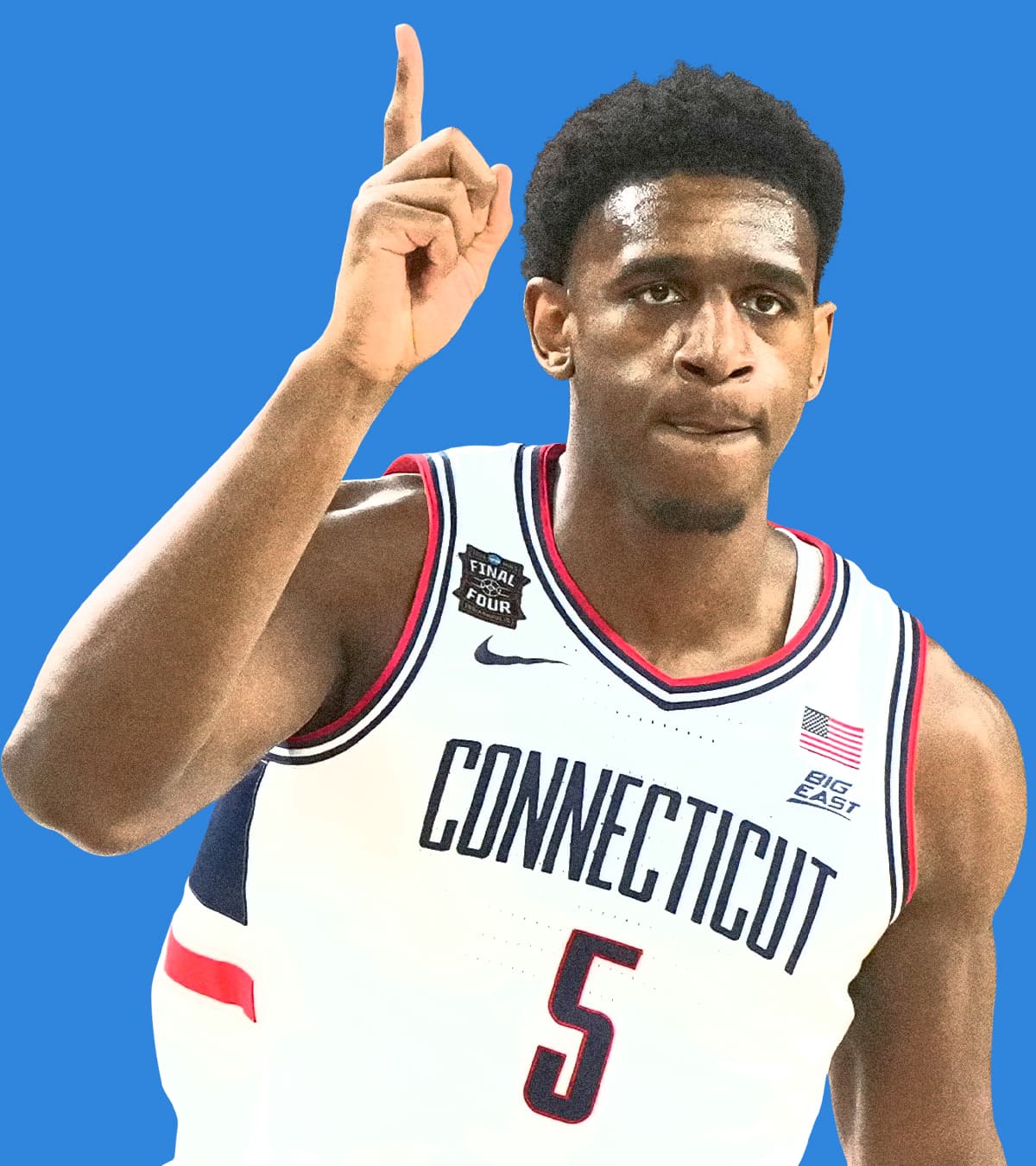
TarrisReed
The Spurs took a risk with their first pick, landing Jayden Quaintance, who revealed to reporters after his selection that he needs another procedure on his knee. So adding more frontcourt depth now makes sense. Reed might be the cleverest, craftiest post presence in the entire draft, and that includes Cam Boozer. He’s light on his feet and can really get buckets. Quaintance has immense defensive upside, while Reed is more of a traditional post player; so even when the former is healthy, they should give the Spurs options to combat teams looking to push them around inside.
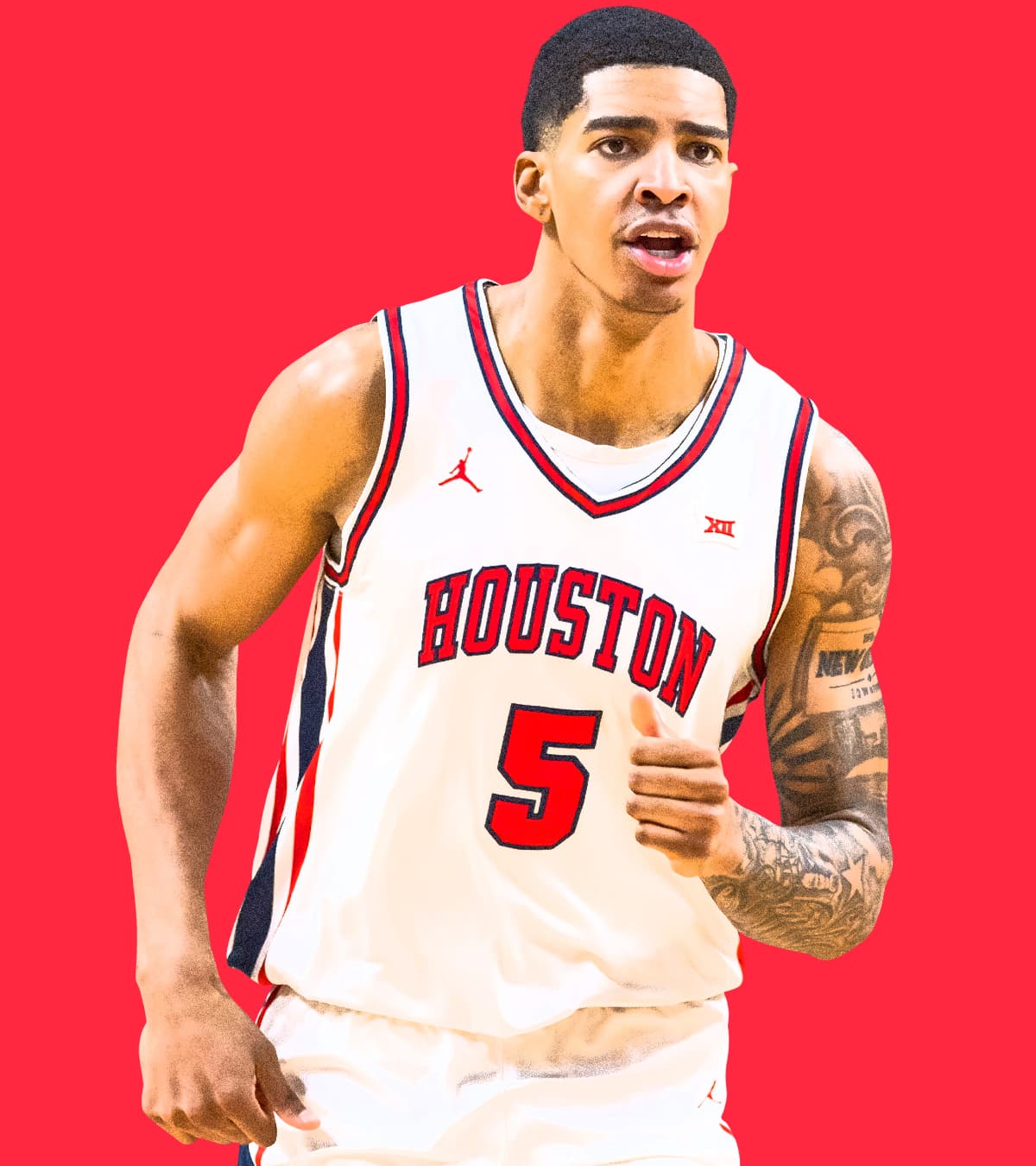

ChrisCenac
Cenac has the tools. I’m just worried about whether they’ll ever come to the surface. A lot of his future seems dependent on what environment he lands in, and lo and behold, he ends up in one of the best incubators for young talent in the league. Cenac is talented—he was a top-10 high school recruit because of his smooth athleticism, great frame and dimensions, and shooting potential. If any team can straighten out the snags in his game, it’s the Celtics.

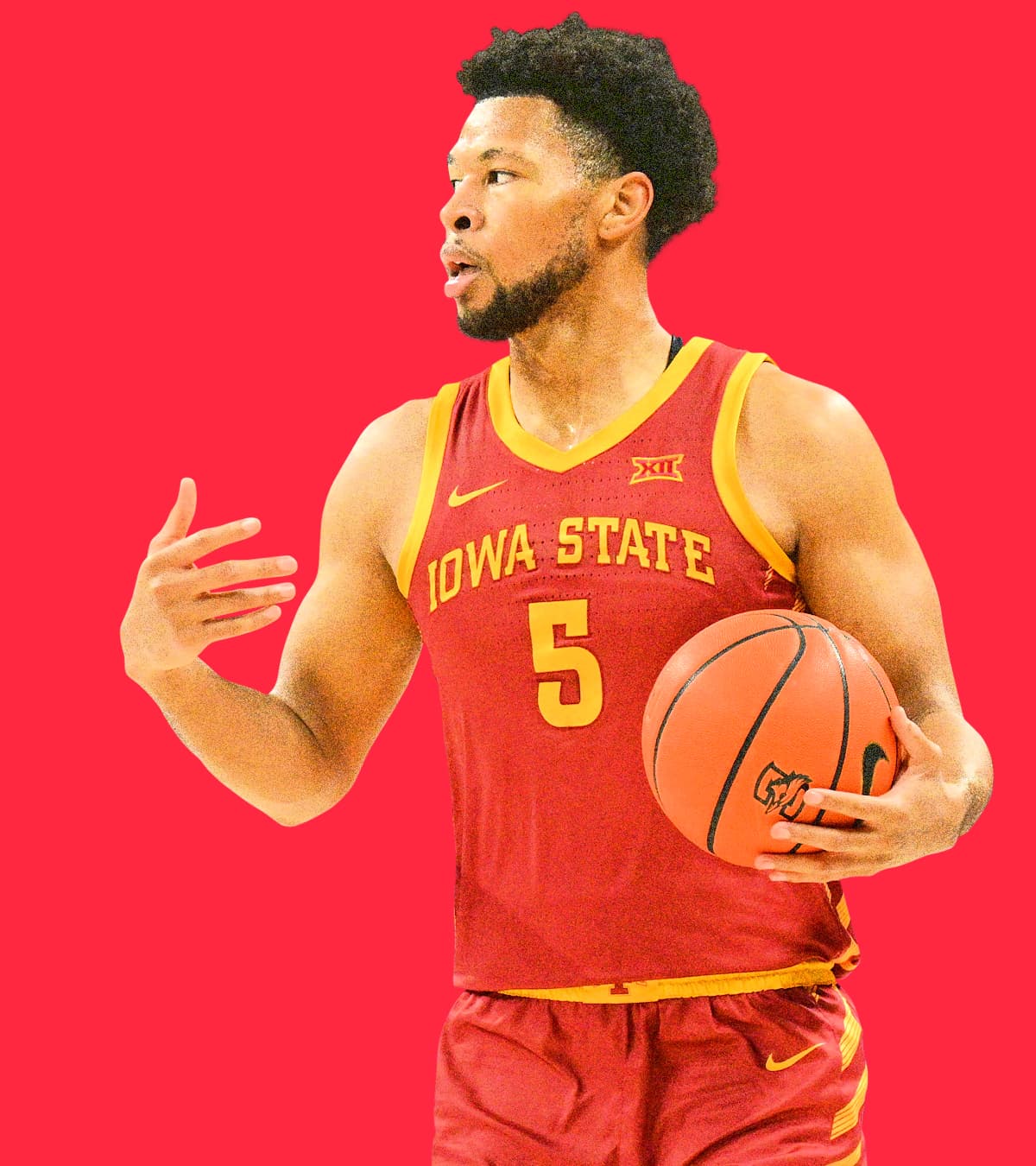
JoshuaJefferson
I’m a gigantic Jefferson fan—I had him 25th on my board because of his creative passing and the ability to churn out deflections. He certainly fits the type in Brooklyn, which has loaded up on playmaking over the past two drafts. I almost wonder if he was Mikel Brown Jr. insurance, as the Nets could basically outsource the decision-making while Brown, the no. 6 selection, handles the more spectacular plays. But Jefferson is such a high-IQ player that I’m optimistic he will find a way to fit in on this team in some way.
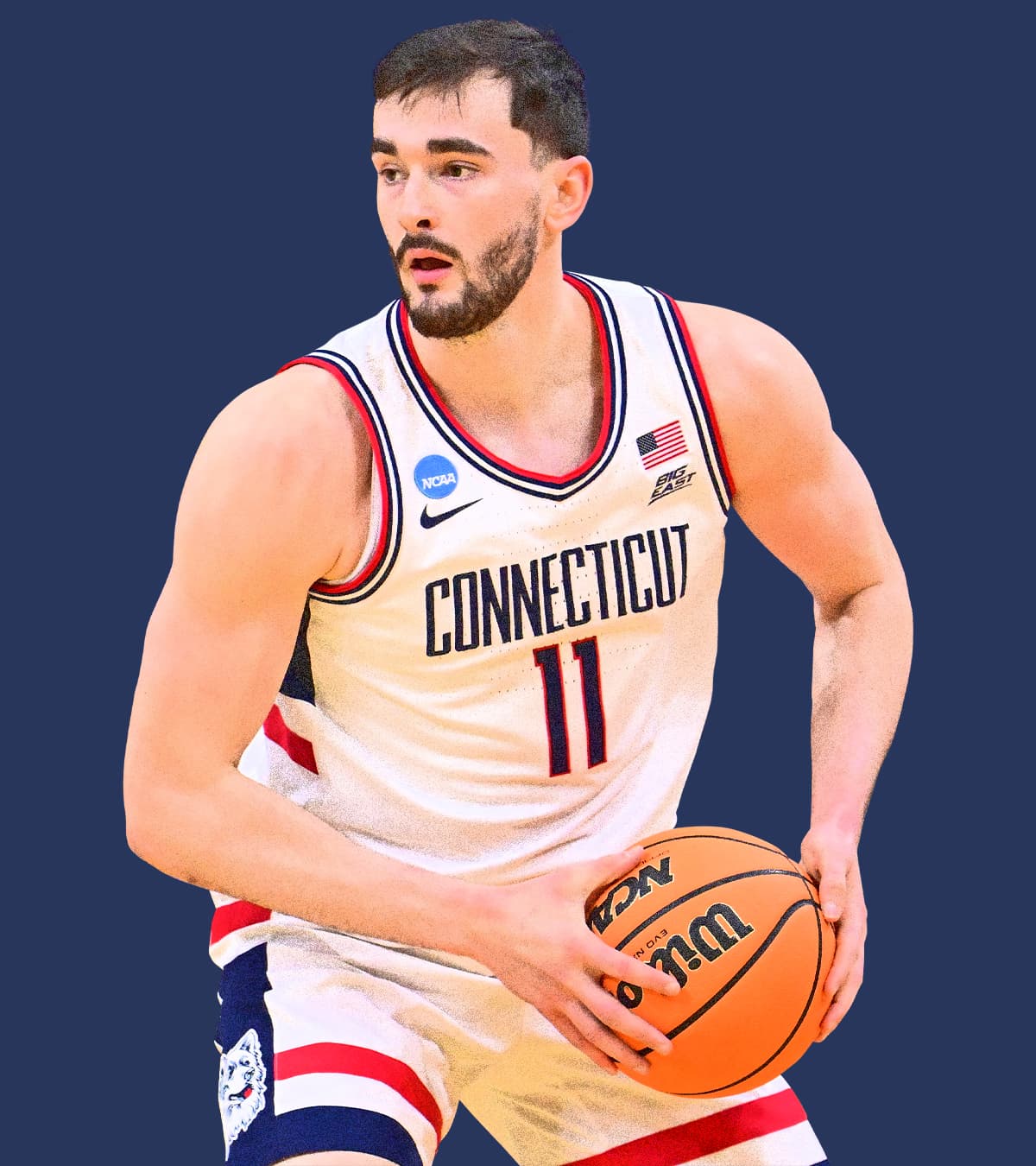
AlexKaraban
In a rare moment of clearheaded culture-building, the Kings traded back into the first round in order to land one of the biggest winners in college basketball history. Karaban has good size and should become a dependable floor spacer, but his real gift is what he does with his mind. He has great feel, which he uses to open up all sorts of shot opportunities with his screening, and keeps the mistakes to a minimum. Sacramento needs stabilizers, and pairing Karaban with Darius Acuff Jr. should go a long way toward establishing a baseline for success.

KoaPeat
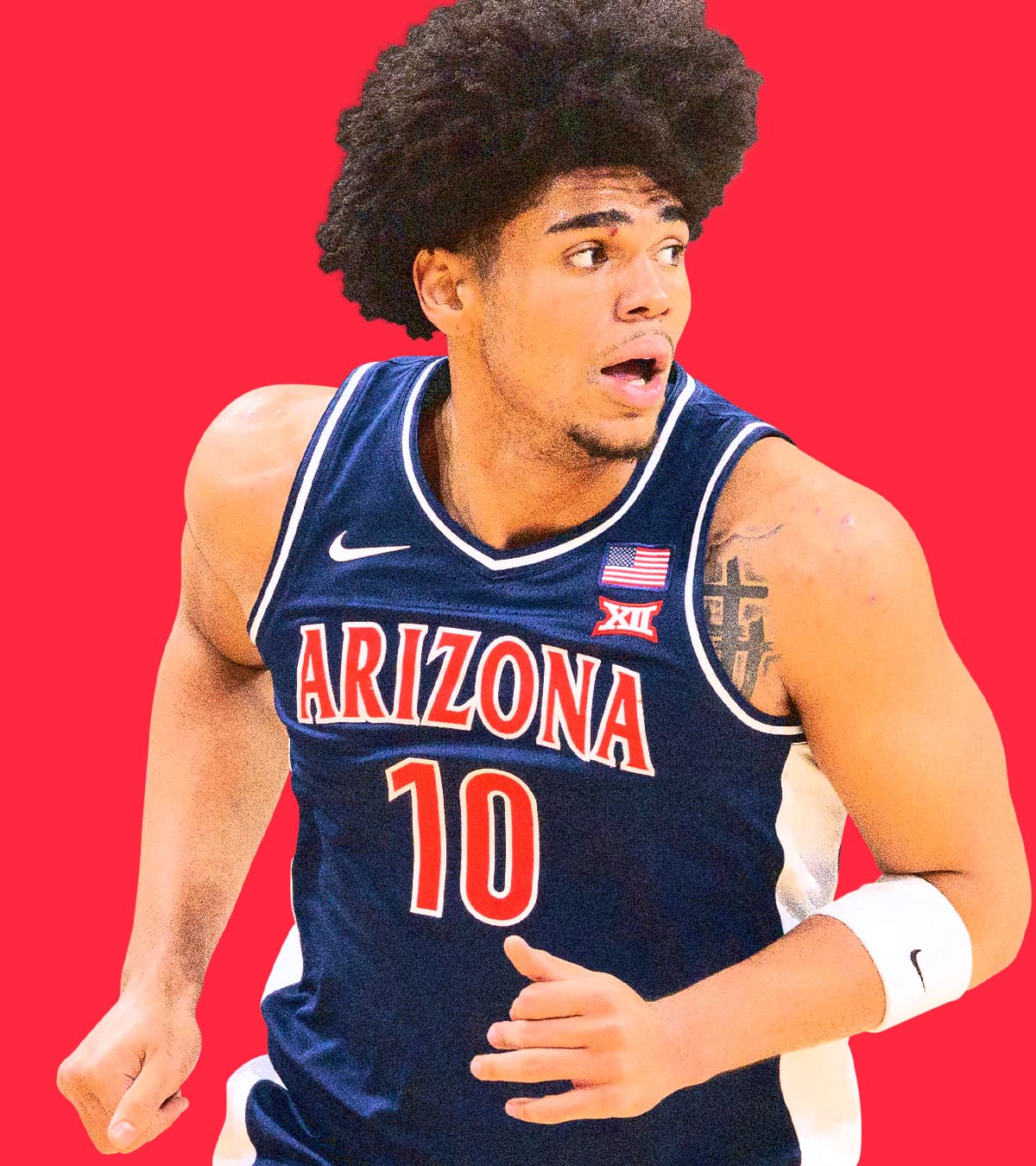
The Suns go with a local player yet again. Peat is functionally an upgrade over Oso Ighodaro, who played well for the Suns this past season but makes the majority of his impact with his motor and as a connector. Peat can do a lot of the same things just as well, and also doesn’t add much from the perimeter. But he has a wider switchability range, and a lot of upside. Maybe the hard-nosed culture Phoenix built last season can tap into some of the feel and unique physical traits that made Peat one of the top prospects coming out of the prep ranks.