Hosts
 Derek Thompson
 Derek Thompson
About the episode
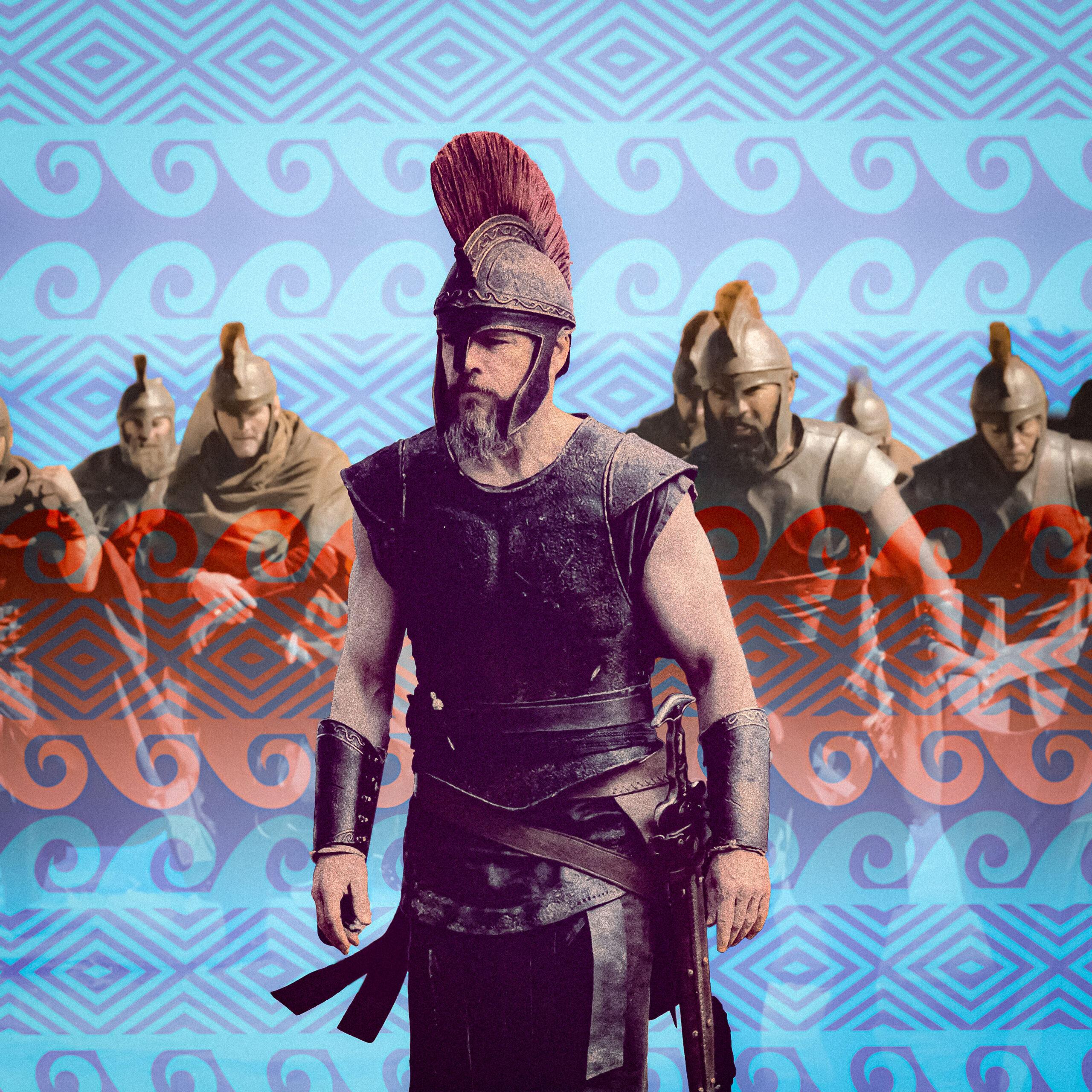
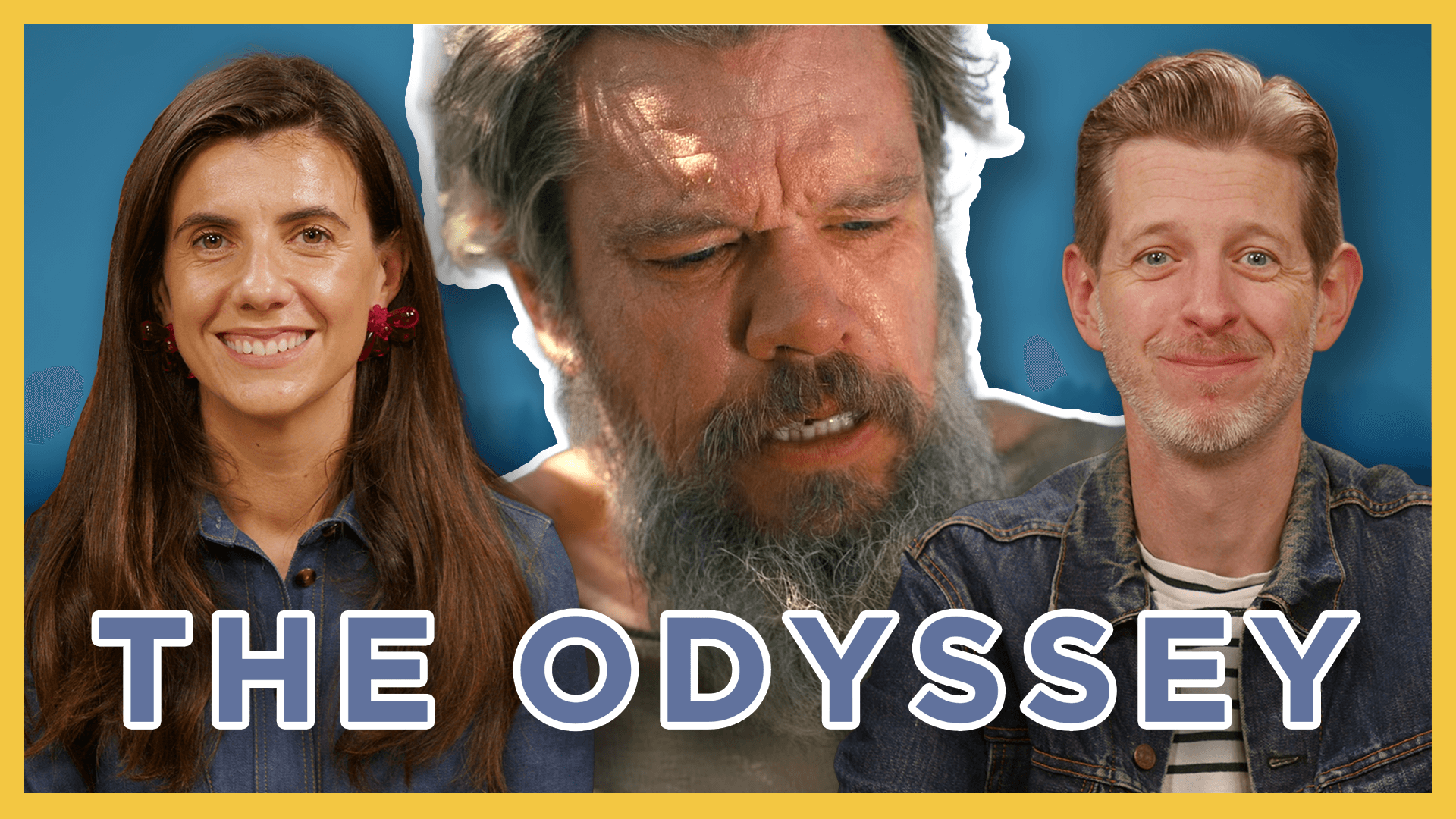
Christopher Nolan’s The Odyssey is finally here, but how exactly has a 3,000-year-old story endured long enough to become the foundation of Western storytelling? Derek is joined by Karen Ní Mheallaigh, chair of classics at Johns Hopkins University, to explore the mysterious origins of Homer’s epic and the timeless themes that have captivated audiences for millennia. They discuss how The Odyssey outlived thousands of other ancient poems, how its story of homecoming and hospitality shaped Western literature, and why filmmakers and creatives like Christopher Nolan keep returning to its core ideas.
Subscribe to our YouTube channel here.
If you have questions, observations, or ideas for future episodes, email us at PlainEnglish@Spotify.com.
In the following excerpt, Derek talks to Karen Ní Mheallaigh about classic thinkers and how they do and don’t reflect the modern world.
Derek Thompson: The classics seem like such an interesting discipline to me, because it’s one where I feel like there’s such extraordinary passion among those who study it and specialize in it. While you’ve got these outsiders who are like, what is it they’re obsessed with over there? Diogenes, Epicurus? Aren’t they extremely dead? And maybe this is just coming from mere jealousy. I majored in political science. And I like it just fine, but I don’t have a passionate love affair with the corpus of political science. So, again, knowing that this question is coming out of love and jealousy, rather than out of some kind of criticism, what’s so captivating to you about the classics and about the ancient imagination?
Karen Ní Mheallaigh: Well, I mean, one of the things I’d start by saying is I think one of the reasons that classicists tend to be so passionate about the topic is because you have to kind of work hard to get to the topic. It’s not really widely studied. It’s a niche interest. So, if you’re committed, you’re committed. And for me, I’ve always felt that the past is something of an alien planet, an alien world. And so, it’s an opportunity to … And there are classicists who feel very differently, who’ve got into studying this world precisely because they feel that it’s shaped the world we live in. And I get that and I think that’s valid. You look around everywhere, you’re in D.C., you look around, you can see all of the classical columns, and the classical architecture. And the US government uses words like Senate, et cetera, Capitol Hill.
We’re absolutely still immersed in the world of Greece and Rome in many ways. But for me, I’m not just interested in the world of Greece and Rome. And one of the intriguing things to me is how alien, how different ancient thinking can be. And so, the questions that really fascinate me are some of the really basic questions that they ask, like, what is the universe made of? And they have very different answers in some ways. So, for me, that’s what ignites my imagination. It’s so different to the way we think now.
This excerpt has been edited and condensed.
Host: Derek Thompson
Guest: Karen Ní Mheallaigh
Producer: Devon Baroldi
Additional Production Support: Ben Glicksman
More on ‘The Odyssey’